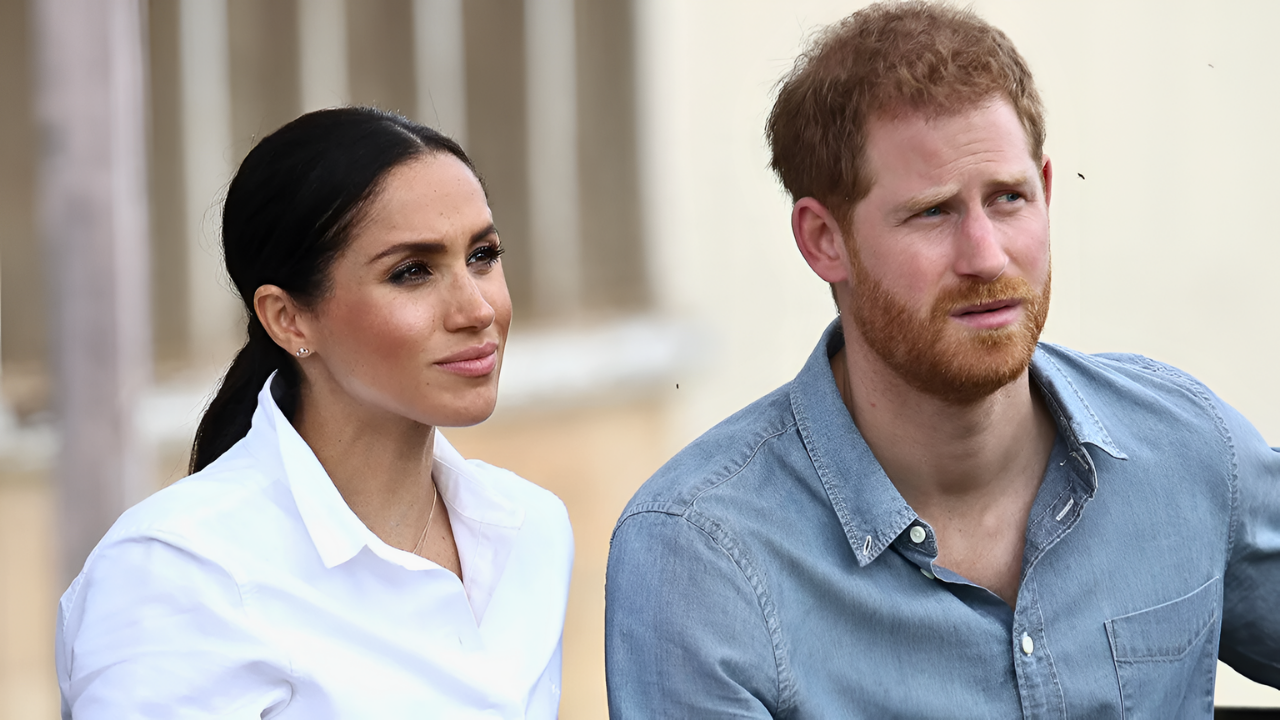
The moment plays out in an instant: Meghan Markle leans forward in the December 2022 Netflix docuseries and performs the now-famous, exaggerated curtsey she claims to have given Queen Elizabeth II during their first meeting.
As she reenacts the gesture, cameras capture Prince Harry watching beside her—silent, expression fixed. Three years later, body-language experts, including Judi James, are revisiting that brief exchange, examining his nonverbal cues and what they may signal about royal expectations, cultural tension, and the pressure both faced in their most scrutinized moments.
And this single reenactment, they argue, set the stage for a pattern of nonverbal cues still being dissected today.
The Anniversary Trigger
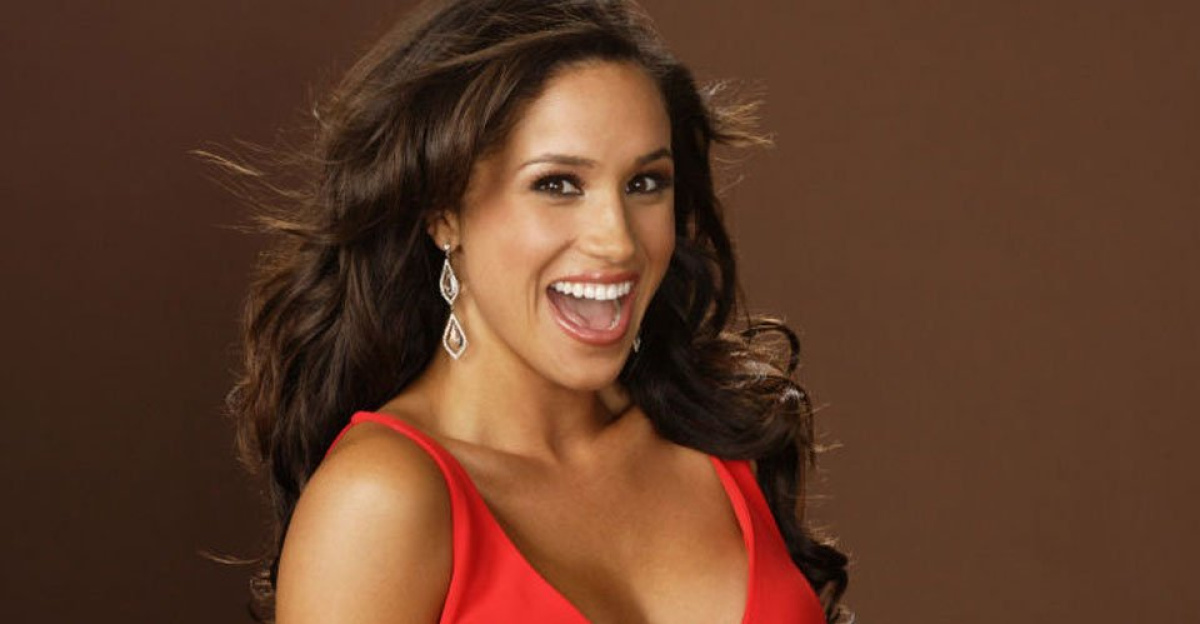
The three-year milestone (December 8, 2025) coincides with renewed commentary from body language experts on the original Netflix moment.
Body language specialist Judi James told the Daily Mail that Meghan’s “mocking tone begins when she shares that ‘I just thought it was a joke…right?’ to imply royal protocol is comedy rather than part of the culture of the country.”
This anniversary analysis suggests the moment remains contentious—not because of what Harry explicitly said, but because of what he visibly communicated through silence and facial expression during filming.
Netflix’s Royal Tell-All Context
The six-part docuseries Harry & Meghan premiered on Netflix on December 8, 2022, following Prince Harry and Meghan Markle’s 2020 departure from active royal duties.
The documentary offered unprecedented behind-the-scenes access to the couple’s private life, including candid reflections on their relationship with the late Queen Elizabeth II.
Filmmakers captured the couple discussing their royal experiences with minimal editorial filtering, creating intimate moments that later drew scrutiny from body language experts and royal commentators worldwide.
Building Royal Estrangement Narrative
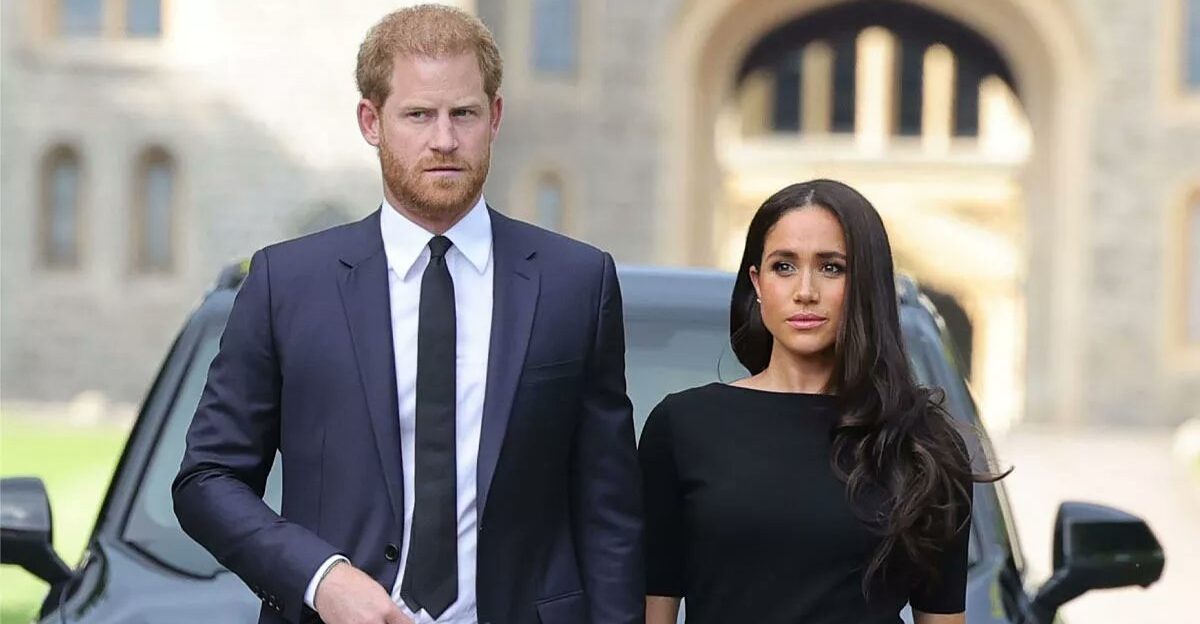
By December 2022, Prince Harry and Meghan Markle had spent nearly two years in North America following their formal departure from the royal family.
The couple faced ongoing media scrutiny over their treatment by the British press, their relationship with King Charles III, and their commercial ventures.
The Netflix documentary became a platform to reclaim their narrative on their own terms, yet certain moments—particularly those involving the late Queen—proved emotionally charged and subject to reinterpretation by viewers and analysts seeking insight into private family dynamics.
The Documented Curtsey Scene
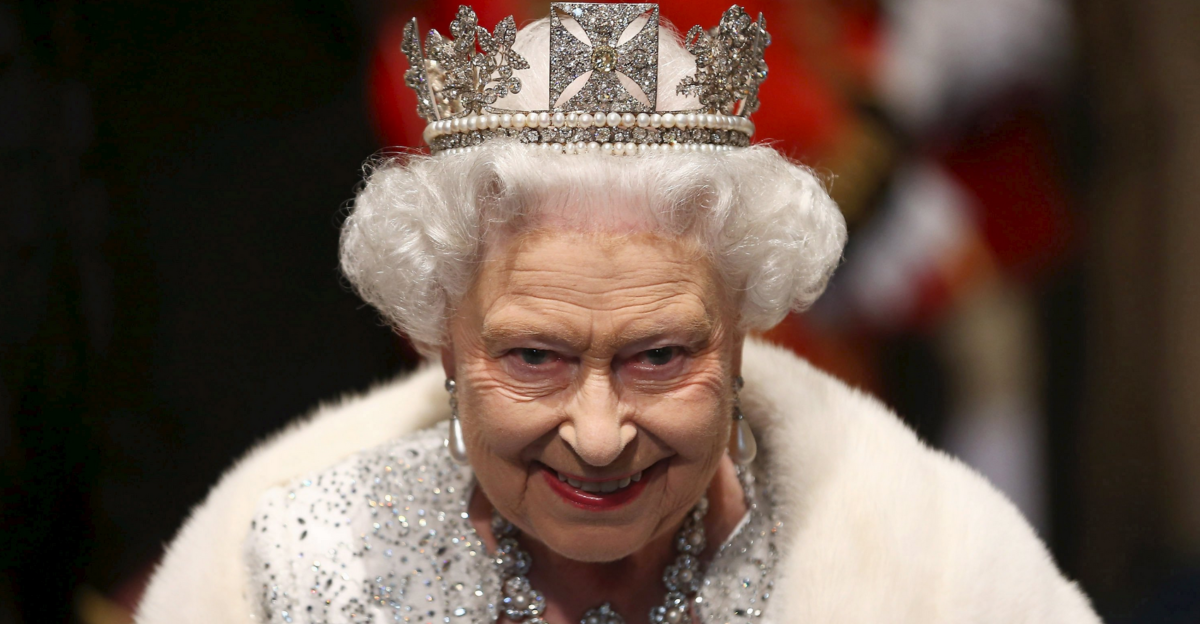
What is established: Meghan performed an exaggerated curtsey while recalling her first meeting with Queen Elizabeth II during filming. Meghan stated she didn’t know she’d meet the Queen until “moments before” arriving at Royal Lodge.
She compared the experience to attending “Medieval Times dinner and tournament,” using an exaggerated tone and physical demonstration.
The scene was broadcast in the Netflix documentary available to millions globally. Harry was present during the filming and remained visibly silent throughout Meghan’s reenactment.
What Experts Interpret vs. What’s Documented
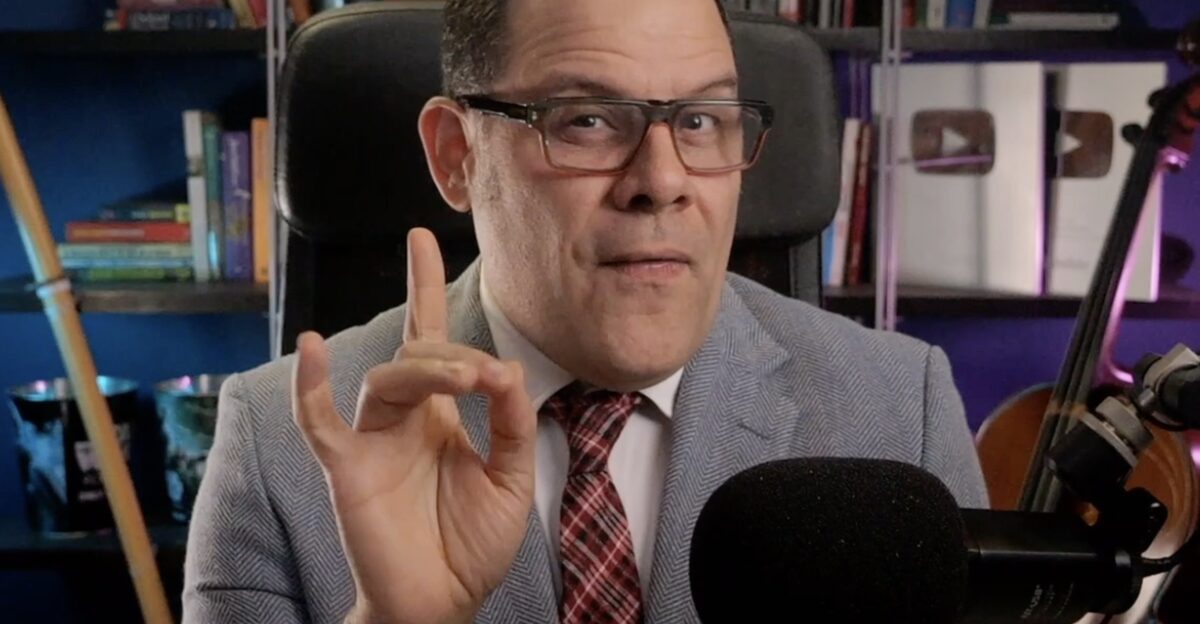
Critical distinction: Multiple body language experts have interpreted Harry’s silence and facial expression as signs of discomfort. Judi James characterized his demeanor as showing “embarrassment.”
Jesus Enrique Rosas (The Mirror) described Harry as displaying “contempt” with a “clenched jaw” and “hidden anger.”
However, these are expert interpretations of nonverbal cues—not documented statements from Harry himself about his feelings during the moment. Harry has not publicly confirmed or denied experiencing embarrassment or disapproval during filming.
The “Disrespectful” Label: Who Said It?
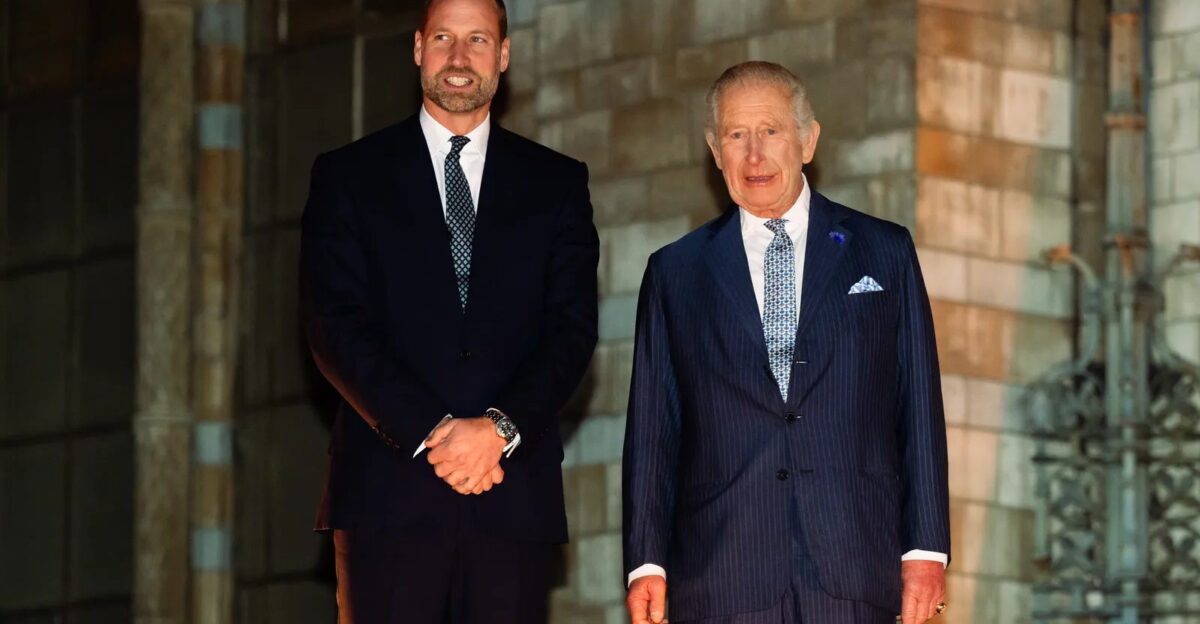
The characterization of Meghan’s curtsey as “disrespectful” originates from body language experts and media commentators, not from King Charles III, Prince William, or other royal family members who have not publicly responded to the moment.
Judi James described Meghan’s tone as “mocking” and the gesture as “especially shocking,” given that Meghan’s Duchess title is reportedly announced before she enters rooms.
This represents expert opinion and analysis, not an official royal family statement about whether the moment was intentionally disrespectful.
The Language of “Cutting Off”: Interpretation vs. Action
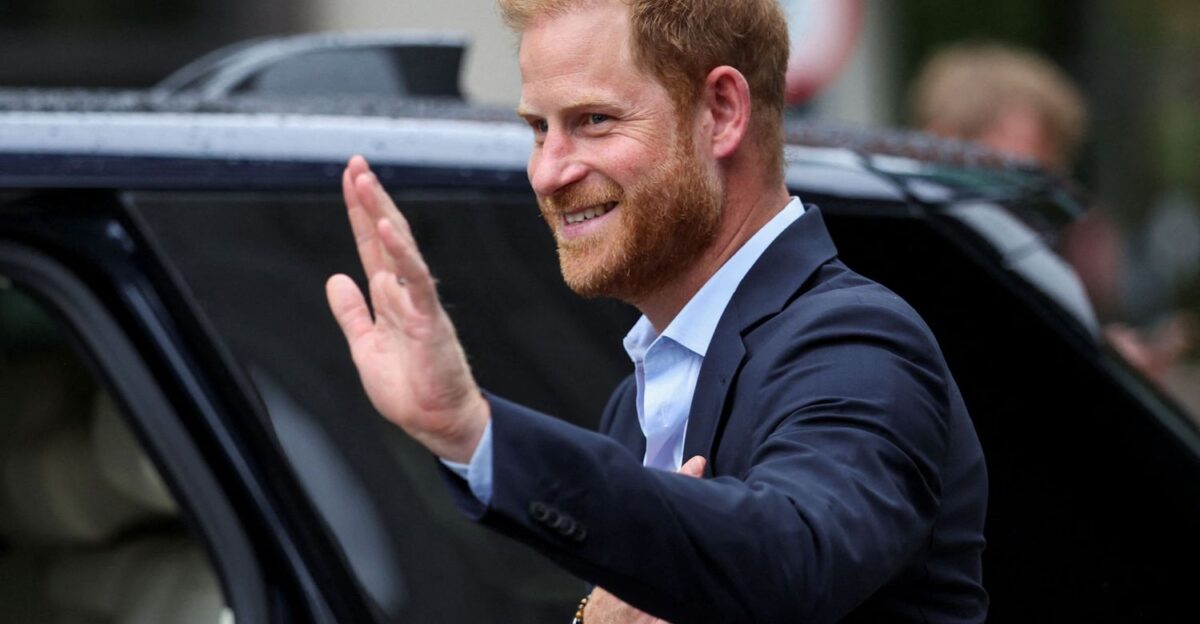
The phrase “cutting off” typically means verbally interrupting or stopping someone mid-speech. The evidence shows Harry remained silent—he did not interrupt Meghan or ask her to stop the reenactment.
Body language experts refer to a “cut-off gesture,” which The Mirror describes as Harry’s nonverbal sign of discomfort or disapproval.
This is an expert interpretation of body language, not a documented action of Harry verbally or physically stopping Meghan from continuing.
Silence as Communication: The Interpretive Layer
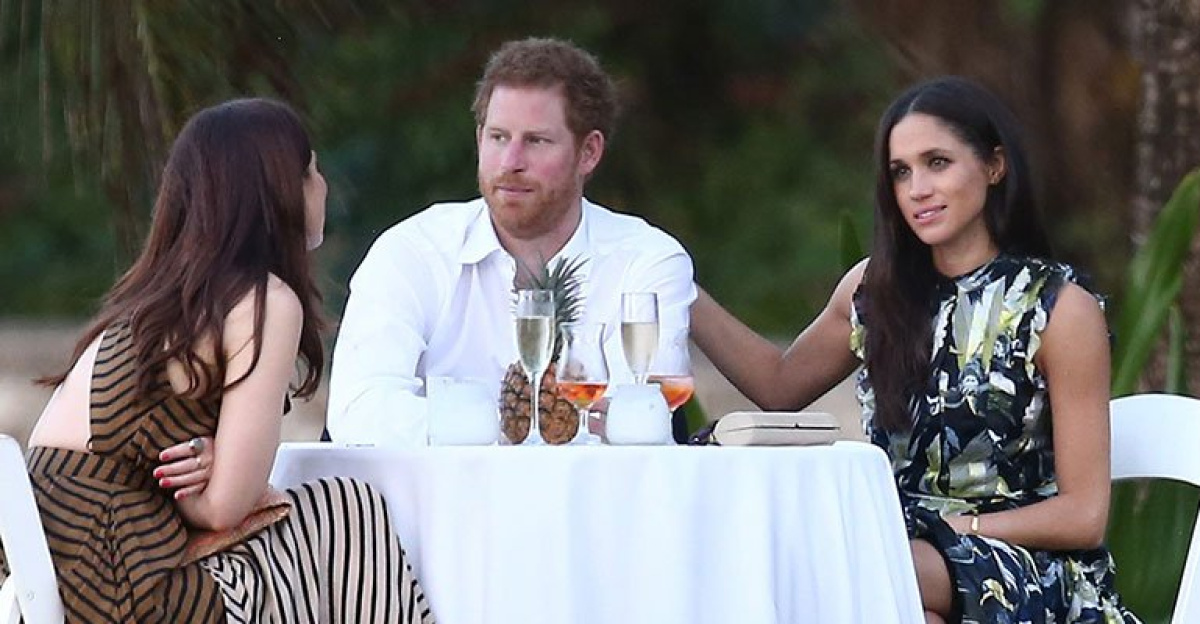
Silence carries meaning in filmed content, but meaning requires interpretation. Harry’s silence during Meghan’s curtsey could indicate: embarrassment (expert interpretation), disagreement (inference), emotional detachment (another interpretation), or simply him allowing Meghan to complete her anecdote without interruption (neutral interpretation).
Without Harry’s own explanation, each interpretation remains speculative—supported by expert knowledge of nonverbal communication, but not a confirmed fact.
The “Medieval Times” Comment: Meghan’s Own Words
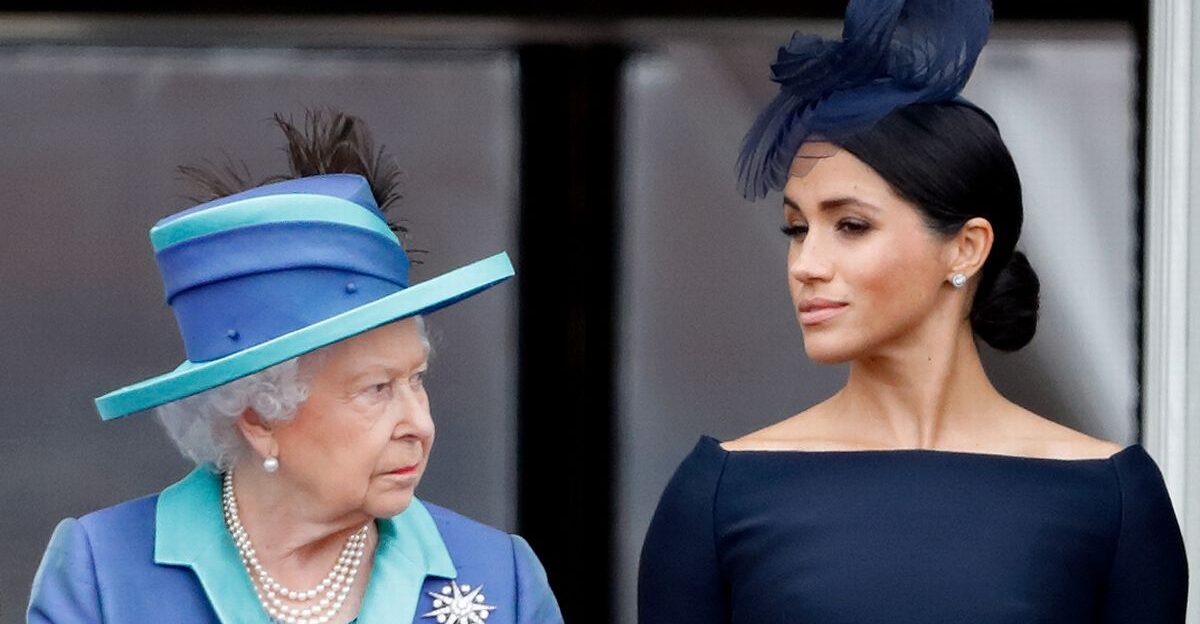
Meghan explicitly compared meeting Queen Elizabeth II to attending “Medieval Times Dinner & Tournament,” an American dinner theater attraction featuring choreographed sword fights and period costumes.
This comparison is evident in the Netflix footage and is verifiable. Whether this constitutes deliberate mockery or lighthearted, self-deprecating humor is itself an interpretive matter.
Meghan has not publicly explained her intent behind the comparison or whether she meant it critically or affectionately.
Royal Protocol
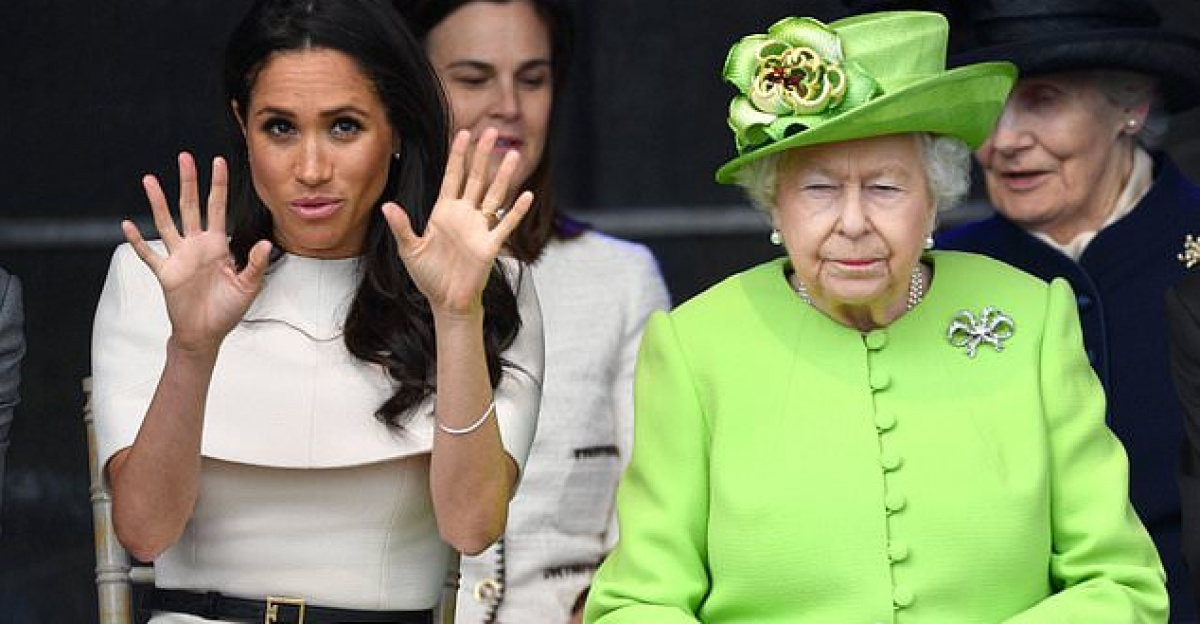
Royal protocol dictates formal curtseys to reigning monarchs and senior royals—a centuries-old tradition deeply rooted in the British constitutional monarchy.
By exaggerating this gesture and comparing it to dinner theater, Meghan’s reenactment could be seen as: (a) mocking the tradition itself, (b) mocking her own past unfamiliarity with it, or (c) using self-deprecating humor about a moment of personal awkwardness.
Each reading is defensible; none is definitively “correct” without Meghan’s stated intent.
King Charles III’s Brand Blocking: A Separate Issue
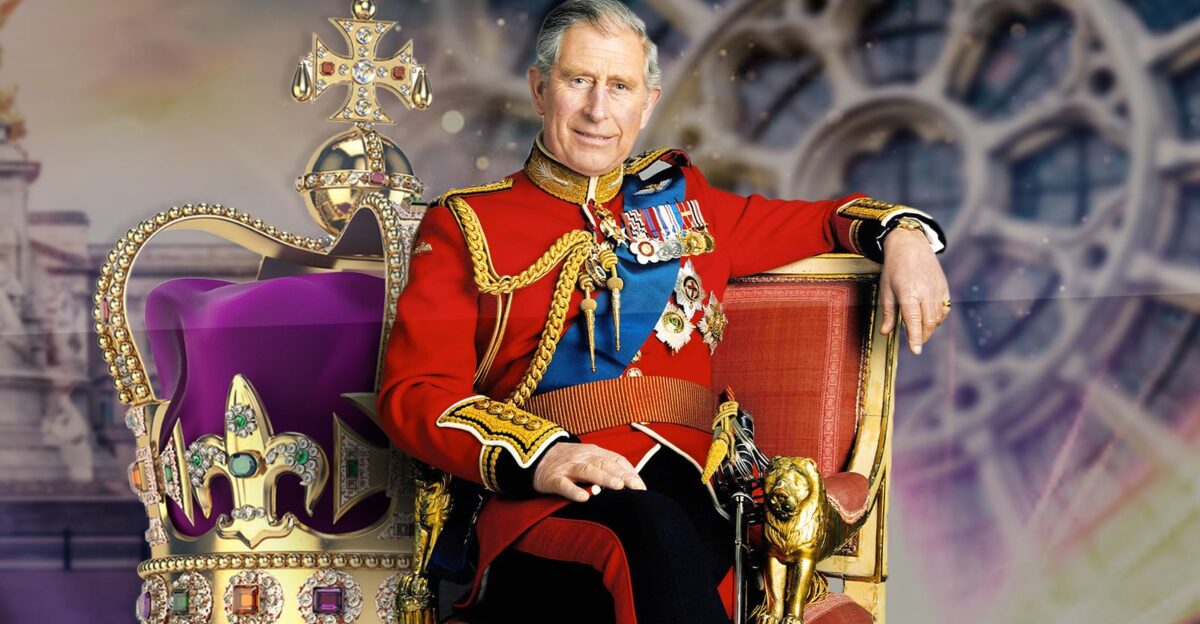
Distinct from the curtsey moment: Meghan’s lifestyle brand “As Ever” was reportedly blocked by King Charles III over alleged title breach—a separate business/legal matter from the Netflix documentary.
Financial analysts suggested the brand could theoretically reach a $300 million valuation before the expansion was halted.
This action by King Charles represents a documented business decision, not a response to the specific curtsey joke. The timing and motivation for the block have not been officially explained by the palace.
What Analysts Actually Know
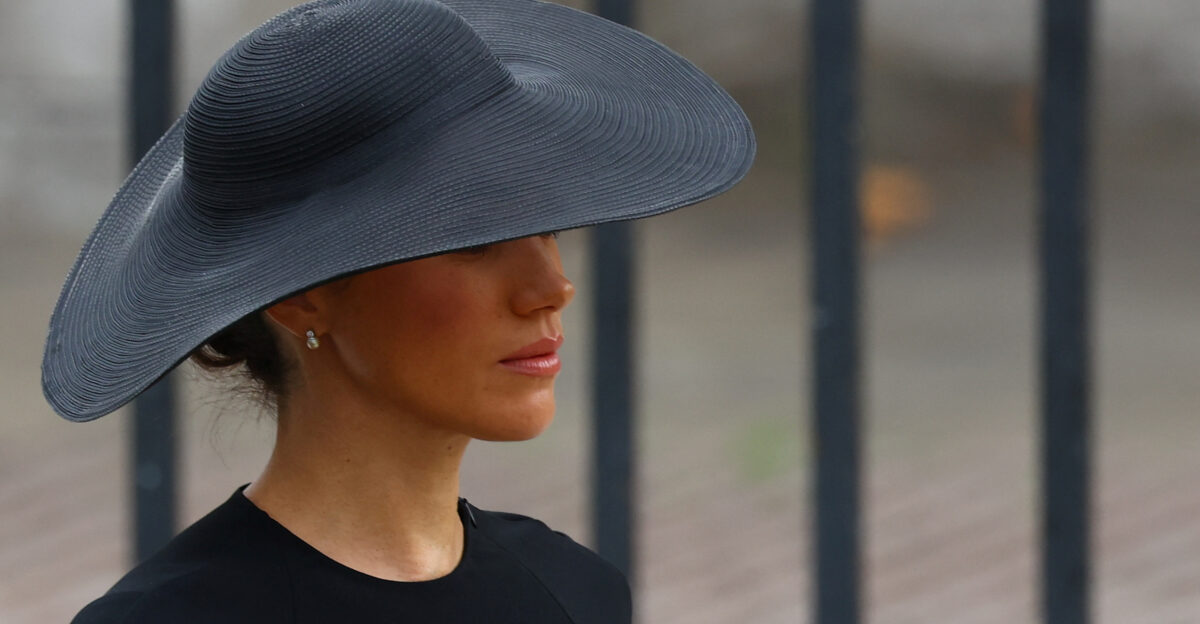
Body language expert Nicole Moore (The List) observed that “the longer it goes on, the less enthused Harry seems,” suggesting escalating discomfort as the curtsey reenactment continued.
However, this is real-time analysis of filmed content—Moore cannot access Harry’s internal emotional state, only his external expressions.
Even credible body language expertise has acknowledged limitations: nonverbal cues are context-dependent and subject to individual interpretation.
Harry’s Documented Reactions During the Scene
During the Netflix curtsey reenactment, multiple sources confirm Harry remained physically present and visibly silent throughout Meghan’s performance.
The documentary footage shows Harry with a straight face, displaying no verbal reaction, laughter, or encouragement during the moment. Body language experts have analyzed this silence and facial expression as potentially significant.
Still, the fundamental documented fact is straightforward: Harry did not interrupt Meghan, did not verbally object, and did not stop her from completing the reenactment. What his silence communicates remains subject to interpretation.
What Happens When Interpretation Becomes Narrative
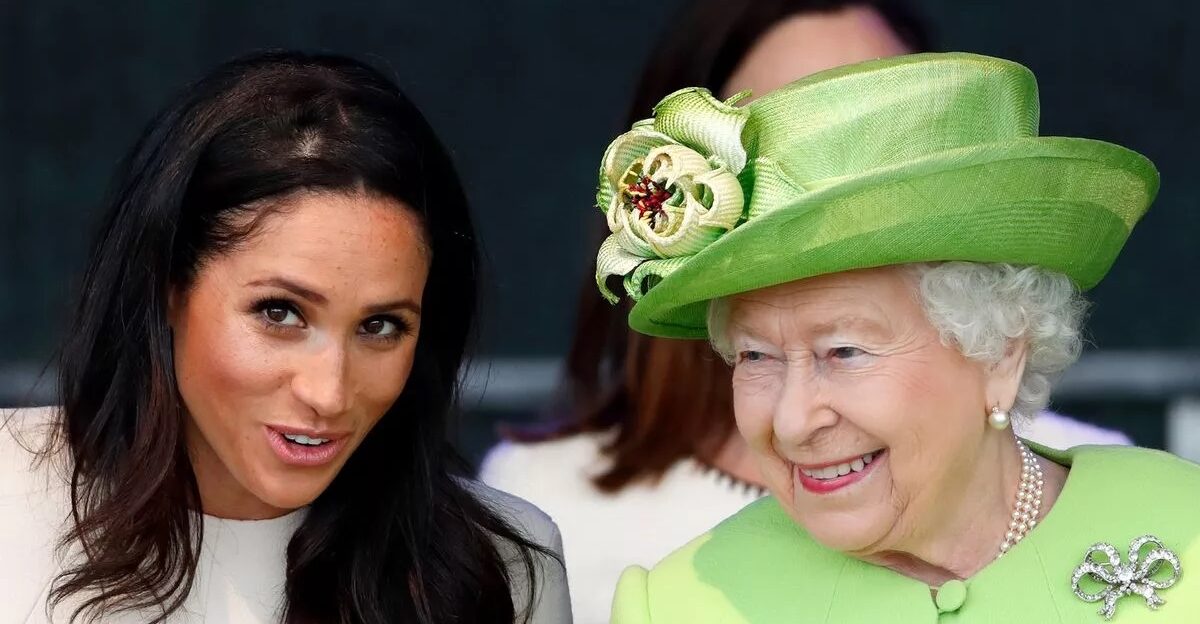
Over the past three years, media coverage has progressively framed this moment as evidence of marital discord, Harry’s hidden anger, or Meghan’s disrespect toward the Queen.
Each iteration adds interpretive layers: original event → expert analysis → media narrative → public perception.
By the three-year anniversary, the moment has accumulated multiple interpretations that may exceed what the original footage objectively shows. This is a documented pattern in media coverage of ambiguous moments.
American vs. British Protocol
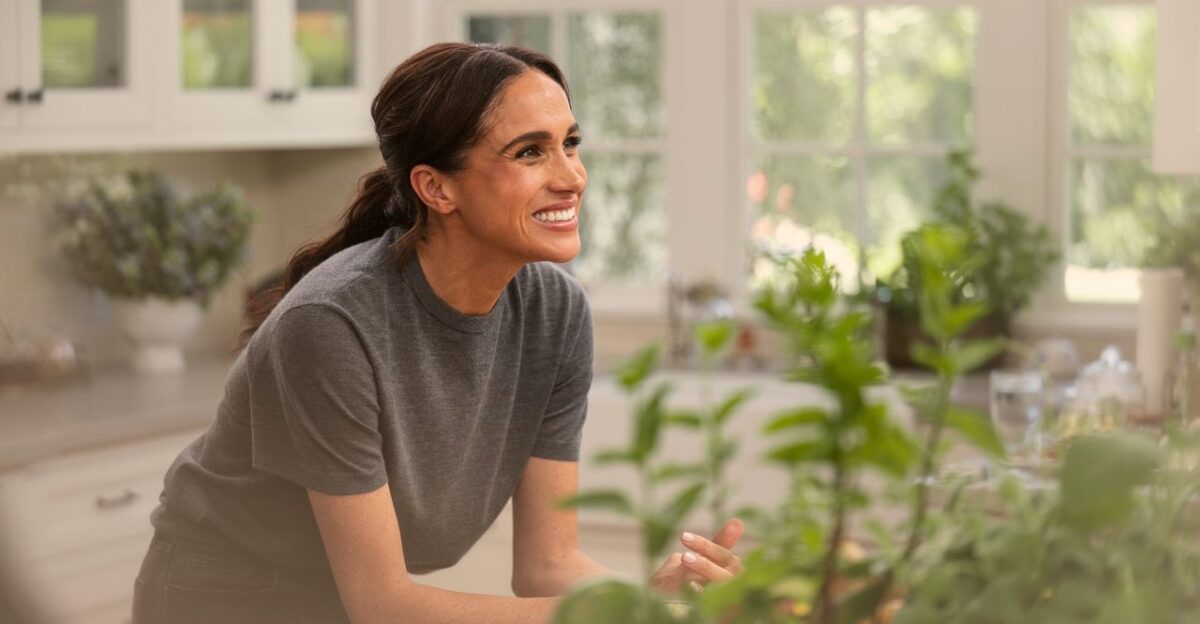
Meghan Markle, an American-born individual, was unfamiliar with British royal protocol before marrying Prince Harry in 2018. Her exaggerated curtsey could reflect: (a) American cultural outsider perspective on British formality, (b) self-aware humor about her learning curve, or (c) deliberate mockery.
The Netflix reenactment occurs three years into her royal experience, suggesting a possible evolution of her perspective on traditions she initially found unfamiliar. Cultural context complicates the interpretation of intent.
The Thomas Markle Estrangement
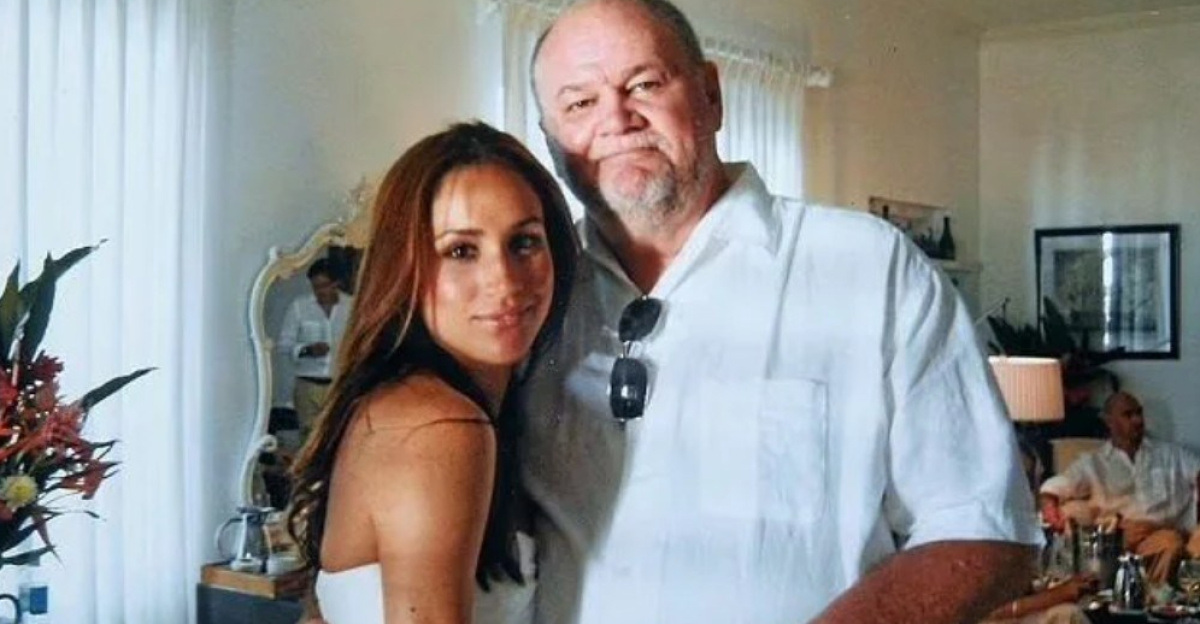
Meghan has maintained a documented estrangement from her father, Thomas Markle, since before her 2018 wedding (he did not attend due to paparazzi photo staging). This seven-year family rift provides context for understanding Meghan’s relationship dynamics more broadly.
Whether this pattern suggests a tendency toward conflict with authority figures (such as royal protocol) or simply reflects personal family complications is open to interpretation.
The estrangement is documented; its implications for understanding the Netflix moment are inferred.
The Brand Block
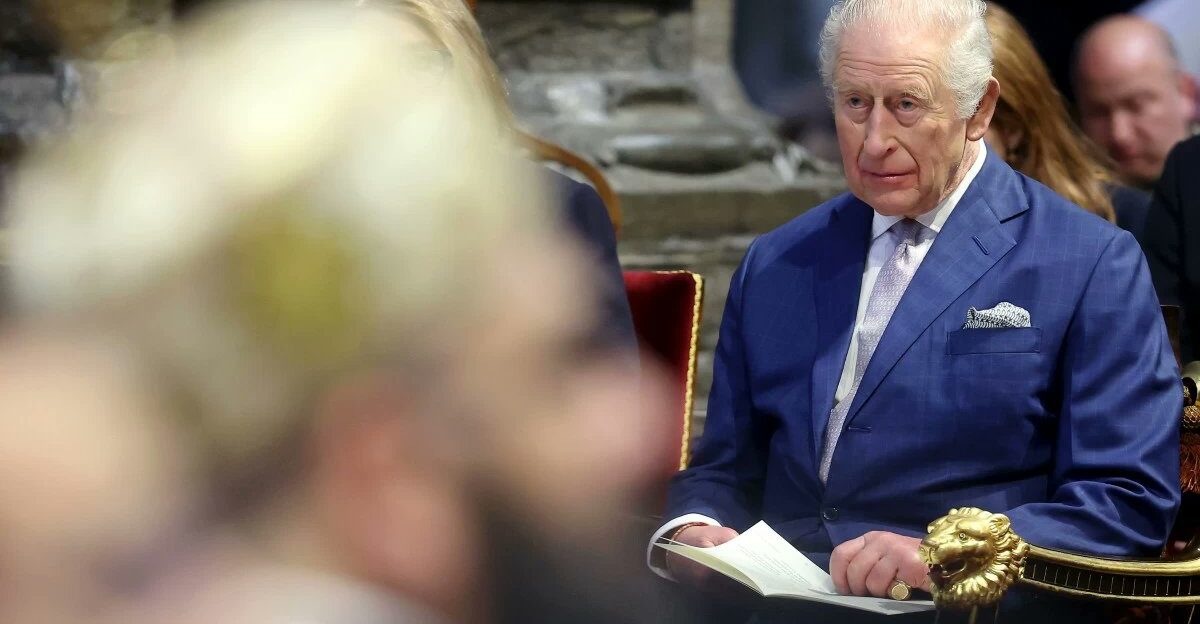
King Charles III’s reported blocking of Meghan’s “As Ever” lifestyle brand expansion over alleged title misuse represents a documented business decision with legal implications.
However, this decision is separate from the Netflix curtsey moment (occurring later, for different reasons). Conflating the two suggests causation across events that may be independent.
The palace has not officially stated whether the curtsey reenactment influenced business decisions regarding the brand.
Generational Shifts in Royal Perception

The curtsey moment captures a broader cultural tension: younger royals and their spouses questioning centuries-old protocols in the age of social media transparency.
Harry and Meghan’s willingness to film and discuss royal moments privately reflects changing generational attitudes toward tradition and privacy.
Whether this constitutes healthy modernization or disrespectful irrelevance depends on one’s perspective. The Netflix documentary itself represents a documented shift in how royals control their narrative.
The Larger Question: Evidence vs. Interpretation
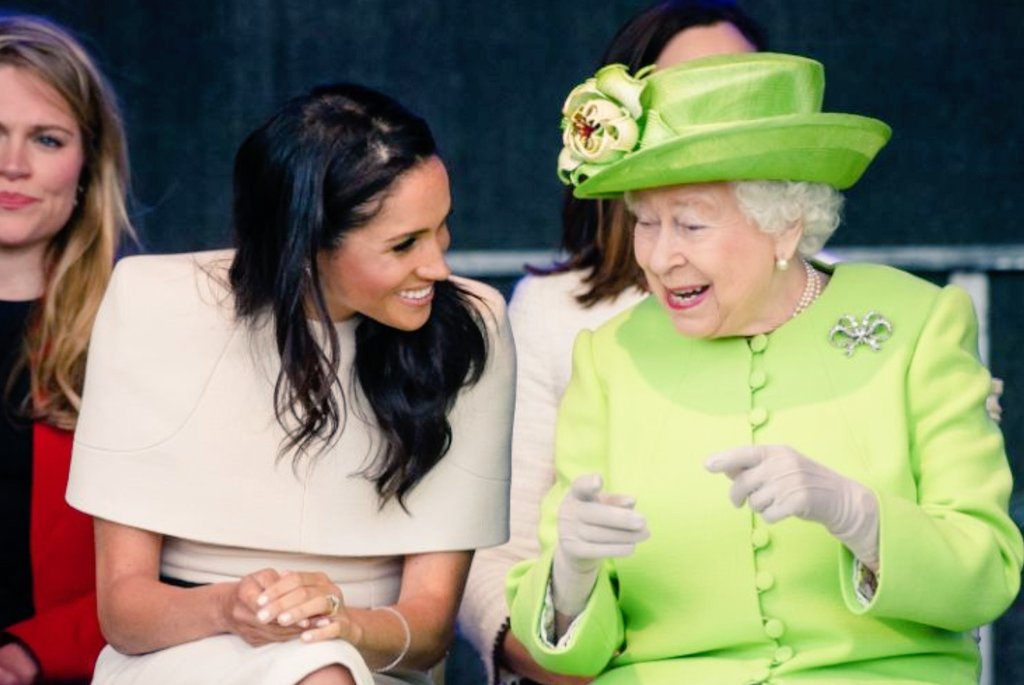
Three years after the curtsey reenactment, what remains documented is straightforward: Meghan performed an exaggerated curtsey, compared meeting the Queen to dinner theater, and Harry remained silent during filming.
What remains interpretive: whether the performance was intentionally disrespectful, whether Harry’s silence indicated disapproval, and whether these moments reveal deeper marital or family fractures.
The boundary between documented fact and expert interpretation—central to understanding this story—often blurs in media coverage. Readers benefit from clarity about which is which.
Sources:
Netflix Harry & Meghan documentary series, December 8, 2022
Daily Mail body language expert analysis, December 8, 2025
The Mirror body language and royal correspondent reports, 2025
The List body language expert analysis, 2025
BBC News royal coverage and ceremony documentation, 2022–2025
The Guardian royal family reporting, 2022