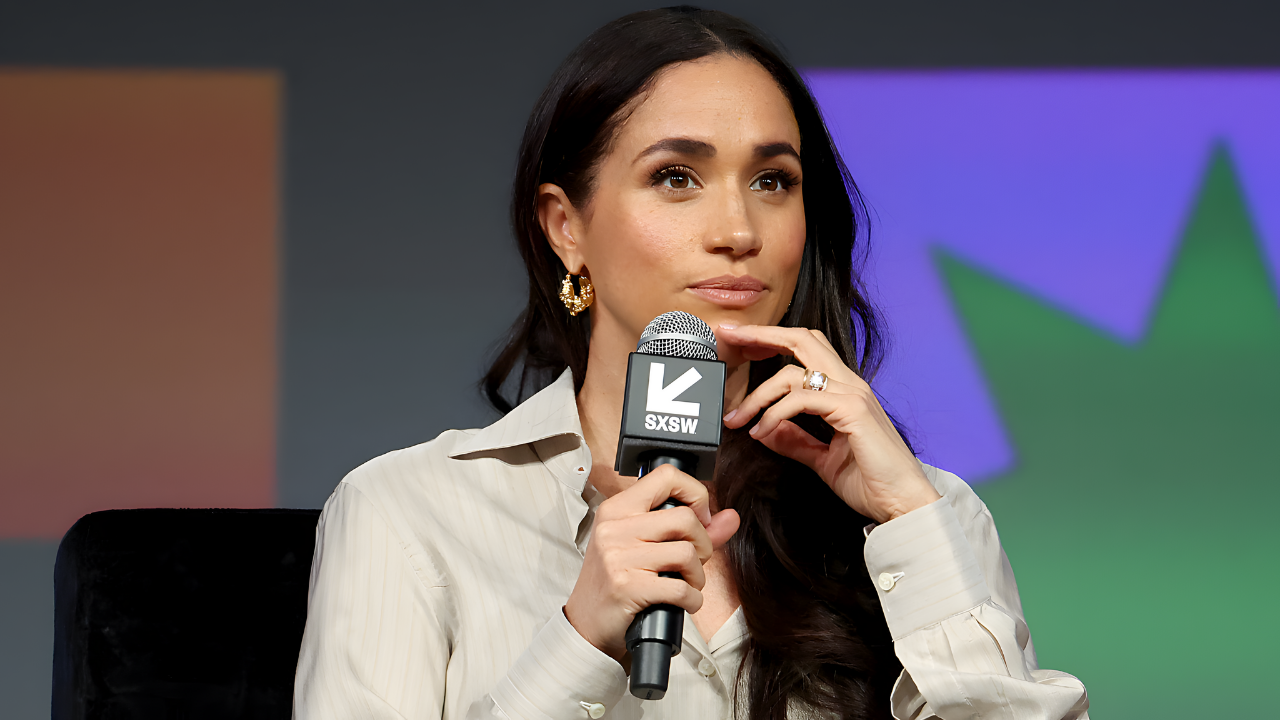
A promise of financial independence and authenticity marked Meghan Markle and Prince Harry’s exit from royal duties in 2020. Framing their departure as a move toward greater control over their lives, the couple sought to build a future less tied to the monarchy’s constraints.
Their journey resonated globally, resulting in high‑profile media partnerships and collaborations, including content deals and production ventures. However, five years later, scrutiny has intensified regarding their claims of self‑sufficiency. Questions arise: can they sustain a luxury lifestyle without traditional royal funding? Emerging reports suggest a reliance on privilege and strategic friendships complicates their narrative of complete independence and authenticity.
The Pressure of Rebranding
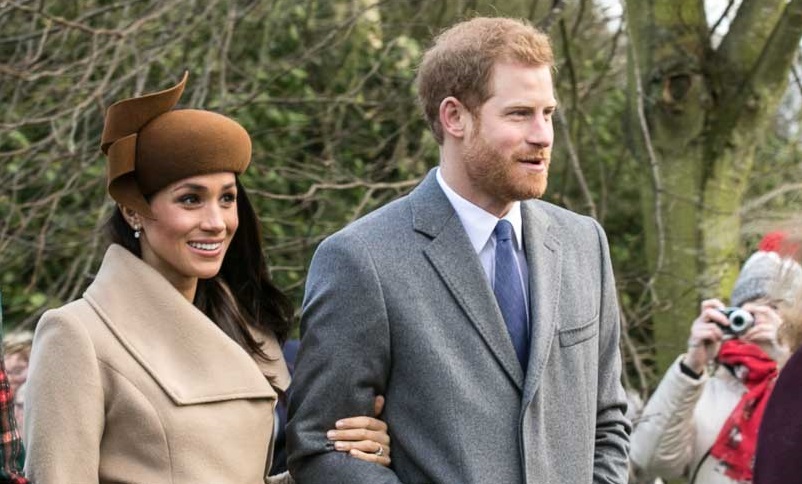
The landscape for Meghan and Harry changed between 2024 and 2025, as their flagship Netflix agreement was reportedly significantly downgraded or restructured, rather than simply continuing at its original level. Relying heavily on content production for income, the couple faced a meaningful strategic pivot.
Adding to the complexity was growing public scrutiny, as critics pointed out perceived inconsistencies between their message and actions, specifically their critiques of the Royal Family juxtaposed against their ongoing use of royal titles for branding purposes. Heightened tabloid discourse has intensified, highlighting a disconnect some commentators see between their proclaimed values and observable behaviors, creating a pivotal moment for their public relations strategy that many argue demands a reset.
The Luxury Villa Ecosystem
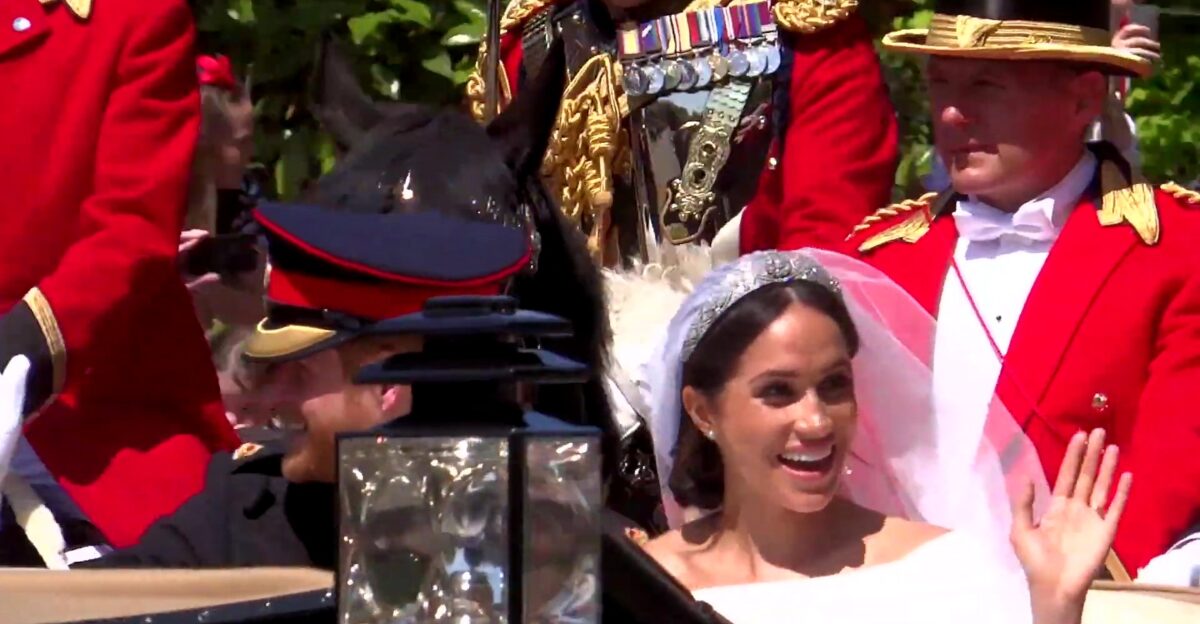
An essential facet of Meghan and Harry’s lifestyle comes from their association with billionaire cosmetics mogul Victoria Jackson. Reporting indicates that this close relationship has at times granted them access to luxurious properties, including Jackson’s Beverly Hills mansion and other high-end homes, without requiring payment of rent.
Publicly describing Jackson as her “safe harbour,” Meghan’s connection to the beauty mogul offers emotional support and, according to multiple outlets, practical benefits in the form of accommodation and travel. Jackson’s properties have become a notable backdrop to the couple’s substantial lifestyle, raising questions in commentary pieces about how that aligns with their claims to economic independence. Without complete visibility into all their income sources, the vibrant backdrop of their existence is frequently contrasted with their narrative of self-sufficiency.
The Curated Magazine Profile

In late 2025, Meghan was the subject of a closely managed magazine feature conducted at one of Victoria Jackson’s New York properties, described as a lavish brownstone. The intimate setting was presented as a glimpse into Meghan’s life after becoming a royal. The interview format reportedly featured a single journalist, emphasizing control over the narrative.
However, for critics, this curated approach appeared to backfire; the staging highlighted what they viewed as the artificial nature of the visual story. Instead of universally portraying genuine authenticity, the setup drew attention among detractors to perceived discrepancies between Meghan and Harry’s emphasis on privacy and their ongoing participation in high‑visibility, carefully produced media moments linked to extreme wealth.
The Room‑of‑One Moment
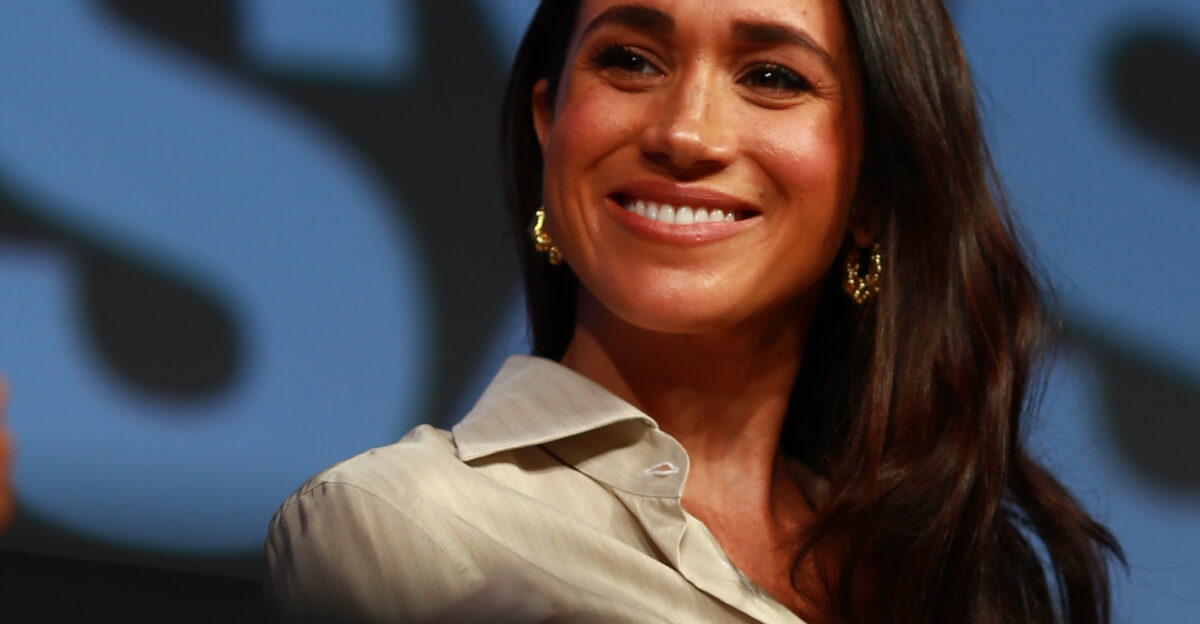
An awkward moment occurred when a house manager formally announced “Meghan, Duchess of Sussex” as she entered a room, witnessed only by the interviewing journalist, according to that writer’s account. The use of her full royal title struck some critics as ironic, given her and Harry’s criticisms of royal life and the institution in interviews and documentaries.
Taking place in a billionaire friend’s home during a designed magazine shoot, the single‑journalist audience magnified what detractors saw as the performative nature of the gesture. This formal announcement in a private media setting drew attention online and reignited criticism among opponents regarding the integrity of Meghan’s stated values, given her continued use of royal status and elite connections.
The Crisis of Authenticity
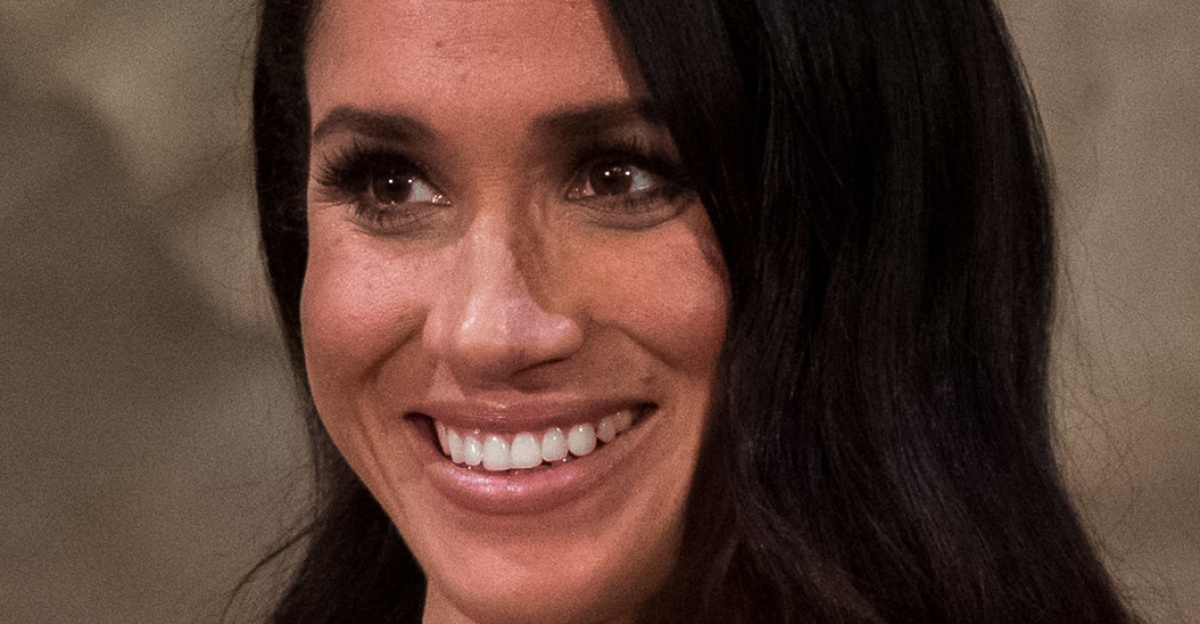
The juxtaposition of stepping back from royal protocol while embracing a royal‑style announcement led to widespread commentary about authenticity. Critics seized the opportunity to label Meghan’s actions as “hilariously egotistical and breathtakingly hypocritical,” echoing wording from columnist Jane Moore.
Moore, a journalist and panelist on Loose Women, argued in a published piece that the moment highlighted a pattern in which the couple’s behavior seemed at odds with their stated aim of independence from the institution. This portrayal underscored not only Meghan’s vulnerability to reputational swings but also the precarious balance of their public image against an increasingly vocal audience that closely tracks such contradictions.
Public Reactions and Backlash
Social media activity surged following the reporting of the incident, with many users expressing similar sentiments about perceived hypocrisy in Meghan and Harry’s branding. Commenters highlighted what they saw as the absurdity of a royal‑style announcement juxtaposed against the couple’s narrative of autonomy and distance from royal formality.
Public discourse became polarized; while supporters defended their right to use lawful titles and maintain a strong brand, detractors relentlessly criticized them for continuing to benefit from royal status and the privileges of being a billionaire. The intense digital conversation reflected deeper societal perceptions of celebrity entitlement and obligations, with Meghan and Harry’s lifestyle often cited as emblematic of a broader cultural discussion on privilege and authenticity in obvious lives.
The Reflection of Wealth
The ongoing debate around Meghan and Harry’s situation has also fed a broader discussion about wealth and privilege within celebrity culture. Their reported reliance on billionaire connections, whether for accommodations or travel, raises questions in commentary about what constitutes “self‑made” or “independent” status when substantial support networks are involved. The luxurious backdrop facilitated by friends like Jackson reinforces perceptions of elitism, influencing how their public statements are received.
Critics question whether financial independence, as used in popular conversation about the couple, can truly exist when significant lifestyle elements appear to be underpinned by wealthy allies rather than fully transparent, self‑generated income. These complexities expose vulnerabilities in their branding strategy, as they risk losing control of the narrative of freedom that was initially emphasized during their royal exit.
The Role of Strategic Partnerships
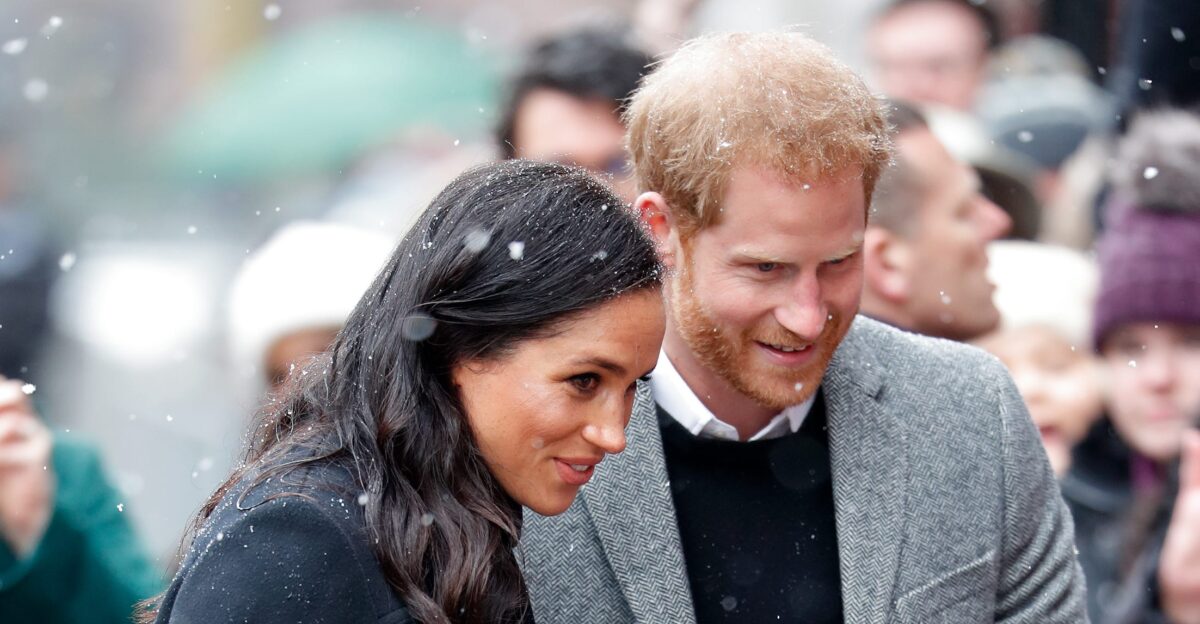
Strategic alliances have become essential for Meghan and Harry as they navigate the post‑royal media and philanthropy landscape. Their relationship with Victoria Jackson is often cited as an example of the interplay between celebrity, wealth, and influence. Jackson’s luxury venues have enabled high‑gloss interviews and events, helping the couple maintain an image of glamour and access.
At the same time, growing criticism raises questions about how sustainable and reputationally safe such arrangements remain if they deepen perceptions of dependence on elite networks. This has led commentators to argue that a refreshed narrative, one that more clearly acknowledges these dynamics, may be needed to align public expectations with the realities of their situation.
Navigating Future Challenges
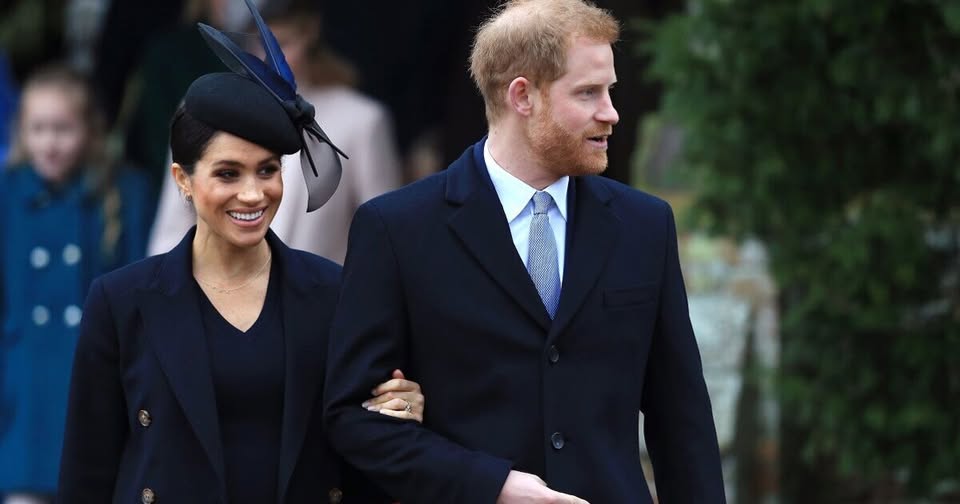
Meghan and Harry, therefore, face significant challenges in navigating their personal brand against accusations of inconsistency. Any rebranding efforts must grapple with the perceived contradictions between their wealth‑driven lifestyle and messaging about personal growth, service, and independence. The core dilemma lies in maintaining an image of relatability while continuing to engage with elite endorsements, high‑end properties, and large media platforms.
The need for a coherent narrative becomes clear, one that better aligns their actions, public partnerships, and living circumstances with their stated values, or more candidly acknowledges the compromises involved. Sustainable change will likely hinge on recalibrating public perception through more transparent communication about the realities and limits of their affluent lifestyle.
Lessons in Celebrity Culture
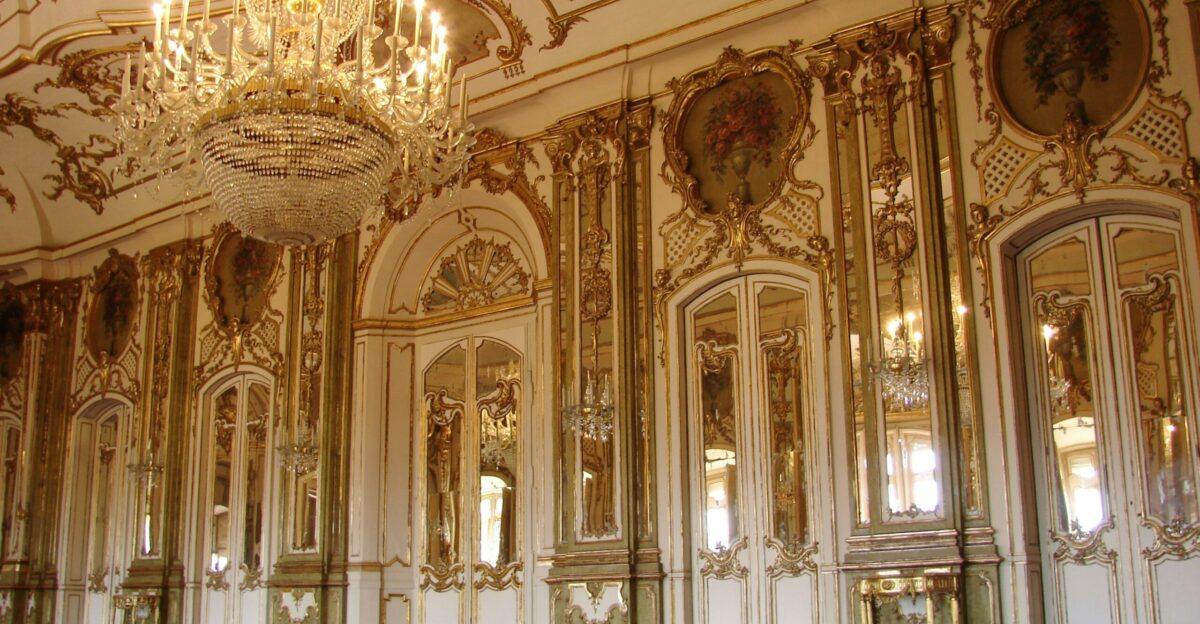
As the Sussex story unfolds, it increasingly serves as a case study in modern celebrity culture, highlighting the gap that can emerge between narrative and reality. Their efforts demonstrate how heavily public perception depends on alignment between messaging and observable behavior, especially around themes such as authenticity, privilege, and independence.
The substantial media coverage surrounding their highly produced moments reflects a broader societal dialogue on the expectations placed on public figures who claim to challenge traditional institutions while benefiting from them. Public scrutiny continues to evolve, suggesting that high‑profile individuals must be increasingly attentive to how their portrayals intersect with larger debates about inequality and responsibility.
A Shift in Public Sentiment
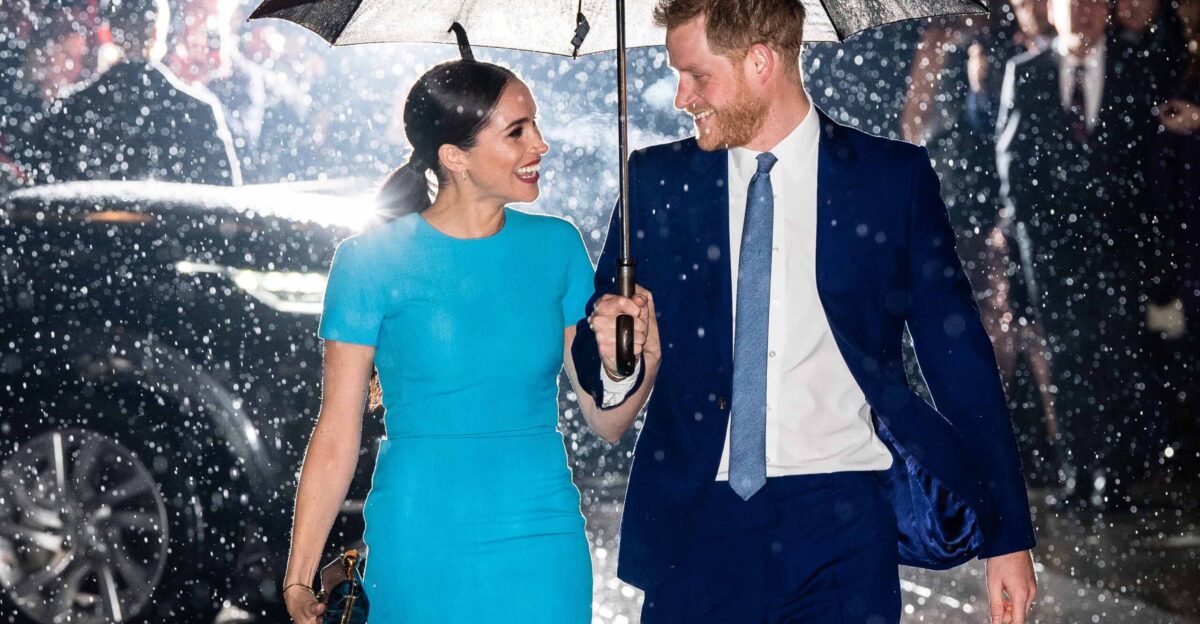
Public sentiment toward Meghan and Harry has shifted repeatedly over the years, from early sympathy to more divided opinions. While many supporters continue to champion their advocacy and openness about mental health and institutional pressures, critics now question their authenticity, crisis responses, and overall intentions.
The couple’s attempt to carve out a distinct identity apart from the Royal Family has unfolded under an unusually vigilant audience that scrutinizes their every move. As the narrative becomes more complex, expectations surrounding their image grow more intricate, requiring careful strategic decisions and a deep understanding of how celebrity culture operates within a critical social media landscape.
Future Directions
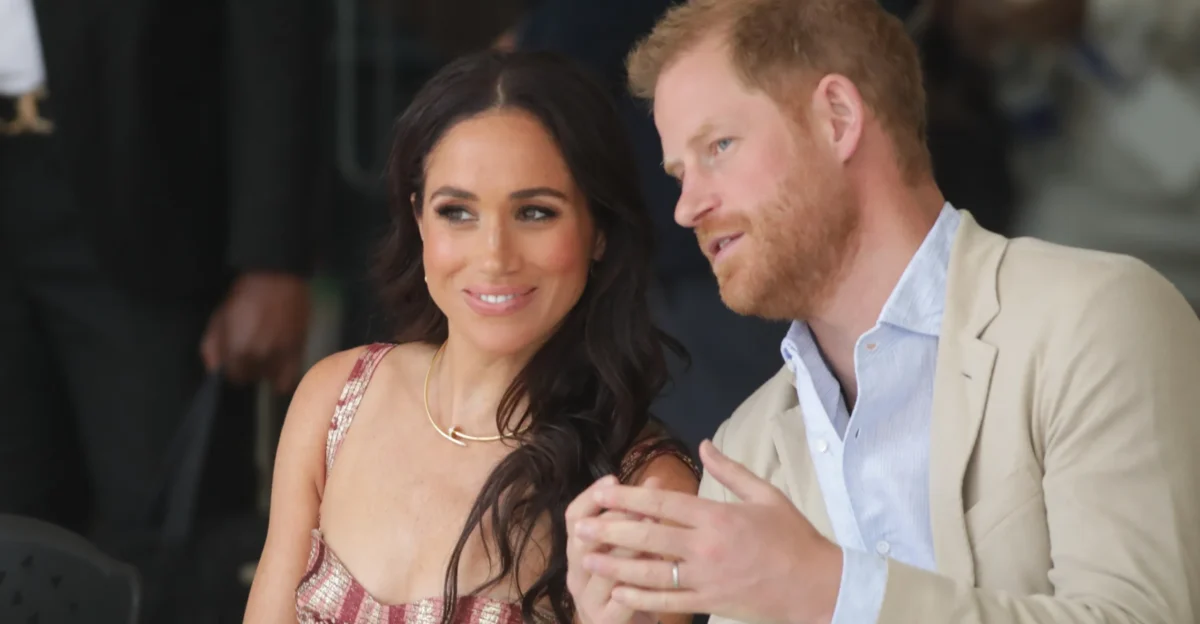
What lies ahead for Meghan and Harry as they navigate these tensions remains uncertain. The need for clarity in messaging appears paramount, especially around what “independence” actually means in their context. Emphasis on transparent communication and cause-driven efforts that demonstrate tangible impact could help rebuild trust and refine their narrative.
Moving forward, they may seek to align more visibly with philanthropic or grassroots initiatives that resonate with broader audiences, thereby stabilizing their image while supporting the values they express. Navigating this landscape will require agility, candor, and careful public‑relations judgment.
Importance of Personal Engagement
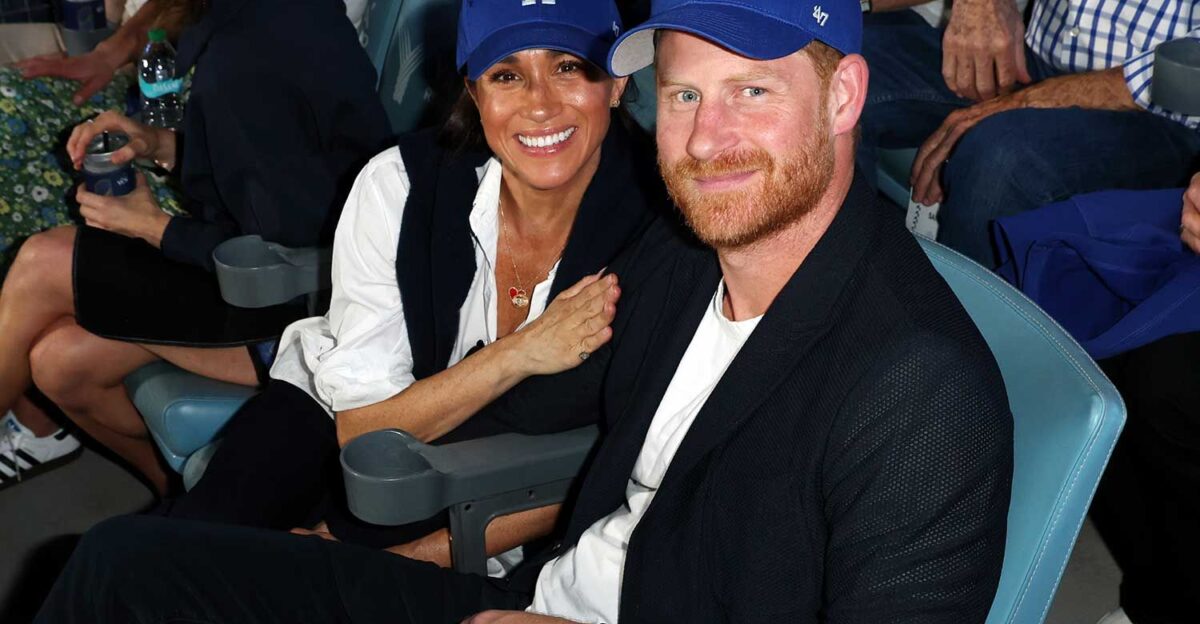
For public figures like Meghan and Harry, visible, substantive engagement with the public and specific causes is crucial to reshaping narratives. Transitioning from primarily high‑profile, controlled events to more consistent, grounded involvement can be vital as they work to strengthen credibility and connection.
By highlighting concrete projects and sharing verifiable outcomes tied to the issues they champion, the couple can cultivate more substantial support and counter perceptions of being insulated by privilege. Their ongoing story underscores that meaningful engagement, rather than symbolism alone, often determines whether audiences perceive high‑status figures as sincere or merely performative.
The Complexity of Authenticity
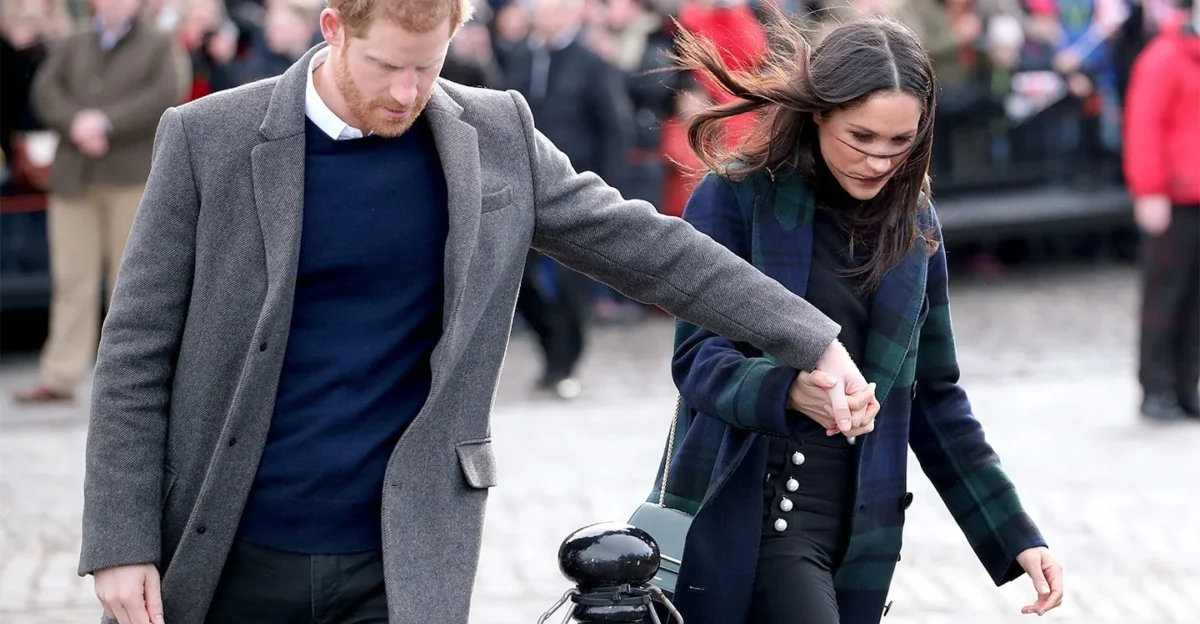
The evolving narrative surrounding Meghan Markle and Prince Harry illustrates the challenging terrain of authenticity in the public eye. As their lives intertwine with wealth, media, and institutional history, the complexities of their story mirror broader cultural conversations about celebrity, responsibility, and personal values.
The path forward requires both some vulnerability and deliberate repositioning, as more transparent engagement may be key to navigating the complex expectations placed on them. While the journey ahead is uncertain, their choices will continue to shape whether they are seen as successfully redefining their roles or as emblematic of the tensions inherent in modern celebrity life.