
Wrestling icon Mick Foley stunned the industry last week by announcing he would not renew his WWE Legends contract, expiring in June 2026, after President Donald Trump’s remarks on the death of director Rob Reiner. The decision underscores the clash between longstanding corporate alliances and personal convictions in professional wrestling.
Foley’s Wrestling Legacy and Activism
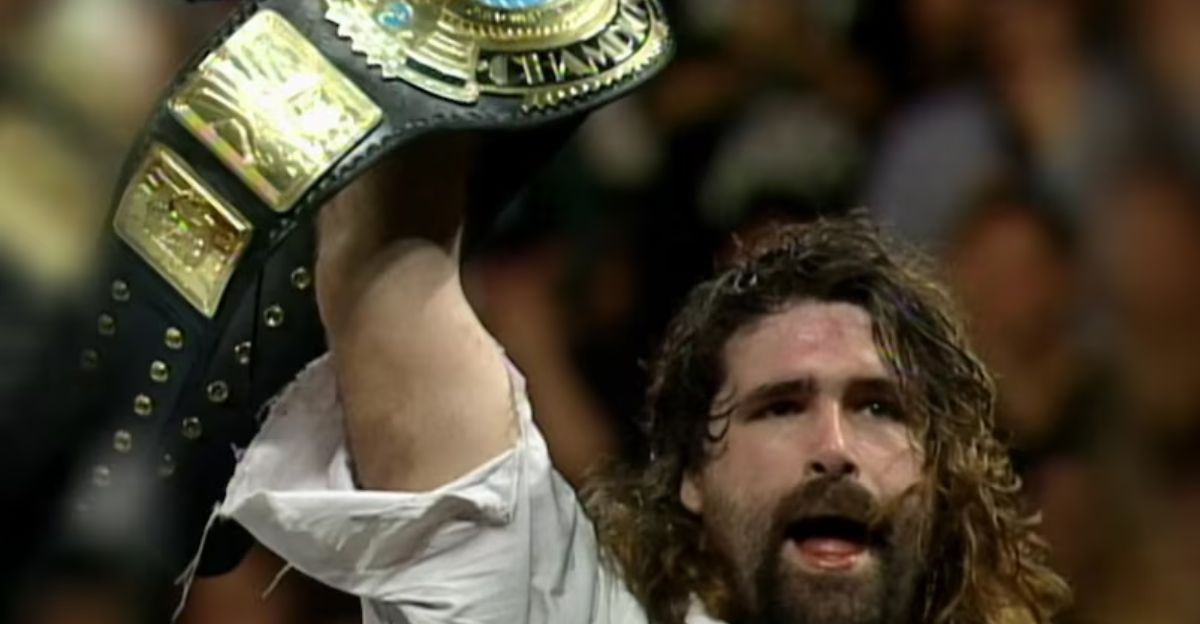
Mick Foley, now 60, began his career in the 1980s under trainer Dominic DeNucci in Freedom, Pennsylvania. He gained fame with personas like Mankind, Cactus Jack, and Dude Love, pioneering hardcore wrestling. Foley secured four world championships, including three WWF titles, with a memorable 1998 victory over The Rock. Inducted into the WWE Hall of Fame in 2013 at Madison Square Garden, he also authored bestsellers and advocated for groups like RAINN. His debut as Mankind in 1996 defined the Attitude Era.
Beyond the ring, Foley emerged as a social justice advocate, supporting progressive causes and the 2020 election. He grew concerned over WWE’s political associations, particularly with Trump, including stances on immigration. These tensions built over months, leading to his public stance. Despite gratitude for WWE, Foley prioritized ethics, ending his Instagram post with a Popeye line: “I stands all I can stands, and I can’t stands no more.”
The Reiner Tragedy and Trump’s Response

Rob Reiner, celebrated for films like “The Princess Bride” and “Stand By Me,” and his wife Michele Singer were fatally stabbed in their Brentwood home in December. Their son, Nick Reiner, faced arrest on murder charges with extraordinary circumstances. The shocking deaths prompted national mourning and swift political commentary.
Hours after the murders, Trump posted on Truth Social that Reiner’s death stemmed from “TRUMP DERANGEMENT SYNDROME,” blaming the director’s anger toward him. Trump reiterated this at the White House when questioned, bypassing details of the crime. The comments drew widespread criticism for insensitivity amid grief.
Foley’s Breaking Point and WWE’s Trump Ties
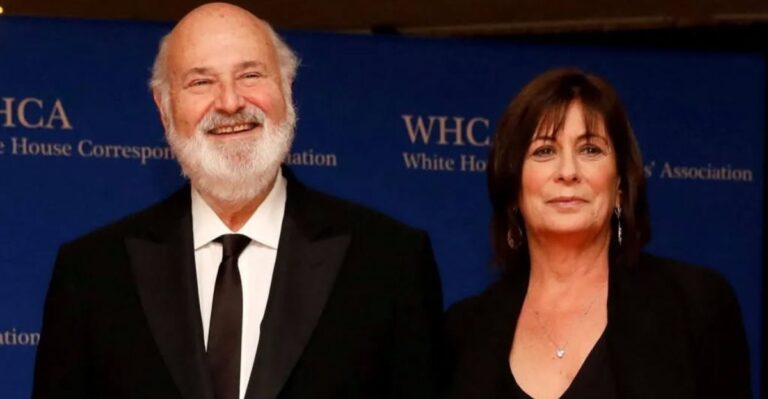
On December 16, Foley called Trump’s words “the final straw.” He could no longer align with a company he saw as “coddling a man so seemingly void of compassion.” This severed decades of loyalty, from his 1996 debut to Hall of Fame honors. WWE’s history with Trump—hosting WrestleMania IV and V in the 1980s, the 2007 “Battle of the Billionaires,” and Trump’s 2013 Celebrity Hall of Fame induction—framed the rift. Recent mergers deepened these ties.
In 2009, Trump participated in a WWE storyline where he appeared to purchase Monday Night Raw, though this was entertainment rather than a genuine business transaction. These partnerships have strained WWE’s fan base and talent, with some wrestlers quietly dissenting. Foley’s exit spotlights demands for ethical alignment in sports entertainment, where spectacle blends with real-world values.
Fan reactions split online: many lauded his courage, others debated its impact on his legacy. Forums dissected athlete activism and corporate accountability.
Broader Implications

Foley’s move risks financial stability and industry support but highlights athletes as moral voices. WWE faces choices on addressing such concerns amid political scrutiny. As wrestling evolves, expectations grow for transparency and responsibility. This episode may prompt others to reassess alliances, reshaping how sports figures navigate politics and conscience. The industry watches to gauge if principle will redefine loyalty.
Sources:
Mick Foley Instagram Statement, December 16, 2025
ABC News, Trump Trump Derangement Syndrome comments, December 16, 2025
Rob Reiner Murder Reports, Los Angeles Police Department, December 2025