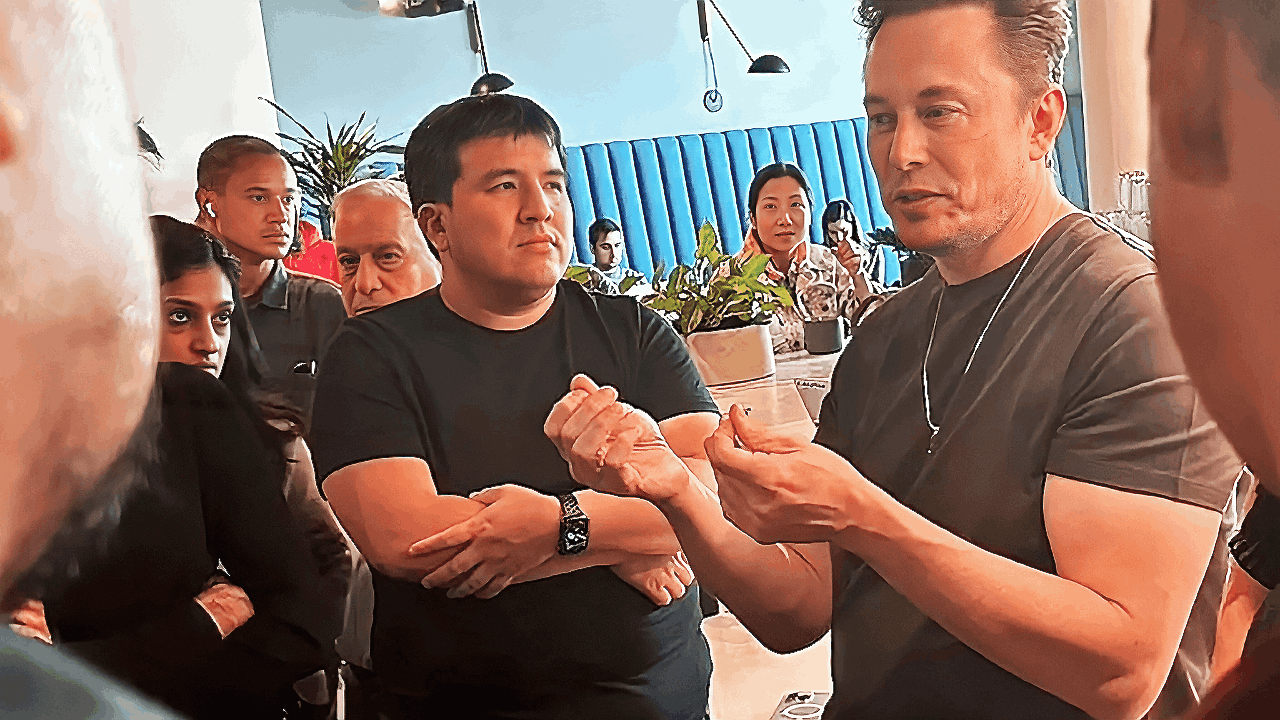
Employees at Elon Musk’s five companies, SpaceX, xAI, Neuralink, Tesla, and X (formerly Twitter), are leaving in large numbers, primarily due to their refusal to tolerate demanding work schedules that exceed 120 hours per week.
Key talent is leaving due to this excessive workload, Musk’s quick strategic changes, divisive political activism, and widespread layoffs (like Tesla’s 14,000 job cuts in April 2024). The frequent turnover of engineers and senior executives indicates severe managerial stress, erodes innovation, and jeopardizes continuity on essential projects.
Background History and Layoffs
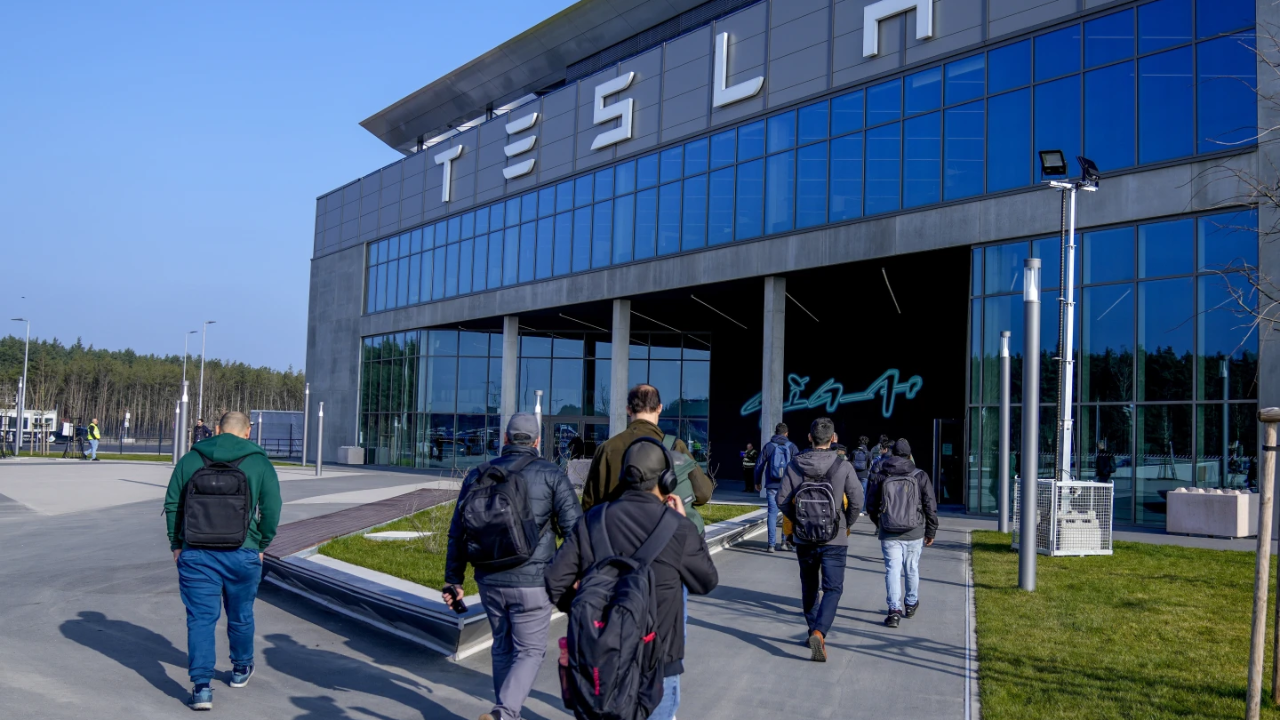
Following a more than 10% workforce reduction in April 2024 that affected about 14,000 workers globally, Tesla made additional cuts to key teams, including the Supercharging division. Declining sales and escalating price wars in the electric vehicle market coincided with this downsizing.
In addition to lowering morale, it led to a wave of resignations, including those of senior executives like Drew Baglino. Internally, the layoffs have been described as a “company-wide restructuring” to get ready for expansion, but the scope and speed of the layoffs have caused anxiety and unrest throughout Musk’s business divisions.
The Reality of a 120-Hour Workweek
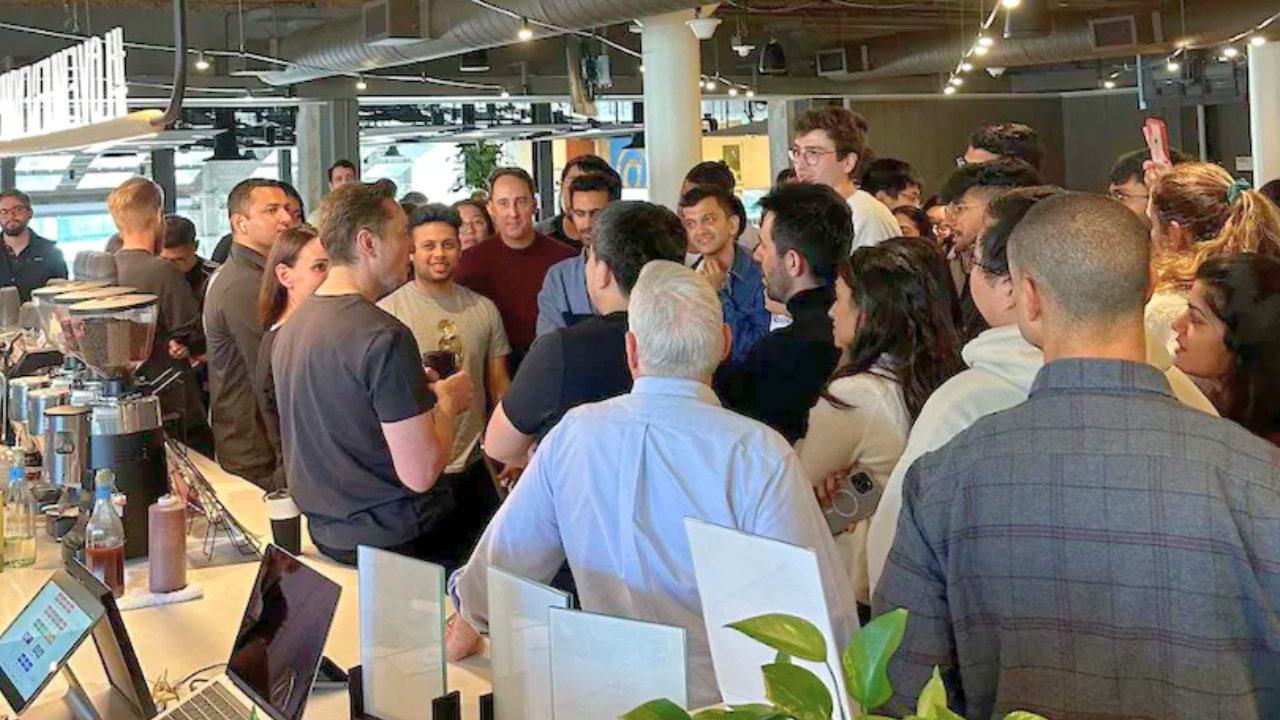
According to reports, Musk’s Department of Government Efficiency (DOGE) team and other staff members support workweeks of up to 120 hours. He links excessively long hours to a competitive edge, but scientific studies and labor psychology show that long-term overwork is associated with a decline in cognitive function, deterioration of physical and mental health, and an increased risk of burnout.
High turnover rates are encouraged by this culture of punishing schedules, which also presents serious risks for environments that handle cutting-edge technology and are prone to mistakes. Such work expectations are dubious and play a significant role in the continuous talent drain.
Styles of Management and Leadership
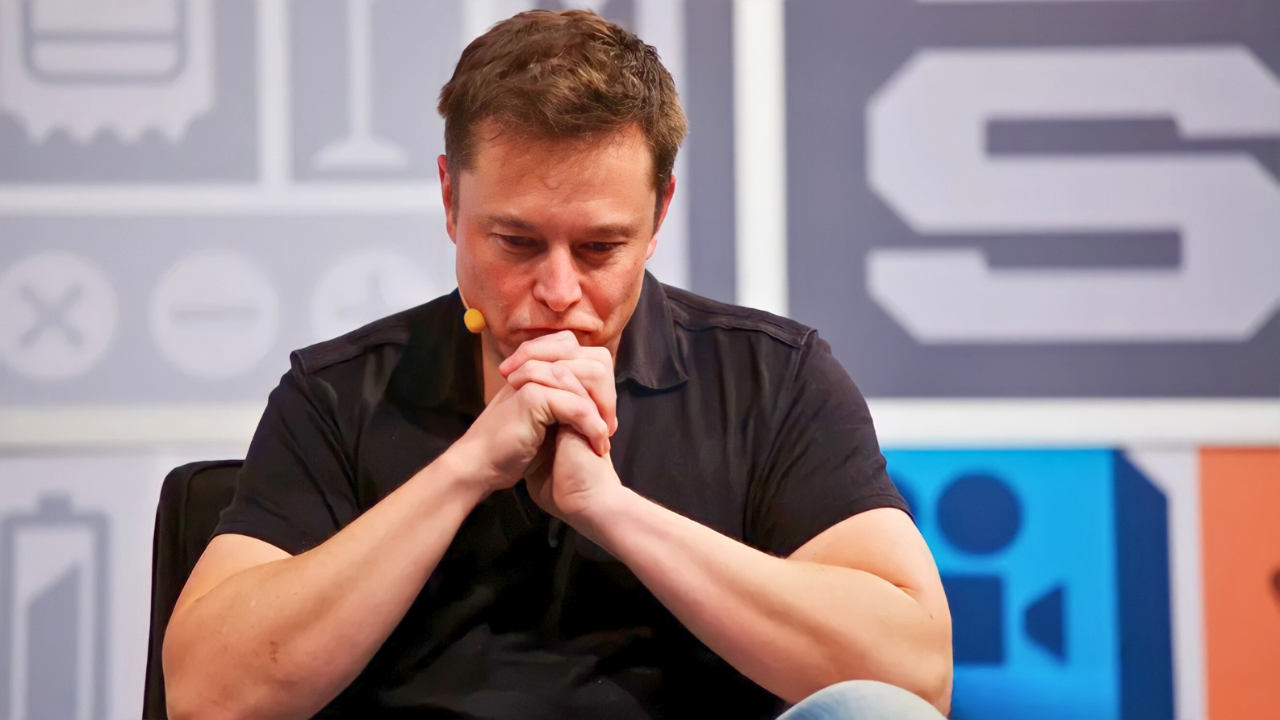
Musk’s leadership has been characterized as demanding and erratic, emphasizing quick decisions, high standards, and steadfast devotion. This approach results in high levels of deputy burnout and frequent executive turnover, which is internally jokingly referred to as “Tesla time.”
Employees who are subjected to frequent strategic pivots become frustrated, continuity is complicated, and product vision execution is thwarted by frequent leadership turnover. Additionally, his politicized public persona makes employees uncomfortable, which increases turnover, particularly among senior staff.
The Effects of Political Controversies
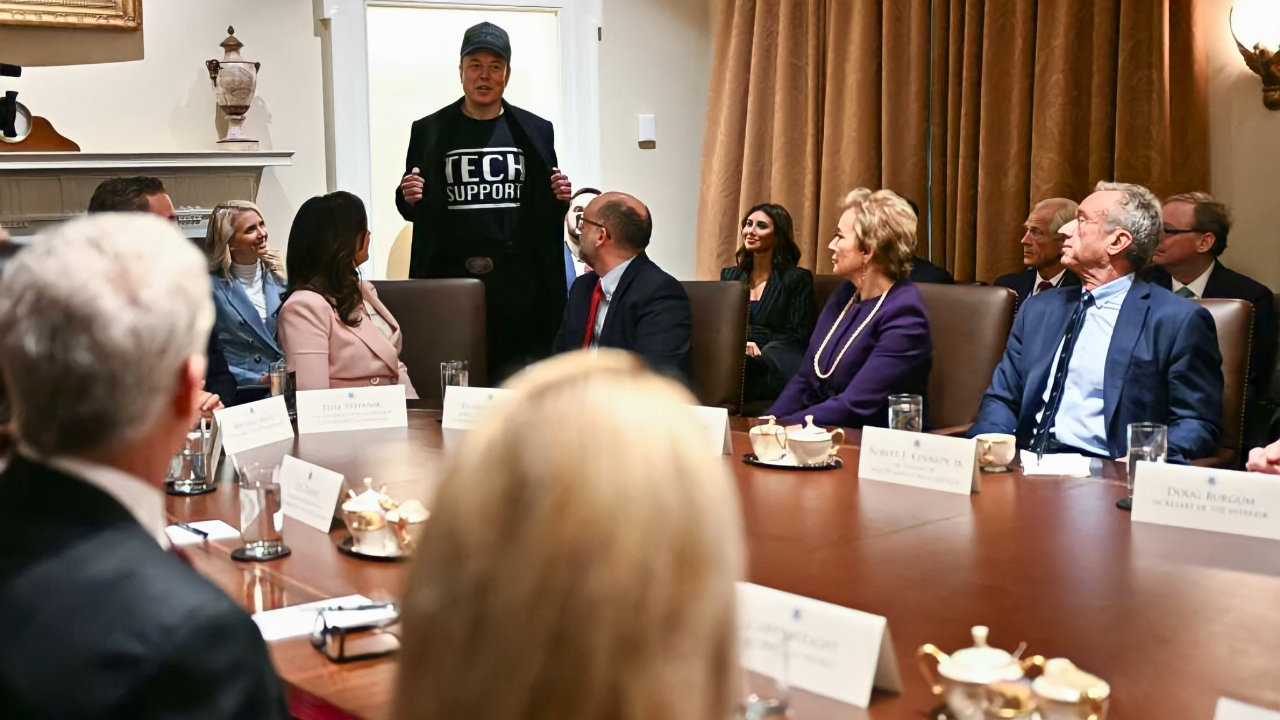
The company culture has become more and more influenced by Musk’s outspoken support of divisive individuals, particularly former President Donald Trump and far-right activism.
Workers express unease with the polarizing political environment that Musk’s companies have created, which causes internal conflict and has an impact on employee retention. This politicization undermines technical focus and increases disenchantment among scientists and innovators. These situations exacerbate stressors in already high-stress settings, leading to employee departures that erode organizational cohesiveness.
Talent Exodus and Strategic Whiplash
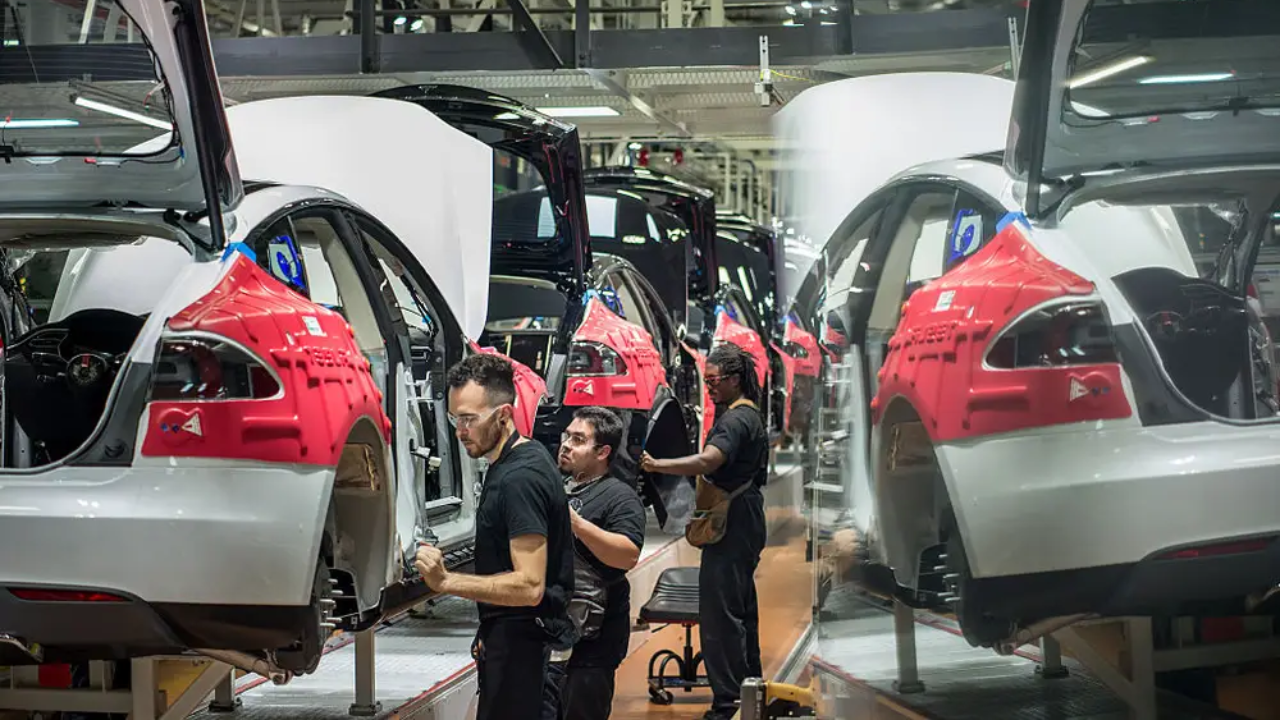
Staff members become confused and insecure about their roles as a result of frequent strategic reversals, such as Tesla’s deprioritization of affordable cars for robotaxis and xAI’s sudden focus area shifts. Employees frequently feel expendable and burned out when mass layoffs and unclear direction are combined.
This unpredictability makes it easier for rivals like Rivian, Lucid Motors, OpenAI, and Anthropic to hire former Musk employees, taking advantage of the opportunity to entice talented individuals who are unhappy with Musk’s businesses.
Departures of xAI’s CFO and Leadership
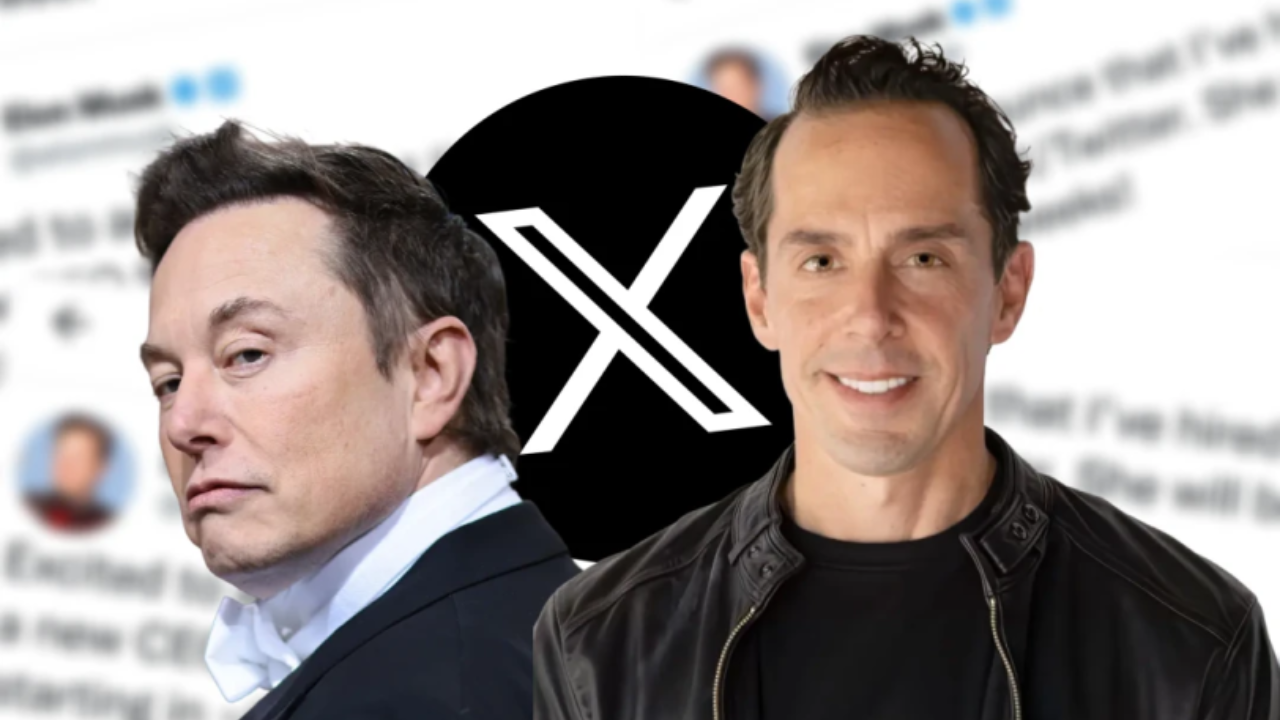
Musk’s AI startup, xAI, has seen a sharp decline in leadership: co-founder Igor Babuschkin and legal heads followed CFO Mike Liberatore’s departure after only a few months. The inability to maintain leadership stability under Musk’s centralized control is demonstrated by these departures during times of financial and strategic strain.
In the face of intense competition from well-known AI firms like OpenAI and Google, the leadership disruptions cast doubt on xAI’s ability to implement its roadmap.
Organizational and Psychological Expenses
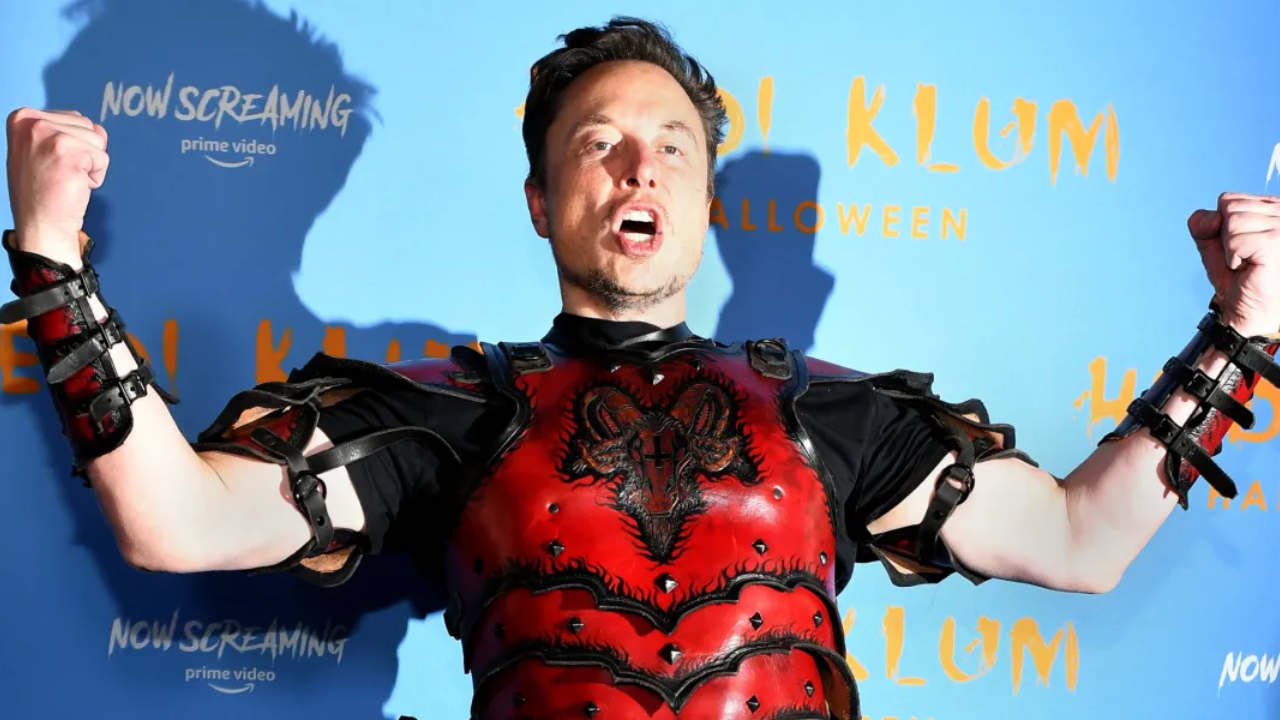
It is clear that Musk’s extreme work culture has a negative psychological impact. Excessive hours are empirically linked to health issues, stress, and cognitive decline, which exacerbate work-life conflicts and increase attrition.
In an organization, constant pressure without sufficient recovery results in lower morale, slower innovation, and lower productivity. Musk’s strategy, which prioritizes hours over results, ignores research from contemporary organizational psychology that supports balance and flexibility as ways to lower turnover and boost engagement.
Market and Financial Repercussions
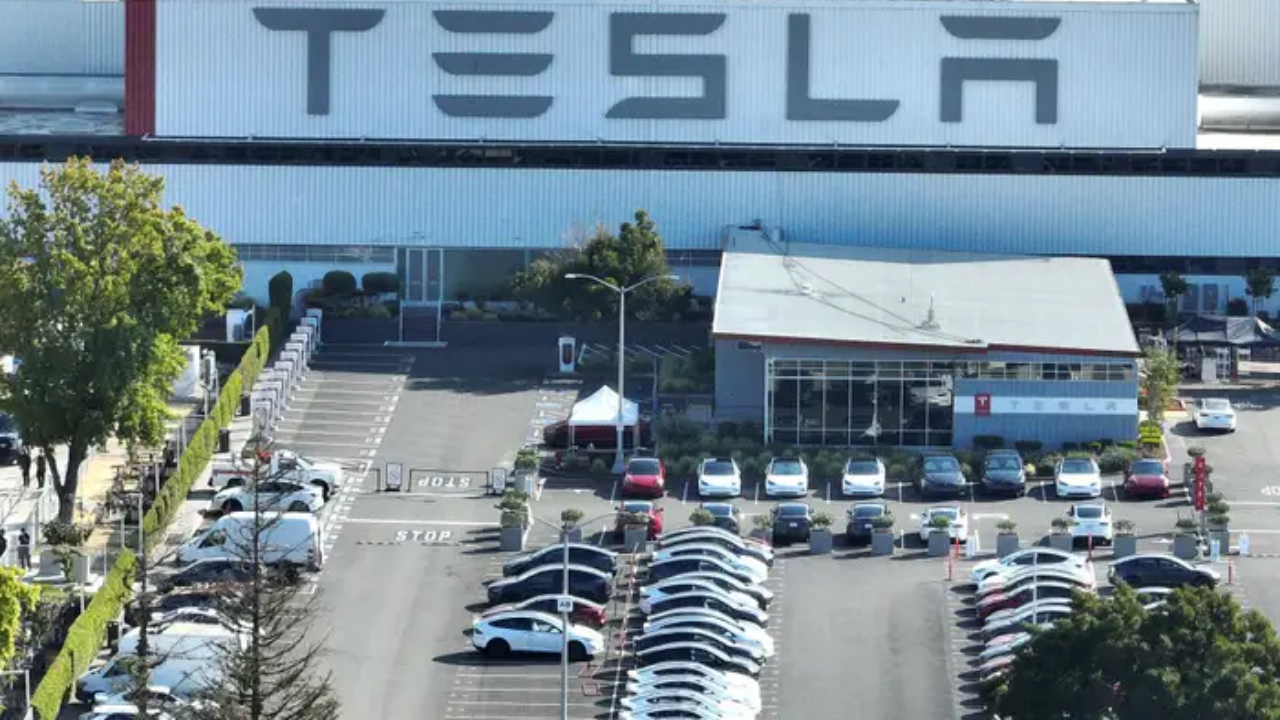
Tesla’s layoffs came as the company’s revenue fell 9% in the first quarter of 2024, the most since 2012, and its stock fell 27% for the year, while the tech market as a whole saw gains. As talent shortages and product delays jeopardize initiatives like xAI’s AI breakthroughs and Tesla’s autonomous robotaxi, investor concerns grow.
High turnover rates undermine shareholder confidence and jeopardize long-term viability, especially when combined with market skepticism regarding Musk’s multitiered ventures and political diversions.
Examining the Culture of Extreme Work Ethics

The rigorous work ethic from Tesla’s early survival days is being revived by Musk’s insistence on adopting a “wartime CEO” mentality, which involves working seven days a week and sleeping in the office. Perhaps due to Musk’s extraordinary ability, this culture endures despite his own emotional admissions that such schedules are “painful” and detrimental.
But expecting rank-and-file workers to produce at the same level ignores human limitations, which makes burnout a predictable result, particularly in high-stress tech industries where accuracy and creativity are essential.
Exodus’s Ripple Effects on Innovation
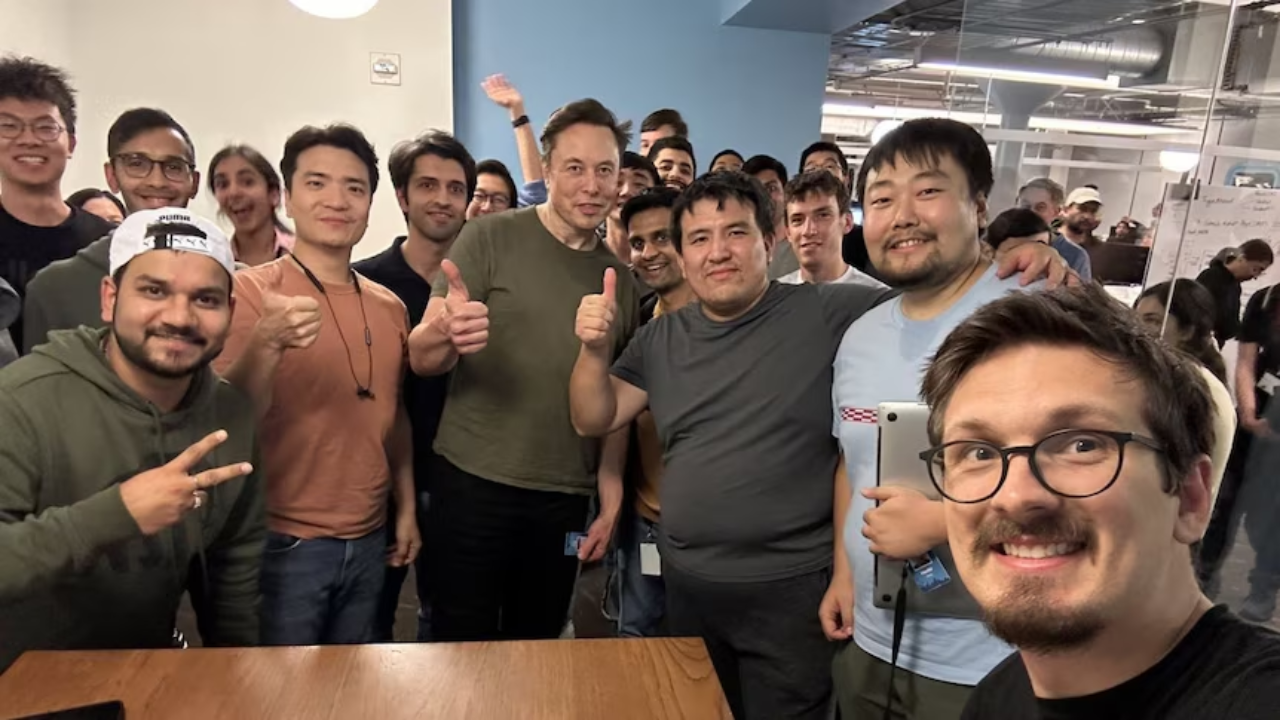
Persistently losing talent has adverse knock-on effects, such as slower product development, innovation bottlenecks, and a higher chance of project failure. Disrupted teams experience a decline in morale, lose institutional knowledge, and postpone innovations like AI systems, neural technology, and autonomous driving.
Strategic leadership is diminished when middle and senior management leave, which makes it more challenging to integrate new employees or adjust rapidly. This could give competitors the opportunity to take the lead in transformative technologies.
Gains of Rivals and Industry Trends
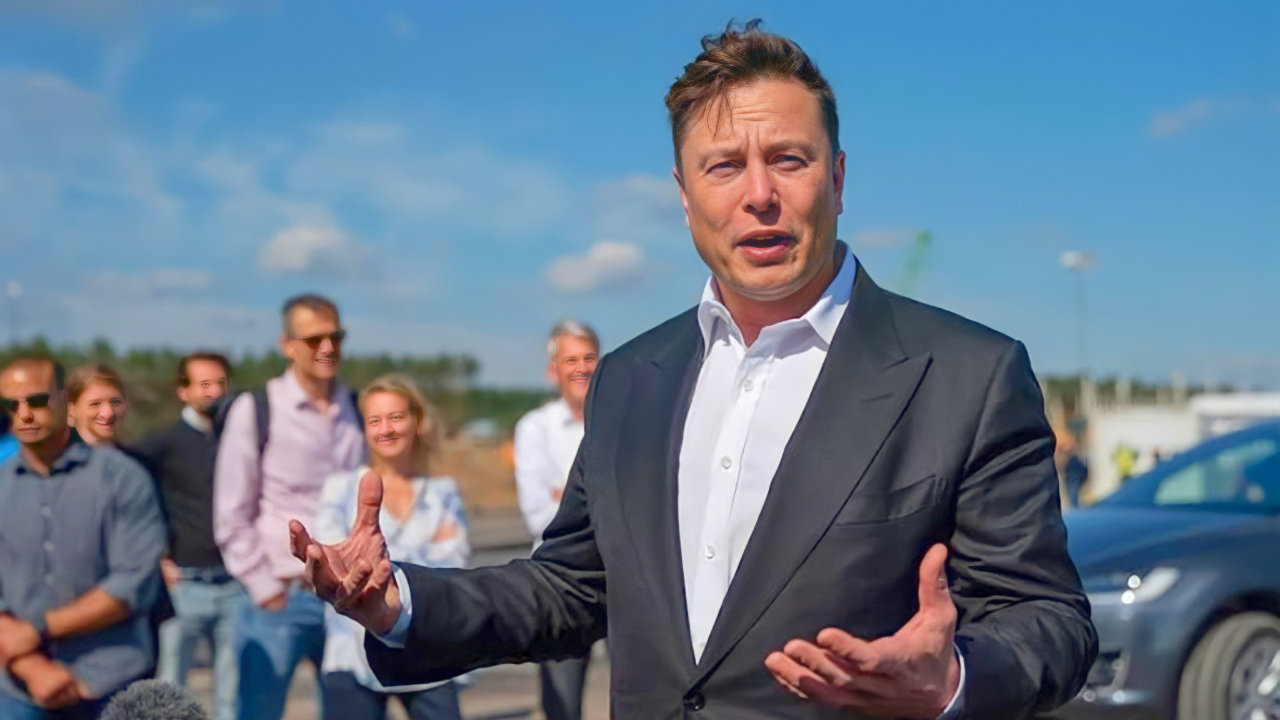
The influx of Musk’s disgruntled talent helps Rivian, Lucid, and OpenAI by bolstering their teams with seasoned executives and engineers. This talent migration highlights how toxic or unsustainable internal cultures can quickly change industry landscapes and increase competitive pressures on Musk’s companies.
The volatility of Musk’s businesses serves as a warning and a chance for competitors to present themselves as reliable, creative, and employee-focused substitutes.
The “Model of Musk Multiplier Burnout”
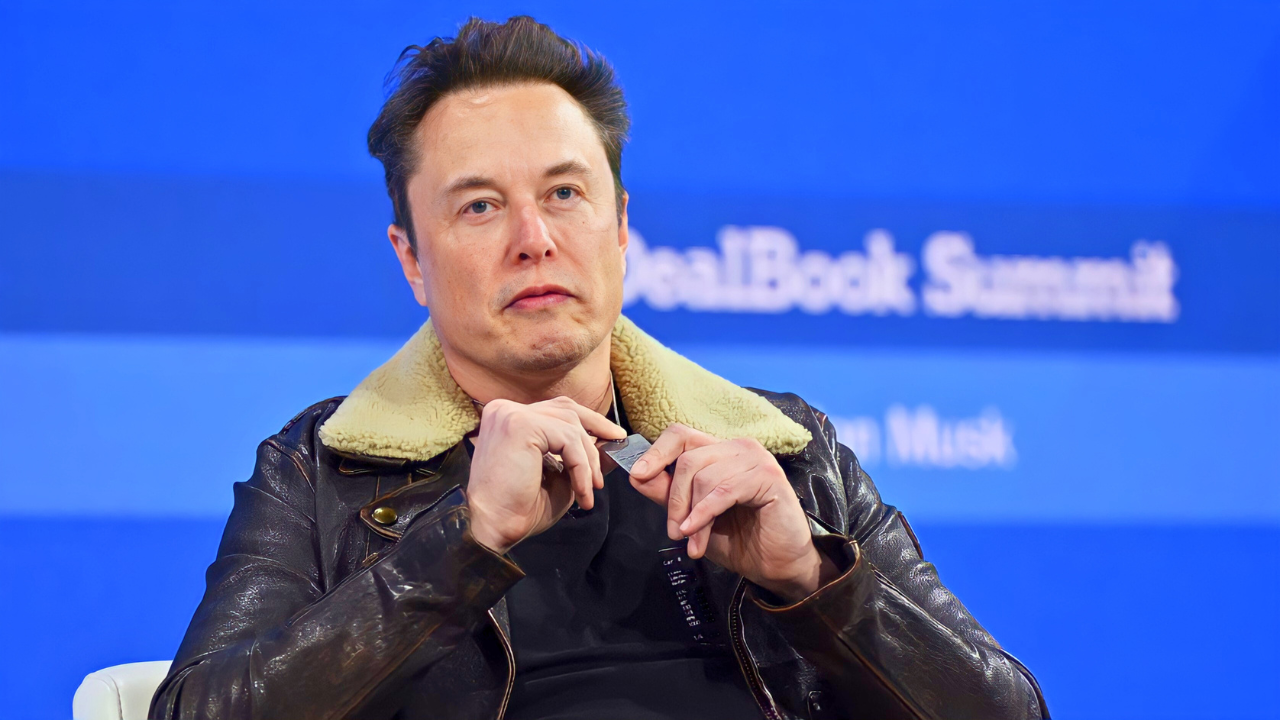
Three Musk-specific factors are combined in a proposed framework to explain this crisis: the Extreme Workload Multiplier (demands of more than 120 hours), the Political/Strategic Volatility Multiplier (quick turns and a polarizing culture), and the Leadership Churn Multiplier (high deputy turnover).
These interconnected stressors create a feedback loop that undermines organizational stability by exponentially increasing the risk of burnout and turnover. Although this model might be applicable to other extremely ambitious founders, Musk’s concurrent leadership of several sizable businesses makes it stand out.
Theoretical Theory Regarding Long-term Hazards
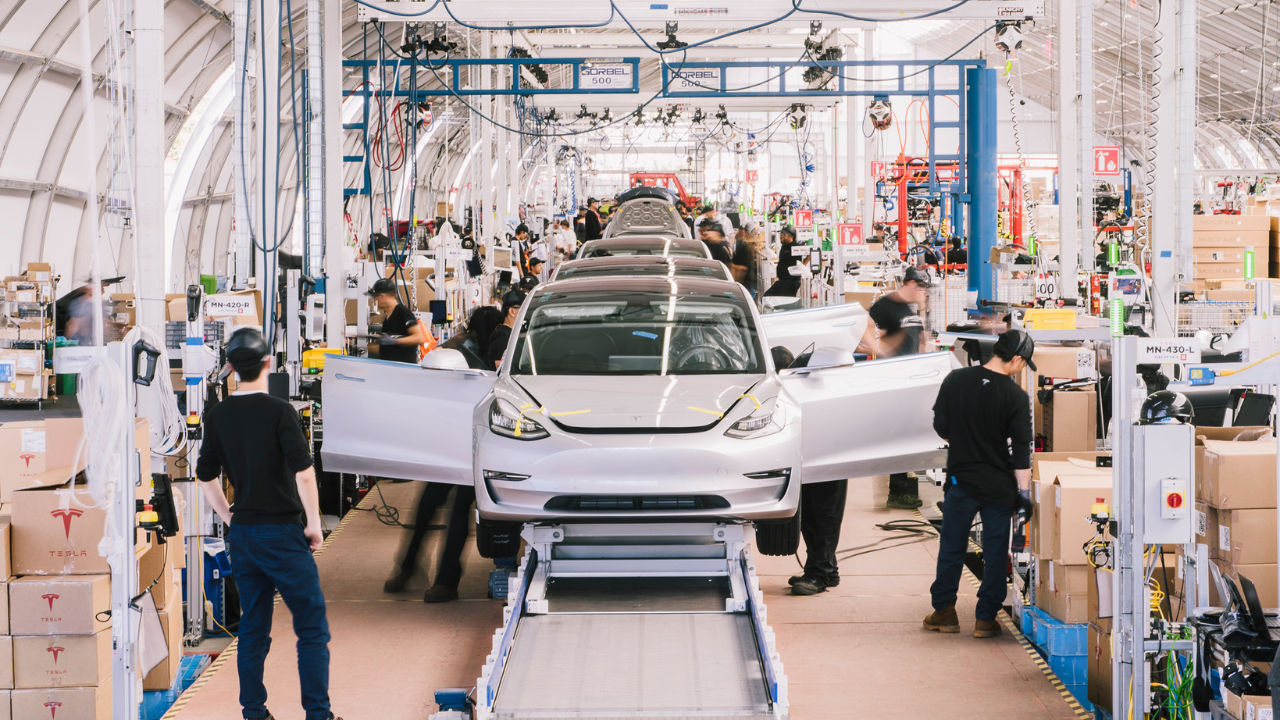
Theoretically, Musk’s enterprise ecosystem may experience cascading failures due to ongoing cultural toxicity and turnover. Critical product delays in Neuralink’s brain interfaces or Tesla’s driverless cars, for instance, could halt revenue streams, exacerbate financial constraints, and necessitate additional layoffs.
A decline in investor confidence brought on by unstable leadership may make it more challenging to obtain funding for riskier projects. Although speculative, such a downward spiral is consistent with trends seen in businesses beset by managerial instability and founder overreach.
Conclusion
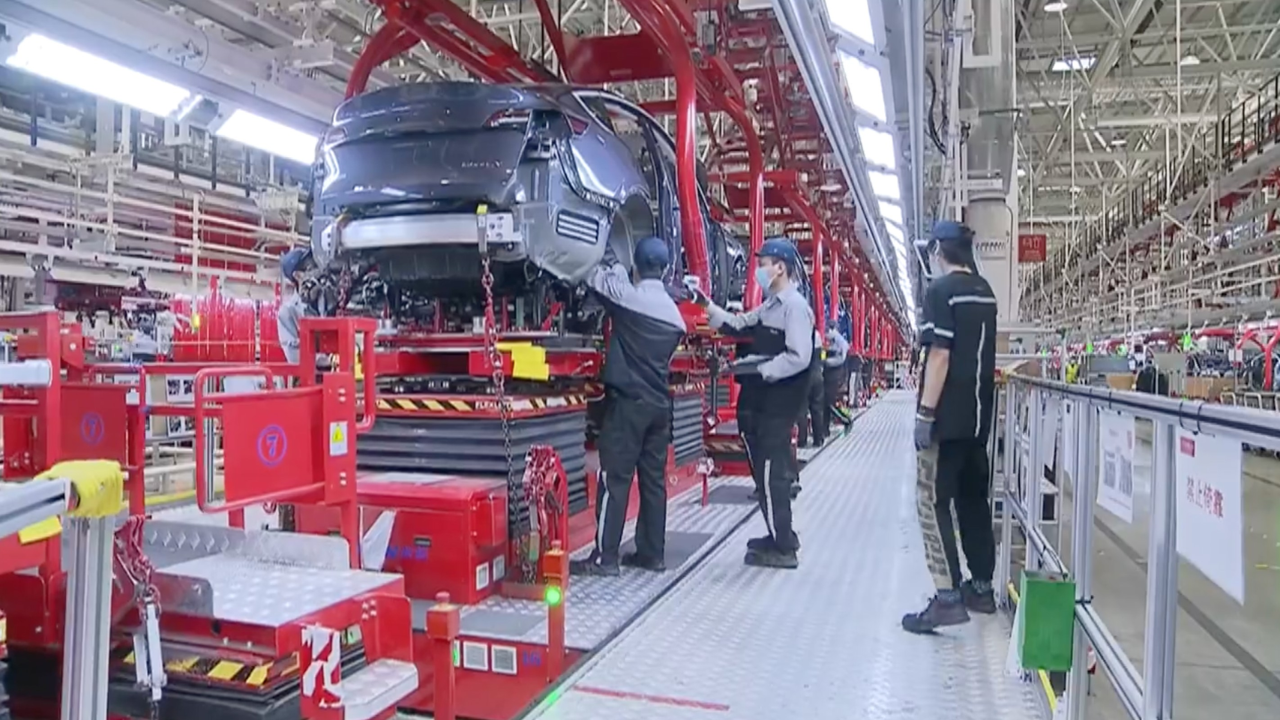
Extreme workweeks of more than 120 hours, coupled with demanding managerial demands and polarizing politics, are clearly unsustainable, as evidenced by the mass exodus from Elon Musk’s companies. Employee well-being and Musk’s ambitious technological visions are at risk due to the ensuing burnout, leadership turnover, and strategic instability.
Recalibrating leadership styles, adopting contemporary work psychology, and depoliticizing corporate culture are necessary for the future in order to retain talent and ensure the long-term viability of innovation. Musk’s business could collapse under its own unrelenting pressures if these adjustments aren’t made.