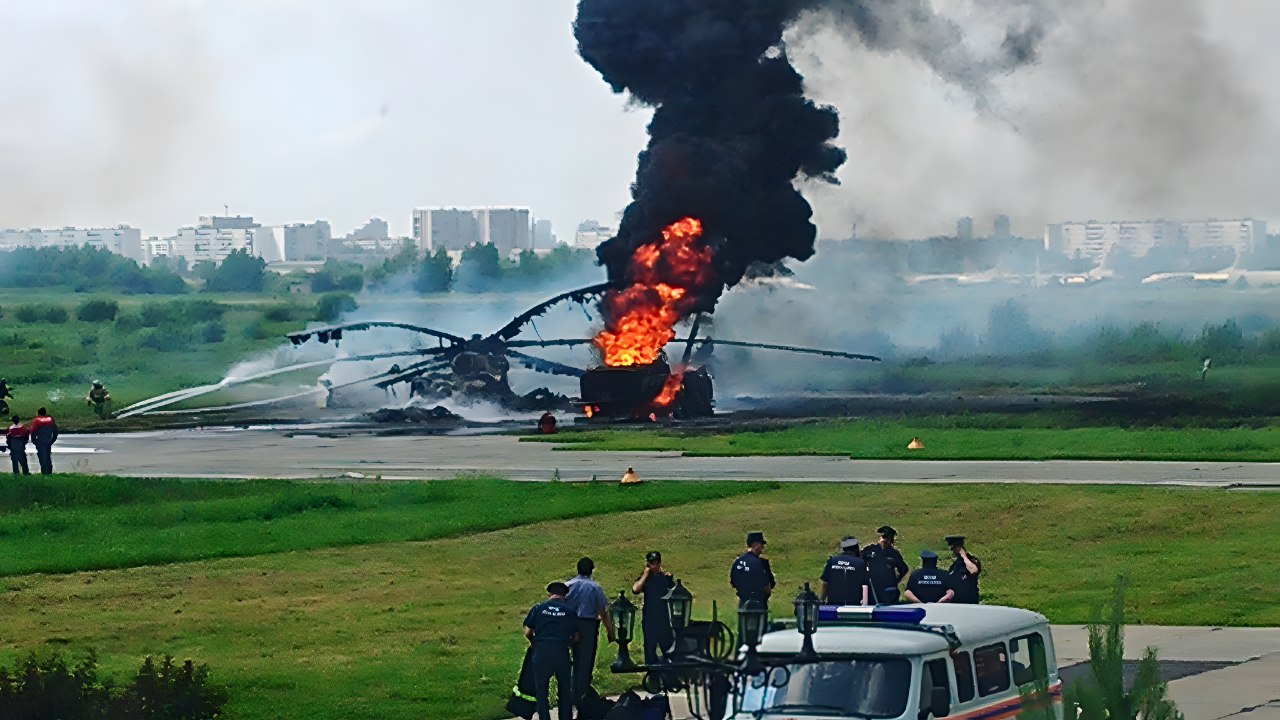
A Ukrainian drone slices through the night sky over occupied Crimea, slamming into Russia’s Mi-26—the world’s largest operational transport helicopter—at Kirovske airfield. Valued at $25 million, the massive aircraft bursts into flames, marking the first confirmed combat loss of this vital asset in the Ukraine war. This strike exposes vulnerabilities in Russia’s heavy-lift operations amid escalating drone warfare and represents a significant tactical achievement for Ukrainian forces.
How the Strike Unfolded
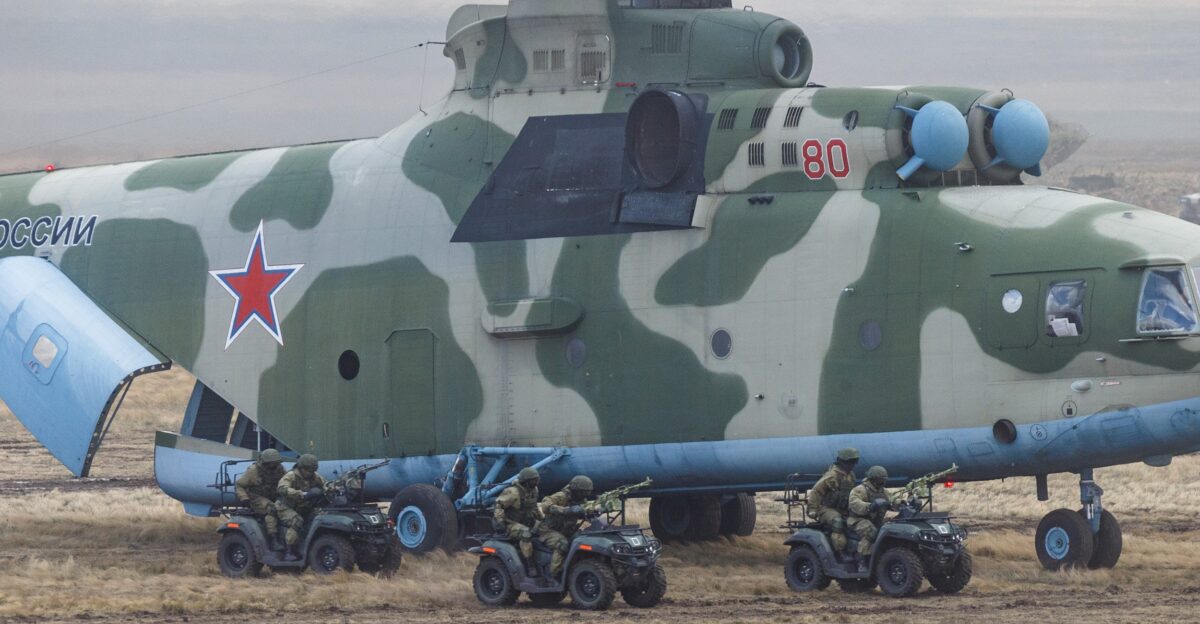
Drone footage released by Ukraine’s Security Service (SBU) captures the precision hit on the parked Mi-26 during an overnight operation on June 27-28. The attack was meticulously coordinated, with SBU forces targeting multiple assets simultaneously at Kirovske airfield, including Mi-8 and Mi-28 helicopters and a Pantsir-S1 air defense system. The coordinated nature of the strike filled key intelligence gaps, demonstrating Ukraine’s ability to penetrate heavily defended sites deep within occupied territory. Intelligence assessments suggest the operation required extensive surveillance and planning to identify the exact location and timing of the Mi-26’s presence at the airfield.
Immediate Operational Impact
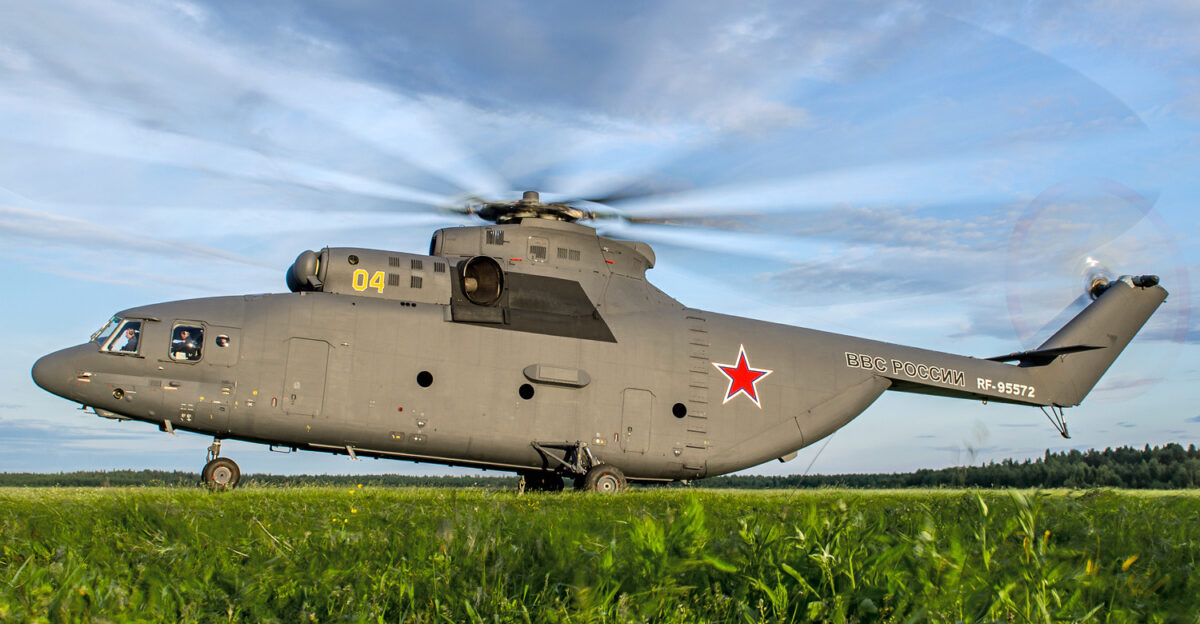
The destruction compounds mounting pressure on Russia’s dwindling helicopter fleet in the region. The Mi-26, with its extraordinary 20-tonne cargo capacity, stands unmatched for hauling personnel, fuel, ammunition, and equipment to remote and forward-operating areas. Russia possesses only a limited number of these aircraft, making each loss particularly consequential. Losing this irreplaceable machine forces reliance on smaller helicopters like the Mi-8, which can carry only a fraction of the Mi-26’s payload. This operational shift creates cascading logistics challenges, delaying critical supply runs to besieged positions and straining transport capabilities across contested territories. The reduction in heavy-lift capacity directly impacts Russia’s ability to sustain operations in Crimea and other occupied regions.
Historical Rarity and Replacement Challenges
This marks the first Mi-26 downed in the Ukraine conflict, though the type has seen prior losses in other theaters. Two Mi-26 helicopters were lost during the 1992 Nagorno-Karabakh War, and one crashed near Grozny, Chechnya, in 2002—the deadliest helicopter accident in history, killing 127 personnel aboard. These historical precedents underscore the rarity and strategic value of each airframe. Production of new Mi-26 helicopters halted in 2019 due to critical dependence on Ukrainian-manufactured D-136 engines, now completely unavailable amid severed ties following the full-scale invasion. Western sanctions further block alternative engine sources and spare parts, leaving Russia’s aging Mi-26 fleet without reinforcements. Each loss represents a permanent reduction in capability, as replacements cannot be manufactured or obtained through international markets.
Shifting Battlefield Dynamics
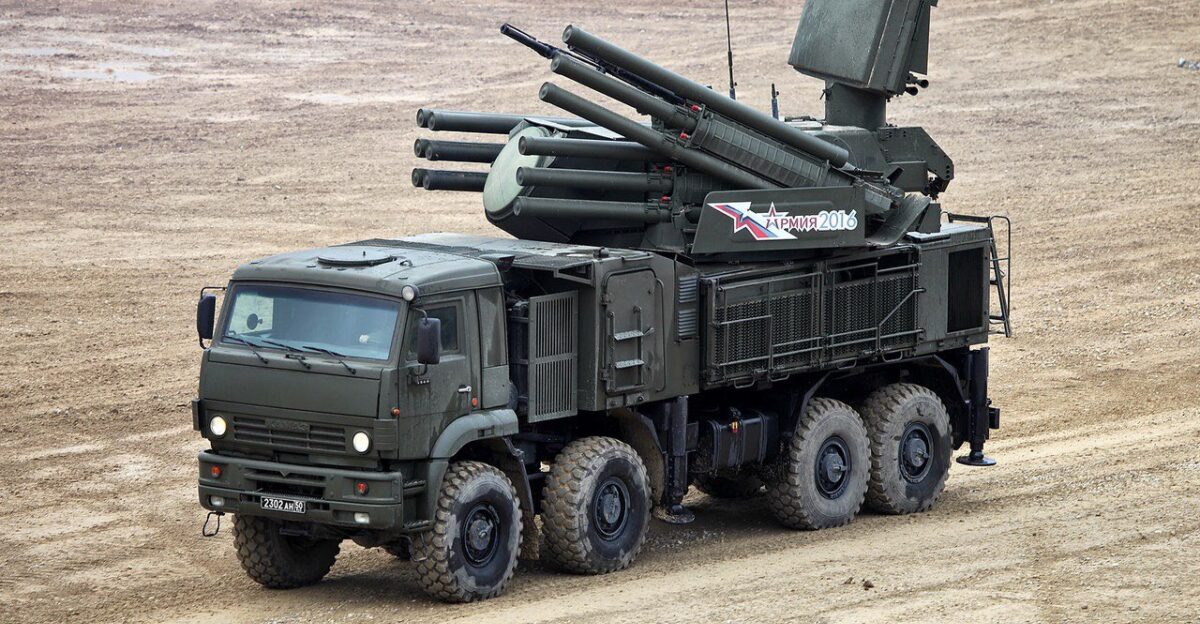
The coordinated strike also neutralized a Pantsir-S1 air defense system, underscoring Ukrainian drones’ proven prowess against Russian air defenses. Kirovske joins an expanding list of Crimean airfields struck since 2022, steadily eroding Moscow’s air operations capability across the peninsula. Beyond hardware destruction, repeated assaults exact a human toll, claiming trained helicopter crews and specialized technicians whose expertise far exceeds that of standard ground forces. These losses degrade Russian operational readiness in ways that extend beyond simple replacement calculations, as experienced personnel require years to develop.
Broader Strategic Ramifications
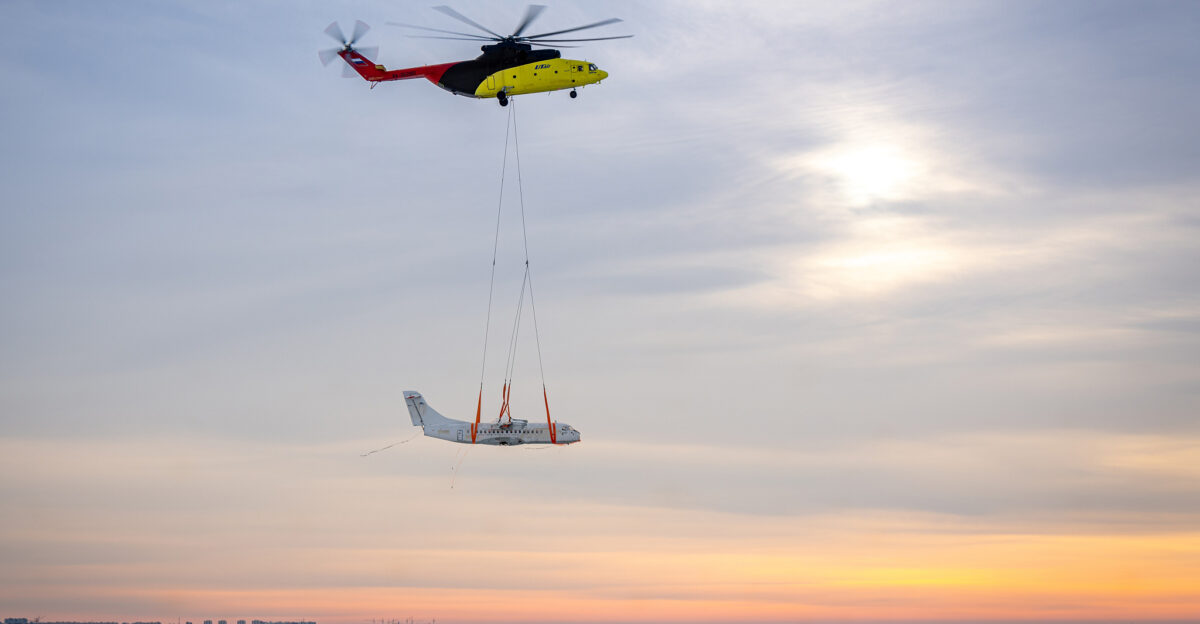
The incident pressures Russia’s defense sector to develop domestic engines and new heavy-lift transport designs, though sanctions severely hinder industrial progress. It highlights drones’ transformative role in modern conflict, challenging long-held assumptions about large hardware’s survivability in contested airspace. For Ukraine, the strike delivers both tactical and psychological victories, hiking Russian logistics costs through increasingly fragmented operations. International allies may view the successful operation as validation for continued drone aid and advanced targeting capabilities. Both sides are recalibrating strategy: Russia is dispersing assets more widely and fortifying airfield defenses, while Ukraine refines intelligence-driven precision strikes. These evolving losses signal fundamental risks for heavy-lift aviation, with profound implications for logistics networks and air power projection in prolonged, drone-dominated warfare.
Sources:
“Ukraine’s Security Service Confirms First Destruction of Russian Mi-26 Heavy Transport Helicopter During This War.” Defence-UA, 7 Dec 2025.
“Russia Loses World’s Largest Helicopter, Mi-26, in Ukrainian Attack on Crimea.” Military Magazine, 1 July 2025.
“Ukraine Takes Out Russia’s Rarest Helicopter: Mi-26 Destroyed With No Replacement Line.” United24Media, 7 Dec 2025.
“2002 Khankala Mi-26 Crash.” Wikipedia, 14 Oct 2005.