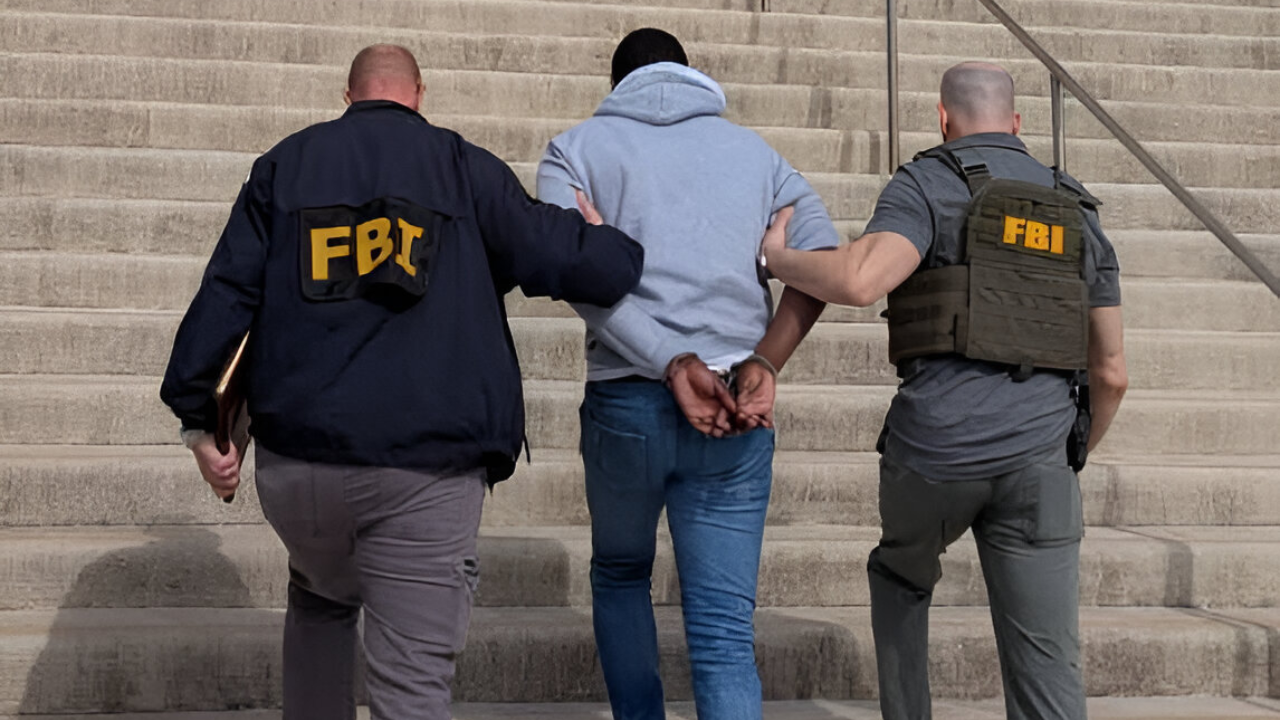
Passengers at San Francisco International Airport watched federal agents move in on a man at the boarding gate. Prosecutors say he was not just another traveler but the architect of a years‑long scheme that siphoned millions of dollars meant to support aging U.S. veterans.
Alleged Architect of a $7 Million Scheme
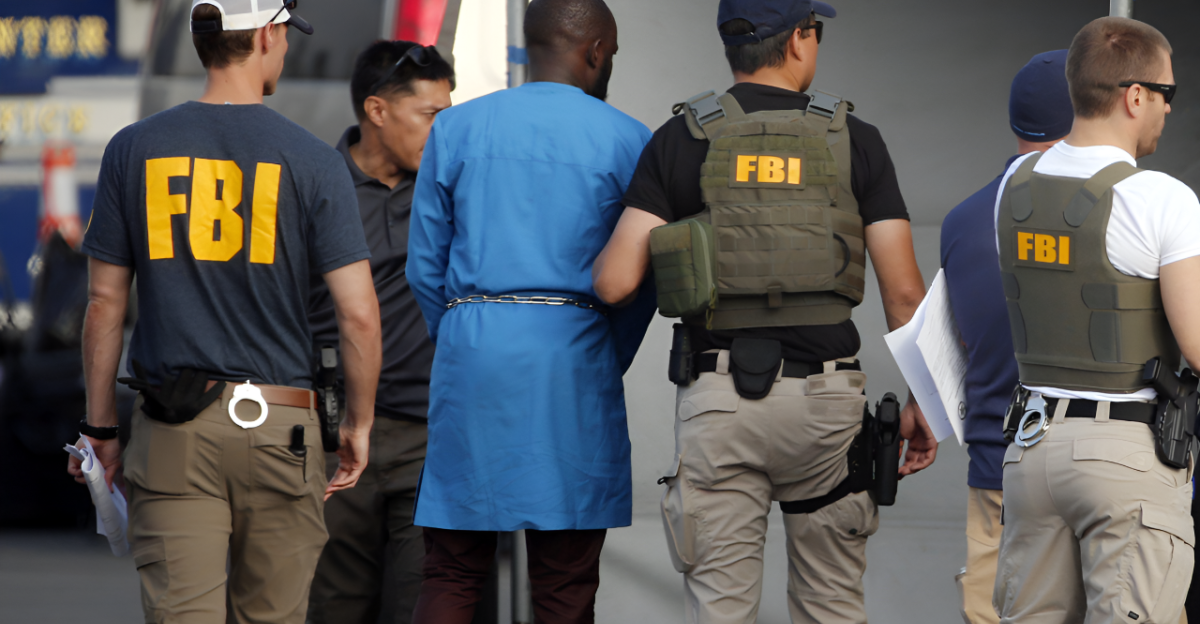
Federal authorities have charged 66‑year‑old Cashmir Chinedu Luke, a Nigerian‑born chief executive of a California home health company, with defrauding the Department of Veterans Affairs (VA) of more than $7 million over four and a half years.
Luke was arrested in early December 2025 at San Francisco International Airport as he prepared to board a flight to Nigeria. Court filings state that between December 2019 and July 2024 he submitted roughly 10,000 false claims for in‑home care, averaging about $700 per claim and generating more than $1.5 million per year.
If convicted, Luke faces up to 10 years in federal prison, a $250,000 fine, and an order to repay the $7 million the government alleges he stole. The case is being prosecuted by Assistant U.S. Attorney Calvin Lee. Prior convictions, including a 2009 federal fraud case in Maryland, could influence any eventual sentence.
Four Corners Health and the Veterans It Served

Prosecutors say Luke ran Four Corners Health LLC from Fresno while living in Antioch, California, serving elderly VA beneficiaries across seven counties, including areas with large veteran populations such as Fresno and Contra Costa.
According to the charges, Luke controlled the company’s finances himself. Four Corners Health functioned as a VA community care contractor, arranging home‑based assistance such as help with daily living activities for older veterans who qualified for federal support.
Authorities allege that behind this legitimate‑seeming operation was a carefully organized billing scheme that diverted funds away from the intended beneficiaries. Investigators say some veterans whose names appeared on claims did receive limited care, but the volume and type of billing far exceeded any services provided.
Inside the Alleged Fraud: Claims After Death and Phantom Care

Court documents describe four main categories of fraudulent claims. Some bills allegedly charged for hours that caregivers never worked. Others listed care on days when no aide visited the veteran at all. Investigators also cite duplicate claims for the same services and bills for visits or support that never occurred.
Prosecutors say the most brazen conduct involved claims for veterans who had already died, including submissions for care allegedly provided weeks after a recorded date of death. Those entries, investigators argue, demonstrate not only falsified billing but deliberate misuse of deceased beneficiaries’ identities.
The VA Office of Inspector General (OIG) used a data‑analytics system known as the Program Integrity Tool to flag suspicious patterns among Luke’s claims. Officials say it took months of forensic work and international financial tracing to connect the billing anomalies to the movement of funds and to prepare for an arrest operation at the airport.
Money Trails Across Continents

According to investigators, the money paid by the VA did not stay in local business accounts. Authorities say Luke directed millions of dollars through accounts in Asia and Africa, dispersing federal reimbursements far beyond U.S. jurisdiction.
Details about specific countries and institutions have not been released publicly, but prosecutors describe a pattern of structured transfers suggesting advance planning and possible assistance from others overseas. That international element adds potential exposure to charges such as money laundering and conspiracy, beyond the core allegation of health care fraud.
Officials say the Program Integrity Tool typically flags issues only after payments have been made, allowing funds to be moved abroad before any hold can be placed. In Luke’s case, by the time irregularities were detected, much of the $7 million had already been routed out of the country.
System Gaps, Old Warnings
The case has renewed scrutiny of how the VA screens and monitors community care providers. Luke previously served 27 months in federal prison after a 2009 Maryland conviction involving identity theft and perjury, followed by three years of supervised release. Despite that record, he was later able to secure contracts to serve vulnerable veterans.
The VA’s community care network expanded significantly after 2017, with the agency paying tens of billions of dollars annually to more than 200,000 outside providers. Oversight reports have documented weaknesses in pre‑enrollment vetting, training, and real‑time claim monitoring. According to the VA OIG, improper payments in a single recent fiscal year totaled billions of dollars.
Investigators say third‑party administrators hired to manage claims and guard against abuse provided limited hands‑on oversight. Many providers, including Four Corners Health, reportedly received no structured training on billing rules. Luke is accused of exploiting this environment by disputing early recovery efforts and submitting additional documents that investigators now describe as false.
Broader Impact and What Comes Next
The alleged fraud touched multiple groups. Elderly veterans who depended on in‑home help may have experienced delays or reductions in legitimate services as funds were diverted. Families of deceased veterans whose identities were used in claims could face additional complications as they settle estates and review financial records. Home health aides, earning modest wages, may see their legitimate work entangled in an investigation centered on claims they did not control.
Federal officials have described the case as one of the larger single‑provider frauds involving VA community care. Comparisons have been drawn to other major health care cases, including large settlements involving private contractors and multimillion‑dollar Medicare prosecutions, underscoring the scale of public funds at risk when oversight fails.
Luke’s arrest prevented his departure from the United States and halted immediate access to funds believed to be waiting abroad. As the criminal case moves forward, policymakers, veterans’ advocates, and oversight bodies are watching for signs that lessons will be applied more broadly: stronger vetting of contractors, more effective pre‑payment review, and faster analytic tools to flag suspicious patterns before they turn into multimillion‑dollar losses.
For the veterans whose care depends on the same system, the outcome will be measured not only in any prison term or restitution order, but in whether new safeguards emerge to protect benefits promised to those who served.
Sources
“CEO of Fresno home health care firm arrested, accused of VA fraud,” The Business Journal, December 3, 2025
“California CEO accused of $7M fraud arrested at SFO,” San Francisco Chronicle, December 3, 2025
“Fresno CEO charged with defrauding VA of $7 million in care funds meant for veterans,” KMPH News, December 2, 2025
“CEO arrested at SFO before boarding international flight,” Yahoo News, December 4, 2025
“US arrests Nigerian CEO over $7 million Veterans Affairs fraud,” The Guardian, December 4, 2025