
A blizzard slams the Northern Plains on Thursday, December 18, 2025, beginning at 3 a.m. with 70 mph winds cutting through eastern North Dakota and western Minnesota. By 3 a.m., whiteout conditions make travel impossible, trapping families in their homes and halting morning commutes. As gusts continue to batter the region, visibility drops to zero, and emergency alerts flood phones, warning of life-threatening conditions.
Across the region, power lines begin to snap under the force of the winds, plunging neighborhoods into darkness. With the storm showing no signs of letting up, the region braces for a day of chaos and uncertainty. What is causing this rare mid-December storm to unleash hurricane-force winds on the Northern Plains?
Why This Blizzard Strikes Now
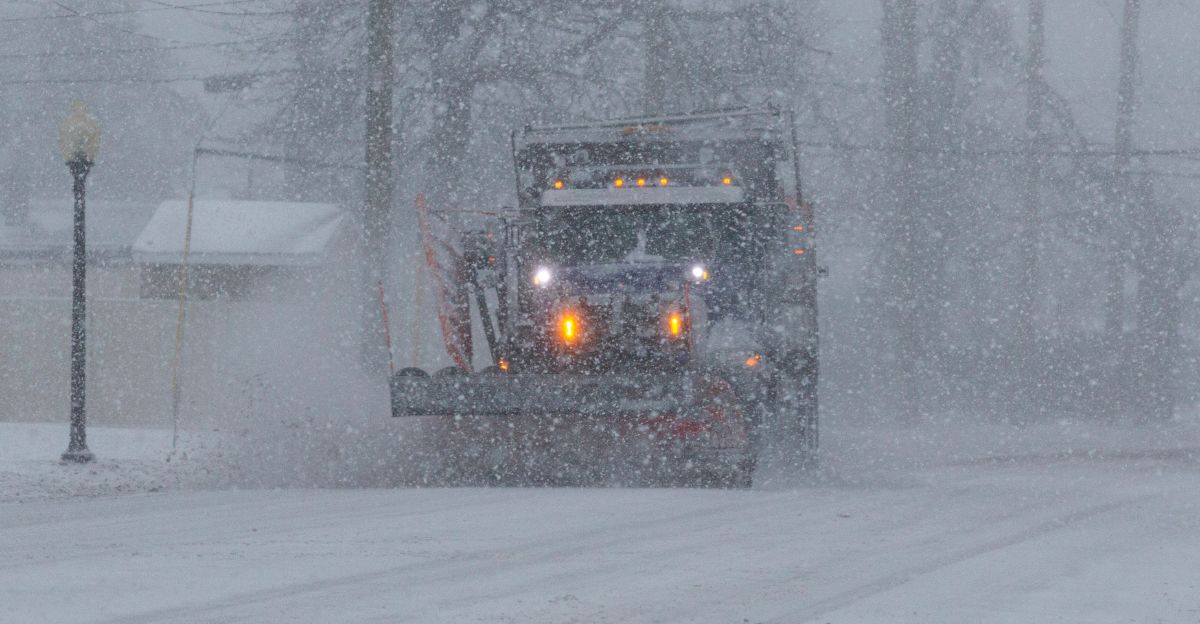
A cold front fuels northwest winds up to 40 mph, with gusts reaching 70 mph. The storm brings light snow accumulation of 1 to 4 inches, causing near-zero visibility.
Combined with a light ice glaze, this creates life-threatening conditions. Wind chills are dangerously cold, especially north of U.S. Highway 2, where the storm’s effects are felt most severely.
Consumers Face Travel Disruption
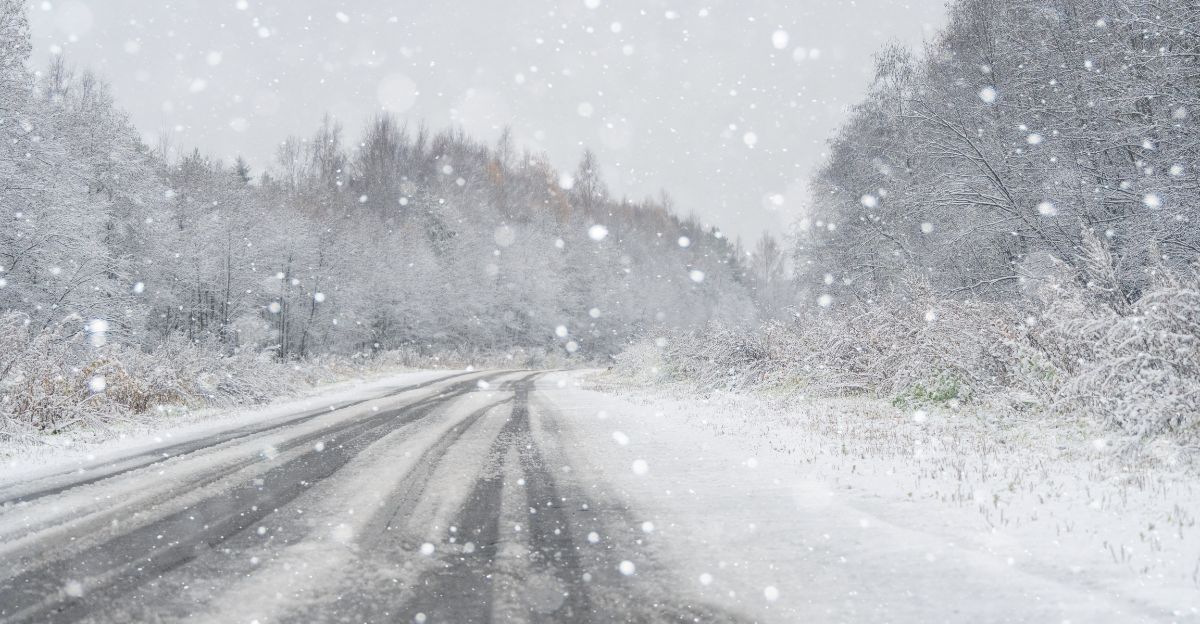
On December 18, 2025, residents in counties like Cass and Grand Forks wake up to canceled commutes. With snow and whiteout conditions, travel becomes nearly impossible.
The morning and evening rush hours are severely disrupted, forcing families to shelter in place or work remotely. In Fargo and Grand Forks, this leads to school closures and significant delays in daily activities.
Businesses Pause Operations

Businesses across eastern North Dakota are forced to halt operations. With wind gusts up to 70 mph, extensive tree damage is expected, causing power outages.
In Cass County, which has approximately 201,000 residents, many warehouses and retail outlets close for the day. The blizzard’s effects ripple through the economy, as service delays and supply chain disruptions spread across the region.
Regional Logistics Adjust
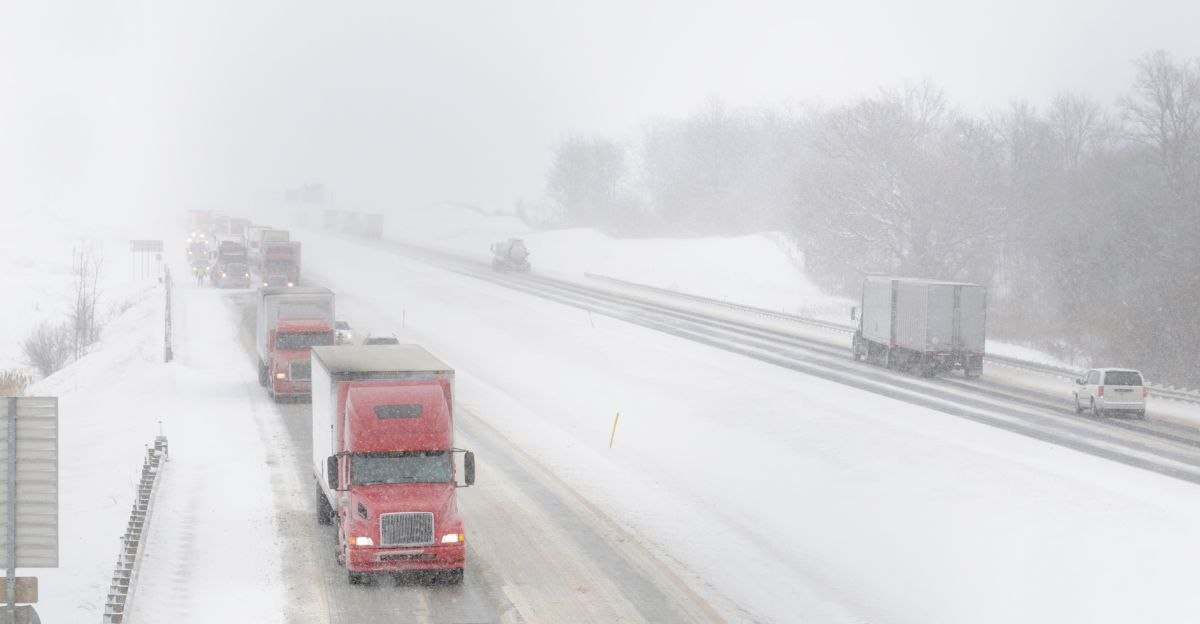
Local trucking companies issue travel warnings as Interstate highways become hazardous. Freight movements slow, with significant delays in the Red River Valley. Grocery stores adjust by sourcing perishables from outside the affected area.
The combination of wind and ice distorts short-term supply chains, affecting logistics and retail across Minnesota’s Red River Valley.
Cross-Border Traffic Slows
The blizzard also impacts cross-border traffic between the U.S. and Canada. Whiteout conditions on U.S. Highway 2 delay grain shipments from North Dakota farms.
With wind gusts of 70 mph, truck movements are hindered, and agricultural exports face minor setbacks. The storm disrupts commodity flows, impacting regional agricultural shipments across the border.
Farmers and Workers Brace for Impact
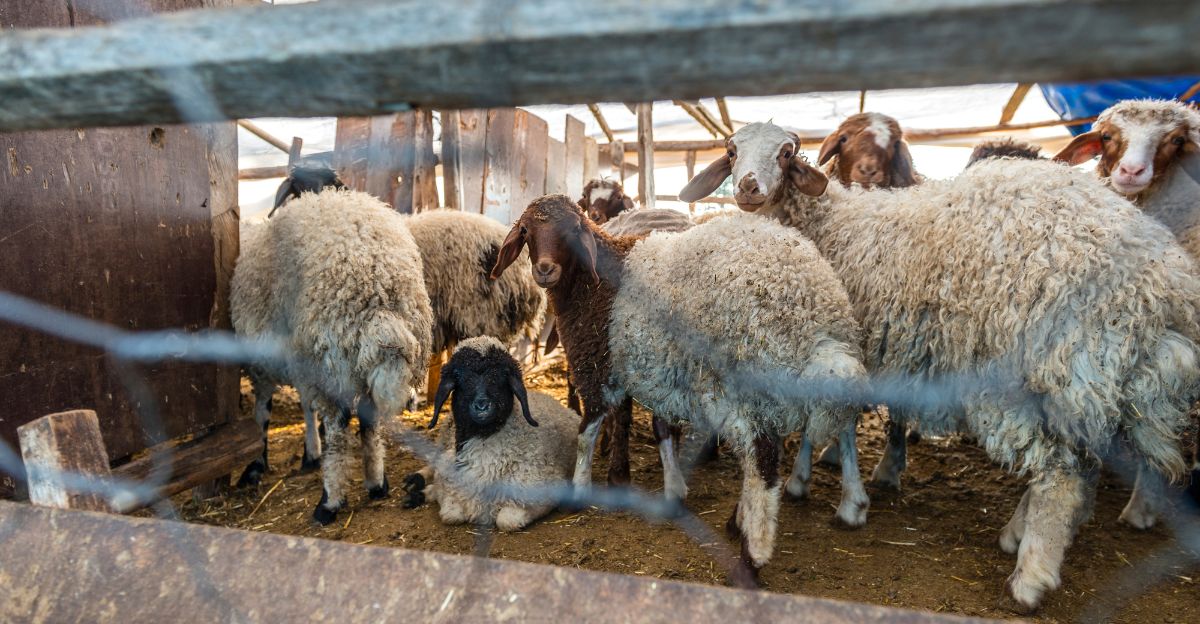
Farmers in Walsh and Pembina counties face significant challenges as they shelter livestock from the intense winds. With sustained winds at 40 mph and blowing snow, the region braces for power outages and extensive tree damage.
Local families prepare generators, while emergency protocols are set in motion as the storm threatens rural infrastructure.
Emergency Protocols Activated

Local officials activate emergency response plans in preparation for the storm’s impact. Travel bans are enforced, and resources are mobilized to deal with power outages and the freezing cold.
The National Weather Service works closely with local authorities to ensure that public safety measures are prioritized, despite the storm’s widespread reach.
Economic Ripples Felt Locally
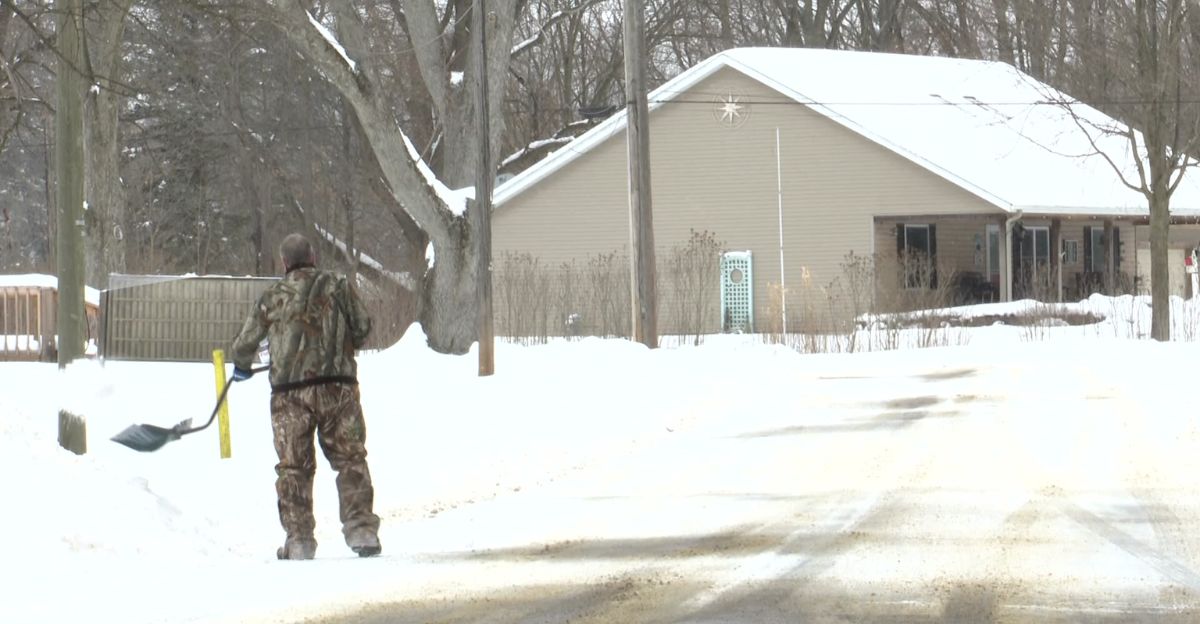
In the aftermath of the blizzard, short-term economic disruptions are expected, with increased demand for fuel and food. Local prices may rise due to supply delays, and Cass County’s economy takes a hit.
Energy demands surge as residents struggle to stay warm during the storm, adding pressure to already strained local resources.
Health Risks Alter Daily Lifestyles

With wind chills reaching dangerous levels north of Highway 2, residents are urged to stay indoors. Hospitals prepare for a potential surge of hypothermia cases from stranded motorists.
The whiteout forces families to take safety precautions, and essential supplies like medications and food are stocked in preparation for the storm’s impact on daily routines.
Communities Discuss Resilience
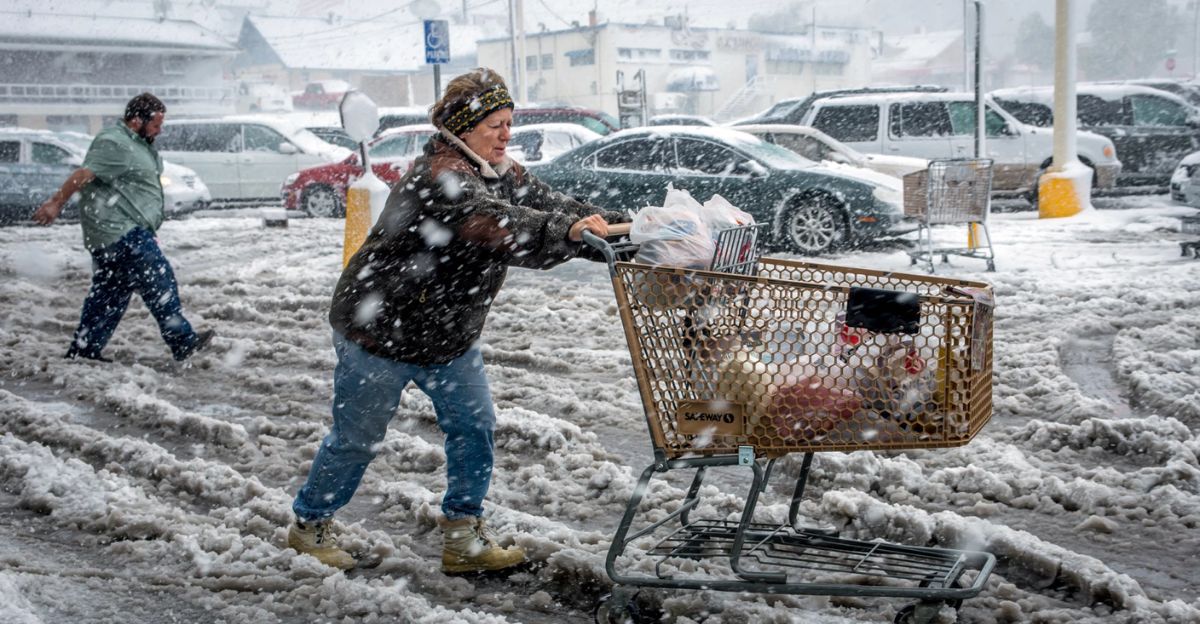
The storm sparks discussions about seasonal resilience in Minnesota and North Dakota. Locals share experiences of past storms and how they’ve adapted to the region’s extreme weather.
While the storm’s ice glaze and winds are seen as an unusual combination, the community’s grit and preparedness are tested, highlighting the strength of residents in the face of unpredictable weather.
National Attention on Storm
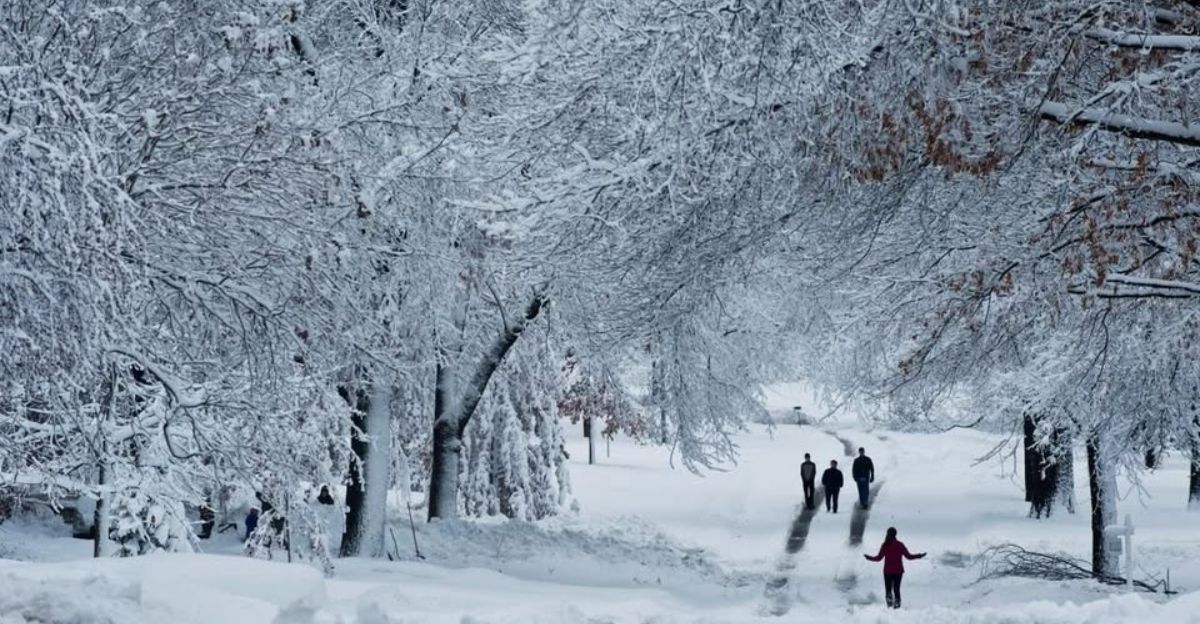
As the blizzard intensifies, national media spotlight the Northern Plains, drawing attention to its severe conditions. Travel advisories are issued, and regional markets brace for delays in grain transport.
The storm shapes national perceptions of winter readiness, as the public focuses on the threat to supply chains and local infrastructure.
Service Demand Shifts
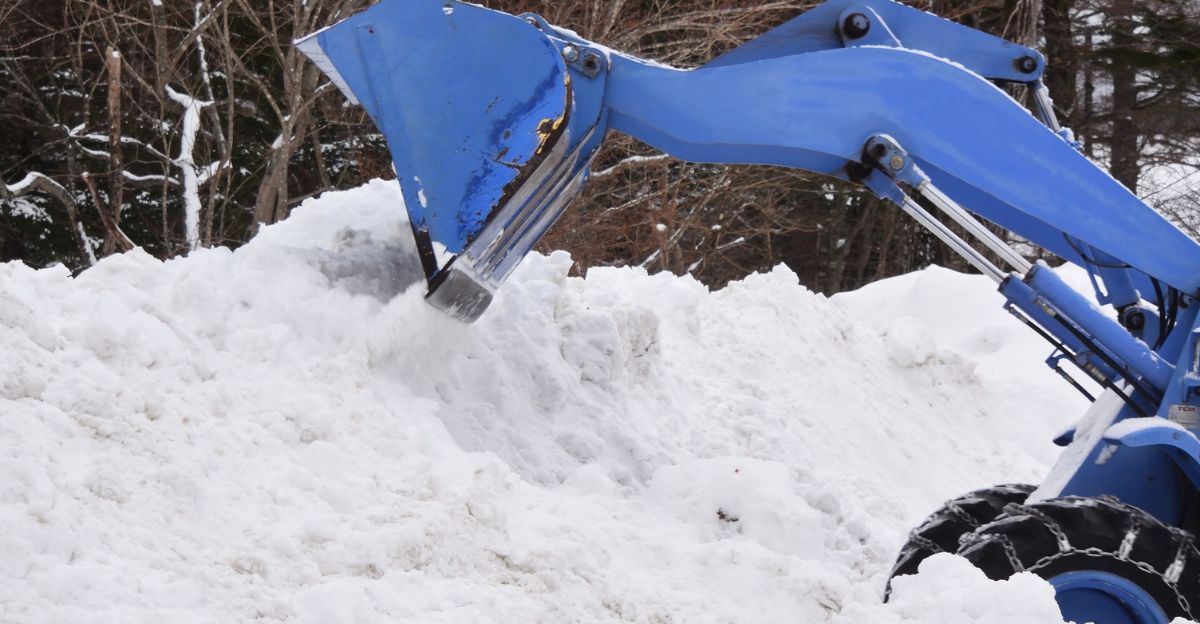
As outages loom, demand for generators and snow removal services rises in affected counties. Utility companies mobilize to restore power, while local businesses adapt to remote work.
The Red River Valley faces widespread cancellations of outdoor events, and local services scramble to address the needs of those affected by the storm.
Preparation Urged

Local authorities urge residents to prepare for continued disruptions. Consumers are advised to stock non-perishable goods, charge devices, and avoid travel unless absolutely necessary.
As the storm intensifies, residents are reminded to stay home and shelter in place to ensure their safety during the blizzard’s peak hours.
What’s Next for the Plains
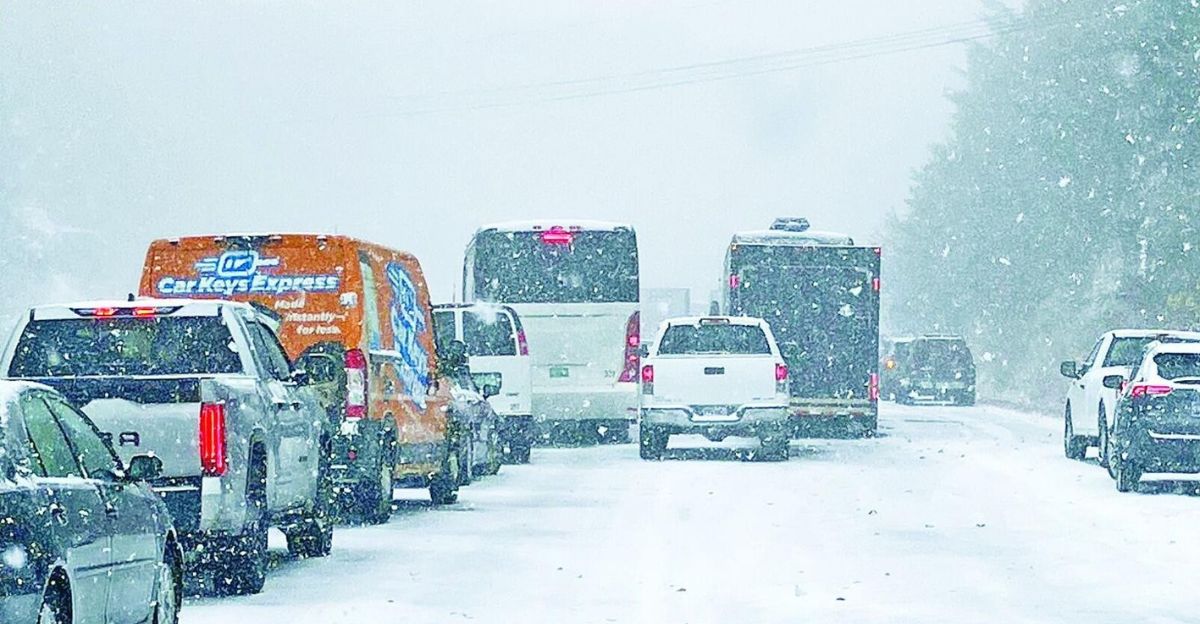
Once the blizzard passes at 6 p.m. CST, recovery efforts will focus on power restoration and road clearance across the affected counties.
The storm underscores the importance of winter preparedness, and local authorities are already evaluating their response strategies. As the Northern Plains braces for future storms, resilience will be key to managing the impacts of extreme weather.
Sources:
“Blizzard Warning Issued For the Region.” National Weather Service Grand Forks, North Dakota, 17 Dec 2025.
“Thousands Hit With Blizzard Travel Warning: ‘Emergencies Only.'” Newsweek, 18 Dec 2025.
“Blizzard Warning issued in Dakotas.” Fox 9 Minneapolis-St. Paul, 18 Dec 2025.
“LIVE UPDATES | Minnesota weather: White-out conditions reported in NW Minnesota.” Fox 9 Minneapolis-St. Paul, 18 Dec 2025.