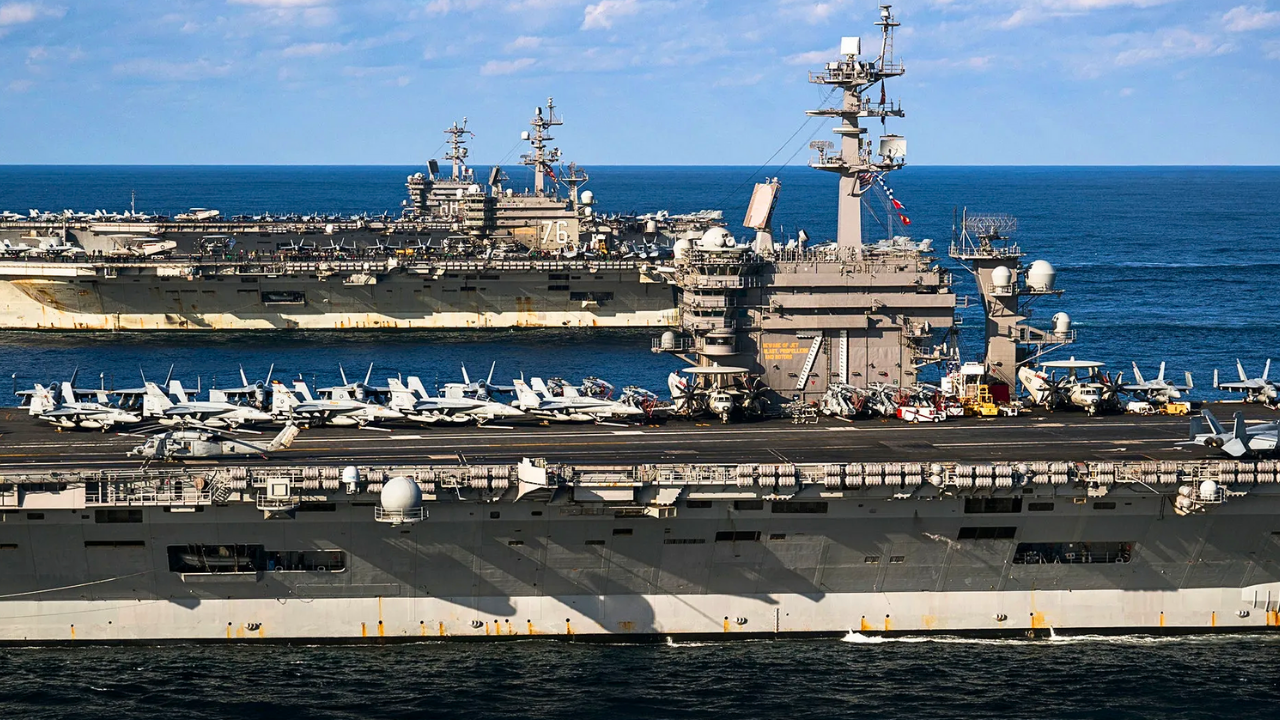
In early December 2025, the Western Pacific experienced a surprising surge in military activity, as intelligence agencies reported an unusual concentration of vessels in the East Asian maritime zones. This naval mobilization by China exceeded all previous exercises, leading Japan’s defense ministry to hold emergency briefings.
Allied nations closely monitored the situation as the two most significant naval forces drew near, raising concerns over heightened tensions. Analysts remarked that this standoff was “the most significant show of force since Taiwan’s 2024 elections,” indicating that Beijing was prepared to escalate military actions in the region, significantly altering naval power dynamics.
A Pattern Emerges
China’s recent naval exercises represent a significant shift in its maritime strategy. In the past two years, the nation has conducted five substantial exercises annually; however, the December 2025 deployment was unique in its scale and geographic reach.
This operation spanned four maritime zones simultaneously, showcasing China’s logistical capabilities and advanced command-and-control systems. Intelligence officials described this maneuver as “the most sophisticated maritime operation in the region’s history,” surpassing previous campaigns, including the one conducted during Taiwan’s 2024 elections. The growing complexity of these exercises indicates China’s testing of its extended operational capacity, altering the balance of power in East Asia.
The Trigger

The naval surge did not occur without cause. On November 14, 2025, China expressed formal discontent over comments by Japanese Prime Minister Sanae Takaichi, who suggested military responses if Taiwan were attacked. This diplomatic friction led to immediate military mobilization, with planners beginning to amass vessels in response.
Analysts interpreted this swift deployment as a message from Beijing, signaling its commitment to challenge any countries aiding Taiwan. The eleven-day period between the protest and deployment emphasized how quickly diplomatic tensions can escalate into military maneuvers in the Western Pacific, where geopolitical ambitions clash, often with dire consequences.
Four Seas Under Pressure
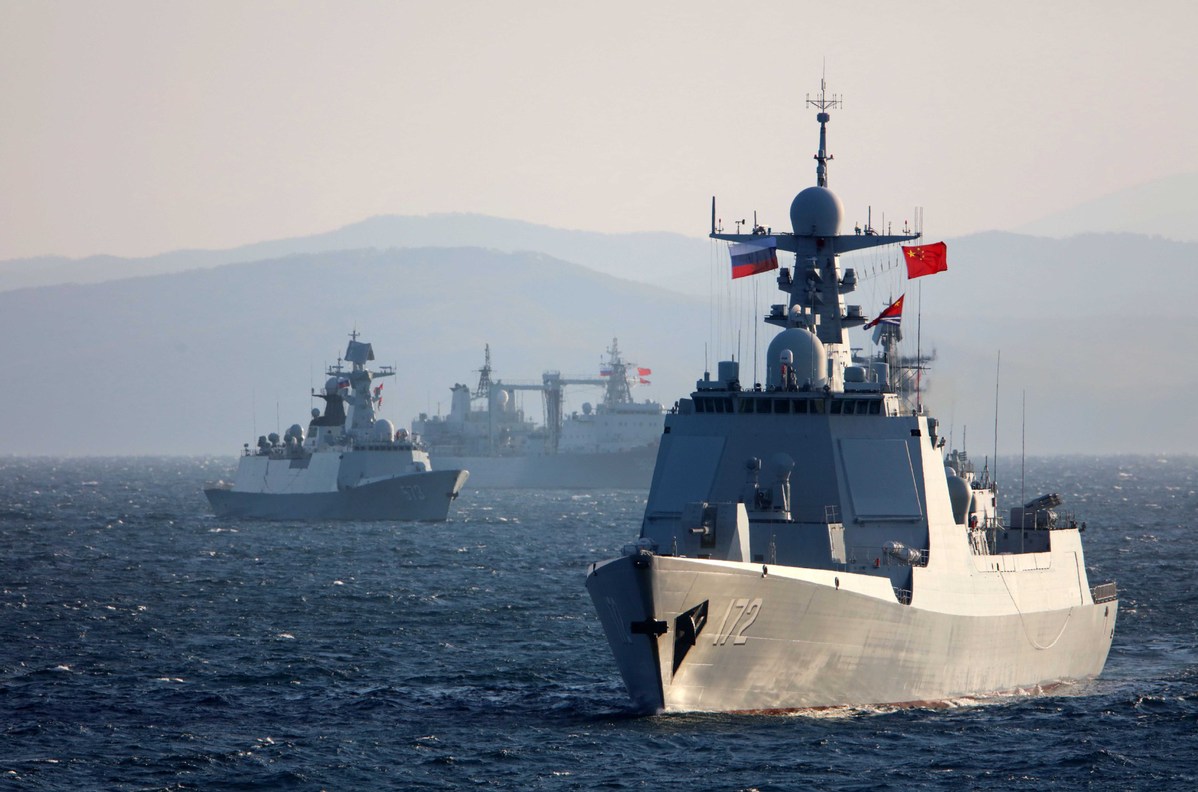
China’s naval operations spanned four crucial maritime zones: the Yellow Sea, East China Sea, South China Sea, and the wider Western Pacific. Each area holds significant geopolitical implications, with the Yellow Sea bordering key U.S. allies, such as South Korea.
The East China Sea lies adjacent to Japan and Taiwan, while the South China Sea remains a hotspot of territorial disputes and a vital trade route. By deploying over 20 vessels in each zone, China maximized its influence and potentially overwhelmed allied naval capabilities. The broad geographic reach of this operation presents a significant challenge to regional security and response coordination.
Over 100 Vessels Deployed
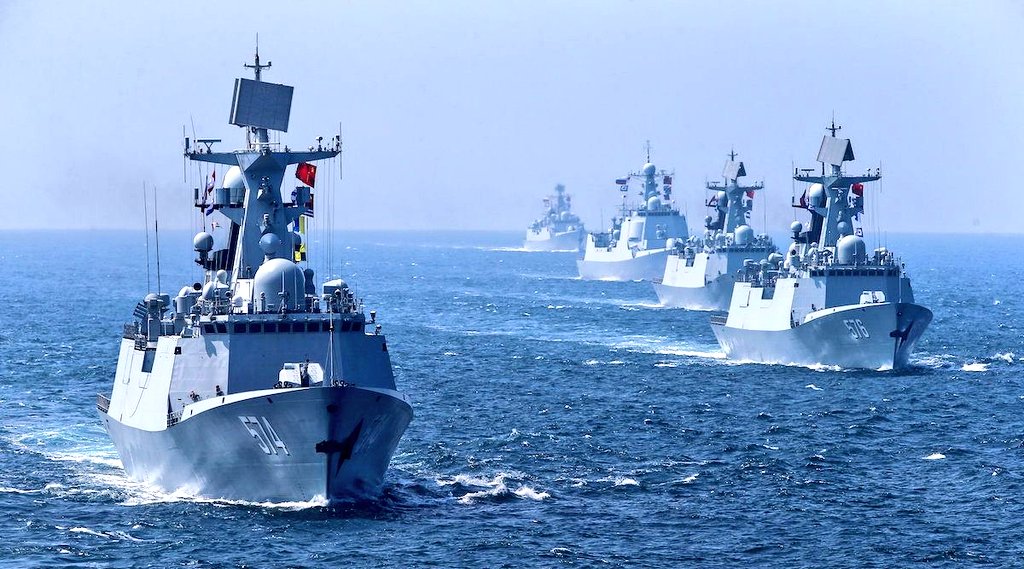
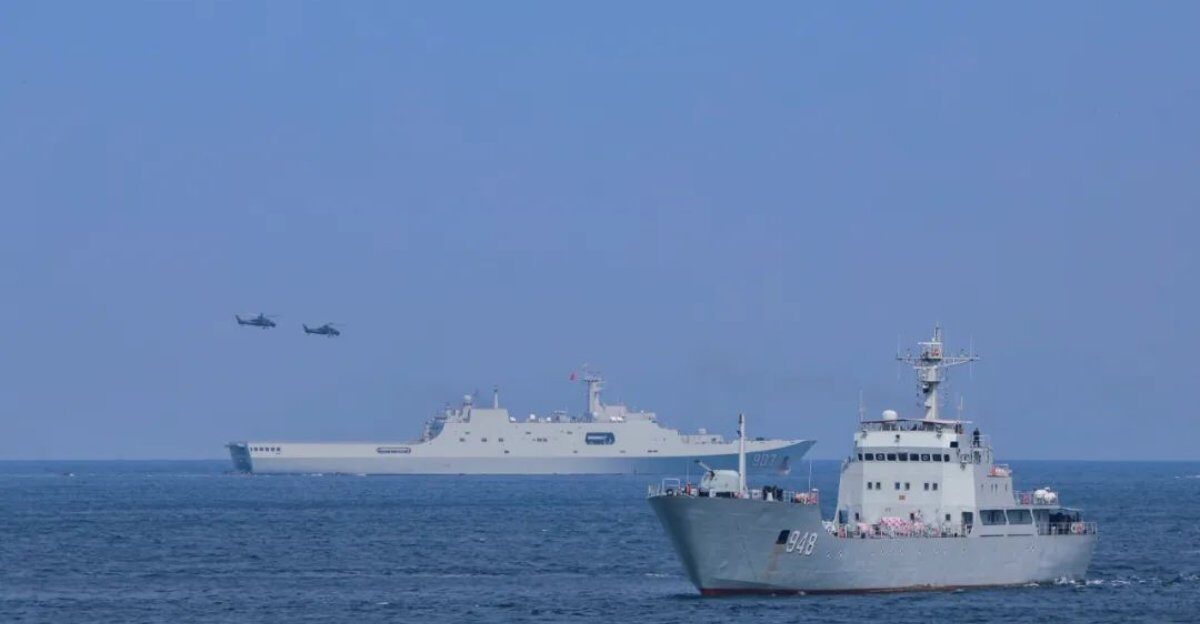
On December 4, 2025, reports confirmed that China had assembled over 100 naval and coast guard vessels across several maritime zones, marking the largest peacetime naval display in modern history. This fleet consisted of a mix of PLA Navy warships and coast guard enforcement vessels, operating in well-coordinated flotillas.
By mid-December, the count had decreased slightly to over 90 boats, but the scale and duration of this deployment remained unprecedented. The composition of the fleet included various combat vessels, highlighting China’s readiness and strategic depth in naval power projection in the highly contested waters of the Western Pacific.
U.S. Response Initialization
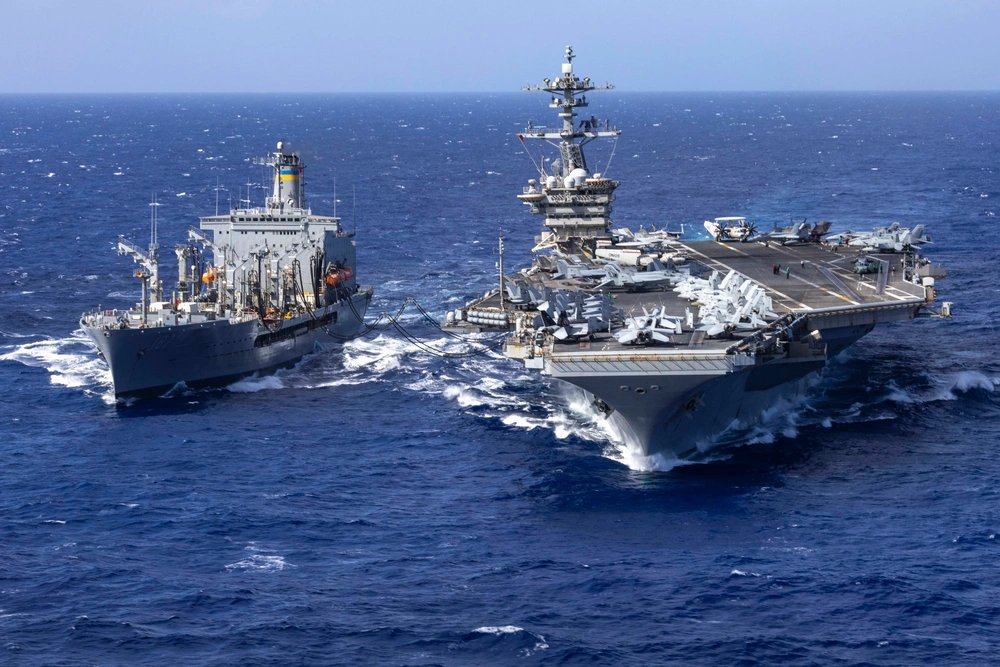
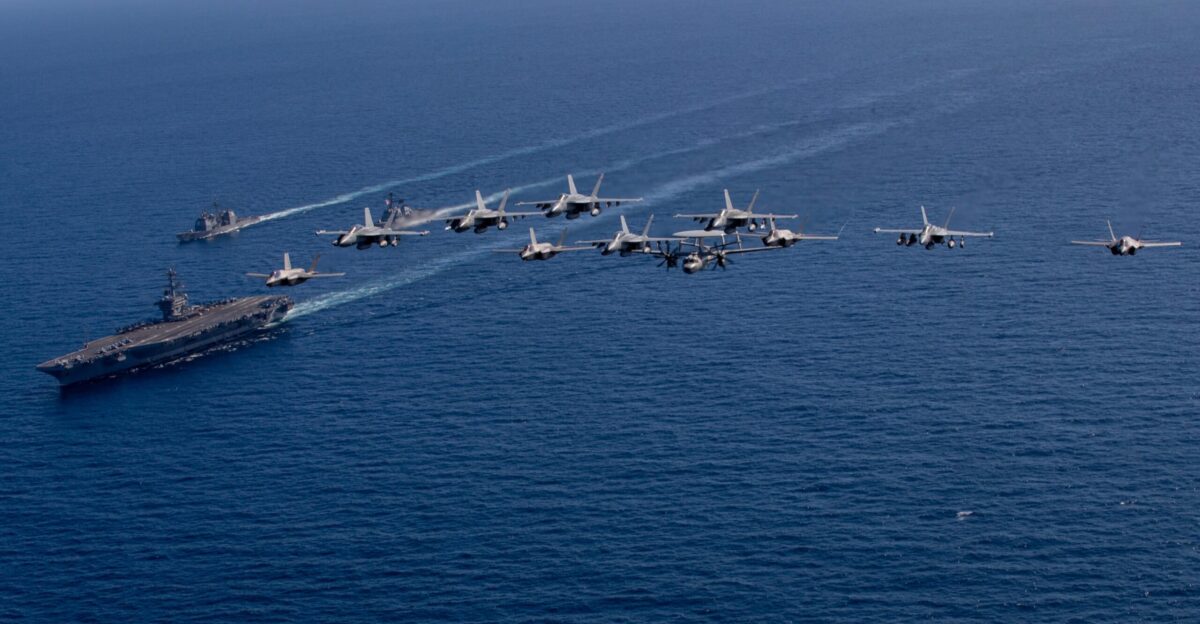
In reaction to Chinese naval movements, the U.S. reinforced its military presence in the Western Pacific, maintaining two aircraft carrier strike groups. The USS Abraham Lincoln arrived in Guam, signaling a strong U.S. commitment to regional security.
Meanwhile, the USS George Washington returned to Yokosuka, further bolstering American naval capabilities in the area. The strategic positioning of advanced vessels, such as F-35s, underscores the U.S. intent to deter aggression and support allies amid escalating tensions. U.S. Navy officials emphasized that a sustained presence enables rapid response capabilities in the event of unforeseen military conflicts.
Strategic Balance Considerations
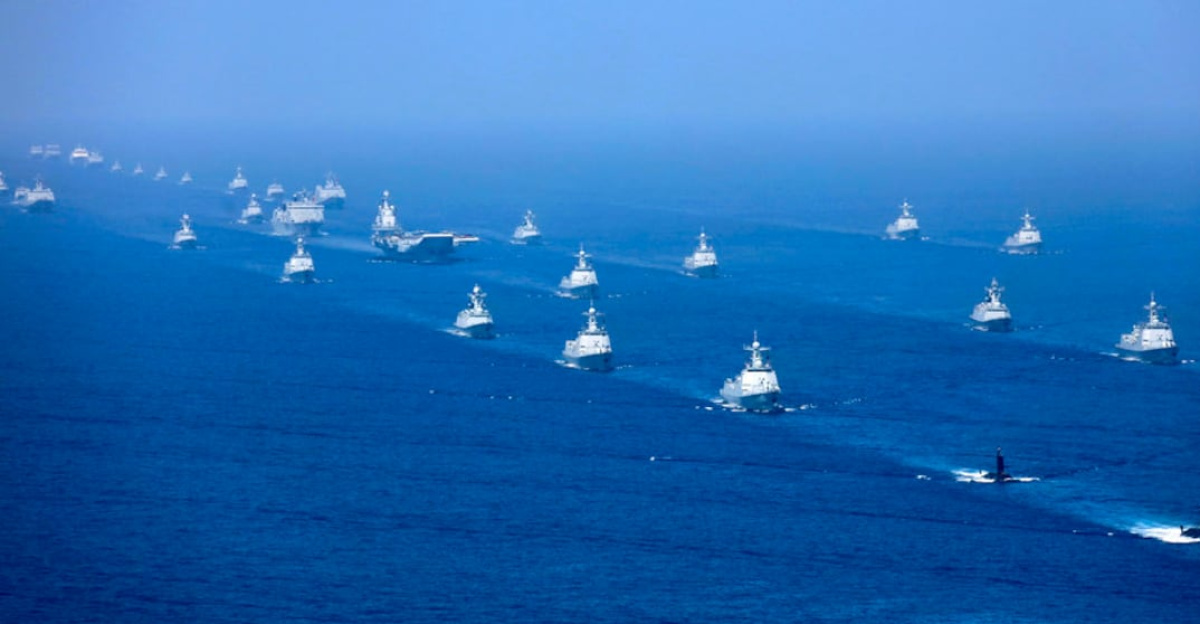
The concentration of over 100 Chinese vessels raises critical questions about regional strategic balance. Security experts worry that prolonged Chinese naval assertiveness could embolden Beijing’s territorial claims, especially in the South China Sea. The deployment challenges traditional maritime norms and compels nations like Japan and South Korea to reconsider their defense strategies.
U.S. military analyst John Carter stated, “This unprecedented show of force from China forces regional allies to unite and enhance their own military postures, as the stakes continue to escalate.” Collaborating with allied forces remains essential to effectively counterbalance China’s ambitions.
Implications for Regional Allies
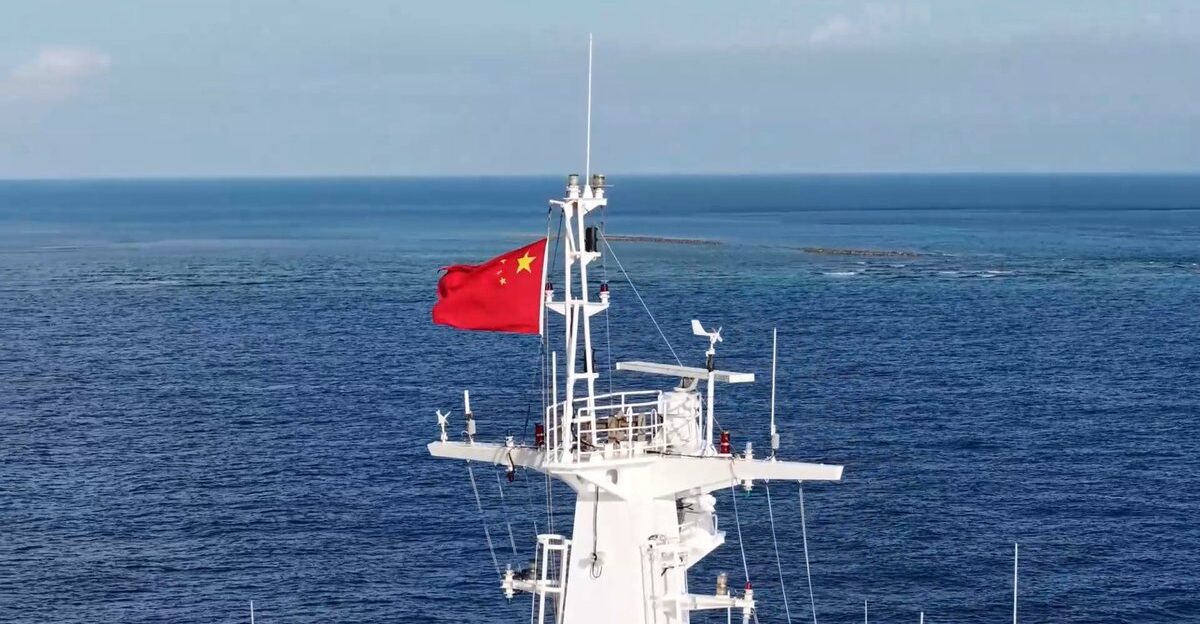
As China stretches its naval goals, regional allies face significant implications. Japan, South Korea, and Southeast Asian nations are particularly impacted due to their geographical proximity and reliance on stable maritime routes.
Analysts from Japan Forward have voiced concerns over China’s readiness to leverage its naval presence for political leverage, stating, “The stakes are higher than ever for regional stability.” Collaborative defense strategies will become increasingly crucial as these nations strive to anticipate and respond to potential Chinese military actions that could disrupt the existing balance of power.
Economic Consequences
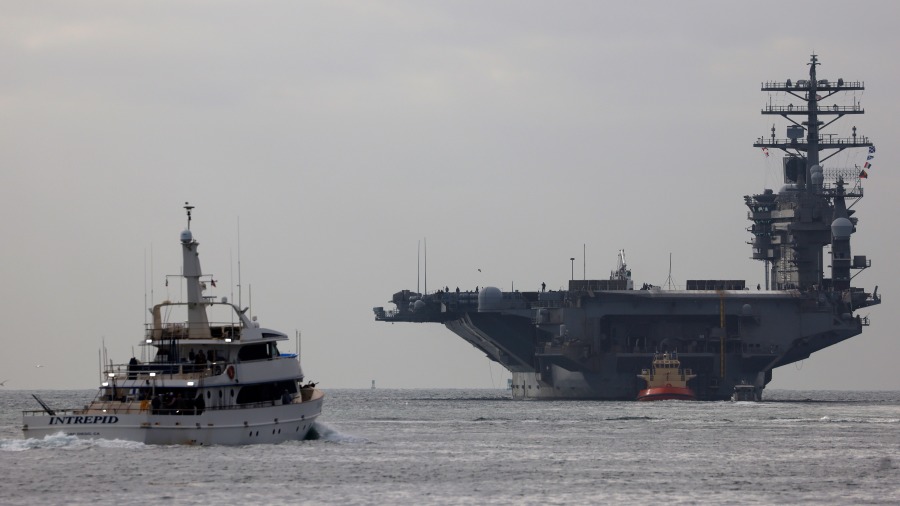
The massive Chinese naval deployment could have serious economic ramifications in East Asia. Trade routes, particularly through the South China Sea, where over $5 trillion flows annually, might face disruptions or increased tensions.
Experts warn that escalation could lead to severe consequences for global trade. Local businesses dependent on maritime trade have expressed worries, with one shipping analyst noting, “Disruptions in the South China Sea would significantly impact supply chains across the region.” The delicate balance between military power and economic stability remains a top priority amid these rising tensions.
International Reaction
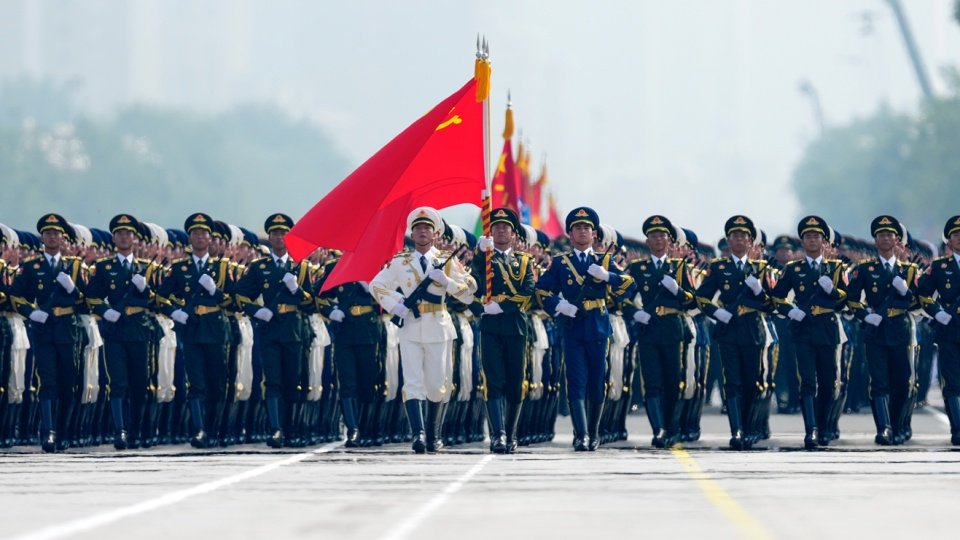
Global reactions to this naval deployment have been mixed, with the U.S., Japan, and other allies expressing strong concern over China’s military posture. The NATO alliance has echoed these sentiments, urging a unified response.
U.S. Secretary of Defense stated, “We stand committed to protecting our allies and freedom of navigation in international waters.” Conversely, some nations advocate for diplomatic solutions to ease tensions. The contrasting views highlight a growing divide among international stakeholders regarding how best to address rising Chinese aspirations.
Continued Monitoring
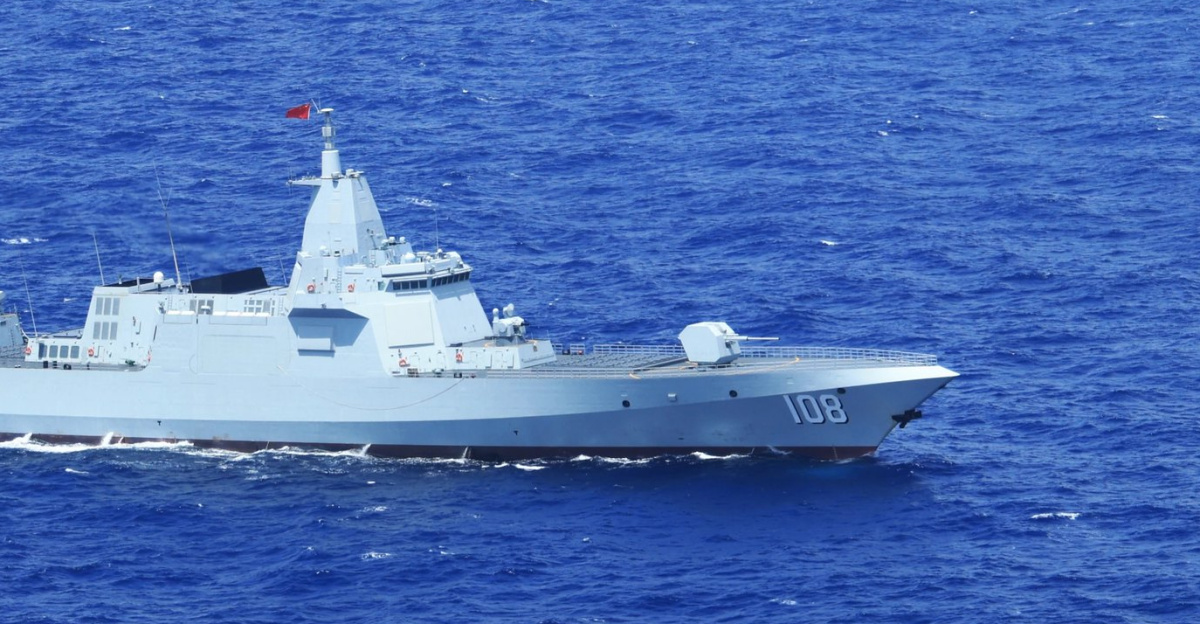
As the situation unfolds, countries in the region and beyond must remain vigilant. Analysts stress that continuous monitoring of Chinese naval activities is essential to gauging future military movements. Intelligence-sharing among allies has become increasingly important in this context.
“Collaboration among countries is key to preventing potential miscalculations,” commented a senior defense policymaker. As the geopolitical climate shifts, nations will need to refine their responses to ensure regional security and stability.
Historical Context
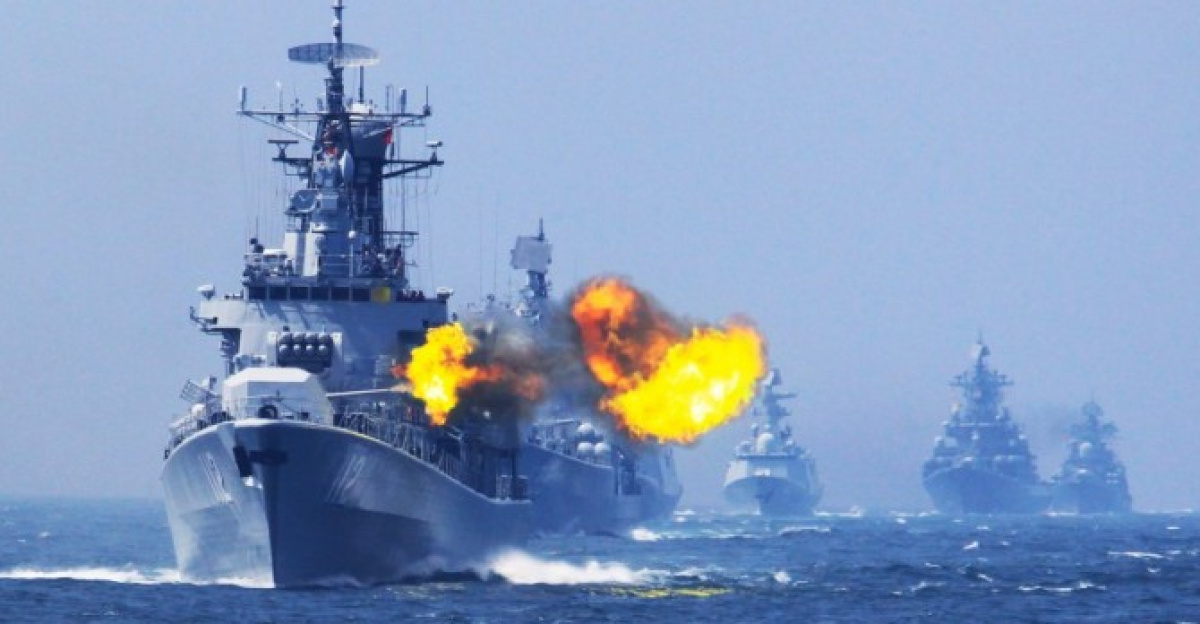
This uptick in military activity is not an isolated incident; it reflects a historical pattern of increasing naval exercises and confrontations in the region. Analysts from the Defense Forces note that China’s recent maritime maneuvers exemplify a long-standing strategy that emphasizes military growth and assertiveness.
The escalation aligns with China’s evolving military doctrine, demonstrating its intent to solidify its influence in regional affairs. Understanding the historical context is crucial for comprehending current actions and anticipating future developments in East Asian security dynamics.
Future Projections
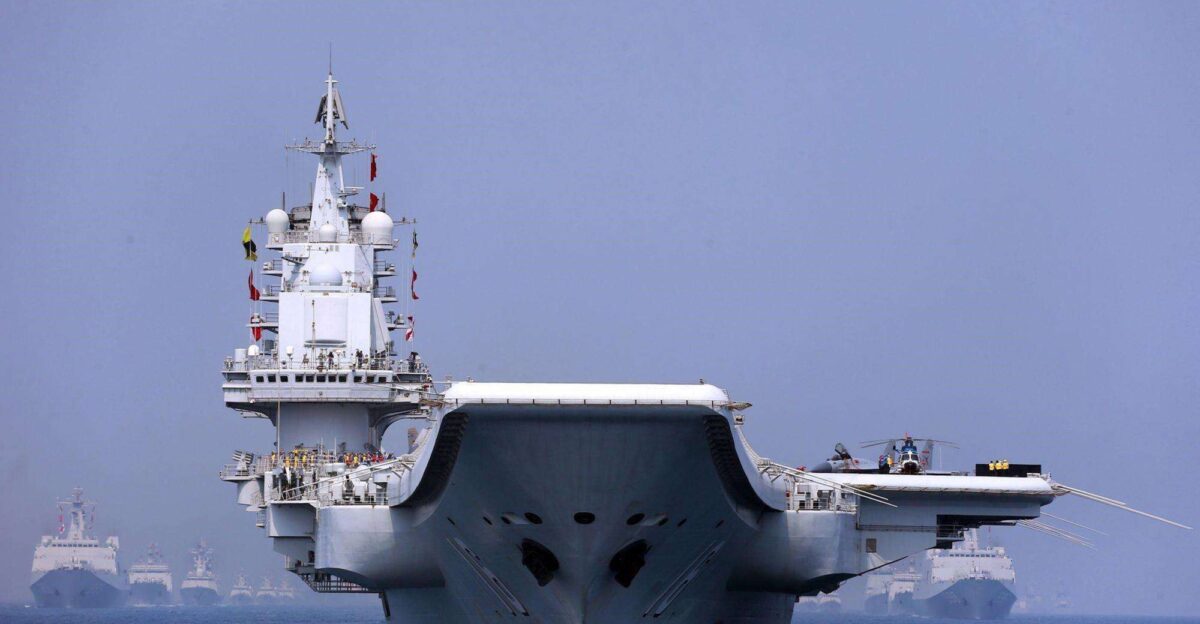
Looking ahead, the prospects for peace in the Western Pacific depend on diplomatic efforts alongside military readiness from all parties involved. Continued military posturing from China may encourage allied nations to bolster their defense capabilities.
Experts project a cycle of increased military cooperation among regional allies to counter China’s ambitions. The outcome of diplomatic engagements and power dynamics in the region remains unpredictable. Analysts emphasize the importance of proactive strategies that prioritize stability while addressing the underlying issues of territorial disputes and military expansion.
Call to Action for Diplomacy
The current situation serves as a crucial reminder of the need for effective diplomatic engagement. Nations must prioritize dialogues that address security concerns while promoting partnership agreements. Collaborative security frameworks could pave the way for increased confidence-building measures among regional powers.
As international organizations advocate for de-escalation, there’s a pressing need for countries to pause military exercises and engage in discussions. The effectiveness of diplomacy during this precarious time could significantly influence the future trajectory of East Asian maritime relations.
A Complex Maritime Landscape
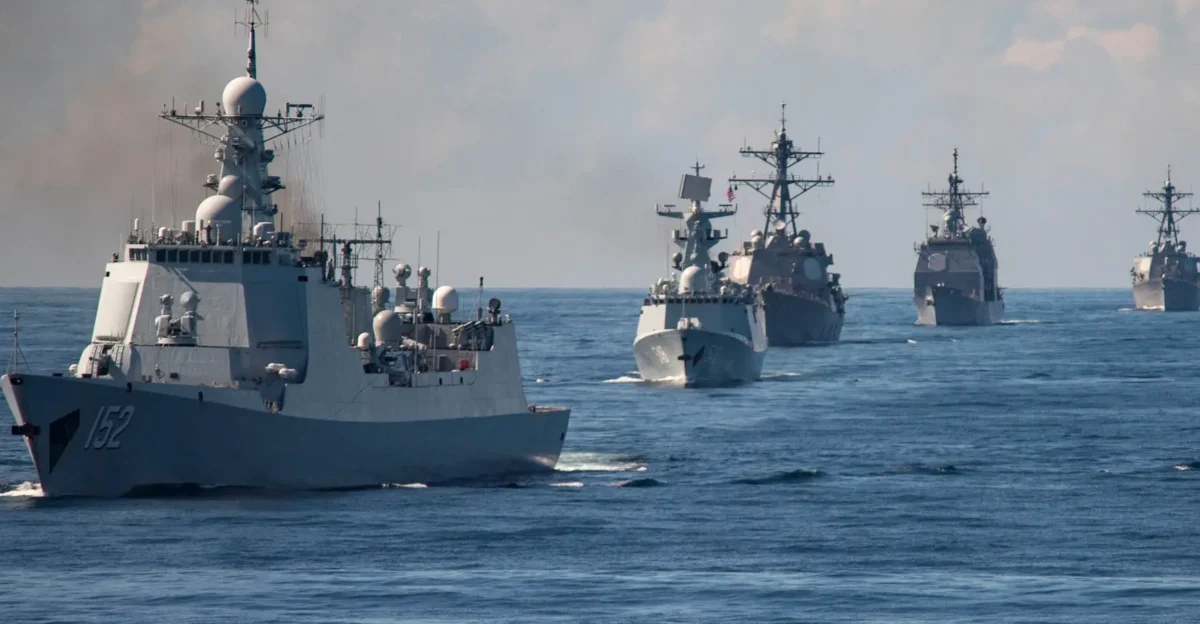
In conclusion, the substantial deployment of over 100 Chinese vessels across the four seas marks a pivotal moment in the Western Pacific’s maritime landscape. Both military posturing and diplomatic dialogues will shape the region’s future dynamics as the United States maintains its strategic naval presence in response.
Analysts and policymakers must remain focused on striking a balance between power and enhancing international cooperation. The volatility of this situation requires careful navigation to prevent conflict, ensuring stability and security in a complex geopolitical environment.
Sources:
Reuters: China massing military ships across region in show of maritime force
U.S. Pacific Fleet: Abraham Lincoln Carrier Strike Group arrives in Guam
U.S. Navy Press Office: George Washington returns to Yokosuka
Kyodo News: China has sent over 100 vessels to E. Asian waters
Japan Forward: China’s Provocative 100-Ship Naval Deployment Raises Regional Concerns
Defense Forces: China maintains over 90 naval vessels across the region in largest deployment to date