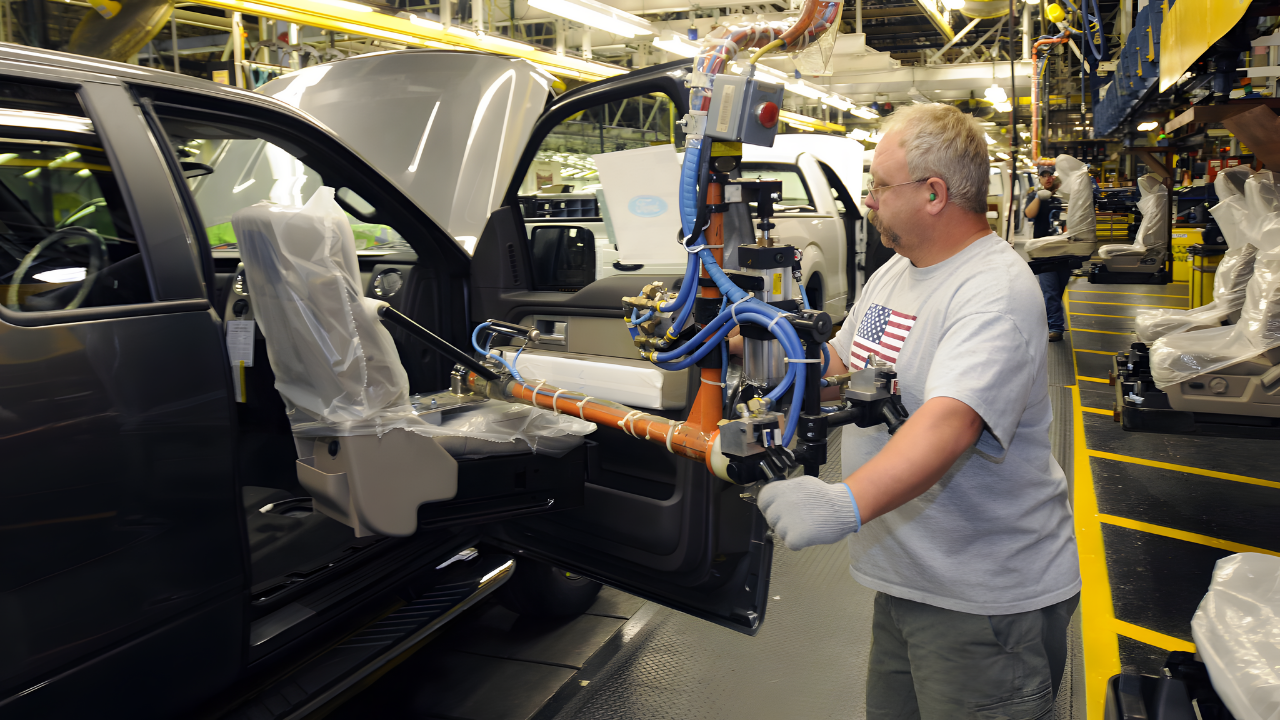
For over half a century, Cooper Standard’s New Lexington manufacturing facility has been the economic heartbeat of a small Perry County community in southeast Ohio. However, that era came to an end in early December when the automotive supplier announced it would permanently shut down the plant, resulting in the elimination of 228 jobs and triggering a cascade of economic consequences for thousands of residents. This story examines how one company’s efficiency drive became a community’s economic crisis, starting with the announcement itself.
A Shock Announcement Hits New Lexington
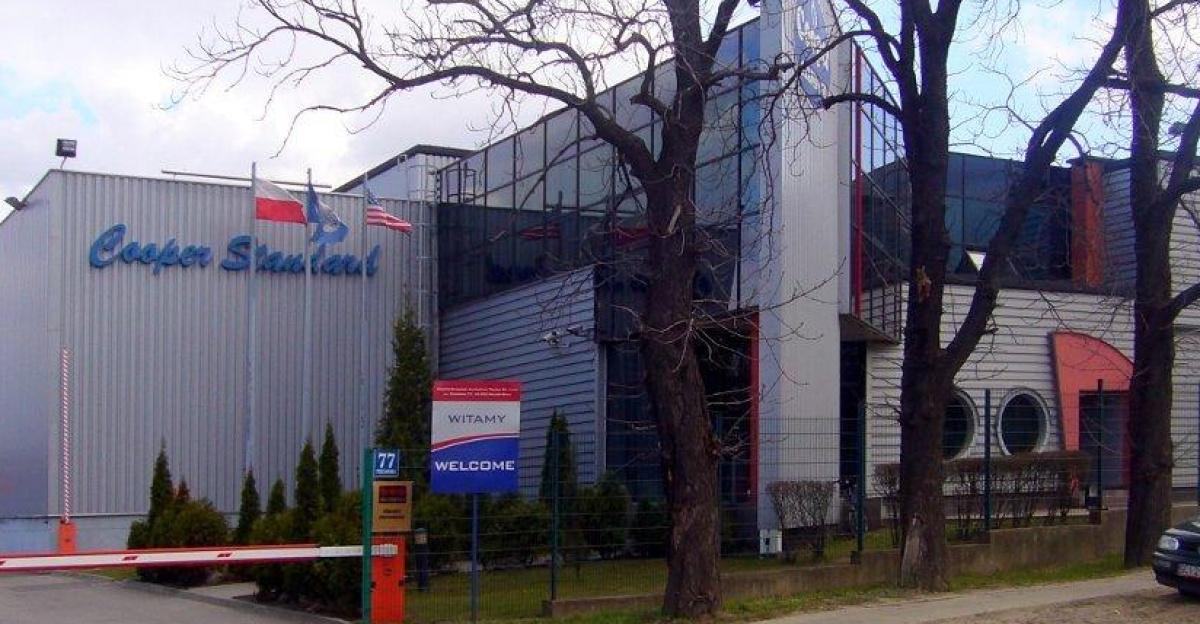
Cooper Standard, a global automotive systems supplier headquartered in Michigan, announced on December 8 that it will permanently close its 50-year-old New Lexington manufacturing facility. The shutdown will result in the elimination of 228 full-time positions, with layoffs commencing in February and a complete closure expected by July 1, 2027.
Employees produce sealing systems and fluid handling components critical to vehicle manufacturing. Yet the local damage goes far beyond the factory gates.
A Town Already Running Out Of Options

New Lexington, Ohio, the county seat, is home to approximately 4,455 residents with a median household income of $43,447, which is well below the state average. The Cooper Standard facility anchored the local economy for decades, providing union-represented jobs that supported families and stable lives.
Perry County has been reeling from the closures of coal mines, with limited alternative employment opportunities. That context makes each lost paycheck far more destabilizing.
The Ripple Effect Starts Immediately
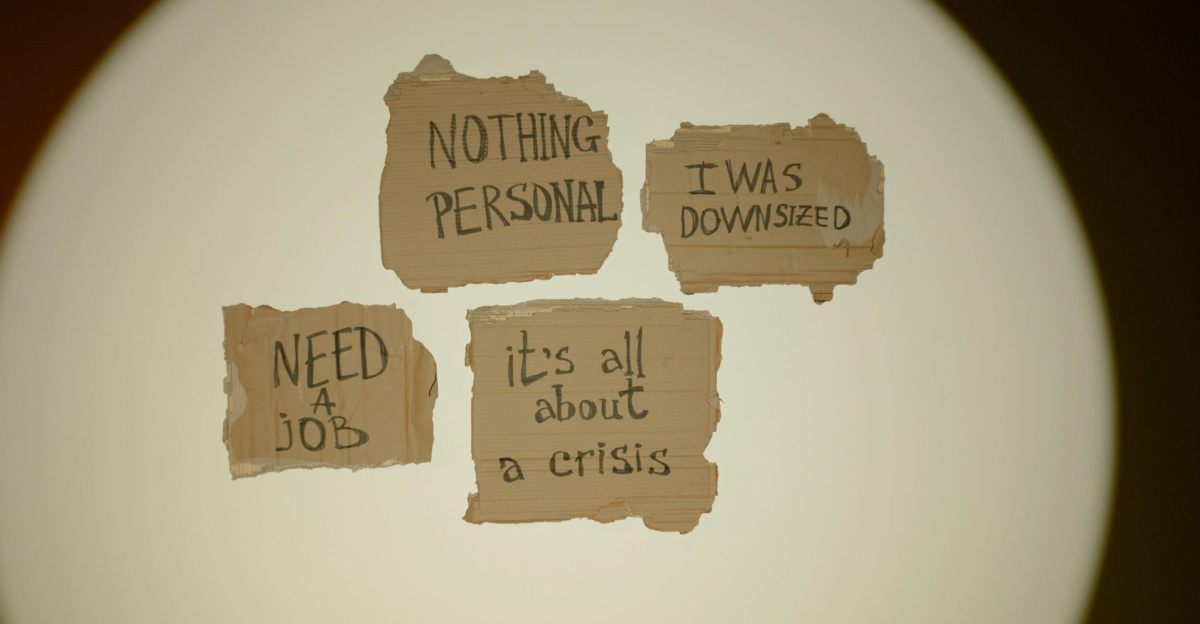
The closure affects not just the 228 workers; it ripples through families, suppliers, and service providers dependent on the facility’s operations. Economists estimate job losses could reach 456 to 684 family members supported by those employed at the plant.
Local restaurants, retailers, and logistics contractors face contract and customer losses. County officials are preparing for the practical implications of reduced revenue.
Skilled Jobs That Do Not Come Back Easily

The 228 affected employees include electricians, machine operators, quality inspectors, and engineers. Hourly workers earned between $12.60 and $29 per hour, while salaried professionals held management and engineering roles. Many workers are aged 40–60, with tenure exceeding 20 years.
These are skilled, union-protected jobs, not positions that can be easily replaced by service work. How did the company justify turning off a 50-year-old engine?
Efficiency Claims Meet Industry Reality

Cooper Standard cited “plant utilization analysis” and “operational efficiency improvements” for the closure decision. The announcement also reflects the broader transformation of the automotive industry as electric vehicles reshape component needs. The company secured $105.8 million in new EV business awards in 2024 alone.
Older internal combustion-focused capacity now looks expendable on corporate scorecards. A plant’s long history can become a liability in fast transitions.
Big Footprint, Small Town Consequences
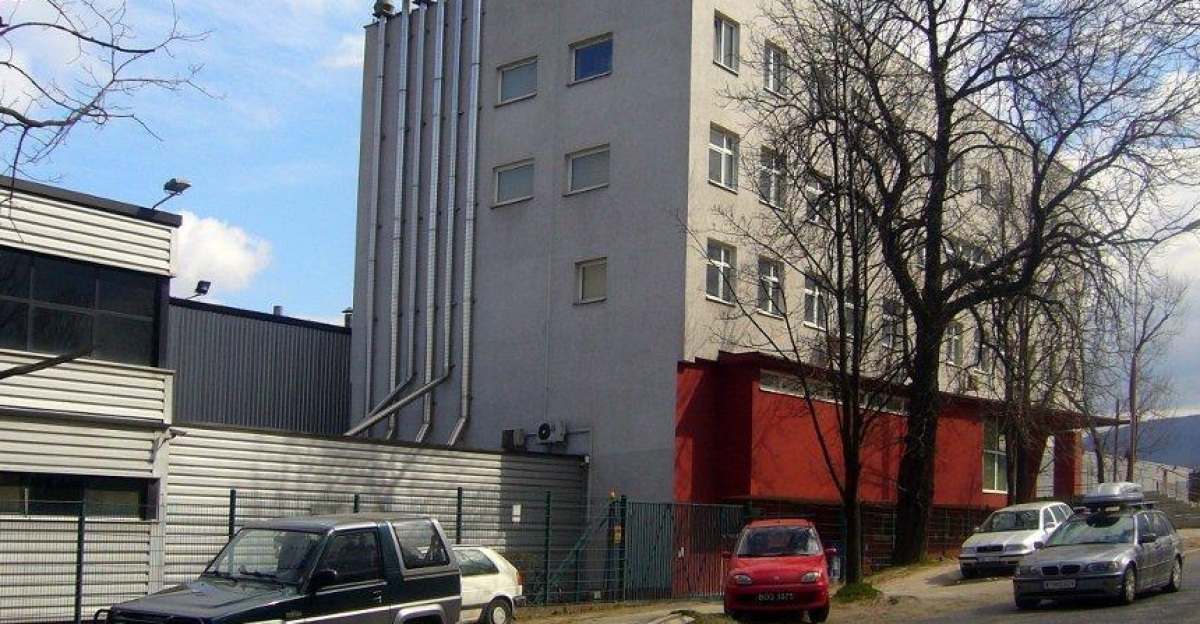
Cooper Standard operates approximately 120+ manufacturing facilities across 20+ countries, employing roughly 22,000 to 32,000 workers globally. That footprint lets it consolidate production at the most efficient locations while closing weaker sites.
The company has expanded in Mexico and China, chasing lower costs than in unionized Ohio. For New Lexington, global flexibility becomes local fragility, and the imbalance deepens.
WARN Notices Help, But Only So Much
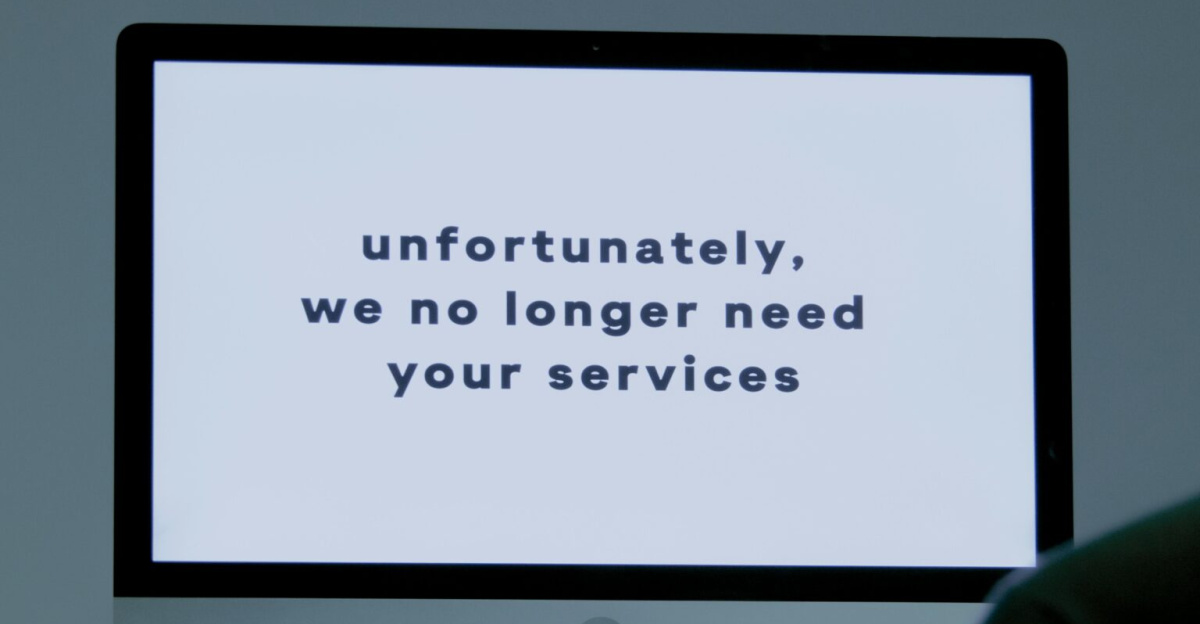
Federal law requires employers with 100+ employees to provide 60 days’ written notice before plant closures or mass layoffs. Cooper Standard filed its Worker Adjustment and Retraining Notification notice on December 8, 2025, triggering the timeline.
Class action law firms, including Strauss Borrelli PLLC, have initiated investigations questioning compliance. If violations are proven, workers may recover 60 days of back pay and benefits, but the jobs still vanish.
The Union Has A Voice, Not A Veto

UAW Local 1686 represents New Lexington workers and has negotiated collective bargaining terms that exceed federal minimums. The contract includes bumping rights, allowing senior employees to displace junior workers at other facilities if positions exist.
Still, management frames closure as a strategic decision within corporate prerogatives, limiting what bargaining can change. Tyler Wolfe, president of UAW Local 1686, must now fight for severance, benefits, and transfers under pressure.
An 18-Month Countdown Instead Of Closure

Cooper Standard is executing a phased shutdown rather than an immediate halt. Layoffs are scheduled to begin on February 6, 2026, approximately 60 days after the December 8 announcement. The plant will continue to reduce operations through mid-2027, with a full closure planned for July 1, 2027.
The wind-down protects customer contracts and ensures supply continuity, but it also extends uncertainty. Workers live through waves of anxiety about seniority, timing, and available transfer slots.
Assistance Programs Offer Help, Not Restoration

Displaced workers can access Ohio adjustment services, job search support, and retraining funds through WIOA. Trade Adjustment Assistance could extend benefits if federal certification deems the closure trade-related. Certificates or degrees may open doors to careers in healthcare, IT, renewable energy, or trades.
Yet these programs cannot fully replace a steady manufacturing income, especially for older workers near retirement. Even moving for new work is financially brutal, with relocation packages averaging $85,466.
A County Still Healing From Coal Losses

Perry County has already absorbed major economic shocks from coal declines. The county has pursued diversification, including through the Building Resilient Economies in Coal Communities program, designed to help coal-impacted regions build sustainable strategies.
The Cooper Standard closure strikes at the kind of stable, well-paid work that diversification efforts try to keep. When shocks stack, resilience is harder to rebuild, and experts call it layered distress for a reason.
Ohio’s Manufacturing Slide Keeps Spreading

The closure fits a broader Rust Belt pattern. Ohio had roughly 1,000,000 manufacturing workers 25 years ago and now supports fewer than 700,000, a decline of about 1/3. Establishments may increase while average staffing shrinks, reflecting smaller, specialized operations.
In 2025, construction and manufacturing employment fell repeatedly, tightening the job market for displaced workers. Even support groups like MAGNET faced potential closure in December after a federal funding suspension.
Why “Just Move” Is Not A Real Plan

Relocation sounds simple in economic theory, but it is expensive and disruptive. Average relocation packages for homeowners run $85,466 to $97,166, far beyond what most families can self-finance. Selling homes in declining regions often means taking losses.
Relocation also breaks school continuity, spousal employment, and caregiving responsibilities. Workers aged 50+ often find moving irrational with fewer earning years left. For many, the choice is lower wages nearby or dropping out entirely.
The Empty Building Question Looms Large
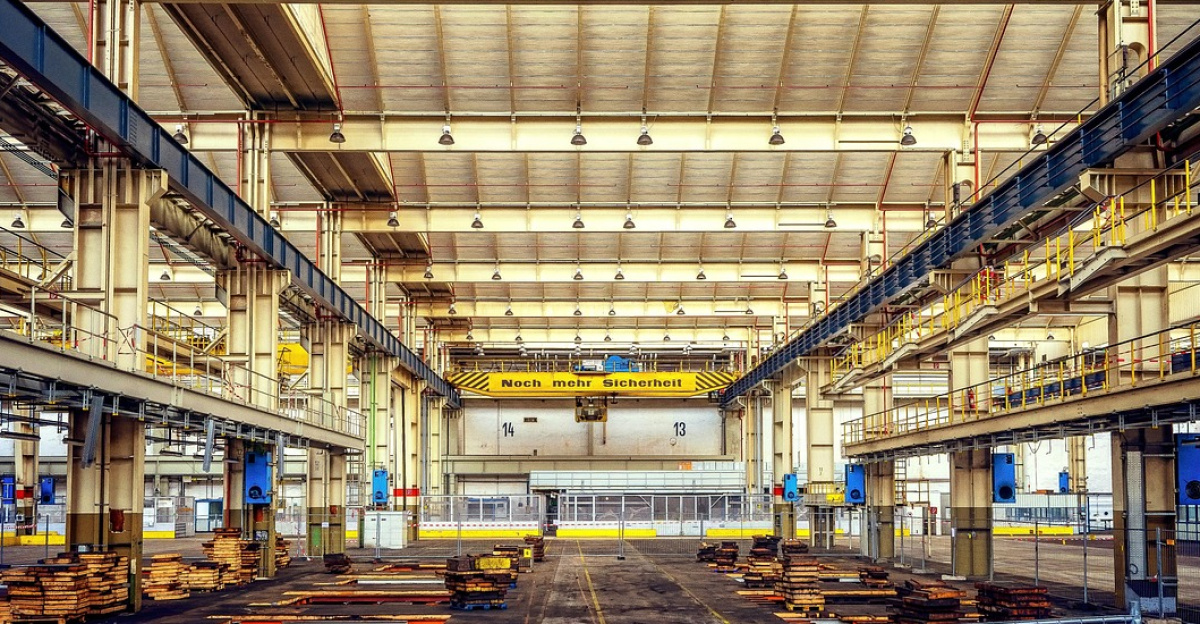
Cooper Standard has not announced concrete plans for the facility after July 1, 2027. The company said it is “assessing how we can repurpose the facility within our own production network,” leaving open mothballing or internal reuse.
If it sells, buyers face a 50-year-old plant in a rural area with limited infrastructure and declining population. Similar closures often leave buildings vacant for years, depressing nearby property values. The physical shell becomes a daily reminder of what was lost.
The Multiplier Effect Doubles The Damage

Research suggests every 1 major manufacturing job lost triggers about 0.6 to 0.7 additional losses in suppliers and services. For 228 direct cuts, that implies roughly 137 to 160 secondary job losses among logistics, restaurants, retailers, and vendors.
That pushes total losses toward 365 to 388 jobs, depending on the multiplier, a staggering hit for a village of 4,455 people. When spending drops, small businesses feel it first, but schools and services are not far behind.
Population Loss Can Become A Spiral

Closures often trigger outmigration, especially among younger workers who are more mobile. As households leave, restaurants and stores lose traffic and may close, leaving empty storefronts that further damage confidence. Schools are experiencing enrollment declines, leading to consolidation and staff reductions.
Municipal services become more challenging to fund as fixed costs spread across fewer taxpayers. Property values fall, reducing wealth and tax revenues. In 2020, Gary, Indiana, had a population of 772, down from over 100,000 at its peak, a grim warning.
The Tax Base Takes A Direct Hit

The closure removes about $11.4 to $17.1 million in annual worker compensation from the local economy. With combined tax rates estimated at 10% to 20%, state and local income tax losses could total between $2.3 million and $4.6 million per year.
Property and commercial tax contributions tied to the facility also fade. Local government faces a fiscal cliff just as residents need support most. As budgets shrink, the institutions meant to help recovery struggle to function.
This Closure Mirrors A National Pattern

New Lexington’s story is part of a broader manufacturing contraction. Tyson Foods closed its beef plant in Lexington, Nebraska, in January 2026, eliminating 3,200 jobs, with multiplier impacts pushing losses toward 7,000. Stellantis and other automakers announced closures and cuts during 2025.
General Motors warned of $2.7 billion in charges from closures and portfolio optimization in China alone. These moves reflect capacity rationalization amid slower demand and electrification upheaval. If this is the new normal, what protection do single-employer towns really have?
Can Perry County Beat The Odds?

Perry County is pursuing diversification with BRECC support, leaning on placemaking, outdoor recreation, tourism, small business development, and value-added agriculture. These strategies can work, but they require years of investment, stable population, and workforce development.
Displaced manufacturing workers rarely transition cleanly into lower-wage tourism or agriculture, creating mismatch and frustration. Historically, only 4 of 222 Appalachian coal-dependent counties have successfully transitioned, about 1.8%, a sobering benchmark. Momentum matters, and closures drain it quickly.
The Next 18 Months Will Define Everything

The coming 18 months will shape the fate of 228 workers and their families. Some may secure transfers through bumping rights, though openings are uncertain. Others will use retraining programs to enter healthcare, IT, or trades, while many accept lower-wage service jobs or extended unemployment.
Workers aged 50+ may exit early through disability or retirement, and some families will relocate, selling homes and severing roots. New Lexington may shift from stability to managed decline, unless policymakers and corporate leaders treat community obligations as real.
Sources
Cooper Standard WARN Act Notification Filing. Ohio Department of Job & Family Services, December 15, 2025
State of Working Ohio in 2025. Policy Matters Ohio, August 29, 2025
Building Resilient Economies in Coal Communities Action Challenge. National Association of Counties, 2024
The Impacts of Coal-fired Power Plants’ Closures on Local Employment. Journal of Regional Analysis & Policy, 2024