Food prices have risen over the past two years, while wages have remained flat. American families now scrutinize every grocery purchase they make. Snack aisles have transitioned from offering an endless variety to showcasing luxury items.
Major food corporations are aggressively cutting costs. One major company has just announced a significant operational reset, demonstrating how major brands will compete for budget-conscious shoppers in 2026.
Market Momentum Slips
PepsiCo’s North American business faces serious challenges. Consumers shift toward healthier drinks and store brands.
Food sales growth slowed as shoppers demanded lower prices and better-for-you options.
By September 2025, PepsiCo leaders publicly acknowledged these pressures and announced major operational changes. What exactly will happen next?
The Activist Investor Enters

Elliott Investment Management, a New York hedge fund with $70 billion in assets, bought a $4 billion stake in PepsiCo in September 2025.
They criticized PepsiCo for having too many products, outdated factories, and lower efficiency than Coca-Cola. Elliott demanded simpler product lines, modernized supply chains, and cost cuts.
PepsiCo initially rejected Elliott’s request for a board seat but agreed to serious talks.
The Pressure Builds
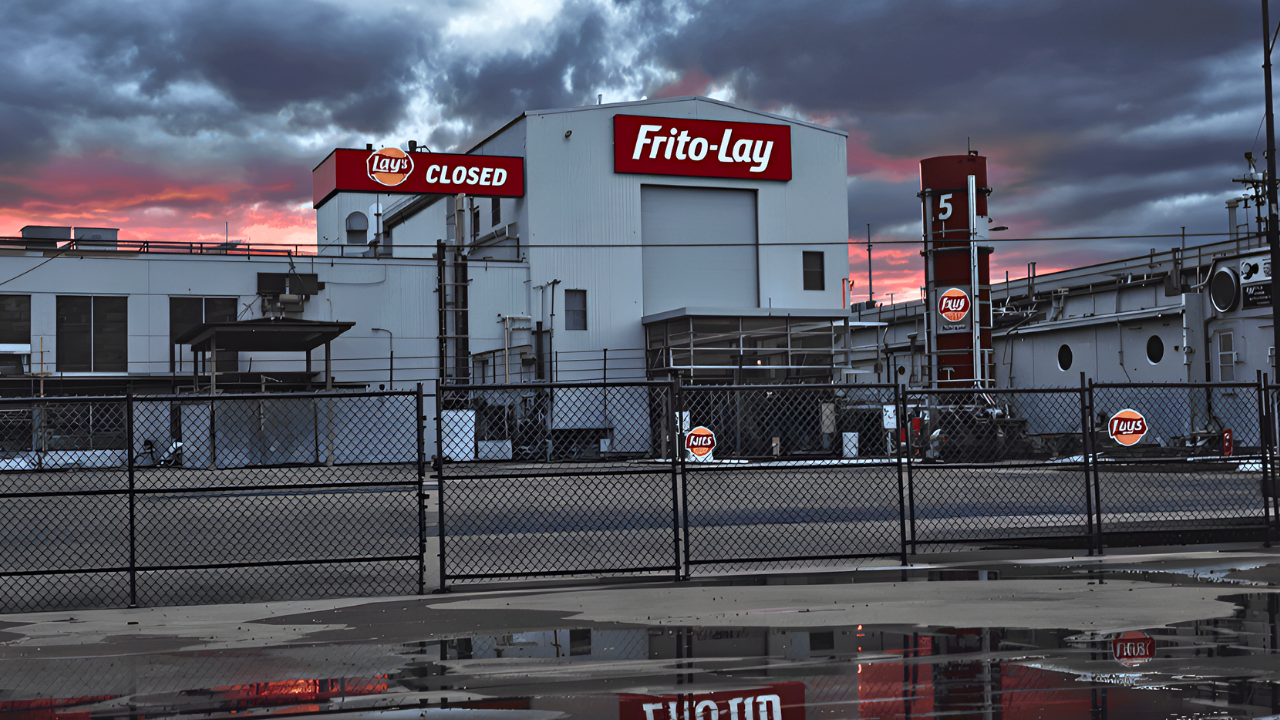
PepsiCo closed multiple plants throughout 2025, signaling big restructuring plans. Liberty, New York’s PopCorners factory shut down in May 2025, affecting 287 workers.
Rancho Cucamonga, California’s 55-year-old Frito-Lay plant closed in June 2025, resulting in the loss of 432 jobs. Orlando, Florida’s Frito-Lay facility stopped operations on November 4, 2025, affecting 454 employees.
Industry watchers noted that these closures aligned with Elliott’s demands for operational consolidation.
20% Product Cut
On December 8, 2025, PepsiCo announced a deal with Elliott to reduce its U.S. product offerings by nearly 20% by early 2026. This means eliminating hundreds of specific versions.
An SKU is a specific product version, such as a particular flavor, size, or package type, rather than an entire brand. PepsiCo offers over 60 major brands, including Lay’s, Doritos, Cheetos, Gatorade, and Mountain Dew.
The cuts will remove approximately 200–300 individual product variations to simplify manufacturing.
Which Products Disappear?
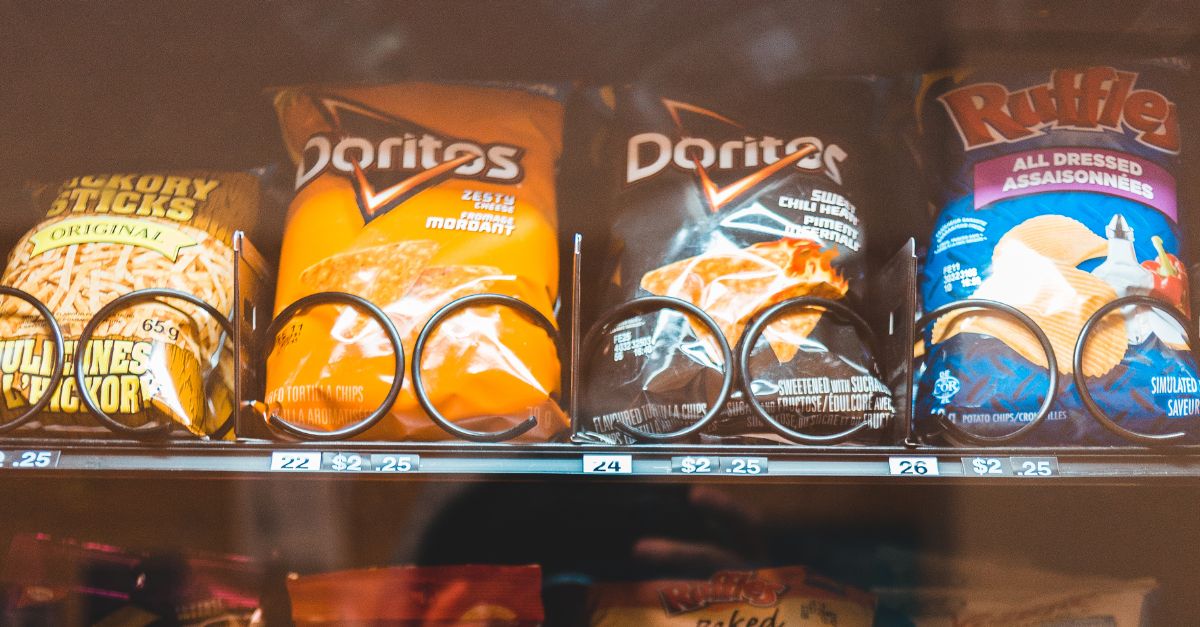
PepsiCo has not revealed which specific snacks, flavors, or sizes will vanish. The company sells Lay’s, Doritos, Tostitos, Cheetos, and Ruffles snacks; Brisk, Aquafina, Mountain Dew, and Pepsi drinks; and Quaker oat products.
Each brand offers a variety of flavors and sizes. Shoppers will discover which favorite items are gone after January 2026. Without advance notice, customers will face unfamiliar shelves and missing products.
The Human Cost in Three States

Over 1,100 PepsiCo and Frito-Lay workers lost jobs in the 2025 plant closures. Liberty, New York, saw 287 PopCorners workers laid off in May. Rancho Cucamonga’s 55-year-old Frito-Lay plant cut 432 jobs in June.
Orlando’s November closure resulted in the elimination of 454 positions. An Orlando warehouse will close in May 2026, affecting 46 more employees. PepsiCo offered severance, extended benefits, and career help, but these packages offer limited comfort to longtime factory workers.
A Broader Industry Pattern
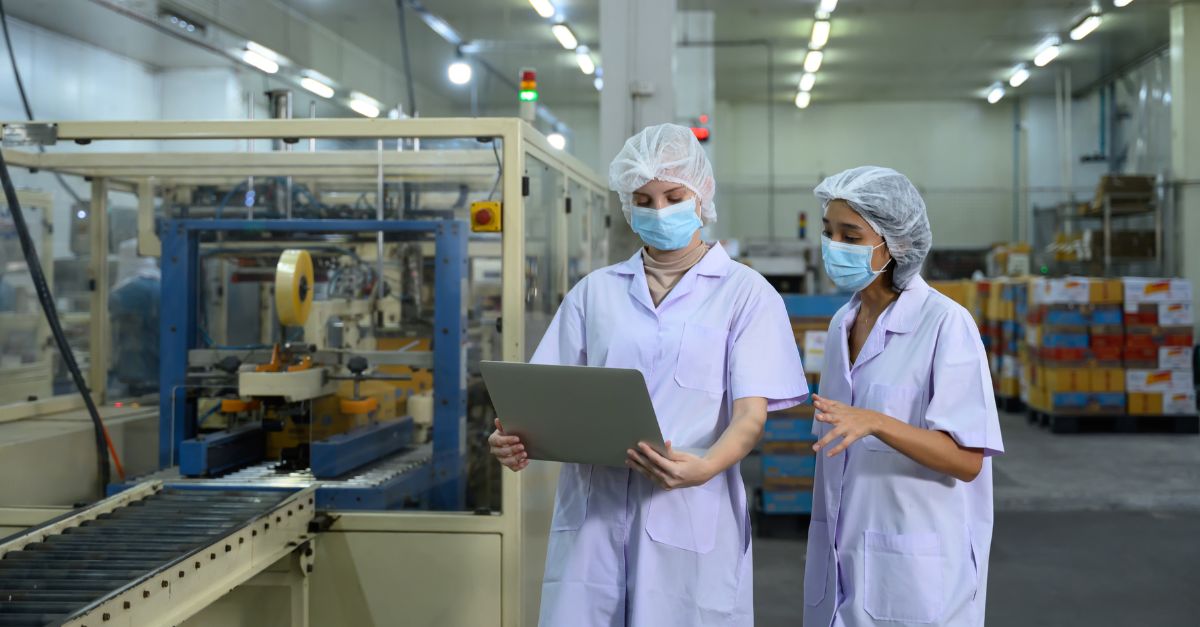
PepsiCo’s restructuring reflects industry-wide consolidation in the food and beverage industry. J.M. Smucker planned to close its Hostess plant in Indianapolis in December 2025, affecting 259 workers. Post Holdings shut down two cereal plants, resulting in the loss of 300 jobs.
Conagra closed a Michigan plant making frozen desserts (85 jobs). Del Monte shut Washington plants (51 workers, 448 seasonal positions). Automation, efficiency demands, and cost pressures now outweigh the need to keep old facilities open.
The Supply Chain Overhaul
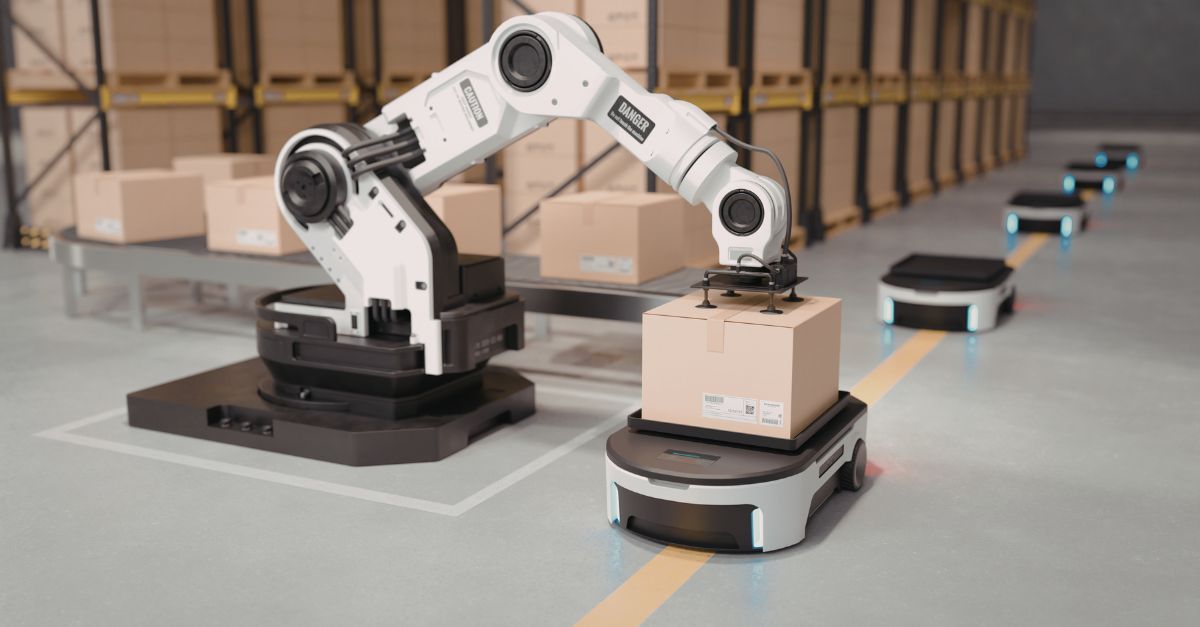
PepsiCo is undertaking a comprehensive review of its North American supply chain, with results expected by late 2026.
The company will accelerate automation and digital technology at its remaining plants, aiming for record productivity savings by 2026.
PepsiCo expects to achieve at least 100 basis points of profit margin growth over the next three years. CEO Ramon Laguarta cautiously projects 2–4% organic revenue growth in fiscal 2026, when cost control matters more than sales growth.
The Innovation Pivot: A Secondary Reveal
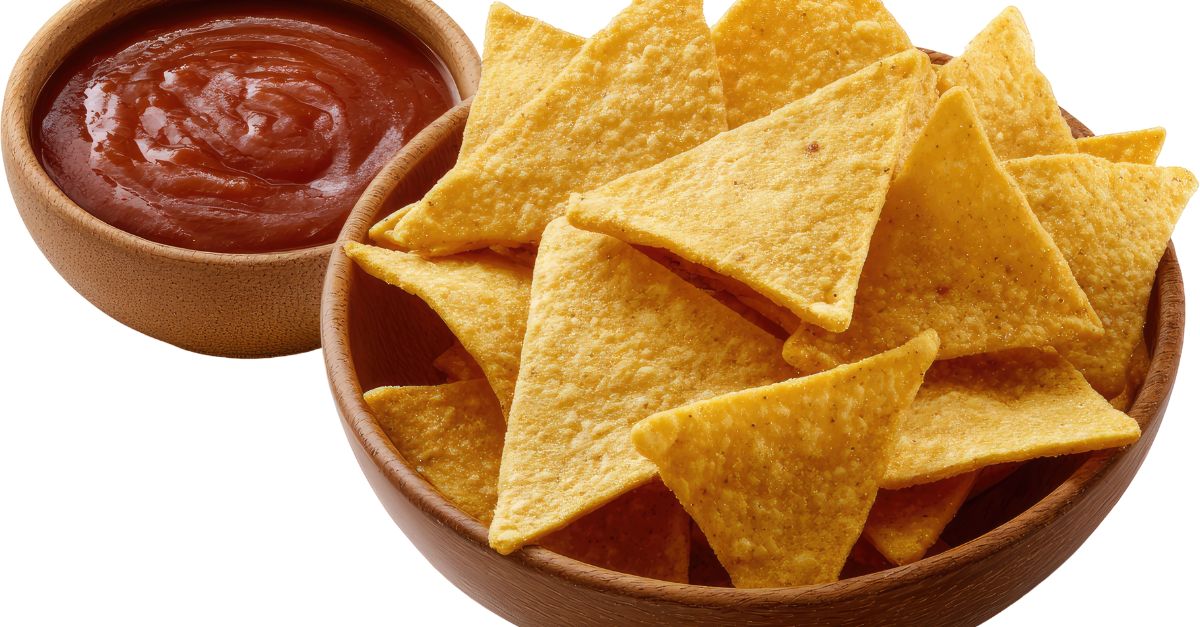
While cutting 20% of products, PepsiCo accelerates innovation with a twist. Starting December 1, 2025, the company launched “Simply NKD” Cheetos and Doritos made without artificial flavors or dyes, with colorless or pale-yellow packaging.
New products include Doritos Nacho Cheese, Doritos Cool Ranch, and Cheetos Flamin’ Hot. PepsiCo will launch Doritos Protein in 2026. The strategy becomes clear: kill older, lower-profit products and invest in higher-profit, health-conscious choices for younger, wealthier consumers.
The Affordability Paradox

PepsiCo says it will lower prices on its core brands to enhance affordability and increase repeat purchases. Yet observers spot a contradiction: the company cuts 20% of lower-cost products while spending money on premium innovation.
Price cuts will likely target specific flagship brands, not all products. Budget-conscious consumers, already squeezed by inflation, may view fewer affordable options as a step backward.
Elliott’s Larger Ambitions

Elliott’s December 8 deal marks a major win for the activist fund. Elliott urged PepsiCo to sell non-core food assets and potentially spin off or refinance its North American bottling operations to boost margins.
Elliott’s September letter named specific brands—Life and Cap’n Crunch cereals, Quaker Oats, and Rice-A-Roni—as sale candidates outside PepsiCo’s core snacking focus.
Although PepsiCo rejected Elliott’s board seats, the deal indicates that management accepted the fund’s main strategic demands. In December 2025, Steve Witt, a Walmart executive, became Chief Financial Officer.
The Competitive Landscape Shifts
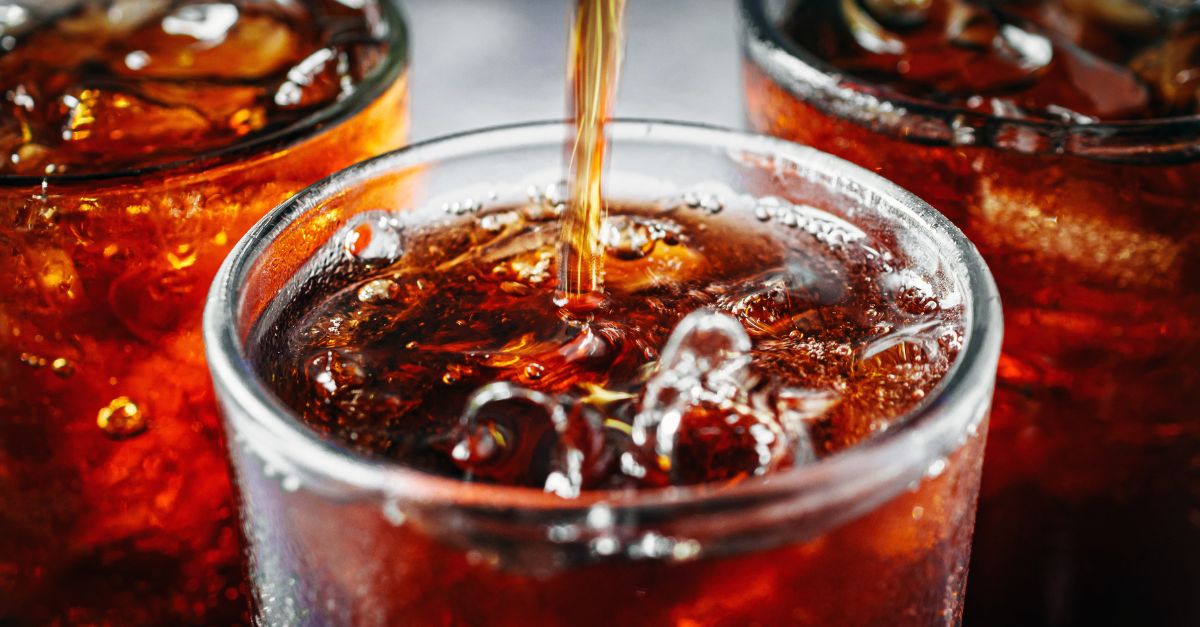
PepsiCo’s rivals face similar pressures but respond differently. Coca-Cola controls approximately 19.2% of the U.S. carbonated soft drink market by focusing on growth through innovation, rather than product cuts.
Coca-Cola Zero Sugar experienced 14% global growth in Q3 2025, contributing to the company’s 5–6% organic revenue growth target for 2025–2026. They gained value share in nonalcoholic beverages through premium innovation instead of cutting products, a stark contrast to PepsiCo’s approach.
The Recovery Timeline: 2026 and Beyond

PepsiCo’s restructuring succeeds only with perfect execution through 2026 and into 2027. Plant closures cut fixed costs. Automation and supply chain consolidation drive efficiency. Portfolio simplification reduces manufacturing complexity. Management tempers expectations.
CEO Laguarta projects just 2–4% organic revenue growth for fiscal 2026, meaning 2026 prioritizes cost control over growth. The company targets 5–7% core EPS growth in 2026 but warns that substantial profit margin gains are not expected until 2027–2028.
Investors and shoppers face prolonged uncertainty and fewer product choices.
The Open Question: Will It Work?

PepsiCo faces a key strategic question: Can aggressive cost-cutting and portfolio cuts revive North American growth, or will the approach abandon the mass-market shoppers who built PepsiCo’s empire?
Coca-Cola’s dominance stems from its relentless brand investment and innovation, rather than product cuts. PepsiCo bets streamlined supply chains, premium healthy options, and targeted price cuts will restore investor confidence and market share.
If profits rise while sales fall, PepsiCo emerges leaner but smaller—a hollow win in a category built on scale. The 2026 transition year will reveal whether PepsiCo’s reset becomes an industry model or a cautionary tale of cost-cutting that sacrifices growth for short-term efficiency.
Sources:
- Food Dive, “PepsiCo to reduce offerings, improve product affordability,” December 8, 2025
- Source86, “PepsiCo Unveils 2026 Growth Strategy,” December 8, 2025
- Food Ingredients First, “PepsiCo formalizes restructuring plan as key investor,” December 11, 2025
- Investing.com, “PepsiCo outlines growth plan with focus on North America foods business,” December 8, 2025
- eMarketer, “PepsiCo commits to cut its SKU count by 20% across its US,” December 9, 2025
- AP News, “Activist investor takes a $4 billion stake in PepsiCo, seeing,” September 2, 2025