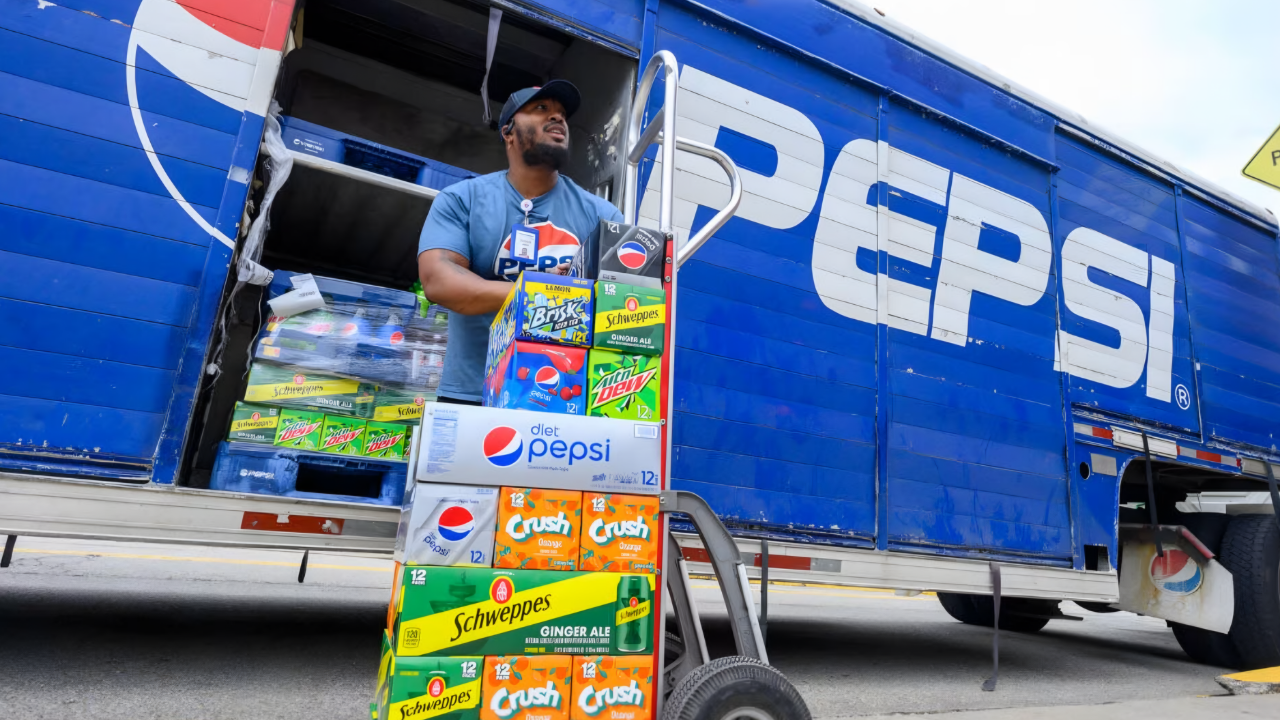
PepsiCo is undertaking one of the most sweeping overhauls in the U.S. snack business, agreeing to cut nearly 20 percent of its domestic product lineup and lower prices nationwide after pressure from activist investor Elliott Investment Management. The agreement, reached in December 2025, marks a sharp shift for the company, which had leaned heavily on steep price increases to drive profits but ultimately pushed many shoppers to cheaper rivals.
For several years, PepsiCo relied on repeated price hikes to support margins. Through 2023, it pushed through seven straight quarters of double-digit price increases, assuming consumers would tolerate higher costs. By the fourth quarter of 2024, that strategy appeared to hit a wall: organic volume fell 4 percent while average prices climbed another 9 percent, as budget-conscious consumers migrated to lower-priced competitors and store brands.
Now, under pressure from Elliott and faced with weakening demand, PepsiCo is reversing course. The company plans a leaner portfolio, lower prices on core brands, and a faster push into products positioned around wellness and “better for you” ingredients, all on an accelerated timeline that compresses years of change into months.
Shrinking the Shelf, Closing Plants
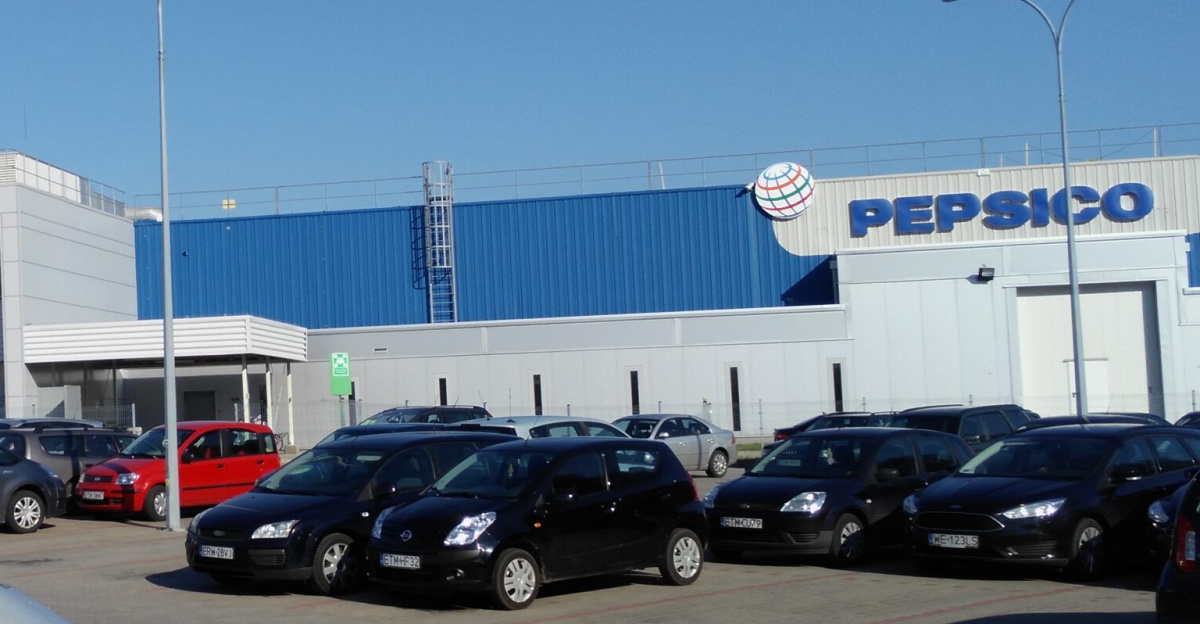
The restructuring centers on scaling back PepsiCo’s U.S. assortment. The company is eliminating roughly one in five products, touching major snack and beverage franchises such as Doritos, Cheetos, Lay’s, Tostitos, and Mountain Dew. Management has said lower-margin specialty flavors and regional offerings will bear the brunt of the cuts, aiming to simplify manufacturing and free shelf space for top-selling items that generate most of the company’s volume and profit.
The portfolio changes are tied to a broader reworking of PepsiCo’s production network. The company has already shut three manufacturing plants and several production lines this year. A Worker Adjustment and Retraining Notification filed in November 2025 shows the closure of the Orlando Frito-Lay facility alone resulted in the loss of 454 manufacturing jobs and 46 warehouse positions. Across the system, PepsiCo is pushing what executives describe as “automation, digitalization and simplification,” which in practice means consolidating facilities, streamlining product flows, and eliminating overlapping roles.
The operational shake-up is occurring as job cuts mount across the U.S. food sector. Companies in food manufacturing announced 34,165 layoffs through November 2025, a 26 percent increase from the prior year. PepsiCo’s restructuring lands just as workers are confronting broader economic uncertainty and the impact of tariffs on costs and prices.
Employees and Investors Feel the Impact

Inside PepsiCo, signs of major job cuts emerged quickly after the plan became public. Employees in corporate offices in Purchase, New York, Chicago, and Plano, Texas, were instructed to work remotely for the week, a step often associated with large-scale staff reductions. Jennifer Wells, PepsiCo’s Chief People Officer for North America, issued a statement acknowledging structural changes that would affect certain roles, confirming internal expectations that layoffs were imminent.
The reset was spurred by Elliott Investment Management, a prominent activist firm known for pushing aggressive changes at large companies. Seeing a weakened target, Elliott cited what it viewed as an overgrown and confusing product portfolio and PepsiCo’s slower adaptation than Coca-Cola to shifting demand toward more health-oriented offerings. After Elliott disclosed a $4 billion stake in September, it gained significant influence over strategic decisions.
Under the agreement, PepsiCo committed to Elliott’s key priorities: reducing and simplifying stock-keeping units, cutting complexity out of the supply chain, and reinvesting in core legacy brands alongside categories tied to wellness. Elliott framed these moves as necessary to create long-term value in a marketplace where shoppers increasingly look for perceived health benefits, cleaner labels, and innovation grounded in substance rather than novelty. In December 2025, Elliott partner Marc Steinberg praised the company’s “urgency” and said the announced plan should support stronger revenue and profit growth, signaling that PepsiCo had moved swiftly enough to avoid a public proxy fight.
From Price Power to Wellness Play

A central pillar of the new strategy is affordability. PepsiCo plans to deploy savings from plant closures, headcount reductions, and portfolio pruning into lower prices and stepped-up promotions on flagship brands. Chief Executive Ramon Laguarta told analysts the company had been testing new price and promotion frameworks with major retailers for three months and had “very good metrics” suggesting that lower prices and targeted promotions could revive volume.
At the same time, the company is accelerating a slate of launches aimed at health-conscious consumers. In late 2025, PepsiCo introduced Simply NKD Cheetos and Doritos, reformulated versions without artificial colors or flavors. For 2026, it is planning Doritos Protein, designed to compete with emerging functional snack brands, and Pepsi Prebiotic Cola, featuring 3 grams of prebiotic fiber and 30 calories per can.
Laguarta has described fiber as “the next protein,” signaling a shift in PepsiCo’s approach from emphasizing sheer grams of protein to offering products pitched around specific wellness benefits. The company is promoting science-based formulations and transparent ingredient lists as it targets families seeking snacks and drinks they view as more nutritious but still appealing to children. Across its lineup, PepsiCo is positioning new items to deliver functional benefits, such as digestive health support, while maintaining familiar taste profiles.
Compressed Timeline, Significant Risk
PepsiCo has set an aggressive schedule for the overhaul. Product cuts are slated to be finished by early 2026, supply chain reviews by late 2026, and the ramp-up of key new products by spring 2026. That rapid pace affects multiple groups at once: workers facing job losses, consumers discovering favorite flavors or regional items are no longer available, and retailers adjusting aisle layouts as assortments are trimmed.
The company’s bet is that lower prices on core brands will lure back shoppers faster than rivals can respond, while shedding underperforming items and consolidating production will cut enough overhead to protect margins. The risk is clear: if demand for salty snacks and sugary beverages does not rebound quickly, reduced prices will squeeze profit per unit without sufficient volume growth to offset the hit.
As 2026 approaches, PepsiCo is trying to show investors and Elliott that it can execute on several fronts at once: reset pricing, recover volume, streamline operations, and build a credible portfolio of wellness-oriented offerings. In a year when layoffs have surged across the food industry and consumer budgets remain under pressure, the company’s North American reset will serve as a test of whether a rapid, activist-driven restructuring can restore growth without eroding long-term brand strength.
Sources:
PepsiCo Activist Deal Signals Major Strategic Shift | eMarketer
Elliott Investment Management Takes $4B Stake in PepsiCo | Reuters
PepsiCo Cutting Nearly 20% of Products as Sales Struggle | Yahoo Finance
Frito-Lay Plant in Rancho Cucamonga Closing | USA Today
500 People Losing Jobs in Orlando Frito-Lay Plant Closure | Click Orlando
PepsiCo Hikes Prices by Double Digits for the 7th Consecutive Quarter | Yahoo Finance