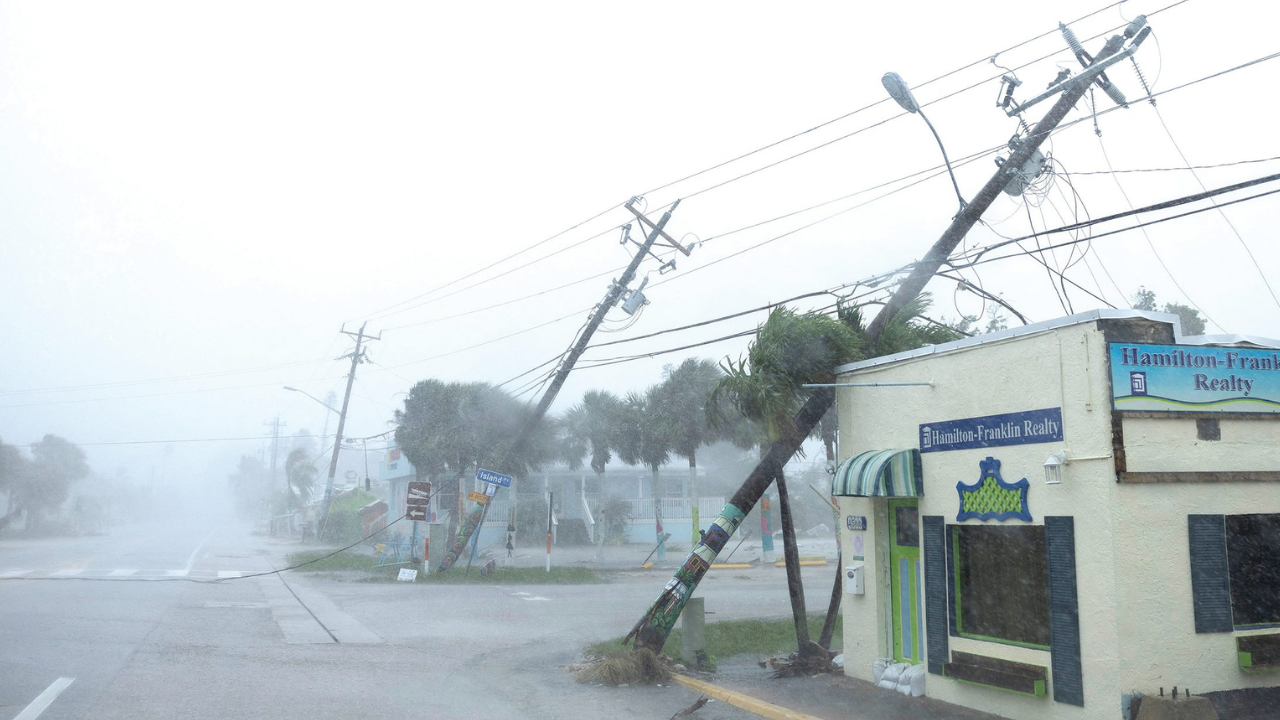
Hurricane-force winds tore through the Pacific Northwest on December 17, 2025. This happened just days after bad floods had already hit the area hard. The winds left nearly 500,000 customers without power. They made the region’s problems even worse.
The gusts reached speeds of up to 112 miles per hour near the Alpental ski resort in North Bend, Washington. That strength is close to a Category 3 hurricane. The winds knocked down trees, broke power lines, and blocked roads. This affected places in Washington, Oregon, British Columbia, Montana, and Idaho. Almost 400,000 homes in Washington and Oregon lost electricity. More than 72,000 homes in British Columbia went dark too. The ground was already soaked from earlier rains, which made cleanup very hard. Debris covered highways and made them dangerous to drive on. Families had to deal with cold winter weather without heat or lights.
The National Weather Service said these December winds were unusual. Meteorologist Kayla Mazurkiewicz pointed out how rare they are for this time of year.
Winds That Kept Blowing
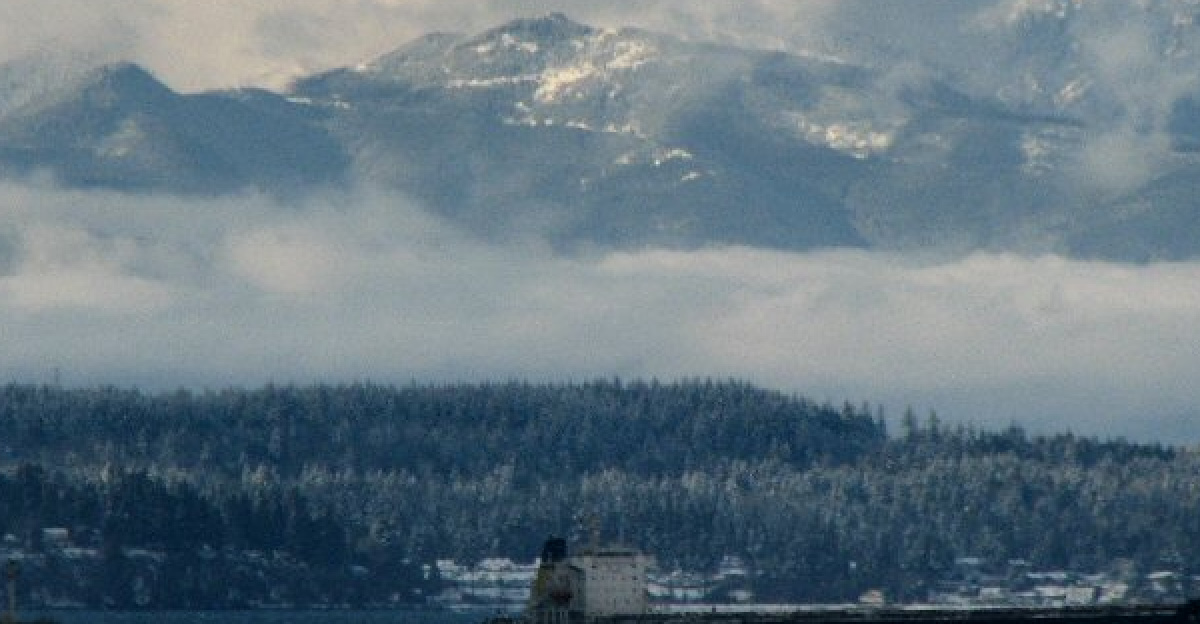
A strong atmospheric river caused the trouble. It was rated AR-4 or higher. This weather system stalled over the West Coast. It dumped up to 10 inches of rain in the Cascade Mountains. The heavy rain also melted snow quickly. High pressure systems trapped the moisture in place. This led to winds that kept blowing hard for a long time. Communities were still recovering from floods that started on December 8.
Rivers like the Skagit rose to record levels. They broke through levees in King County, Skagit County, Pacific, Washington, and British Columbia’s Fraser Valley. Tens of thousands of people had to evacuate. Neighborhoods filled with waist-deep water. One unconfirmed drowning happened in the floods. The water ruined crops and left some residents cut off from help.
Lights Go Out Across the Region
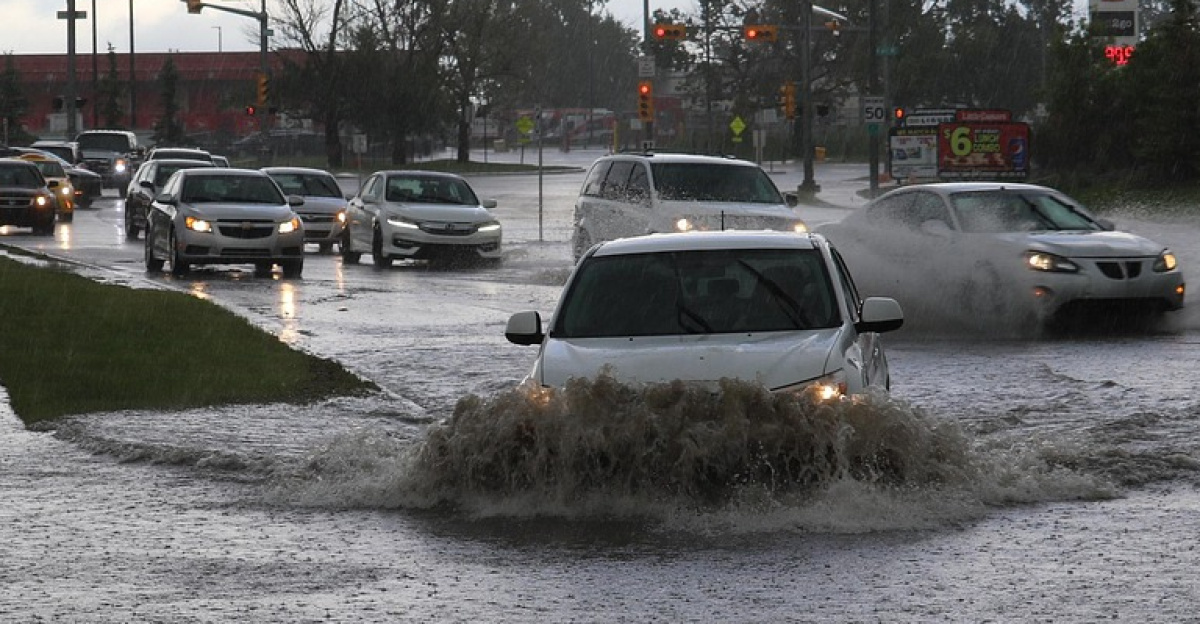
Power outages reached a peak of about 470,000 customers. Trees fell onto power lines and caused most of the problems. The winter cold spoiled food in homes without power. Hospitals had to run on backup generators. In Montana, high winds kept blowing and slowed down repair work. Flooded roads like U.S. 2 stayed closed for months.
Winds knocked over big trucks on U.S. 195. They also dropped trees on U.S. 101 and SR 161. Mountain passes like White Pass had to shut down. The Desimone levee broke and flooded thousands of acres of land. This showed problems with old power grids. Sagging lines and broken poles could not handle the stress.
Recovery Teams Work Hard
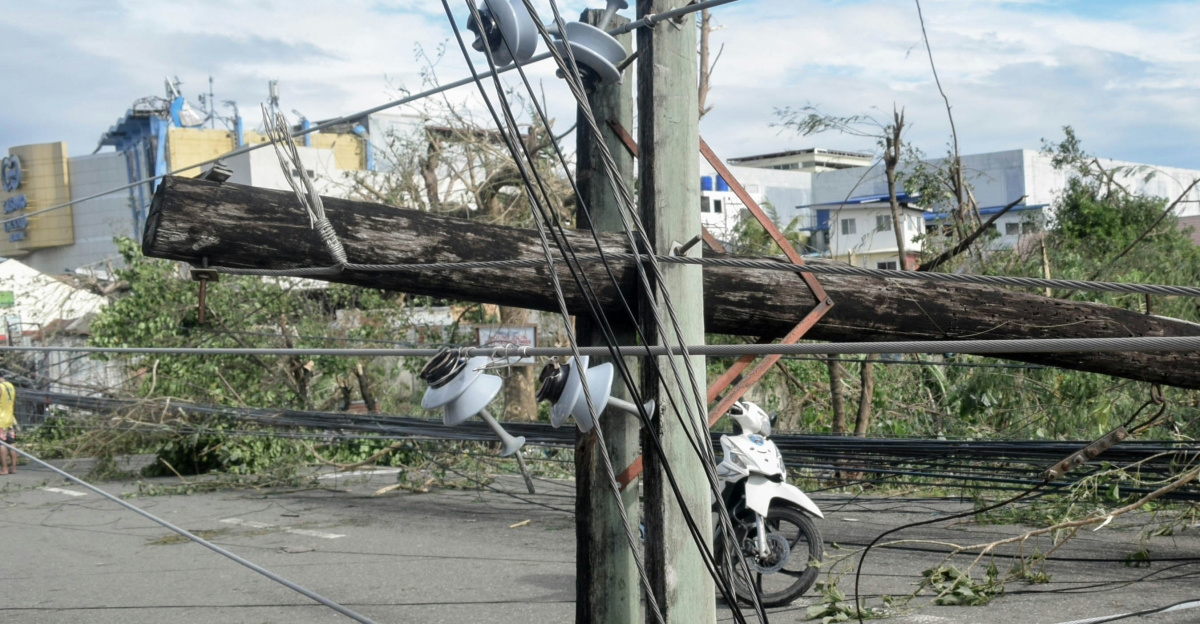
Utility workers fought against strong winds, mud, and flying debris. They worked to fix the power lines. They focused first on hospitals and older people. Wet soil made it hard for their trucks to move. Workers did non-stop shifts, often using headlamps at night. Power came back slowly, block by block.
Washington Governor Bob Ferguson declared a state of emergency the week before. This got help from FEMA, which President Trump approved for several counties. Montana stopped all travel on its roads. British Columbia sent out alerts in the Fraser Valley. Teams from different areas worked together across borders. They set up shelters where people shared food and stayed safe. Many had to move more than once because of the storms.
Soaked ground now raises the risk of more power outages and floods. New storms are coming soon. This tests the area’s weak infrastructure and tired communities. Officials are watching weather patterns to plan long-term fixes. They want better protection for supply chains, ports, and farms. Teams from different countries are working together. This shows the need for stronger power grids and levees. Recovery depends on dry weather. But these back-to-back disasters point to bigger problems from climate change. Communities need ongoing plans to protect lives and jobs.
Sources:
The New York Times, “Pacific Northwest Hit by Hurricane-Force Winds After Floods”, Dec. 17, 2025
FOX Weather, “Windstorm Knocks Out Power Across Five States”, Dec. 17, 2025
KATU News, “Record Gusts and Warnings Blanket Region”, Dec. 17, 2025
Wikipedia, “2025 Pacific Northwest floods”, ongoing
CW3E, “Atmospheric River Update: AR-4 Impacts West Coast”, Dec. 17, 2025
National Weather Service, “High Wind Warning Summary: Pacific Northwest”