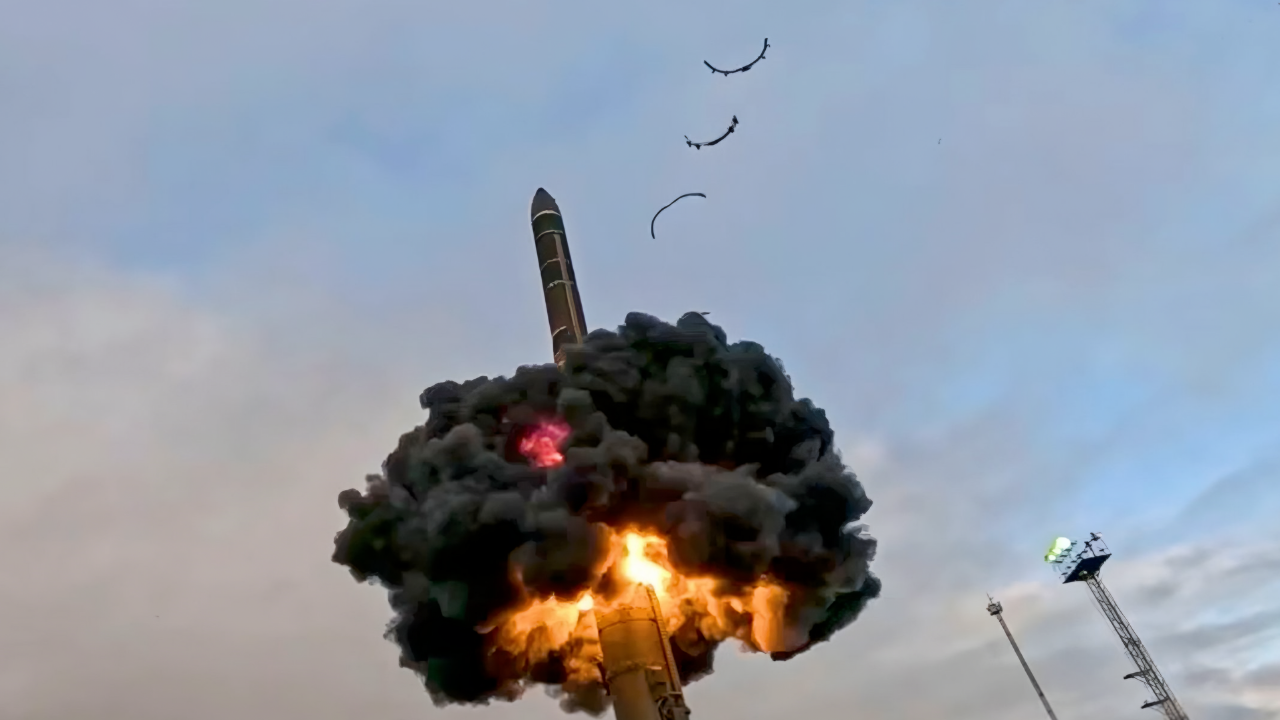
On December 17, Russia’s military entered a new era. Vladimir Putin confirmed that the Oreshnik, an advanced hypersonic ballistic missile traveling at Mach 10, was entering combat duty.
By the following day, Belarus announced these nuclear-capable weapons had arrived on its territory. The implication was stark for over 80,000,000 Europeans, and the timeline made the risk feel immediate.
Russia’s Stunning Strategic Gambit Lands Fast
December brought a military bombshell. Russia’s president announced his newest hypersonic missile system, the Oreshnik, would enter operational combat duty before the year’s end. Within hours, Belarus confirmed the weapons had already arrived on its territory and were “now on combat alert.” The announcement jolted NATO capitals across Europe. Russian officials also claimed it was impossible to intercept, setting the stakes.
The Weapon Putin Has Teased Since November

On November 21 last year, Russia tested the Oreshnik for the first time, striking a Ukrainian factory in Dnipro with devastating speed. Putin announced the strike on national television, describing it as a warning to the West. That single test fueled headlines and analyst debates. Now, months later, the shift from testing to deployment across a border raised sharper questions.
Faster Than A Bullet, Harder To Stop
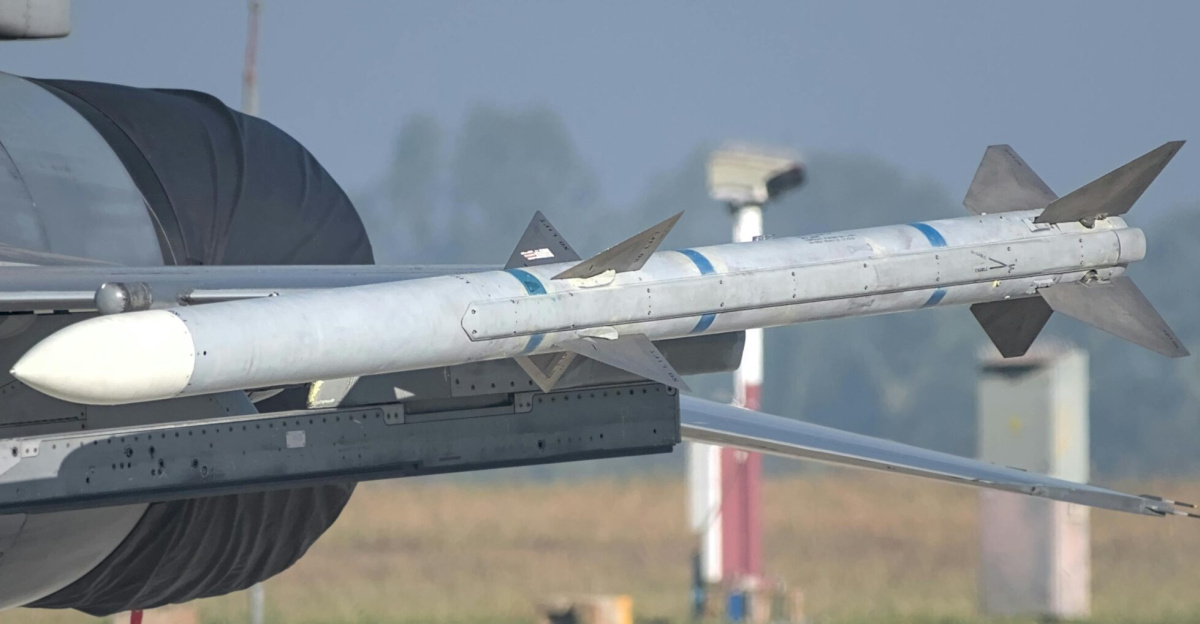
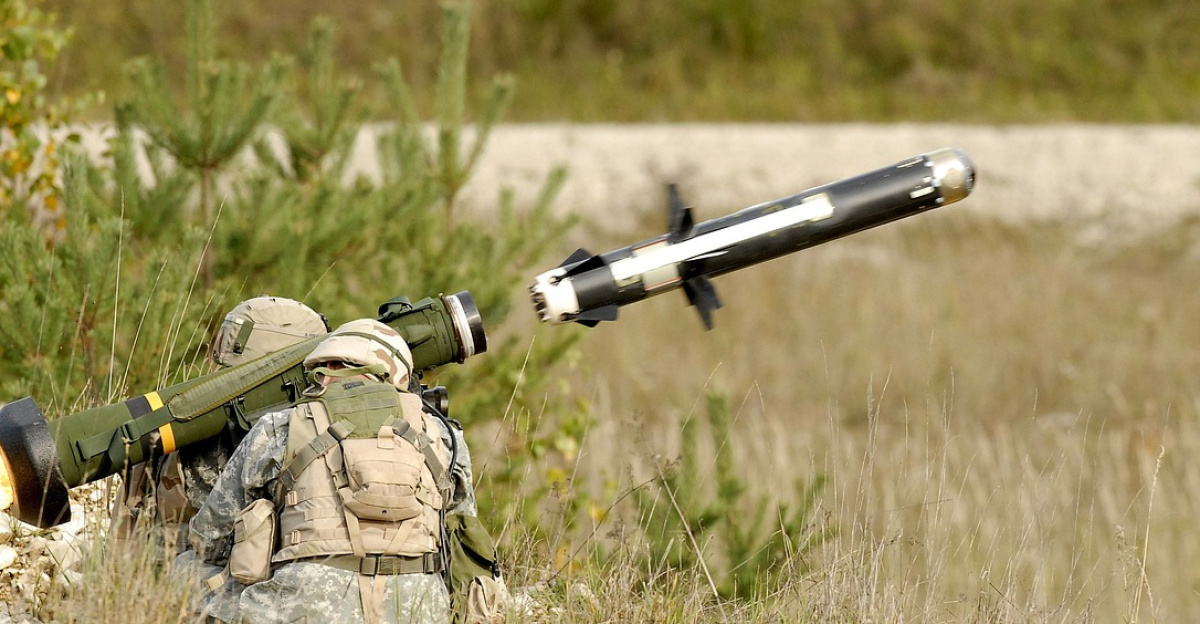
The Oreshnik travels at speeds exceeding Mach 10, about 12,300 kilometers per hour. A rifle bullet moves around 900 meters per second, but the Oreshnik exceeds 3,400 meters per second. It climbs beyond the atmosphere, then descends at extreme speed, complicating interception. NATO’s Patriot was built for older threats, and this leap exposed a gap.
“We Never Saw It Coming”
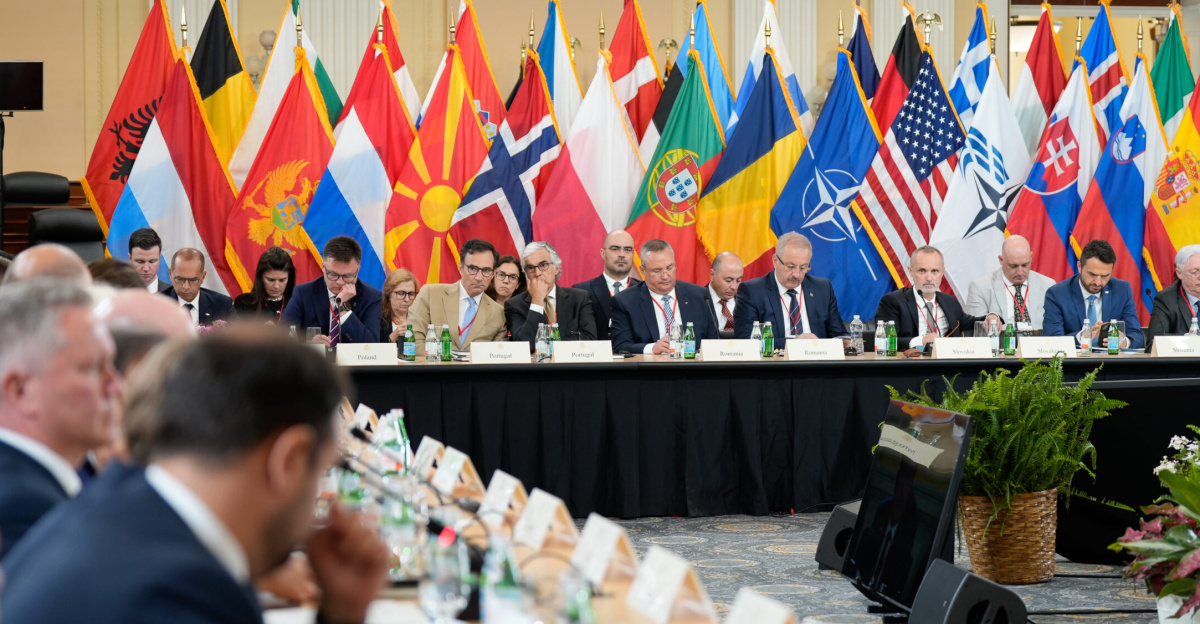
“The deployment presents a challenge to NATO’s missile defense architecture that we have not previously encountered,” stated a senior NATO defense official on December 19. Speaking anonymously, the official said the system’s flight regime falls outside the effective envelope of Patriot and SAMP/T. “Neither system was optimized for this type of threat,” the official added. That admission changed Europe’s assumptions overnight.
One Missile, 36 Impact Points
The Oreshnik does not carry a single warhead like older missiles. It deploys 6 independently targetable warheads, each with 6 submunitions, enabling 36 impact points from 1 missile. MIRV technology was once closely tied to nuclear forces, but Russia now frames it for conventional strikes too. A single launch could overwhelm defenses and devastate wide areas.
A Soviet Airfield Quietly Comes Back
Satellite imagery suggested Russia selected the former Krychev-6 military airfield in eastern Belarus, about 5 kilometers from the Russian border. Abandoned since 1993, it was rushed back into operational status. Analysts examining Planet Labs images reported a “military-grade rail transfer point” behind security fencing. Concrete pads appeared disguised under earth coverage, hinting at long-term basing.
Over 80,000,000 Europeans In Range
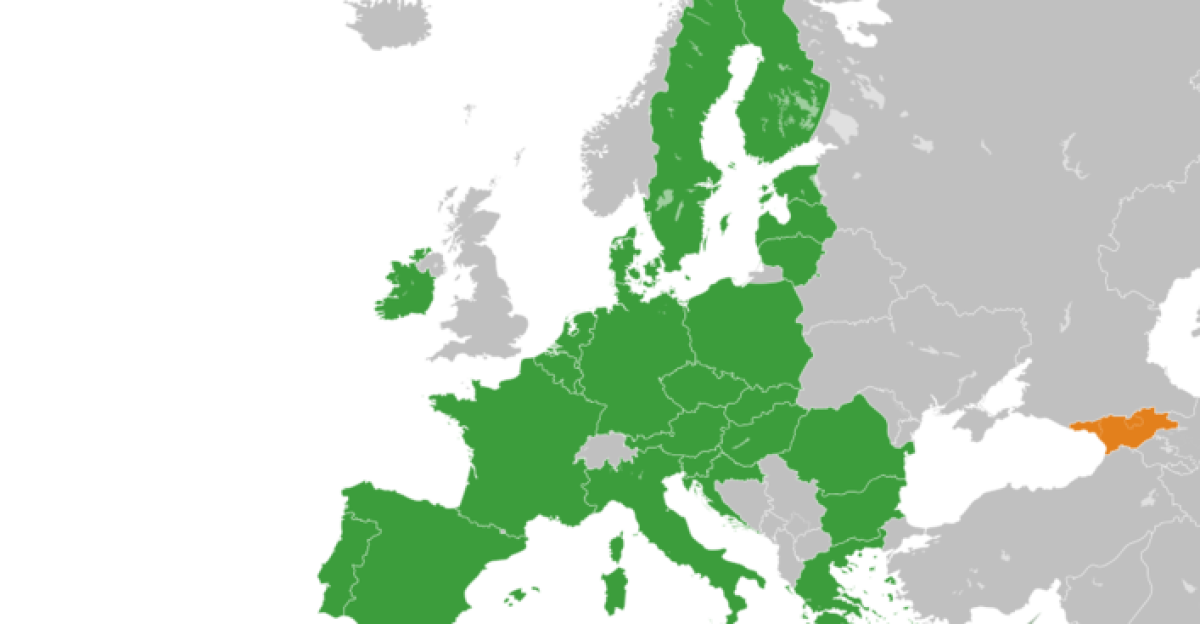
From Belarusian deployment sites, the Oreshnik’s stated 5,500-kilometer range puts Warsaw, Vilnius, Riga, Berlin, and Brussels within theoretical striking distance. Poland’s 38,000,000 people sit directly exposed. Vilnius lies about 30 kilometers from Belarus, shrinking warning time to minutes. Latvia, Estonia, and large parts of Germany also fall into the envelope, raising a chilling question: who feels safe?
Poland Mobilizes 40,000 Troops

“We are taking this threat with utmost seriousness,” stated Polish Defense Minister Władysław Kosiniak-Kamysz on December 20. Poland deployed 40,000 troops to its border with Belarus after the announcement. Extra units moved to protect critical infrastructure and cities closest to Belarusian territory. Warsaw also invoked NATO Article 4 consultations, seeking alliance-wide coordination. The troop movement signaled urgency, but the real danger was less visible.
The Nuclear Ambiguity Trap

The Oreshnik can carry nuclear or conventional warheads, and outside observers cannot know which before impact. Russian state media leaned into that uncertainty. Deputy Security Council chief Dmitry Medvedev claimed incoming Oreshnik strikes could be nuclear and said “bomb shelters will not save you.” That message was designed to infect every warning siren with existential dread. Deterrence works differently when payload is unknowable.
Russia’s Claimed 11 And 17 Minute Clock

Russian state media circulated projections that an Oreshnik strike from Belarus could reach Polish air bases in about 11 minutes and NATO headquarters in Brussels in about 17 minutes. The numbers functioned as deterrence messaging, not neutral analysis. If weapons arrive in minutes, NATO’s extended deterrence promises face stress tests in public opinion and politics. The December sequence shows how carefully timing was managed.
The December Timeline Moves At Whiplash Speed

The final week of December unfolded quickly. December 13: Belarus released 123 political prisoners, including Nobel laureate Ales Bialiatski, tied to U.S. sanctions relief. December 17: Putin announced Oreshnik combat duty entry. December 18: Lukashenko confirmed it had arrived and was “on combat alert.” December 26: Belarus confirmed systems were deployed and operational. The pace hinted at months of preparation.
Prisoners Freed, But At What Price?

“This represents a cynical exchange of human lives for geopolitical advantage,” stated Amnesty International’s Marie Struthers. Amnesty noted that while 123 prisoners were freed, more than 1,100 remained detained on political charges. Struthers warned that “the latest release doesn’t erase a system that still holds hundreds if not thousands of others languishing behind bars merely for speaking out.” The release gave Lukashenko cover, even as Belarus hosted nuclear-capable weapons.
Bialiatski’s Warning After 4.5 Years Inside

Nobel Peace Prize laureate Ales Bialiatski emerged at the Lithuanian border and said, “Our fight continues,” on December 13. He had spent 4.5 years imprisoned on fabricated charges, including 200 days in solitary confinement on “concrete floors in icy cells.” After the release, he warned that the Oreshnik deployment deepens Belarus’s militarization and raises nuclear risks for Belarusians too. He called it a transformation into a target.
Zapad-2025 Looked Like A Rehearsal
The deployment did not appear out of nowhere. In September, Russia and Belarus conducted Zapad-2025, their largest joint exercises since 2021. During the drills, both practiced nuclear weapons employment alongside Oreshnik deployment scenarios. Belarusian officials said the exercise involved “planning nuclear weapons deployment, including the use of the Oreshnik system.” Seen in hindsight, September’s drills read like operational preparation disguised as routine training.
Trump’s Envoy In Minsk Raises Stakes

Donald Trump appointed his personal lawyer, John Coale, as Special Envoy to Belarus in November, signaling a U.S. policy shift toward Lukashenko. Coale negotiated the prisoner releases and suggested openness to normalization. Yet at the same time, Russia was moving nuclear-capable systems into Belarus. The paradox implied Washington might be treating Lukashenko as an intermediary with Moscow. Could negotiation reduce risk, or accidentally reward escalation?
Arrow 3 Arrives, But The Clock Is Short

“Germany’s deployment of Arrow 3 provides our first exoatmospheric defense capability in Central Europe,” announced German Defense Minister Boris Pistorius on December 3. Germany received its first operational Arrow 3 battery at Holzdorf Air Base 14 days before Putin’s Oreshnik combat duty announcement. Arrow 3 can intercept ballistic missiles above 100 kilometers. But building and fielding more systems across Europe takes years, not weeks, and Russia exploited that mismatch.
“This Is Psychological Warfare”
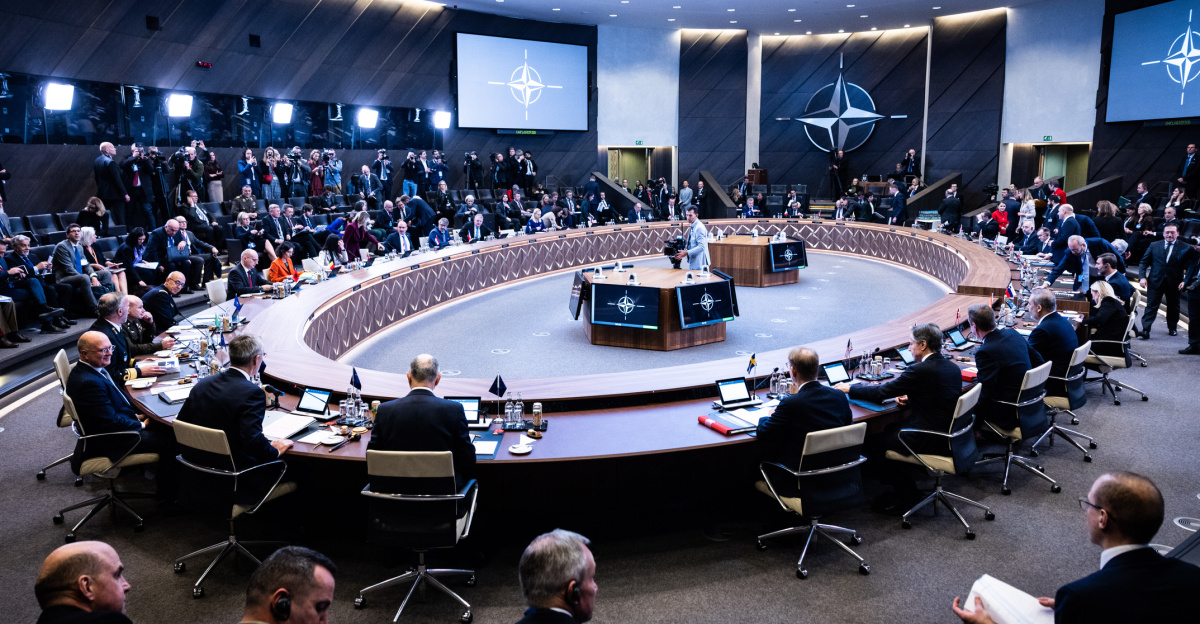
“Putin is attempting to create existential doubt in NATO’s ability to defend its members,” stated Mathieu Boulègue of Chatham House. “The Oreshnik isn’t necessarily a battlefield game-changer, but in terms of psychological warfare, it works excellently.” He argued that Russia aims to fracture transatlantic unity through nuclear intimidation more than battlefield advantage. By placing hard-to-stop weapons near NATO borders, Moscow seeks to make deterrence feel unreliable and fear politically contagious.
Zelenskyy Pushes Sanctions On Producers
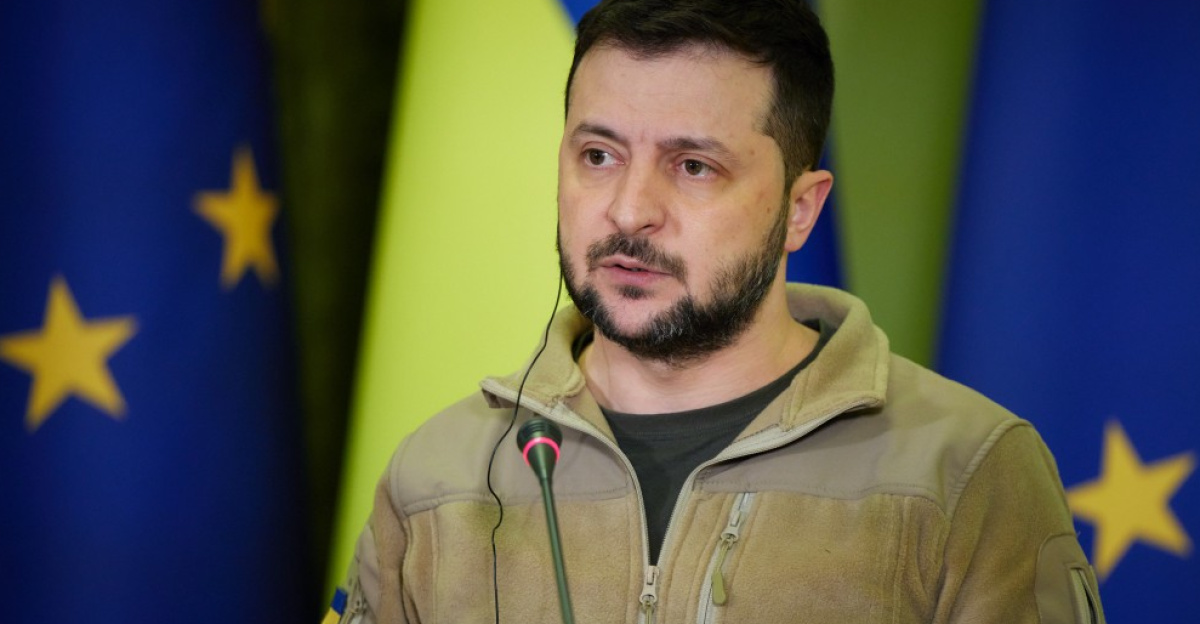
Ukrainian President Volodymyr Zelenskyy urged broader sanctions targeting entities tied to Oreshnik production. “We have shown partners where it will be located,” Zelenskyy stated, indicating Ukraine has detailed intelligence on Belarusian deployment sites. He called for sanctions on “companies in Europe and other continents that sell components for the production of the Oreshnik through third countries.” The claim implied supply chains still leak critical parts despite restrictions, prompting a key question: are current measures actually biting?
New START Deadline Adds Another Fuse

The last treaty limiting U.S. and Russian strategic nuclear weapons expires in February 2026, just 5 weeks from now. Putin proposed a 1-year extension, but the Trump administration has offered no commitment. The Oreshnik move into Belarus lands in a treaty-limbo world, with verification eroding and fewer constraints on new deployments. Without enforceable limits, Russia can accelerate production, expand basing, and normalize forward positioning, pushing Europe deeper into uncertainty.
Europe Faces A New Kind Of Countdown
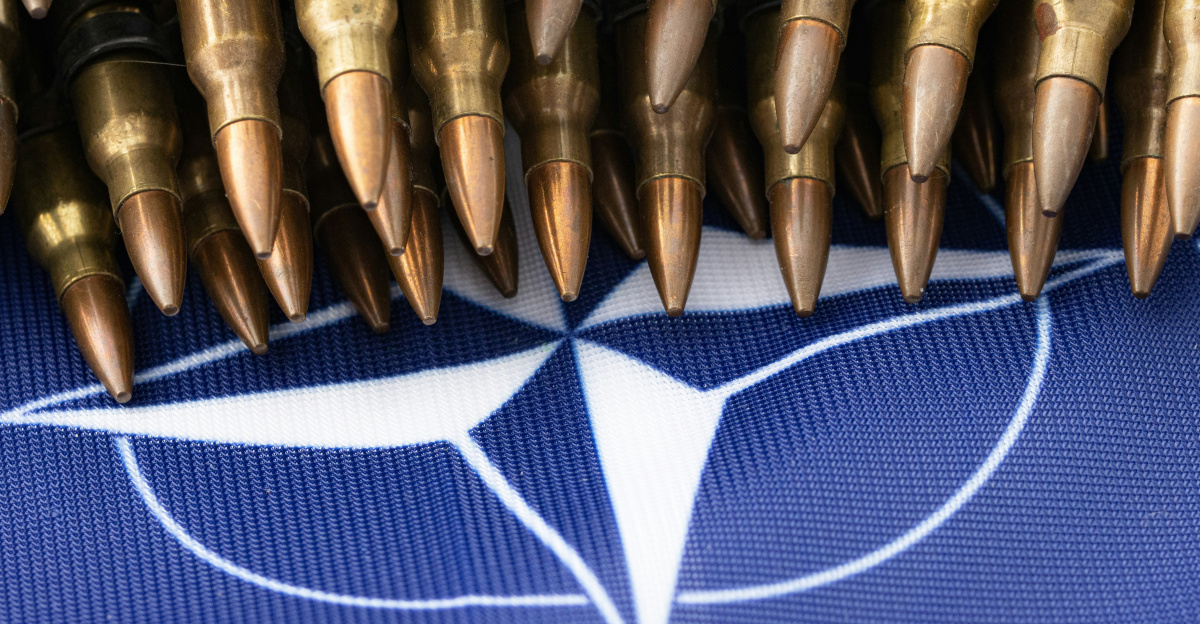
Russia has placed nuclear-capable hypersonic missiles about 30 kilometers from NATO territory, while NATO’s defenses remain limited against this class of threat. Ukraine stays exposed, and U.S. outreach to Belarus could ease tensions or misread Lukashenko’s incentives. New START’s looming expiration intensifies the risk of unchecked buildup. Analysts debate whether this is deterrence theater or a prelude to escalation, but daily life now sits under a faster clock.
Sources
Russian President Vladimir Putin’s Address to Defence Ministry Board Meeting. Kremlin Official Statements, December 17, 2025
Belarusian President Alexander Lukashenko’s Address to the 7th All-Belarusian People’s Assembly. BelTA News Agency, December 18, 2025
Belarusian Oreshnik Deployment Planned for December. Jamestown Foundation, October 31, 2025
Implications of the Oreshnik for NATO’s Missile Defense Posture. Missile Matters Substack, December 2025
U.S. Department of Defense Official Statements on Russian Military Capabilities. U.S. Department of Defense, December 2025