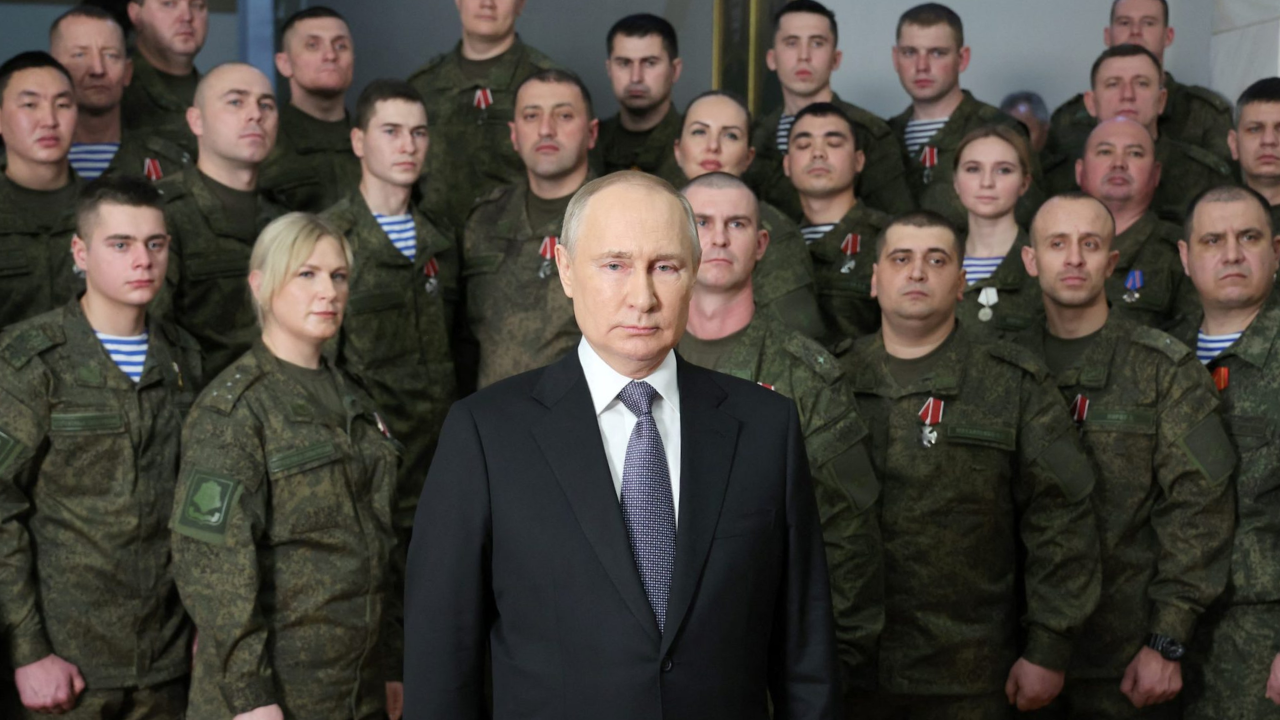
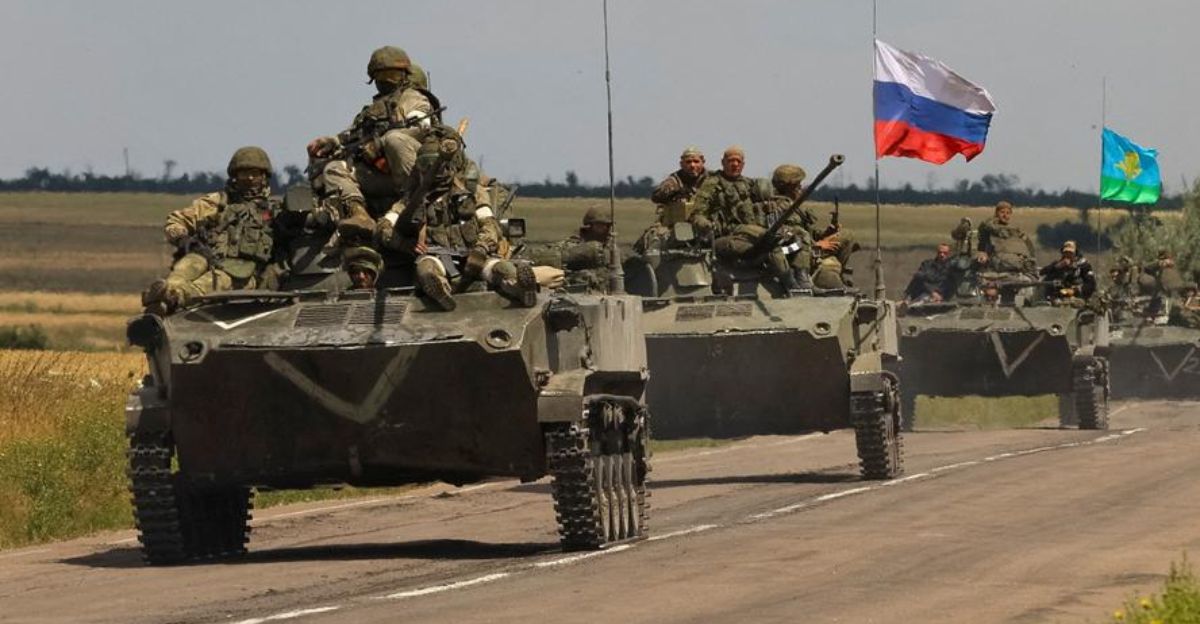
On December 16, 2025, an interview on Germany’s n-tv broadcaster stirred alarm across Europe. Foreign policy expert Roderich Kiesewetter claimed Russia had amassed “up to 360,000 troops stationed in Belarus,” an unprecedented military concentration near NATO’s borders since the Cold War.
The alarming assertion rapidly gained traction within major international media outlets, transforming into a narrative of potential crisis for European security. “Up to 360,000 Russian troops stationed in Belarus” became the dramatic headline that echoed through newsrooms globally.
Editor’s Note: This article reflects reporting from December 16, 2025. Ukrainian and Lithuanian officials disputed the claim the same day.
The Figures and Their Implications
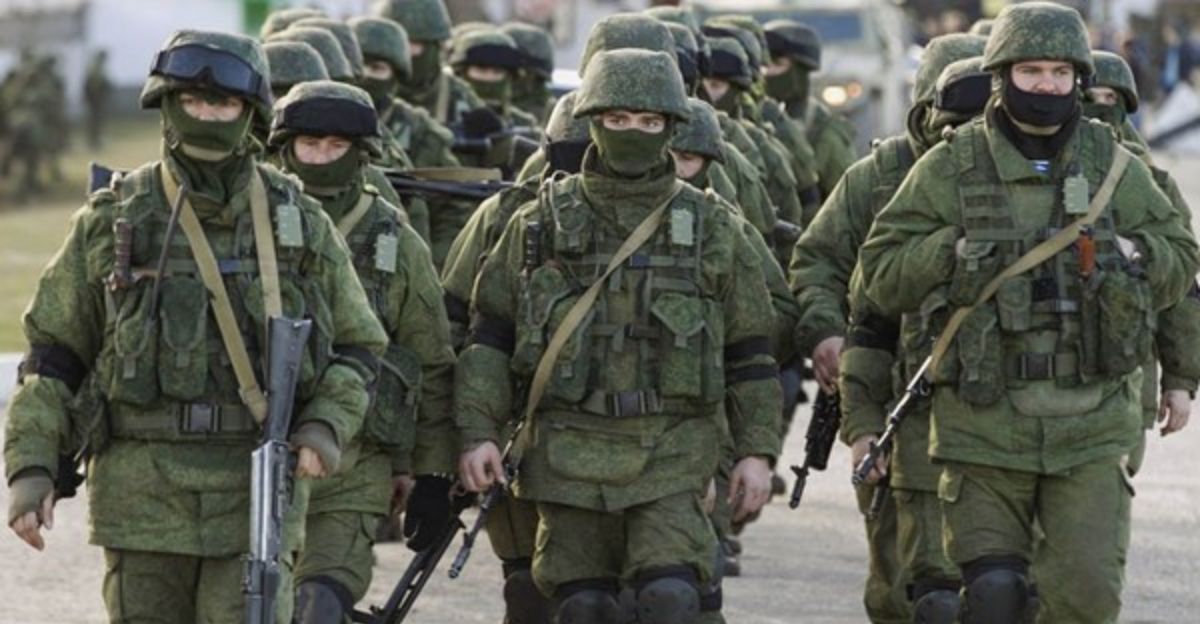
Roderich Kiesewetter’s credentials offered an air of authority as a decorated military officer and former colonel in the German Armed Forces. Experts emphasized that, if true, this troop movement would surpass the active-duty force of the British Army.
The figures portrayed a dire situation, signaling the largest Russian military build-up along NATO’s border since the collapse of the Soviet Union in 1991. This alarming perspective influenced military assessments, thus framing the European security outlook with urgent implications that prompted immediate attention from policymakers and defense ministers alike.
The Founder of the Assertion
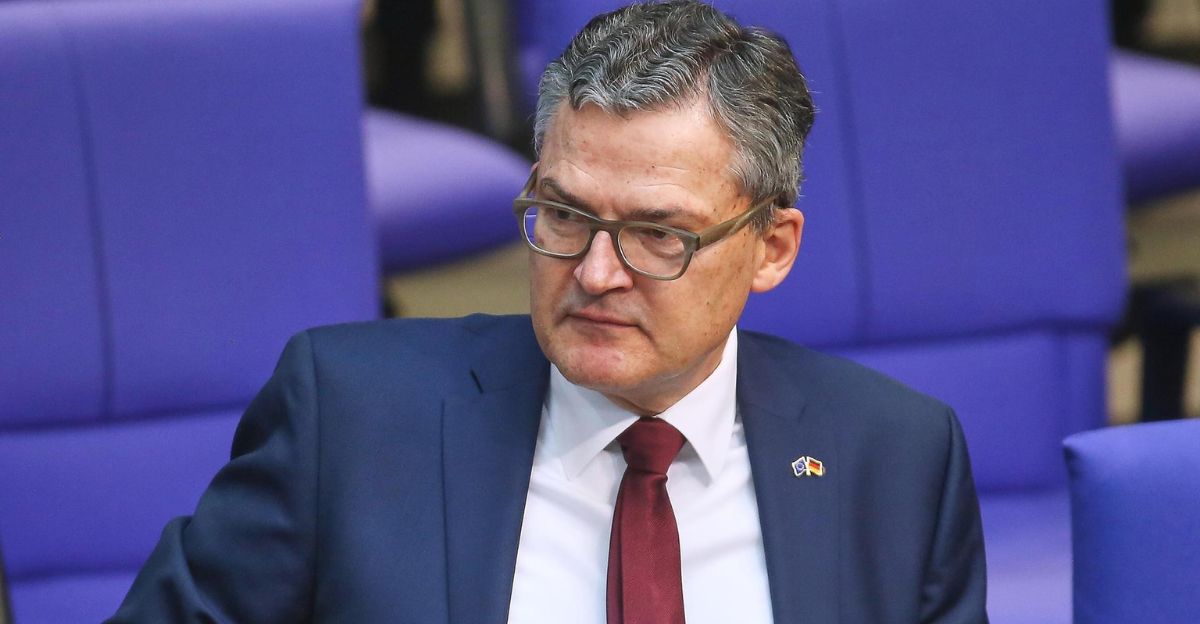
Roderich Kiesewetter emerged as the prominent figure behind the claim. Having an extensive military background, he served on NATO’s staff in Belgium before becoming a key foreign policy spokesman for the CDU party under Chancellor Friedrich Merz.
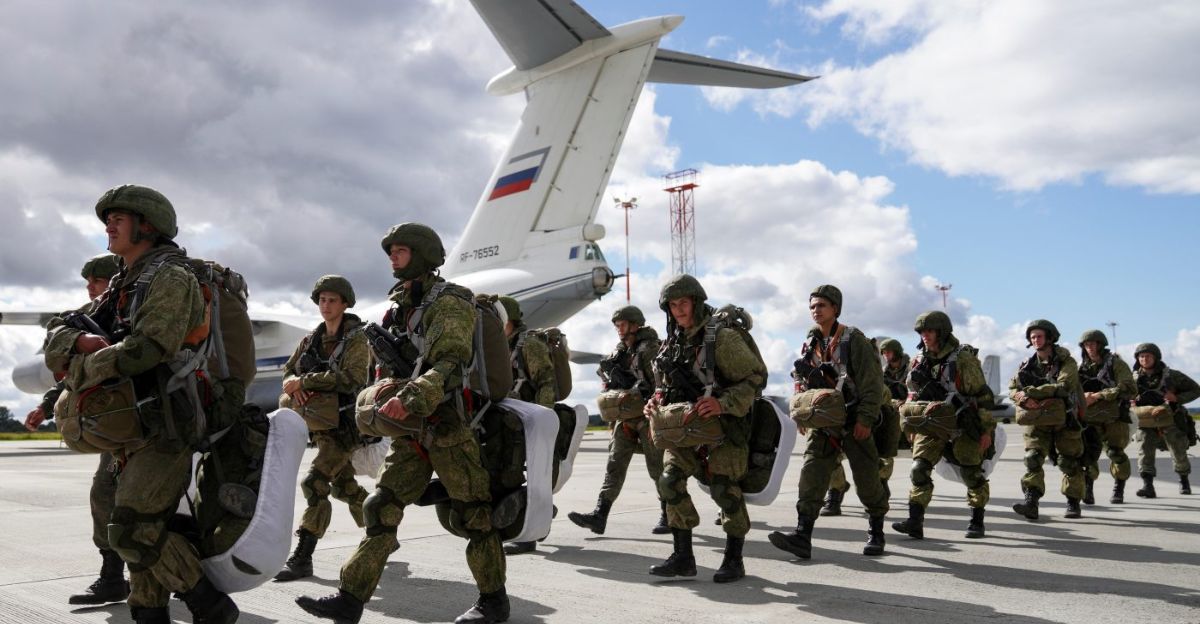
During his December 16 interview with journalist Pinar Atalay, he described Russia’s military activity in Belarus, citing a specific strength of “two army corps” consisting of nearly 360,000 combat-ready soldiers. The seriousness of his assertions resonated across Europe, compelling military experts to reassess operational readiness.
Strategic Context and Military Assessment
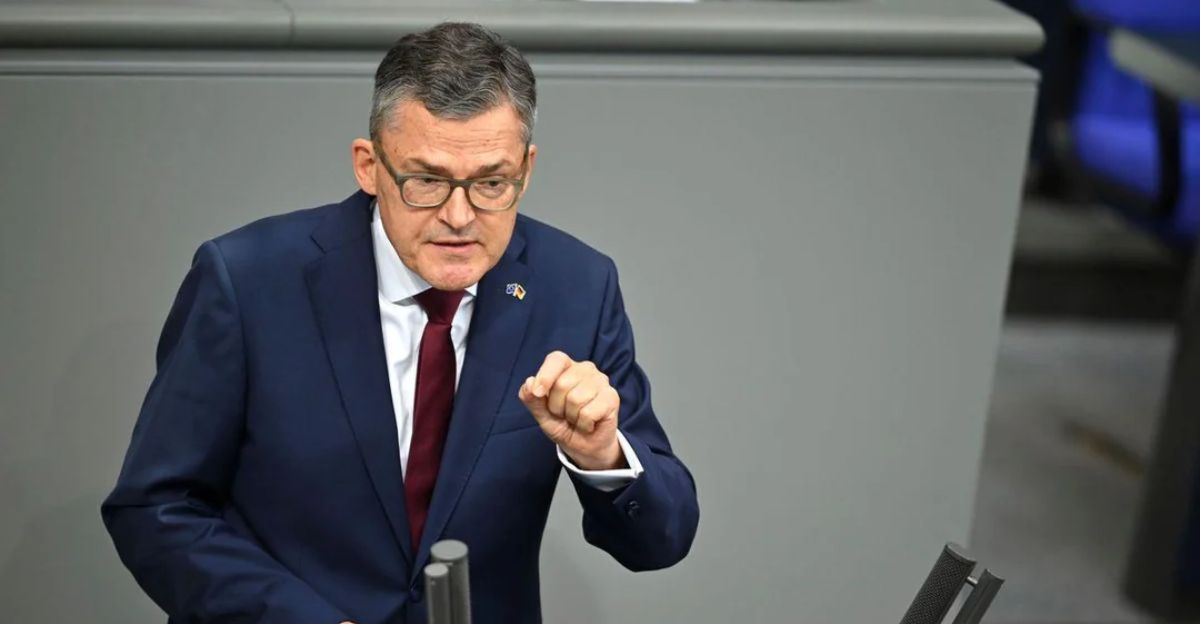
Kiesewetter noted that Putin is conducting the war “not particularly successfully militarily in Ukraine,” but through a wartime economy, is training “hundreds of thousands of soldiers who are never deployed in Ukraine.”
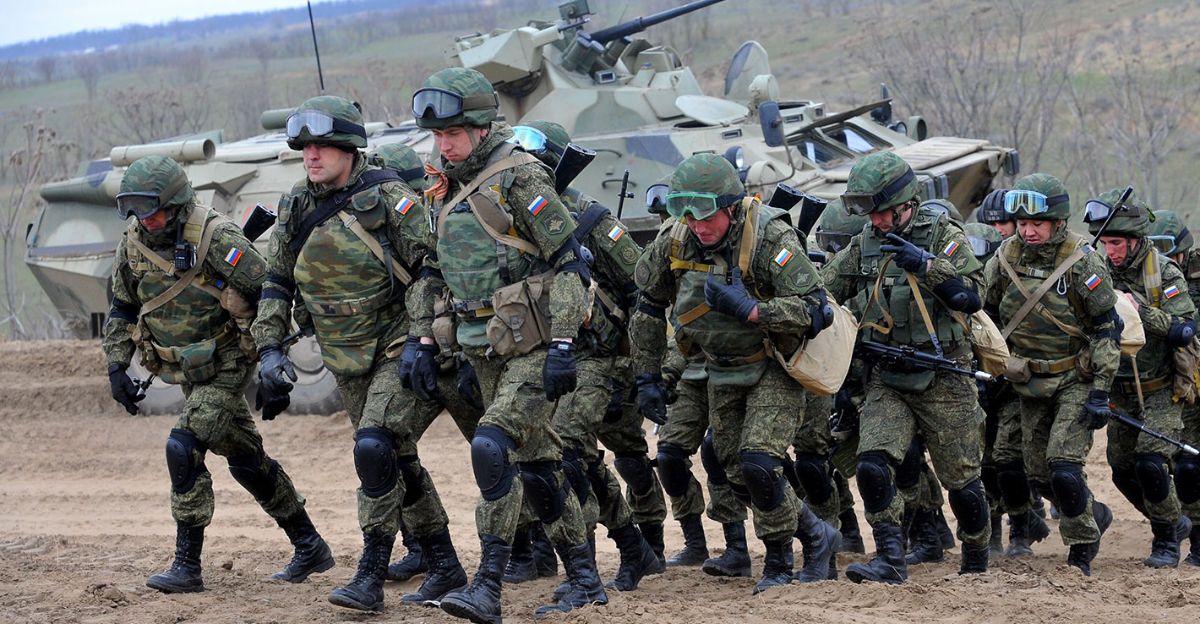
The presence of two army corps in Belarus, he warned, is “worrying, especially in the Baltic states.” He emphasized that Russian military activities represented an unprecedented forward deployment adjacent to NATO territory, reflecting strategic positioning that warranted urgent attention from alliance leadership and security planners across the region.
A Forecast of Impending Crisis
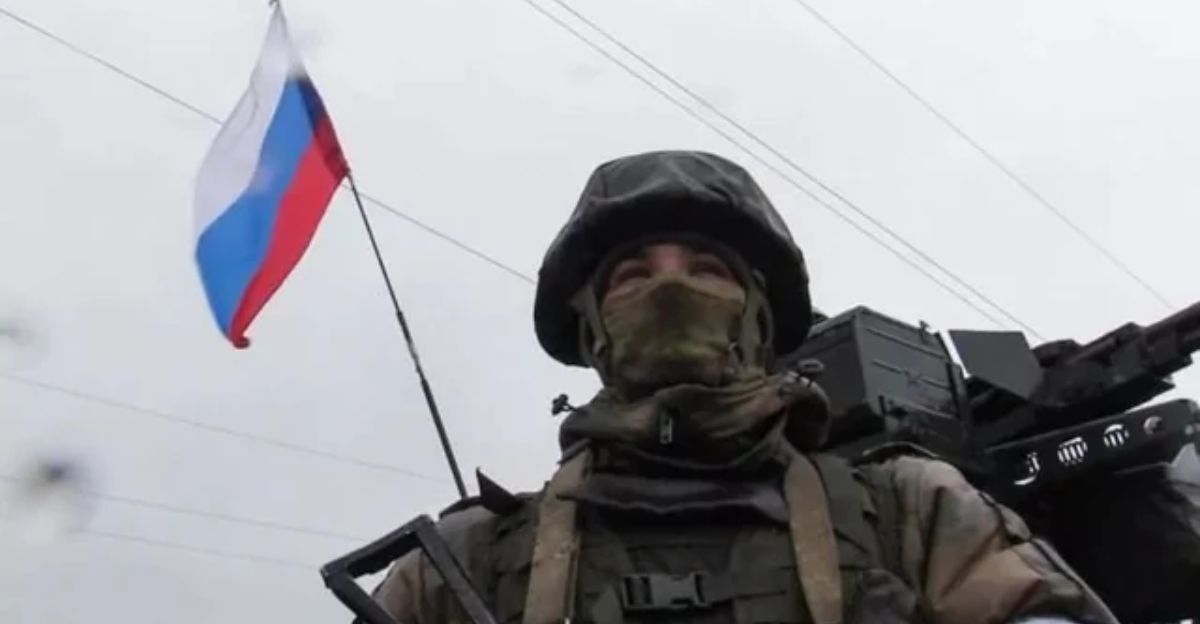
Kiesewetter did not limit his comments to current troop counts; he also painted a grim picture for the near future. He flagged 2026 and 2027 as “critical years” for European security, remarking, “If we survive them, we must defend ourselves responsibly without causing panic.”
His warning suggested an existential threat, framing the approaching two years as a countdown to possible catastrophe. This propelling notion resonated significantly across NATO capitals, instigating heightened urgency among military planners and policymakers who began to recalibrate their threat assessments.
The Contradiction Emerges
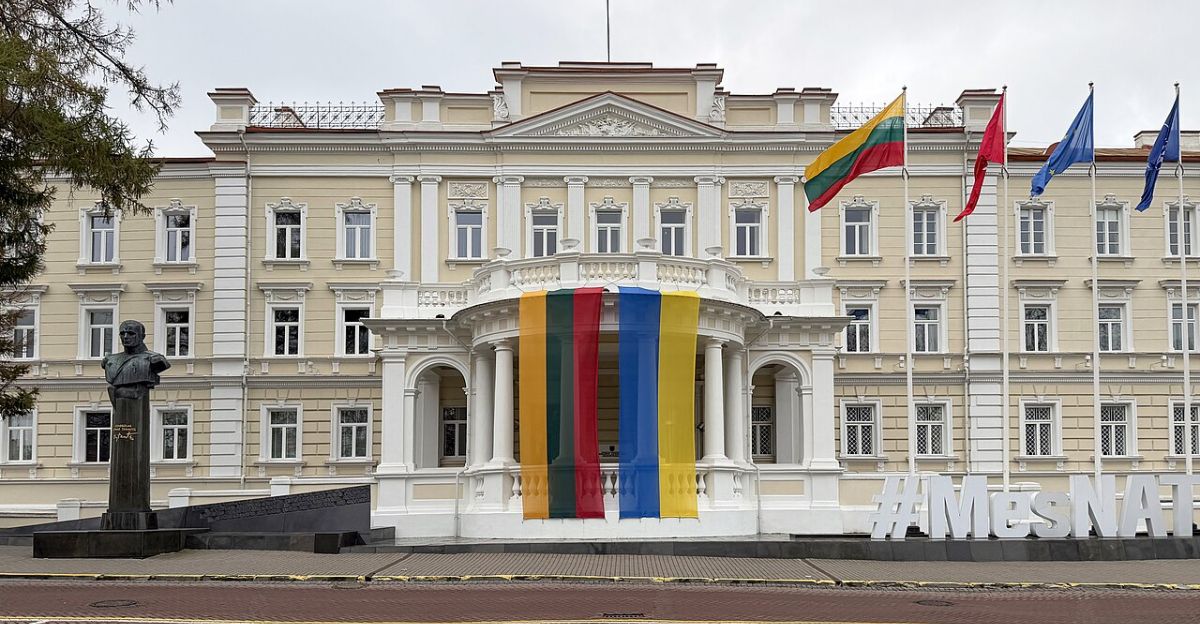
However, within hours of the claim’s circulation, this narrative faced severe challenges from intelligence agencies in Eastern Europe. On the same day that Kiesewetter’s assertions went public, Ukraine’s Center for Countering Disinformation issued a statement categorically rejecting the figure of 360,000 Russian troops in Belarus.
They described the claim as “not true,” branding it as manipulation and fear-mongering that did not represent the actual military situation. This swift dismissal marked a pivotal moment in the unfolding story.
Ukrainian Intelligence Assessment

Ukrainian intelligence corroborated by confirming the presence of only several thousand Russian troops, far removed from the sensational figure of 360,000. Ukraine’s Center for Countering Disinformation’s categorical rejection underscored the significant disparity between the claim and verified intelligence assessments.
Their statement emphasized that the actual military situation bore no resemblance to the alarming narrative that had begun circulating through international media. This assessment represented the professional judgment of Ukraine’s dedicated disinformation-tracking agency.
Lithuanian Military Rejection
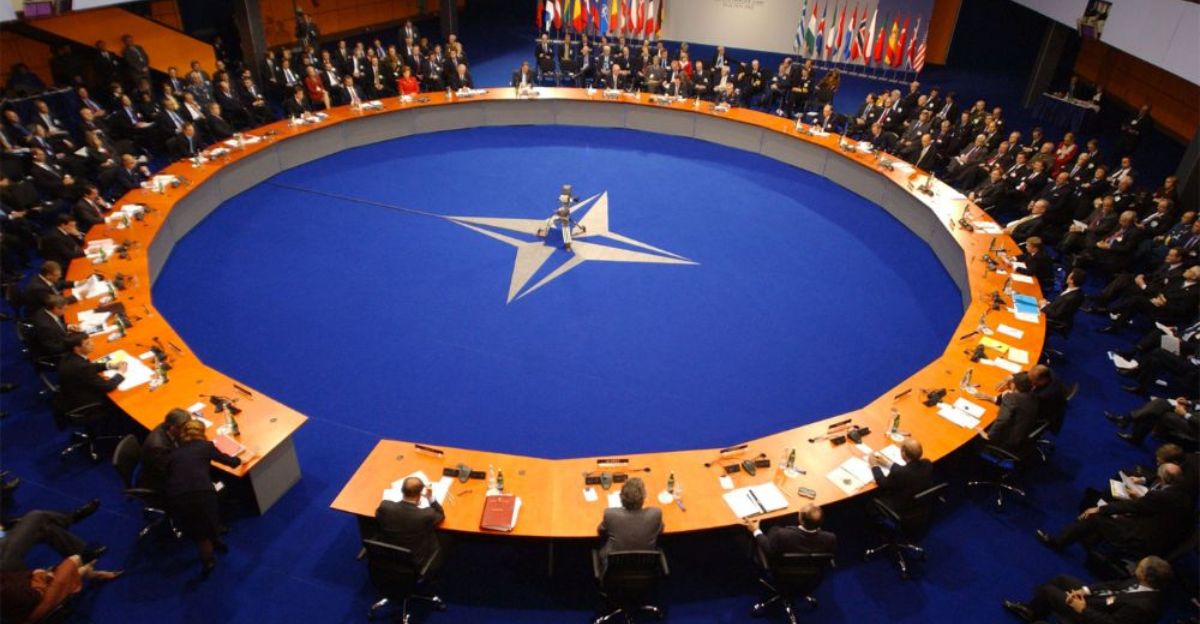
Lithuania’s Armed Forces followed suit, asserting, “There is nothing on Belarusian territory that even remotely matches those numbers.” This swift dismissal from the country wasn’t idle skepticism; it was a firm repudiation of the alarming narrative that had begun to circulate.
Lithuania’s position carried particular weight given its geographic proximity to Belarus and direct security concerns. The military’s statement marked a clear divergence between Kiesewetter’s claims and ground-truth intelligence assessments from frontline NATO allies.
The Intelligence Reality
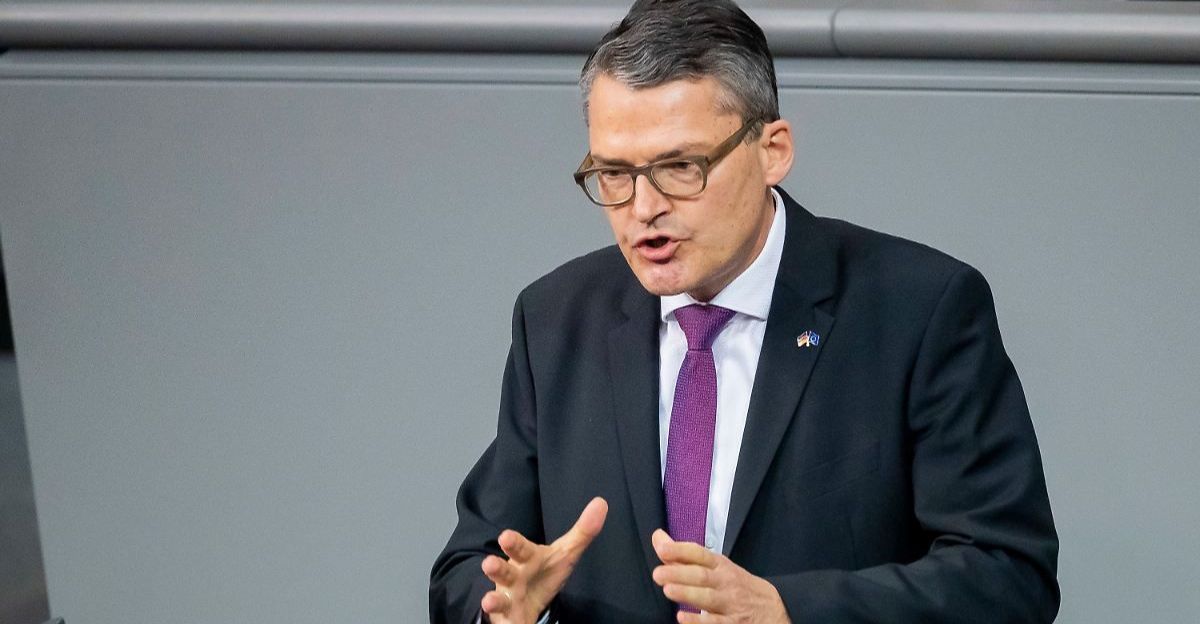
Lithuania’s Ministry of National Defence released information that starkly contradicts the inflated claims. They reported there are “only a few thousand Russian servicemen in Belarus,” far removed from the sensational figure of 360,000.
The Ministry emphasized that Russian military activities were primarily concentrated in Ukraine, with no significant deployments reported near NATO borders. This juxtaposition highlighted a considerable disparity between sensational media reporting and on-ground realities, essentially challenging what had become a widespread narrative.
The Misinformation Mechanism
The rapid spread of the claim began to generate anxiety among the public and officials alike. “Fear is contagious,” said an Eastern European analyst. “When inflated figures circulate, they can shift the mindset of entire nations.”
The unverified numbers released by Kiesewetter reflected a broader tendency in crisis reporting, where sensational stories elicit strong emotional responses but often lack factual backing. This episode underscored an urgent lesson: in times of geopolitical tension, unverified claims can spiral into global headlines.
Impact on Policy and Defense
The fallout from the contradictory statements acted as a catalyst for reevaluation among NATO countries. Senior defense officials began recalibrating their threat assessments and military readiness in light of revised troop figures.
The situation underlined the importance of timely intelligence and accurate reporting, especially when decisions transcending national boundaries hang in the balance. Observers noted that sustained misinformation could lead to dangerous miscalculations and unnecessary tensions across military leaderships in Europe.
Kiesewetter Responds

In the wake of the backlash from intelligence communities, Kiesewetter sought to clarify his statements. He acknowledged that his figures could have been misunderstood but maintained the importance of recognizing potential military escalations.
“While it may have been an exaggeration,” he stated, “the context of increased Russian troop movements should not be disregarded.” This statement reflects a balancing act between the necessity of vigilance and the dangers inherent in alarmism, reminding stakeholders of responsible discourse.
The Lessons Learned
The unfolding incident serves as an essential case study in the fast-paced information age. “The rapid dissemination of unchecked claims can jeopardize national and regional security,” stated a defense analyst from Vilnius University.
The episode exemplified how media outlets often prioritize attention-grabbing headlines over rigorous fact-checking. As policymakers and military officials rushed to react to what initially seemed like a concrete threat, lessons emerged about the need for constructive dialogue and cooperation between governments and intelligence agencies.
Fostering Accountability in Reporting

In light of this episode, there is a pressing need for journalists and media platforms to adhere to higher standards of accountability and verification. The Society of Professional Journalists emphasizes the ethical responsibility journalists hold in providing accurate and transparent information.
“Failing to verify facts before publication creates unnecessary panic,” said a spokesperson for the organization. Strengthening fact-checking processes will enhance media credibility and build public trust, helping curb misinformation spread.
The Media’s Role in Geopolitical Stability
As media serves as a conduit for information, responsible reporting can play a significant role in the preservation of geopolitical stability.
Accurate information enables governments and citizens to make informed decisions rather than react based on sensationalized narratives. Collaborative efforts between media organizations and intelligence communities can help provide clarity during tense situations. A proactive approach in addressing misinformation can foster balanced public discourse and engagement with facts rather than fear.
Sources:
Ukrainian Center for Countering Disinformation — Official statement on 360,000 Russian troops claim verification
Lithuanian Armed Forces and Ministry of National Defence — Military intelligence assessment and official findings on troop presence
Jamestown Foundation — Russia and Belarus military exercise analysis and army corps structural assessment
ISANS (Institute for Security and Strategic Studies) — Belarus military activity monitoring and troop strength documentation
NATO — Eastern flank strengthening initiatives and security briefings
German Defense Ministry — Defense posture assessments and troop deployment announcements