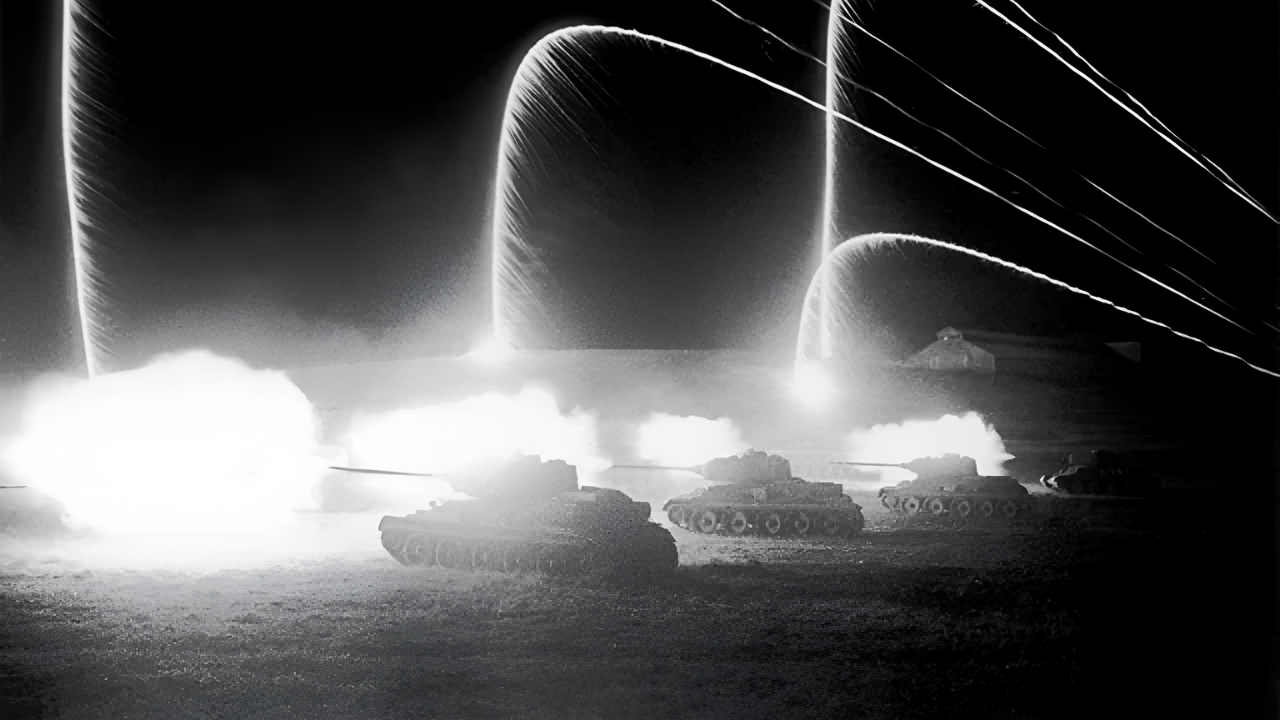
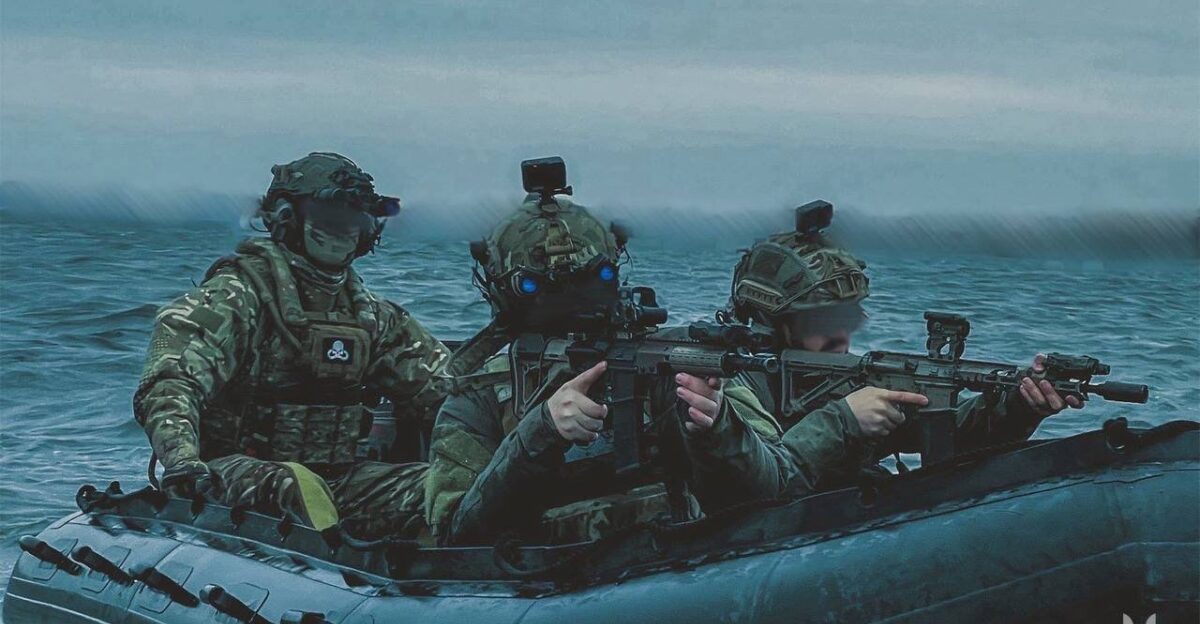
On October 6, 2024, a Ukrainian Special Operations Forces (SOF) strike destroyed a Russian S-400 “Triumf” air defense system near Simferopol, Crimea. The attack, carried out with inexpensive FP-2 drones, marked a pivotal moment in the ongoing conflict, exposing vulnerabilities in Russia’s most advanced military hardware and signaling a shift in the nature of modern warfare.
The S-400’s Role and Its Loss
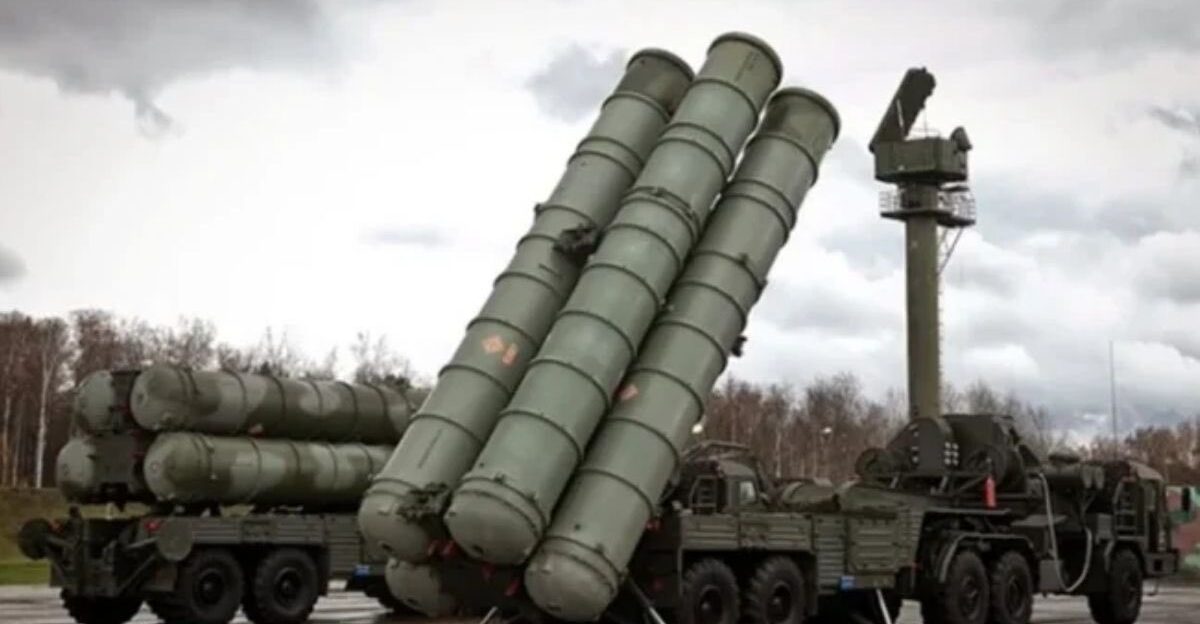
The S-400 “Triumf” is Russia’s premier air defense system, designed to intercept ballistic missiles, cruise missiles, and stealth aircraft at ranges up to 400 kilometers. Since its deployment in 2007, it has formed the backbone of Russia’s layered air defense, especially in strategically vital regions like Crimea. The destruction of an S-400 in Crimea is the first confirmed loss of this system in the nearly four-year conflict, removing a key shield for Russian military assets and undermining the perception of Russian air defense invulnerability.
This loss is not just a tactical setback. The attack also destroyed the system’s radar, power units, and a large ammunition depot, further degrading Russian anti-air capabilities. The event challenges the long-held belief in the S-400’s impregnability and signals to both sides that even the most sophisticated defenses can be breached.
Drone Warfare and Asymmetric Tactics
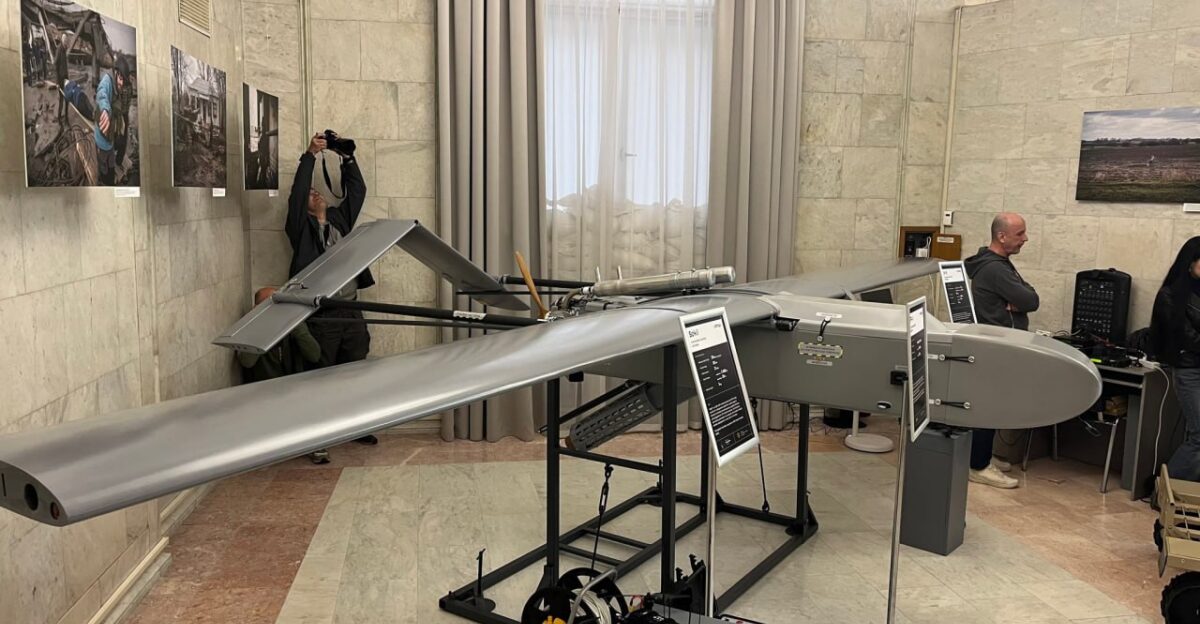
The Ukrainian operation relied on FP-2 drones, each costing less than $100,000, to target and destroy a system valued at up to $1.2 billion. Ukrainian intelligence operatives inside Crimea provided precise targeting information, allowing the drones to evade Russian defenses and strike with devastating effect. The use of drone swarms overwhelmed the S-400’s support infrastructure, setting the launcher ablaze and crippling its operational capacity.
This attack exemplifies the growing role of unmanned aerial systems (UAS) as force multipliers in modern conflict. Rather than relying on expensive, brute-force technologies, Ukraine leveraged networked intelligence and low-cost drones to achieve a high-value result. The strike demonstrates how drones can serve as “force equalizers,” enabling smaller or less-resourced militaries to challenge technologically superior adversaries.
The Intelligence War Beneath the Surface
Central to the operation’s success was the work of covert Ukrainian intelligence networks operating within Crimea. These networks, skilled in human intelligence and signal interception, penetrated areas tightly controlled by Russian security forces. Notably, there was a month-long intelligence blackout before the strike was publicly disclosed, underscoring the sophistication and operational security of Ukrainian intelligence efforts.
This clandestine campaign highlights the evolving nature of warfare, where battles are fought not only on the front lines but also in the shadows. Sabotage, psychological operations, and espionage now play a critical role, forcing Russia to contend with an unpredictable and invisible battlefield.
Economic and Psychological Impact
The destruction of the S-400 system by relatively inexpensive drones produced a staggering cost-exchange ratio—about 12,000:1. Alongside the launcher, supporting assets worth up to $500 million were also lost. This economic asymmetry calls into question traditional military procurement strategies that prioritize costly, complex systems. It demonstrates that strategic harm can be inflicted without matching an adversary’s expenditures, reshaping the economics of modern conflict.
The psychological blow to Russia is equally significant. The loss undermines the narrative of technological superiority and impenetrable defenses, potentially eroding morale among Russian troops and commanders. For Ukraine and its allies, the incident is a powerful example of how asymmetric tactics can yield outsized results, encouraging further innovation and boldness.
A New Era in Military Doctrine
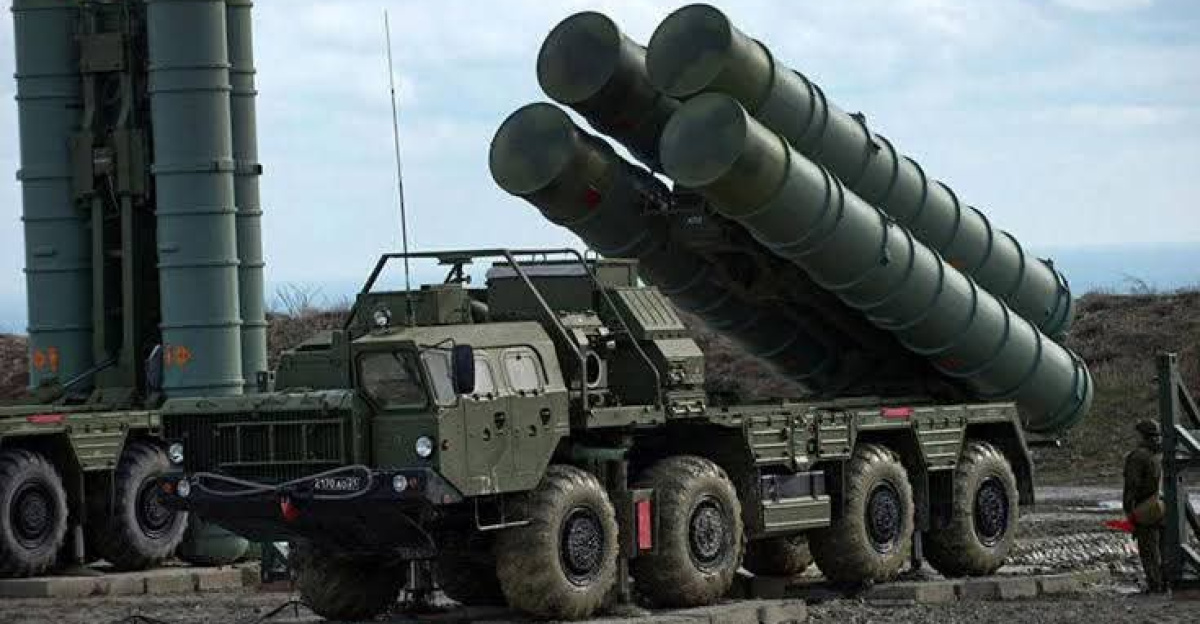
The attack on the S-400 system reveals critical vulnerabilities in even the most advanced military hardware. The destruction of the 92N6E radar—the “eyes” of the system—along with power supplies and ammunition depots, rendered the launcher inoperable. This underscores a paradox of modern military technology: increased complexity and integration can create single points of failure that are exploitable by agile, asymmetric tactics.
The strike also has broader implications for control of Crimean airspace. With the S-400’s coverage reduced, Russia’s ability to detect and intercept Ukrainian air operations is diminished, creating new vulnerabilities and forcing a reallocation of resources to shore up defenses.
Looking Ahead: The Stakes of Asymmetric Warfare
The October 2024 destruction of Russia’s S-400 system by Ukrainian SOF marks a turning point in the conflict and in the evolution of modern warfare. It demonstrates that creativity, intelligence, and precision can overcome cost and complexity, rewriting the rules of military engagement. As drone warfare and asymmetric tactics continue to reshape the battlefield, militaries worldwide may be compelled to rethink their doctrines, procurement strategies, and assumptions about what constitutes true security in the twenty-first century.