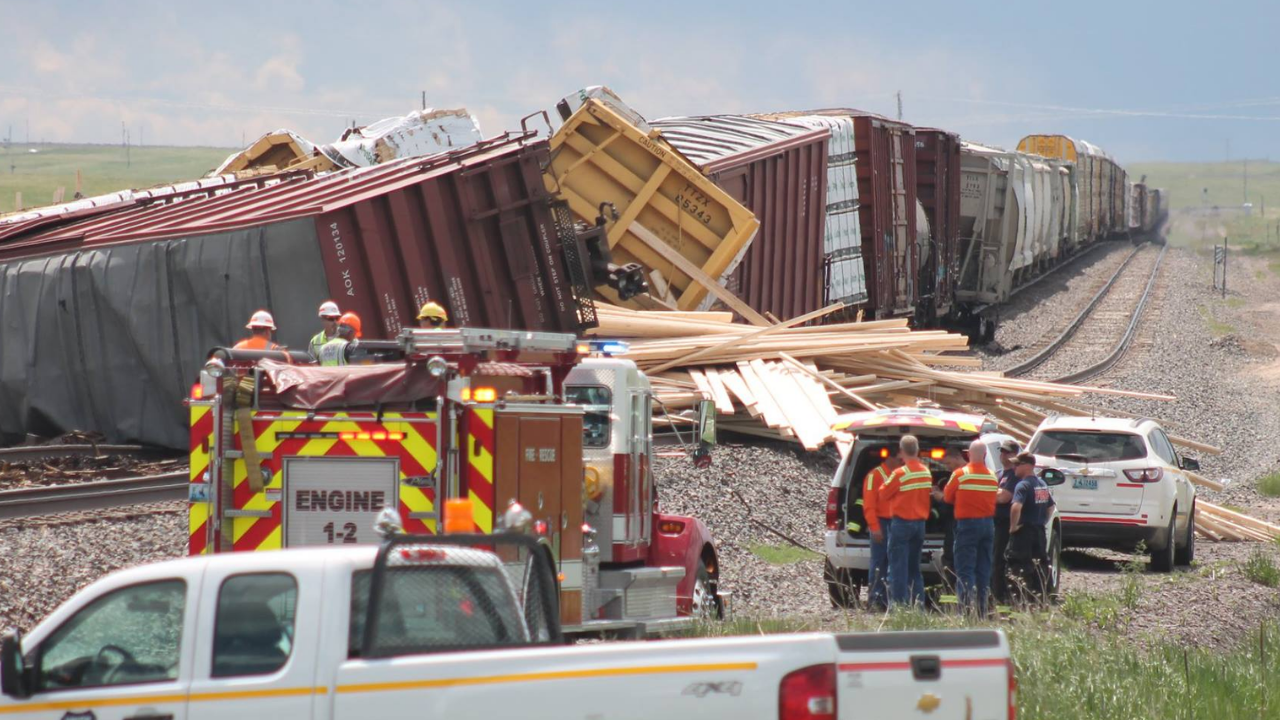
A powerful atmospheric river storm system devastated the western United States from December 17-20, 2025, bringing historic wind gusts and widespread destruction. Wyoming experienced the brunt of the extreme weather, with wind speeds reaching 144 miles per hour on Mount Coffin in Lincoln County—one of the strongest winds ever recorded in the state.
The system affected millions across the nation, forcing evacuations, closing interstates, and causing approximately 750,000 power outages.
BNSF Train Derailed Near Cheyenne
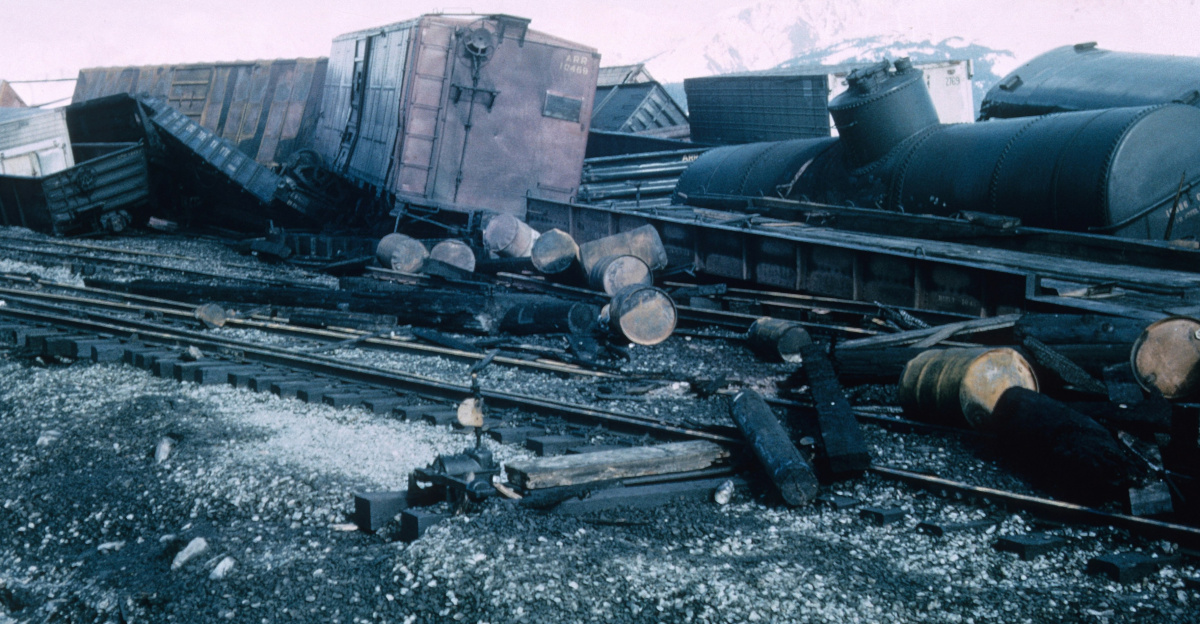
On December 19, 2025, a BNSF Railway freight train carrying over 150 double-stacked shipping containers derailed near Federal, Wyoming, approximately 17 miles northwest of Cheyenne. More than 100 freight cars toppled from the tracks in what experts called a “blow-over event” rather than a traditional derailment caused by mechanical failure.
The incident occurred during the peak of the extreme wind event, with sustained winds of 50-70 mph and gusts reaching 75-78 mph battering the notoriously windy Cheyenne-Laramie corridor.
Wind Gusts Shatter Wyoming Records

Wyoming recorded extraordinary wind measurements during the December 17-19 period, with multiple locations reporting hurricane-force conditions. South Pass between Farson and Lander experienced 123 mph gusts, while Hunt Field Airport in Lander documented 92 mph winds.
Platte County recorded 112 mph gusts, and Mount Coffin’s 144 mph measurement ranks among the strongest winds ever measured in Wyoming, though below the state record of 165 mph set in February 2017.
Empty Containers Create “Giant Billboard”
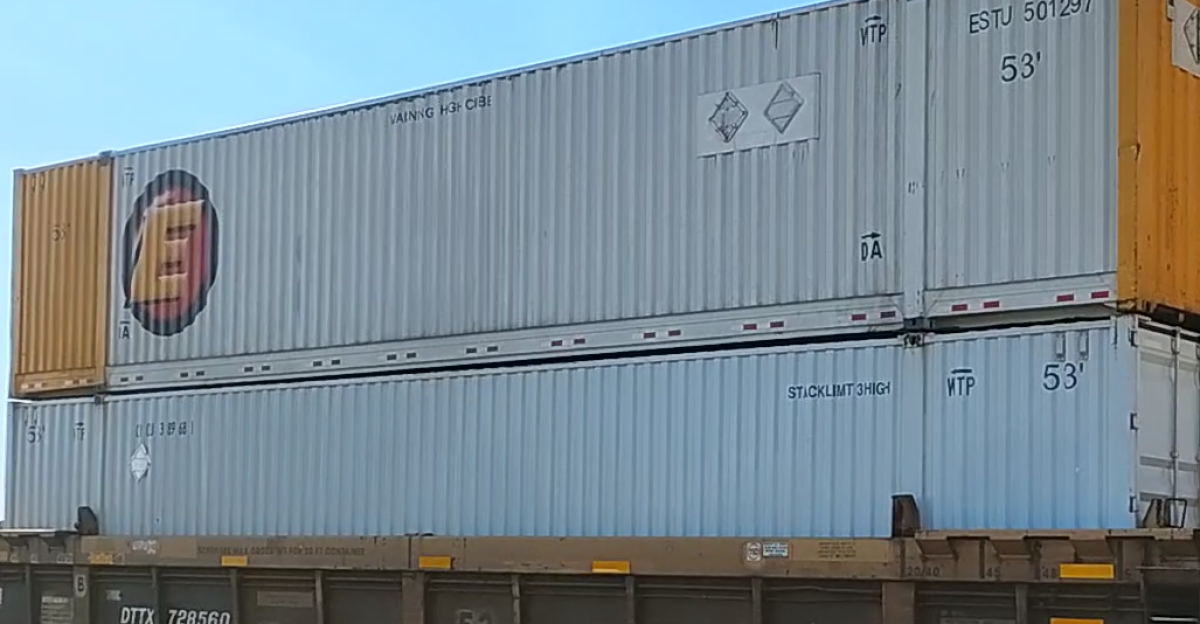
The train consisted primarily of empty or lightly loaded double-stacked intermodal containers, each standing 8-10 feet tall and creating a combined height of 16-20 feet when stacked. Eyewitness Bob Bailey noted the containers “appeared empty, making them more susceptible to be blown over.”
Retired Union Pacific employee Stan Blake described the configuration as “like a giant billboard going down the rails,” explaining that empty containers weighing only 2-3 tonnes present minimal resistance to wind forces.
Domino Effect Caused Massive Derailment
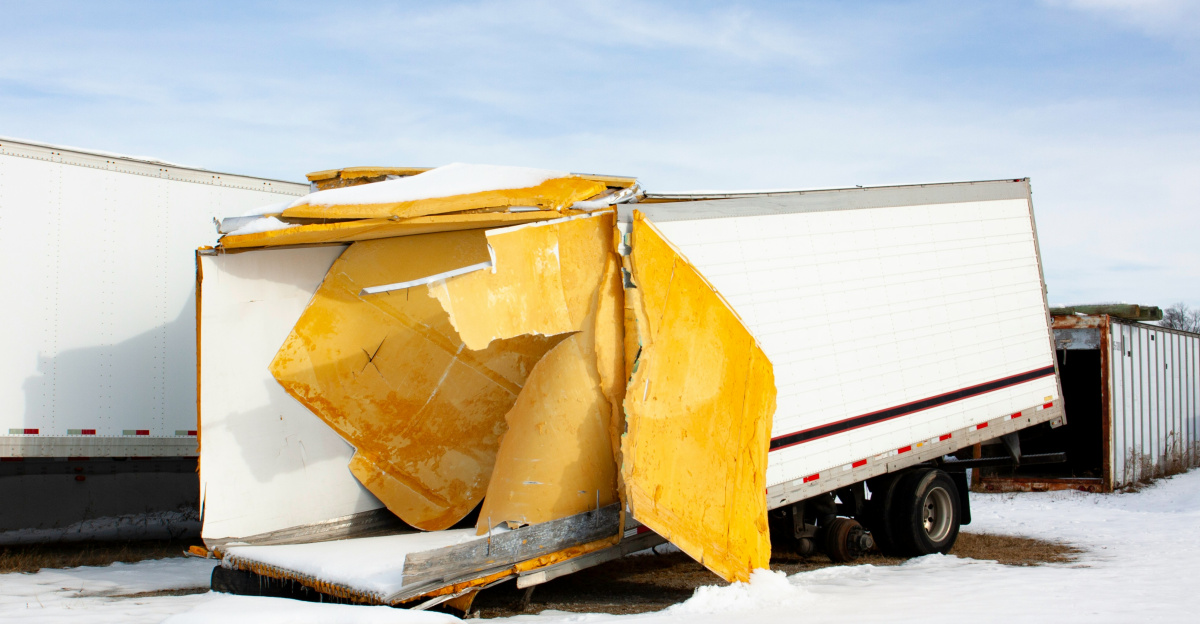
The derailment likely began when a single freight car was struck by an extreme wind gust, triggering a catastrophic domino effect. Blake explained: “When one falls over, they all fall over” because strong shelf couplers connecting rail cars prevent separation.
He continued, “If one starts to tip over, the next one’s going to go, and that’ll take the whole thing down.” This cascading failure toppled over 100 freight cars across the derailment site, creating what witnesses described as an unprecedented scene of destruction along the remote Wyoming track.
Cheyenne-Laramie Corridor: Notorious Wind Zone

The derailment occurred in one of North America’s most wind-prone corridors, where geography creates perfect conditions for wind acceleration. The terrain between Cheyenne and Laramie features canyons and complex topography that funnel and accelerate winds as they flow from lower to higher elevations.
National Weather Service meteorologist Don Day noted: “That’s a notoriously windy area…It’s really nasty.”
Interstate Closures and Highway Blowovers

Wyoming’s Department of Transportation implemented extensive closures for high-profile vehicles on Interstates 80 and 25 during the extreme wind period. Despite closures, the Wyoming Highway Patrol reported at least 40 vehicle blow-overs during the December 17-19 event alone. An earlier wind event on December 10-11 produced 39 blowovers in three days.
Senior Public Relations Specialist Aaron Brown noted that some blown-over semi-trucks actually exceeded the weight restrictions, demonstrating that even compliant vehicles remained vulnerable to the extreme forces.
Winchester Hills Wildfire Forces Evacuations
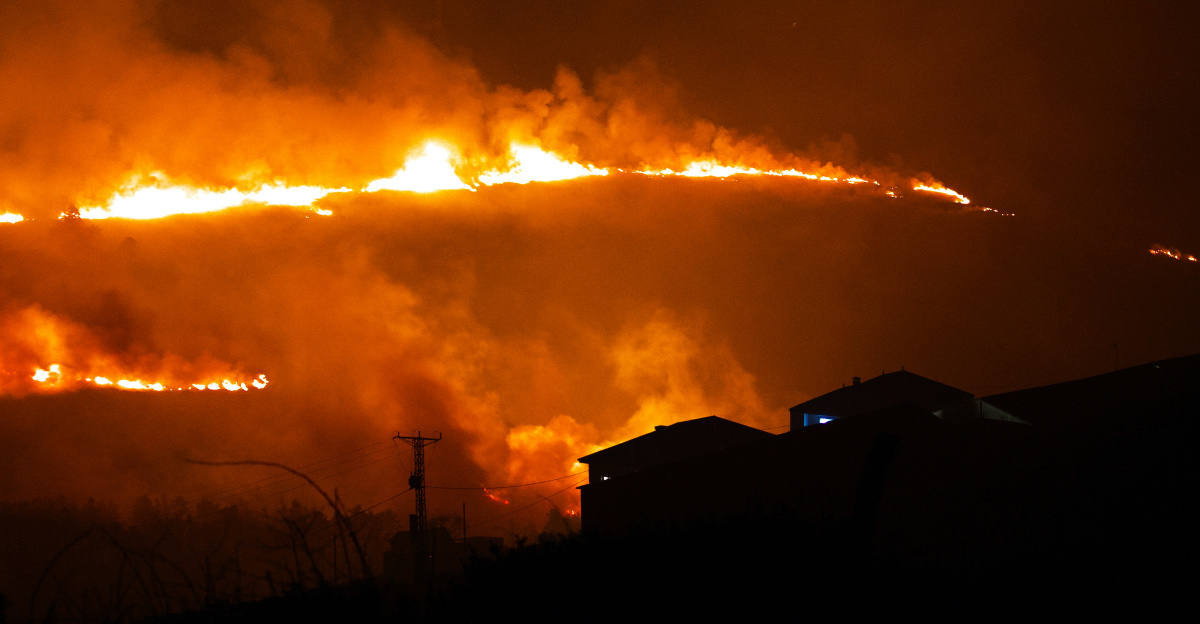
The extreme winds sparked the Winchester Hills Fire south of Cheyenne, burning 565 acres near Winchester Hills and Bison Crossing subdivisions on December 18. Evacuation orders were issued at approximately 4:26 PM, giving residents only 10-15 minutes to flee before approaching flames.
More than 100 firefighters deployed to protect homes, with one greenhouse destroyed but all residences saved despite flames reaching within feet of structures. Wind gusts of 45-70 mph drove the rapid fire spread, while Black Hills Energy shut off power for crew safety.
Yuma County Fires Burn 14,000+ Acres
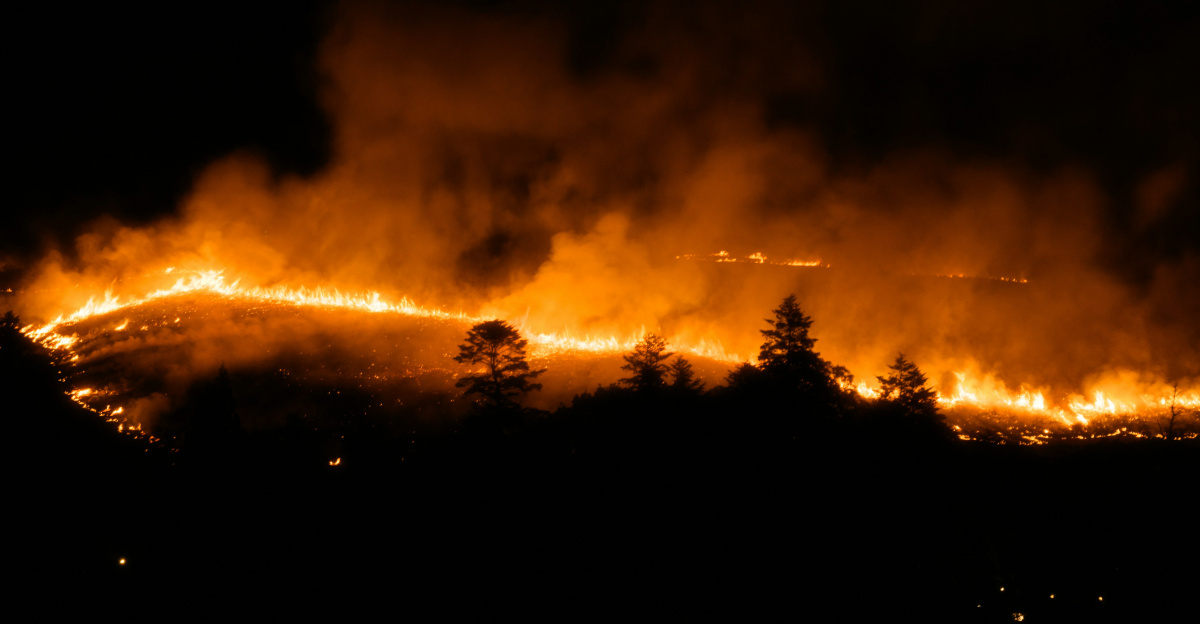
Colorado’s Yuma County experienced catastrophic wildfires driven by the same extreme winds, with multiple fires burning over 14,000 acres combined. The County Road 33 Fire consumed approximately 12,000 acres in the largest blaze, followed by the County Road L Fire (2,000 acres) and County Road 44 Fire (50 acres).
Wind gusts approaching 70 mph ignited fires around 8:50 PM Wednesday, with downed power lines identified as the likely cause.
Rare Red Flag Warning Issued
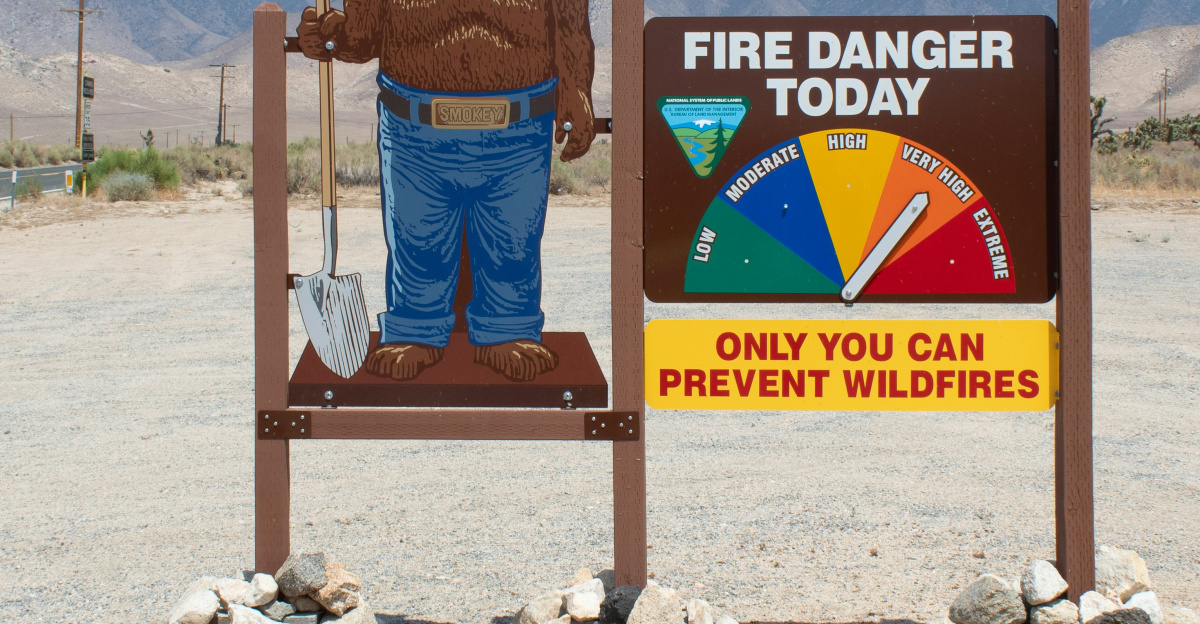
A “Particularly Dangerous Situation” (PDS) Red Flag Warning was issued for parts of Colorado—the first-ever PDS warning in Colorado history. These warnings are reserved for the most extreme fire weather conditions combining low humidity, strong winds, and high temperatures.
The warning covered Boulder and Jefferson counties in Colorado and Laramie County in Wyoming, where extreme fire weather conditions created dangerous wildfire potential.
Massive Power Outages Affect Region

The storm system caused widespread power outages affecting hundreds of thousands across the western United States. While Wyoming utilities like Black Hills Energy maintained service, Colorado’s Xcel Energy implemented proactive Public Safety Power Shutoffs affecting over 69,000 customers.
The Pacific Northwest experienced the most severe outages, with nearly 600,000 customers across Washington, Oregon, and Idaho losing electricity.
Recovery Crews Clear Tracks in 18 Hours
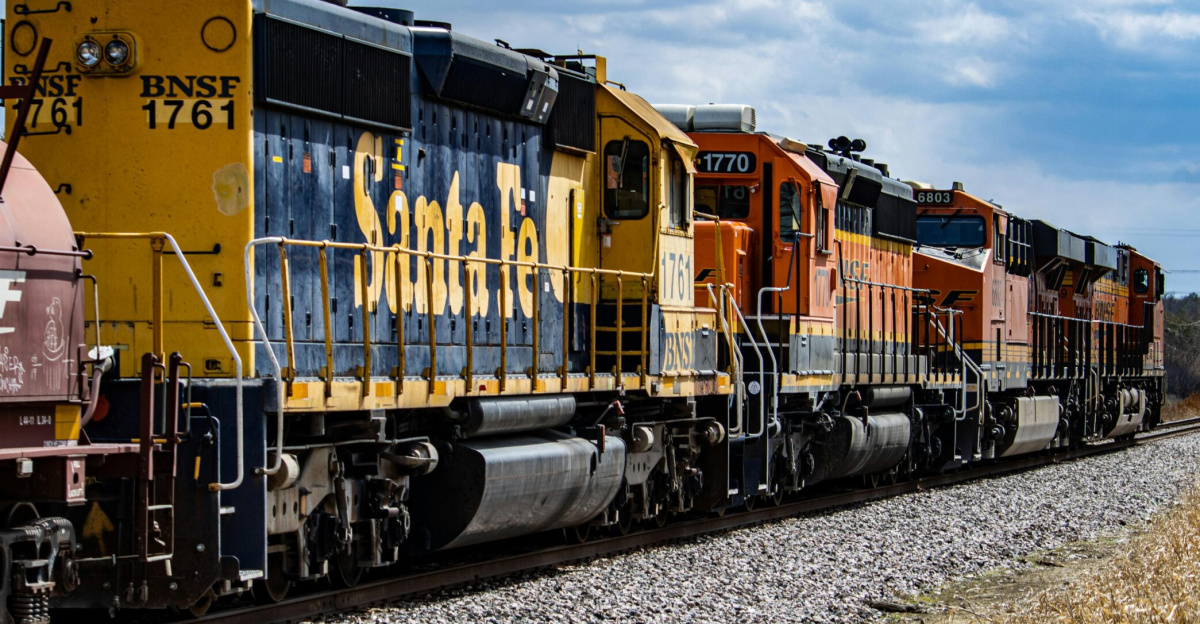
BNSF Railway mobilized an impressive recovery operation to clear the derailed freight cars and restore rail service. The crew deployed four excavators working in perfect coordination, over 30 personnel operating through the night, and heavy cranes to handle the toppled cars.
Resident Alicia Brown observed: “They had all that equipment, and over 30 people on the ground, working through the night and in the wind.” Remarkably, the tracks were cleared and ready for service approximately 18 hours after mobilization began on Friday afternoon.
Federal Railroad Administration Declines Investigation
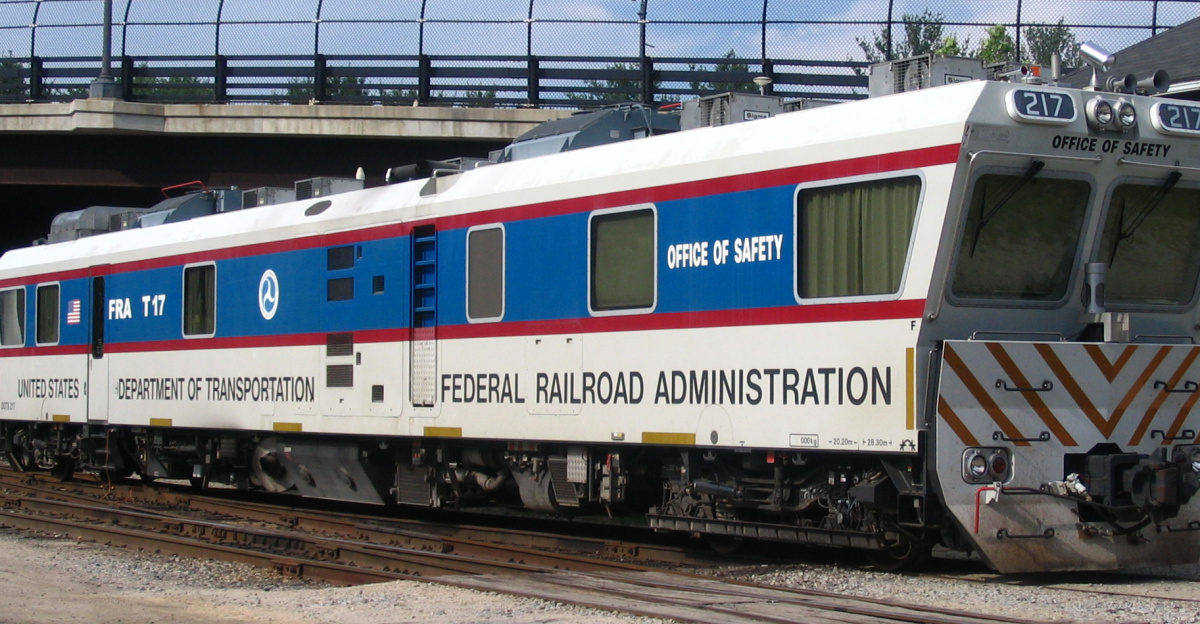
The Federal Railroad Administration determined the derailment resulted from natural forces and declined to launch a formal investigation. FRA deputy director Warren Flatau stated: “It’s not unusual for high winds to lead to a derailment.
This occurs every year, possibly several times a year.” BNSF remains required to file a damage report with the FRA since the incident exceeded the $12,600 monetary damage threshold. The classification as a weather-related natural event rather than equipment or infrastructure failure means that detailed operational decisions and specific contributing factors may never be publicly disclosed.
Aerodynamic Vulnerability of Double-Stacked Trains
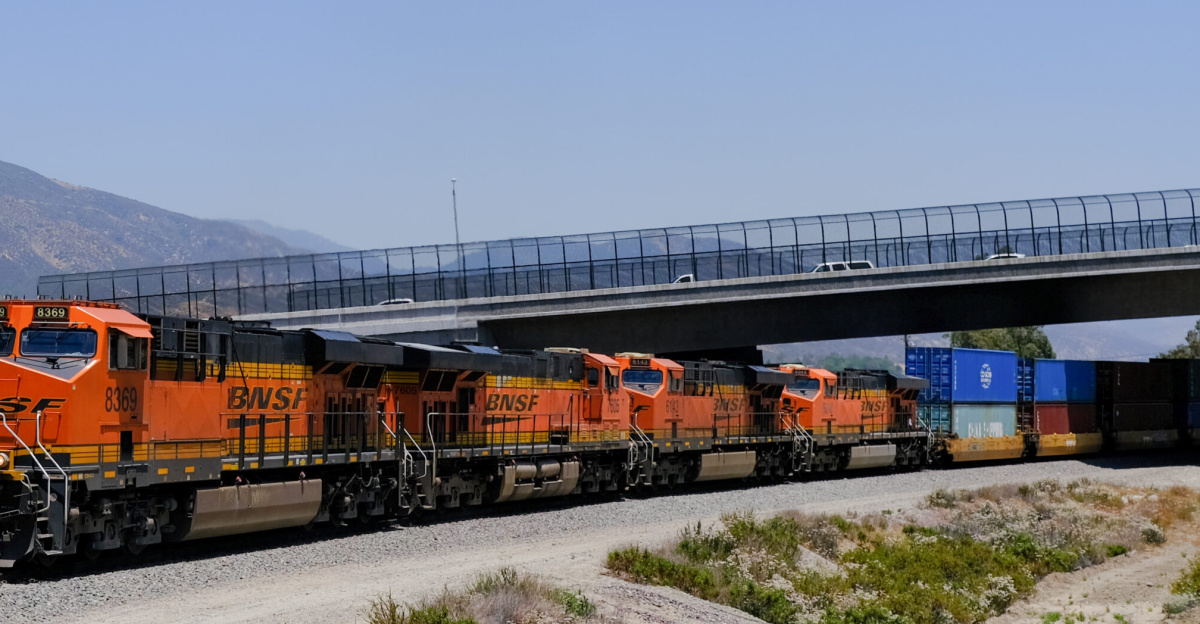
Research into wind effects on freight trains has established that empty double-stacked containers are particularly susceptible to overturning from wind forces. Studies indicate that wheel unloading—where wheels lose contact with rails—can occur with atmospheric winds as low as 50-62 miles per hour when combined with train movement and the natural oscillations of lightly loaded containers.
Wind tunnel testing demonstrates that containers act like sails, with the most dangerous conditions occurring when winds approach at 60-80 degree angles to the train’s direction of travel.
Wyoming’s Ongoing Wind Challenge
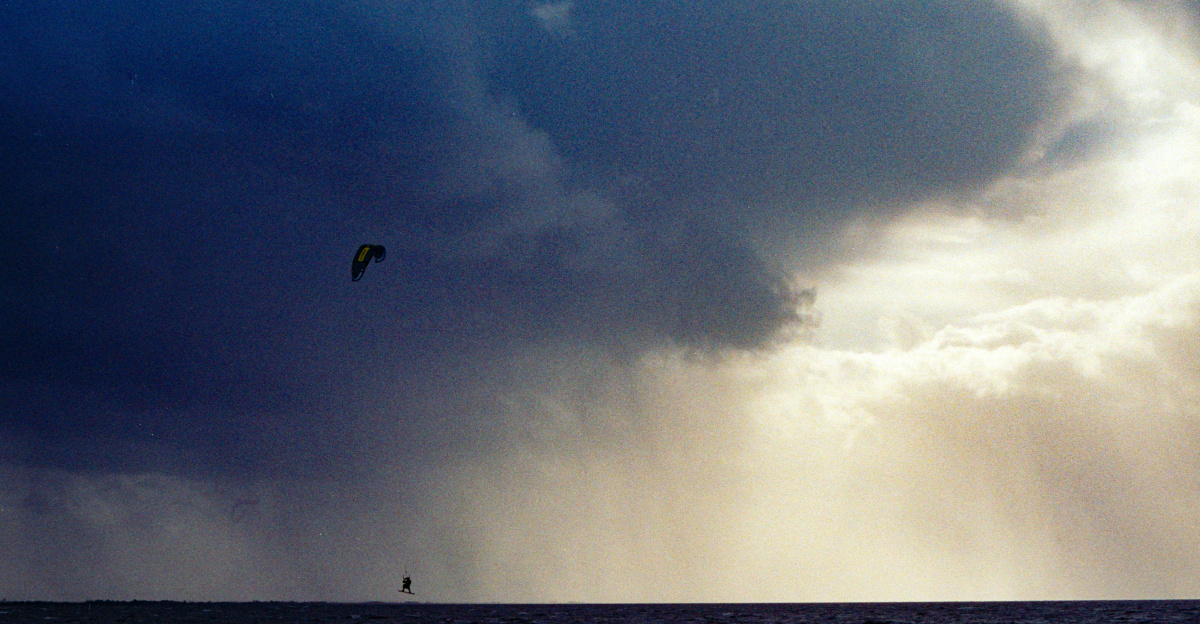
Wyoming faces persistent extreme wind challenges due to its topography, geographic position, and seasonal weather patterns. The December 2025 event represents one of many historic wind episodes affecting the state, with meteorologists attributing such events to powerful jet streams driven by temperature differences between Arctic and tropical air masses.
The Cheyenne-Laramie corridor remains particularly vulnerable due to canyon terrain that accelerates winds during severe weather systems.
Sources:
“Freight Cars Topple Off Tracks After Wyoming’s Fierce Windstorm,” Cowboy State Daily, December 19, 2025.
“144 MPH Wind Gust Is Strongest Ever Recorded in Wyoming,” Cowboy State Daily, December 17, 2025.
“December 17-18, 2025 Historically High Winds,” National Weather Service Cheyenne Office, December 16, 2025.
“Crew Clears 100+ Derailed Freight Cars From Track Near Cheyenne in 18 Hours,” Cowboy State Daily, December 21, 2025.
“Train Derailed by Wind Gusts North of Cheyenne,” Yahoo News / Associated Press, December 23, 2025.
“Wyoming Troopers Responded to 39 Semi Truck Blowovers This Week,” CDL Life, December 11, 2025.