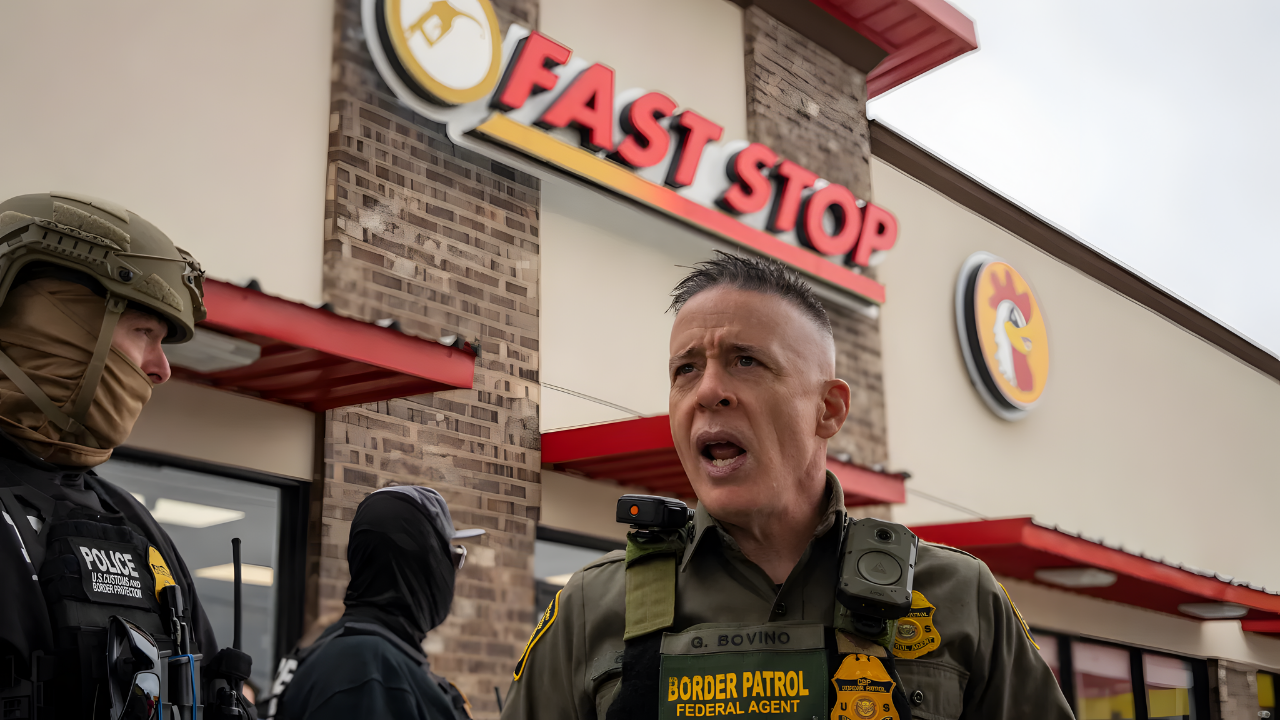
On December 6, 2025, a 19-year-old assistant manager at Brother’s Food Mart in Kenner, Louisiana, locked the front door as U.S. Border Patrol agents approached, sparking a viral video that ignited national debate over private property rights and federal immigration enforcement.
Wayne Davis captured the moment on his phone, raising his middle finger and shouting, “You want some chicken? You ain’t getting it here, bro. Go somewhere else.” The clip amassed millions of views, highlighting tensions during a sweeping federal operation in the New Orleans area.
Davis’s Defiant Stand
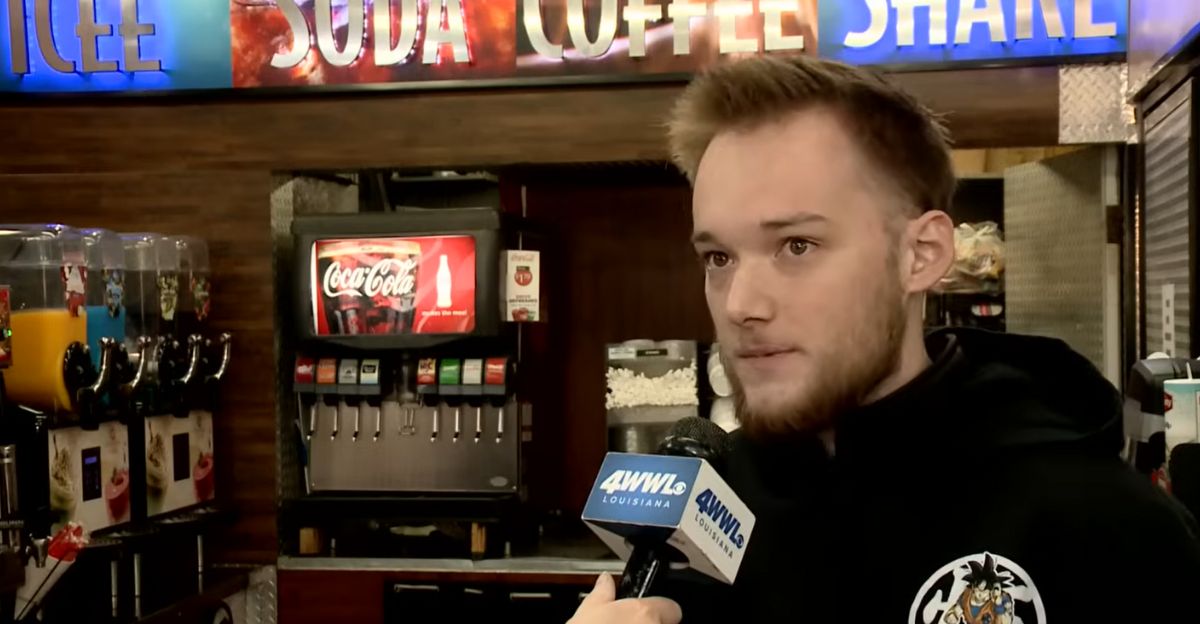
Interviewed afterward, Davis expressed no regret. “I actually don’t feel bad whatsoever. I’m not the type of person you can intimidate easily,” he told WWL Louisiana. “So I did my research and I knew what I can say and what I can do.”
He stood firm even when asked about agents returning. “If they want to come back, let them come back. You know, I’m ready,” Davis said. His actions aimed to shield anxious Hispanic customers and coworkers inside the store.
Legal Rights on Private Ground
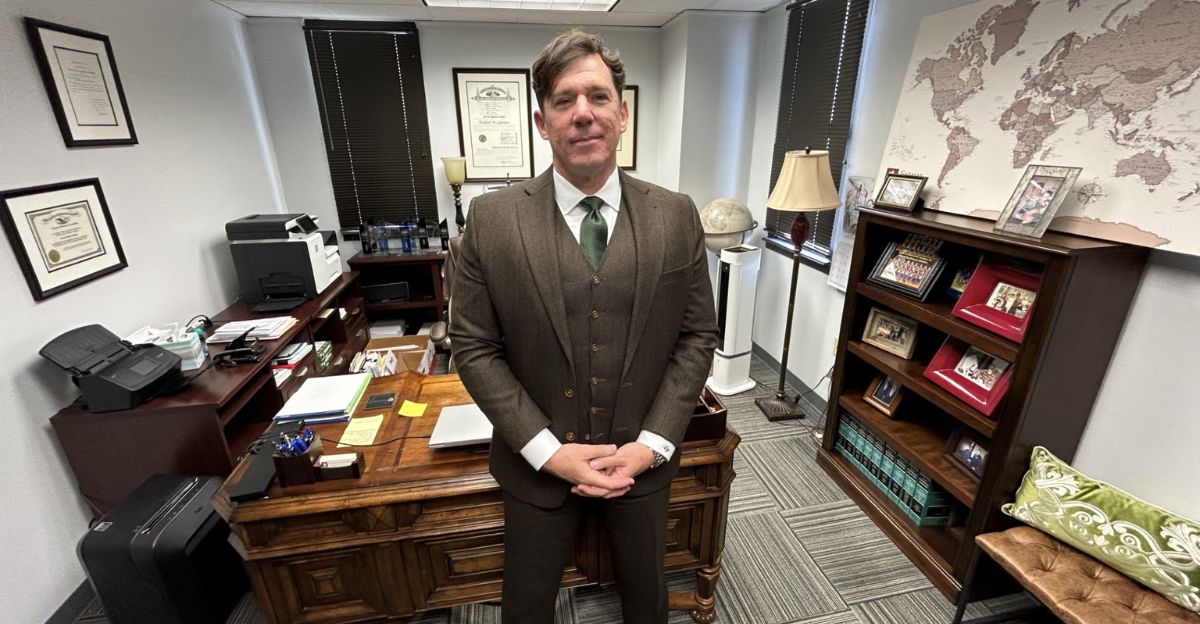
Immigration attorney Michael Gahagan affirmed Davis’s position under Louisiana law. Federal agents need judicial warrants—signed by judges—to force entry onto private property, distinct from interfering with their duties. “It’s their property, their private property, forbidding you from coming in is not the same as preventing [agents] from doing their job,” Gahagan stated.
Davis had studied these rules beforehand, invoking Fourth Amendment protections against warrantless intrusions. Administrative warrants from immigration officials do not grant the same access to non-public areas.
Operation Catahoula Crunch Unfolds
The incident unfolded amid Operation Catahoula Crunch, a federal enforcement push starting December 3, 2025, in the New Orleans metro area. By December 18, the Department of Homeland Security reported 370 arrests, far below the initial 5,000 target revealed in internal plans—achieving just 7.4 percent in two weeks.
DHS touted captures of serious criminals, including those convicted of rape, theft, gang activity, and smuggling. Yet early data showed only nine of 38 detainees in the first two days had records, or 24 percent—mirroring national ICE trends where over 70 percent of arrestees lack convictions.
Enforcement Expansion and Pushback
Leading the operations was Border Patrol Commander Gregory Bovino, appointed “Commander at Large” by DHS Secretary Kristi Noem in a non-statutory role reporting directly to her. Bovino oversaw the Kenner raid and similar actions since June.
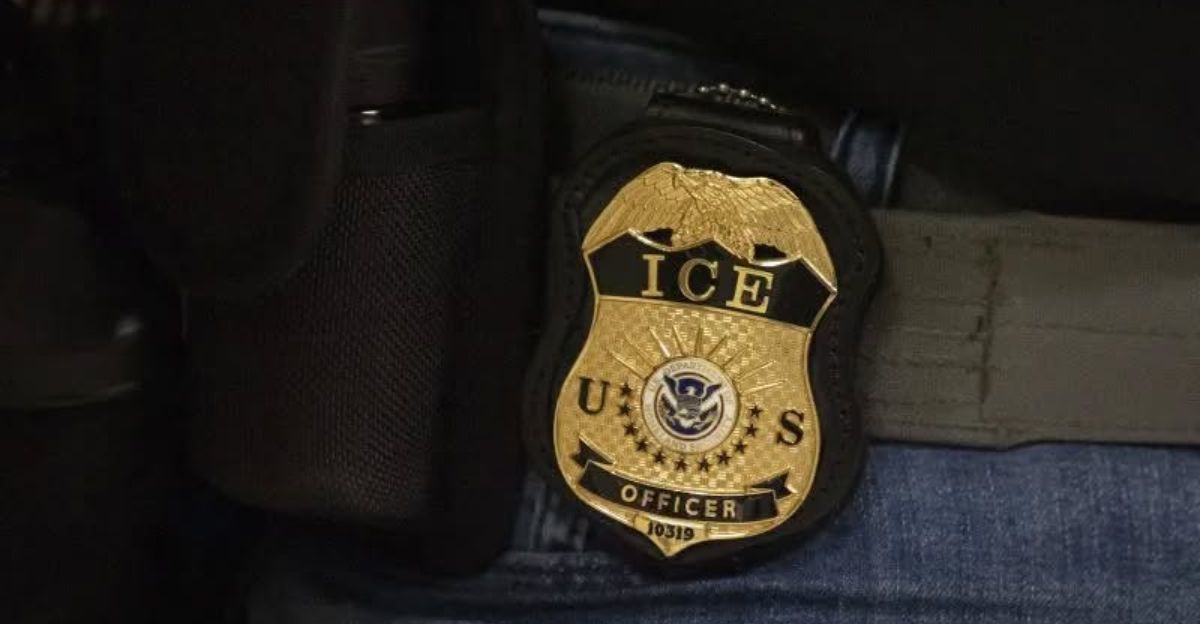
To support a Trump administration goal of one million annual deportations—backed by nearly $30 billion—DHS offered up to $50,000 signing bonuses, loan repayment, overtime, and retirement perks to hire 10,000 ICE agents. Noem called it a national duty: “Your country is calling you to serve at ICE. This is a defining moment in our nation’s history.”
Tactics drew scrutiny. In Chicago, lawsuits alleged excessive force against civilians, media, and protesters. Federal Judge Sara Ellis issued an injunction in November 2025, later extending it after finding Bovino misrepresented threats under oath.
Louisiana’s Republican leaders, including Governor Jeff Landry, backed the efforts with state police support. State Senator Kirk Talbot said he believes the federal operation will ultimately benefit the city. New Orleans, however, upheld sanctuary policies from 2016, limiting cooperation. Mayor-elect Helena Moreno voiced worries over due process, while Councilwoman Lesli Harris noted immigration violations are civil matters.
Economic Ripples and Collateral Damage
The operation disrupted daily life. Schools in Jefferson Parish saw doubled absenteeism among English learners. Hispanic businesses like Taqueria Guerrero closed indefinitely. Restaurants faced staffing shortages as legal workers stayed home from fear; French Quarter co-owner Amarys Koenig Herndon said employees were “laying low and not collecting their paychecks.”
Supply chains faltered with Latin suppliers short-staffed. ICE directives urged 3,000 daily arrests, including “collaterals” met incidentally without warrants. Cases included masked agents chasing a U.S.-born woman in Marrero to her home, highlighting concerns over collateral detentions of citizens.
Nationally, 75,000 non-criminal arrests occurred from January to October 2025, one-third of total ICE actions. The Cato Institute found 65 percent of detainees had no convictions, 93 percent none violent.
Communities responded with vigilance. Craig Kraemer’s “N’awlins Hung Gringos” Facebook group rallied lunches at Hispanic spots. On December 13, supporters gathered at Jalisco Mexican Restaurant in Kenner, with owners locking doors post-entry and Kraemer watching for agents.
Attorney Kathleen Gasparian warned that broad priorities risk targeting any community member, testing Fourth Amendment limits.
These enforcement drives, projected to cost at least $315 billion over a decade per the American Immigration Council, could slash 5.9 million jobs over four years in sectors like construction and child care, according to the Economic Policy Institute. As operations scale, balances between security, rights, and economic stability remain in sharp focus.
Sources:
“Kenner Store Manager Locks Border Patrol Agents Out of Store,” WBRZ-TV, December 2025.
“New Orleans Restaurants Feel Squeezed as Border Patrol Patrols,” The New York Times, December 8, 2025.
“Many People are Terrified to Come Out: Catahoula Crunch Closes Out Its First Week,” WWNO, December 9, 2025.
“370 Criminal Illegal Aliens Arrested in New Orleans,” Department of Homeland Security Official Statement, December 18, 2025.
“DHS Recruiting ‘Patriots’ to Join ICE, Offering up to $50K Signing Bonus,” KSAT-TV, July 30, 2025.
“One Million: The Private Goal Driving Trump’s Push for Mass Deportations,” The Washington Post, April 12, 2025.
“Inside the Deportation Machine,” The New York Times Interactive, December 22, 2025.