
On Christmas Eve, as families across the U.S. celebrated the holidays, the Department of Health and Human Services declared a public health emergency for Washington state. Secretary Robert F. Kennedy Jr. activated federal aid to address the fallout from relentless atmospheric river storms that had overwhelmed hospitals and isolated communities since early December.
Storms Devastate the Pacific Northwest

A series of powerful atmospheric rivers struck western Washington starting December 9, delivering straight-line winds, severe flooding, landslides, and mudslides. Power outages affected thousands, downing lines and submerging roads, which isolated neighborhoods and turned the region into a landscape of destruction. President Trump approved a Presidential Emergency Declaration on December 12, acknowledging the crisis’s scale beyond typical winter weather.
The HHS declaration, issued on December 24, applied retroactively from December 9, enabling hospitals to seek reimbursements and waivers for care provided during the prior two weeks. This timing ensured immediate access to federal resources amid ongoing chaos. The Administration for Strategic Preparedness and Response (ASPR) deployed teams, while FEMA coordinated parallel efforts, streamlining support as hospitals faced surging demands.
Vulnerable Patients in the Dark
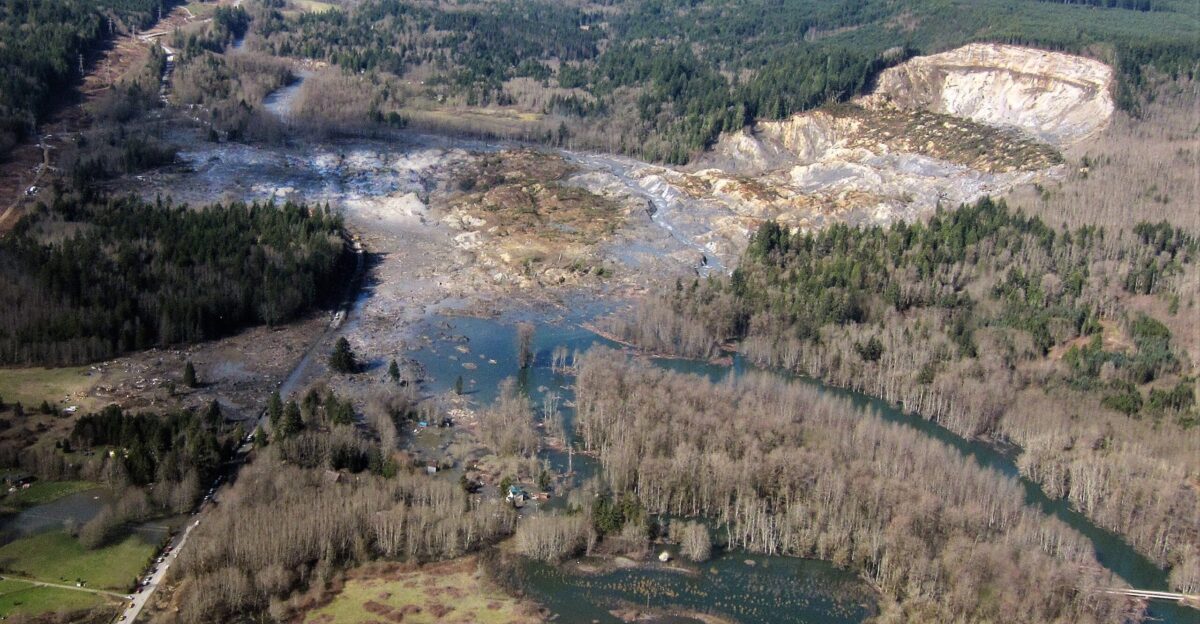
Power failures posed deadly risks to electricity-dependent residents, including elderly dialysis patients in nursing homes, homebound seniors on oxygen concentrators, and children reliant on electric wheelchairs amid floods. These individuals faced critical shortages of backup power, turning abstract vulnerabilities into immediate threats for families.
HHS leveraged its emPOWER database, which tracks locations of Medicare beneficiaries needing electricity for medical devices. This tool directed first responders to high-risk areas for wellness checks and prioritized power restoration for blocks with vulnerable patients, transforming data into actionable lifesaving intelligence.
Waivers Ease Hospital Burdens
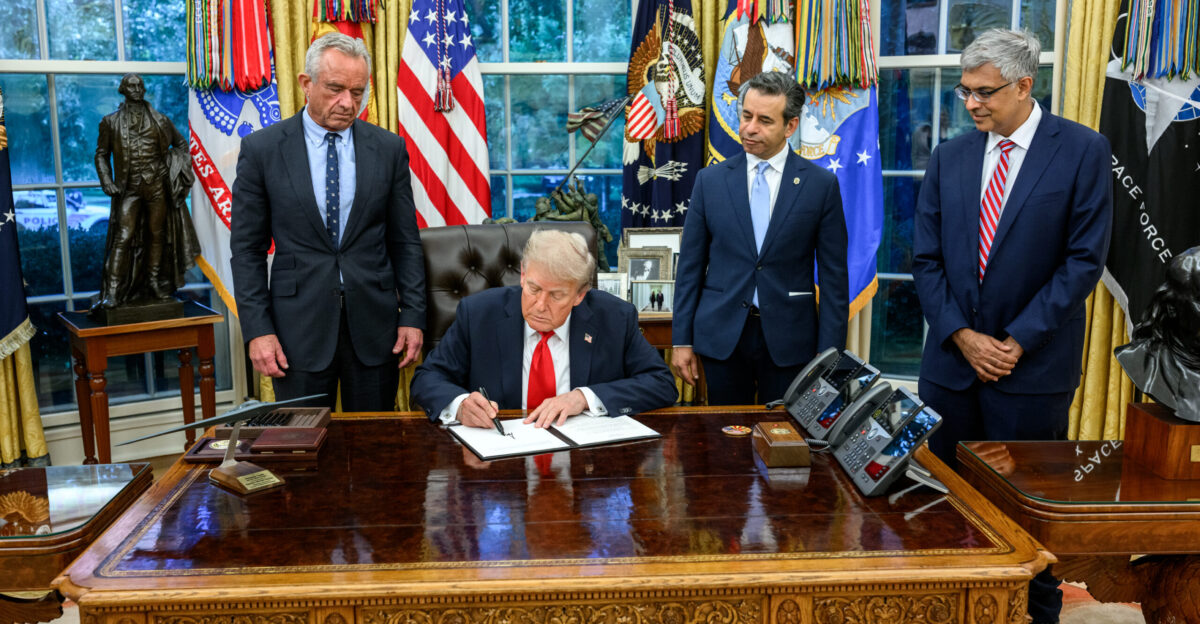
The emergency unlocked 1135 waivers, suspending Medicare rules on bed capacity, patient stays, and billing at Critical Access Hospitals. Dialysis could now occur in temporary sites like schools, shelters, or mobile clinics, bypassing requirements for certified centers. CMS flexibilities shielded providers from penalties for extended shifts, unconventional transfers, or rule bends necessitated by the disaster. HIPAA privacy restrictions were waived in affected zones, allowing hospitals to contact families directly and reunite separated loved ones.
Beyond physical recovery, the storms inflicted lasting trauma from flooded homes, lost possessions, and family separations. The Substance Abuse and Mental Health Services Administration (SAMHSA) activated its Disaster Distress Helpline at 1-800-985-5990, offering 24/7 counseling in over 100 languages to support Washington’s diverse population.
Federal Commitment Secures Recovery
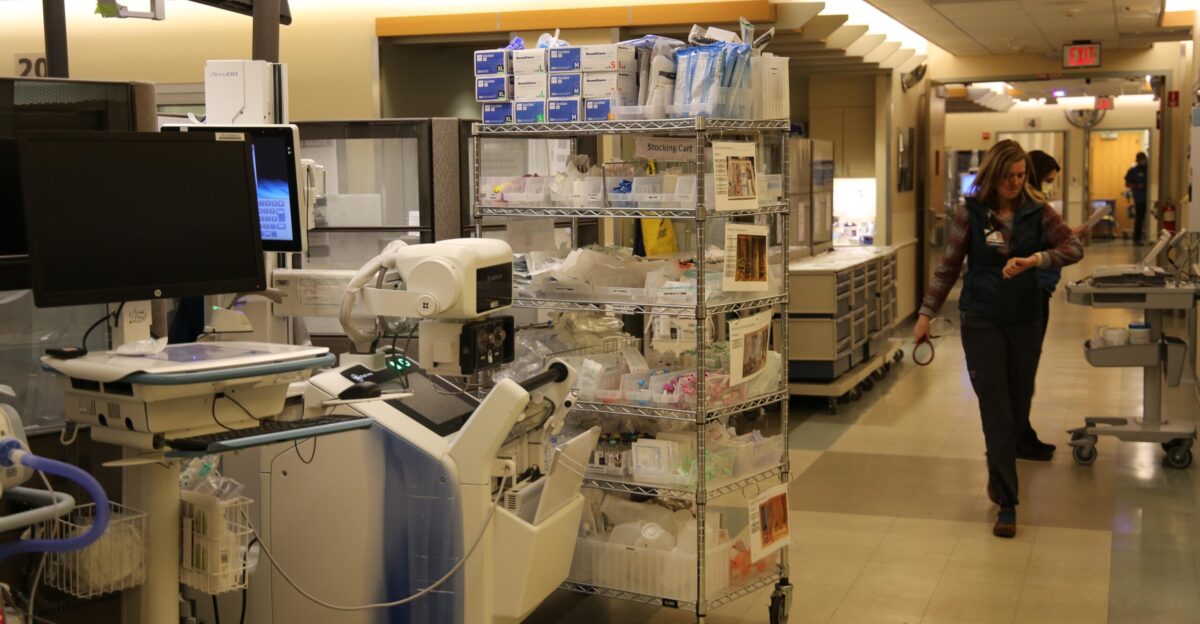
ASPR’s John Knox stated on December 24: “HHS stands ready to assist state and local response efforts in the state of Washington due to the potential health care impacts from severe storms.” This 90-day declaration, renewable as needed, provides a stable foundation for hospitals, nursing homes, and clinics, ensuring continuity without abrupt cutoffs. For Kennedy, whose tenure began amid debates over vaccines and pharmaceuticals, this marked a straightforward crisis response focused on aid.
The measure underscores federal disaster protocols, retroactively validating two weeks of unpaid frontline efforts and committing resources until recovery stabilizes. As western Washington rebuilds, the stakes remain high: sustained support will determine if local systems regain footing or require extensions amid lingering storm effects.
Sources:
HHS Declares Public Health Emergency for the State of Washington Following Severe Weather” — U.S. Department of Health and Human Services (HHS)
“DETERMINATION THAT A PUBLIC HEALTH EMERGENCY EXISTS” — U.S. Department of Health and Human Services (HHS), Federal Register / ASPR PHE Notice
“Washington Atmospheric Rivers 2025” — NASA Applied Sciences
“Disaster Distress Helpline for Immediate Crisis Counseling” — SAMHSA
“Public Health Emergency declared by federal government” — King County Emergency Management