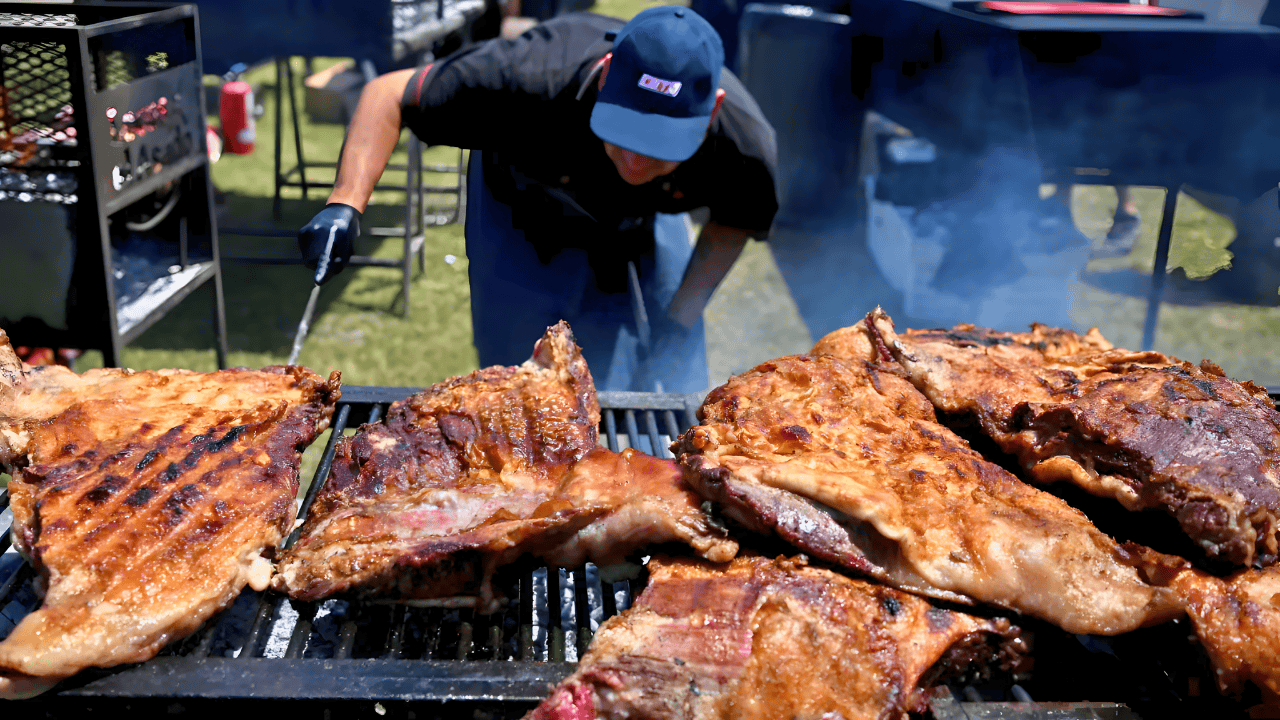
Ray Ray’s Hog Pit, a beloved Columbus barbecue chain, filed for Chapter 11 bankruptcy on December 19, 2025, closing nearly half its locations as soaring beef prices devastate the restaurant industry.
The once-thriving establishment, founded by chef James Anderson in 2009, joins a growing wave of barbecue chains collapsing under unprecedented commodity cost pressures and operational challenges facing meat-focused restaurants nationwide.
Financial Crisis Revealed in Court Documents

Smoke Ring, LLC, Ray Ray’s parent company, disclosed total assets of just $264,349 against liabilities exceeding $1.26 million in bankruptcy filings with the U.S. Bankruptcy Court for the Southern District of Ohio.
The company owes approximately $600,000 to First Merchants Bank in Upper Arlington and listed 15 total creditors. Court documents also revealed theft and fraud by a former accounting manager, though the exact loss amount remains undisclosed.
Three Locations Shuttered Before Filing
Before seeking bankruptcy protection, Ray Ray’s closed three locations in November 2025: the Johnstown and Marion restaurants, both operating under the “Ray Ray’s Ohio Style” brand, and the Linworth food truck.
The Johnstown location opened in April 2025 and Marion in August 2025, meaning both operated less than a year before closing. Owner James Anderson described the closures as strategic consolidation to “refocus on what we do best—serving award-winning BBQ quickly”.
Four Core Locations Remain Open

Ray Ray’s continues operating four central Ohio locations during bankruptcy proceedings: Clintonville, Franklinton at Land-Grant Brewing, Westerville, and Granville.
The company filed under Chapter 11 Subchapter V, a streamlined bankruptcy process for small businesses with debts between $1 million and $10 million. Management insists day-to-day operations continue normally at remaining locations while the company restructures its financial obligations and develops a reorganization plan due March 19, 2026.
Beef Prices Reach Historic Highs
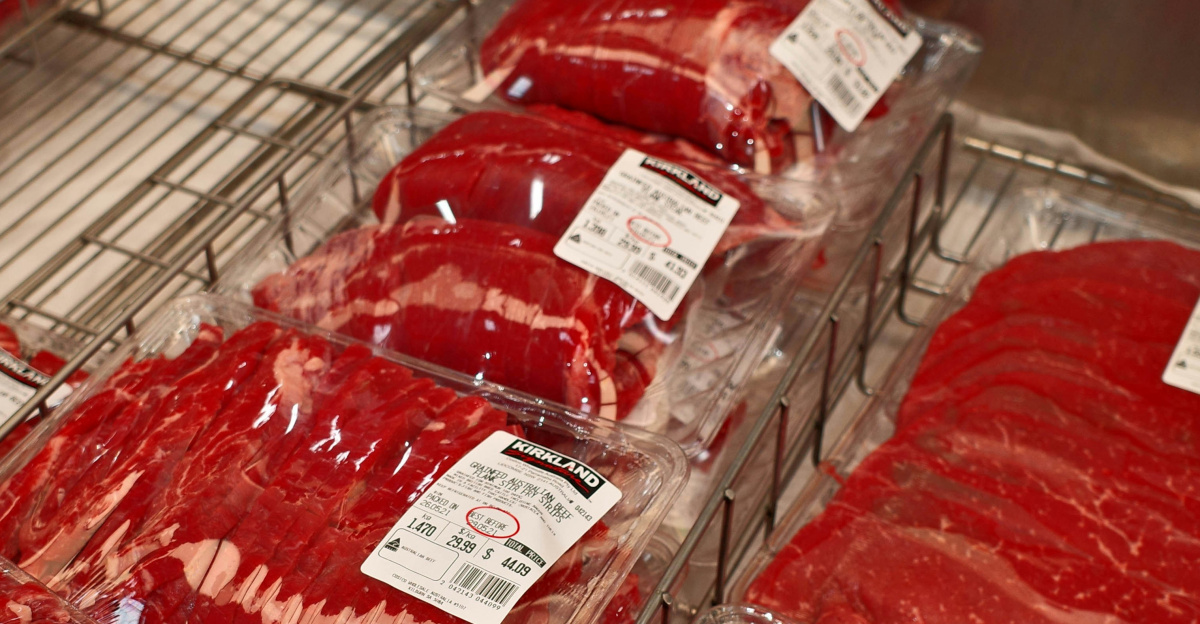
The bankruptcy stems primarily from catastrophic beef price increases driven by the smallest U.S. cattle herd since 1951. Bureau of Labor Statistics data shows ground beef prices surged 13%, steak jumped 16.6%, and minced beef climbed 12.8% year-over-year as of August 2025.
Ground beef now costs $5.67 per pound nationally, representing a 43% increase since January 2021. Industry executives project prices reaching $10 per pound by third quarter 2026, with meaningful relief unlikely until 2027.
Cattle Shortage Creates Supply Nightmare
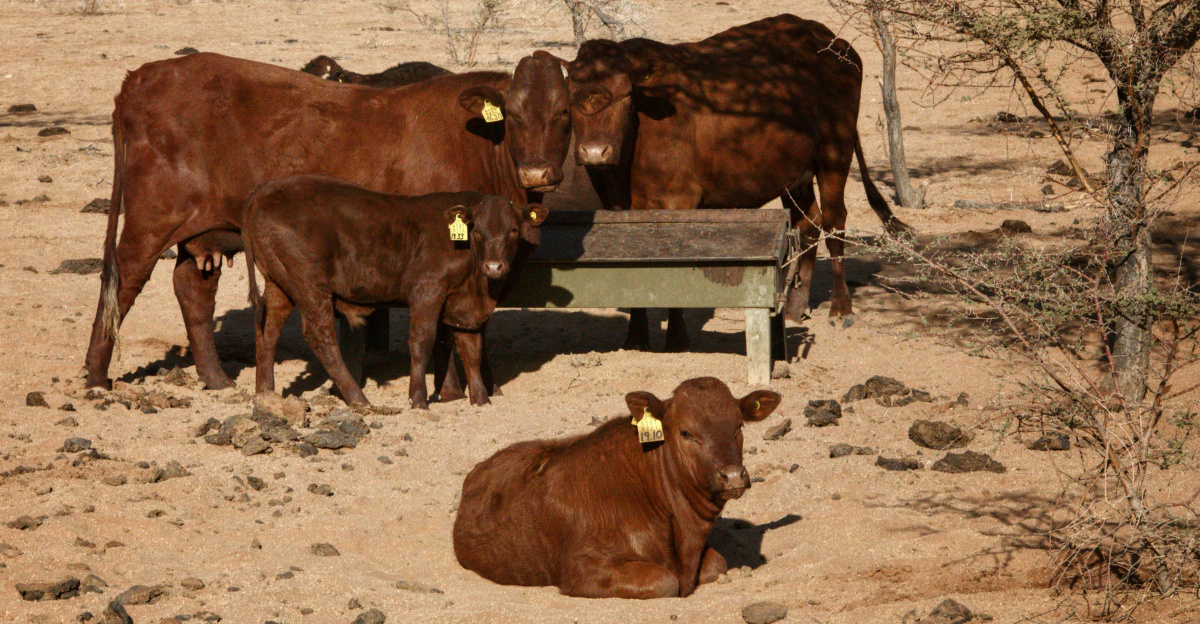
U.S. cattle inventory totaled just 86.7 million head on January 1, 2025—the lowest since 1951 and down 8.5% from 2019 levels. Persistent drought, high interest rates, expensive feed costs, and producer exits combined to shrink the national herd to the smallest July inventory since 1973.
The beef cow herd declined from 31.7 million in 2019 to 27.9 million, while the 2025 calf crop fell to just 33.1 million head—the smallest since 1948.
Recovery Timeline Extends to 2029

Industry experts say cattle herd rebuilding will take years due to beef production’s biological limitations—cows require approximately two years from breeding to producing marketable offspring.
Oklahoma State University’s Derrell Peel notes that even aggressive rebuilding efforts starting now wouldn’t impact cattle numbers until 2029. Record-high cattle prices incentivize expansion, but many producers hesitate because purchasing replacement heifers remains prohibitively expensive. The industry remains in what experts call a “holding pattern,” stabilizing but not yet growing.
From Food Truck to Culinary Recognition
James Anderson founded Ray Ray’s Hog Pit in 2009 as a food truck after learning to smoke meats with his brother following their father’s death. The self-taught pitmaster built the brand on traditional American barbecue combined with innovative techniques, earning a James Beard Award semifinalist nomination in 2020 for Best Chef: Great Lakes.
Guy Fieri featured Ray Ray’s on “Diners, Drive-Ins and Dives” in 2017, bringing national exposure. Anderson even raised heritage pigs on 15 acres, though his farm supplied only 10% of needed meat.
Barbecue Chains Face Widespread Collapse
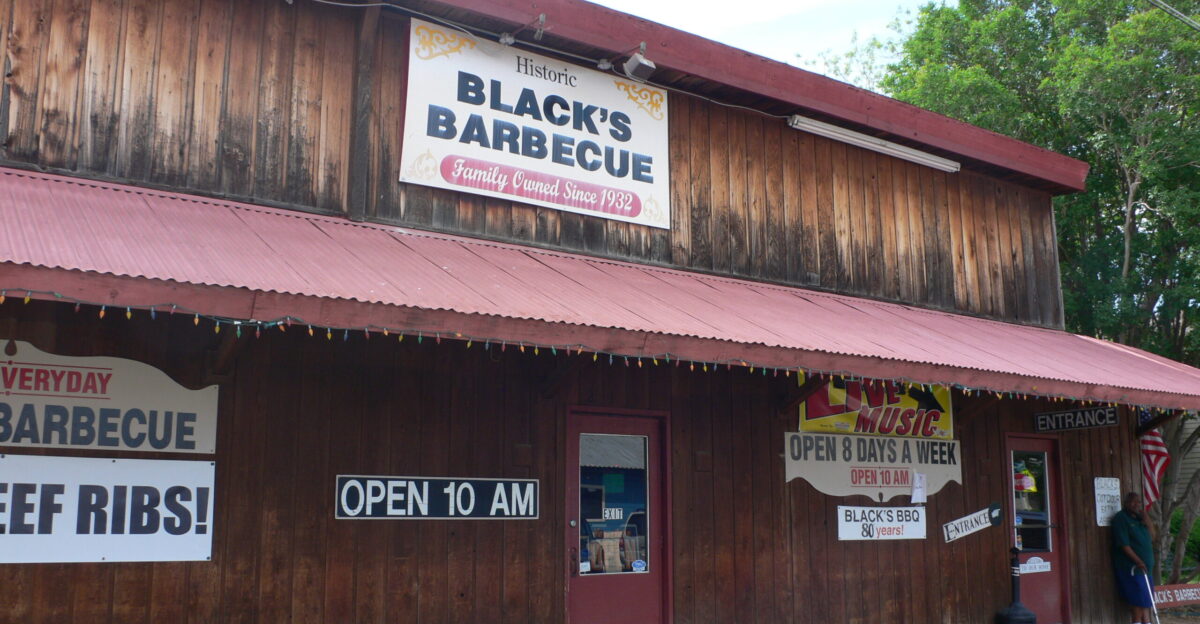
Ray Ray’s bankruptcy follows multiple barbecue restaurant failures in 2024-2025, revealing industry-wide distress. Sticky Fingers Restaurants filed Chapter 11 in March 2025 with just $50,000 in assets against $1-10 million in liabilities, closing seven of eleven locations.
A Michigan Dickey’s Barbecue franchisee filed bankruptcy in September 2024 with $2.1 million in debt. Dickey’s, America’s largest barbecue chain, saw sales plunge 18.1% in 2024 while closing 17.7% of its 386 restaurants.
Restaurant Industry Bankruptcy Wave Accelerates

More than 70 major restaurant companies filed bankruptcy in July 2025 alone—the highest monthly total in recent years—with Chapter 11 filings up 78% year-over-year. Red Lobster, TGI Friday’s, Hooters, Rubio’s Coastal Grill, and Buca di Beppo all sought bankruptcy protection in 2024-2025. Restaurant Business reported 348 full-service locations closed due to bankruptcy in the year prior to July 2025.
The crisis reflects persistent food inflation, elevated labor costs, high debt burdens, and changing consumer behavior as inflation-fatigued diners become increasingly selective.
Barbecue Segment Underperforms Industry
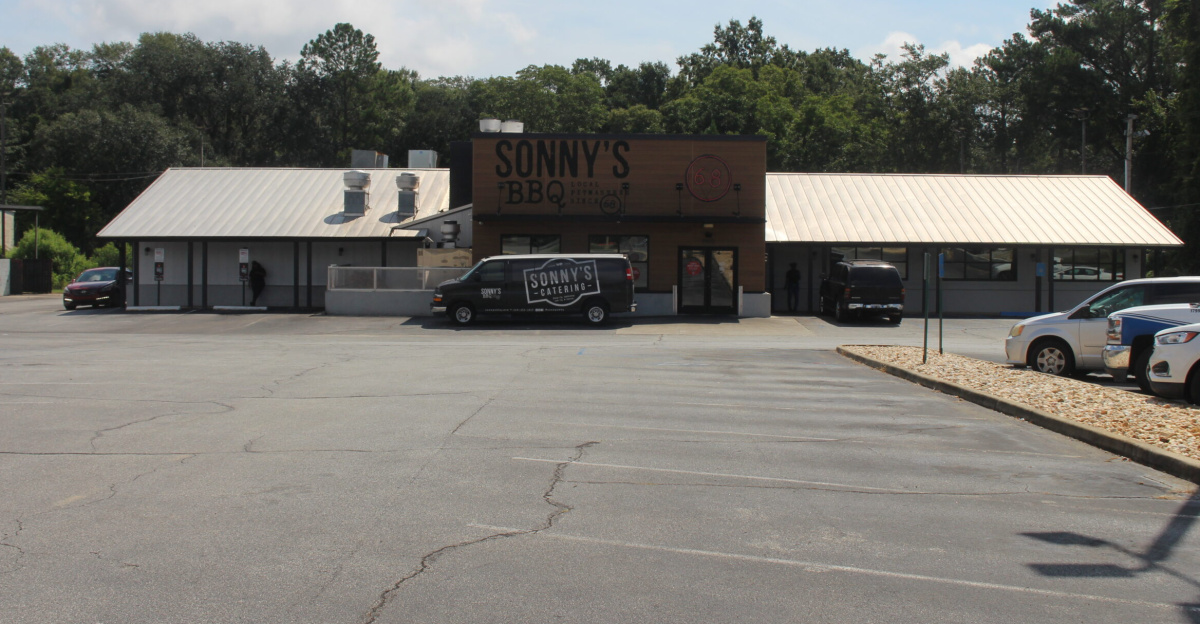
Total sales among mainstream barbecue restaurants in the Top 500 fell from $18.76 billion to $18.39 billion in 2024—a 2% decline while the broader restaurant industry grew 3%. Famous Dave’s experienced a 6% sales drop, and Sonny’s BBQ saw sales decline 4.2%.
Dickey’s average unit volumes plummeted from $675,000 to $620,000, an 8% decrease, with many franchisees reportedly unable to achieve profitability. The segment’s unique vulnerability stems from heavy dependence on beef, which limits protein substitution options available to other restaurant concepts.
Multiple Pressures Compound Crisis
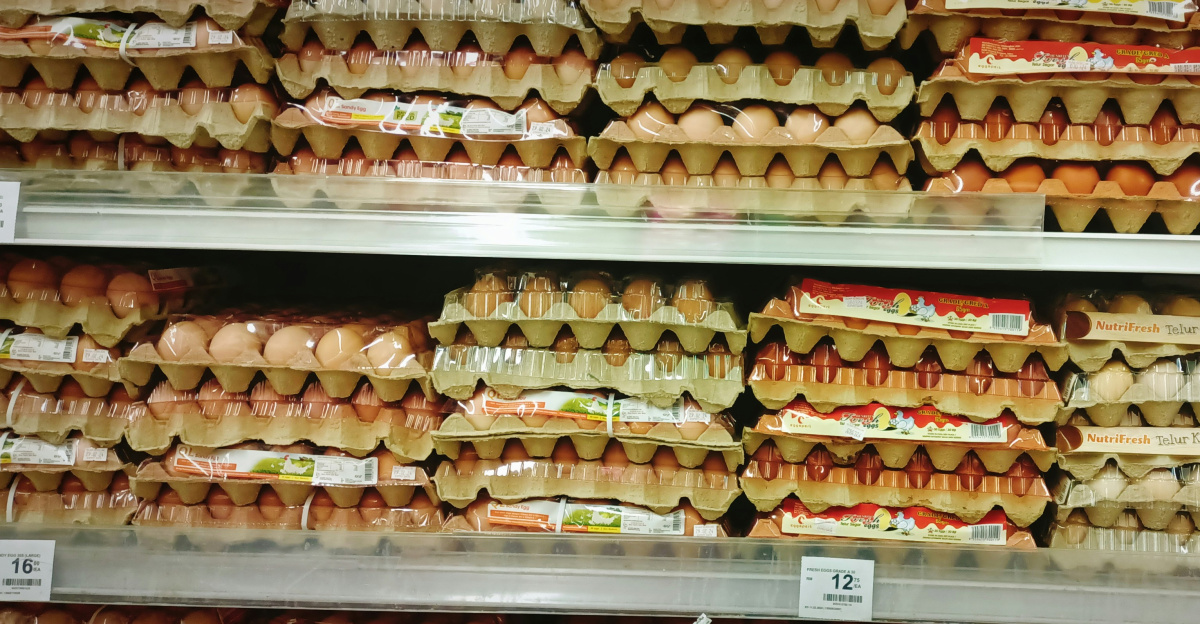
Beyond beef prices, restaurants face a confluence of challenges compressing margins and threatening viability. Egg prices spiked dramatically in 2025, adding to food cost inflation. Minimum wage increases and competitive labor markets elevated payroll expenses.
Many chains carry unsustainable debt from pandemic-era borrowing, creating obligations they cannot service as recovery stalls. Commercial real estate costs, particularly lease obligations, force closures and restructuring. Quick-service restaurant price increases pushed consumers toward casual dining, intensifying competition across segments.
Reorganization Path Offers Hope, But Challenges Loom

Chapter 11 Subchapter V provides Ray Ray’s with streamlined bankruptcy procedures, eliminating creditors’ committees and allowing only the debtor to propose reorganization plans. The company operates as debtor-in-possession, maintaining business control while restructuring debts.
However, success requires overcoming a nearly 4:1 debt-to-asset ratio, negotiating with First Merchants Bank, and managing operations as beef prices continue escalating toward projected $10-per-pound levels. Research shows 40% of emerged Chapter 11 firms continue experiencing operating losses in the first three years post-bankruptcy.
Industry Outlook Remains Uncertain Through 2027

Industry forecasts for 2026 present cautious optimism tempered by significant headwinds. Technomic predicts real restaurant sales growth of 1.2-2.1%—improvement from 2025 but modest by historical standards. The slowing Producer Price Index should gradually reduce supply chain costs, and improved consumer sentiment could boost traffic.
However, beef prices will remain elevated through 2027, creating sustained pressure on barbecue concepts with limited protein substitution options. Experts emphasize operators must achieve operational excellence, maintain balance sheet discipline, and deliver differentiated value propositions to survive the challenging environment.
What’s Next for Ray Ray’s and Barbecue Restaurants
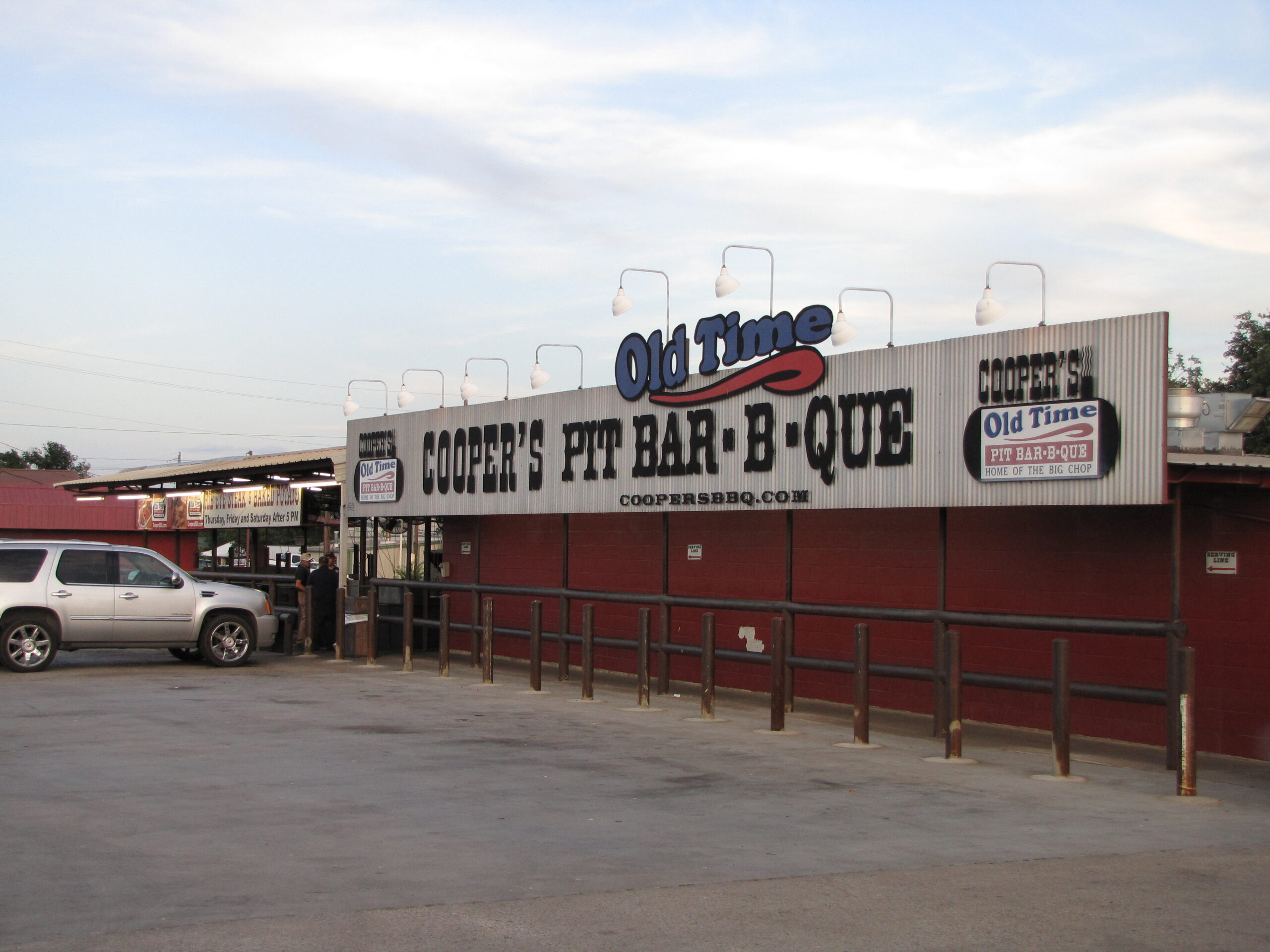
Ray Ray’s must submit its reorganization plan by March 19, 2026, outlining how it will restructure operations and repay creditors over three to five years. The chain’s survival depends on generating sufficient cash flow at four remaining locations while beef costs escalate and competitors vie for market share in Columbus’s competitive food scene.
The broader barbecue industry faces a defining period as the smallest cattle herd in seven decades ensures prolonged commodity cost pressure, potentially forcing further closures, consolidations, and fundamental business model changes across the segment through 2027.
Sources:
“Columbus-based barbecue chain Ray Ray’s Hog Pit files for Chapter 11 bankruptcy.” WOSU, December 23, 2025.
“Rising beef prices drive BBQ chain into Chapter 11 bankruptcy.” The Street, December 20, 2025.
“US July Cattle Herd Smallest Since 1973.” Farm Policy News, July 27, 2025.
“U.S. beef cattle herd smallest since 1961.” AgriLife Today, February 6, 2024.
“Large barbecue chains struggled in 2024.” Nation’s Restaurant News, May 23, 2025.
“Trends that will define the restaurant industry in 2026.” The Street, December 23, 2025.