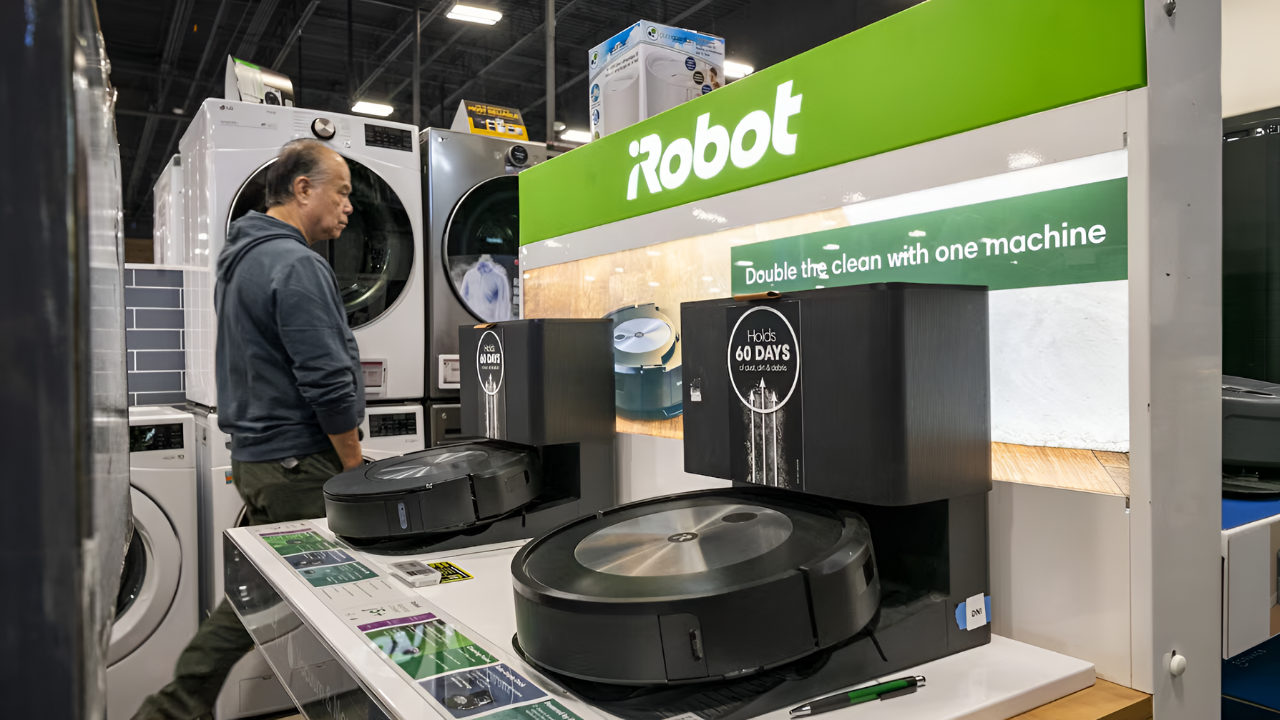
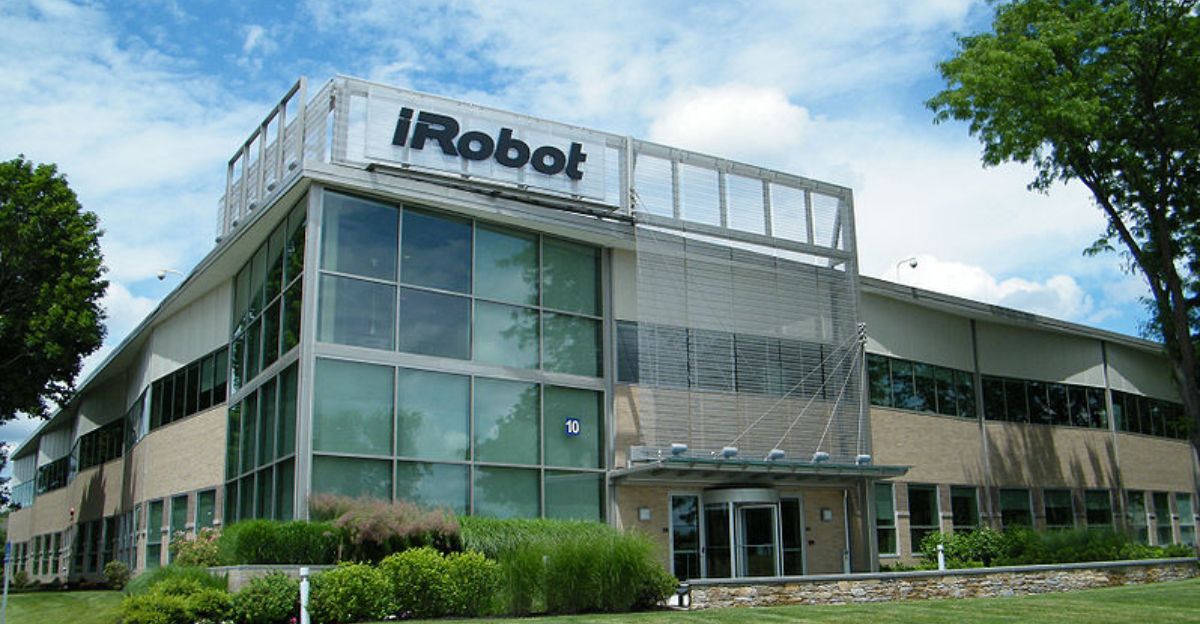
The final headcount read just 274 names—a skeletal remnant of the workforce that once roamed the bustling corridors of the Bedford headquarters. As the Chapter 11 filing hit the Delaware court docket on December 14, 2025, it carried a suffocating $264 million debt figure that effectively erased 35 years of American robotics independence.
Outside the suburban office park, the winter air was quiet, but inside, the paperwork confirmed what many had feared: the ticker symbol “IRBT” would soon vanish from the NASDAQ.
A Pioneer’s Collapse
iRobot, the company that introduced the world to practical home robotics with its saucer-shaped Roomba, has officially entered bankruptcy protection. The filing marks a stunning reversal for a business that commanded a market valuation of $3.56 billion just four years ago during the pandemic home-improvement boom.
Now, stripped of its capital and crushed by liabilities, the company is preparing to hand over the keys to its Chinese manufacturing partner, Shenzhen Picea Robotics.
The Restructuring Deal
The deal is a pre-packaged restructuring plan designed to salvage operations while shedding the company’s independence. Picea will acquire 100% of iRobot’s equity, transforming the Massachusetts innovator into a privately held subsidiary of a foreign manufacturer.
In exchange, Picea has agreed to forgive the massive debt load that brought iRobot to its knees, ensuring that vendors and the remaining employees continue to receive checks while the court oversees the transition.
Crushing Debt Load
The financial details revealed in court documents paint a picture of a company running on fumes. iRobot accumulated approximately $264 million in total debt that it could no longer service.
The largest portion of this liability stems from a $190 million loan originally secured from the Carlyle Group in 2023. Additionally, the company owes $74 million directly to Picea under their existing manufacturing and supply chain agreements.
Liquidity Crisis
The company’s liquidity situation had become dire in the months leading up to the filing. By late September 2025, iRobot reported having only $24.8 million in cash on hand, a dangerously low amount for a hardware manufacturer with global logistics needs.
Its assets and liabilities were effectively equal at approximately $480 million each, leaving no equity value for shareholders and no room for operational error.
Widespread Liabilities
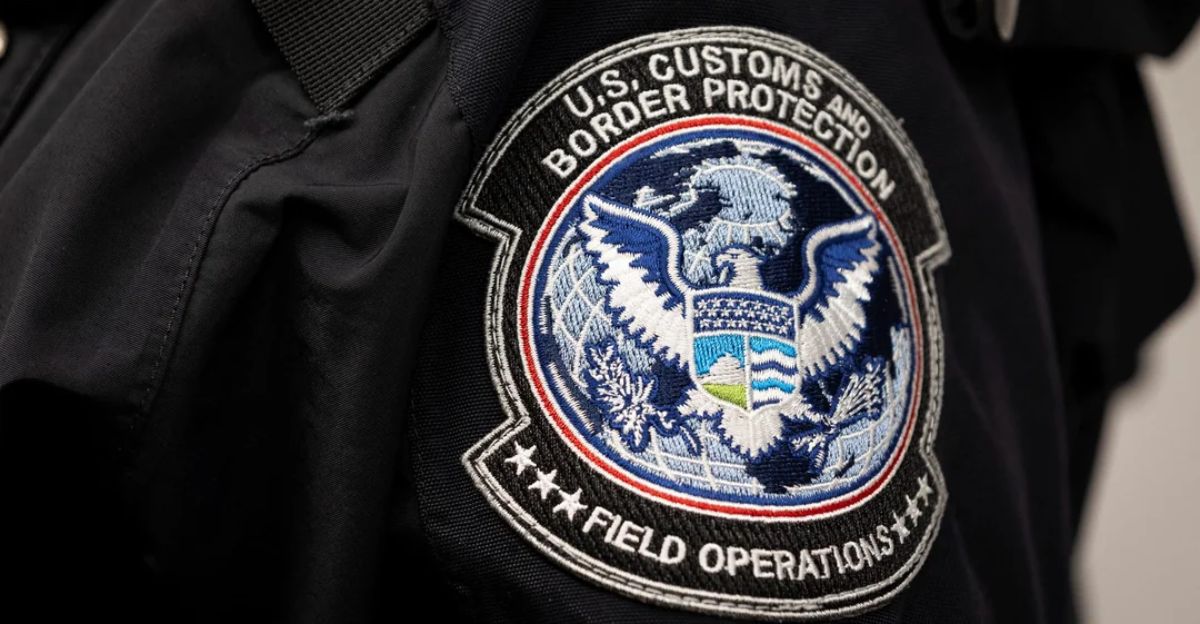
Beyond the primary lenders, iRobot lists several other significant creditors in its bankruptcy petition. These include BYD Electric Vehicle Company, which is owed $5.7 million, and U.S. Customs and Border Protection, which holds a claim of $3.4 million for unpaid import duties.
These widespread obligations highlight how deep the financial rot had spread across the company’s supply chain and operational infrastructure before the final collapse.
Shareholders Wiped Out
The restructuring plan outlines a harsh reality for current investors holding iRobot stock. As part of the transition to private ownership, all existing shares will be cancelled and rendered worthless once the transaction closes.
The stock, which traded above $197 at its peak in 2021, will be delisted from the Nasdaq exchange, resulting in a total loss for those who held on until the bitter end.
Operational Continuation
Despite the financial wipeout for shareholders, the acquisition deal aims to preserve the company as a functioning entity. Picea has agreed to keep the business running without interruption, ensuring that vendors and employees continue to be paid during the court proceedings.
The deal is expected to be finalized by February 2026, pending approval from the bankruptcy judge and satisfaction of standard closing conditions.
The Amazon Catalyst
The seed of this collapse was planted in January 2024, when Amazon’s planned $1.7 billion acquisition of iRobot fell apart. First announced in August 2022, the deal was intended to integrate iRobot into Amazon’s massive smart home ecosystem.
However, European and American antitrust regulators aggressively blocked the merger, citing concerns that Amazon could unfairly favor its own devices or use Roomba data to monopolize the home robotics market.
Regulatory Failure
When the deal was officially terminated in January 2024, Amazon paid iRobot a $94 million termination fee. Unfortunately, this cash infusion was insufficient to stabilize the company’s bleeding balance sheet.
The failed merger left iRobot stranded with high operational costs and a business model predicated on an injection of capital that never arrived, forcing it to seek emergency funding on unfavorable terms to survive.
Toxic Financing
To stay afloat during the lengthy regulatory review of the Amazon deal, iRobot took out a $200 million loan from the Carlyle Group. This debt carried punishing terms, including an interest rate exceeding 14%—significantly higher than standard corporate borrowing costs.
The loan covenants also imposed strict liquidity requirements that the shrinking company found increasingly difficult to meet as sales continued to plummet throughout 2024 and 2025.
Losing the Edge
While financial engineering played a role, iRobot also lost ground in the marketplace it created. Aggressive competitors like Roborock, Ecovacs, and SharkNinja flooded the market with advanced robotic vacuums that often outperformed Roombas at lower price points.
These rivals rapidly adopted LiDAR navigation technology, allowing for faster and more precise mapping, while iRobot stuck with camera-based visual navigation systems that many consumers found less efficient.
Revenue Freefall
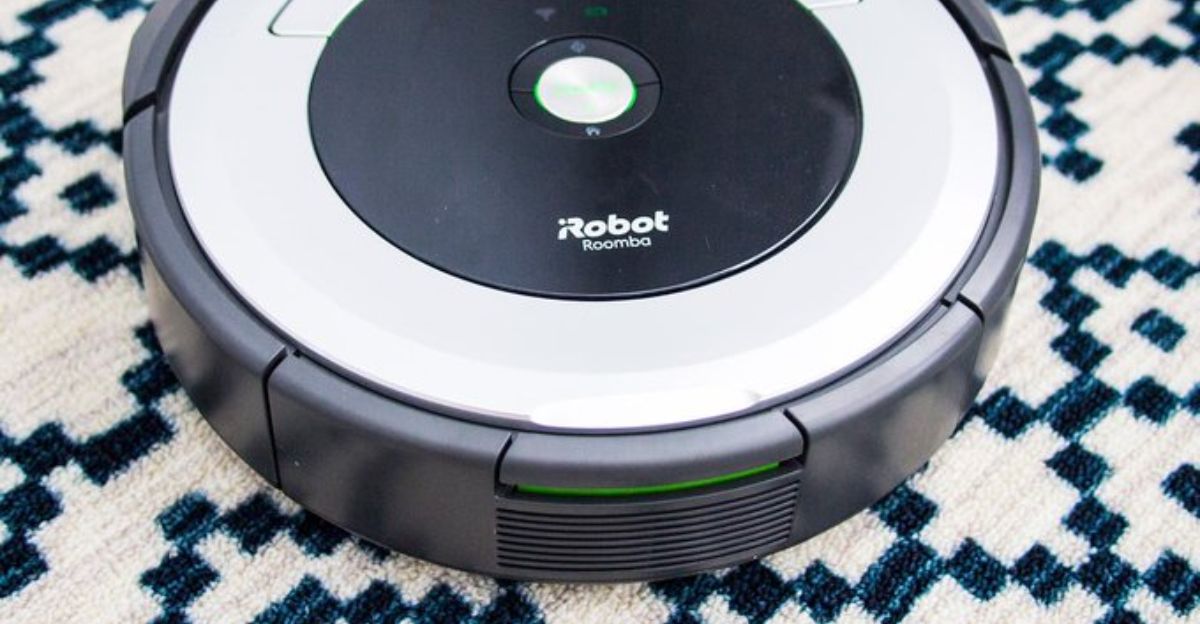
The revenue impact of this competitive onslaught was devastating. iRobot’s annual sales collapsed from nearly $1.6 billion in 2021 to approximately $682 million in 2024. In the third quarter of 2025 alone, revenue dropped another 25% year-over-year.
Without the deep pockets of a parent company like Amazon, iRobot could not afford the aggressive price cuts or massive marketing spend needed to defend its market share.
Tariff Troubles
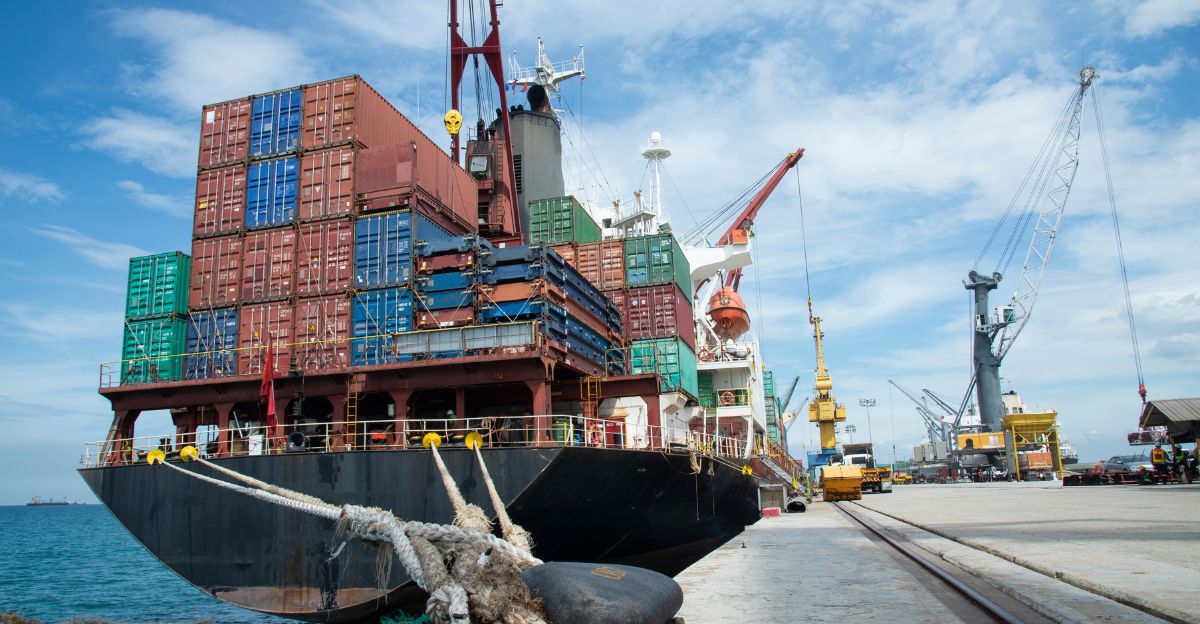
Compounding these challenges were unfavorable U.S. trade policies that directly targeted iRobot’s supply chain. The company manufactures most of its products in Vietnam and China to control costs.
However, a recent 46% tariff imposed on specific imports from Vietnam added an estimated $23 million to iRobot’s expenses in 2025. This sudden cost spike erased what little profit margin remained on its hardware sales.
Workforce Decimation
The human cost of iRobot’s decline is starkly illustrated by its decimated workforce numbers. At the time of the filing, court documents indicate the company has just 274 employees remaining at its Bedford, Massachusetts headquarters and other locations.
This figure represents a massive reduction from the more than 1,200 people the company employed just three years ago, reflecting the severity of its operational contraction.
Founder Disappointment

The collapse has drawn emotional responses from the company’s original founders. Colin Angle, who co-founded iRobot in 1990 and served as CEO until the Amazon deal fell apart, described the bankruptcy as a tragedy for the American innovation economy.
His departure in January 2024 marked the beginning of the end, signaling that the company had lost its visionary leadership alongside its financial stability.
Strategic Shift
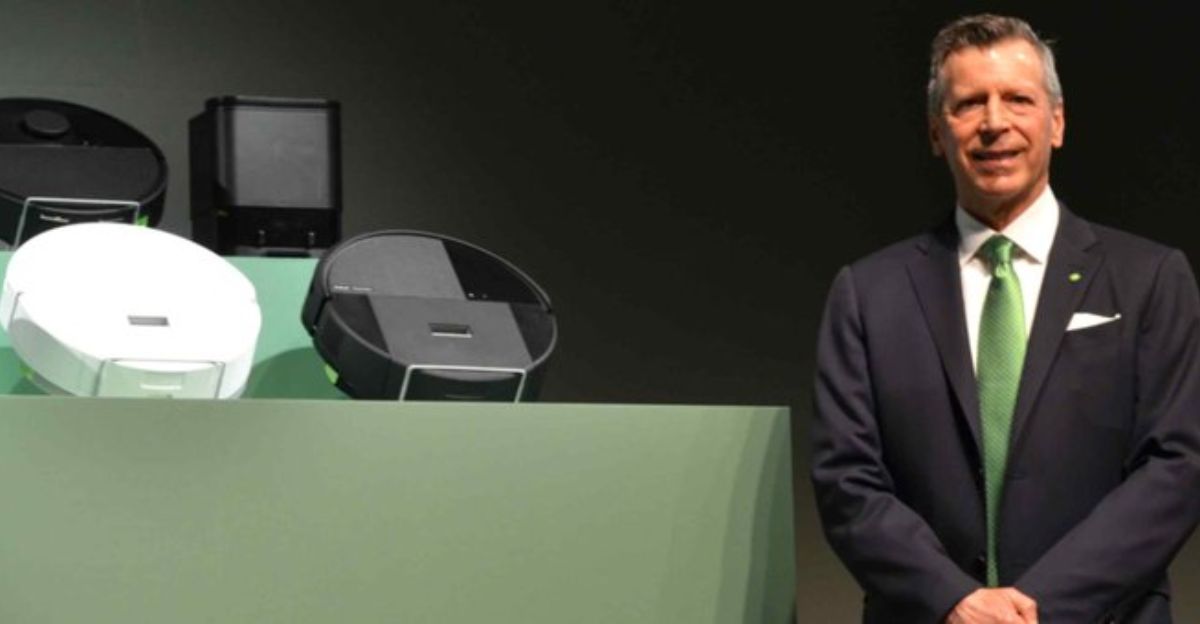
Current CEO Gary Cohen, who was brought in to attempt a turnaround in mid-2024, has framed the sale as the only viable path forward. Cohen stated that the transaction with Picea would “strengthen our financial position” and ensure continuity for customers.
He argues that combining iRobot’s brand and design heritage with Picea’s manufacturing efficiency is the best way to compete in the current landscape.
Consumer Assurance
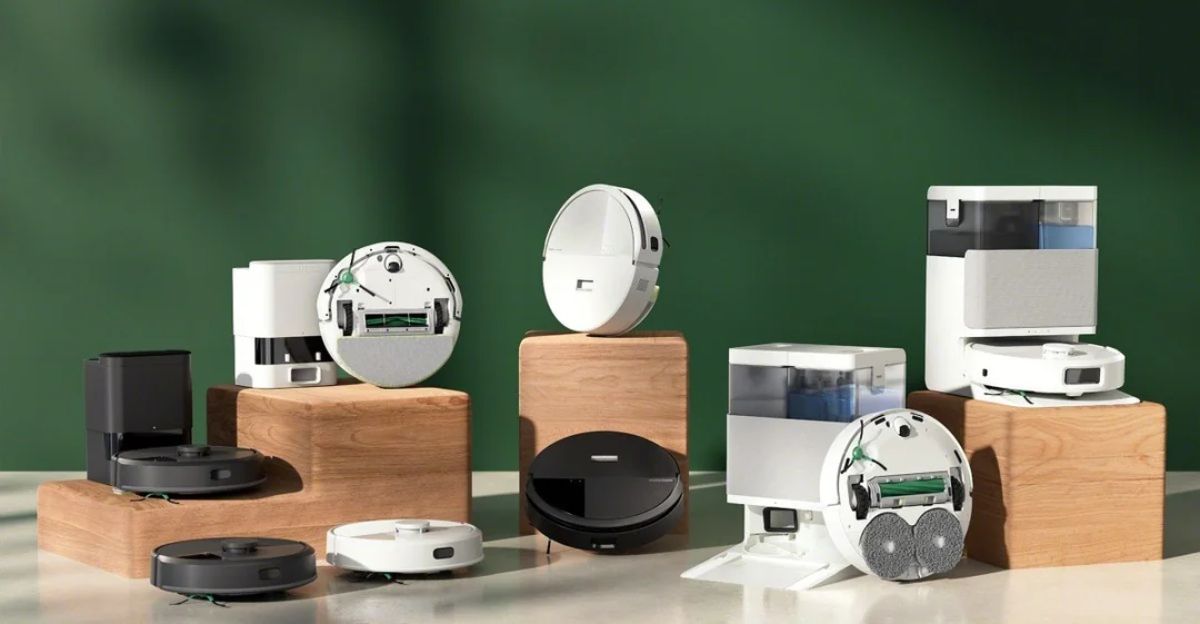
For the millions of consumers who own Roomba devices, iRobot has promised business as usual. The company stated that customer service, app functionality, and warranty support will continue without interruption.
Picea, which has already manufactured millions of robots for iRobot as a vendor, is intimately familiar with the product line, suggesting that technical operations may indeed remain stable despite the corporate upheaval.
Intellectual Property Transfer
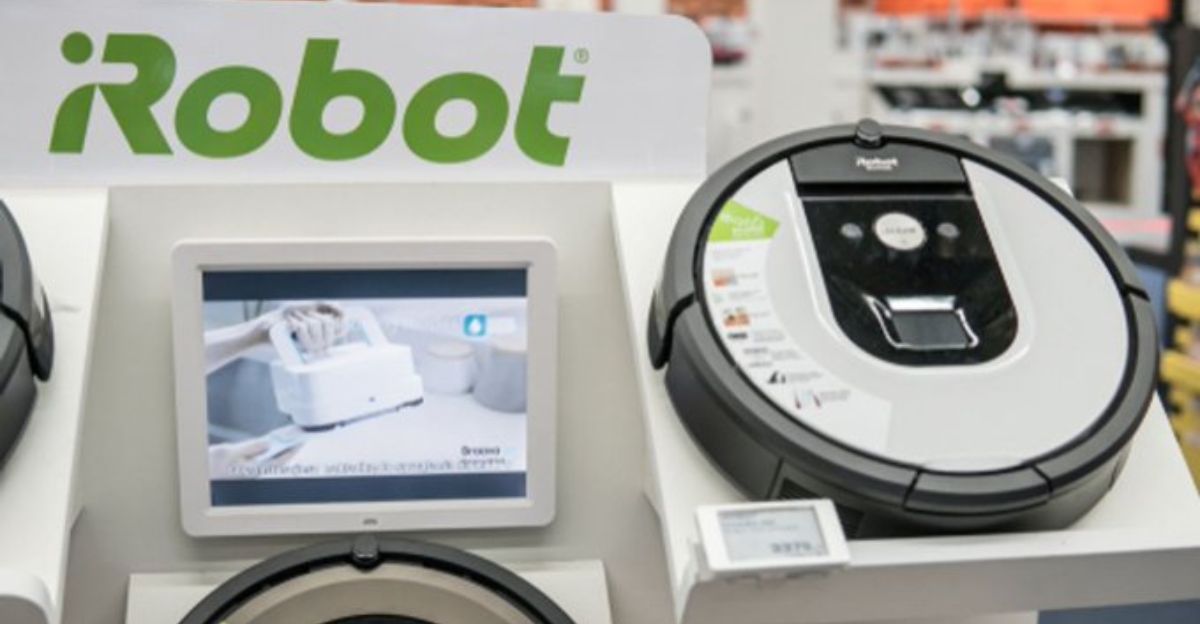
The acquisition grants Picea control over a massive war chest of intellectual property that defined the sector for three decades. The deal encompasses more than 1,000 active patents covering everything from autonomous navigation algorithms to dirt-detection sensors.
This transfer of proprietary American engineering to a foreign manufacturer represents a significant shift in the global robotics balance of power, effectively arming a major Chinese player with the legal rights to the technologies that originally made the Roomba unique.
Future Outlook
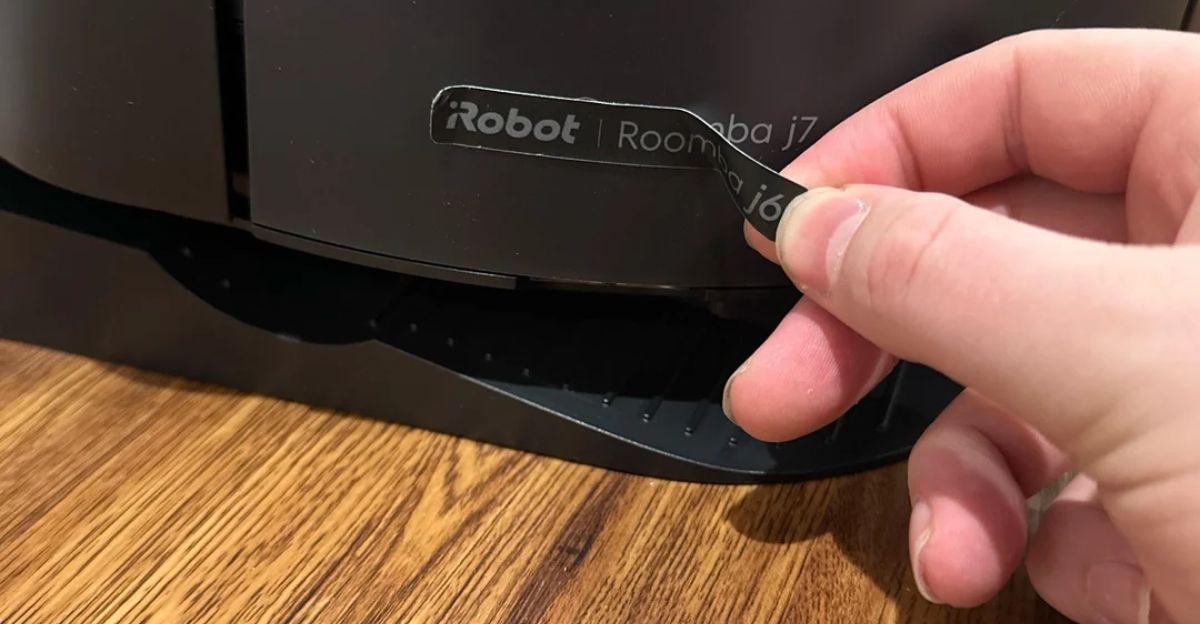
The transition to Picea’s ownership is expected to be seamless for the average user, but it fundamentally changes the company’s identity. Future product development will likely shift closer to the manufacturing base in Asia, potentially altering the design philosophy that made Roomba famous.
The “Roomba” name will survive, but the company that pioneered the category is now another casualty of debt, global competition, and failed regulatory maneuvering.
Sources:
“Roomba maker iRobot files for bankruptcy, pursues sale to Chinese manufacturer.” Reuters, 15 Dec 2025.
“iRobot filed for bankruptcy: How the Roomba maker got here.” Business Insider, 16 Dec 2025.
“iRobot enters Chapter 11; Lender to acquire Roomba maker.” Yahoo Finance, 15 Dec 2025.
“Chapter 11 Petition: iRobot Corporation.” United States Bankruptcy Court District of Delaware, 14 Dec 2025.