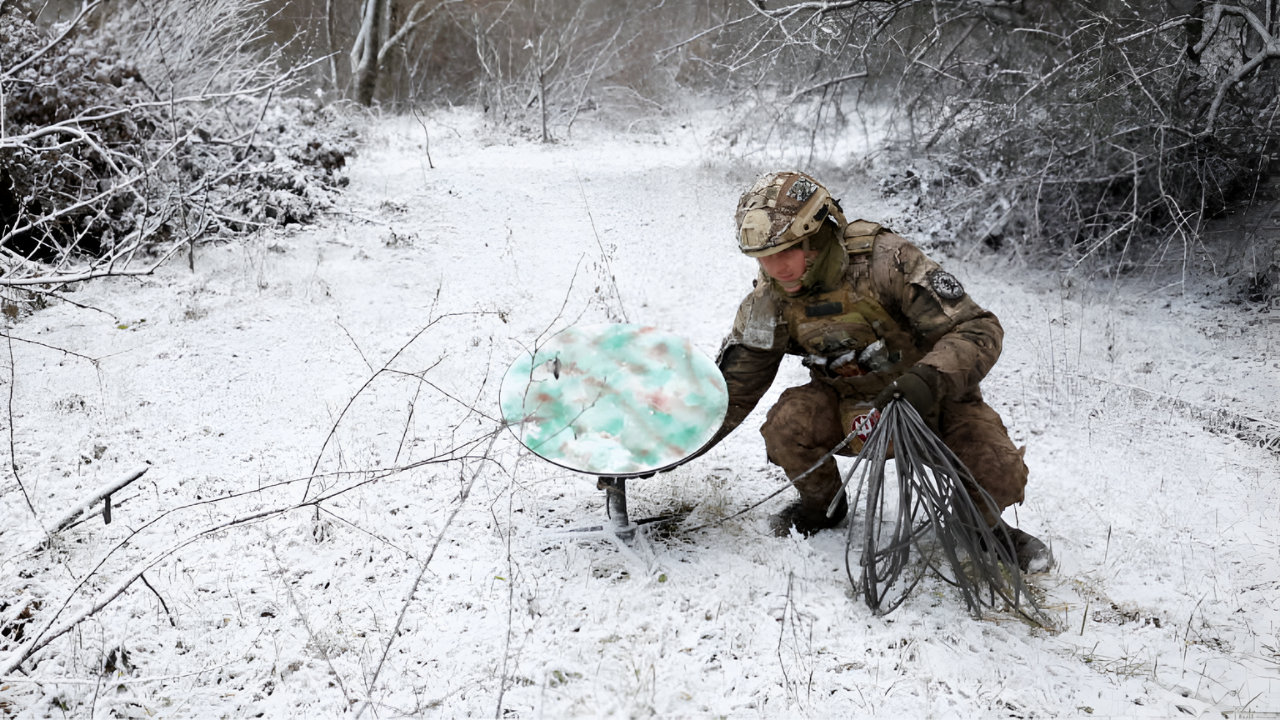
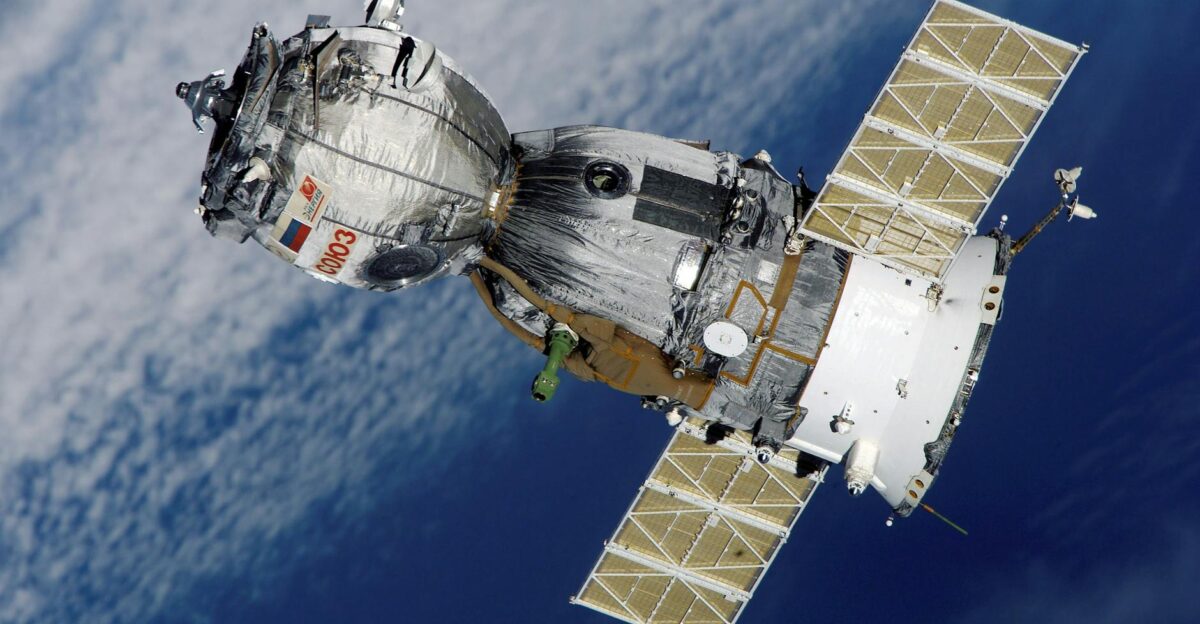
Intelligence agencies from two NATO member nations report that Russia is developing a sophisticated “zone-effect” anti-satellite weapon specifically designed to target Elon Musk’s Starlink constellation.
The weapon would disperse hundreds of thousands of high-density pellets across Starlink’s operational orbits at approximately 550 kilometers altitude, potentially disabling multiple satellites simultaneously while creating persistent debris clouds threatening all orbital systems.
Strategic Response to Ukraine’s Satellite Advantage
Russia views Starlink as an existential threat to its military operations in Ukraine, where the constellation has become critical infrastructure for Ukrainian forces. Since SpaceX activated service hours after Russia’s February 2022 invasion, Starlink has enabled real-time artillery targeting, drone operations, and command communications that sustained Ukraine’s counteroffensives.
The system’s resilience to infrastructure attacks has preserved Ukrainian battlefield coordination despite systematic Russian strikes on terrestrial networks.
Multi-Layered Counterspace Strategy
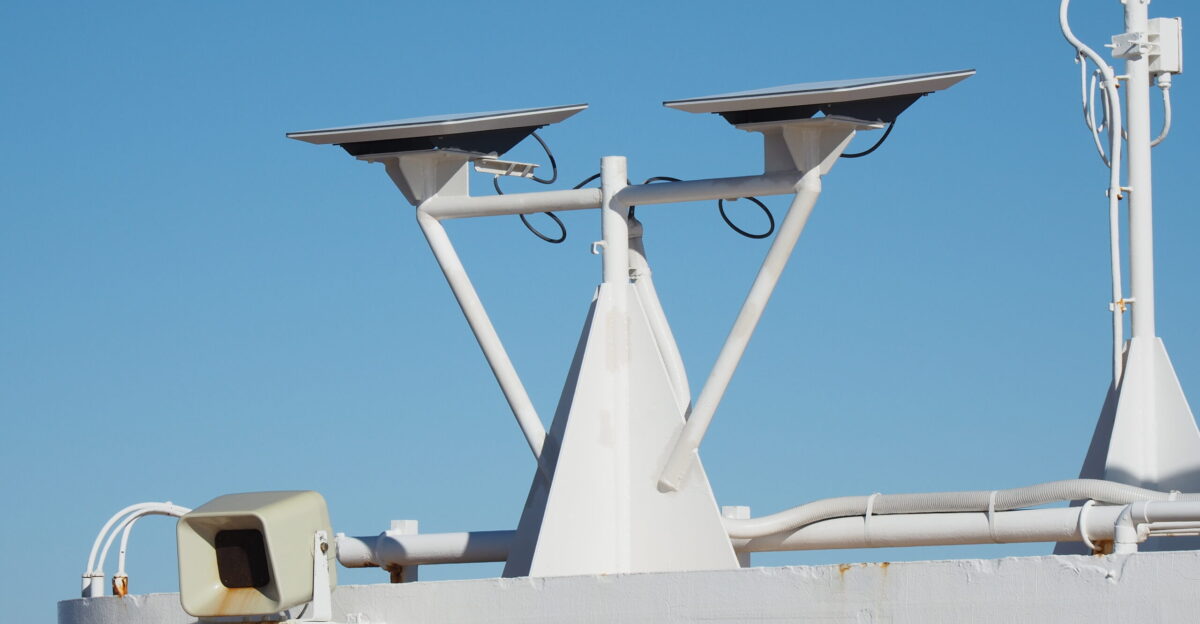
The zone-effect weapon represents one component of Russia’s comprehensive counterspace approach. The operational Kalinka system, deployed since late 2024, detects Starlink terminals within 15 kilometers using mobile platforms including boats and helicopters.
Russia’s newly deployed S-500 Prometheus air defense system can engage satellites at altitudes up to 200 kilometers with 3-4 second response times, placing Starlink’s entire constellation within range.
Expert Skepticism on Weapon Feasibility

Victoria Samson, Director of Space Security at Secure World Foundation, expressed profound doubt about the weapon’s viability, stating: “I don’t believe it. Honestly, I really don’t”. Space security experts question the strategic logic of deploying indiscriminate debris-generating weapons that would inevitably damage Russian and Chinese satellites alongside Western targets.
The weapon’s uncontrollable effects contradict rational military planning, suggesting intelligence may reflect research rather than imminent deployment.
Starlink’s Resilience Against Attack
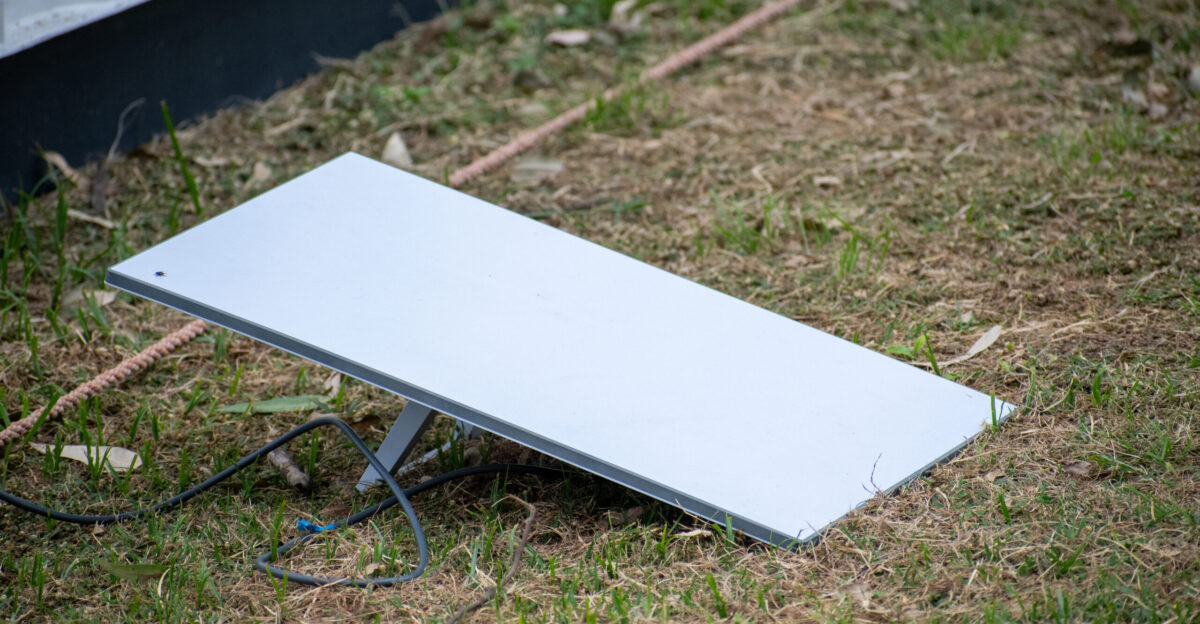
Starlink’s architecture inherently resists area-effect attacks through massive redundancy and rapid replacement capabilities. With over 7,600 operational satellites and production rates exceeding 120-240 units monthly, SpaceX can replace destroyed satellites within days.
The constellation maintains full operational capacity even with 90% satellite loss given sufficient geographic distribution, requiring adversaries to neutralize hundreds simultaneously across multiple orbital planes for meaningful degradation.
Catastrophic Debris Cascade Risks
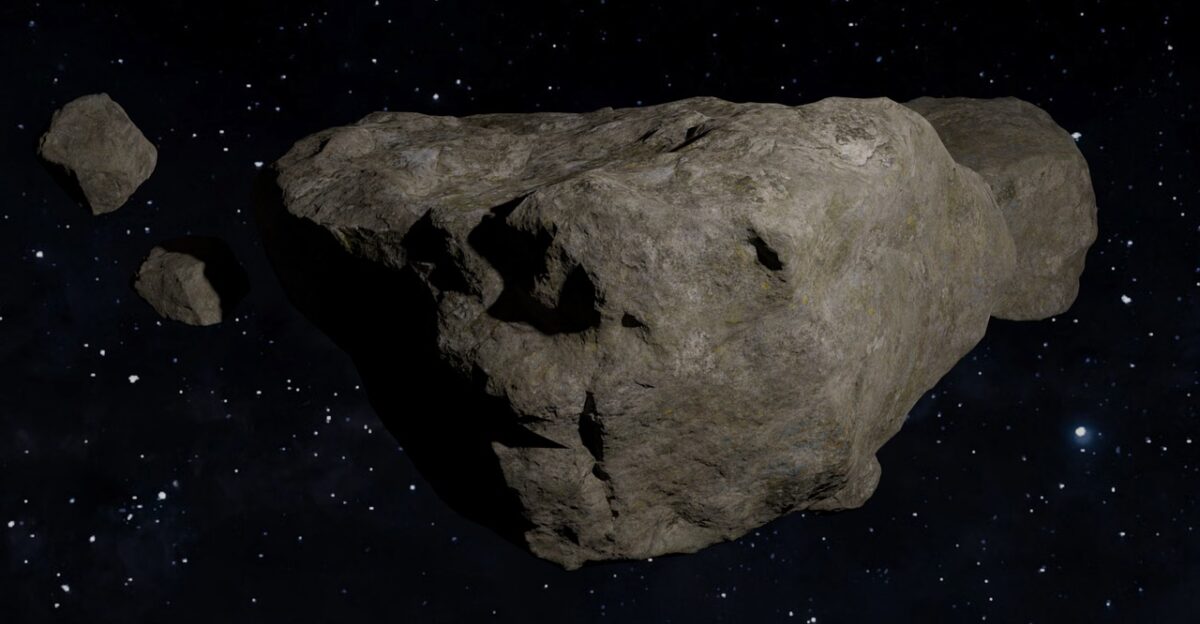
Deploying hundreds of thousands of pellets into LEO would trigger collision cascades threatening the long-term sustainability of space operations. At orbital velocities of 7-15 kilometers per second, even one-gram pellets carry devastating kinetic energy.
Current modeling suggests LEO environments at 550-600 kilometers may have reached critical density for Kessler Syndrome, where debris generation outpaces atmospheric decay, potentially rendering affected orbits unusable for decades.
International Law Gaps Exposed

The 1967 Outer Space Treaty prohibits nuclear weapons in orbit but does not explicitly ban conventional kinetic anti-satellite systems. Article IX requires states conduct space activities with “due regard” for others’ interests, which a debris-generating weapon would clearly violate.
However, the treaty provides no enforcement mechanism beyond diplomatic protest, exposing critical governance gaps as space militarization accelerates.
NATO’s Space Defense Posture
NATO declared space its fifth operational domain in 2019 and has stated that attacks in space could trigger Article 5 collective defense provisions. The alliance established its Space Operations Centre in 2024 and adopted a Commercial Space Strategy in February 2025.
Brigadier General Christopher Horner acknowledged the zone-effect weapon threat while emphasizing its deployment would represent extraordinarily destabilizing action comparable to nuclear escalation.
China’s Parallel Anti-Satellite Programs

China has developed comprehensive counterspace capabilities targeting proliferated LEO constellations, including ground-based lasers, direct-ascent missiles, and AI-powered disruption systems.
Chinese military researchers explicitly studied Starlink’s vulnerabilities, recognizing the “whack-a-mole” dilemma where neutralizing distributed architectures requires disabling hundreds of satellites. China’s planned 13,000-satellite Guowang constellation positions Beijing as both potential victim and contributor to LEO congestion.
U.S. Military Dependence on Starlink
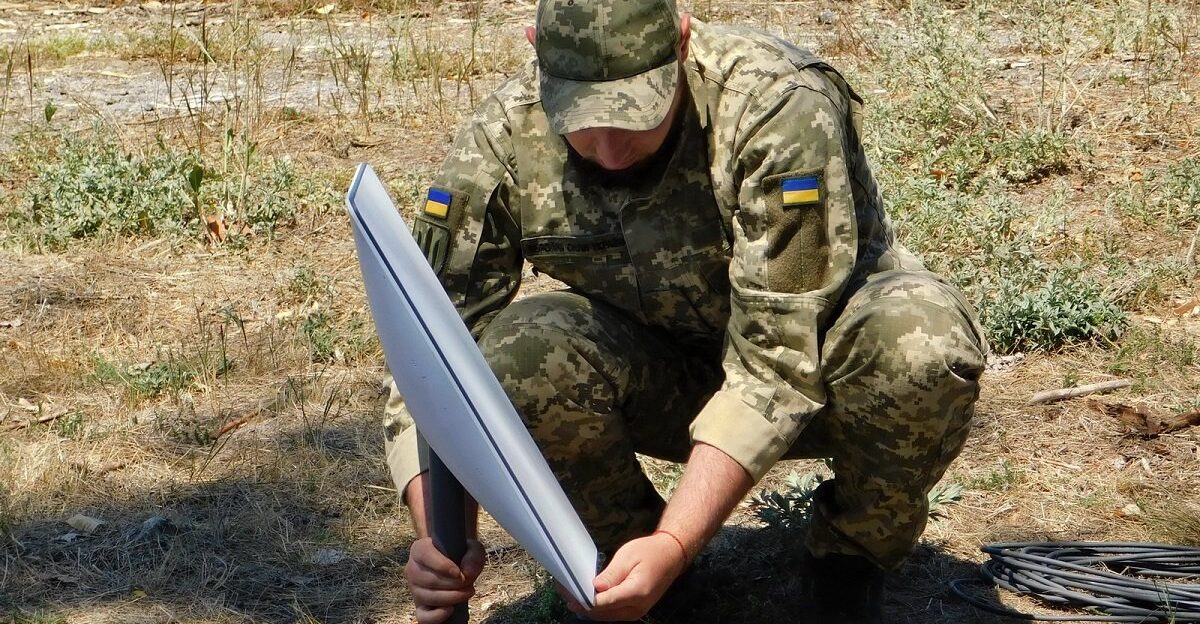
The Pentagon awarded SpaceX $23 million for Ukraine operations in 2023, with total government contracts approaching $22 billion. Special Operations Command, Customs and Border Protection, FEMA, and the FBI have integrated Starlink into mission-critical operations.
This expanding dependence creates strategic vulnerabilities that magnify national security implications of any disruption, while demonstrating the constellation’s transformational military value beyond Ukraine.
Economic Asymmetry Favors Constellation Operators

SpaceX’s production economics enable satellite replacement at marginal costs around $500,000 per unit, far below precision ASAT weapon costs. Combined with rapid launch capabilities via reusable Falcon 9 rockets, this cost asymmetry means successful ASAT campaigns would likely fail achieving lasting operational effects.
Russia’s exploration of area-effect weapons reflects recognition that traditional single-satellite targeting approaches cannot economically compete with mass-produced constellation replenishment.
Alternative Russian Capabilities More Credible
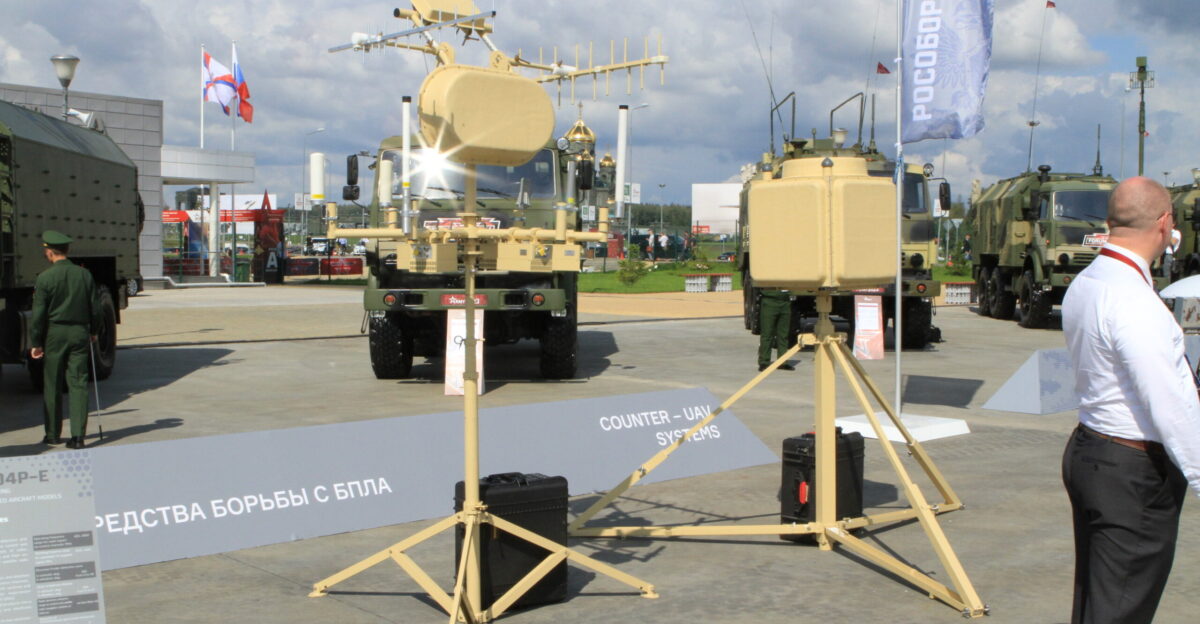
Russia’s demonstrated S-500 system, electronic warfare capabilities, and Kalinka terminal detection network provide operationally relevant counterspace options without environmental catastrophe.
These precision capabilities achieve tactical effects against Starlink while preserving Russian freedom of action in space. The zone-effect weapon, if beyond preliminary research, likely represents a last-resort option rather than primary counterspace strategy given catastrophic self-inflicted costs.
Space Debris Environment Already Critical

Approximately 34,000 trackable objects currently populate Earth orbit, with the 550-600 kilometer regime potentially exceeding critical density thresholds. Russia’s November 2021 ASAT test generated 285 trackable debris pieces from a single satellite, with fragments persisting years later.
The 2009 Iridium-Cosmos collision produced over 1,342 trackable fragments dispersed across multiple altitudes, demonstrating how single events create cascading long-term hazards.
Deterrence Architecture Remains Underdeveloped

Unlike nuclear deterrence refined through decades of crises and negotiations, space deterrence operates without established norms, clear redlines, or credible response mechanisms.
Ambiguity surrounding proportional responses to ASAT attacks—particularly those generating extensive collateral damage—creates escalation risks and invites boundary testing. The mutual vulnerability created by shared space debris threats may ultimately incentivize restraint and confidence-building measures.
Future of Low Earth Orbit at Crossroads

Choices made by Russia, the United States, China, and other space powers in coming years will determine whether LEO remains accessible or degenerates into unusable debris fields.
The intelligence assessment forces confrontation with this existential question: whether strategic competition will constrain itself within bounds preserving the orbital environment, or whether short-term tactical advantages will sacrifice humanity’s long-term space access.
Sources:
“Intelligence agencies suspect Russia is developing anti-satellite weapon to target Starlink satellites.” PBS NewsHour, December 2025.
“Russia Develops Area-Effect Weapon to Destroy Starlink Satellites, Intelligence Warns.” United24Media, December 2025.
“Russia deploys first S-500 air defense unit, claims it can hit satellites.” Interesting Engineering, December 2025.
“Musk ordered shutdown of Starlink satellite service as Ukraine retook territory from Russia.” Reuters, July 2025.
“Russia’s Alleged Nuclear Anti-Satellite Weapon and International Law.” Secure World Foundation, April 2025.