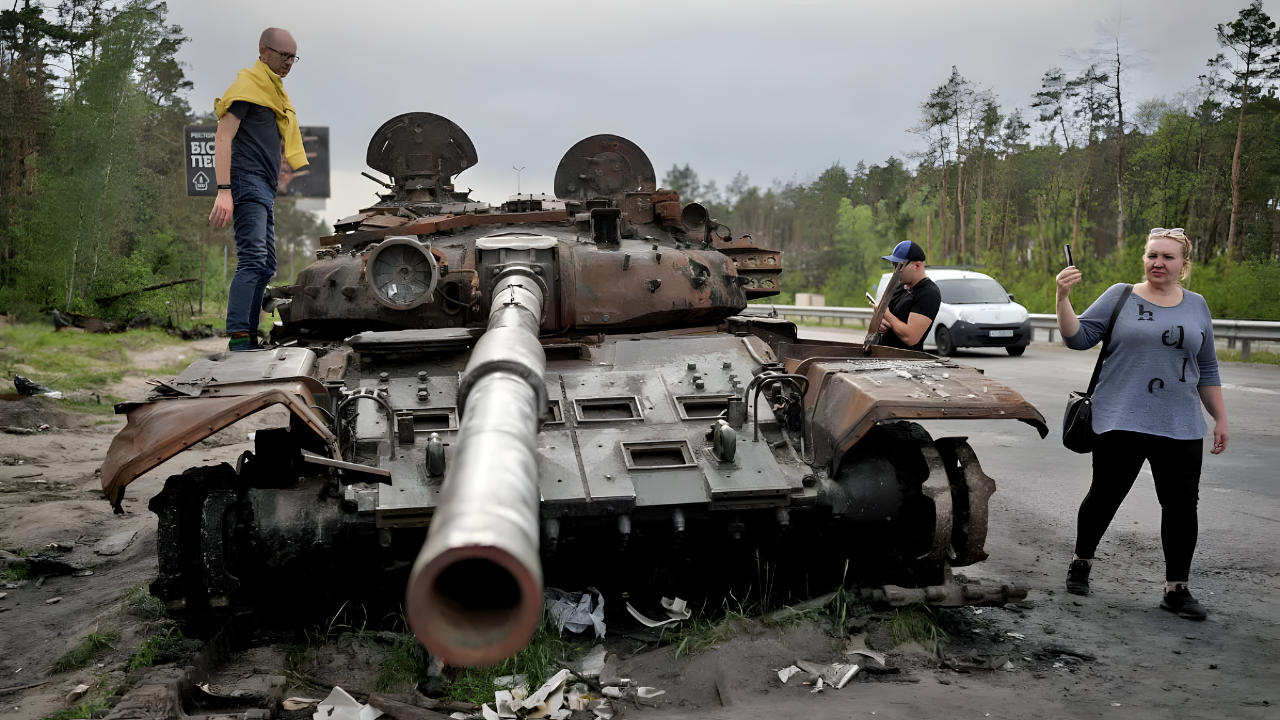
On December 10, 2024, a heavy fog blanketed eastern Ukraine, presenting a unique tactical situation. Russian forces, seeing a chance to exploit reduced visibility, launched a high-risk mechanized assault using approximately 30 armored vehicles. Ukrainian drone surveillance, usually their most effective defense, was severely hindered.
This dramatic shift from recent small-unit tactics underscored a sense of desperation among Russian commanders, who believed the weather conditions justified their use of heavy equipment. However, this gamble would soon reveal deeper challenges for the attacking force, exposing the resilience of Ukrainian defenders, who were ready to counter any threat decisively.
Pressure Mounting
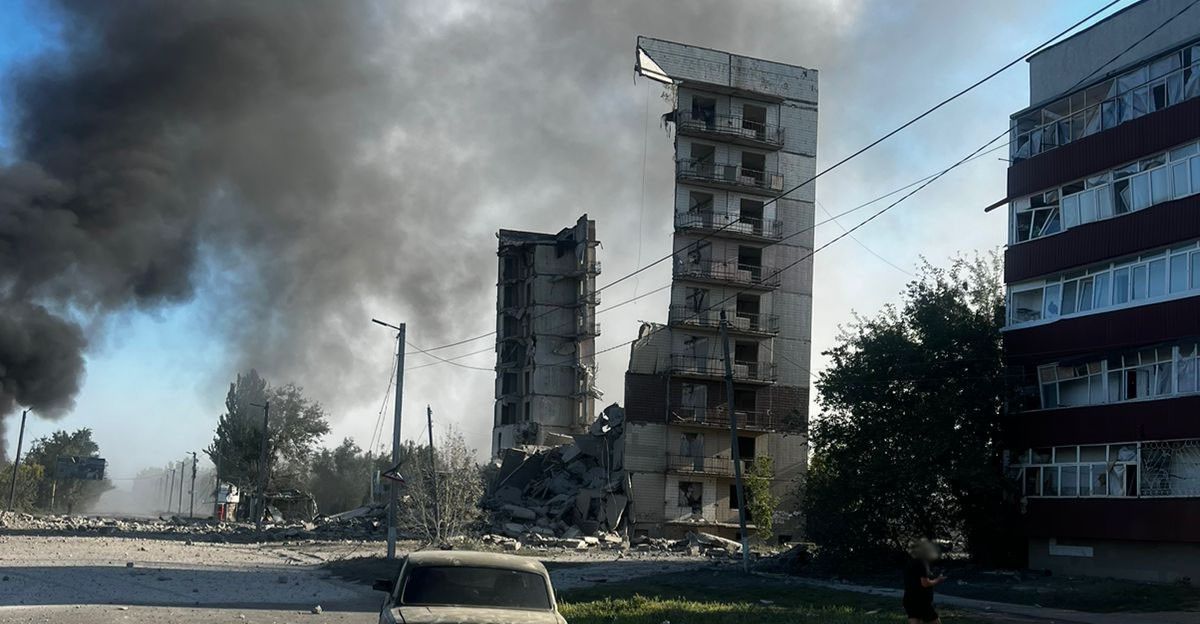
The assault on Pokrovsk was not an isolated event. Ukrainian military data reflected significant ongoing pressure, with the 7th Rapid Response Corps reporting 132 Russian assaults in the Pokrovsk sector within a week, marking a 20% rise over previous periods. Between December 1 and 21, this corps recorded 810 Russian personnel casualties and over 2,600 drone interceptions in the region.
Such relentless attrition illustrated the strategic objective behind this surge. Russia had amassed around 156,000 troops in the Pokrovsk area, a force density typically reserved for major military offensives, indicating an escalation of hostilities.
A City At the Precipice
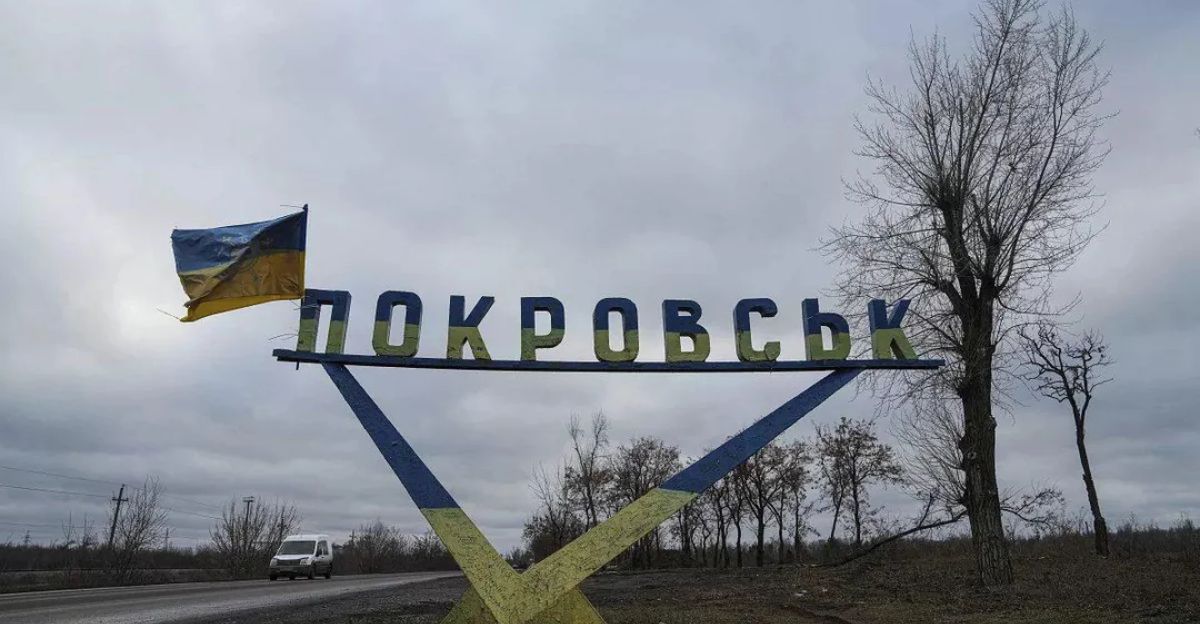
Once home to about 60,000 residents, Pokrovsk’s population plummeted to around 11,000 adults and 49 children by November 2024, signaling a drastic 98% evacuation reflecting the city’s crucial yet perilous position. As Russian forces advanced within 7 kilometers of the city’s outskirts, the strategic importance of Pokrovsk became increasingly apparent.
Capturing this logistics hub would cut vital supply lines across eastern Ukraine. In response to Moscow’s looming threat, the Ukrainian government replaced General Oleksandr Lutsenko with General Oleksandr Tarnavskiy, signifying a renewed commitment to defending against Russian advances.
The Cauldron Closes
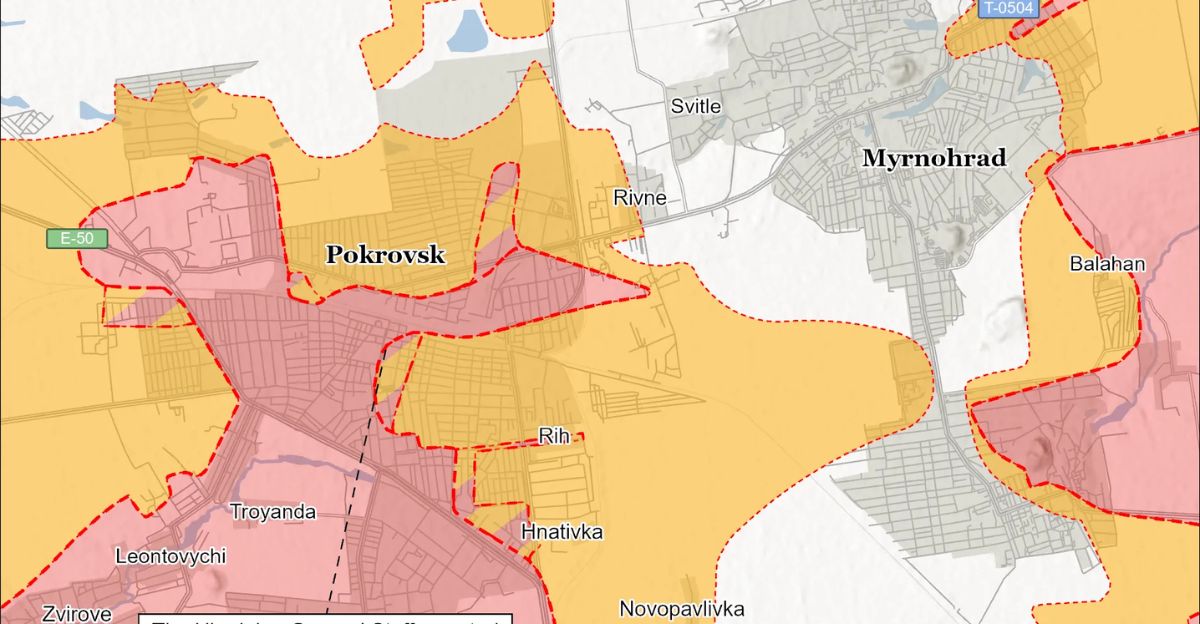
As the attacks intensified, NATO assessments classified the Pokrovsk-Myrnohrad region as approaching encirclement, commonly referred to as a “cauldron.” A NATO official indicated that Myrnohrad had become “practically fully encircled,” leaving a narrow corridor for Ukrainian forces to withdraw, all while under heavy Russian fire.
The Ukrainian Operational Command East responded to the dire situation by establishing alternative logistics routes to sustain operations that were at risk of being encircled. Unfortunately, evacuation efforts for civilians had already collapsed, underscoring the growing humanitarian crisis amid active combat.
December 10, Repelled
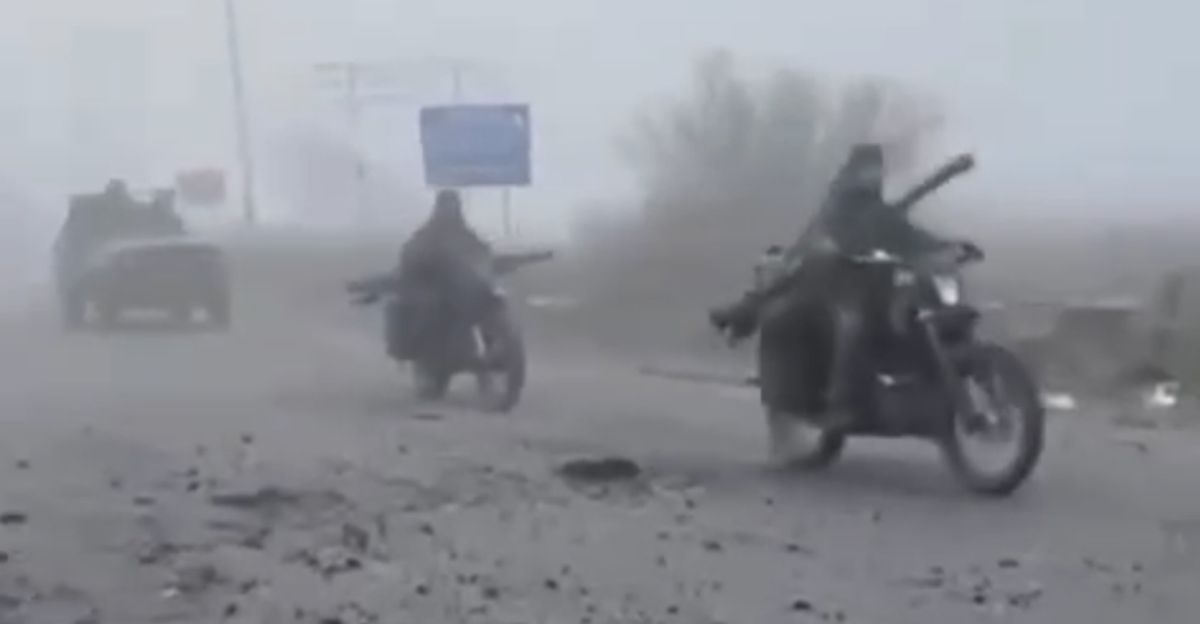
On December 10, Russian paratroopers from the elite 76th Pskov Airborne Division commenced their mechanized assault beneath a shroud of fog. With around 30 vehicles, their goal was to penetrate Ukrainian defenses and secure a foothold in Pokrovsk. However, Ukrainian defenders were prepared and mounted a remarkable counter-offensive.
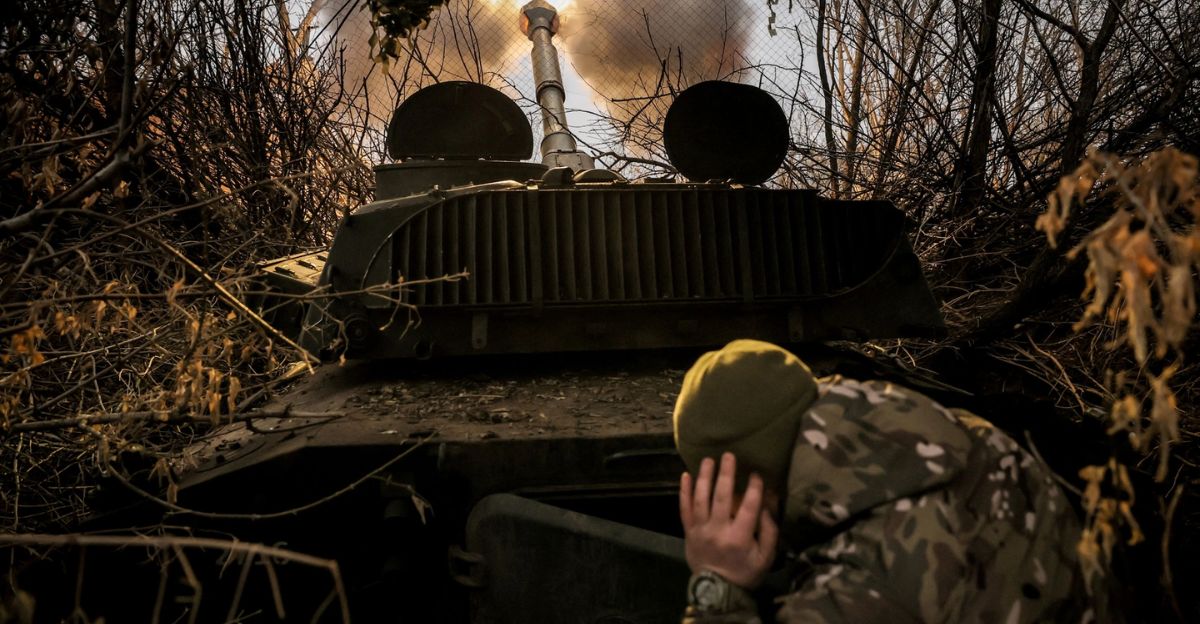
The 68th Separate Rifle Brigade immobilized the first armored column “within minutes.” As the day progressed, sustained strikes from the 7th Rapid Response Corps artillery and drone units systematically decimated follow-up waves. By sunset, Ukrainian officials confirmed a significant victory, stating the assault had been decisively “repelled,” showcasing unyielding defense.
Northern Inferno
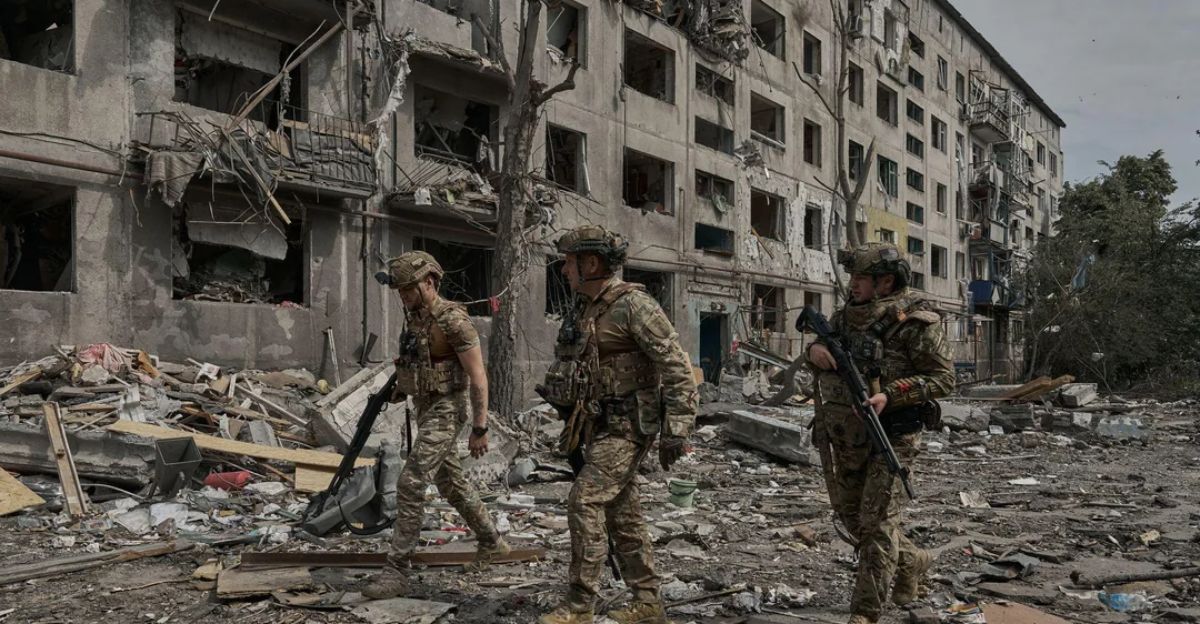
Intense fighting predominantly unfolded in Pokrovsk’s northern industrial sector, where Russian forces concentrated their most aggressive assaults. According to the 7th Rapid Response Corps, this area bore the brunt of artillery action and served as the primary avenue for Russian penetration.
Outside the clustered front lines, conditions evolved into a “gray zone,” characterized by scattered firefights and infiltration attempts. A Ukrainian officer reflected on the situation, stating, “Each day is unpredictable. We adapt, knowing that our survival depends on our ability to counteract their advances in real-time.” This uncertainty underscored the broader strategic complexity on the battlefield.
Human Toll in Conflict

The humanitarian crisis in Pokrovsk grew increasingly dire, affecting those who were unable or unwilling to evacuate. Shelters faced overwhelming demand, and local resources dwindled under pressure. A community volunteer in Pokrovsk expressed, “We are fighting for our neighbors as much as for ourselves.
It’s heartbreaking to watch loved ones suffer when you can’t provide them with basic needs.” With hospitals overstretched, many residents confronted severe shortages of essential supplies. The challenges of daily life starkly contrast with the strategic undertones of military operations, emphasizing the human dimension amidst this complex conflict.
Tactics Under Scrutiny
The failure of the December 10 assault signaled more than just a tactical loss for Russia; it highlighted significant strategic miscalculations. Russian military doctrine has traditionally relied on mechanized warfare, but this abrupt shift to larger-scale operations contradicted their recent success with small-unit tactics.
Military analysts pointed to this incident as a pivotal moment that might provoke critical reflections within Russian military planning. An army strategist noted, “The results of this engagement will likely spark internal debates regarding the effectiveness of conventional approaches, especially when confronting shifting battlefield realities.”
Community Resilience
Amidst chaos, the resilience of the Pokrovsk community shone through, driven by local efforts to support one another. Despite the challenging conditions, dedicated volunteers sprang into action, providing aid and assistance to those most in need. A local shopkeeper recounted, “We keep our doors open, hoping to offer a semblance of normalcy.
It’s what we can do.” Their initiatives not only provided immediate relief but also fostered a sense of solidarity that transcended the destructive forces surrounding them. This grassroots resilience became a vital lifeline for many still clinging to hope amidst adversity.
The Bigger Picture
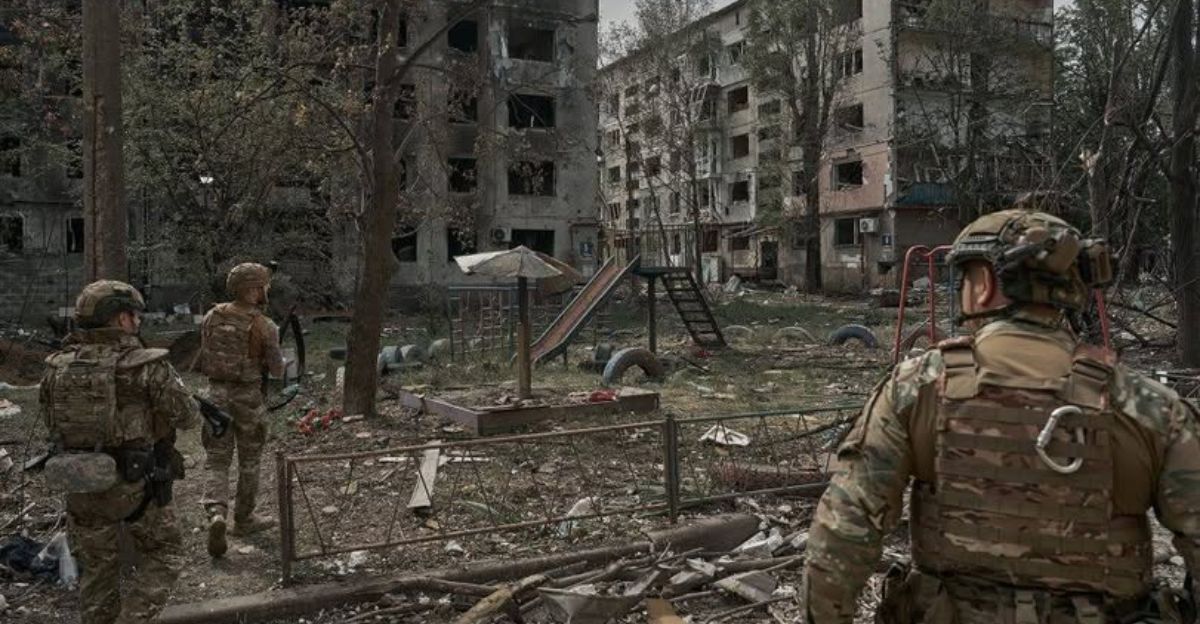
By the end of 2024, the battle for Pokrovsk could be perceived as a microcosm of the broader conflict in Ukraine. While Russian forces faced setbacks in their mechanized assault, the fate of the city remained uncertain and fraught with potential consequences for both sides.
Ukrainian forces demonstrated remarkable resolve in defending against aggressors, while the plight of civilians underscored the growing humanitarian crisis. As the conflict raged on, a Ukrainian soldier articulated the gravity of their struggle: “We fight for our homes, our families, and our future. This is our land, and we won’t let it go quietly.”
International Response
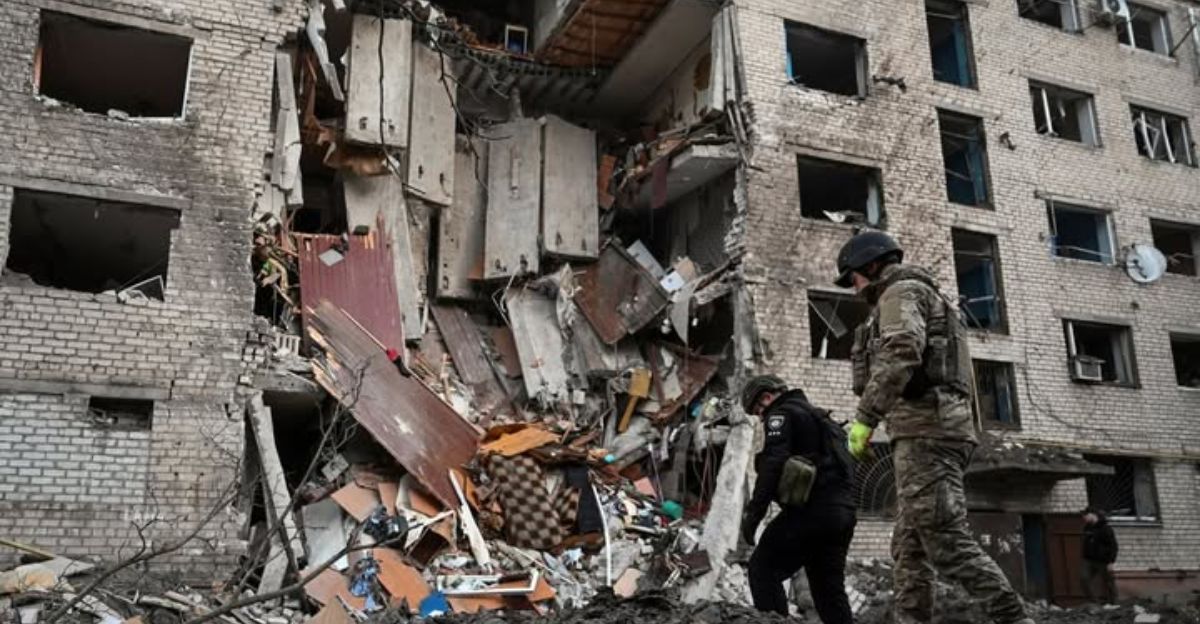
The international community watched closely as events unfolded in Pokrovsk, with growing concerns regarding humanitarian conditions and escalating military confrontations. Various governments and international organizations began offering aid and support to displaced civilians and the Ukrainian military.
A human rights advocate stated, “We must act now to ensure that those affected receive the necessary support. Their struggle is not just theirs; it is a global concern.” This urgency emphasized the intersection of global politics and humanitarian initiatives aimed at mitigating the impacts of the ongoing conflict.
The Military Landscape
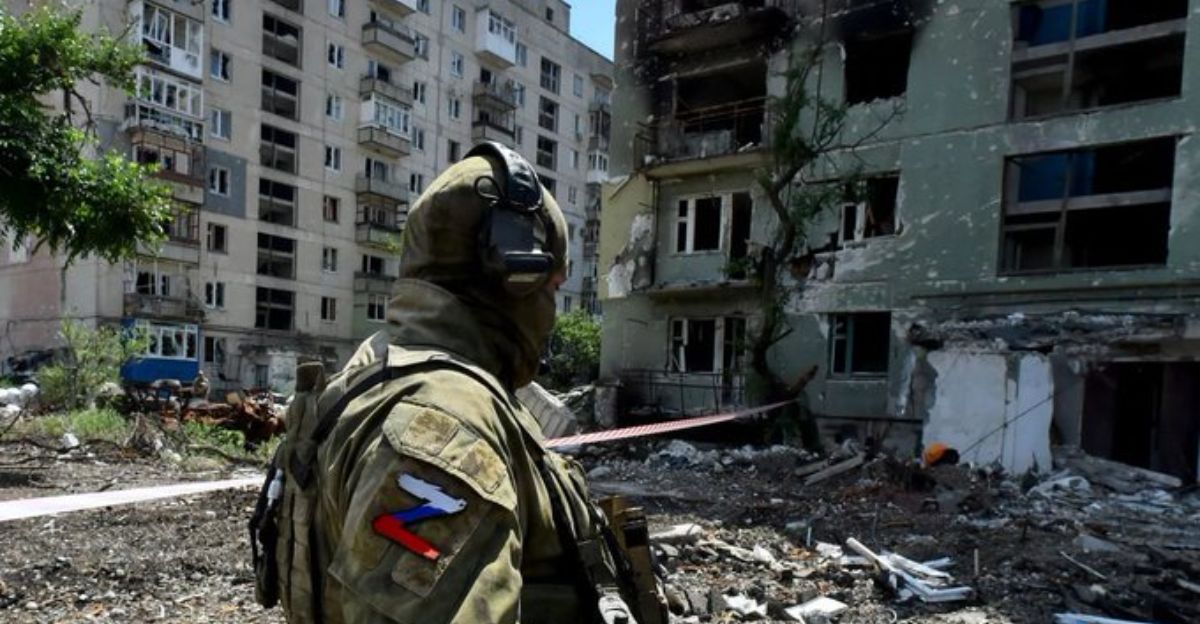
In the wake of the failed assault, the military landscape surrounding Pokrovsk underwent a significant evolution. Both Ukrainian and Russian forces recalibrated their strategies in preparation for future engagements. Ukrainian defense leaders emphasized the need for continued adaptation and innovation in their military tactics.
A strategic advisor commented, “Every day offers new lessons. Adaptability is crucial for our success.” This emphasis on strategic flexibility underscored the fluid dynamics of modern warfare, where the balance of power can shift rapidly based on tactical decisions and battlefield realities.
Human Stories Emerge
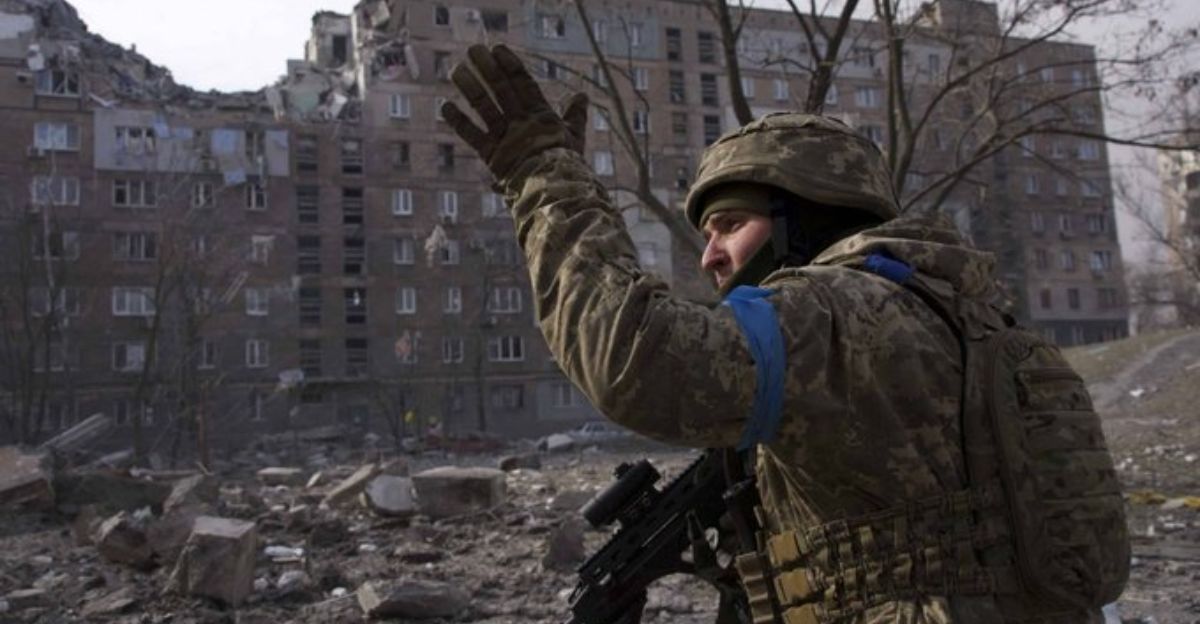
Beyond statistics and military strategies, the pressing human element of the conflict began to emerge as stories of personal resilience surfaced. Individuals caught in the conflict shared their experiences in harrowing detail.
A local teacher reflected, “We hold onto hope while facing uncertainty every day. Our children need to believe in a future.” These narratives captured the spirit of survival against tremendous odds, reminding observers that behind the headlines lay the real experiences of individuals navigating the complexities of war and loss.
Looking Forward
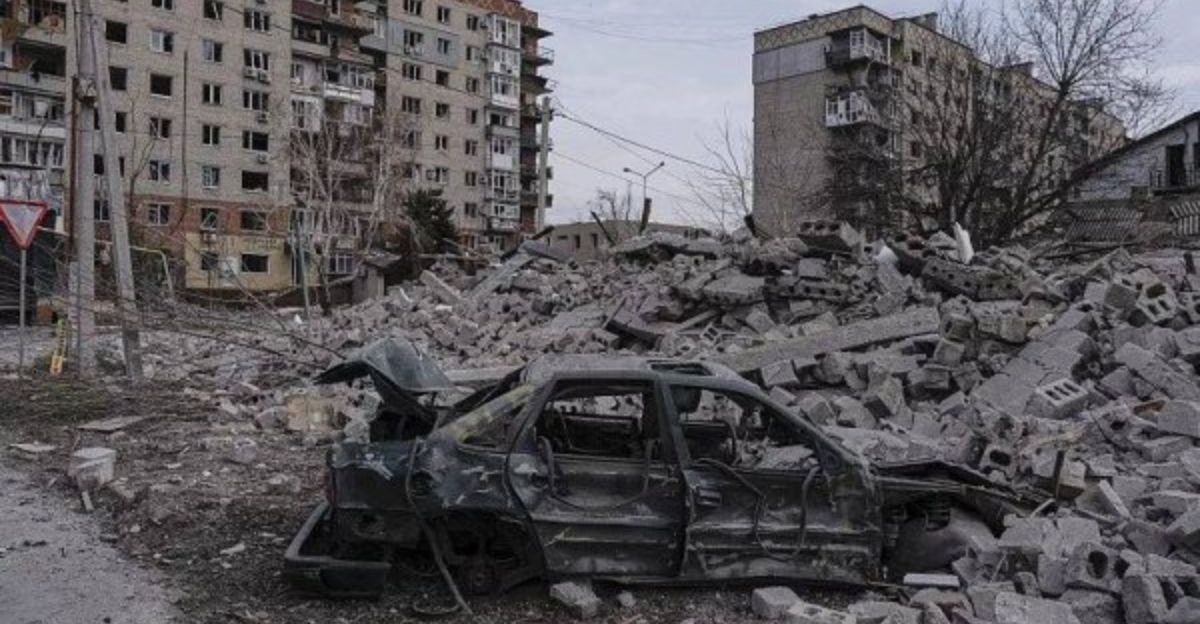
As 2025 approached, uncertainty loomed over Pokrovsk and the broader region. Both sides braced for potential escalations, with each preparing for the next strategic moves. Observers suggested that the evolving military tactics and humanitarian crises might reshape international responses.
An analyst speculated, “The conflict in Ukraine is entering a crucial phase. Both internal and external factors will play significant roles in determining the way forward.” This awareness of the multifaceted challenges ahead emphasized the ongoing complexities of warfare in the region.
A Prelude to Change

The events surrounding Pokrovsk in December 2024 represented a pivotal moment in the ongoing conflict. While Russia attempted a risky maneuver to regain momentum, it ultimately highlighted the resilience of Ukrainian defenders and the severe humanitarian crisis that persisted.
As both sides strategized for what lay ahead, the battle marked a symbol of determination. A resident concluded, “Whatever happens, we stand together. We will not be forgotten.” This collective spirit aims to transcend the devastation of war and inspire hope for a brighter future, suggesting the importance of unity amidst chaos.
Sources:
Ukrinform Defense Forces Report, December 2024
BBC News Pokrovsk Coverage, November-December 2025
Reuters Ukraine War Reporting, December 10, 2024
Kyiv Independent War Updates, November-December 2025
CNN Military Command and Tactical Analysis, December 2024
Institute for the Study of War Strategic Campaign Assessment, December 2025