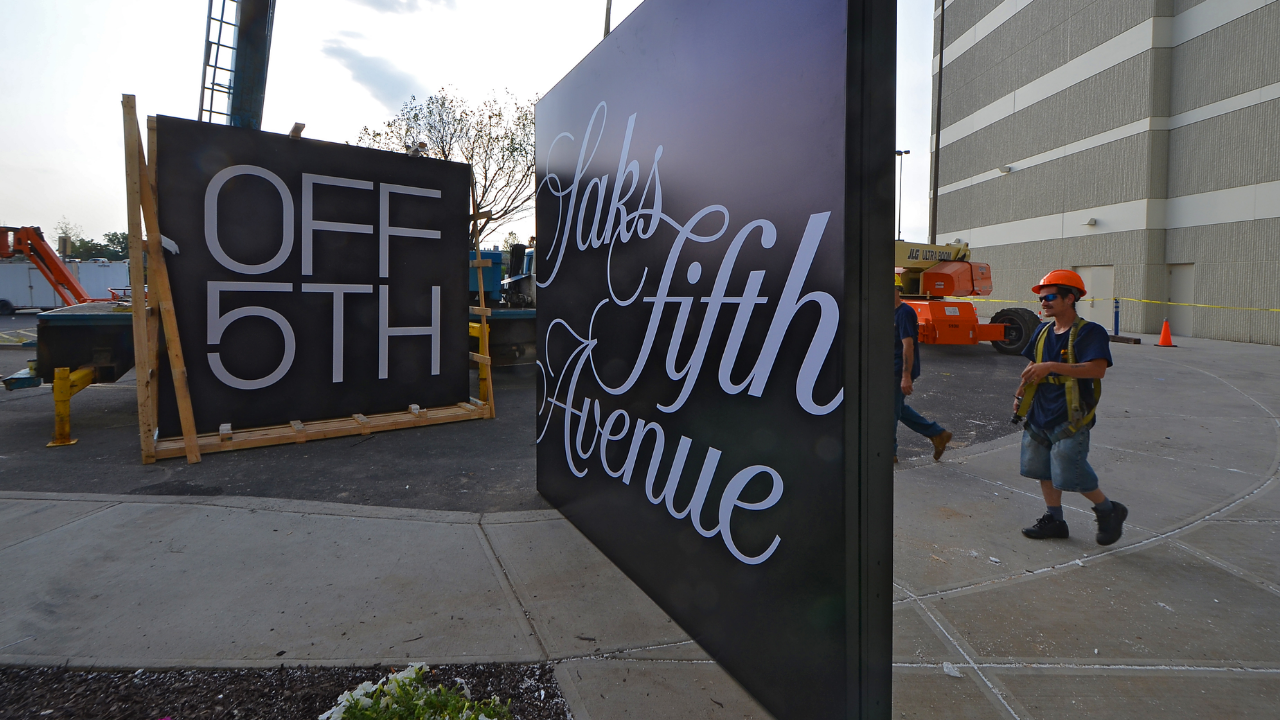
In late 2024, the luxury retail world watched as Saks Global Enterprises closed one of the biggest deals in department store history. The company merged Saks Fifth Avenue with Neiman Marcus, bringing together two iconic names in American shopping. Backed by heavy-hitting investors like Amazon, Salesforce, and investment firm Authentic Brands Group, the newly combined company promised a bold transformation.
With billions in fresh capital, the plan seemed flawless and for a moment, the industry believed this merger would save the department store model.
From Success to Survival in Twelve Months

What happened next shocked Wall Street. Less than a year after raising billions, Saks Global is now scrambling to survive bankruptcy. The company missed a critical debt payment of over $100 million that was due on December 30, 2025. Creditors are being assembled to discuss debtor-in-possession financing, the last-resort funding that typically precedes a formal Chapter 11 bankruptcy filing.
According to the Wall Street Journal, sources familiar with the situation confirm the company is preparing bankruptcy documents. This is not a gradual decline; it’s a catastrophic implosion that raises urgent questions about where the money went and how a mega-merger could collapse so violently and so quickly.
Warning Signs That Everyone Missed
By the middle of 2025, cracks were appearing. Sales at both Saks and Neiman Marcus started to slip despite strong holiday momentum from the previous year. Customers were shopping less frequently, and when they came, they found aggressive discounts and clearance racks, a death knell for luxury brands that depend on full-price sales.
Foot traffic declined noticeably. Industry analysts began whispering about weakening demand among affluent shoppers. Then came August: Saks announced a restructuring of nearly $1 billion in debt and brought in $600 million in fresh capital just to stay afloat. Two months later, in October, the company cut its revenue forecast, sending investors and lenders into a panic. The dominoes were falling.
The Day Everything Changed

When December 30, 2025 arrived, Saks Global faced a cruel reckoning. The company owed bondholders a $100 million interest payment. The money simply wasn’t there. In the corporate world, missing a debt payment this large is not a minor stumble, it’s a critical failure that triggers default clauses and accelerates the bankruptcy process.
With credit markets frozen and asset values plummeting, raising the funds proved impossible. Instead of paying, the company’s executives and advisors began urgent, behind-the-scenes talks with creditors. Investment bank PJT Partners was called in to explore every possible option of emergency bridge loans, debt restructuring, asset sales, or controlled liquidation.
How Fast Can Investor Confidence Evaporate?

The bond market told a story of panic and losses. Saks Global’s most junior debt, its second-out notes worth $941 million, plunged from trading at 36 cents on the dollar to just 6 cents within a single two-week period.
That represented an 83% loss in value in fourteen days. Even the company’s senior debt, supposedly safer, dropped to 46 cents on the dollar. For investors and institutions that had gambled on the merger, the losses were staggering. Well over $1 billion in paper losses materialized almost overnight.
Where Did $2-3 Billion Go?

Between late 2024 and mid-2025, Saks Global raised somewhere between $2 billion and $3 billion through bond sales, asset restructurings, and new credit facilities. The company promised investors these funds would fuel a digital revolution. The plan included upgrading e-commerce platforms, integrating inventory systems across Saks Fifth Avenue, Neiman Marcus, and Bergdorf Goodman, and embedding sophisticated data analytics powered by Salesforce.
None of it materialized at scale. Instead, the capital seems to have been consumed by operational losses, debt servicing, and initiatives that either stalled or failed to deliver results. Some observers suggest aggressive markdowns and weak sales burned through cash faster than anticipated.
Amazon and Salesforce Face an Awkward Reality
Amazon and Salesforce entered the Saks deal as equity investors, bringing not just capital but also the promise of cutting-edge technology. Both companies believed their data science, artificial intelligence, and personalization expertise could revitalize luxury retail. They envisioned embedding sophisticated recommendation engines and customer-profiling tools across Saks’s stores and websites.
The theory was compelling: if you could combine Saks’s brand heritage with Amazon’s logistics prowess and Salesforce’s customer intelligence, magic might happen. Instead, the collapse reveals a harder truth. No amount of data sophistication can overcome weak demand, aggressive price competition, or shifting consumer priorities.
Saks Is Symptomatic of Something Larger
The Saks collapse is not an isolated mishap. It reflects a genuine crisis in luxury retail and high-end consumer spending. According to McKinsey and Bain & Company, the global luxury market faces its worst conditions in decades. Rising interest rates have reduced consumer spending power. Chinese customers, once a growth engine, have retreated dramatically.
Younger shoppers are less interested in traditional luxury brands and more drawn to value and sustainability. Major luxury houses like Gucci, Chanel, and Dior have already launched creative restructurings and appointed new designers to reverse sliding sales. Bain & Company forecasts that global luxury sales will fall between 2% and 5% in 2025, a sharp reversal from previous growth expectations.
A 355-Year Legacy Comes to an End
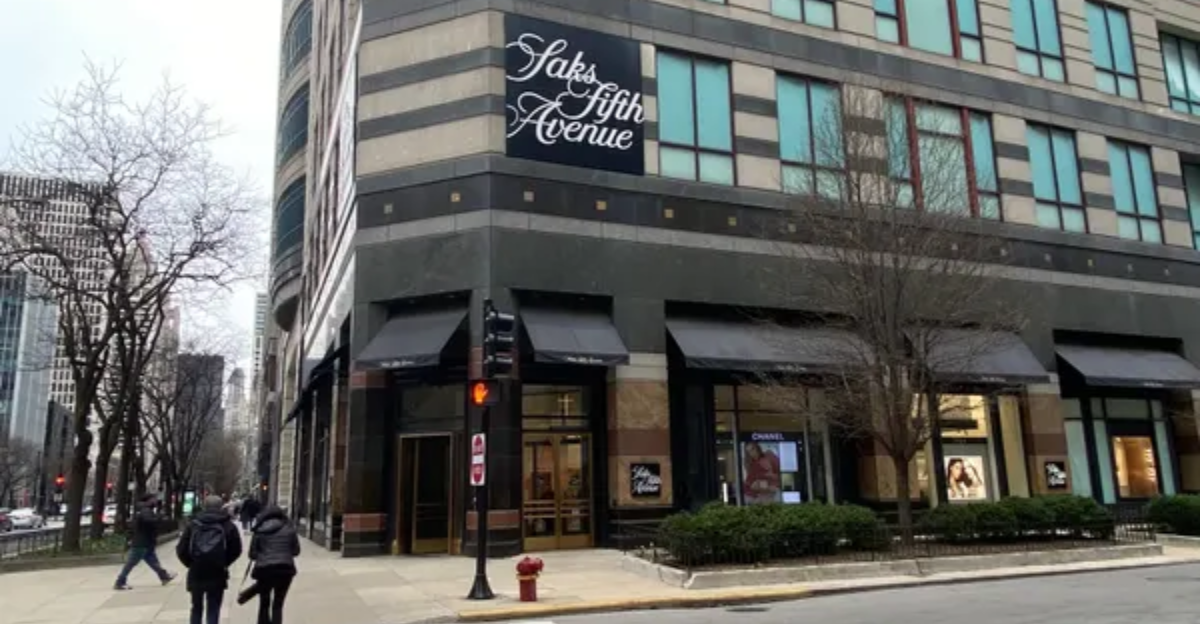
Adding to Saks’s woes, Hudson’s Bay Company, Saks’s former parent company and a retail institution dating back to 1670, liquidated its remaining stores in 2025, closing a 355-year chapter in Canadian retail history.
Hudson’s Bay had been a symbol of endurance and tradition, but the modern retail environment simply could not support its brick-and-mortar footprint. The irony is cutting: Saks Global, which was carved out from Hudson’s Bay’s assets, now faces near-total collapse while the parent company is already gone.
The Human Cost of Financial Failure

A bankruptcy filing would devastate thousands of workers. Saks Global employs between 10,000 and 15,000 people across more than 300 locations, including flagship stores in major cities. Employees face uncertain futures and the possibility of mass layoffs in a challenging job market. The timing could not be worse. The bankruptcy threat emerges just weeks after the holiday shopping season, when retailers typically carry higher payroll and supply-chain obligations.
Small vendors and designers who rely on Saks and Neiman Marcus to carry their products have already begun restricting shipments, fearing they will never be paid for outstanding invoices. The company has accumulated a substantial bill with suppliers, and many have switched to cash-on-delivery arrangements.
Investment Banking to the Rescue (Or Not)
In a last-ditch effort, Saks Global brought in PJT Partners, a prominent investment bank known for handling complex corporate restructurings. PJT’s role is to explore every conceivable option: asset sales, debt-for-equity swaps, emergency bridge financing, or a controlled reorganization under Chapter 11 protection.
These talks are happening in parallel with creditor negotiations to arrange debtor-in-possession (DIP) financing, the special funding that allows companies to keep operating during bankruptcy. However, sources familiar with the situation acknowledge that the sheer magnitude of Saks’s debt and the speed of its decline make a traditional turnaround extremely difficult.
Following the Money Through Bankruptcy

In a typical Chapter 11 bankruptcy, creditors are paid in a strict pecking order. Secured lenders (banks backed by collateral) come first. Then come unsecured bondholders. Junior investors come last. In Saks’s case, the numbers are grim. With second-out notes trading at 6 cents on the dollar and senior debt at 46 cents, creditors across the board are negotiating for severe haircuts, meaning they will receive only a fraction of what they are owed.
Even the safer secured lenders now expect significant write-downs as store portfolios decline in value and liquidation proceeds fall short of obligations. Creditors would prefer a structured reorganization where the company emerges from bankruptcy as a smaller, leaner entity.
What Happens to Customers Caught in the Middle?
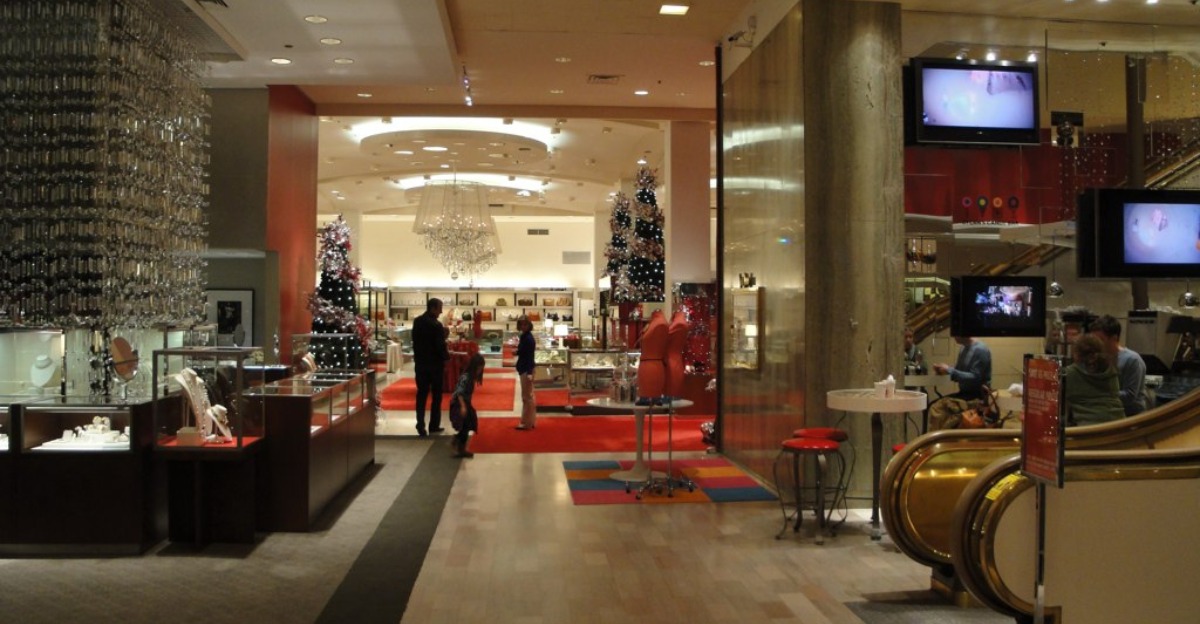
Retail bankruptcies are particularly cruel to ordinary customers. Shoppers holding Saks or Neiman Marcus gift cards face the possibility of never redeeming them. Customers with pending returns, refund credits, or layaway purchases may find those transactions frozen under bankruptcy court protection.
History shows this pattern: in past major retail collapses, consumers often received pennies on the dollar for prepaid balances. Those holding unfinished orders or return credits become unsecured creditors competing for scraps alongside bondholders and suppliers. The psychological blow extends beyond the financial loss. Saks Fifth Avenue and Neiman Marcus represent more than retail destinations; they are cultural institutions where customers have shopped for generations.
The Fastest Collapse in Modern Retail History

The Saks Global story is remarkable for its shocking speed. In late 2024, the company completed the largest luxury retail merger in modern history, backed by billions in new capital and the backing of tech giants Amazon and Salesforce. The plan was bold and seemingly well-financed.
By mid-2025, the company was quietly restructuring debt. By October, revenue guidance was slashed. On December 30, 2025, less than thirteen months after the merger closed, the company missed a $100 million payment and began preparing bankruptcy documents. Few corporate transformations have unraveled this completely or this swiftly.
What Happens Next?
The clock is ticking. Saks Global is exploring “all potential paths to secure a strong and stable future,” according to company statements. But the reality is clear: some form of bankruptcy restructuring is coming.
The only question is how it will unfold, and how many jobs, stores, and investor dollars will be saved in the process. A formal Chapter 11 filing could come within weeks. Creditors are preparing for massive losses while employees and customers brace for disruption.
Sources:
Bain & Company – Luxury goods market slowdown and state of fashion analysis. Cited in McKinsey State of Luxury report
Consulting analysts report – Luxury industry executive sentiment survey. Referenced in Fashion Dive and Bloomberg luxury coverage
Wall Street Journal – Exclusive reporting on Saks Global bankruptcy preparation and missed debt payment