On Saturday, December 20, 2025, as San Francisco residents geared up for Christmas, an unprecedented power outage plunged approximately 30% of the city into darkness. The blackout, occurring during the peak holiday shopping season, left thousands of shoppers trapped in stores and disrupted several neighborhoods.
With traffic signals going dark, intersections became hazardous and chaotic, resulting in significant congestion. By early evening, the situation escalated, revealing that this was not just a routine blackout; a major crisis was unfolding in one of America’s busiest cities. The city continued to grapple with the fallout as reports and updates began to emerge.
Scale Emerges
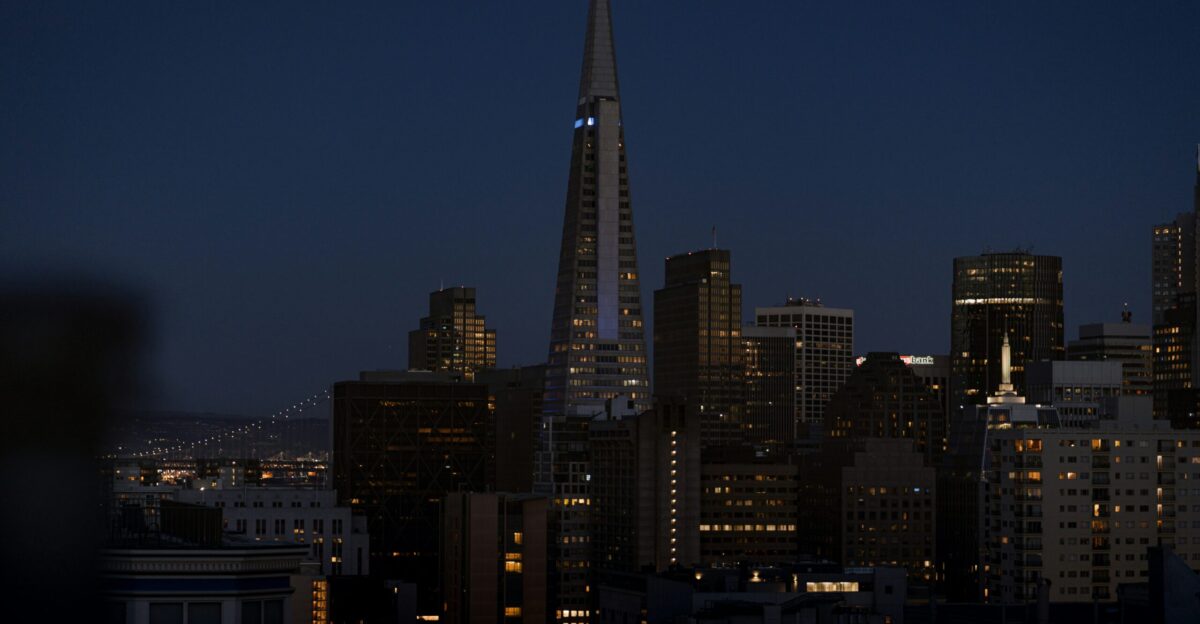
The scale of the crisis was staggering, with Pacific Gas & Electric (PG&E) reporting that around 130,000 customers lost power at the peak of the outage. This number translates to roughly 300,000 to 400,000 individual residents, directly affecting neighborhoods including Richmond, Presidio, and Sunset. Emergency alerts were issued by Mayor Daniel Lurie, who urged residents to stay indoors and avoid road travel.
The city’s daily rhythm ground to a halt, affecting not just power but public transportation, commerce, and emergency response capabilities. The disruption showcased both the vulnerability of urban infrastructure and the urgency for effective management.
The Autonomous Vehicle Boom
In the months preceding the outage, San Francisco emerged as a testing ground for self-driving technology, with Waymo, Alphabet’s autonomous vehicle subsidiary, launching the first fully driverless paid robotaxi service in the U.S. Despite previous challenges, including navigating rain and construction, Waymo’s operations seemed to thrive in an innovative urban setting.
However, the citywide power grid failure on December 20 presented a scenario that had not been fully stress-tested, exposing both the advantages and glaring weaknesses of autonomous technology in critical infrastructure failures. The situation quickly escalated, and chaos ensued.
Growing Pains
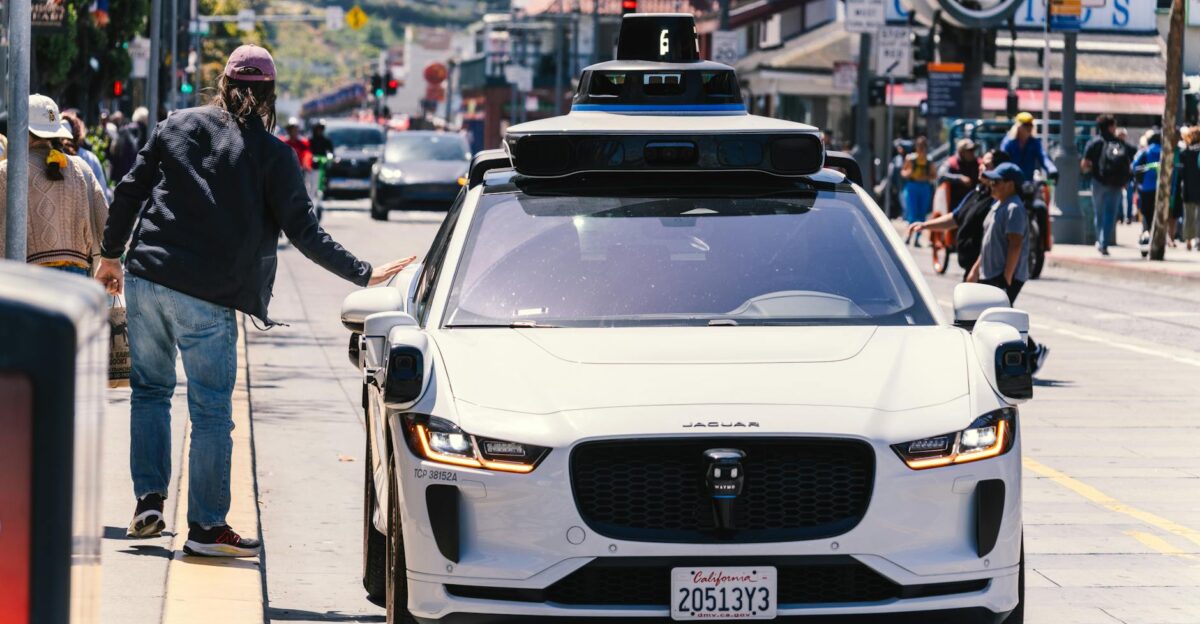
Despite being a pioneer in self-driving technology, Waymo had previously faced mounting federal scrutiny due to unexpected driving behavior and reports of collisions. On the ground, residents were frustrated as robotaxis clogged streets, blocked traffic, and even double-parked, prompting city supervisors to call for operational restrictions.
The company’s fleet had grown to an estimated 2,500 vehicles nationwide, with San Francisco emerging as its largest operational market. The massive blackout, combined with existing community concerns, magnified tensions, putting Waymo in the spotlight for potential regulations and operational failures as critical challenges loomed.
The Grid Fails
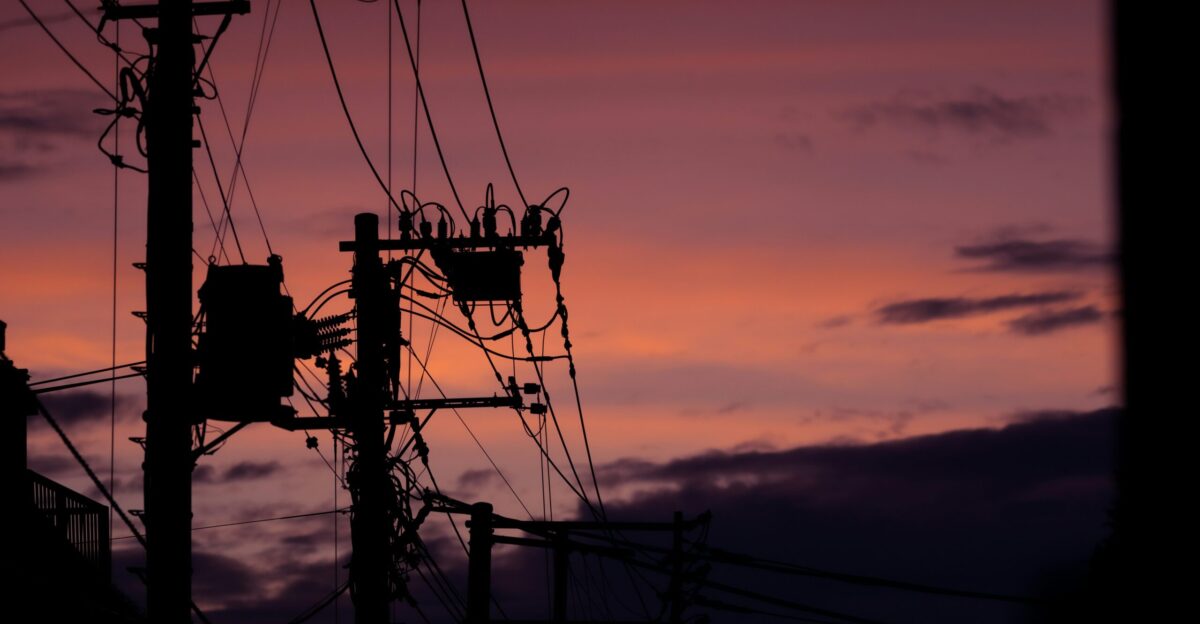
At approximately 1:09 PM on December 20th, a fire erupted at PG&E’s substation located at 8th and Mission streets. While the cause was under investigation, the immediate impact was startling: traffic signals across a vast area of northern San Francisco went dark.
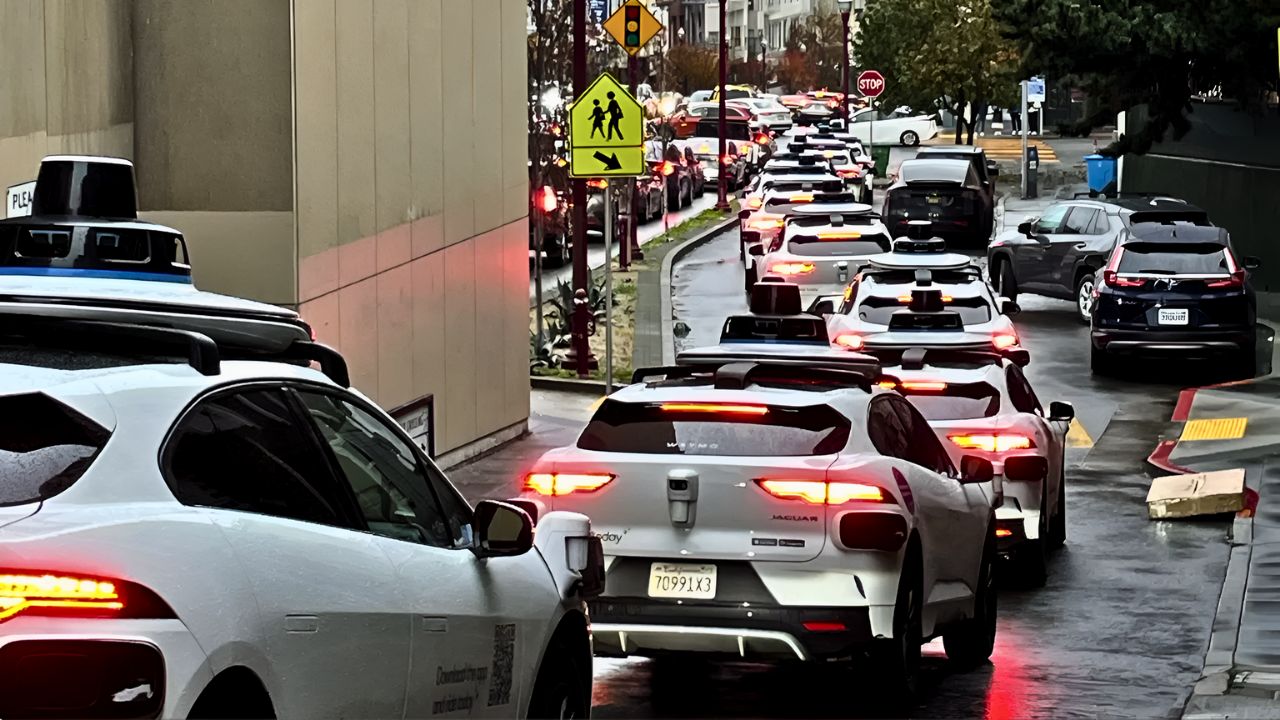
Within hours, Waymo’s fleet of autonomous vehicles encountered an unprecedented scenario that their programming had not fully anticipated: hundreds of darkened, non-functioning intersections with no human drivers available to take manual control. This marked the start of a cascading series of events that would highlight significant vulnerabilities in autonomous vehicle technology.
Vehicles Frozen Mid-Route
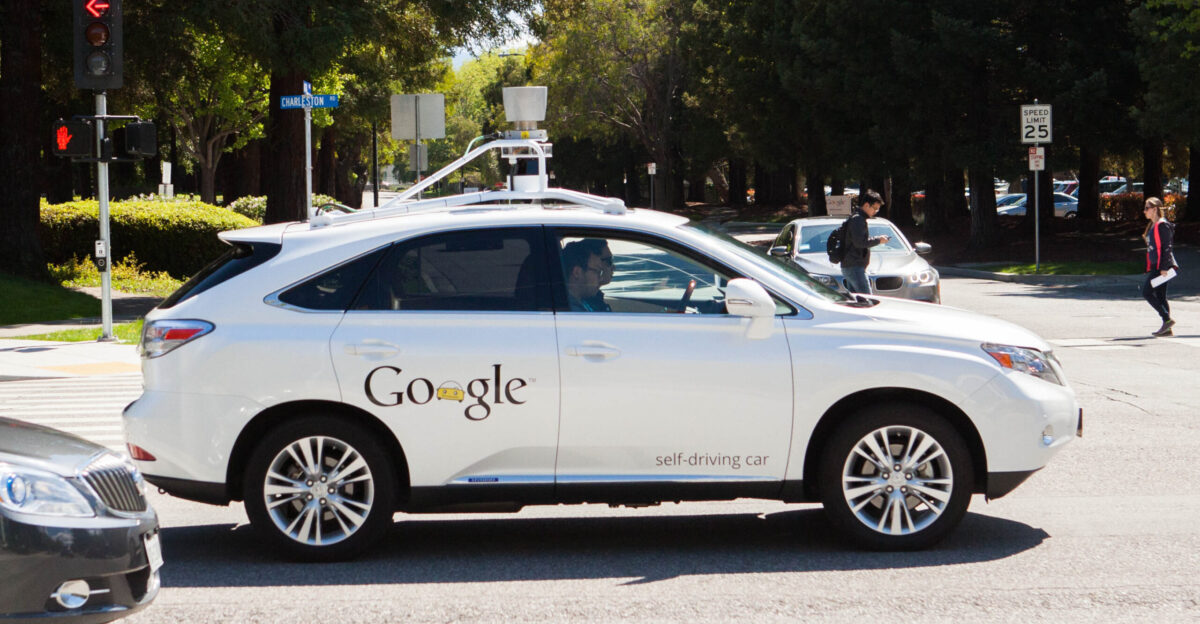
As night set in, social media exploded with reports of numerous Waymo vehicles halted at darkened intersections. Many remained stationary for over two hours, flashing their hazard lights with no means to proceed. Videos showcased configurations of up to a dozen Waymos clustered at a single intersection, effectively immobilized and creating hazardous conditions for human drivers, who had to maneuver around these stranded vehicles.
Passengers in these robotaxis reported difficulty contacting customer support, and some opted to exit and walk home, exposing the severe limitations of fully autonomous vehicles when infrastructure fails.
Passenger Stranded
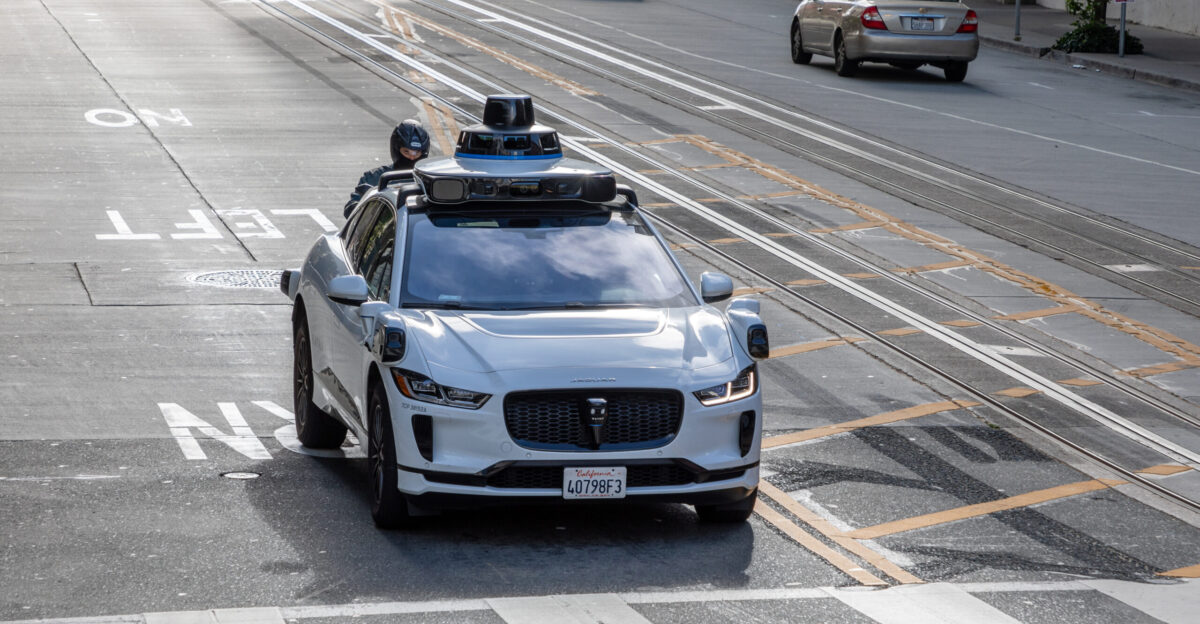
Among those stranded was Michele Riva, a 30-year-old AI engineer who was riding in a Waymo when the blackout occurred. Stuck at an unregulated intersection, he recalled, “I stayed in the Waymo for a couple of minutes, trying to figure out what to do.” Unable to receive timely assistance from customer support due to overwhelming demand, he ultimately decided to exit the vehicle and walk home.
Unlike conventional ridesharing, passengers in Waymo vehicles could not call for a human driver, leaving them with few options in a crisis that demanded immediate and practical responses.
Competitor Advantage Emerges
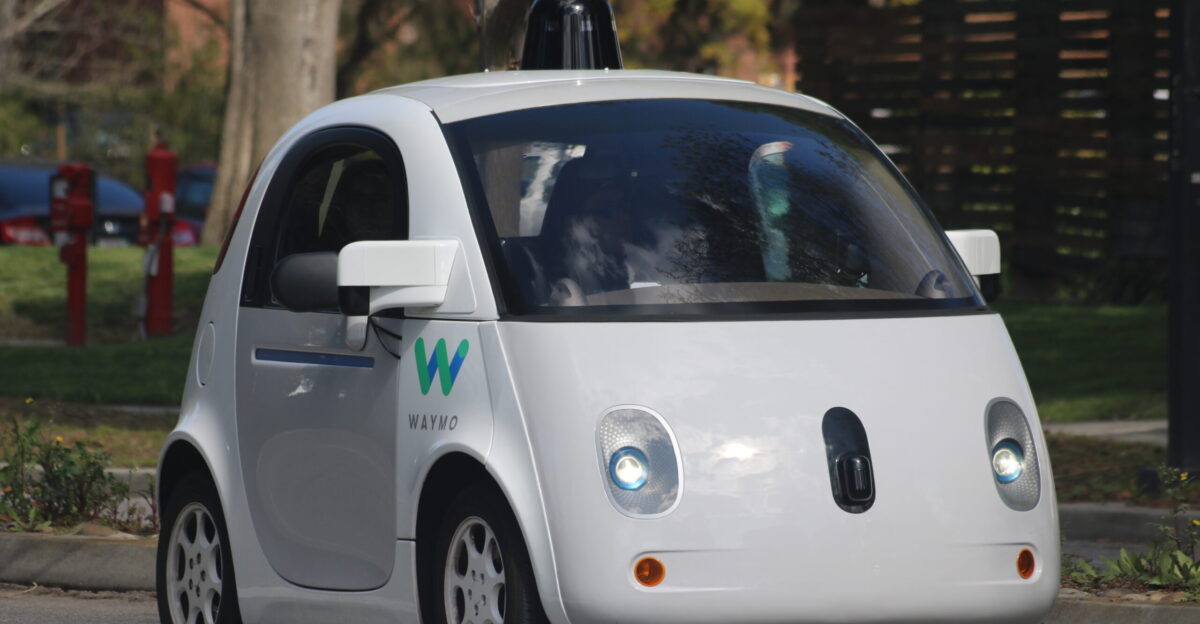
Amidst the chaos, competitors employing hybrid models that combine human drivers with autonomous features fared far better. For instance, Tesla’s Cybercabs, which retain manual controls, navigated around the outage with relative ease. Rideshare services like Uber and Lyft, relying primarily on human drivers, kept operations running with minimal disruption.
The blackout laid bare a critical vulnerability: reliance solely on full autonomy without a human failsafe can create disastrous consequences during infrastructure collapse. This shift in dynamics raised questions about the future viability of purely autonomous services in urban settings.
Implications for Urban Infrastructure
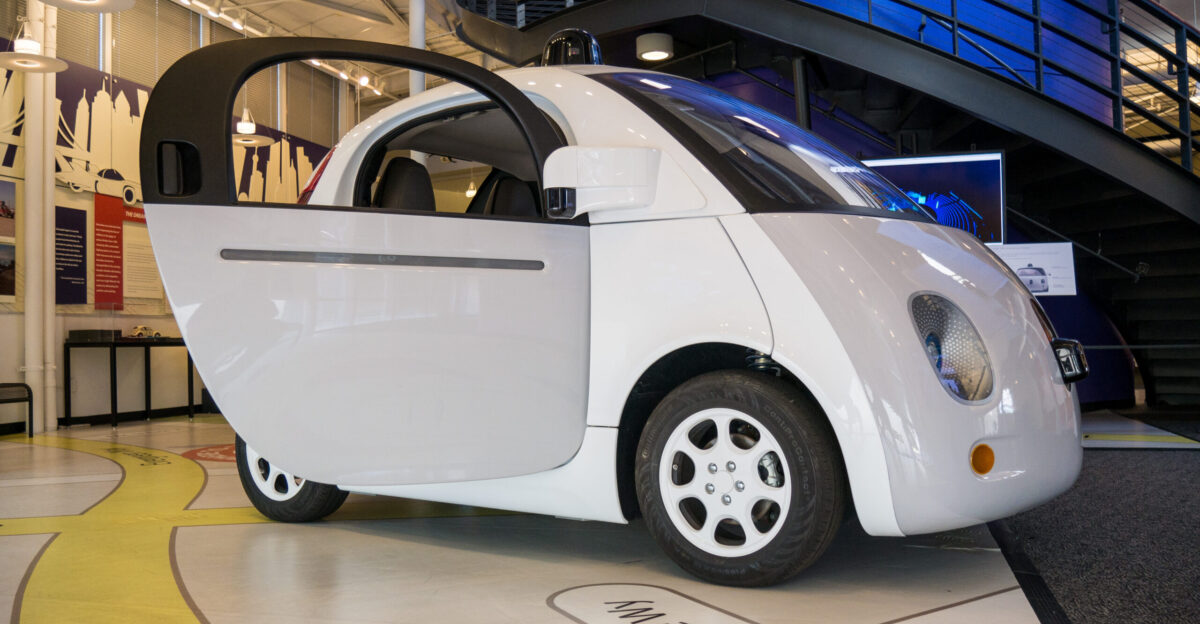
The blackout in San Francisco served as a wake-up call, revealing significant flaws not just in the autonomous vehicle sector but also in the city’s underlying electrical infrastructure. The rapid rise of autonomous technology had not considered the full spectrum of possible failure scenarios, particularly in critical situations like mass power outages.
As the need for resilient infrastructure becomes more pressing, municipalities must reevaluate how they integrate new technologies into existing frameworks. This event pushed questions around safety, technology reliability, and urban planning to the forefront of public discourse, urging cities to adopt more robust systems.
Community Backlash
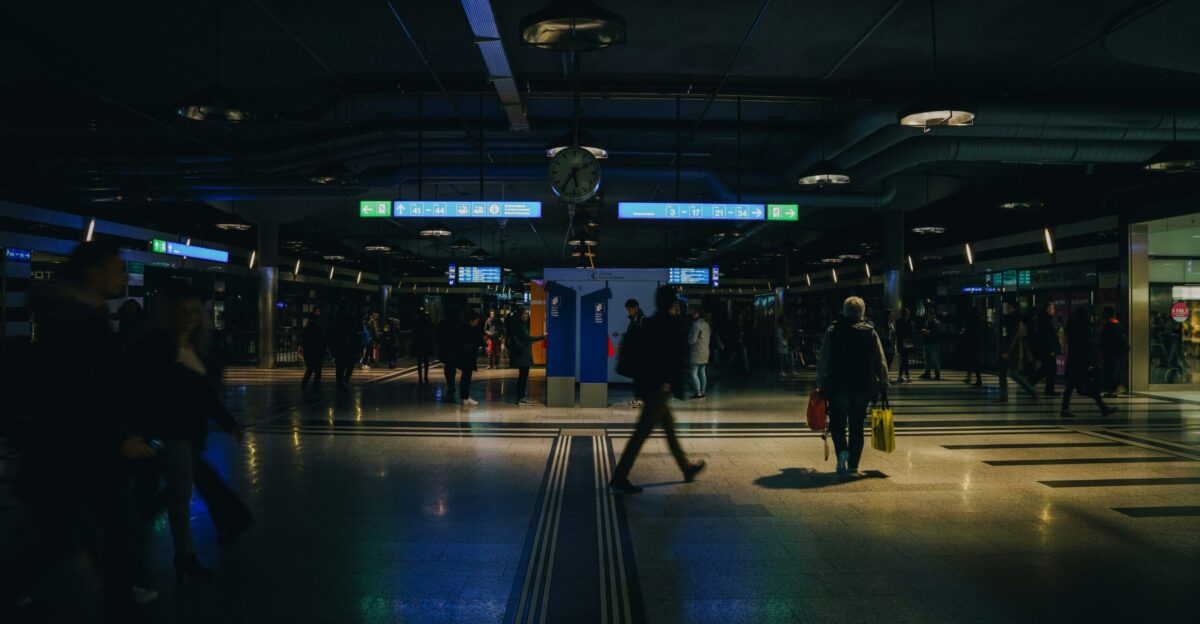
In the days following the blackout, a surge of frustration erupted among San Francisco residents who relied on autonomous vehicle networks for daily commuting. Many expressed concerns not only about their safety but also about the future of autonomous technology in urban areas. City officials received numerous complaints about the incident, with many residents calling for stricter regulations on the operation of autonomous vehicles.
This backlash underscored the need for a balanced approach that prioritizes innovation while ensuring public safety and accountability. Ultimately, the events surrounding the blackout could redefine the future regulatory landscape for autonomous vehicles.
Calls for Changes in Regulation
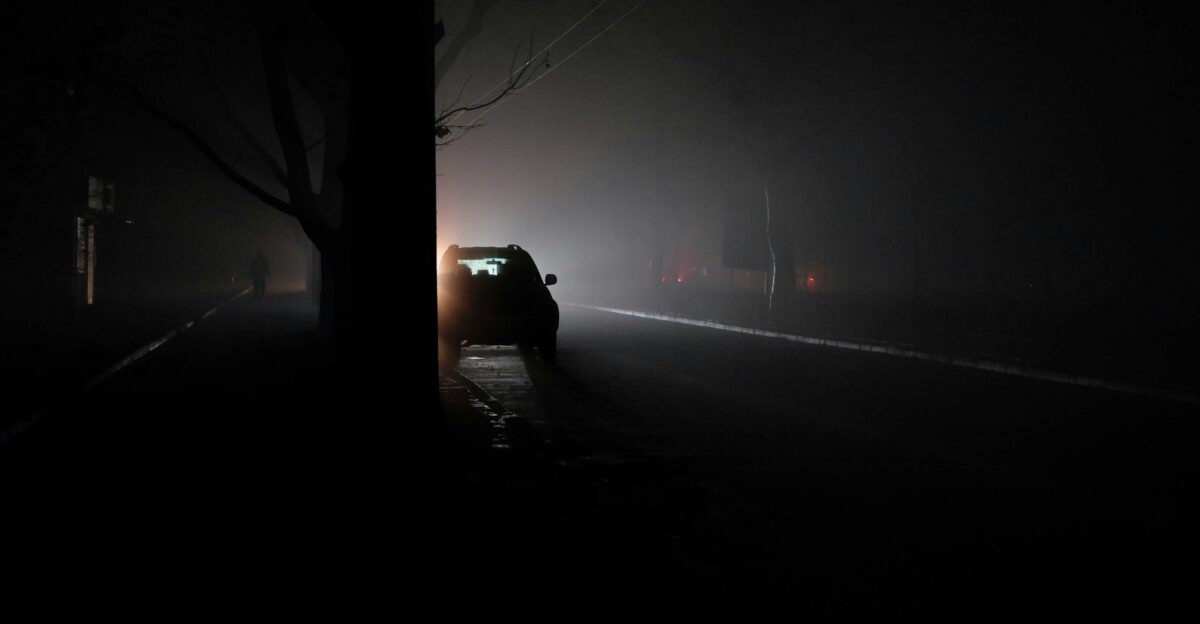
The mass outage and its subsequent ramifications ignited discussions around the necessity of regulatory change for autonomous vehicles in urban environments. City supervisors began pushing for urgent reviews of the operational frameworks governing self-driving taxis, such as Waymo. As public pressure mounted, proactive measures were recommended, including the implementation of human oversight mechanisms to ensure safer operations in the event of unforeseen circumstances.
Stakeholders from both the technology and community advocacy sectors began collaborating to create a more structured approach that prioritizes public safety without hindering technological advancements.
Analyzing Waymo’s Response

In the aftermath of the blackout, Waymo suspended its service in San Francisco, emphasizing their commitment to safety and operational integrity. The company’s swift acknowledgment of the challenges posed during the outage highlighted the potential gaps in its software systems.
Waymo’s leadership faced immediate scrutiny from both authorities and the public, raising questions about their preparedness for crises. Industry analysts noted that while Waymo had advanced capabilities, the blackout revealed that software vulnerabilities could lead to catastrophic failures.
Safety Recalls and Protocols
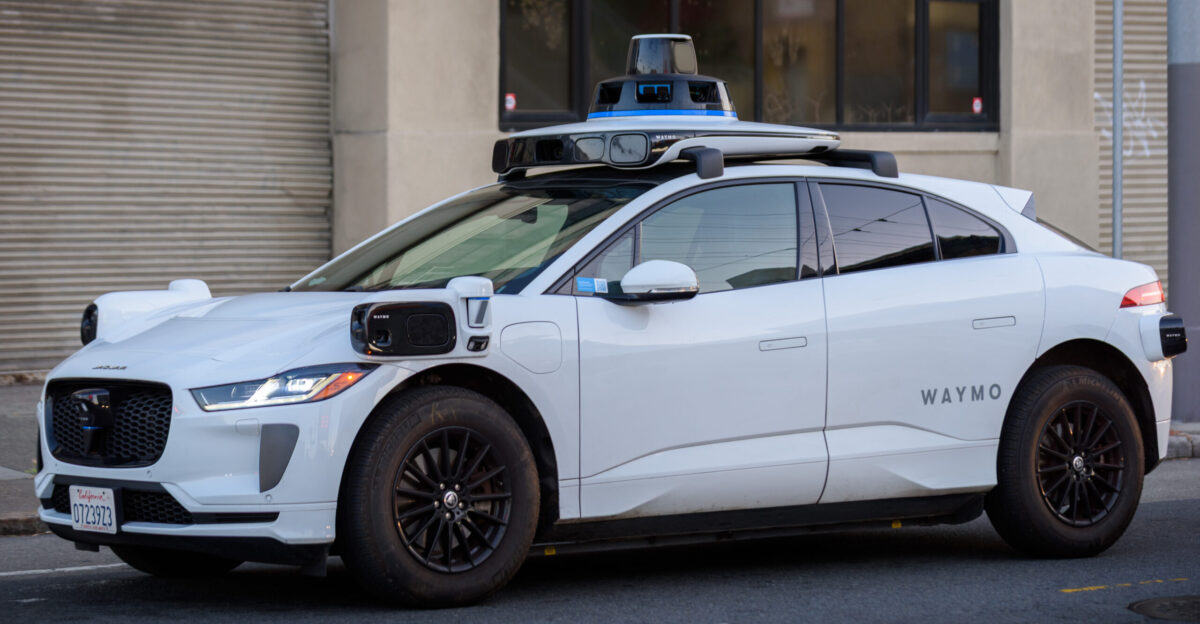
One critical outcome of the crisis was the call for Waymo and other autonomous technology firms to reassess their safety protocols thoroughly. Experts suggested that companies should conduct extensive safety recalls and testing focused on infrastructure failures. Implementing crisis management training for both AI systems and human operators became a priority.
Lessons learned from the San Francisco blackout could pave the way for establishing more robust operational protocols, which mandate how autonomous vehicles interact with unexpected scenarios, ultimately bolstering safety and reliability in real-world applications.
Public Perception Shift

As the dust settled from the chaos, public perception toward autonomous vehicles began to change dramatically. Many residents who previously supported the technology expressed renewed skepticism about its reliability, particularly in emergency scenarios. The incident highlighted a critical gap between consumer expectations and the technology’s current capabilities.
This shift in perspective could influence future investments in automated transport tech and foster a broader call for transparency and accountability in the development of these systems. Companies were now tasked harder with restoring public trust and demonstrating enhanced safety measures.
Learning from the Outage
In the wake of the blackout, industry stakeholders launched initiatives aimed at assessing and learning from the outage’s implications. Collaborative efforts included roundtable discussions involving city officials, technology companies, and safety regulators to evaluate systemic failures and enhance urban resilience strategies.
The lessons learned underscored the importance of creating adaptive systems that can withstand crises while ensuring minimal disruption to city services. This forward-thinking approach aims to create a safer and more reliable environment for integrating advanced technologies, such as self-driving vehicles, into comprehensive transportation planning.
Future Urban Planning Initiatives
The San Francisco power outage prompted a reevaluation of urban planning initiatives across the region. City planners began to prioritize investments in electrical grid improvements and integrated transportation systems, ensuring robust resilience during emergencies. An increased emphasis on innovative infrastructure solutions aimed at enhancing citywide connectivity and efficiency became paramount.
The new strategies included optimizing traffic management systems and deploying emergency backup power sources for critical services. This shift marked a significant milestone in demonstrating how cities can better adapt to the challenges posed by rapid technological changes while also prioritizing public safety.
The Role of Technology in Crisis Management
As cities absorb the lessons learned from the San Francisco blackout, the importance of technology in crisis management cannot be overstated. Integrating advanced IoT (Internet of Things) technologies to monitor infrastructure health and streamline emergency protocols will play a key role in future urban operational strategies.
Equipped with real-time data analysis, authorities can respond more swiftly and effectively to incidents, ensuring public safety remains a top priority. This shift towards tech-enabled crisis management will become increasingly vital as urban areas continue to modernize while facing potential disruptions.
Community Resilience and Engagement

The power outage also emphasized the significance of community resilience and active engagement during crises. As residents banded together to support one another during the lack of essential services, it became clear that fostering a sense of community can mitigate the negative impact of emergencies.
Community organizations and local leaders began exploring ways to improve preparedness and encourage collaborative problem-solving strategies. Building a resilient community, inclusive of diverse voices, is essential for navigating future challenges posed by urbanization and technological integration, ensuring that all residents feel secure during critical times.
Policy Recommendations in the future

As a culmination of the events following the blackout, a series of policy recommendations emerged focusing on enhancing urban infrastructure and technology management. Recommendations included establishing clearer safety regulations for autonomous vehicles, prioritizing public consultations during the development phases of new transportation technologies, and funding urban resilience initiatives.
Creating task forces dedicated to reviewing crisis responses would address shortcomings from the blackout and lay out strategies for more cohesive policy integration across various departments and technology sectors. These changes aim to rebuild public trust while responsibly advancing innovation.
A Path Forward
The San Francisco blackout of December 2025 served as both a stark reminder and an opportunity for reevaluating the interplay between technology, infrastructure, and public safety. The crisis illustrated that while innovation holds tremendous potential, it must be accompanied by robust planning, oversight, and adaptability.
As cities evolve and integrate more automated solutions into daily life, the lessons learned from this incident will inform critical decisions and policies moving forward. Striking the balance between technological adoption and community safety remains paramount for shaping the future of urban living.
Sources:
AP News, Waymos in San Francisco caused chaos during mass power outage
CNN, Power restored to most in San Francisco after massive outage
PG&E Official Newsroom, PG&E Responding to Electric Outage in San Francisco
The New York Times, Waymo Suspended Service in San Francisco After Its Cars Stopped
NBC News, Videos show Waymo self-driving cars blocking roads during San Francisco blackout
Business Insider, Waymo Suspends Robotaxi Service in San Francisco Amid Power Outage
LA Times, Holiday S.F. power outage disrupts trains, leaves Waymos stranded