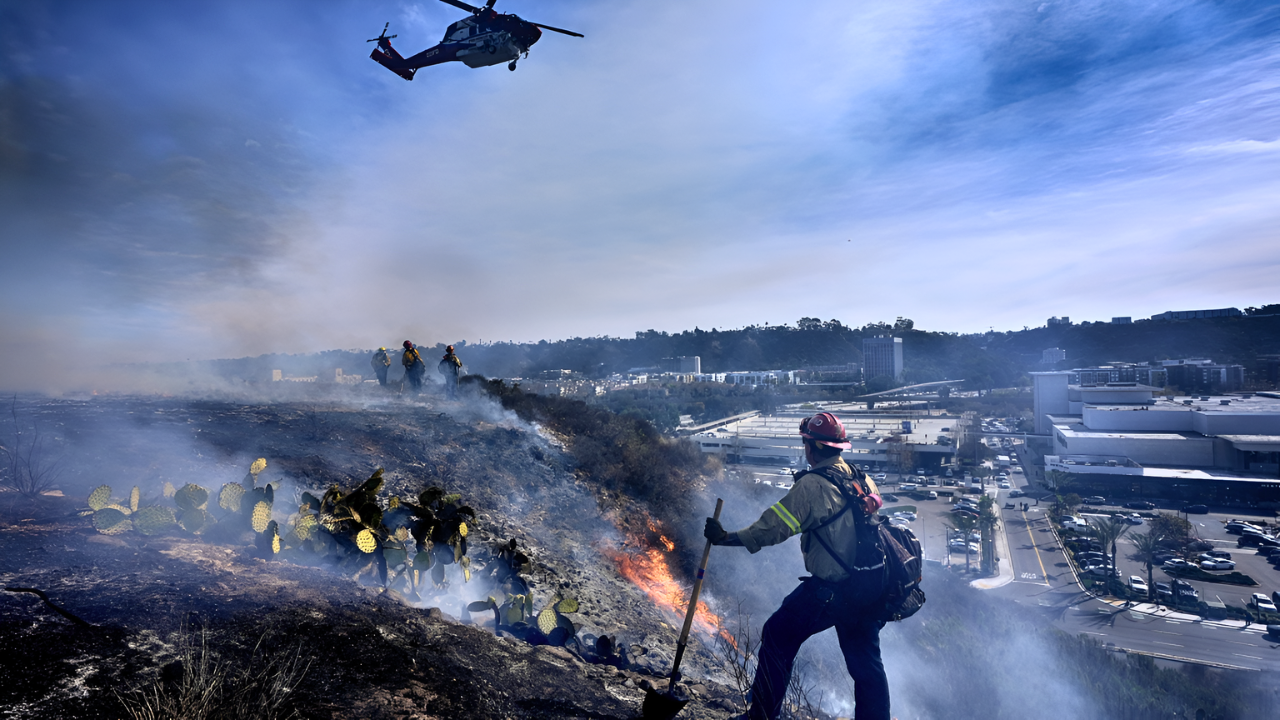
On October 28, 2025, Southern California braced for a dangerous convergence of weather extremes reminiscent of conditions not seen since the devastating 2020 fire season. Blistering Santa Ana winds, with gusts reaching 45 mph, swept through the region, driving humidity down to just 5% and pushing temperatures 10 to 15 degrees above seasonal norms.
A Perfect Storm for Wildfire
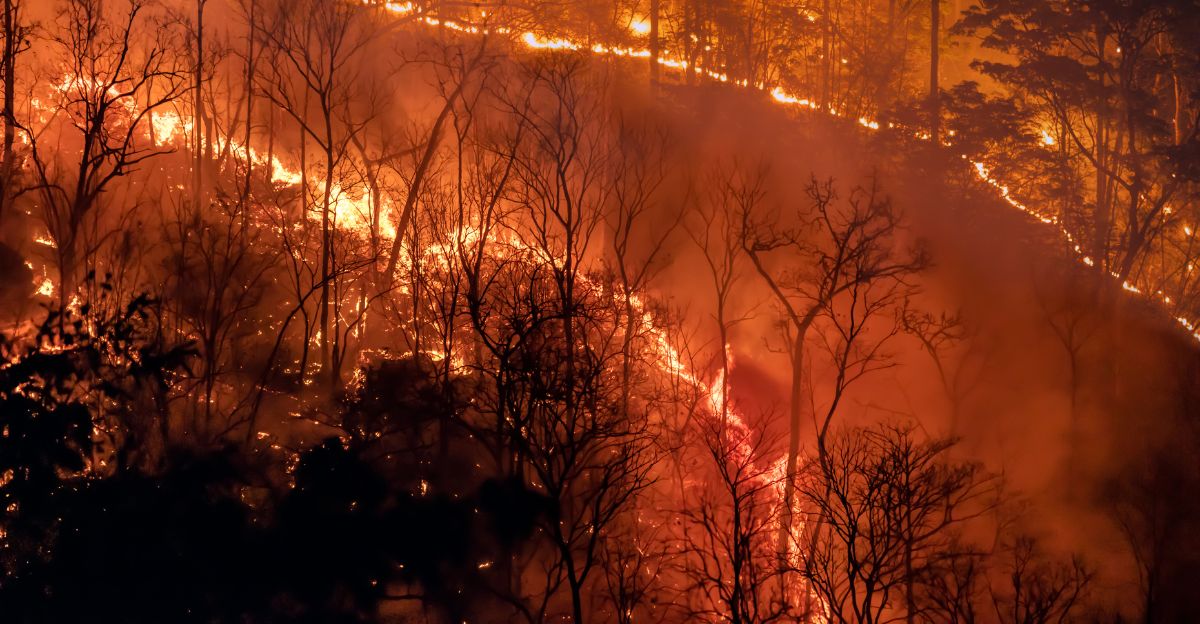
The arrival of the Santa Ana winds marked the first major fire weather event of the fall season. These winds, originating in the inland deserts, accelerate as they funnel toward the coast, stripping moisture from the landscape and priming vegetation to burn. The combination of extreme heat, sustained strong winds, and critically low humidity levels created fire weather conditions that forecasters said rivaled the severity of dangerous Santa Ana wind events from 2020, when the National Weather Service first began issuing its most extreme fire weather alerts for the region.
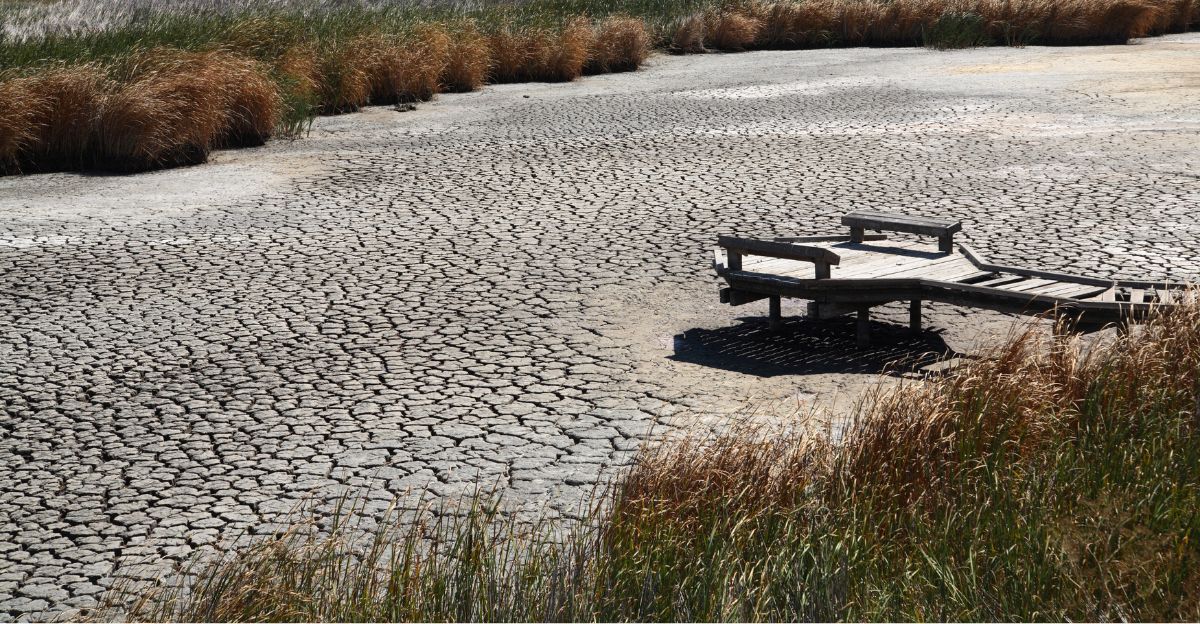
Although early October brought some rain, it was not enough to offset the parched conditions. “The brush is just ready to go,” said Los Angeles resident Maria Torres, whose home borders the Santa Susana Mountains. “We’re always on edge this time of year, but this heat makes it worse.”
According to updated state maps, approximately 3.7 million Californians now live in areas designated as having a very high fire risk. The National Weather Service warned that the combination of heat, wind, and dry air could allow any spark to become a fast-moving wildfire, especially in mountain and valley communities still recovering from previous blazes.
A Year Marked by Tragedy
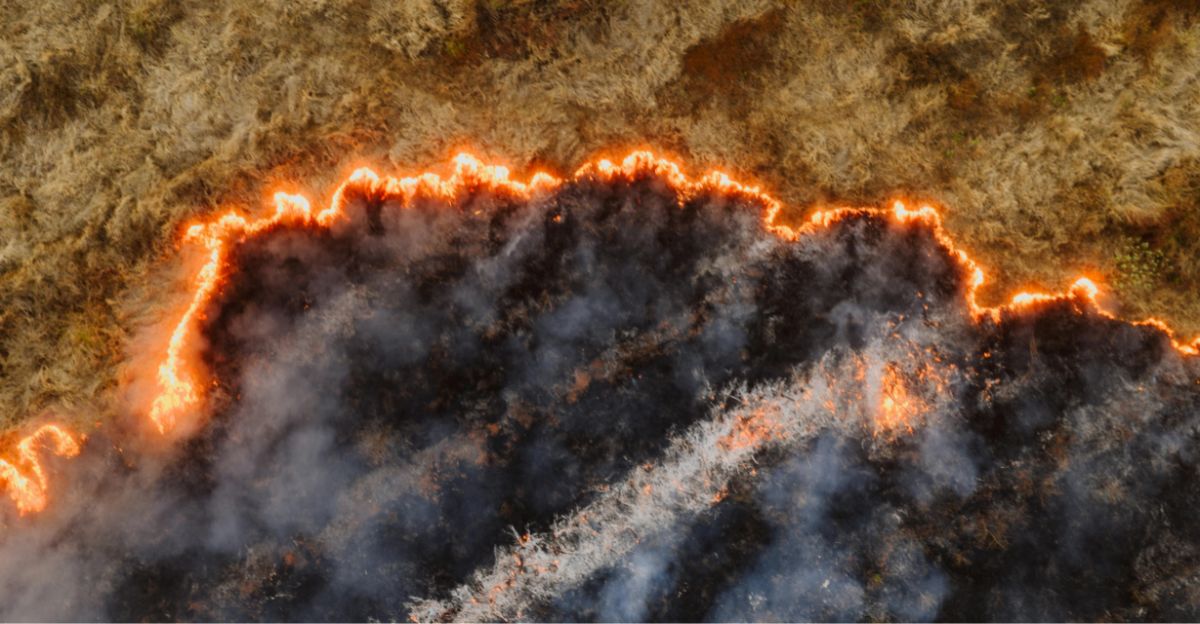
The 2025 fire season has already proven catastrophic. In January, a series of deadly wildfires claimed at least 31 lives according to official counts, with studies suggesting excess mortality could have reached as high as 440 deaths. The fires destroyed more than 18,000 homes. Over 500,000 acres have burned statewide so far this year, a toll that, while lower in acreage than some past seasons, stands out for its devastating human cost.
“When you include excess mortality estimates, this year’s death toll surpasses even the 2018 Camp Fire, which killed 85 people,” noted Dr. Emily Chen, a wildfire risk expert at the University of California. “It’s a stark reminder that the threat is growing, even if the total area burned is down.”
Officials have responded by deploying additional firefighters and equipment to high-risk zones in Los Angeles and Ventura counties. Cal Fire has maintained full staffing and kept firefighting aircraft on standby, aiming to act swiftly should new blazes ignite. “We’re applying lessons learned from January,” said Cal Fire spokesperson David Lee. “Our goal is to protect lives and property before flames get out of control.”
Communities on the Edge
The red flag warning covers a broad swath of Southern California, including Ventura County’s Thousand Oaks and Simi Valley, as well as the Santa Susana Mountains in Los Angeles County—areas with a history of destructive fires. As development continues to push into wildland areas, more people find themselves in harm’s way. Nearly 4 million residents now live in the highest-risk zones, where authorities enforce strict building codes and fire safety regulations.
To reduce the risk of power line-sparked fires, Southern California Edison preemptively shut off electricity to over 2,500 customers in wind-prone neighborhoods.
State and Local Preparedness

Governor Gavin Newsom ordered the deployment of additional firefighting resources ahead of the wind event, emphasizing the need for rapid response. Fire agencies have urged residents to prepare “go bags” containing essentials such as food, water, medications, and important documents, and to have evacuation plans ready throughout the year. “Wildfires are a constant threat now,” said Ventura County Fire Chief Laura Martinez. “People need to stay alert, even when the weather seems calm.”
California has also ramped up efforts to promote “home hardening”—retrofitting houses with fire-resistant roofs, walls, and windows, and clearing flammable vegetation to create defensible space.
Climate Change and the Road Ahead
Human-caused warming has made fire-friendly conditions about 35% more likely, with average temperatures in the state rising nearly 2°F since 1900. This has lengthened fire seasons and increased the frequency of severe Santa Ana wind events. “We’re seeing more days each year with extreme fire weather,” said Dr. Chen. “That’s a trend we expect to continue unless emissions are curbed.”
The economic stakes are enormous. The January fires alone caused up to $275 billion in losses, making them among the most expensive natural disasters in U.S. history.
As Southern California faces another perilous fire season, the message from officials and experts is clear: vigilance and preparation are essential.