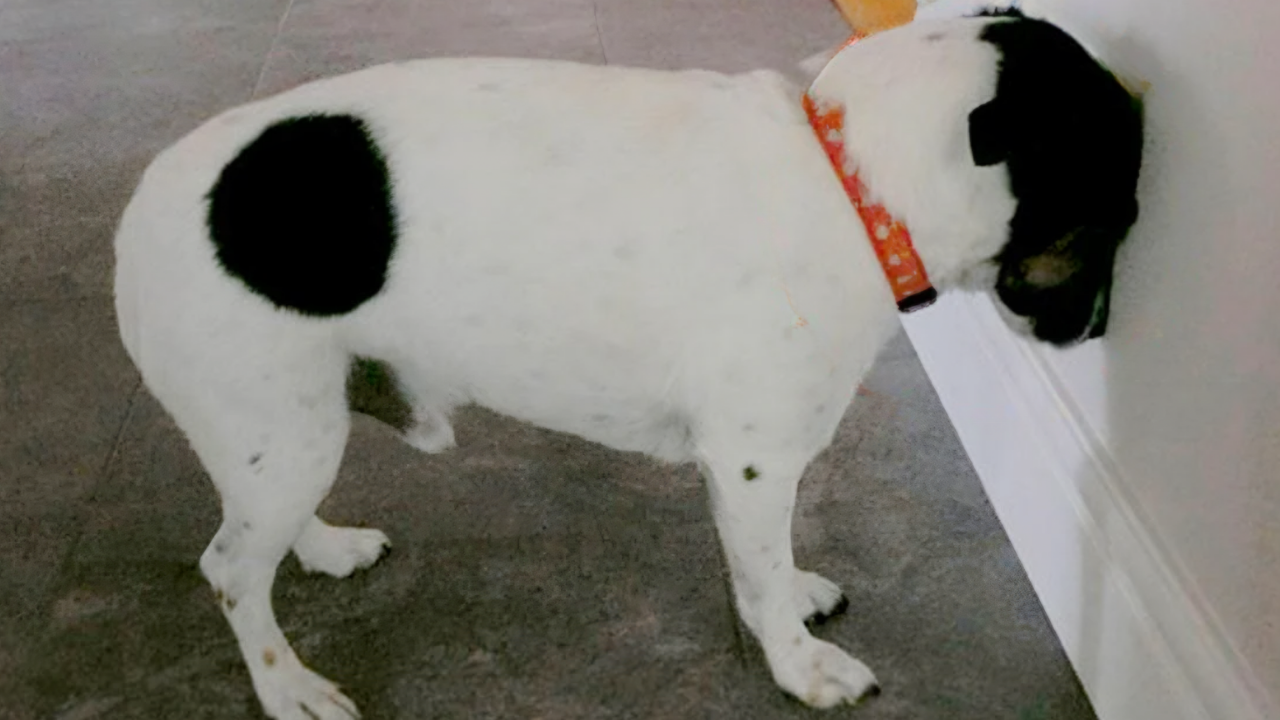
You notice it during walks: Max spins in endless circles, ignores other dogs entirely, freezes when the vacuum starts. You’ve always chalked it up to personality. But what if your dog is trying to tell you something deeper?
For over sixty years, veterinarians have quietly observed patterns in certain dogs that mirror human autism. Now scientists are finally bringing this conversation into the light, and the implications for how we understand—and care for—our companions are profound.
The Hidden Truth in Your Dog’s Brain
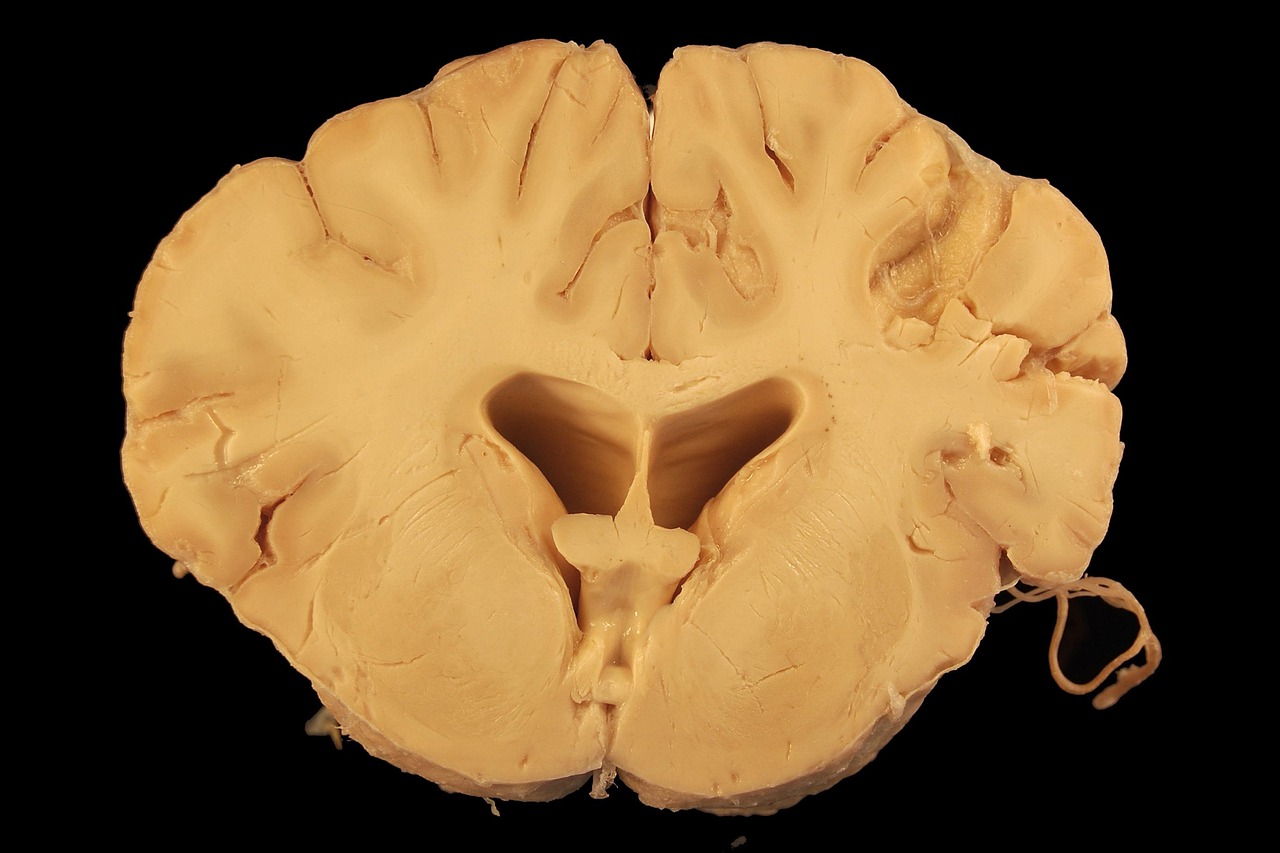
Dogs don’t just love us. Their brains are wired remarkably like ours in ways scientists are only now fully grasping. Dr. Jacqueline Boyd, an animal scientist at Nottingham Trent University, reveals that dogs share key structural and chemical similarities with humans, including the same neurotransmitters—serotonin and dopamine—that regulate mood and behavior.
This means when your dog struggles with impulse control or social connection, there’s actual neuroscience behind it.
A Mystery That’s Been Hidden for Decades
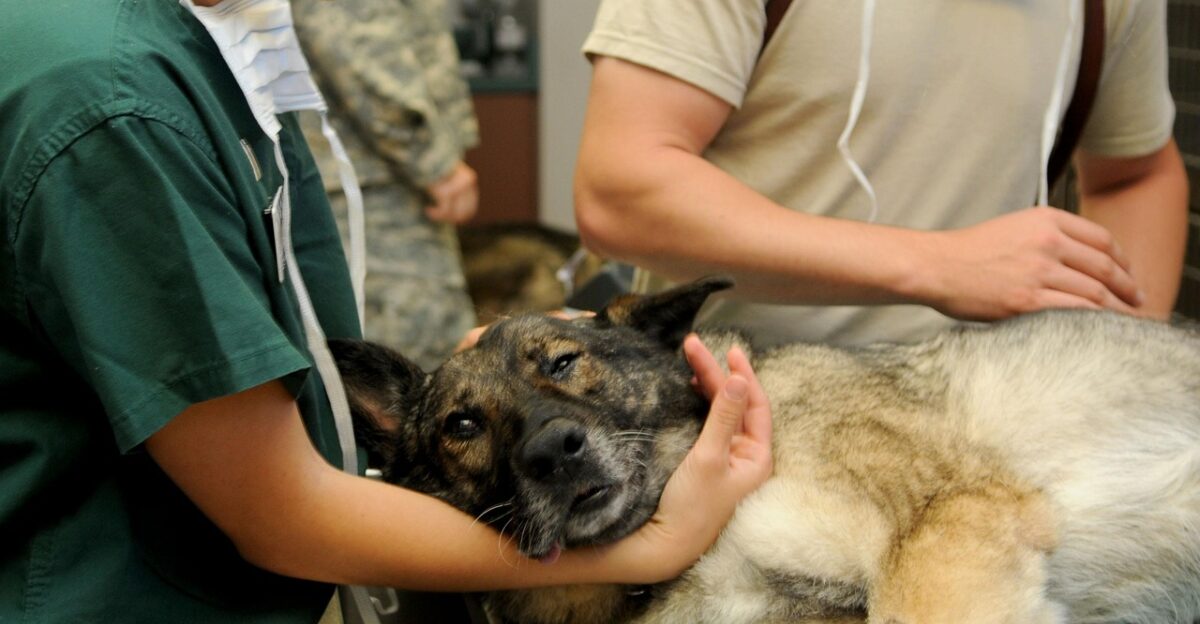
Here’s what keeps researchers up at night: veterinarians first noticed these autism-like patterns in dogs back in the 1960s. That’s sixty years ago. Yet today, there’s still no formal veterinary diagnosis for autism in dogs. Instead, vets use the vague term “canine dysfunctional behavior”—which tells owners almost nothing.
Millions of dogs could be displaying autism-like traits right now, and their owners have no framework for understanding what’s really happening.
Millions of Dogs Living in Silence Right Now

Do the math: roughly sixty-five million U.S. households own dogs. If even one to two percent display autism-like traits, we’re talking between 650,000 and 1.3 million dogs potentially struggling across America alone.
There are countless dogs in living rooms and backyards, trying to navigate a world that doesn’t understand them, with owners who want to help but don’t know how.
The 10 Signs Every Dog Owner Should Know

Behavioral scientists have identified three core patterns in dogs with autism-like traits: repetitive actions that dominate their day, dramatic shifts in how they interact socially, and heightened sensory sensitivities that turn everyday sounds into threats.
According to Little Rays ABA, a behavioral therapy company that works with these dogs, there are approximately ten to fifteen distinct signs that owners should recognize. Below are the ten most critical warning signs.
1. Compulsive Spinning & Tail-Chasing
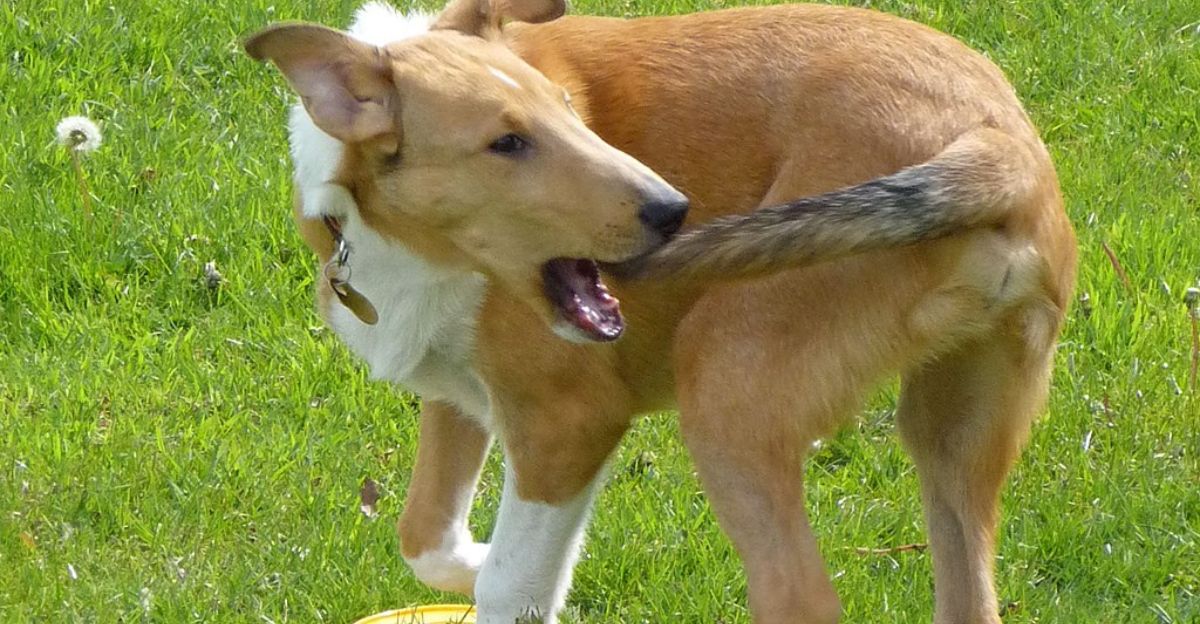
Here’s something that breaks hearts: some dogs chase their tails so obsessively that they injure themselves. It’s not play. It’s compulsion. The spinning never stops, the fixation consumes hours of the day, and no toy or game can interrupt it.
Researchers studying Bull Terriers discovered that about twenty percent of one pedigree exhibited this exact pattern. What they found was shocking: these dogs showed the same biomarkers in their blood—elevated neurotensin and CRH—that appear in autistic children.
2. The Disconnected Dog

Notice your dog looking away when you call? Hesitating before approaching? Losing interest in play? These aren’t signs of a standoffish personality. Dogs with autism-like traits often struggle to make and maintain eye contact, avoid direct social interaction, and display body language that seems stiff or out of sync with the situation.
One dog’s handler described it as watching her companion “exist in a parallel universe”—present physically but disconnected emotionally.
3. Avoiding Eye Contact
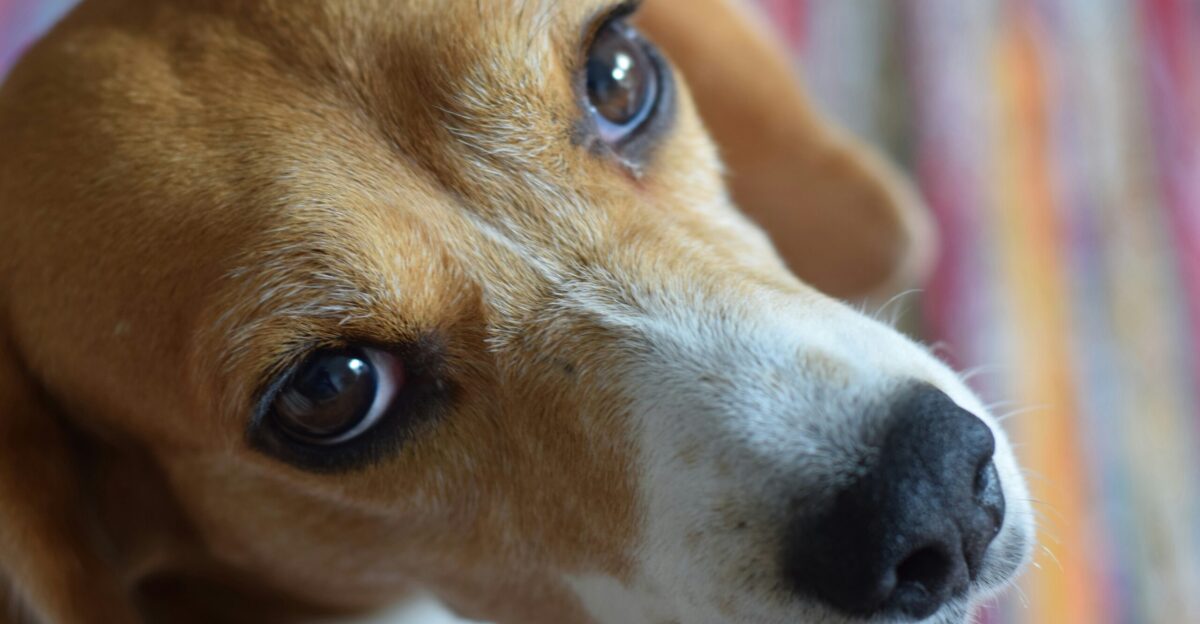
Eye contact is a key way dogs and humans bond. But dogs with autism-like traits specifically struggle with this fundamental bridge. They look away deliberately, fail to check in with owners during activities, and display what researchers call “a deficit in face processing”.
The Shank3 mutant laboratory beagles in genetic studies showed a reduced attention to faces, particularly the eye region, mirroring patterns observed in autistic children.
4. Boundary Blindness
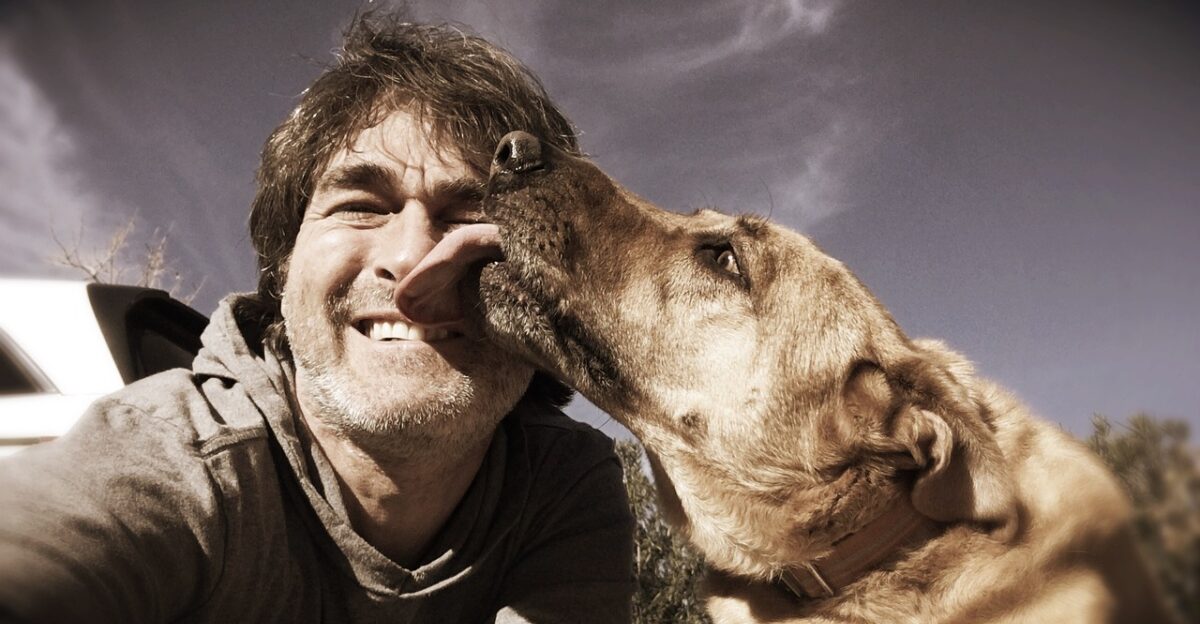
Some autistic dogs swing the opposite direction: obsessive, intrusive interaction where they cannot read stop signals. They nudge relentlessly, ignore your boundaries, and fail to understand when you’re not available for engagement. It’s as if their social radar is inverted—they seek connection but can’t interpret whether others want it.
This isn’t neediness; it’s a failure of social boundaries rooted in how their brains process social cues.
5. Panic Spirals
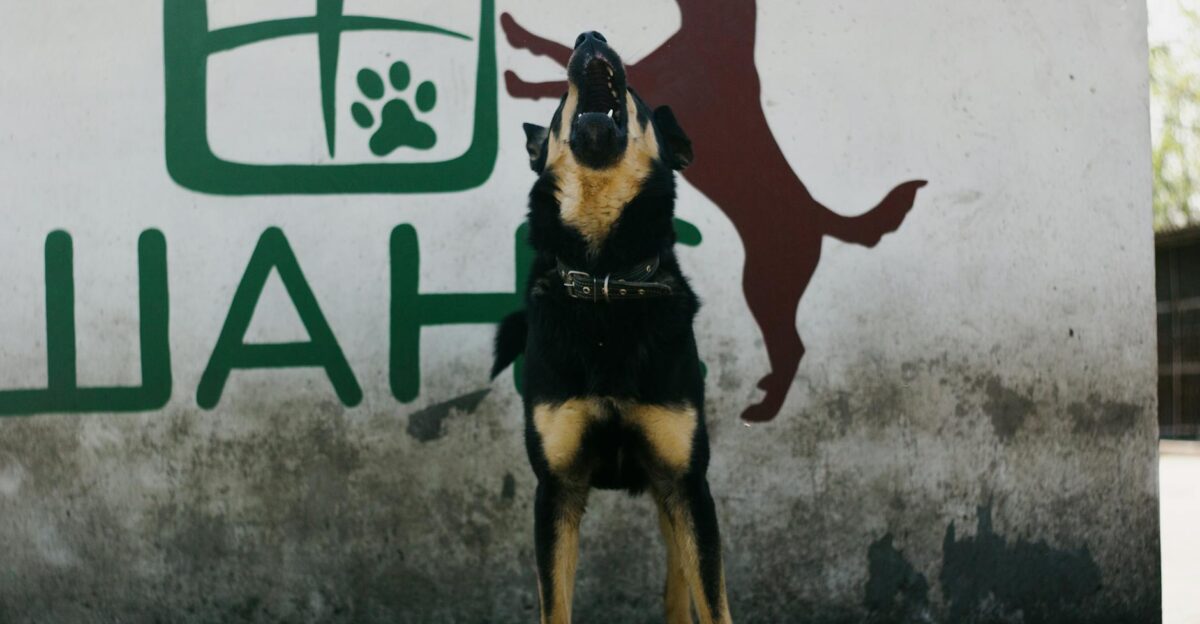
A vacuum runs. A doorbell chimes. A car passes. Your dog loses it—not with curiosity, but with raw panic that seems disproportionate to any real threat. Dogs with sensory sensitivities experience these ordinary sounds as overwhelming assaults.
Touch becomes unbearable, too—a hand reaching out to pet them triggers an avoidance response. For these dogs, the world isn’t just loud; it’s relentlessly, intensely painful.
6. Staring Into Space
Some dogs enter an eerie stillness that feels deeply wrong. They stare into space for extended periods, frozen in place, seemingly absent from the moment. This isn’t meditation or restfulness—it’s a dissociative-like state distinct from normal dog behavior.
The Bull Terriers studied exhibited “trancing” episodes that resembled absence seizures, characterized by fixed stares and complete disconnection.
7. Out-of-Sync Movement

Watch how typical dogs move: fluid, responsive, adaptive to their environment. Dogs with autism-like traits often display rigidity. Their movements seem stiff, out of sync with social contexts, and lacking natural flow.
During interactions, their body language seems almost mechanical—not matching the emotional tone of the moment. Experts recognize this atypical posture as a potential neurological marker.
8. Compulsion Protection
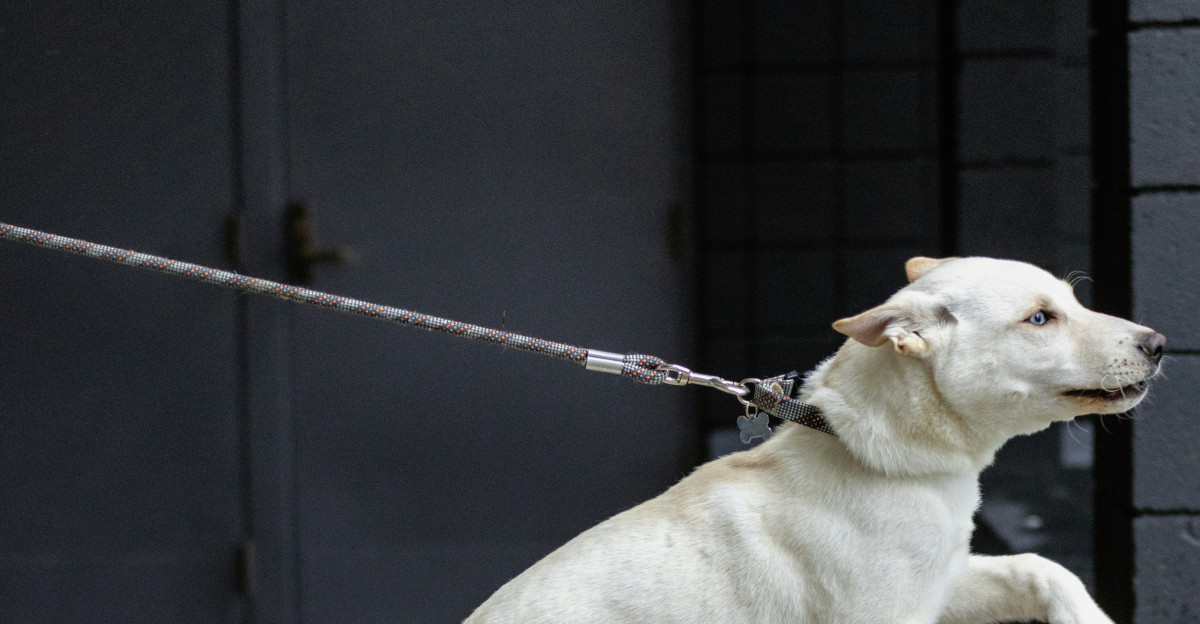
Here’s a pattern that confuses owners: your dog reacts with extreme aggression or distress, specifically when a repetitive ritual is interrupted. They’re spinning, and you redirect them—they snap or scream. They’re pacing their fixed path, and you try to guide them elsewhere—they become hostile.
This isn’t general aggression; it’s a specific reaction to interrupting compulsive patterns. The dog is protecting their ritual, which feels neurologically essential to their regulation.
9. No Peace at Night

Dogs with autism-like traits often experience irregular sleep patterns and nocturnal restlessness. They can’t settle at night, they pace the house, and they’re unable to self-regulate their arousal level when the day ends. This mirrors the sleep dysfunction frequently seen in autistic humans.
The inability to transition from activity to rest suggests a neurological dysregulation of the arousal system.
10. The Gut-Brain Connection

The gut-brain axis is real and dogs with autism-like traits frequently suffer from chronic digestive issues that perplex veterinarians. Recurring diarrhea, constipation, food sensitivities, and GI inflammation are comorbidities seen in these dogs.
Research in humans with autism reveals a strong link between neurological differences and gut dysbiosis. The inflammation in the gut may actually be contributing to behavioral symptoms.
The Diet Discovery That Surprised Everyone
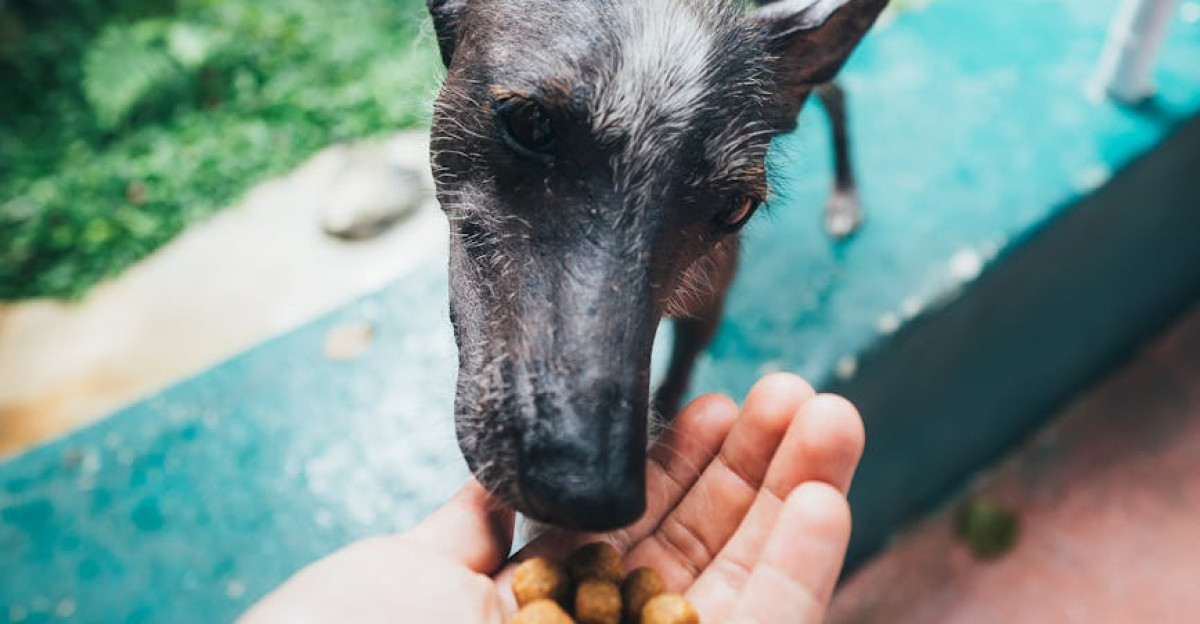
Emerging research shows that a ketogenic diet—high fat, low carbohydrate—can calm hyperactivity, reduce compulsions, and improve social engagement in dogs with autism-like traits.
Many families report meaningful behavioral improvements over weeks to months. For these dogs, food becomes medicine—a simple yet profound intervention when combined with proper veterinary guidance and behavioral support.
The Magic of Routine—Creating Safety from Chaos

Dogs with autism-like behaviors often feel like the world is in chaos. Everything is loud, unpredictable, and a threat. Structured routines—consistent feeding times, predictable walks, regular play schedules—create islands of safety in that storm.
Experts recommend establishing a quiet retreat space where your dog can escape when overwhelmed, a sanctuary never used as punishment.
Training That Builds Connection, Not Compliance

Forget dominance-based training or punishment. Dogs with autism-like traits respond to gentle, reward-based approaches that build trust rather than fear. Positive reinforcement—using treats, praise, toys—teaches dogs that engagement is safe, that trying is rewarded, and that humans are trustworthy.
Organizations such as the RSPCA and Dogs Trust recognize this as the most humane and effective method.
Tools for a Neurodivergent Life
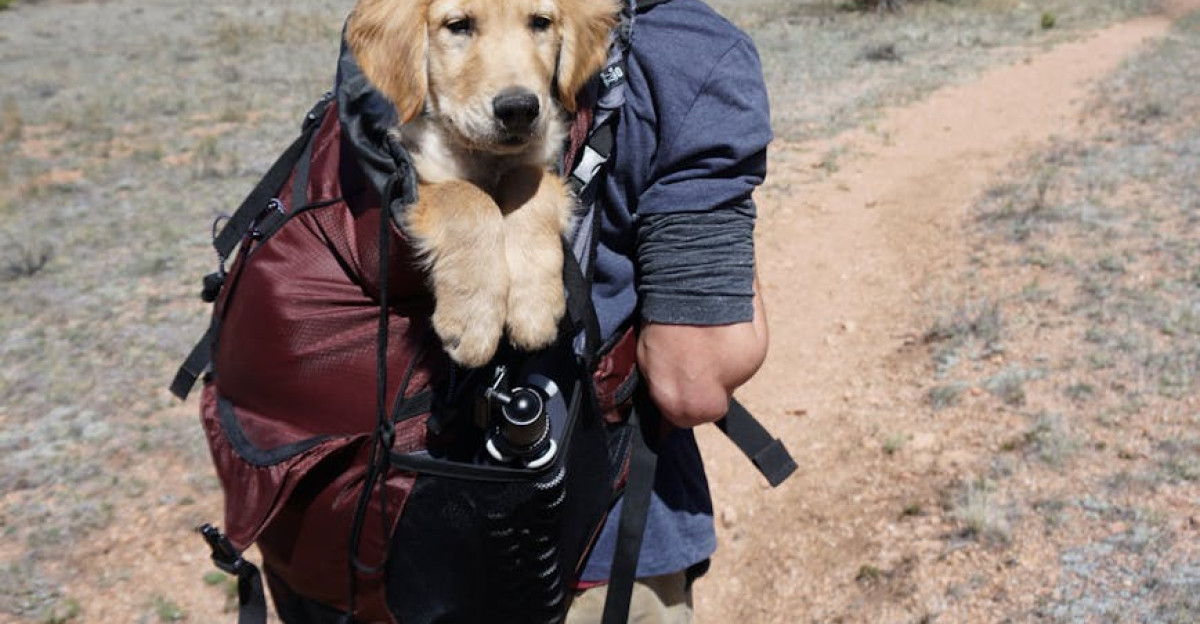
Puzzle feeders, snuffle mats, calming vests, noise-reducing gear, and decompression walks aren’t luxuries—they’re lifelines. Research shows environmental enrichment dramatically reduces problematic behaviors while increasing relaxation.
When a dog receives appropriate mental stimulation and sensory support, obsessive pacing stops, compulsive behaviors decrease, and anxiety levels decrease.
Recognition Changes Everything

Here’s the real transformation: when you stop seeing your dog’s differences as problems and start seeing them as simply how their brain works, everything shifts. You’re no longer fighting their nature; you’re supporting it.
Dr. Boyd reminds us that neurodiversity exists across the entire canine population—not as a flaw, but as a different way of being. Your dog isn’t broken. They’re wired differently. And now, finally, you have a path to help them thrive.
SOURCES:
Elevated serum neurotensin and CRH levels in children with autistic spectrum disorders and tail-chasing Bull Terriers with a phenotype similar to autism | Nature Translational Psychiatry (2014)
Autism-like atypical face processing in Shank3 mutant dogs | Science Advances (2025)
Ketogenic diets improve behaviors associated with autism spectrum disorder | PLOS ONE (2016)
Effects of Environmental Enrichment on Dog Behaviour: Pilot Study | Journal of Applied Animal Welfare Science (2022)
Improving dog training methods: Efficacy and efficiency of reward-based training | Frontiers in Veterinary Science (2021)
Positive Reinforcement is More Effective at Training Dogs than an Electronic Collar | Frontiers in Veterinary Science (2024)