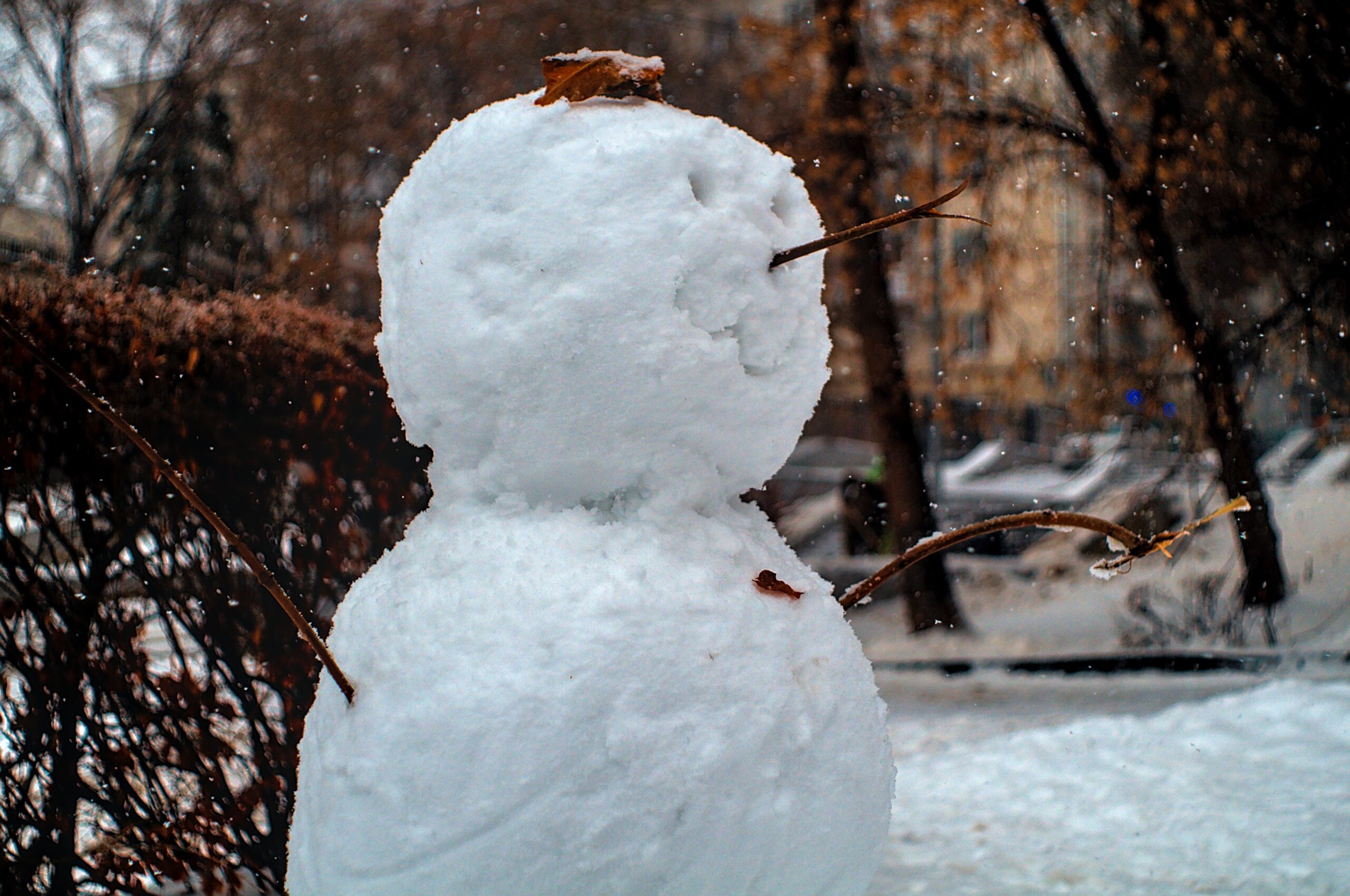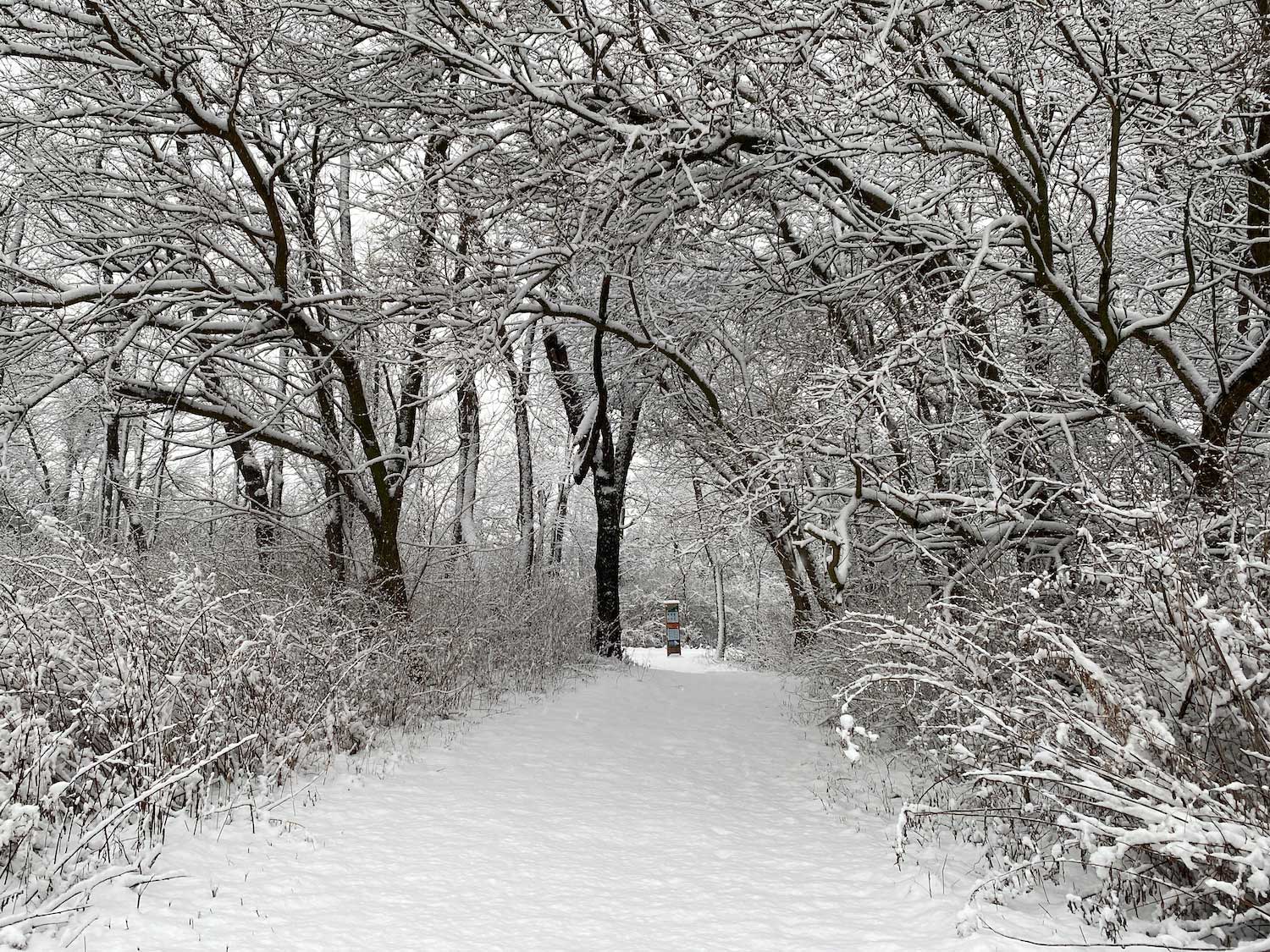
Snowfall is a familiar part of winter across many parts of Europe, shaping daily life, travel, and local traditions. From the snowy peaks of the Alps to the frosty streets of Northern and Eastern Europe, snow weather plays a significant role in the continent’s climate and culture.
In northern countries such as Sweden, Norway, and Finland, heavy snowfall and freezing temperatures are expected during the winter months. These regions are well adapted to snowy conditions, with infrastructure and lifestyles designed to handle long, cold seasons. Snow-covered landscapes are common and often support winter tourism and outdoor activities.
Test Heading 1
Central and Western Europe also experience snow, though its intensity can vary from year to year. Countries like Germany, France, and Switzerland may see moderate to heavy snowfall, especially in mountainous areas. While snow can create scenic views, it can also cause transportation delays, school closures, and challenges for commuters when storms are severe.
Southern Europe generally receives less snow, but higher-altitude regions such as the Pyrenees, the Apennines, and parts of the Balkans can still experience significant snowfall. In rare cases, cold air systems bring snow to lower elevations, surprising communities unaccustomed to winter conditions.
Test Heading 2
In recent years, snow weather patterns in Europe have become less predictable. Climate change has influenced winter seasons, leading to warmer temperatures in some areas and more intense snowfall events in others. This unpredictability affects agriculture, water resources, and winter tourism industries.
Snow weather in Europe remains both a natural wonder and a seasonal challenge. As climate patterns continue to shift, understanding and adapting to changing winter conditions will be essential for communities across the continent.