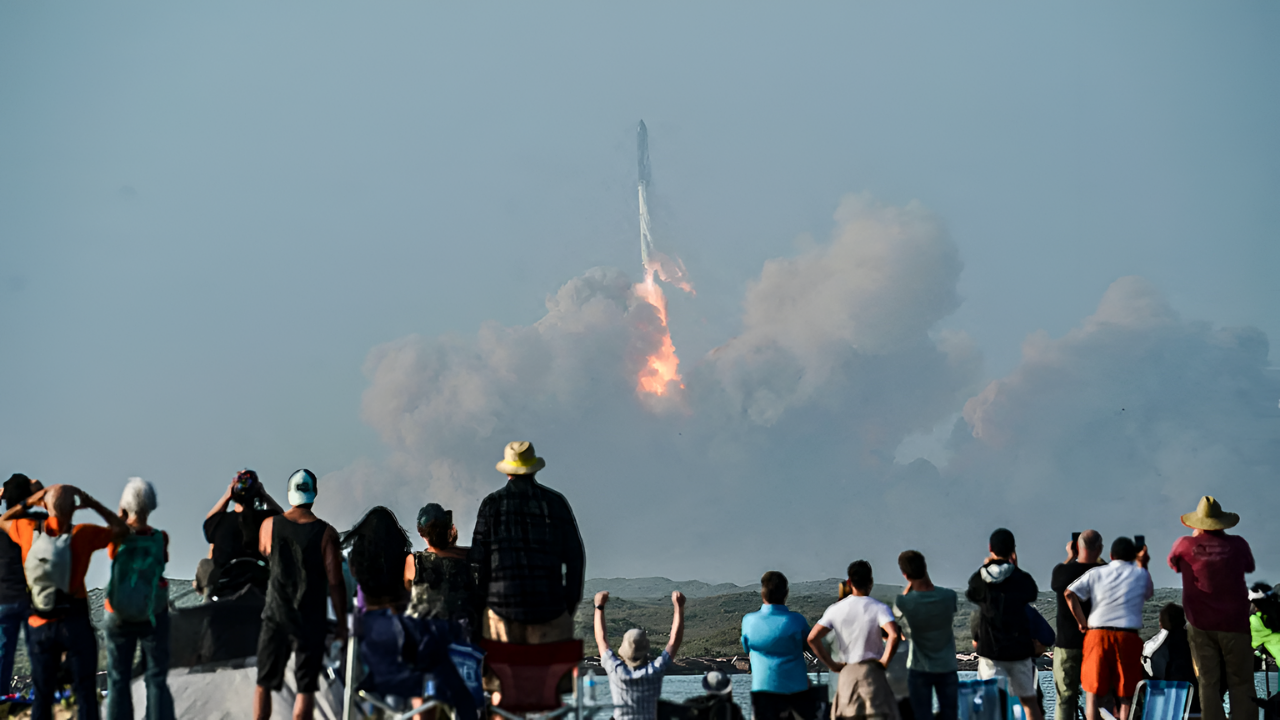
When SpaceX’s Starship Flight 7 broke apart high over the Caribbean in January 2025, the immediate images were of a failed launch and a rain of debris. Less visible at the time was a simultaneous crisis unfolding in crowded skies: dozens of commercial aircraft forced into diversions and holding patterns, three pilots declaring emergencies over dwindling fuel, and air traffic controllers scrambling with incomplete information. Newly released Federal Aviation Administration (FAA) documents and subsequent investigations show how a single launch failure rippled through the aviation system and reshaped safety rules for the world’s most powerful rocket.
Fuel Emergencies in the Path of Falling Debris
Flight 7, a Block 2 Starship weighing about 5.5 million kilograms, lifted off from SpaceX’s Starbase facility in Texas on January 16, 2025, at 22:37 UTC. Roughly nine minutes later, the vehicle lost communications and disintegrated over the Turks and Caicos Islands, sending debris across inhabited areas for nearly 50 minutes.
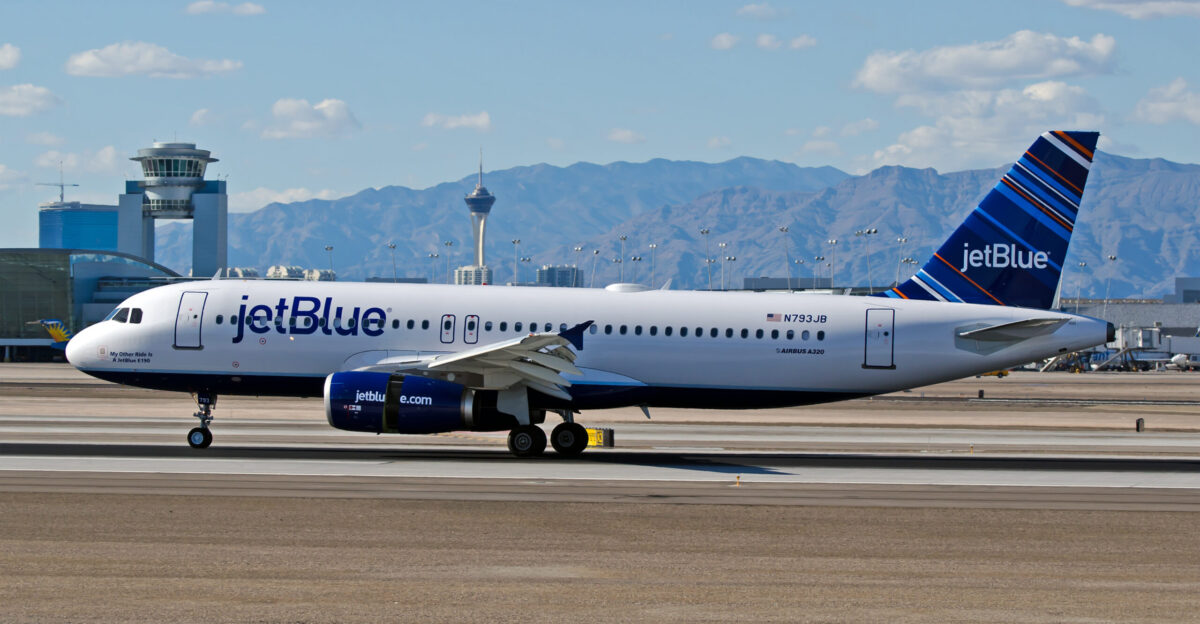
According to FAA records released in December 2025, three aircraft carrying around 450 people were thrust into danger as debris zones were activated over busy flight corridors. A JetBlue service to San Juan, an Iberia international flight, and a private jet were directed into or toward temporarily restricted airspace at a point when their fuel levels left little margin.
With reserves running low, the pilots faced a stark choice: keep holding and risk fuel exhaustion, or cross areas where the presence and spread of falling debris were not yet fully mapped. The JetBlue crew declared “Mayday, Mayday, Mayday” to obtain immediate landing clearance in Puerto Rico, highlighting how close fuel management had come to the edge of safety. All three aircraft landed without damage, but FAA analysts later described the situation as an “extreme safety risk” that pushed standard safeguards to their limits.
Delayed Alert, Strained Controllers
Under U.S. regulations, launch operators must promptly notify the FAA of any major anomaly so that controllers can rapidly reroute or halt air traffic. The Wall Street Journal, citing internal FAA documents, reported that SpaceX waited about 15 minutes after the debris response area was activated before formally informing the agency that Starship had exploded.
In that gap, air traffic controllers learned of a serious mishap not from SpaceX but from pilots reporting visible debris and from informal internal chats. By then, controllers were already managing unexpected diversions and abrupt course changes.
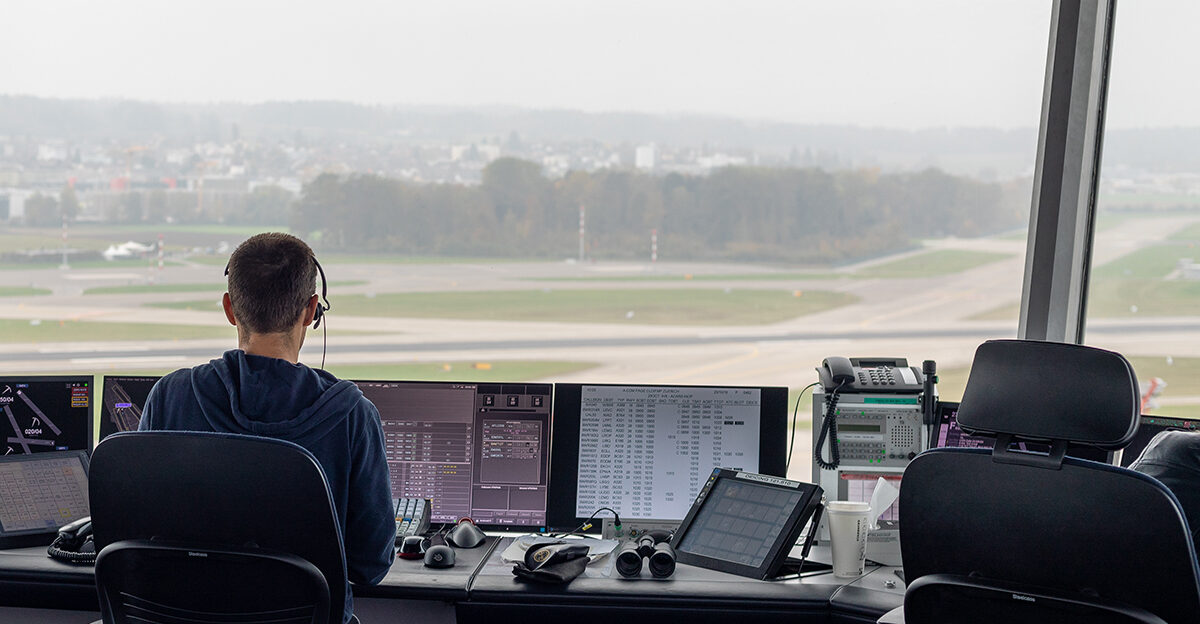
The incident triggered a surge in workload. Twenty-eight aircraft were diverted and 40 more were placed in holding patterns while controllers tried to maintain safe separation without detailed, real-time data on the debris footprint. FAA assessments later concluded that the combination of delayed notification, wide debris spread, and dense traffic levels created a situation of “potential extreme safety risk,” forcing front-line staff to improvise procedures in real time.
Caribbean Communities and Technical Cause
On the ground, the Turks and Caicos Islands—a British Overseas Territory of about 40,000 residents and a tourism-based economy—found themselves under a shower of rocket fragments. Local resident Lori Kaine reported collecting roughly 200 pounds of debris from multiple locations. Island authorities and residents sought rapid assurances about environmental and safety impacts, but SpaceX took more than a week to respond to hotline calls, despite government requests for immediate assessment.
Elon Musk later gave a preliminary technical explanation: an oxygen-fuel leak developed in a cavity above the engine firewall, and pressure built up beyond what the venting system could handle. Propellant accumulated and mixed until it ignited, compromising the structure and engine systems. The failure pointed to a design vulnerability in the Block 2 configuration’s propellant containment approach.
Regulatory Review, Political Crosscurrents
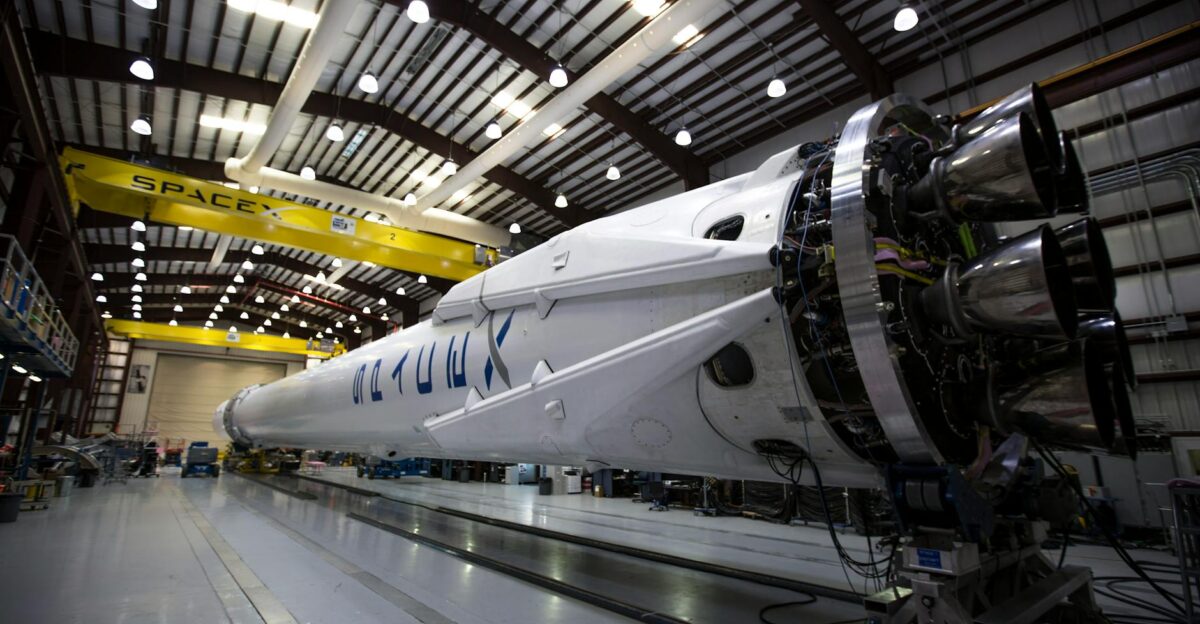
In February 2025, the FAA convened a Safety Risk Management panel to reconsider how debris from very large launch vehicles should be handled in relation to air traffic. By May, the panel had identified “high aviation-safety risks” and recommended expanding hazard areas, improving coordination with airlines, and strengthening international protocols for shared airspace.
In August 2025, however, the FAA unexpectedly suspended the panel’s work before its recommendations were fully implemented. Panel members expressed surprise, and the move drew scrutiny because it coincided with Trump administration orders aimed at streamlining commercial space regulation and with Musk’s role leading a new Department of Government Efficiency. Critics questioned whether pausing the safety effort aligned with the FAA’s responsibility to protect the flying public.
Operational Changes and Industry Outlook
Despite the panel’s suspension, the FAA did expand Aircraft Hazard Areas for later Starship missions, increasing them from 885 to 1,600 nautical miles. The larger footprint covers the Bahamas, Turks and Caicos, and parts of Cuban airspace—areas affected by Flight 7 debris. Implementing this change required close coordination with authorities in the United Kingdom, the Bahamas, Mexico, and Cuba.
Starship Flight 8 in March 2025 suffered a different failure, with multiple Raptor engines shutting down early and the vehicle losing attitude control. Even though the underlying cause was not the same as the Flight 7 propellant leak, back-to-back losses raised fresh questions about the vehicle’s readiness amid an ambitious launch schedule.
Subsequent missions showed improvement. Flight 9 in May 2025 completed its objectives under the expanded 1,600-nautical-mile hazard regime and with tighter coordination between SpaceX, the FAA, and regional partners. Flights 10 and 11, flown later that year, also met mission goals with relatively limited disruption to commercial routes. For Flight 9 alone, more than 70 air routes were pre-emptively diverted, yet the FAA was able to restore normal airspace operations within nine minutes of mission completion—a marked contrast with the prolonged disruption after Flight 7.
SpaceX later criticized the Wall Street Journal’s reporting on the FAA documents as “misleading” and based on “conjecture and unscientific analysis from anonymous sources.” The company stated that “no aircraft have been put at risk” and that debris remained “contained within pre-coordinated response areas,” but did not directly address the 15-minute notification gap or the documented fuel emergencies.
The episode unfolded against rapid growth in the commercial launch sector. Market projections suggest the industry could expand from $9.4 billion to $36.7 billion by 2035, with the FAA anticipating 2,000 to 3,000 launches over the next decade—far beyond historical levels. SpaceX alone envisions 25 Starship missions in 2026, including operations from Florida, increasing the burden on regulators and airspace managers.
For policymakers, the Flight 7 failure has become a touchstone in the broader discussion over how to balance fast-paced space innovation with the needs of aviation safety. Musk’s simultaneous leadership of SpaceX and a federal efficiency initiative heightened concerns about conflicts of interest among some lawmakers. As launch activity accelerates, authorities face pressure to develop rules and coordination mechanisms that can adapt quickly to new risks, protect those in the air and on the ground, and still allow commercial spaceflight to expand as projected.
Sources:
“The SpaceX Explosion That Put Flights in Danger.” Wall Street Journal, December 20, 2025.
“FAA Closes SpaceX Starship Mishap Investigation.” Federal Aviation Administration, April 2025.
“Commercial Space Transportation Forecast Fiscal Years 2025-2045.” Federal Aviation Administration Aerospace Forecast, 2025.
“SpaceX test flight explosion endangered 450 passengers on commercial flights, FAA files show.” Travel Tomorrow, December 22, 2025.
“SpaceX Starship explosion: Turks and Caicos residents collect rocket debris.” CNN, January 30, 2025.
“FAA Expands Aircraft Hazard Area for Starship’s Next Flight.” Satellite Today, May 21, 2025.