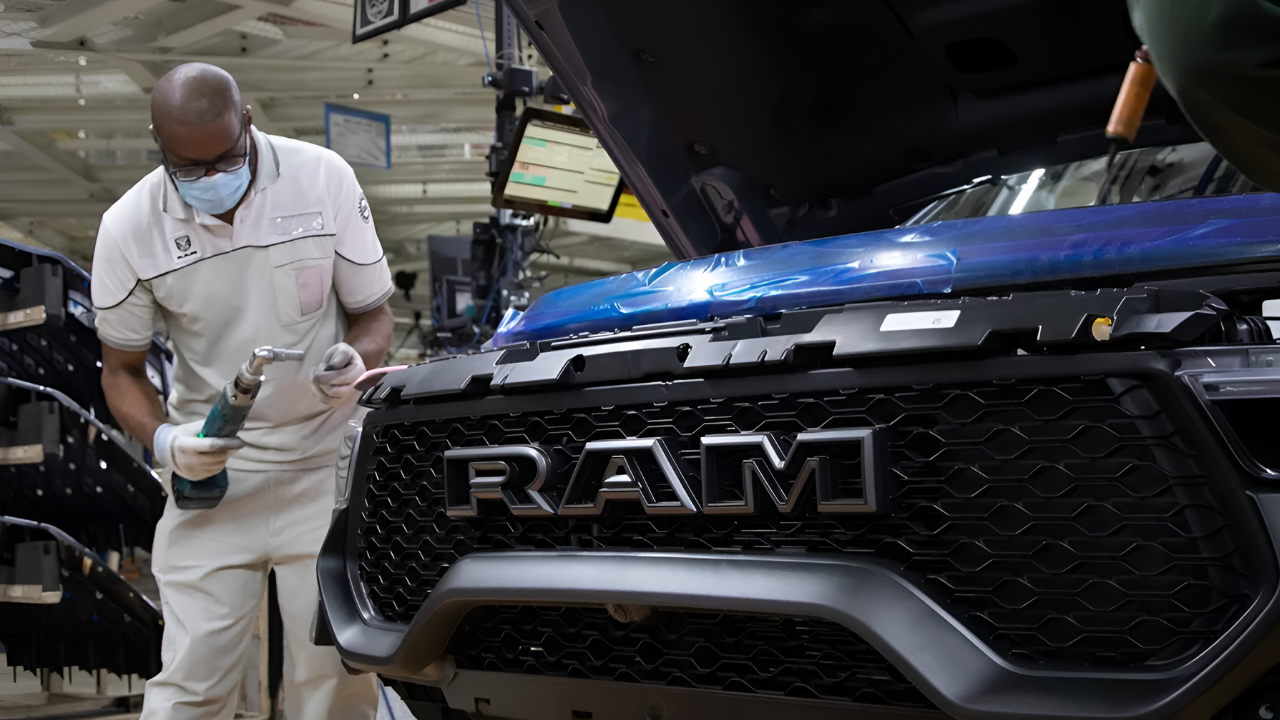
Stellantis, formed in 2021 through the merger of Fiat Chrysler Automobiles and Groupe PSA, entered 2025 under mounting pressure. Global shipments fell 9% year over year in Q1 2025 to 1.22 million vehicles, while net revenues declined 14% to €35.8 billion.
North America proved the weakest region, with shipments down 20%. Elevated dealer inventories and soft consumer demand amplified financial strain across its U.S. retail network.
Historical Context
The Stellantis merger promised scale, efficiency, and long-term profitability, targeting tens of billions of euros in synergies.
Instead, by 2024–2025 the company faced eroding market share and shrinking margins. In the U.S., Stellantis brands fell to roughly 8% market share in 2024—its lowest level since Chrysler’s early expansion era nearly a century ago—marking a dramatic reversal for once-dominant American nameplates.
Sales Breakdown
Stellantis’ sales downturn was concentrated in North America. U.S. and regional shipments fell sharply through 2024, with over 200,000 fewer vehicles sold in the second half alone. Q1 2025 shipments dropped another 20% year over year.
Globally, weakness in North America and Europe outweighed modest resilience in South America, driving the overall 9% decline in worldwide shipments.
Dealership Pressures

By late 2024, U.S. dealer inventories exceeded 330,000 vehicles, well above historical norms. Slower turnover forced retailers to rely on incentives and floorplan financing, squeezing margins. Market share slipped to about 8.6% by mid-2024, down from over 10% the prior year.
These pressures placed thousands of dealership jobs at risk as sales volumes and profitability deteriorated.
Tariff and Policy Factors
Trade uncertainty added another layer of risk. Proposed U.S. tariffs on imported vehicles and components threatened to raise costs for Stellantis, which depends heavily on cross-border production. At the same time, tightening emissions regulations in Europe increased compliance costs.
Together, these policy headwinds complicated planning and contributed to Stellantis suspending and later revising parts of its financial guidance.
Leadership Transition

Leadership instability compounded operational challenges. Longtime CEO Carlos Tavares departed in late 2024, marking the end of a cost-focused strategy that had previously delivered strong margins.
Antonio Filosa stepped into the role in mid-2024, initially on an interim basis, inheriting weakening sales, strained dealer relations, and rising labor concerns as the company sought a path to recovery.
Inventory Levels
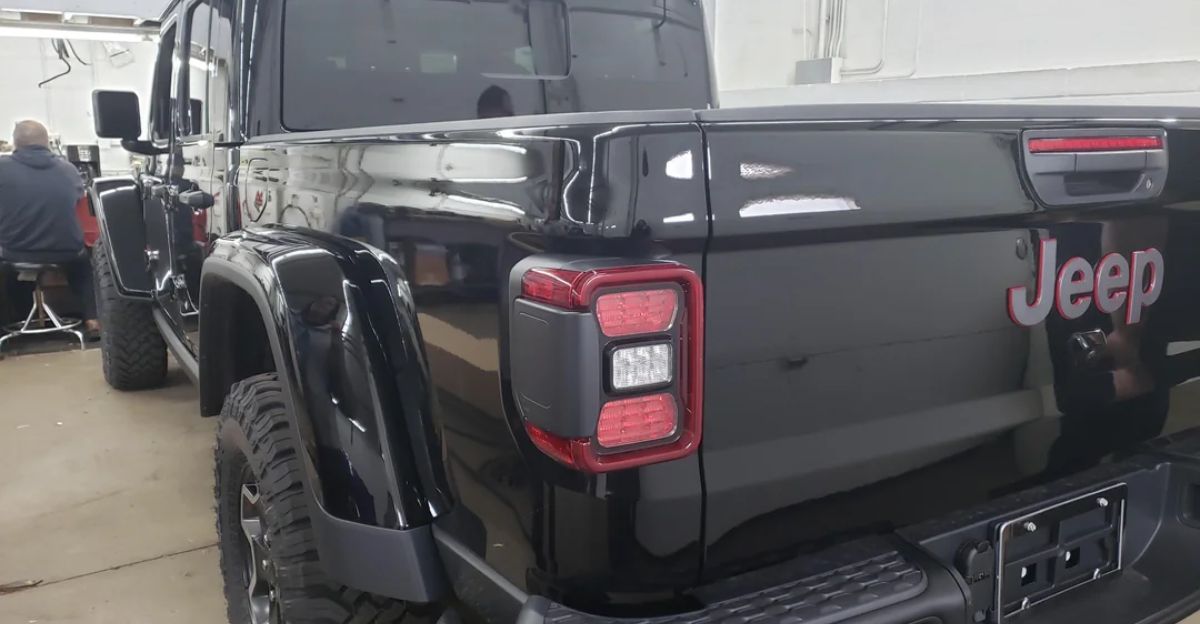
Excess inventory became a defining issue. Ram, Jeep, and Chrysler dealers carried months of unsold vehicles, prompting production adjustments and discounting. Popular models such as the Ram 1500 required incentives to move inventory.
Although preliminary Q2 2025 global shipments showed a smaller 6% year-over-year decline, inventory normalization remained slow and uneven across regions.
EV and China Market Dynamics

Stellantis faced intensifying competition from Chinese automakers, particularly in electric vehicles. Aggressive pricing from brands like BYD pressured margins globally.
In response, Stellantis adjusted EV rollout plans in several markets, slowing some launches while prioritizing profitability. Unlike rivals with established EV scale, Stellantis struggled to balance electrification investments with weakening core vehicle demand.
Dealer and Union Feedback
Dealer frustration became increasingly public. Retailers criticized product mix decisions, pricing strategies, and inventory allocation, arguing they weakened consumer demand. Labor concerns also grew.
Discussions with unions highlighted fears of prolonged production cuts and job losses, particularly in U.S. manufacturing hubs tied to Stellantis’ North American operations.
Verified Q1 2025 Metrics
Financial results confirmed the downturn. Stellantis reported Q1 2025 net revenues of €35.8 billion, down 14% year over year.
Global shipments totaled 1.22 million vehicles, a 9% decline. North America remained the primary drag, with a 20% shipment drop reflecting reduced demand, dealer overstock, and competitive pressure from rival automakers.
H1 2025 Financials
For the first half of 2025, Stellantis posted net revenues of €74.3 billion, down 13% from the prior year. The company recorded a €2.3 billion net loss, including €3.3 billion in charges tied to restructuring, asset adjustments, and market pressures.
Europe and North America led the declines, partially offset by steadier performance in South America.
U.S. Market Share
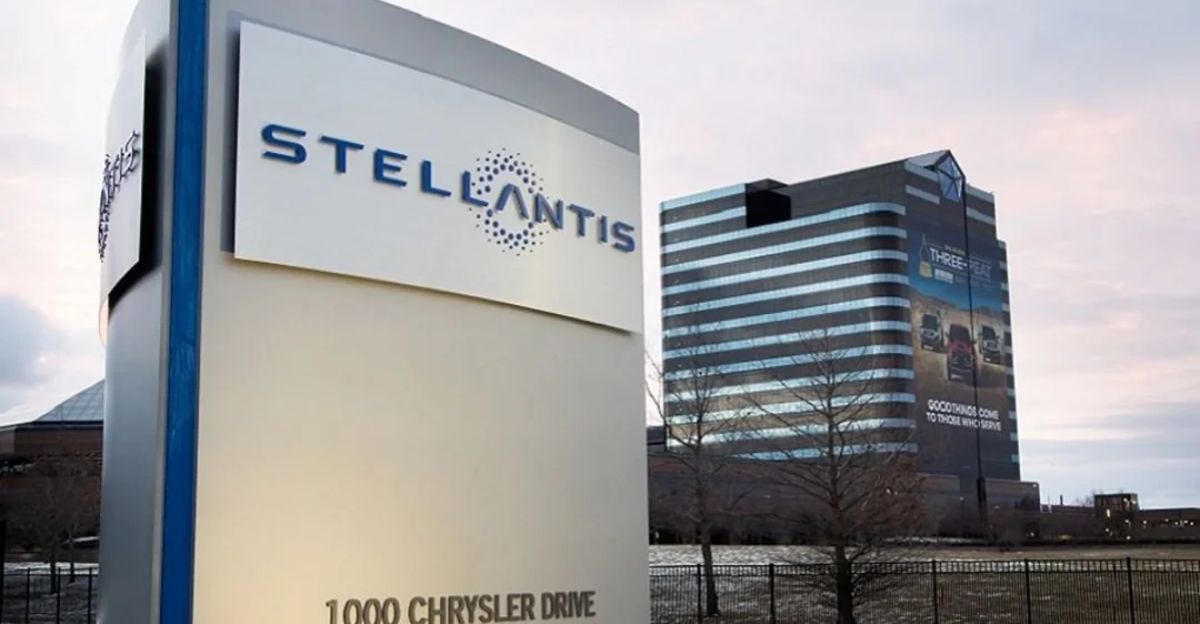
Stellantis’ U.S. market share erosion marked a historic low. At roughly 8% of total vehicle sales in 2024, the company sold fewer vehicles proportionally than at any point since Chrysler’s early decades.
This represented a steep fall from double-digit share just a few years earlier, while competitors such as Ford and General Motors gained ground during the same period.
Layoff and Plant Data

Cost-cutting followed declining volumes. Stellantis confirmed hundreds of U.S. parts layoffs, thousands of assembly job reductions in Detroit-area plants, and temporary production halts in Canada and Mexico.
While framed as adjustments to demand, the cuts underscored how deeply sales weakness and inventory imbalances had disrupted North American operations.
Shipment Trends
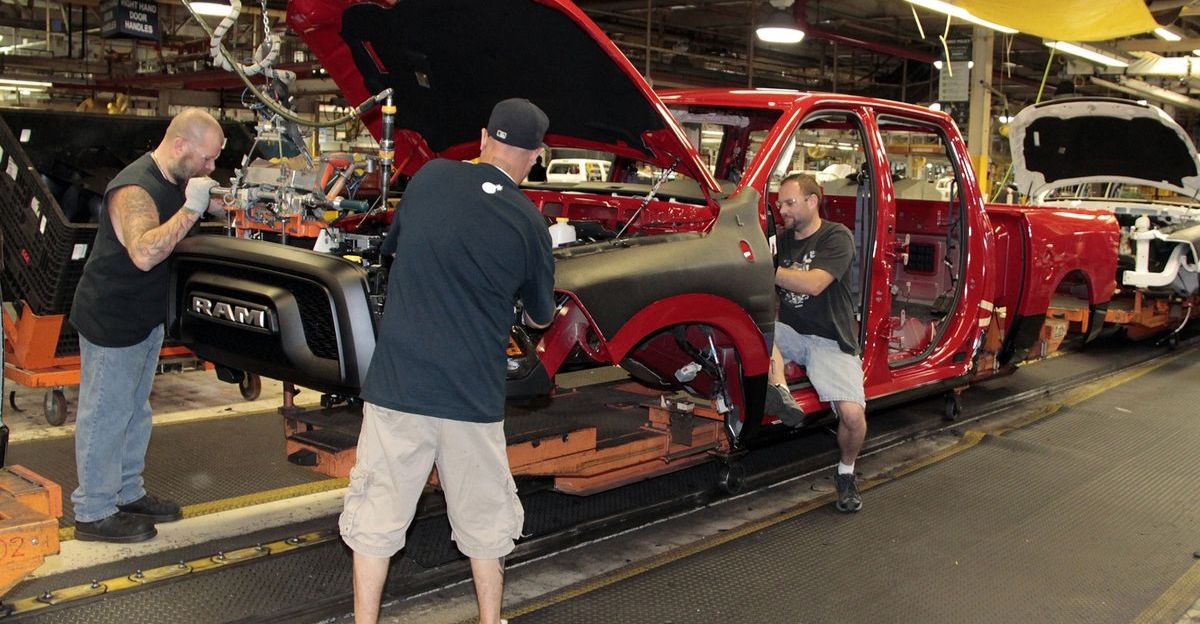
Shipment data highlighted the trajectory. North American volumes fell by more than 200,000 units in the second half of 2024. Preliminary Q2 2025 global shipments declined another 6% year over year, suggesting stabilization but not recovery.
The figures reinforced concerns that regaining lost market share would require sustained improvements in pricing, product mix, and demand.
Brand Performance
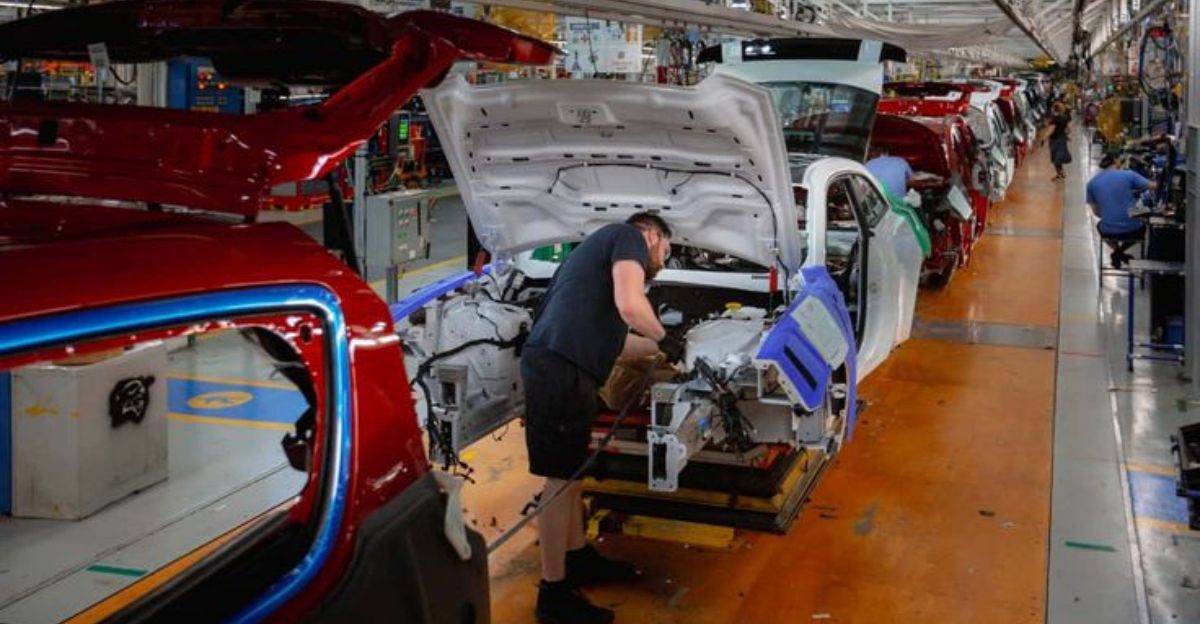
Brand-level results varied but were broadly negative. Dodge recorded the steepest decline, while Ram and Jeep also posted significant year-over-year sales drops in 2024. Chrysler remained a minor contributor with limited product offerings.
Luxury brands such as Alfa Romeo and Maserati struggled to gain traction against better-established competitors in an increasingly price-sensitive market.
EV Strategy Shifts
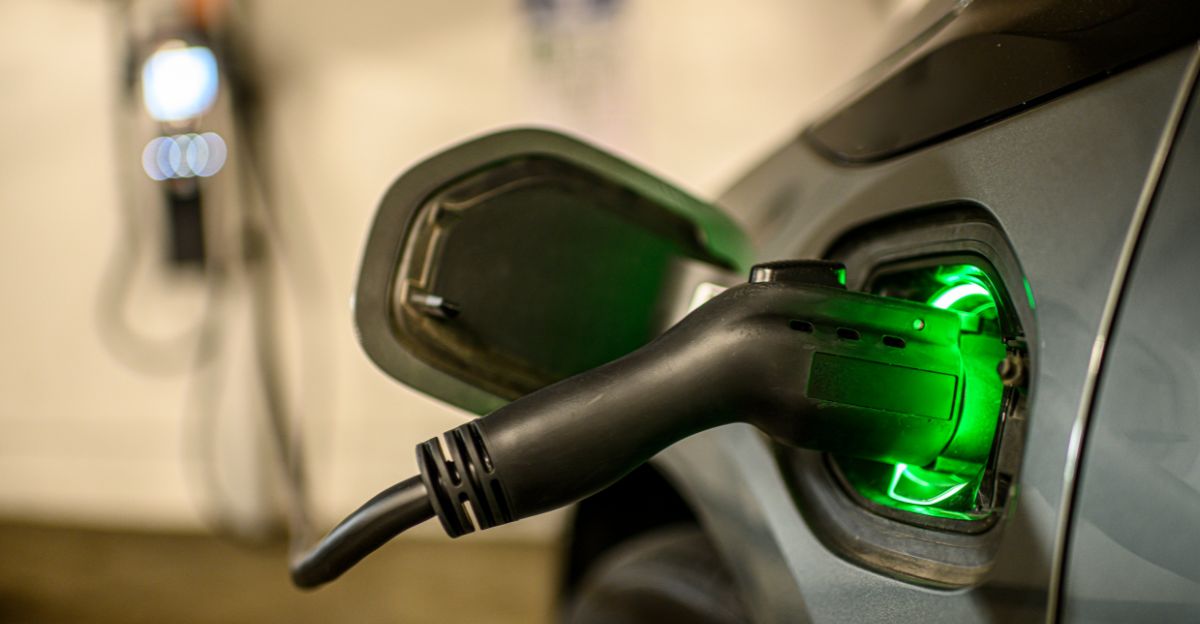
Stellantis recalibrated its electrification strategy amid slowing EV demand growth. Some planned volumes were reduced, while resources shifted toward affordability and hybrid options.
The company acknowledged that consumer resistance to high-priced EVs—combined with rising interest rates—required a more flexible approach rather than aggressive, one-size-fits-all electrification targets.
Employment Impacts
The sales downturn rippled beyond factories. Dealerships, suppliers, logistics firms, and service operations all faced reduced activity.
With U.S. sales down sharply and inventories elevated, industry estimates suggested that thousands of dealership jobs were at risk nationwide if volumes failed to recover, particularly in smaller markets dependent on Stellantis brands.
Market Valuation

Investor confidence weakened alongside operational results. Stellantis’ market capitalization fell to multi-year lows following the release of its 2024 and early 2025 financials.
Declining margins, negative earnings, and uncertainty around tariffs and leadership weighed heavily on the stock, reversing much of the value created during the company’s earlier post-merger rebound.
Recent Developments
By mid-2025, management pointed to early signs of stabilization. Order intake improved modestly, and full-year guidance was reinstated after being suspended earlier in the year.
Leadership emphasized rebuilding dealer relationships, rebalancing inventory, and restoring competitive pricing as prerequisites for regaining momentum in the second half of 2025 and beyond.
Conclusion

Stellantis’ 2024–2025 downturn reflects broader pressures facing the global auto industry—affordability constraints, policy uncertainty, electrification costs, and shifting consumer demand.
A historic U.S. market share low, falling revenues, and job risks underscore the stakes. Whether leadership changes and strategic resets can reverse the decline will determine the future of some of America’s most iconic automotive brands.
Sources:
Stellantis Reports Q1 2025 Net Revenues and Shipments – Yahoo Finance (finance.yahoo.com)
First Quarter 2025 Shipments and Revenues – Stellantis official site (stellantis.com)
H1 2025 and Related Sources
Stellantis Posts $2.5B Loss In H1 2025 As Tariffs, Model Gaps Hit Hard – Mopar Insiders (moparinsiders.com)
Stellantis Reports Q1 2025 Net Revenues and Shipments – Stock Titan (stocktitan.net)
Q1 2025 Shipments and Revenues – Stellantis corporate PDF (stellantis.com)
Jeep maker Stellantis reinstates financial guidance but flags ‘tough decisions’ ahead – CNBC (cnbc.com)