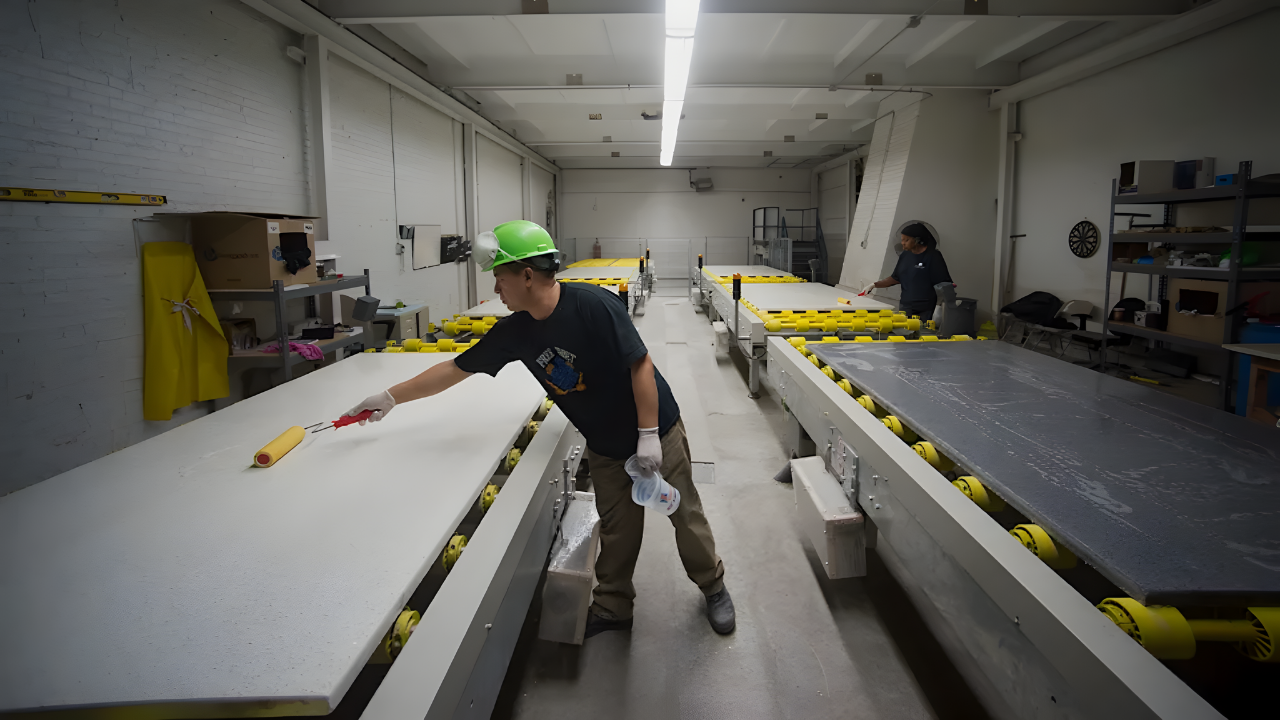
A 40-year-old Hispanic man from Massachusetts is the state’s first confirmed case of silicosis from working with engineered stone countertops. He spent 14 years cutting, polishing, and installing these quartz-based surfaces. Over time, he breathed in crystalline silica dust, which caused this incurable lung disease. On December 9, 2025, state health officials confirmed his diagnosis and warned that more cases will likely appear. They point to similar issues in states like California, where undiagnosed lung damage in workers could show up years later.
Engineered stone has surged in popularity for kitchens and bathrooms because it is tough and looks uniform. This boom has created a fast-growing industry, mostly run by young Hispanic and Latino men. Many small workshops have grown too quickly without enough money for dust controls, good ventilation, or safety gear. The Massachusetts case shows how a common home product has turned into a hidden danger for workers.
Why Engineered Stone Creates Deadly Dust
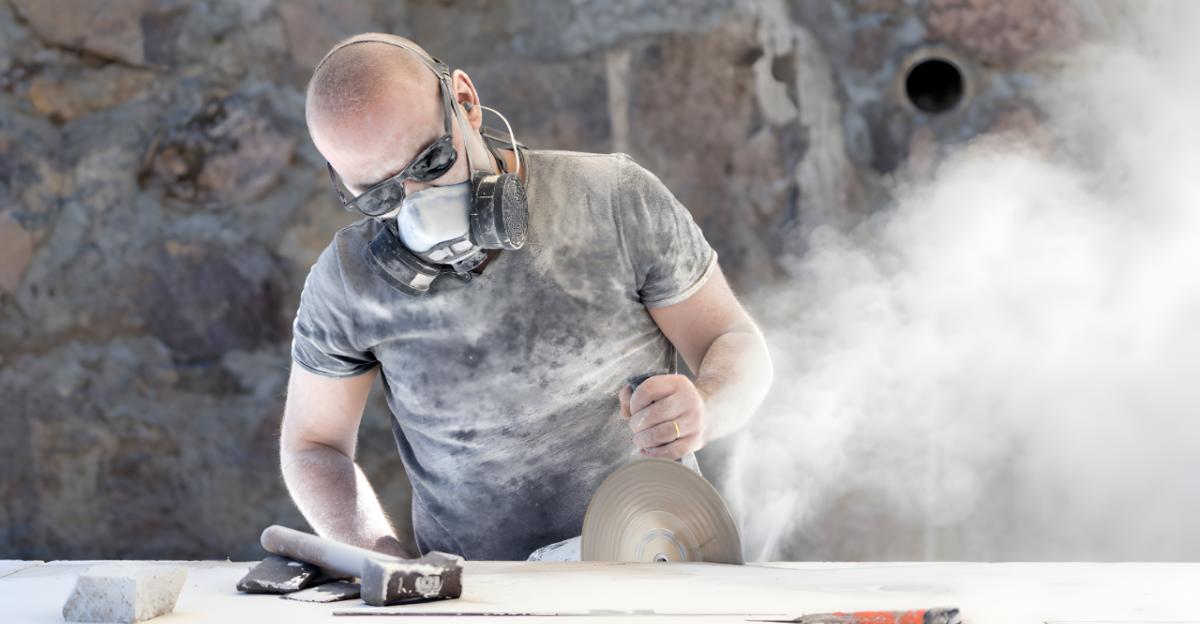
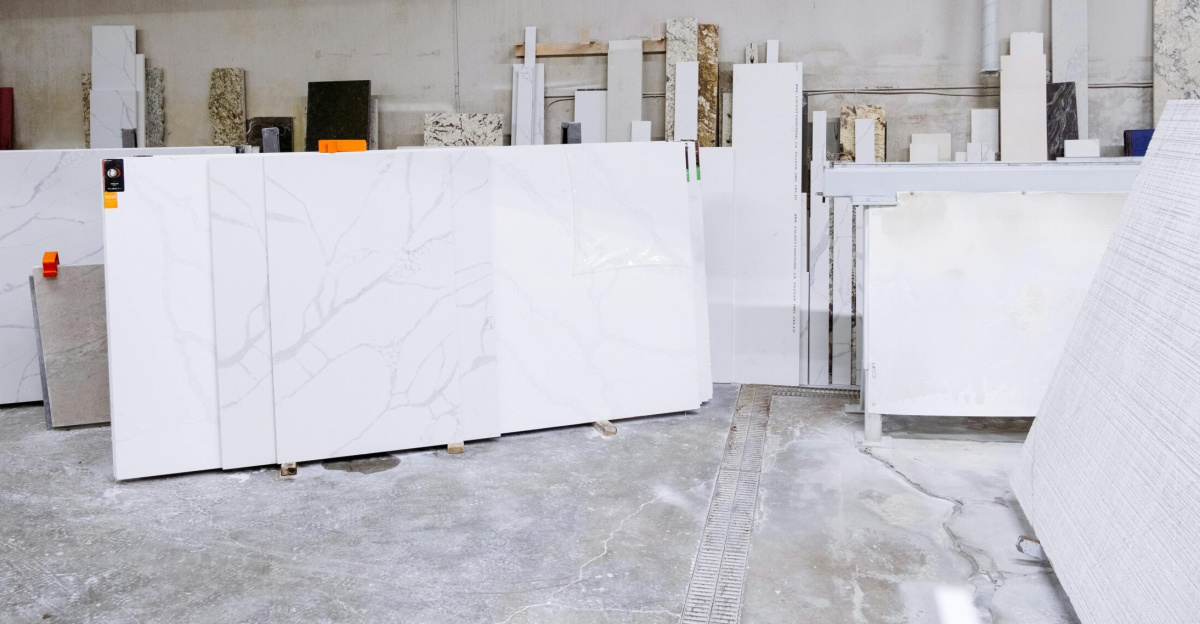
Engineered stone countertops mix crushed quartz and other stones with resins and colors. The final slabs hold over 90% crystalline silica, about twice as much as regular granite. When workers dry-cut, grind, or polish these slabs, they create very fine dust. This dust gets deep into the lungs when breathed in, and the body cannot remove it. Over years, it causes swelling and scars that shrink lung space.
Safer methods exist, like wet-cutting to trap dust, strong ventilation, and well-fitted respirators. But many small shops skip these steps. The Massachusetts worker’s first job had thick dust and no wet-cutting. Workers got only thin surgical masks, which do not block tiny particles. Health checks in other states find the same problems: weak safety setups, poor training, and language issues in busy countertop shops.
A Slow and Deadly Lung Scourge
Silicosis builds up over years of dust exposure, with signs appearing only after major lung harm. Symptoms often start 10 to 20 years after first breathing the dust. The Massachusetts man worked 12 years before a cough and shortness of breath hit. Four years later, scans and tests proved silicosis.
Scars spread through the lungs as the disease worsens. At first, people feel mild breathlessness or a constant cough. Later, it brings extreme tiredness, chest pain, low blood oxygen, leg swelling, and blue lips or fingers. Silicosis also raises risks for lung cancer, tuberculosis, and lung high blood pressure. Health experts call it devastating yet preventable with full dust controls.
No cure exists for silicosis. Doctors treat symptoms with inhalers, extra oxygen, and lung rehab. In worst cases, a lung transplant might help; about 75% of patients live at least three years after one. But transplants are rare, need lifelong drugs, and survival after diagnosis ranges from 5 to 20 years. This stresses the need for early checks and prevention.
Lessons from Other Places and Future Steps
Other areas warn of what’s coming. California saw silicosis from engineered stone jump: 432 cases, 25 deaths, and 48 transplants from 2019 to November 2025. Cases rose from 13 in 2019 to hundreds soon after, as doctors spotted the pattern in young men. Texas had the first U.S. case in 2014 from quartz work; reports grew fast after 2019.
Australia acted strongest. In December 2023, they banned engineered stone nationwide, effective July 1, 2024. The ban covers making, selling, processing, and installing it, with few exceptions. They did this after seeing quick rises in worker silicosis.
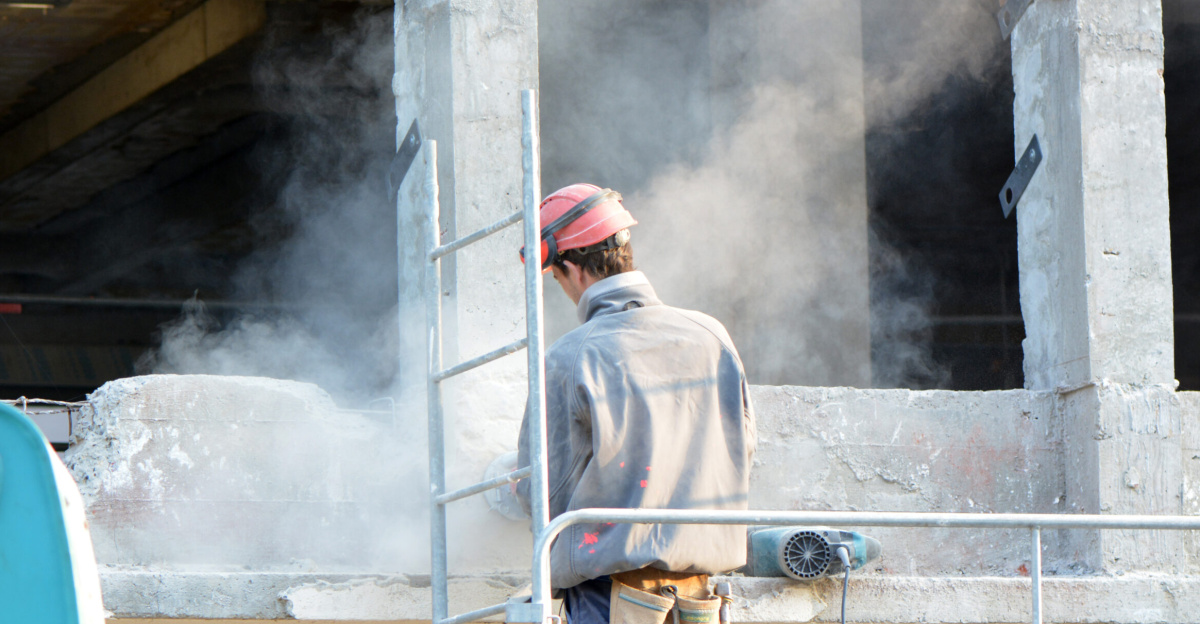
U.S. rules from 2016 limit silica dust to 50 micrograms per cubic meter of air over eight hours. They require wet-cutting, dust collectors, ventilation, and respirators. But small shops with immigrant workers often ignore them due to costs, weak enforcement, and missing training in other languages. Most workers are young Hispanic or Latino men, matching case profiles and showing safety gaps.
Now, health groups and lawmakers push for more: regular scans for at-risk workers, tough fines for bad shops, and even bans on new installs. Industry says rules work if followed, but bans hurt jobs. For Massachusetts, thousands exposed in past decades may get sick soon. Choices by officials, bosses, designers, and buyers will decide if this is a wake-up call for prevention or the start of a big preventable crisis.
Sources
Massachusetts Department of Public Health, Massachusetts Public Health Officials Issue Safety Alert to Employers After State’s First Confirmed Silicosis Case in Stone Countertop Industry, December 9, 2025
Fox News, Massachusetts man diagnosed with deadly lung disease linked to popular kitchen countertops, December 11, 2025
The Independent, Dust from popular countertop material that causes incurable lung disease linked to death of Massachusetts worker, December 11, 2025
Brayton Law, Massachusetts Issues Safety Alert After First Silicosis Case in Artificial Stone Countertop Industry, December 12, 2025
PubMed/NIH, Notes from the field: silicosis in a countertop fabricator, February 2015
SafeWork Australia, Engineered stone ban, December 2023