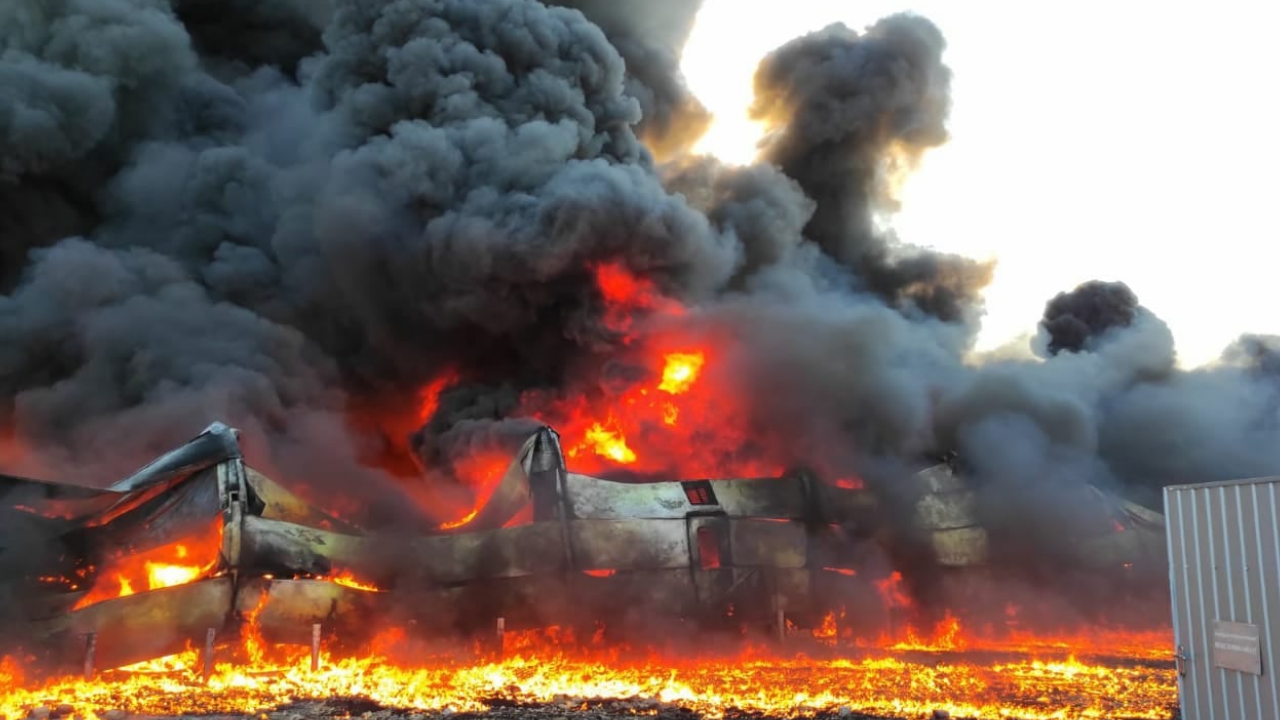
On Christmas Day 2025, Ukraine’s Air Force launched British-supplied Storm Shadow missiles at the Novoshakhtinsk oil refinery in Russia’s Rostov region, just 10 kilometers from the Ukrainian border. The strike set off a massive fire at the facility, which produces diesel and aviation fuel for Russian forces fighting on the southern front.
Though the refinery lies more than 200 kilometers from the nearest battle lines, the attack showed that Ukraine is now able to hit deep inside Russian territory. As the war approaches its fourth year, such strikes demonstrate Kyiv’s growing ability to disrupt the supply routes that power Moscow’s military operations.
Local Russian officials confirmed the explosions and the resulting blaze. Emergency crews fought the fire for hours before bringing it under control. One firefighter was injured and taken to hospital, while nearby residents reported dark smoke drifting over their towns.
Long-Range Missiles Extend Ukraine’s Reach
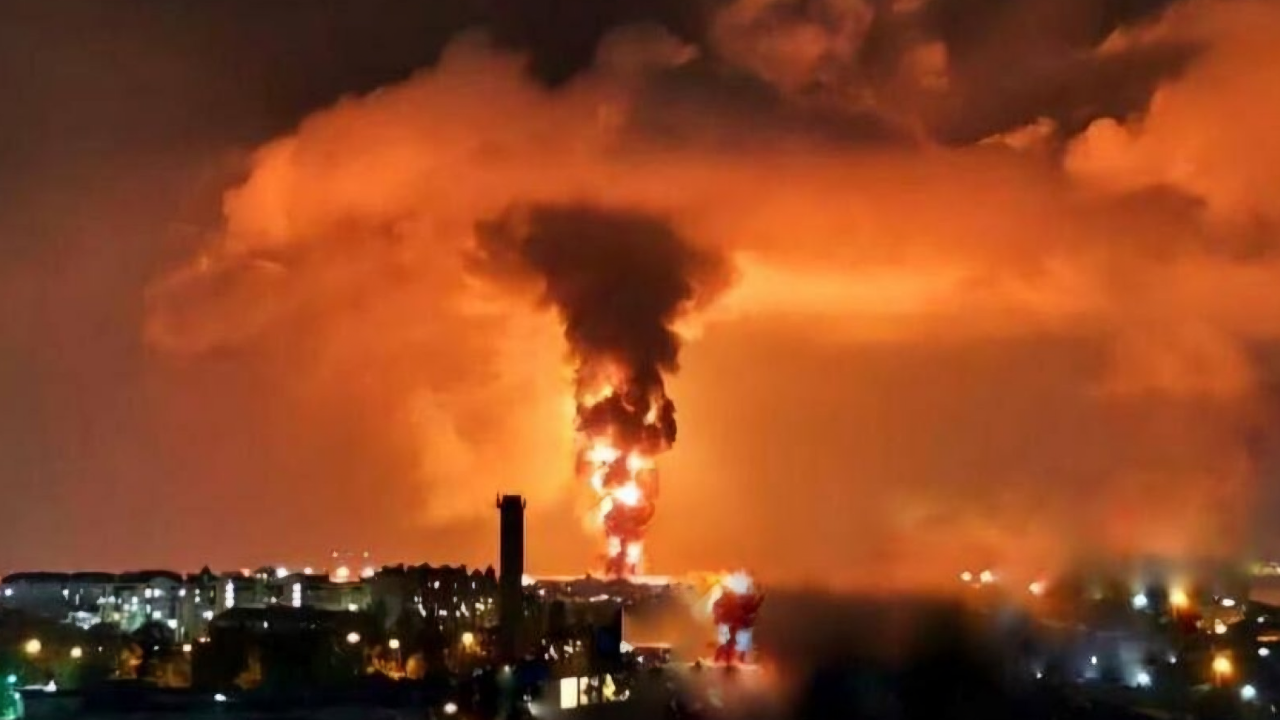
The missiles used in the attack were Storm Shadows, precision-guided weapons provided by the United Kingdom since 2023. With a range of up to 250 kilometers, they allow Ukraine to target key infrastructure far from the front lines. Their accuracy makes them particularly effective against facilities such as refineries, which are vital to Russia’s war machine.
Russian air defenses failed to intercept the missiles. This marked another successful deep strike after similar operations earlier in 2025, including an attack on an energy site in Bryansk in October. Western-supplied weapons have given Ukraine a broader reach, allowing it to move beyond border skirmishes and directly hit the industrial network that fuels Russia’s invasion.
Military analysts say these strikes are part of a deliberate effort to weaken Russia’s ability to keep its troops supplied. By targeting fuel depots, pipelines, and storage facilities, Ukraine aims to gradually erode Moscow’s capacity to sustain long-term fighting.
The Strategic Importance of Novoshakhtinsk
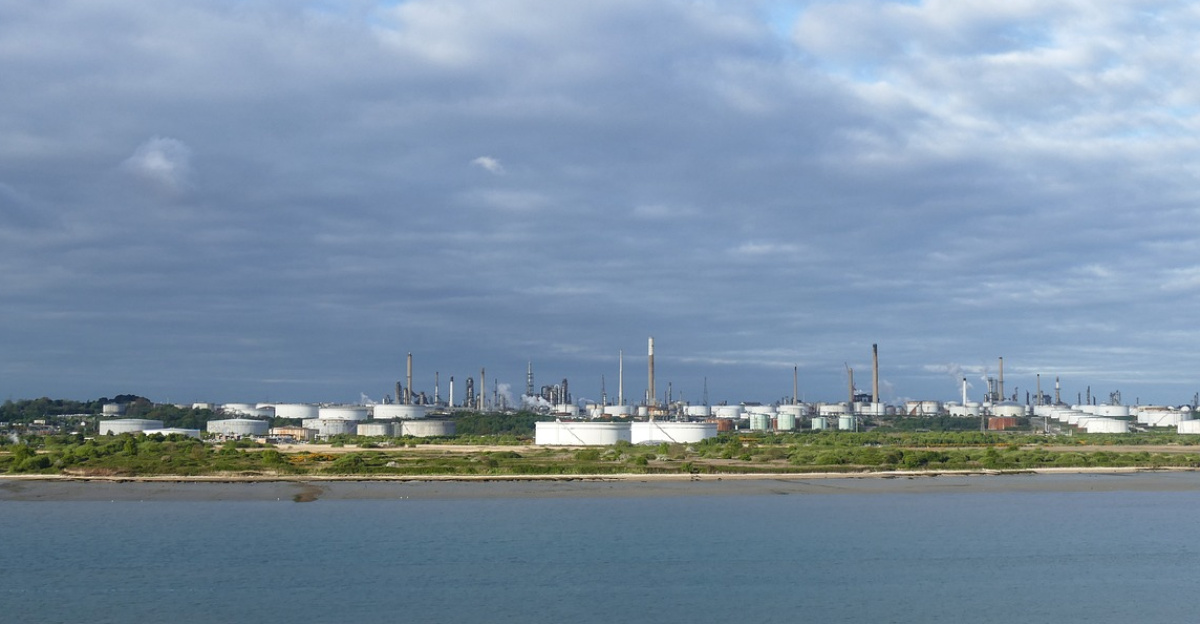
The Novoshakhtinsk refinery has been a recurring target since March 2024. Ukrainian attacks, at least six since then, have caused multiple fires and forced temporary shutdowns. Satellite images have documented cumulative damage over time, showing how repeated hits have chipped away at the site’s production ability.
Although Novoshakhtinsk sits inside Russian territory, its location only a few kilometers from the border makes it vulnerable. The refinery forms part of a larger network that supplies fuel to Russian forces stationed near the southern front. When it goes offline, fuel convoys are forced to take much longer routes, and aircraft operations may be delayed or grounded.
In winter, when logistics are already strained, any disruption creates additional difficulties. Analysts warn that such interruptions could slow troop movements and drain reserve fuel supplies, especially if replacements cannot be brought in quickly.
War Pressures and Russia’s Defensive Gaps

Rostov Governor Yury Slyusar confirmed the explosions but withheld details about the full extent of the damage. His cautious remarks reflected the growing pressure on regional authorities, who have faced criticism for failing to protect key energy assets despite repeated attacks.
The latest incident exposed gaps in Russia’s air defense systems. Despite being warned by earlier strikes, the missiles flew unhindered to their target. Local officials and military leaders are expected to review protective measures, including adding new radar systems or deploying more anti-aircraft units near high-value facilities.
2025 has already seen a surge in Ukraine’s long-distance strikes, which Kyiv claims have tripled compared to previous years. Each successful hit on vital infrastructure tightens the pressure on Russia’s fuel supply chain. Slower deliveries can affect tanks, trucks, and aircraft, weakening the offensive capacity of forces operating along the southern front.
While Moscow has managed partial repairs after earlier attacks, the repeated blows are adding up. Experts suggest that continued losses could have lasting effects on output and further limit Russia’s war readiness.
As Russia repairs the damage in Novoshakhtinsk, the attack stands as another reminder of how the battle is evolving. Ukraine’s ability to hit deep targets has shifted the focus of the war from the front lines to the supply lines. It is a strategy designed to strain Russia’s endurance, and the impact may be felt well into 2026 if these strikes continue.
Sources:
The Kyiv Independent, “Ukraine strikes major Russian oil refinery on Christmas Day”, 25 Dec 2025
The Kyiv Independent, “Storm Shadow missiles used in deep strike on Rostov refinery”, 25 Dec 2025
Kyiv Post, “Ukraine’s pattern of energy infrastructure strikes intensifies”, 25 Dec 2025
BBC News, “UK supplies Storm Shadow missiles to Ukraine”, 11 May 2023
The Kyiv Independent, “Novoshakhtinsk refinery hit multiple times in 2025”, 25 Dec 2025