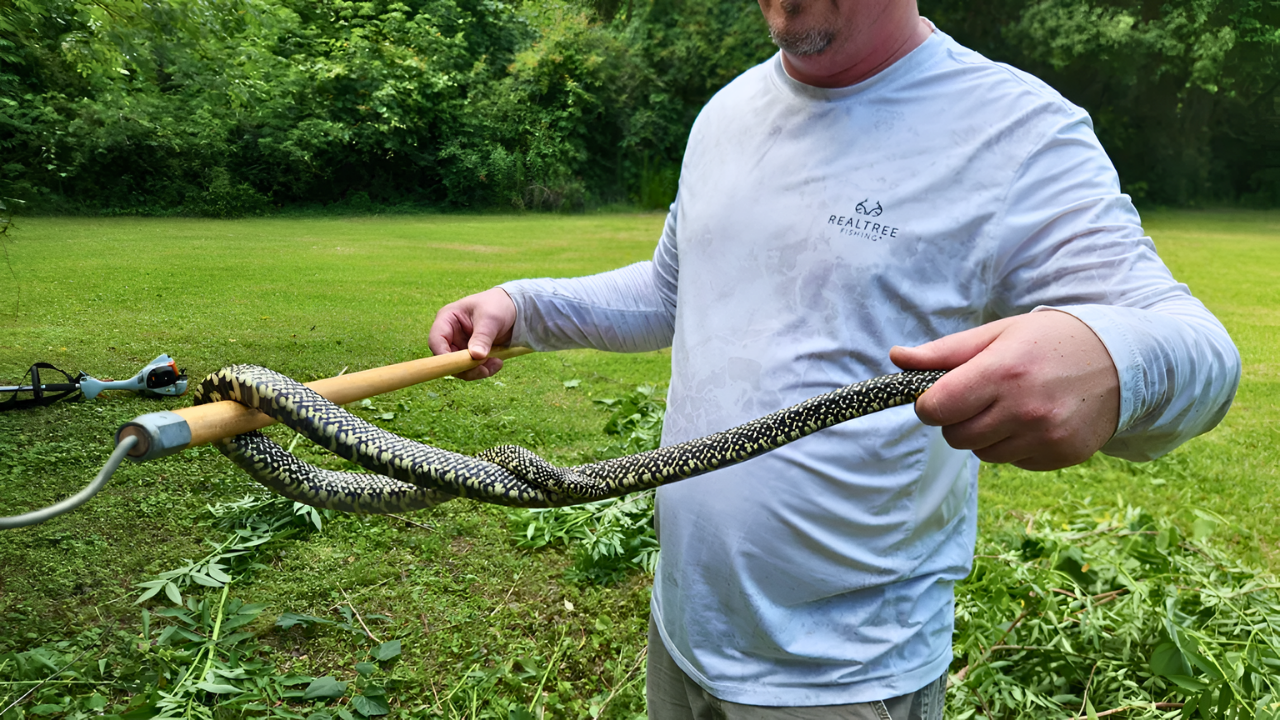
While sharks and wolves dominate our nightmares, the true heavy hitters of the animal kingdom slither silently through the tall grass. According to the World Health Organization, venomous snakes bite approximately 5.4 million people every year, resulting in up to 140,000 deaths. That is nearly 400 lives lost every single day.
The crisis is most acute in rural communities of Asia and Africa, where a lack of medical access turns manageable encounters into tragedies. Experts warn that for every person killed, three more suffer permanent disabilities like amputation or blindness.
India’s “Big Four”: A Deadly Quartet
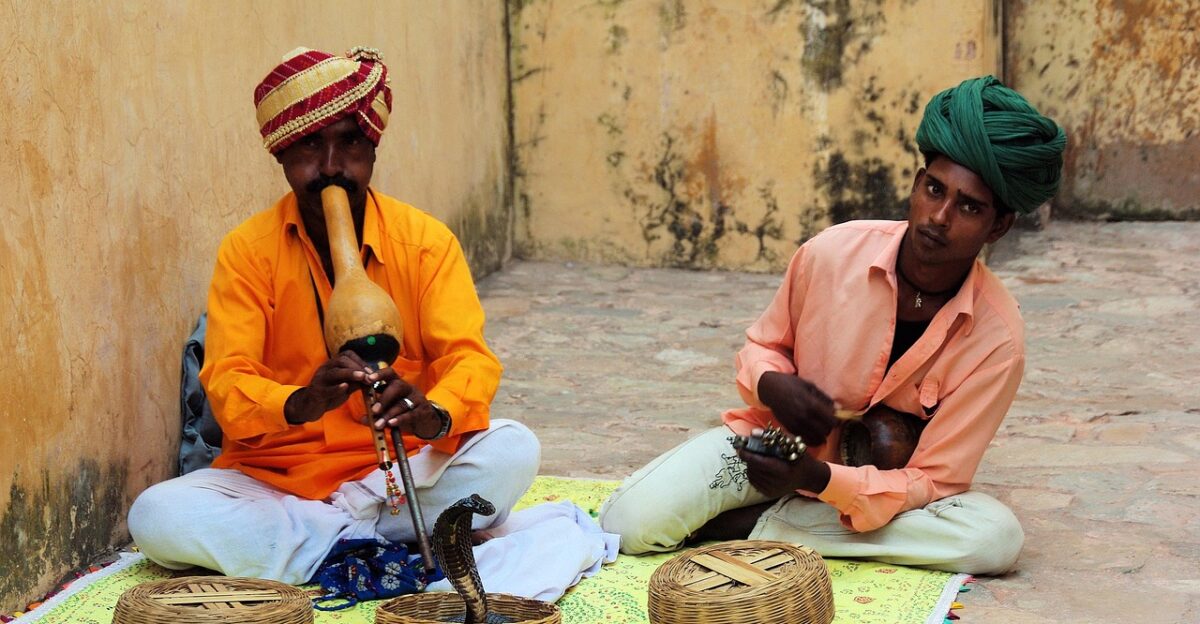
Nowhere is the snakebite crisis more urgent than on the Indian subcontinent, which bears the burden of nearly 50% of all global snakebite deaths. Medical researchers have identified a group of four distinct species—the Russell’s Viper, Common Krait, Indian Cobra, and Saw-scaled Viper—that are responsible for 75% of these fatalities.
These “Big Four” thrive in agricultural landscapes, bringing them into daily, dangerous contact with humans.
1. The World’s Deadliest Snake
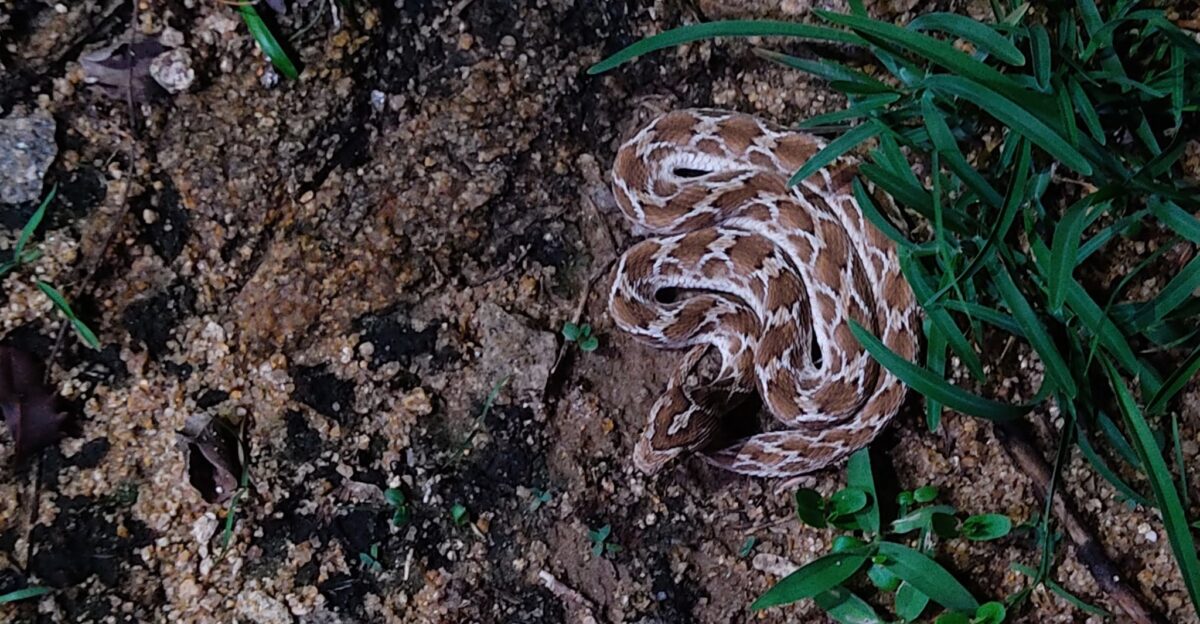
Pound for pound, the Saw-scaled Viper (Echis carinatus) is widely considered the deadliest snake on Earth. While it lacks the sheer venom volume of a cobra, its aggressive temperament and habitat in densely populated regions of India and the Middle East create a perfect storm for fatalities.
Herpetologists estimate this single species causes 5,000 deaths annually in India alone, and potentially more globally than all other snakes combined.
Why the Saw-Scaled Viper Strikes So Often
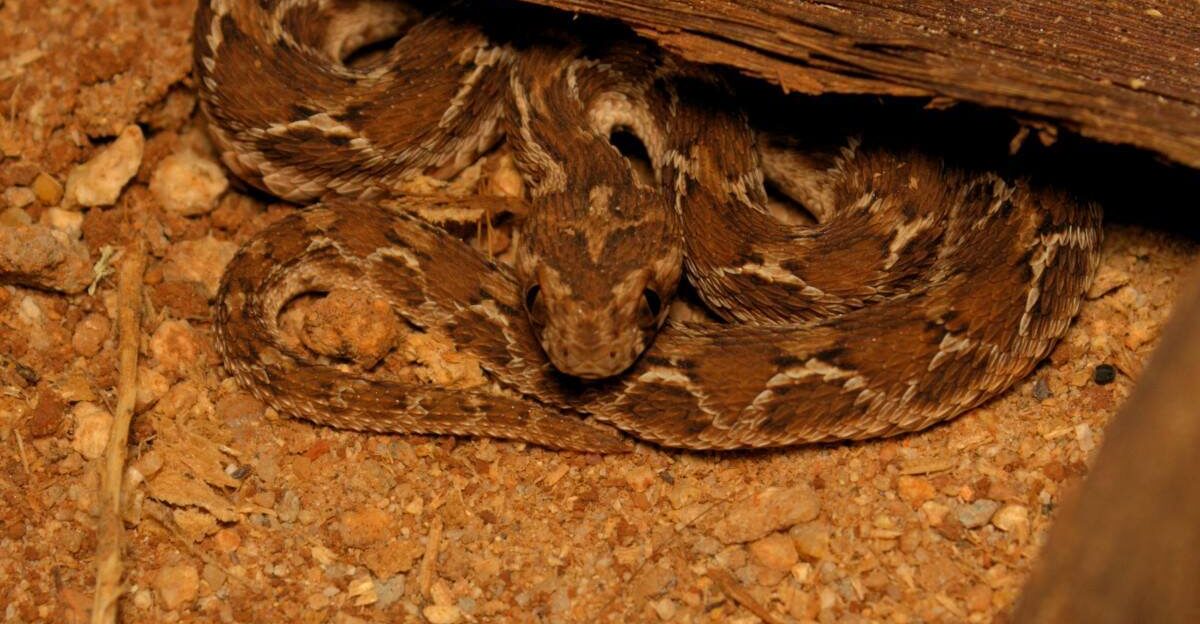
Unlike many snakes that flee from humans, the Saw-scaled Viper holds its ground. When threatened, it rubs its scales together to create a terrifying “sizzling” warning sound—a behavior known as stridulation. However, this warning often comes too late.
The viper’s venom is potent and hemotoxic, destroying blood-clotting factors and causing internal bleeding.
2. The Master of Camouflage
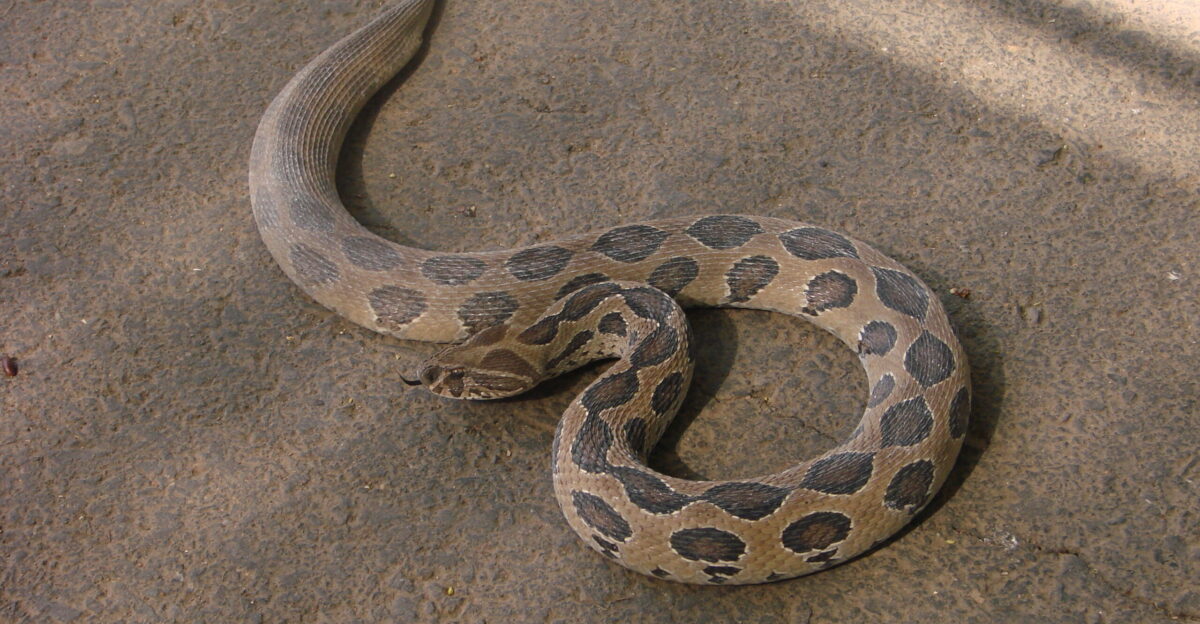
The Russell’s Viper (Daboia russelii) is the heavyweight contender of the Big Four, known for its loud, kettle-like hiss and immense venom yield. It is responsible for the highest number of fatal bites in many parts of India and Sri Lanka.
This sluggish, ambush predator prefers open fields and farmlands, where it hunts rodents, drawing it dangerously close to harvest workers.
The Medical Nightmare of a Russell’s Viper Bite
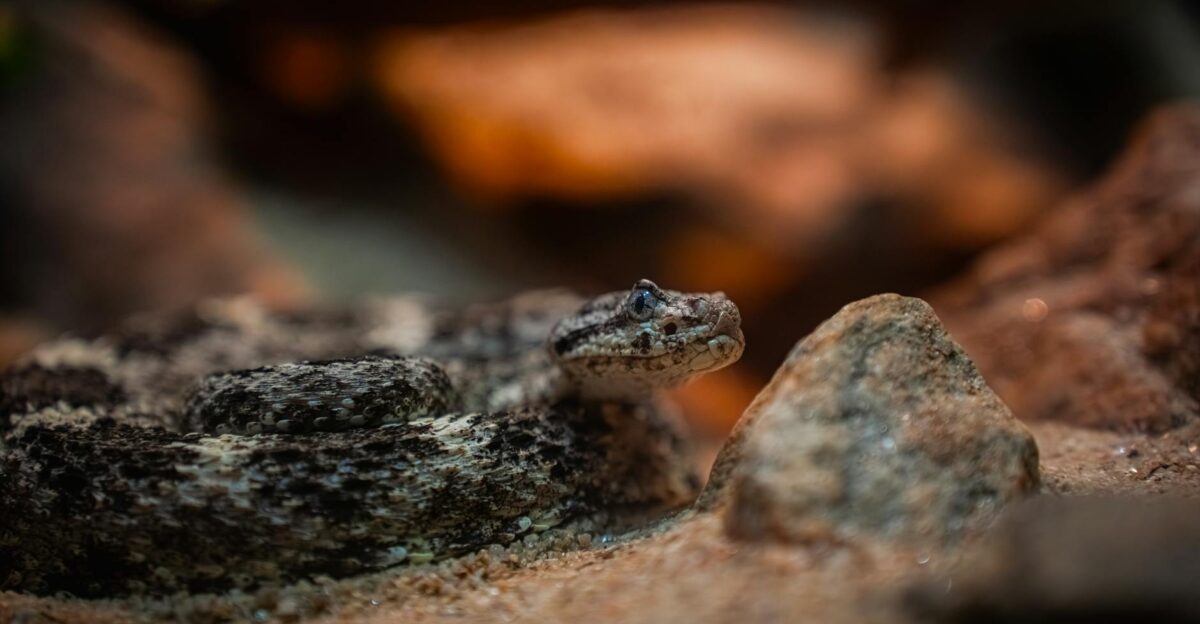
Surviving the initial bite of a Russell’s Viper is often just the beginning of a harrowing medical journey. Its venom is notoriously cytotoxic and hemotoxic, causing rapid blistering, necrosis, and uncontrolled bleeding. Uniquely, this viper’s venom often causes acute kidney failure and permanent renal damage in survivors.
Medical reports indicate that victims who reach hospitals late often succumb to complications days after the bite, making it a leading cause of long-term disability and amputation in rural communities across Asia.
3. The Silent Night Killer
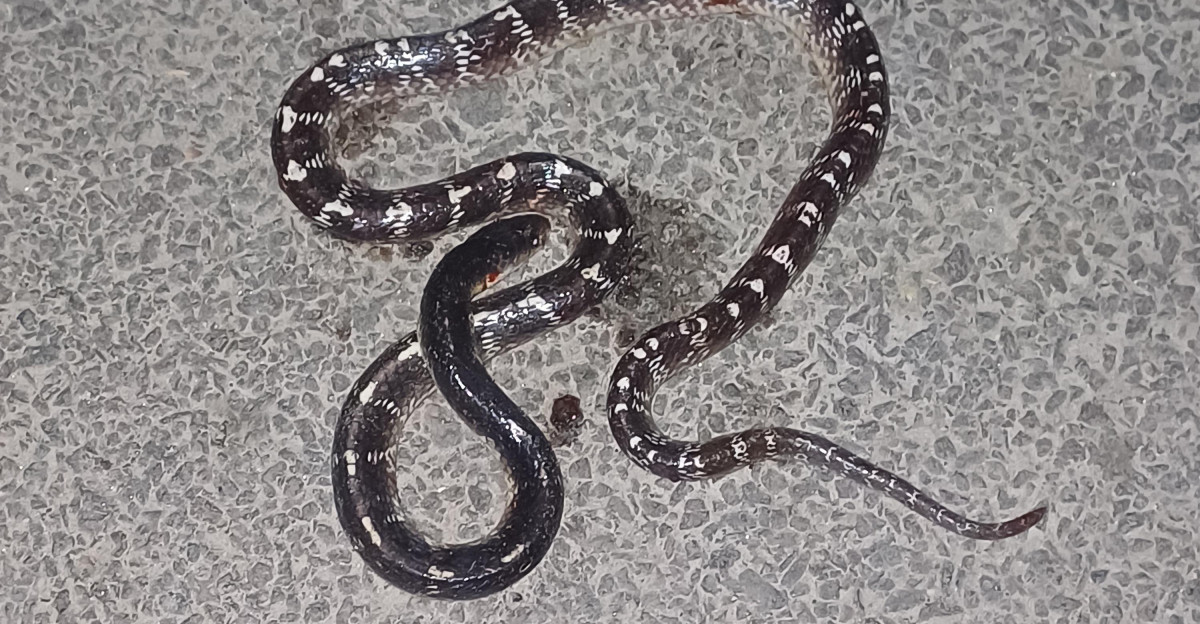
The Common Krait (Bungarus caeruleus) presents a terrifying paradox: it is docile during the day but aggressively active at night. This member of the Big Four is infamous for entering homes while people sleep, often seeking the warmth of human bodies. The bite is virtually painless, feeling like nothing more than a mosquito prick or an ant bite.
Consequently, many victims do not even wake up, slipping from sleep directly into paralysis and death. This “silent killer” behavior makes accurate mortality statistics difficult to track, but the toll is undeniably massive.
Why Krait Victims Don’t Wake Up
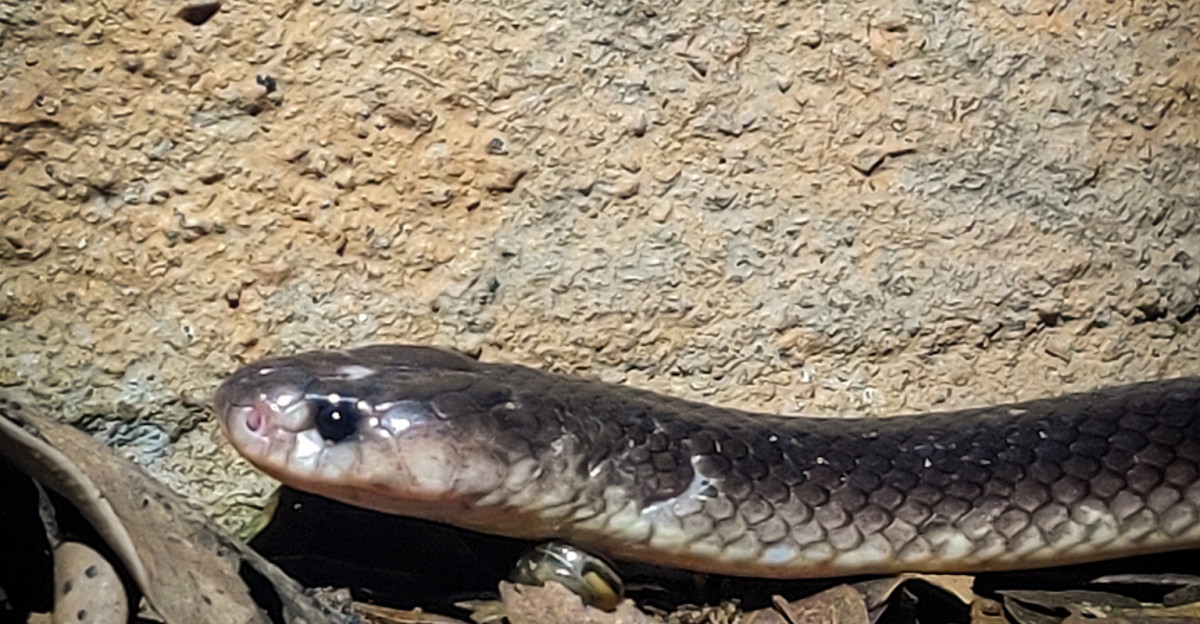
The venom of the Common Krait is powerfully neurotoxic, shutting down the nervous system with frightening efficiency. Unlike viper bites, which cause excruciating pain and swelling, krait envenomation often offers few external symptoms until it is too late. Victims may wake up hours later with abdominal cramps, facial paralysis, and an inability to breathe.
Without immediate mechanical ventilation and antivenom, death from respiratory failure can occur within 4 to 8 hours.
4. The Icon of Death
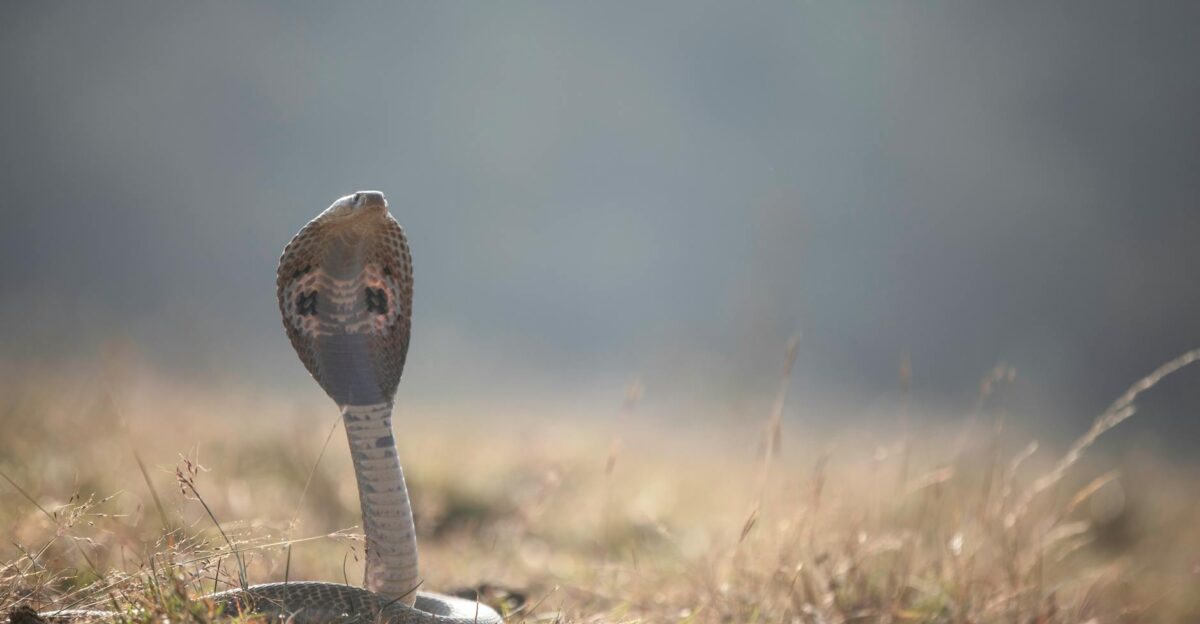
Revered in mythology and feared in reality, the Indian Cobra (Naja naja) completes the deadly Big Four. Easily recognized by its distinctive hood pattern, this snake is responsible for a significant percentage of bites due to its adaptation to urban environments.
Cobras are frequently found in rice paddies and even city outskirts, where they hunt rats that follow human waste. While they will display their iconic hood as a warning, their bite delivers a potent neurotoxin that can cause cardiac arrest and respiratory failure in under an hour if left untreated.
The Neurotoxic Speed of the Cobra
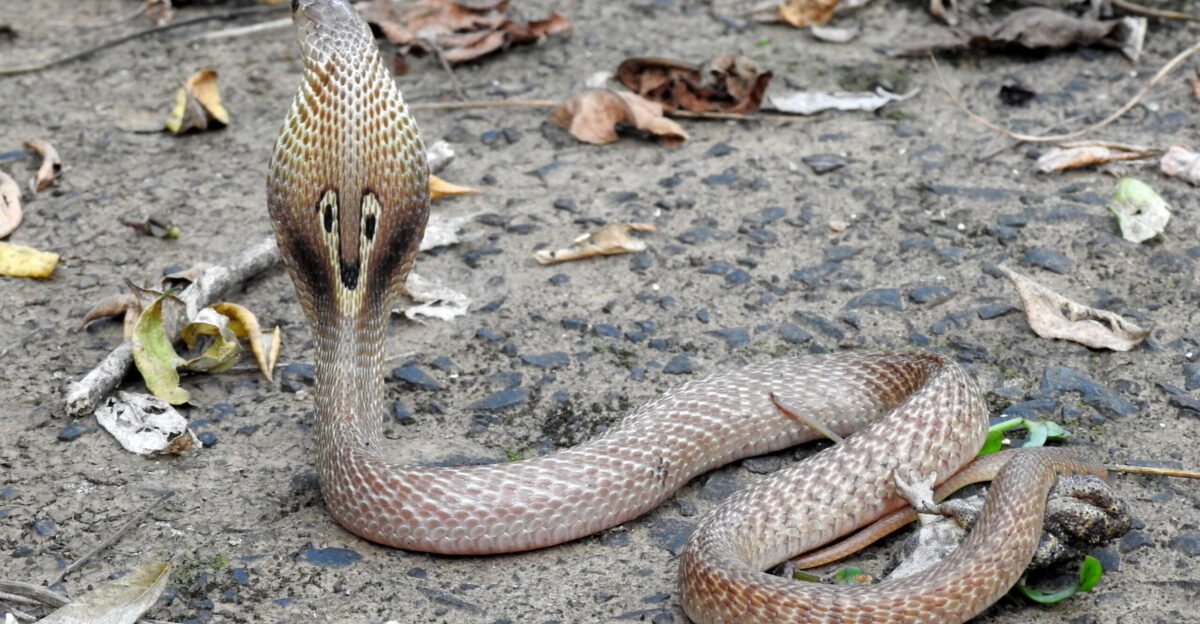
The Indian Cobra’s venom acts with terrifying speed, targeting the synaptic gaps in the victim’s nervous system. Symptoms like drooping eyelids, difficulty swallowing, and slurred speech can appear within minutes of a bite.
Although effective antivenom exists, the cobra’s widespread presence means bites often occur far from medical facilities.
5. Africa’s Top Killer
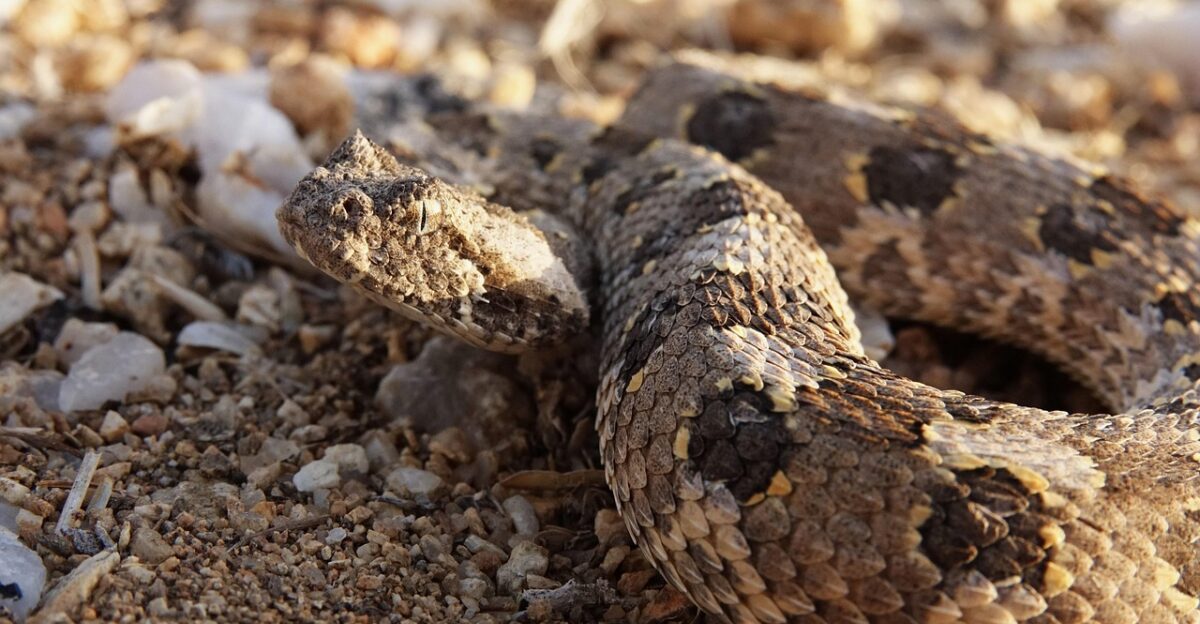
While the Big Four dominate Asia, the West African Carpet Viper (Echis ocellatus) is the undisputed scourge of the African continent. Closely related to the Saw-scaled Viper, this species is cited by researchers as being responsible for more fatalities than all other African snakes combined.
Found across the savanna regions of West Africa, it thrives in agricultural areas. Its venom is viciously hemotoxic, leading to systemic bleeding and shock.
6. The Lazy Ambush Predator
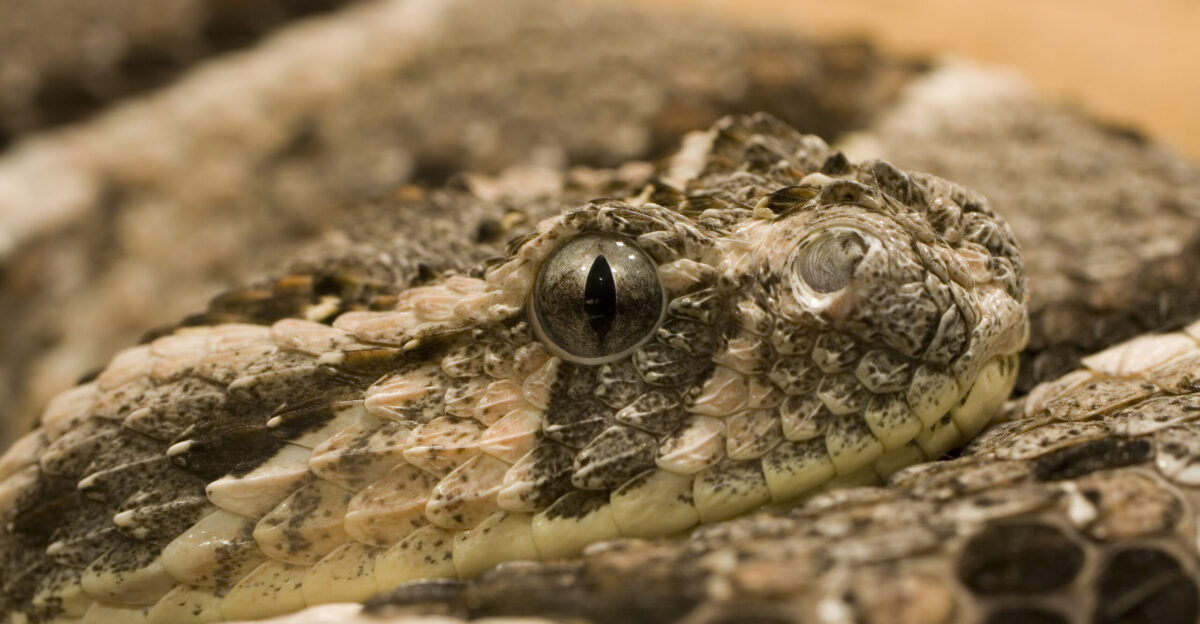
The Puff Adder (Bitis arietans) earns its name from the loud, warning puffs it exhales when threatened, but its “lazy” nature is what makes it so dangerous. Instead of moving away from approaching footsteps, it relies on its superb camouflage to blend into the African dust and leaves.
This behavior leads to countless accidental encounters where people step directly on the snake. Sources indicate this species is responsible for up to 32,000 fatalities annually across Africa, striking with a force that can penetrate leather boots.
7. The Face of Fear
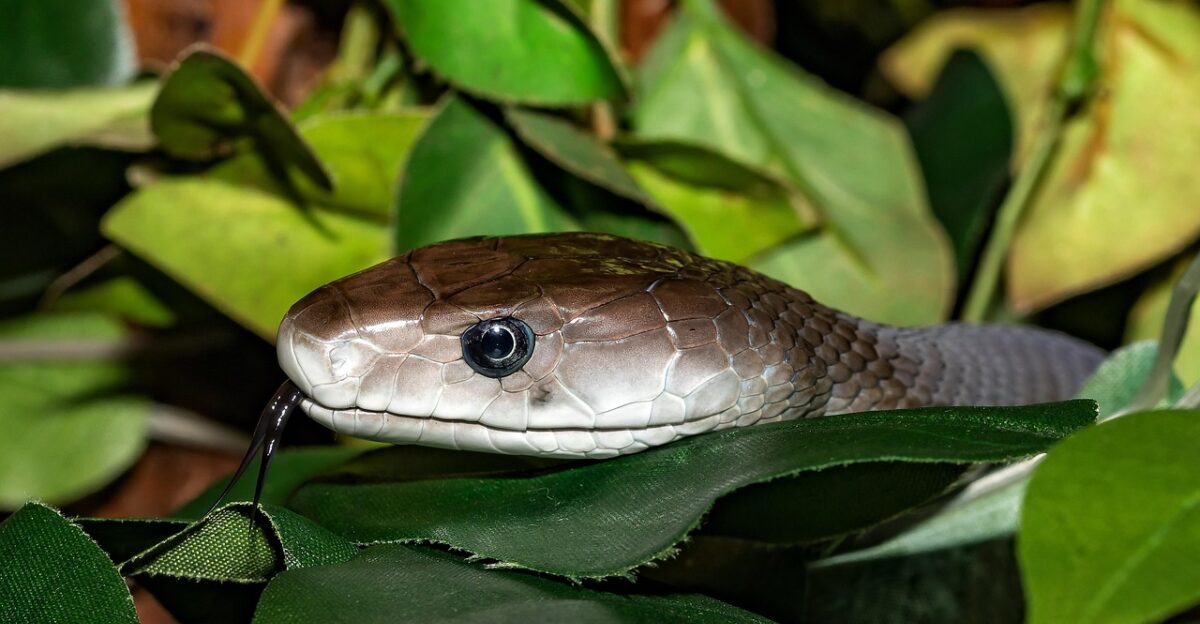
The Black Mamba (Dendroaspis polylepis) may not kill the highest number of people due to its reclusive nature, but it possesses the deadliest reputation. Before the advent of antivenom, a bite from this super-fast elapid was 100% fatal, often killing within 20 minutes to a few hours.
Native to sub-Saharan Africa, it is known for its aggression when cornered and its ability to strike repeatedly. While bites are rarer than those of vipers, the “kiss of death” from a Black Mamba requires massive doses of antivenom to reverse the rapid onset of paralysis.
8. The Terror of the Americas
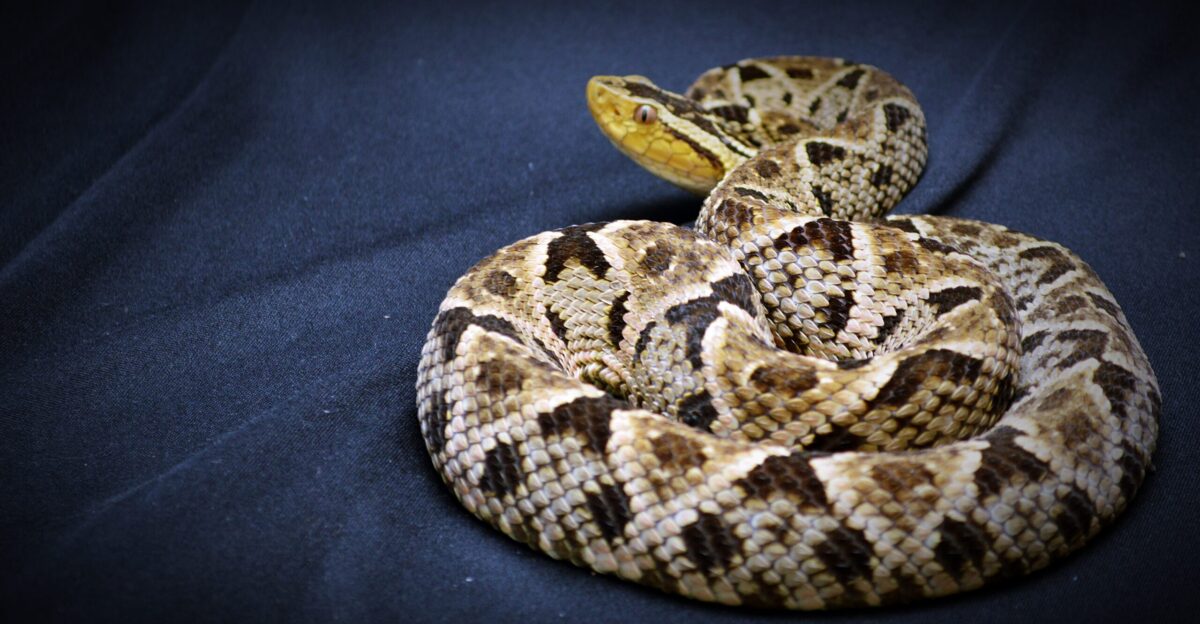
In Central America, no snake is more feared than the Fer-de-Lance (Bothrops asper). Known locally as the “Terciopelo,” this pit viper is the leading cause of snakebite fatalities in countries such as Costa Rica and Mexico.
Highly adaptable, it thrives in coffee plantations and near human settlements. Its venom is necrotizing and anticoagulant, often causing severe tissue destruction that leads to amputation even when the victim survives.
9. The Amazon’s Assassin
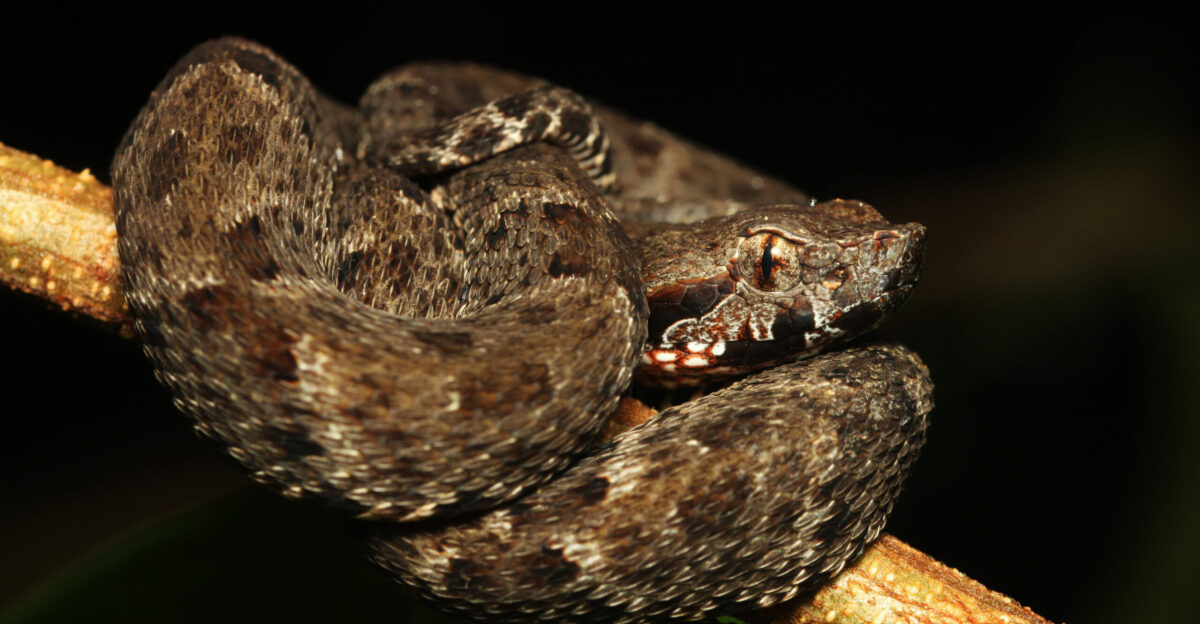
Deep in the Amazon basin and across northern South America, the Common Lancehead (Bothrops atrox) takes the title for the most dangerous reptile. It is responsible for the vast majority of snakebite accidents in the region, particularly affecting indigenous communities and farmers.
Like its Central American cousin, the Lancehead’s venom destroys tissue and blood clotting ability, leading to hemorrhages and renal failure.
10. East Asia’s Silent Threat
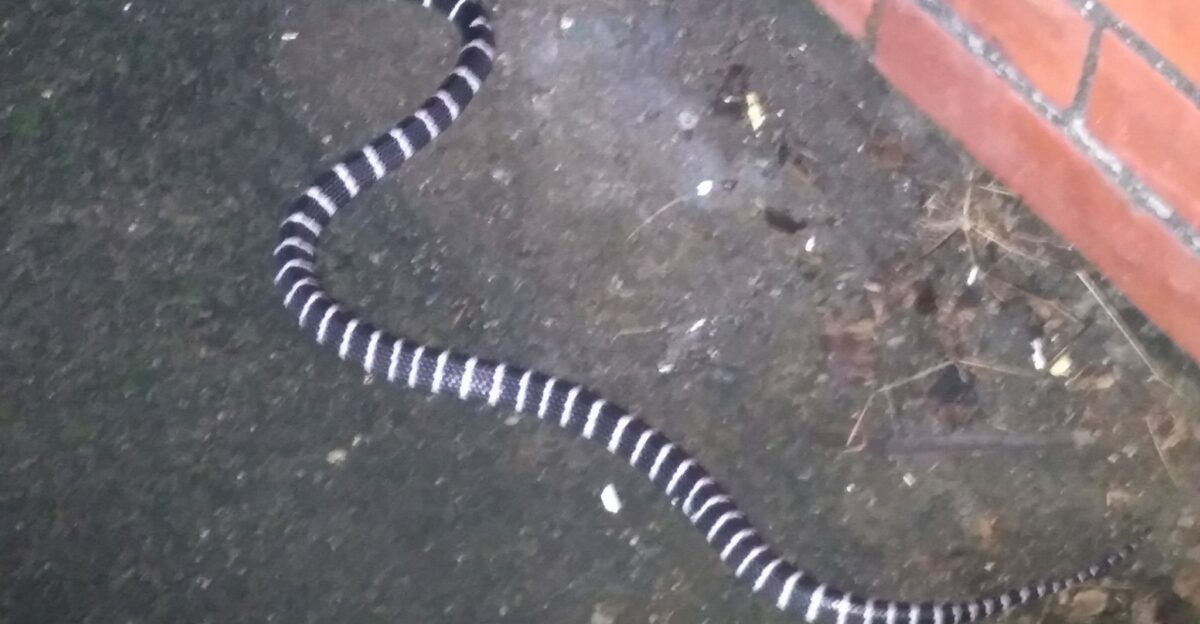
Moving to East Asia, the Many-banded Krait (Bungarus multicinctus) stands out as a primary cause of snakebite mortality in China and Taiwan. Similar to the Common Krait, its venom is a potent neurotoxin containing alpha-bungarotoxin, which causes rapid respiratory paralysis.
Reports from Taiwan’s National Poison Control Center have historically identified respiratory failure from this species as a leading cause of snakebite death.
The Global Antivenom Shortage

A tragic reality behind these statistics is that most snakebite deaths are preventable. The World Health Organization has declared snakebite envenoming a “priority neglected tropical disease,” highlighting a global crisis in antivenom availability.
In many African and Asian regions, effective antivenom is either too expensive, expired, or simply unavailable. Furthermore, the production of region-specific antivenoms has declined, leaving millions of people vulnerable to species like the Carpet Viper and Cobra.
Life After the Bite

Survival often comes at a terrible cost. For every death, dozens of victims suffer life-altering injuries. The necrotic venom of vipers like the Russell’s Viper and Fer-de-Lance can rot muscle and bone, necessitating amputation of fingers, toes, or entire limbs.
In rural agricultural societies, the loss of a limb equates to the loss of a livelihood, plunging entire families into poverty. The psychological trauma and economic devastation of snakebites create a cycle of hardship that persists long after the physical wound has healed.
The First Line of Defense
Experts agree that education is the most powerful tool against snakebites. Simple measures, such as using flashlights at night, sleeping under mosquito nets (which keep out Kraits), and wearing boots while farming, can drastically reduce fatalities.
In India, community programs are teaching villagers to identify the “Big Four” and avoid traditional remedies that waste precious time.
A Call to Action
The 100,000 lives lost annually to snakes are not just statistics; they represent a massive, overlooked humanitarian disaster. From the stealthy Saw-scaled Viper in India to the ambush-ready Fer-de-Lance in Costa Rica, these animals are formidable survivors adapting to a human-dominated world.
Reducing this toll requires a global commitment to better healthcare access and antivenom distribution. Until then, the silent war in the tall grass continues, claiming a life every five minutes somewhere on our planet.