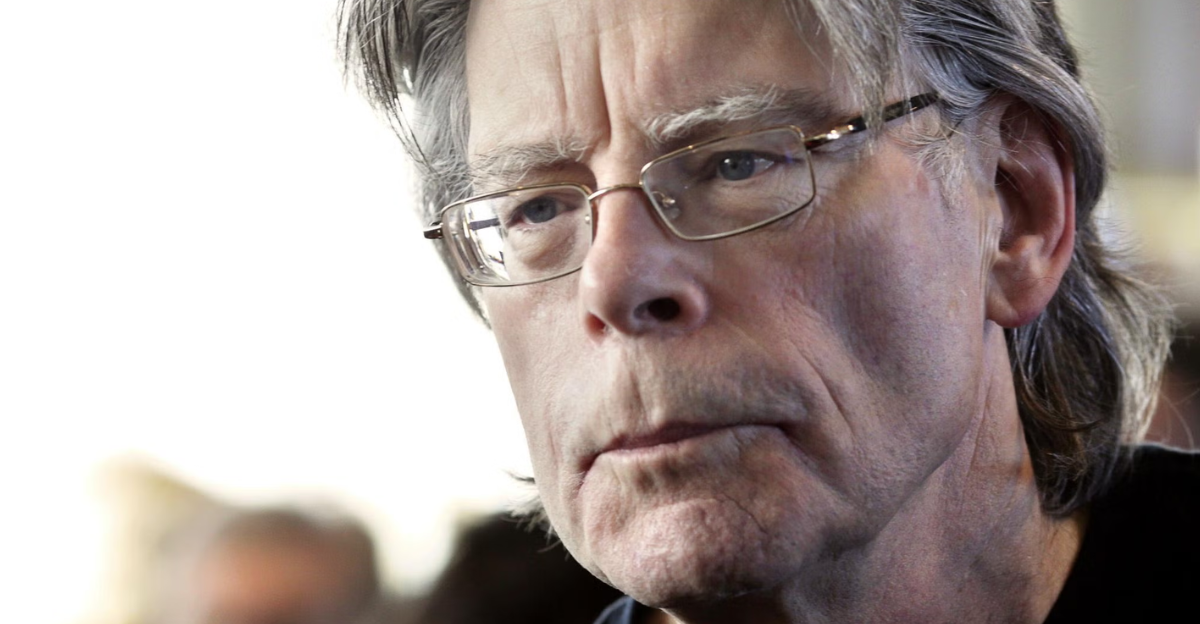
A Belfast independent bookshop made waves globally by announcing the removal of all Stephen King titles after the author falsely accused assassinated activist Charlie Kirk of “advocating stoning gays to death.”
Belfast Books’ blunt statement – calling King’s comments “abhorrent and ill-informed” – underscored the tension between moral stance and commerce.
The move sparked intense debate over how retailers respond to political controversies, highlighting a clash between literary business decisions and social accountability in a highly polarized age.
Global Reach
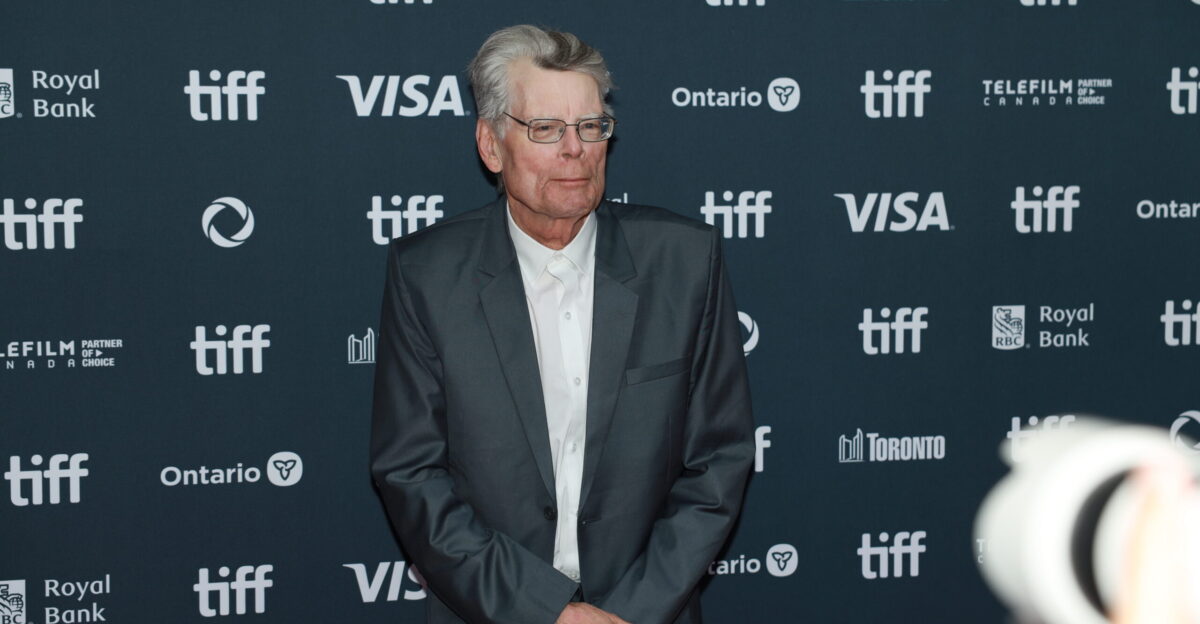
Stephen King’s voice carries enormous weight: he’s sold over 350 million books worldwide and boasts millions of social media followers. Every word he posts can dominate headlines and shape public opinion.
With such a gigantic audience (his X/Twitter handle has roughly 6.8 million followers), even one erroneous tweet can travel instantly around the world.
The Belfast Books incident shows how quickly a reaction to King’s statements can reverberate far beyond a single community or country, given the author’s vast influence.
Horror’s Legacy
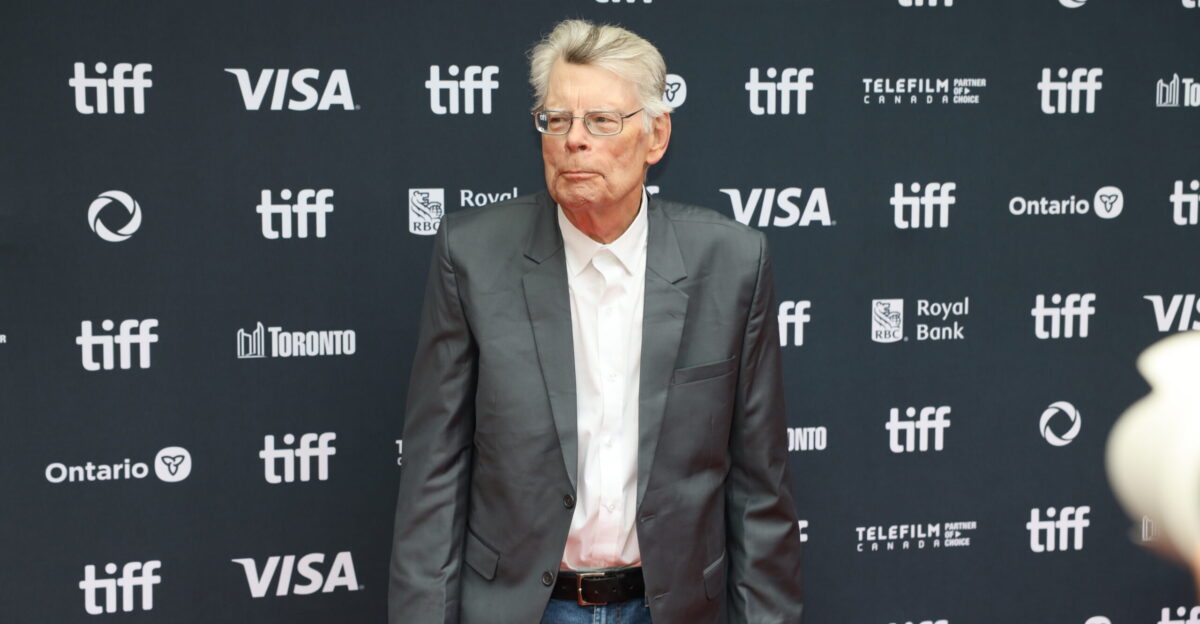
King has dominated horror fiction since Carrie (1974). Over a five-decade career, he’s published 64 novels and 200+ short stories, releasing on average a new book every few months.
His work has spawned blockbuster films and TV series – The Shining, IT, The Dark Tower, and more – making King one of the most recognizable authors alive.
This immense cultural footprint means King’s name on a book spine is a guaranteed bestseller. His status as a global literary icon magnifies the impact whenever he wades into controversial territory, as the Belfast Books boycott illustrates.
Political Voice
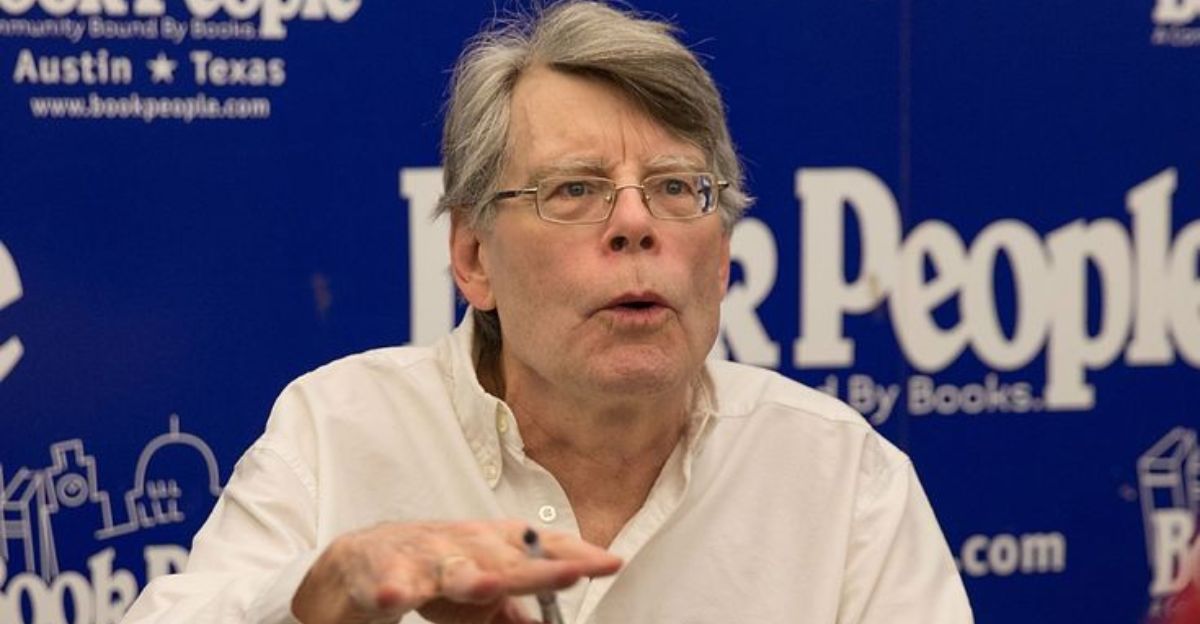
In recent years, King has wielded his platform for politics. The 77-year-old Carrie author is an outspoken critic of figures like Donald Trump. For example, he publicly called Trump a “bully” and even predicted Trump’s own supporters might deny voting for him.
King’s Twitter feed often carries progressive messages and culture-war commentary, which routinely attract media attention.
While King’s politics have sparked debate before, none of his previous controversies – from blunt Trump mockery to social commentary – have provoked a response as swift or intense as this recent exchange surrounding Charlie Kirk’s killing.
The Deadly Claim
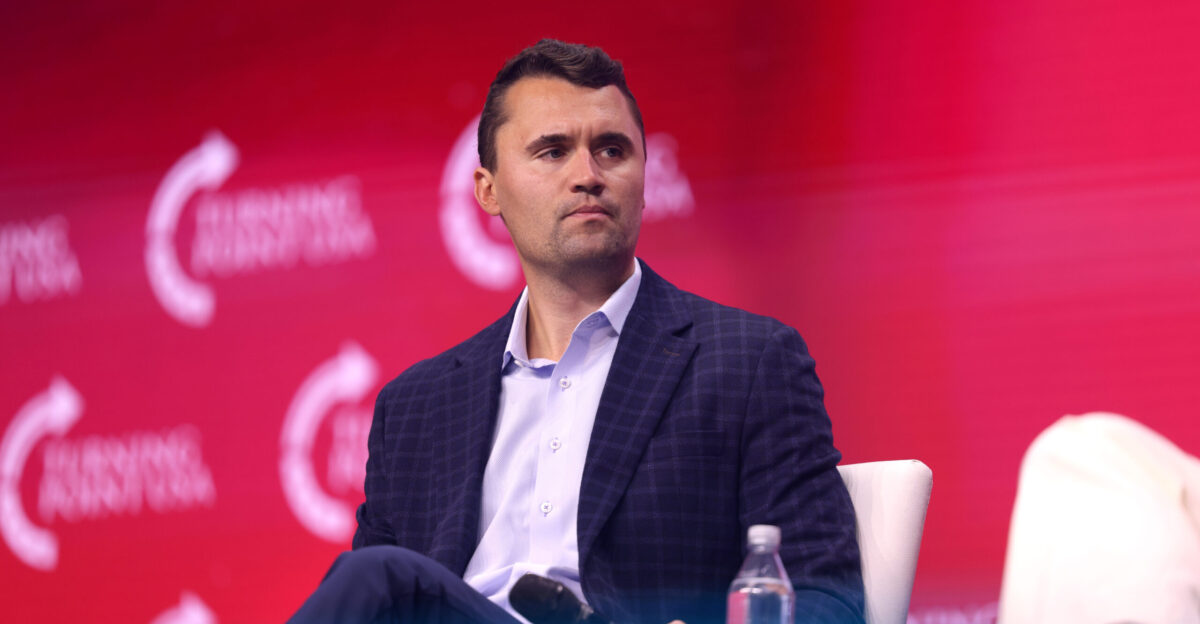
On Sept. 11, 2025, in the wake of Kirk’s campus assassination, King responded to a Fox News segment by host Jesse Watters praising Kirk. Watters had called Kirk “not a controversial or polarizing figure, but a patriot”.
King replied on X: “He advocated stoning gays to death. Just sayin’.” Almost immediately, other users pointed out that no such statement by Kirk existed.
Within hours, King deleted the post and issued apologies. He tweeted, “I apologize for saying Charlie Kirk advocated stoning gays to death. What he actually demonstrated was how some people cherry-pick Biblical passages”. King admitted he hadn’t fact-checked the claim, promising to be more careful.
Belfast’s Stand
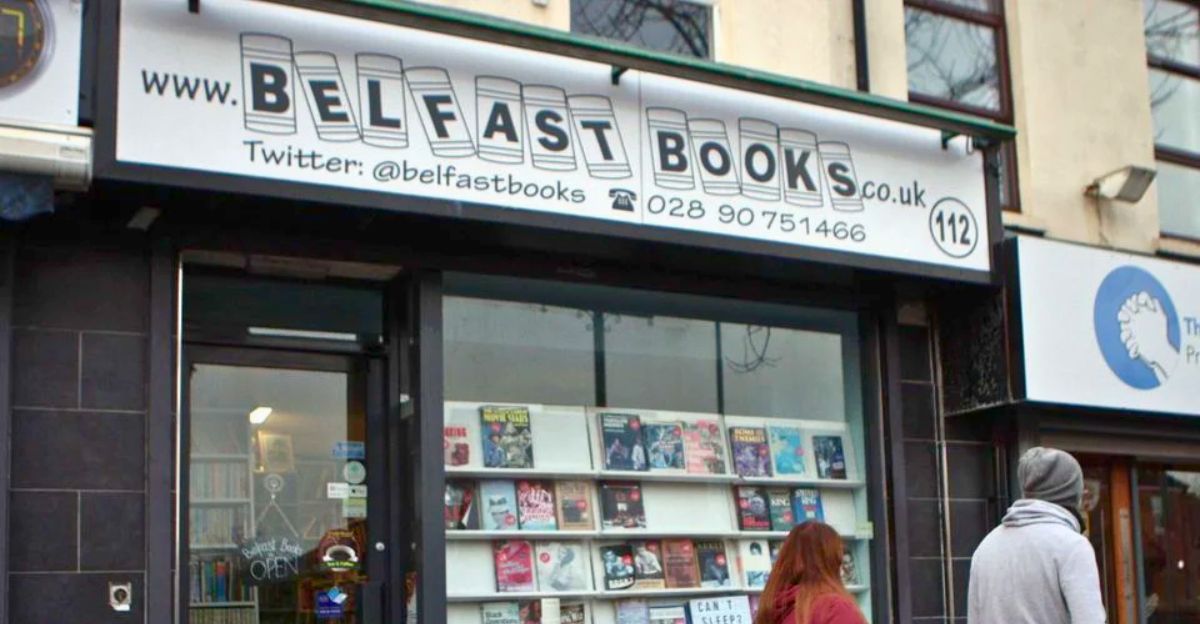
The next day, Belfast Books – a small retailer in Northern Ireland – publicly denounced King’s tweet and announced a boycott. In a September 13 post, the shop declared, “Stephen King’s remarks about Charlie Kirk were abhorrent and ill-informed.
His apology does not excuse the spread of such misinformation. Out of principle, we will remove his titles from our site.”. The store said the apology “does not undo the harm” caused.
Belfast Books’ owners made clear that no mere mea culpa would convince them to reverse the ban: they demanded a more meaningful acknowledgment of the error. This principled stance by a tiny bookstore signaled how seriously some retailers were taking the episode.
Financial Risk
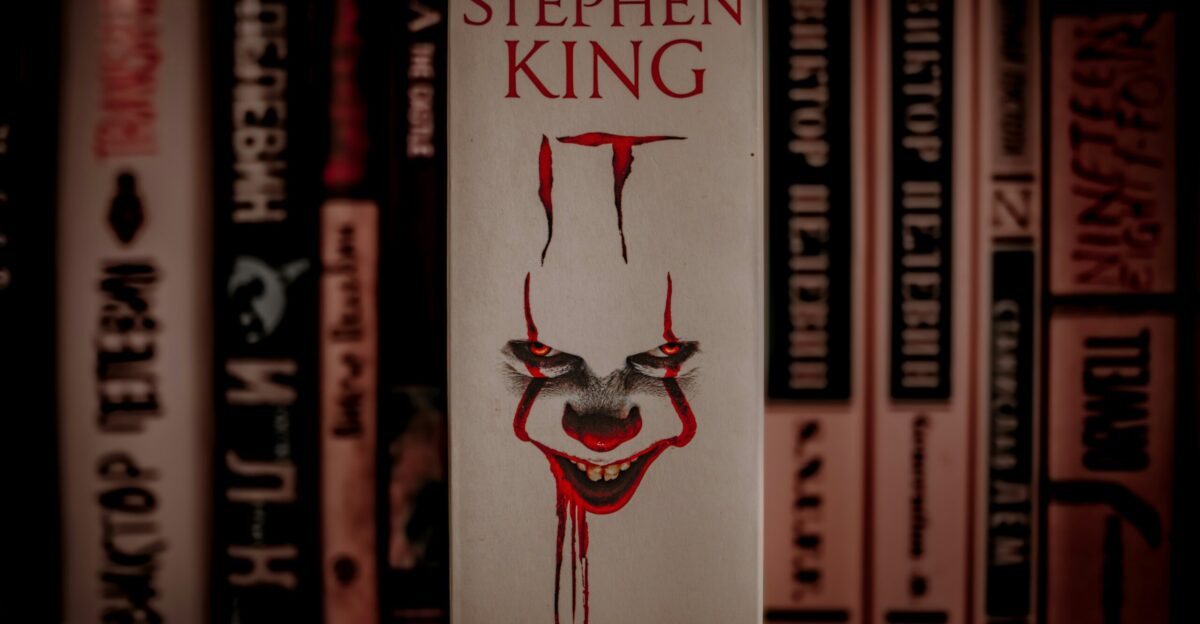
Pulling Stephen King’s books was not a casual decision. The shop’s management acknowledged it could hurt their bottom line. HypeFresh noted that King’s novels “remain perennial bestsellers, with global sales surpassing 400 million copies”.
Removing these guaranteed hits from inventory is a heavy gamble for a one-location shop. But Belfast Books implied it values ethics over profit.
In an X/Twitter message, the owners wrote that they “thought so much more of King’s character, and even if cutting his books may harm us financially,” they would do so on principle. Commentators say the move represents a significant commercial sacrifice – one they hope to offset through the goodwill and publicity generated by taking a stand.
Industry Impact
Independent bookstores have become unlikely flashpoints in cultural battles. In recent years, many indies have embraced activism – hosting fundraisers, book drives, or political discussions – or else faced customer pressure over their stock choices.
As Business Insider reported, “Independent bookstores across the country are becoming hubs of the left’s resistance”, organizing events like social-justice readings and knitting circles for political causes.
Yet such politicization draws fire from all sides. Publishers Weekly noted a trend of customers complaining about stores’ offerings, and even far-right media targeting stores over perceived liberal slants.
Publishing Power
King has shown he’s unafraid to challenge industry norms as well. In August 2022, he testified on behalf of the U.S. Justice Department to block Penguin Random House’s merger with Simon & Schuster.
There, King urged that consolidating major publishers would harm authors, declaring on the stand, “consolidation is bad for competition”. He warned that fewer big publishers would mean smaller advances for writers and less diversity of titles.
By opposing a deal involving his own publisher, King signaled a willingness to take controversial, pro-author positions in the industry. That background reinforced Belfast Books’ view: this isn’t the first time King has used his clout – or upset colleagues – in the name of principle.
Conservative Fury
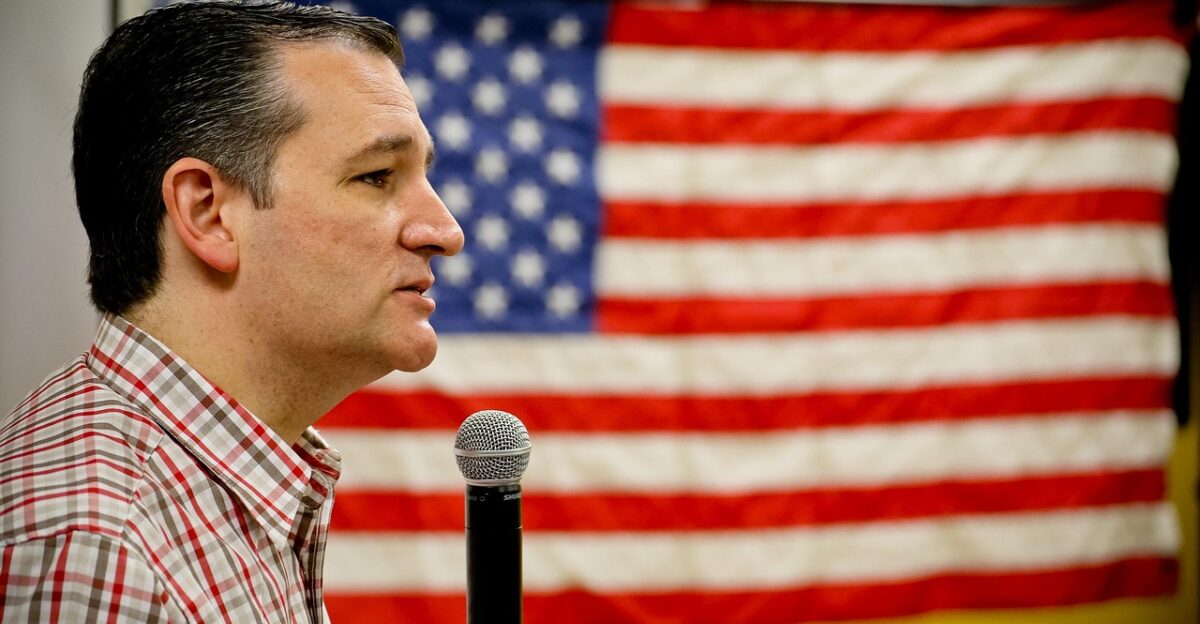
King’s slip unleashed an avalanche of conservative anger. Texas Sen. Ted Cruz blasted King on X as “a horrible, evil, twisted liar. No, he did not”, condemning the misinformation about Kirk.
Others piled on: longtime Kirk ally Dave Rubin (a podcaster) fumed that King was “more monstrous than any of the characters you ever came up with,” since Kirk “was never anything but kind to me”.
Online pundits urged Kirk’s family to sue King, arguing he’d “crossed a line”. Even right-wing celebrities like Laura Ingraham joined in, calling King “a sad, bitter man.” The coordinated backlash underscored that attacking a martyred figure’s legacy – especially by a celebrity writer – was seen by many as unforgivable.
Author’s Remorse
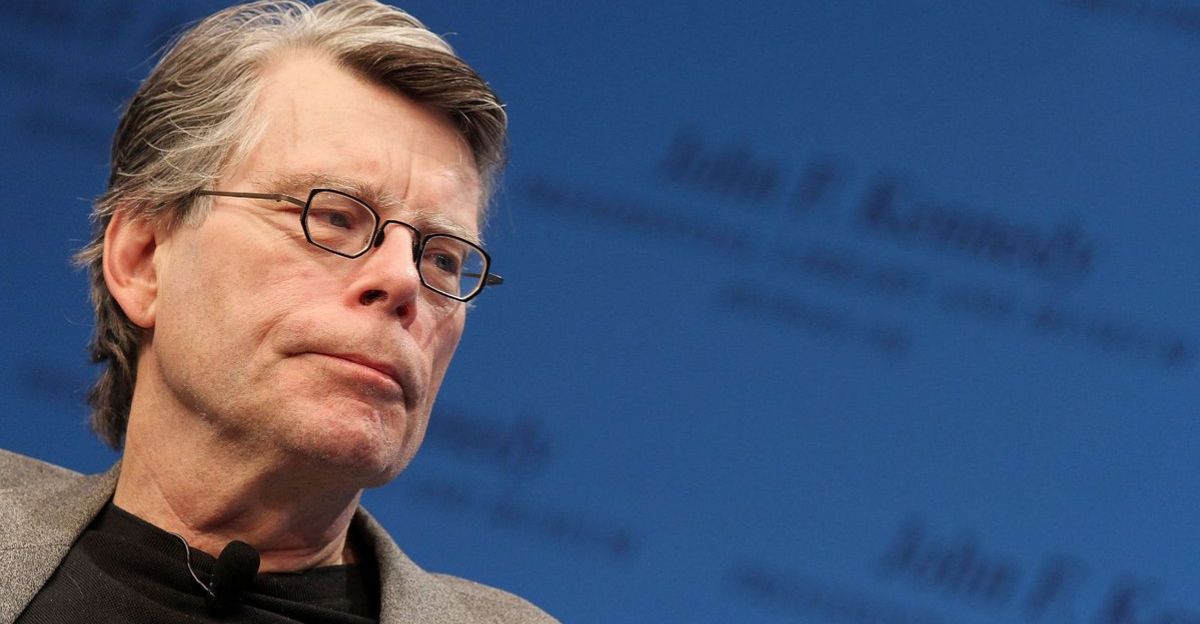
Stephen King publicly admitted his mistake and apologized repeatedly. In a surprising display of contrition, he even used Cruz’s own insult back at him: “The horrible, evil, twisted liar apologizes,” King quipped in one tweet, adding “This is what I get for reading something on Twitter without checking first. Won’t happen again.”.
In another follow-up, he wrote, “I apologize for saying Charlie Kirk advocated stoning gays. What he really showed was how people pick and choose verses from the Bible.”.
These apologies – especially the self-mocking one – signaled unusual humility from the famously confident author. Still, some in Kirk’s camp found even that insufficient, insisting the damage to his memory could not be undone by a tweet.
Bookstore Business

Belfast Books Limited is a tiny operation with an outsized impact. Founded in 2013 and based at 112 York Road in north Belfast, it prides itself on expertise in Northern Ireland history and politics.
The shop’s website bills it as “world experts on books about the Northern Ireland ‘Troubles’.” It sells new books online and used volumes in-store, with a heavy focus on local history and genre fiction (including horror).
Despite being just a single-location store, its boycott of King’s titles went viral internationally. Analysts note this episode highlights how even a local business can wield national – even global – influence when it taps social media.
Commercial Strategy

Whether consciously or not, Belfast Books’ public boycott also served as a brilliant publicity gambit. By taking an unequivocal ethical position on its social channels, the small shop drew international headlines and a surge of online attention.
As HypeFresh observed, the saga became a “cautionary tale” about modern media power, showing how a quick story can put a business in the spotlight.
The shop likely hopes the sympathy and buzz will offset the loss of Stephen King sales. Even if this stunt costs money upfront, Belfast Books’ owners may benefit from being seen as community-minded. In this way, their “moral stand” doubles as marketing, exemplifying how daring social-media moves can build a brand’s profile.
Publishing Resilience
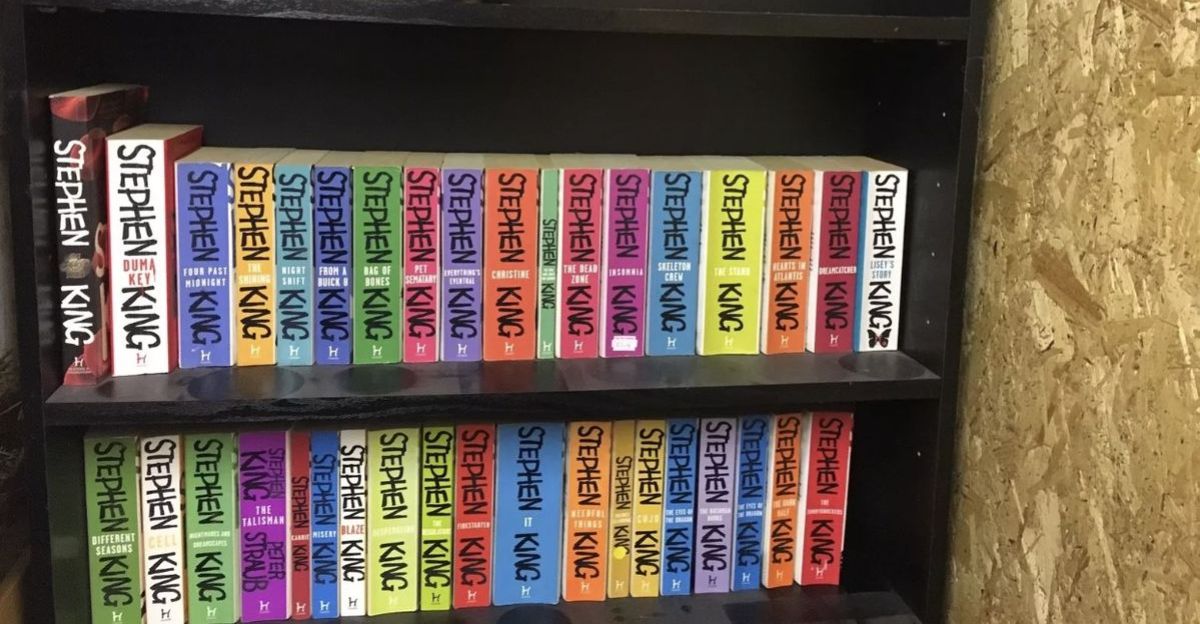
Claims that King’s books are “booming but withering” politically have been debunked. A recent AP fact-check found that rumors of his sales collapse were baseless. In fact, King’s September 2023 thriller Holly launched at #1 on multiple bestseller lists.
Representatives told AP that King’s sales are “as strong as ever” and that “sales are through the roof”. The author’s commercial appeal appears undimmed.
Industry insiders note that despite these controversies, King’s name still sells books – and any dip in one market is offset by loyal readers elsewhere. His agent even confirmed that Holly’s strong debut and ongoing high sales suggest King’s readership remains robust.
Future Stakes

“This clash highlights the blurred line between accountability and censorship,” notes one analysis. King’s episode raises broader questions: can market forces discipline influencers who spread falsehoods? In an era where viral rumors can wreck reputations overnight, will other retailers follow Belfast Books’ example or fear backlash?
As one media ethics expert put it, “the digital megaphone amplifies both truth and error. An author like King has the reach of a newsroom, but not always the fact-checking discipline of one.”.
With polarization deepening, many wonder if businesses will increasingly have to choose between profits and principles – and whether online outrage will make them bite that bullet more often.
Political Violence
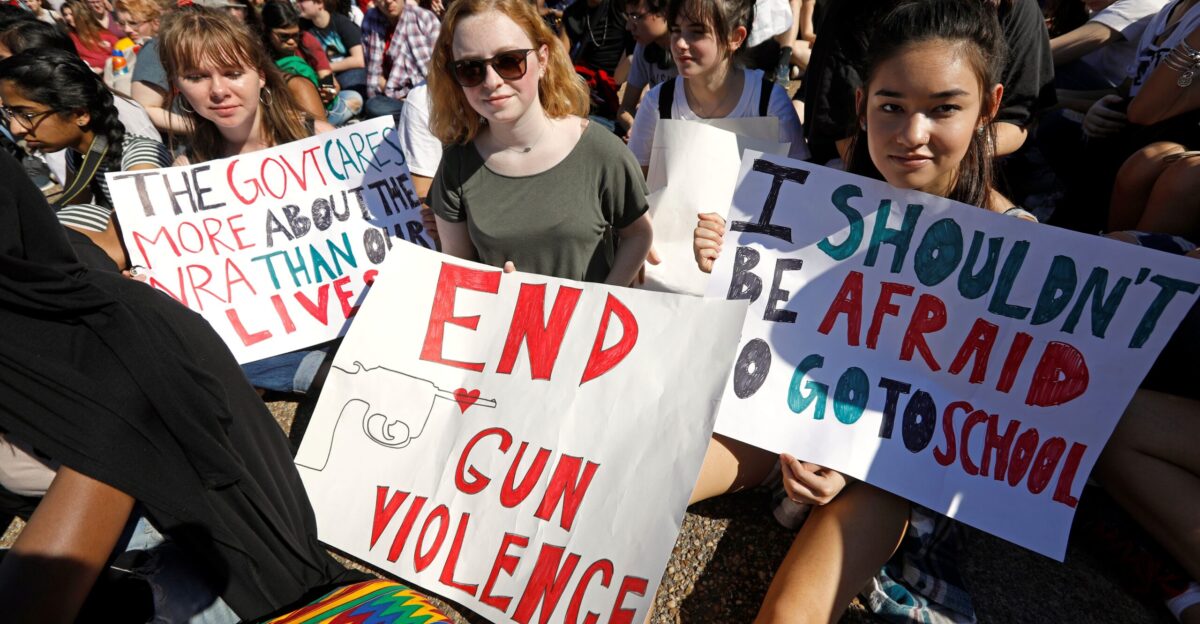
Kirk’s shooting came amid a surge in U.S. political violence. Experts note the first half of 2025 saw about 150 politically-motivated attacks – nearly double the prior year’s rate.
University of Maryland researcher Mike Jensen warned the nation “is in a very, very dangerous spot right now that could quite easily escalate into more widespread civil unrest if we don’t get a hold of it”.
Already, there had been assassination attempts on Trump and the killing of a state legislator. Against this fraught backdrop, King’s false claim was especially inflammatory. Lawmakers swiftly called for tempering rhetoric. Florida Rep. Jared Moskowitz told Fox News: “This is on all of us…everyone’s been ramping up the rhetoric…if we’re not…going to try to bring it down together, then this cycle is just going to continue.”.
International Ripples
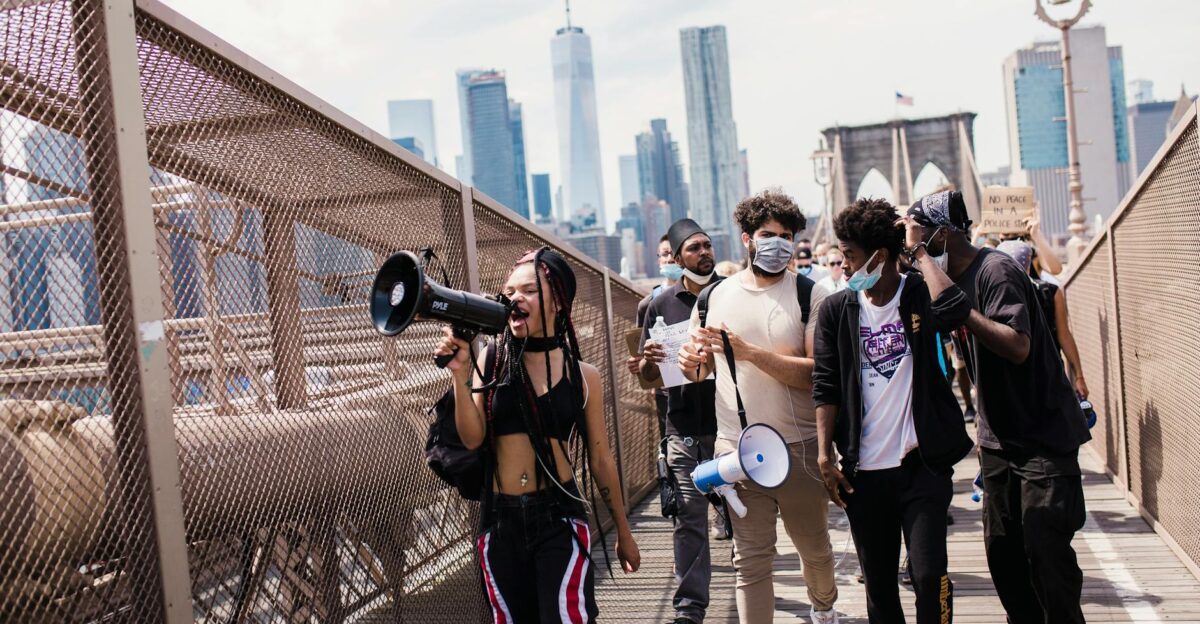
What began as an American controversy quickly echoed overseas. Belfast Books’ boycott showed that U.S. political culture wars now ripple into foreign markets. Observers pointed out that a small Belfast store made headlines worldwide by taking on an American author over a domestic issue.
As HypeFresh commented, the debate became a cautionary tale of the digital era, with “how quickly narratives can harden” and how “a single misstep can fuel global debates on free speech, accountability, and the role of misinformation”.
The incident underscored how intertwined today’s media landscape is: a social-media spat stateside can trigger a transatlantic boycott, showing the global stakes of misinformation.
Legal Questions
The saga even edged into legal territory. Utah’s Sen. Mike Lee publicly urged Kirk’s estate to sue King, writing on X that “the estate of Charlie Kirk should sue Stephen King for defamation over this… false accusation. He’s crossed a line. It will prove costly.”. (Another former GOP senator called for civil action as well.)
No lawsuit has actually been filed, but the threat highlighted a real risk: public figures can face defamation claims if they broadcast false statements about others.
Legal experts say this episode illustrates how quick tempers on social media might invite liability. At minimum, it signaled to celebrities everywhere that tweeting unverified claims about a slain person could carry financial consequences, in theory if not in practice.
Cultural Divide

The row laid bare a deep cultural split. Supporters of Belfast Books praised the boycott as principled action, while opponents framed it as cancel culture run amok. As one commentator observed, “the defenders of Belfast Books rejoiced in the store’s integrity, while the opposition censured it for succumbing to ‘cancel culture’”.
Online debates quickly shifted from King and Kirk to bigger issues: free speech, the responsibility of public figures, and even the politicization of religion and identity.
Many on the right saw King as a victim of an intolerant backlash, while others insisted that spreading harmful lies about a recently killed person warranted real-world consequences.
Lasting Legacy

Belfast Books’ bold stand may herald a new era in retail activism. The episode “offers a cautionary tale for the modern media landscape,” as one analysis put it. It demonstrated how quickly even small businesses can become lightning rods, and how consumer curation might serve as a weapon in culture clashes.
Commentators suggest we’re witnessing a shift: literary commerce itself has turned into a battleground of ideas. In a world of instant global information warfare, this incident reminds us that booksellers – and their inventory choices – can carry political weight.
The “canceling” of a bestselling author’s works over a tweet shows the new power of retailers to uphold (or punish) public figures’ conduct, foreshadowing more such confrontations at the intersection of commerce, culture, and truth.