
On December 8, 2025, Great Dane shocked a Pennsylvania community by announcing up to 164 layoffs at its Elysburg plant, just 4 years after a celebrated expansion promised long term growth. The reversal erased most of 200 newly created jobs and exposed how a prolonged freight recession is reshaping manufacturing. What happened inside this Berkshire Hathaway subsidiary reveals deeper supply chain fragility. Let’s look into this deeper.
From Celebration To Layoffs In Months
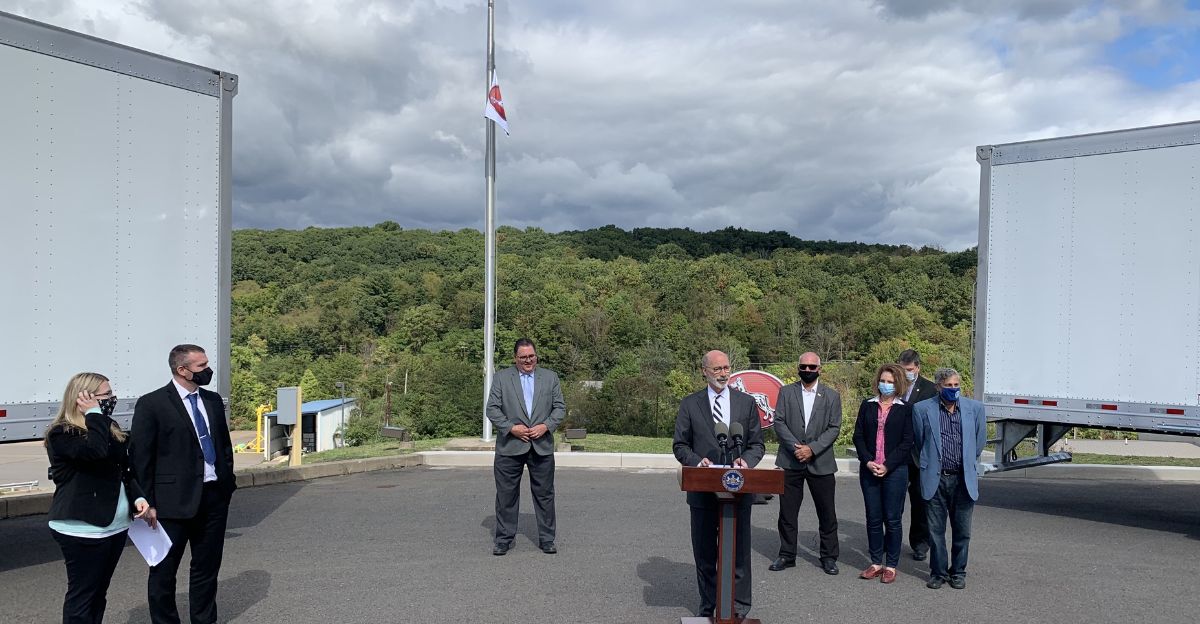
In May 2025, the Elysburg plant celebrated building its 25,000th Champion trailer, marking 9 years of steady production since opening in 2016. President and COO Rick Mullininx said, “I’m incredibly proud of our Elysburg team—building their 25,000th trailer is more than just a number, it’s a milestone built on hard work,” on June 11, 2025. Eight months later, layoffs were announced. The sharp contrast signaled trouble beyond local performance.
Inside The Company Behind The Decision
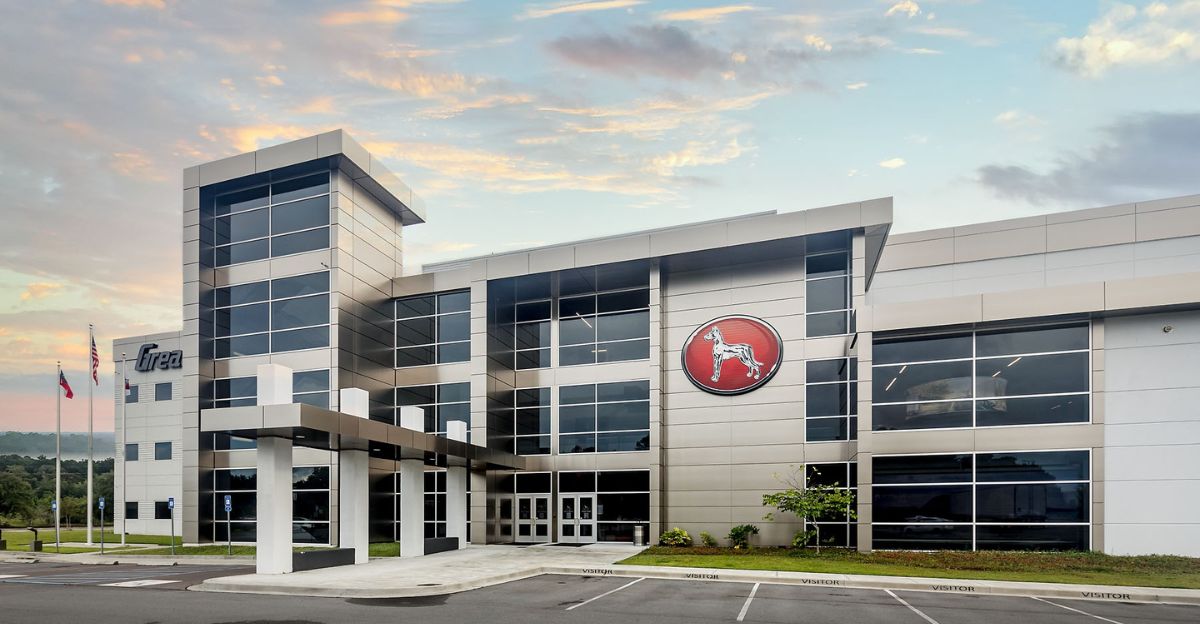
Great Dane is not a struggling manufacturer. It is headquartered in Chicago and operates as a subsidiary of Berkshire Hathaway, which held about $790 billion in market capitalization in 2023. Great Dane generates roughly $1.6 billion in annual revenue and ranks among the top 3 global trailer manufacturers. Workforce cuts here reflect industry collapse, not mismanagement. That distinction matters when assessing what went wrong across freight markets.
The 164 Workers Now At Risk
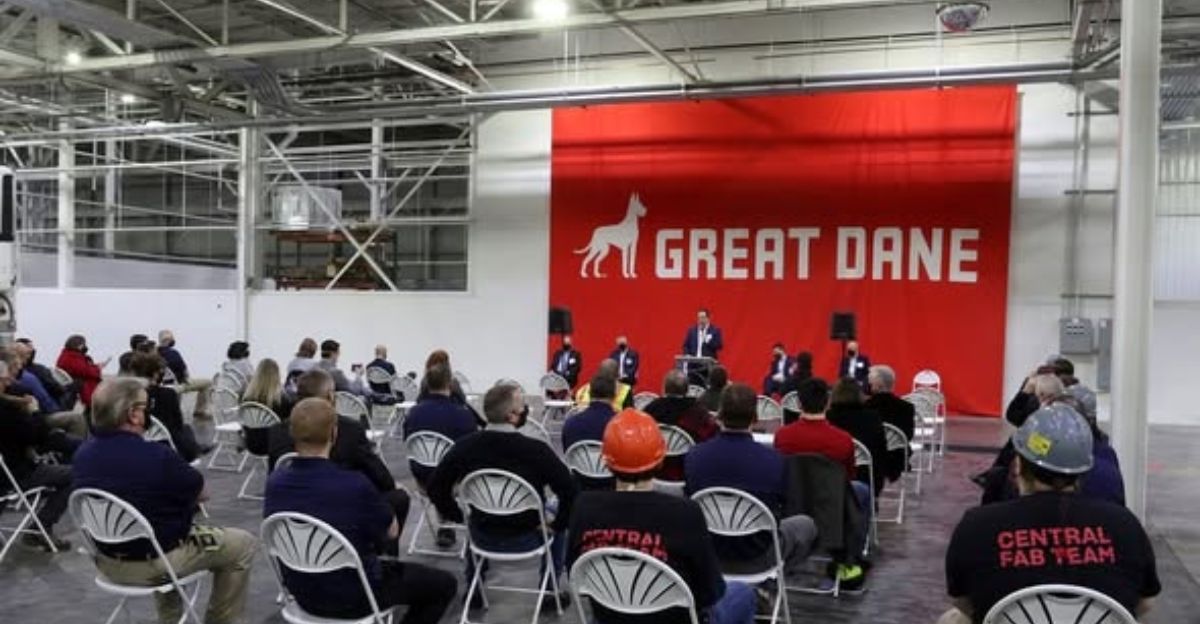
The December 8 announcement cited “up to 164 employees” affected across direct labor, indirect staff, and salaried roles. Manufacturing production workers in Pennsylvania earn an average of $74,679 annually, while general manufacturing averages $52,014. The layoffs remove an estimated $8.5 million to $12.2 million in annual payroll from Northumberland County. These numbers translate into households losing income just as winter and holidays arrive.
A County Built On Manufacturing Promise

Northumberland County, Pennsylvania, home to about 90,000 residents, relies heavily on manufacturing. Motor vehicle body and trailer production ranked 13th among local industries by employment in Q4 2023. The 2021 expansion was hailed as proof manufacturing could return to northeastern Pennsylvania. A $3.5 million investment created 200 jobs. Seeing those gains unwind now raises concerns about long term stability in regions chasing industrial revival.
A Freight Recession With Data To Prove It
Great Dane cited “macroeconomic uncertainty remains high” on December 8. That uncertainty is visible in national data. Truck tonnage fell 1.1% in December and 2.1% in October, hitting its lowest level since January. The Cass Freight Shipments Index dropped 7.4% year over year in November 2025. These are measured declines, not forecasts. So how long has this downturn actually been dragging on?
Thirteen Quarters Of Sustained Weakness

The current freight recession began in April 2022 and has lasted 13 consecutive quarters as of December 2025. No post 1970s freight downturn has persisted this long. During the 2008 to 2009 recession, freight volumes fell 24% but recovered within 18 to 24 months. Today’s decline is smaller at 7% to 9%, yet far more prolonged. That persistence explains why temporary layoffs feel anything but short term.
Trailer Orders Collapse Nationwide
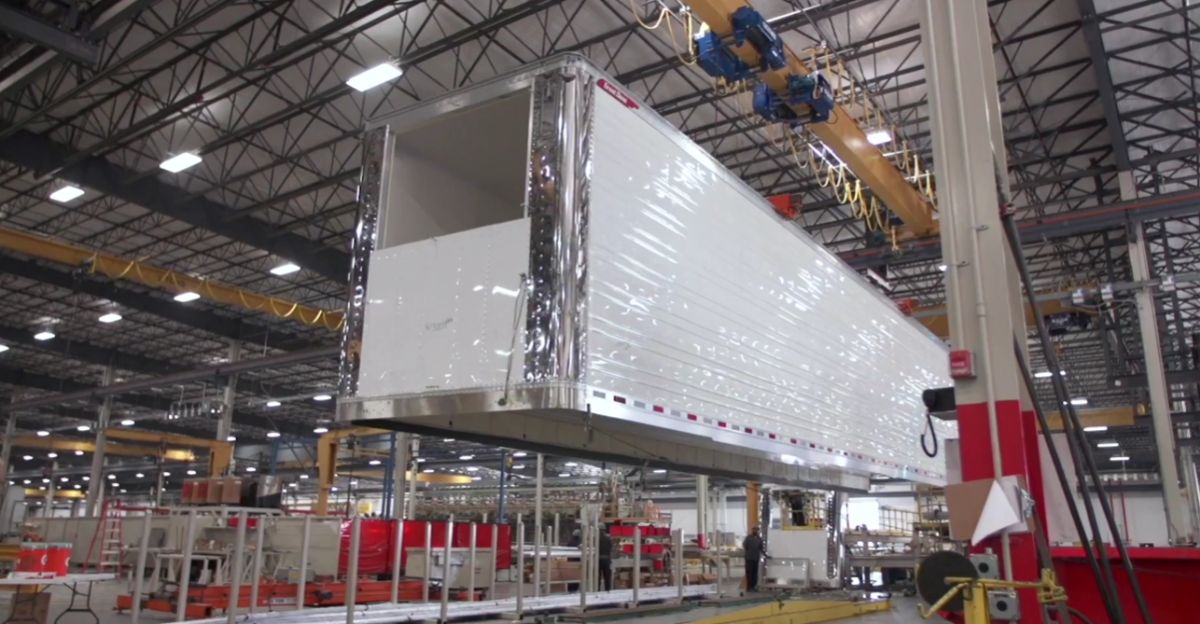
U.S. trailer orders totaled just 13,000 units in November 2025, down 37% year over year. From September through November, orders were down 28%. Cancellation rates remain above historical norms, while the backlog to build ratio sits at 5.4 months, far below healthier 8 to 10 month levels. When customers cancel orders, factories slow production. Reduced builds inevitably force workforce reductions, setting the stage for decisions like Elysburg’s.
An Expansion That Now Looks Excessive
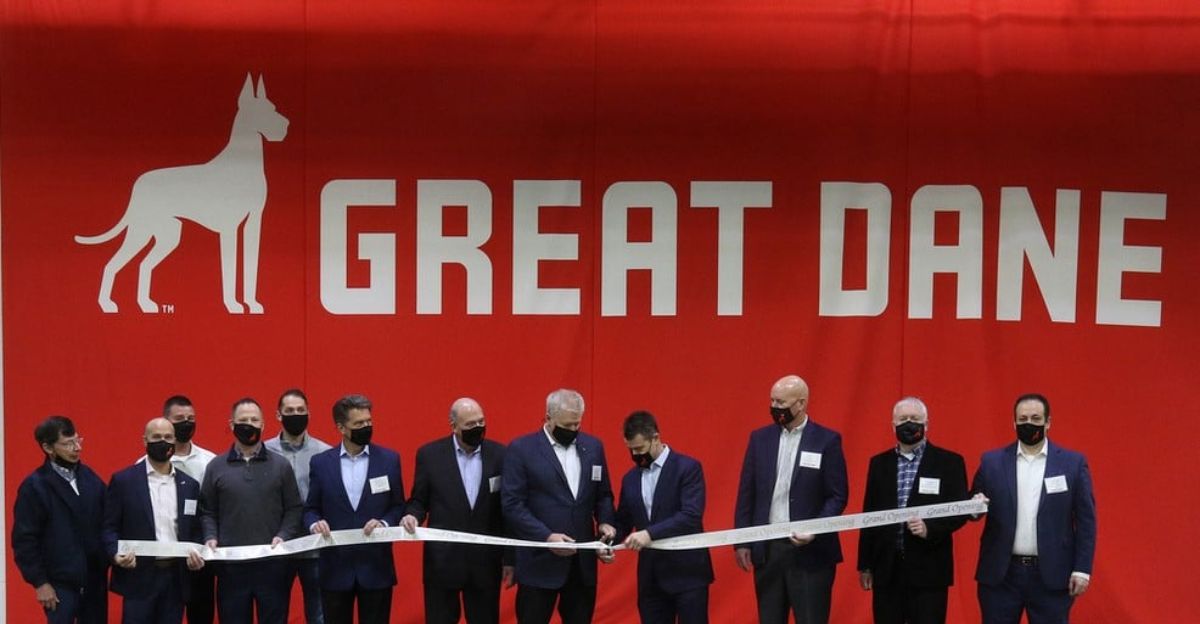
Great Dane invested $3.5 million in the Elysburg facility in 2021, adding capacity and 200 jobs. Typical dry van trailers sell for $30,000 to $50,000. With annual output near 2,800 units, production value reached roughly $84 million to $140 million per year. Four years later, that capacity appears unnecessary. The layoffs suggest a 10% to 15% production reduction, a sobering reversal from confident growth projections.
Consumer Behavior Changed Everything

Freight demand collapsed as consumer spending shifted. During COVID 19, households bought goods at historic rates, pushing retailers to overstock. By 2023 and 2024, spending moved toward services like travel and dining. Retailers reduced inventories and adopted leaner models. At the same time, the pandemic boom attracted thousands of new trucking companies. When demand fell, excess capacity remained, crushing rates and profitability across freight networks nationwide.
Carriers Losing Money On Every Mile
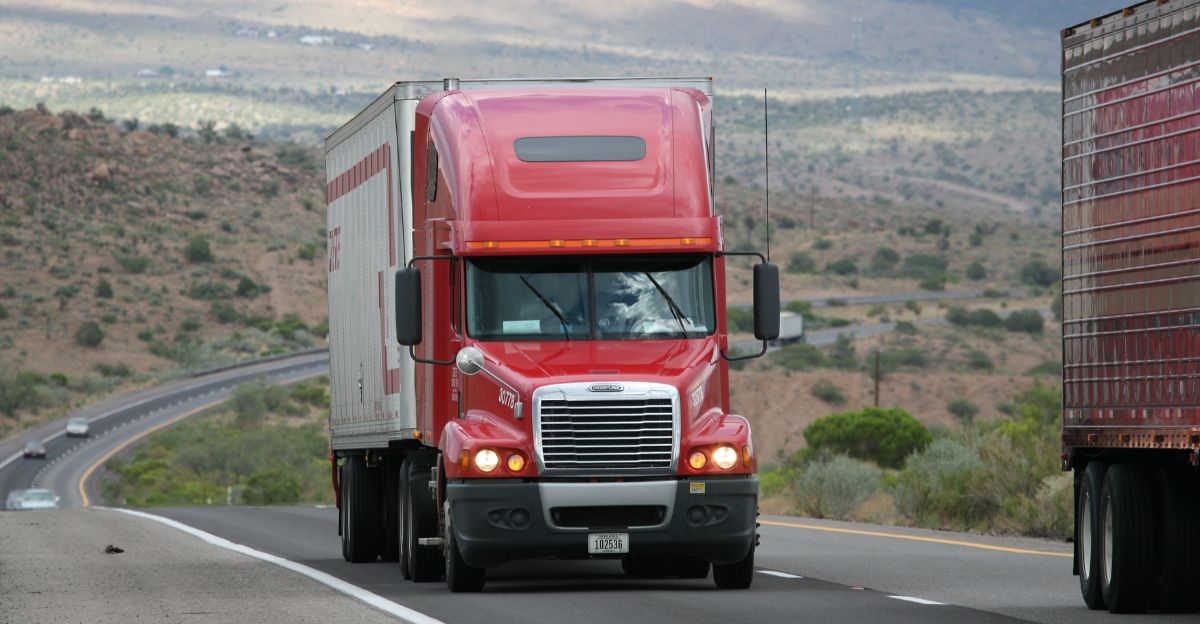
Truckload carriers now operate at an average margin of negative 2.3%, meaning losses on each mile driven. Spot dry van rates averaged $2.04 per mile, compared to $2.43 contract rates, creating a $0.39 gap that small operators cannot absorb. Many carriers are exiting the market. Fewer carriers mean fewer trailer purchases. When fleets stop buying equipment, manufacturers like Great Dane are forced to scale back quickly.
Tariffs Deepen The Uncertainty

U.S. tariffs reached nearly 17% effective rates in 2025, the highest level since the 1930s. About 50% of freight entering the Port of Los Angeles and Long Beach originates from China, and volumes are already softening. Shippers are delaying major purchases while waiting for policy clarity. This wait and see environment suppresses freight demand further. Could policy uncertainty alone stretch the downturn even longer?
When A Recovery Might Appear
Analysts expect freight volumes to remain weak through at least mid 2026. Becker Logistics noted on October 6, 2025 that dry van volumes have ticked upward in parts of the Midwest, but a full rebound could extend into 2026. Recovery depends on consumer spending shifting back to goods, inventories fully normalizing, carrier capacity stabilizing, tariff clarity emerging, and margins improving. None of those conditions are fully aligned yet.
Temporary Layoffs Without A Timeline
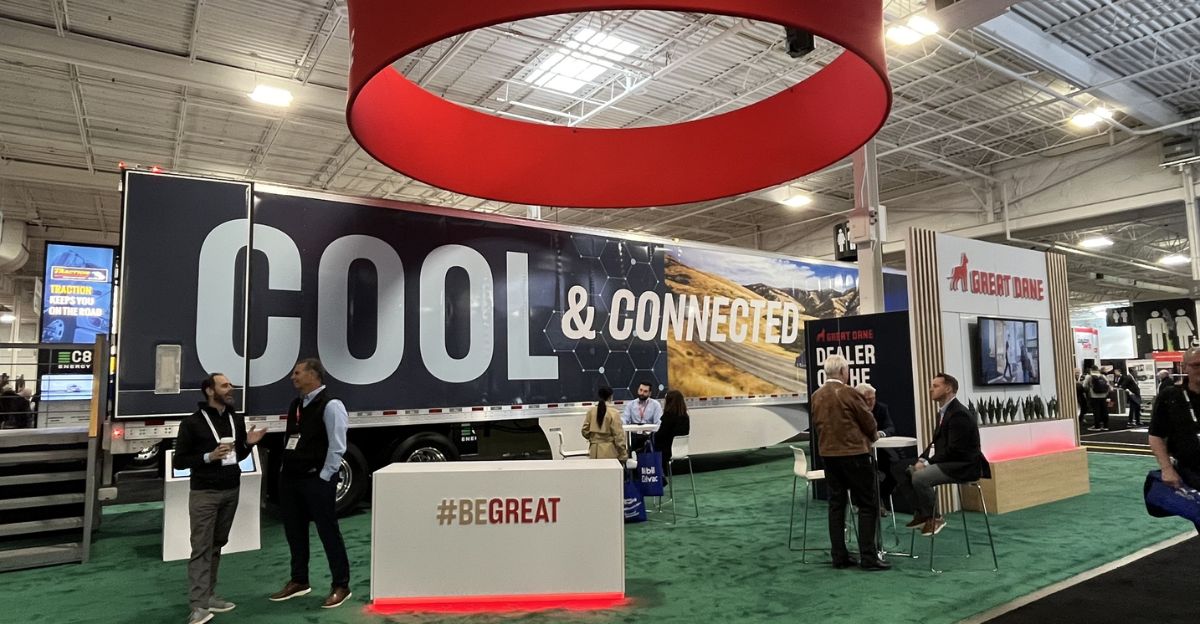
Great Dane labeled the layoffs “temporary” and said workers would be recalled when freight demand recovers. Yet the same statement warned that macroeconomic uncertainty remains high. Pennsylvania’s maximum unemployment benefit is $706 weekly, roughly 42% of average manufacturing wages. Workers may face 6 to 12 months or longer on reduced income. The absence of a recall date complicates financial planning and encourages skilled workers to seek permanent alternatives elsewhere.
The 25,000th Trailer Went To Walmart
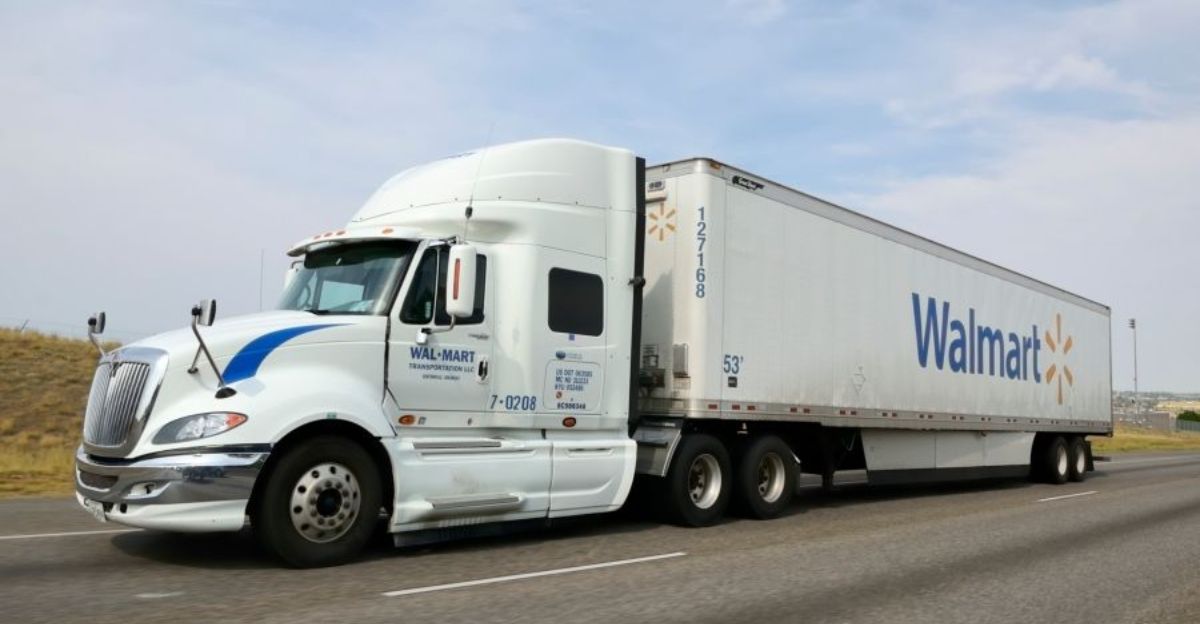
The milestone 25,000th trailer built in May 2025 was delivered to Walmart, one of the largest U.S. retailers. Walmart depends on consistent trailer availability to keep its distribution network moving. As trailer manufacturing capacity shrinks, major retailers could face equipment shortages. That risk can raise logistics costs and eventually affect consumer prices. A single factory’s slowdown can ripple outward into national retail supply chains faster than expected.
Small Carriers Feel The Pressure Multiply
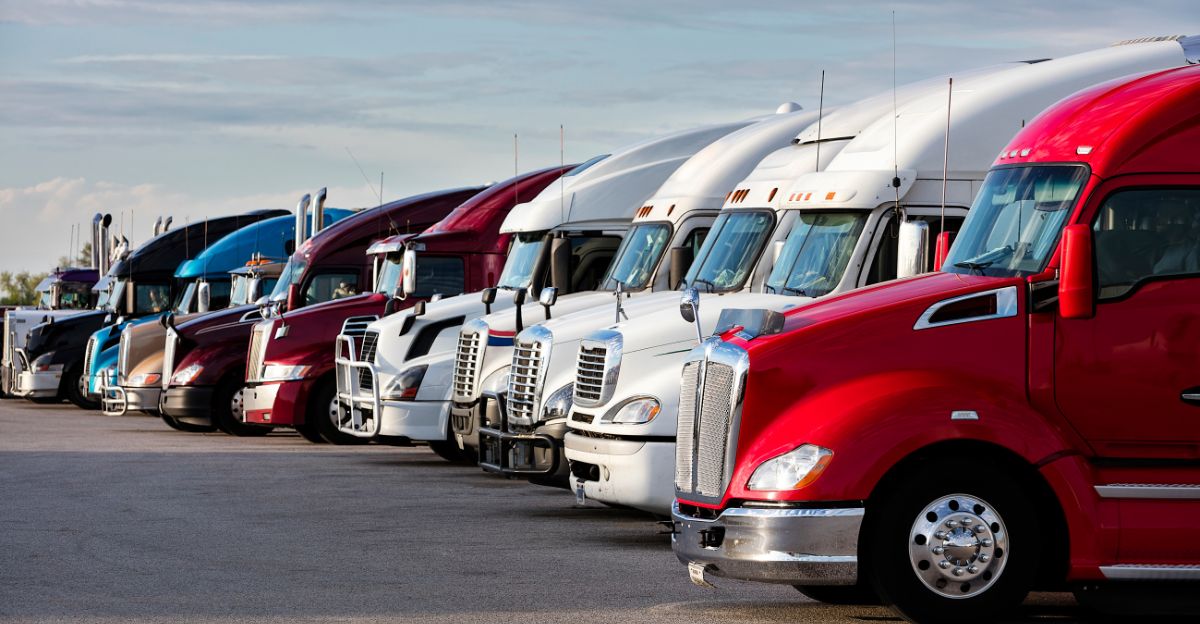
Small and mid sized trucking companies already struggle with low rates and oversupply. Reduced trailer availability adds another challenge by driving equipment costs higher. Federal Motor Carrier Safety Administration data shows operating authority revocations rose 16% in the first half of 2025 compared to the same period in 2024. Carrier exits accelerate during recessions. Trailer shortages accelerate exits further, compounding stress across the entire trucking ecosystem.
Not An Isolated Corporate Choice
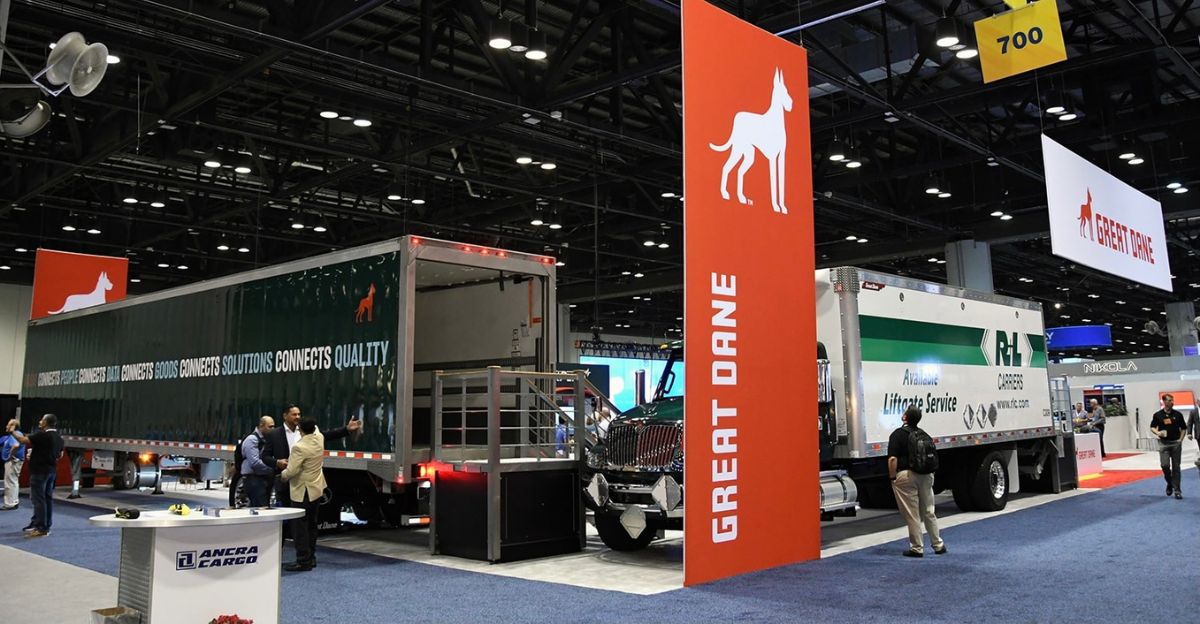
Great Dane’s layoffs mirror industry wide conditions. ACT Research reports elevated cancellation rates across trailer manufacturing, affecting competitors like Wabash National and Hyundai Translead. More than 4,200 supply chain jobs were cut nationwide in a three week period leading into mid December 2025. Layoffs were announced in Pennsylvania, Texas, California, and Tennessee. If demand does not recover, workforce reductions could spread further across manufacturing hubs.
Pennsylvania’s Economic Base Feels It
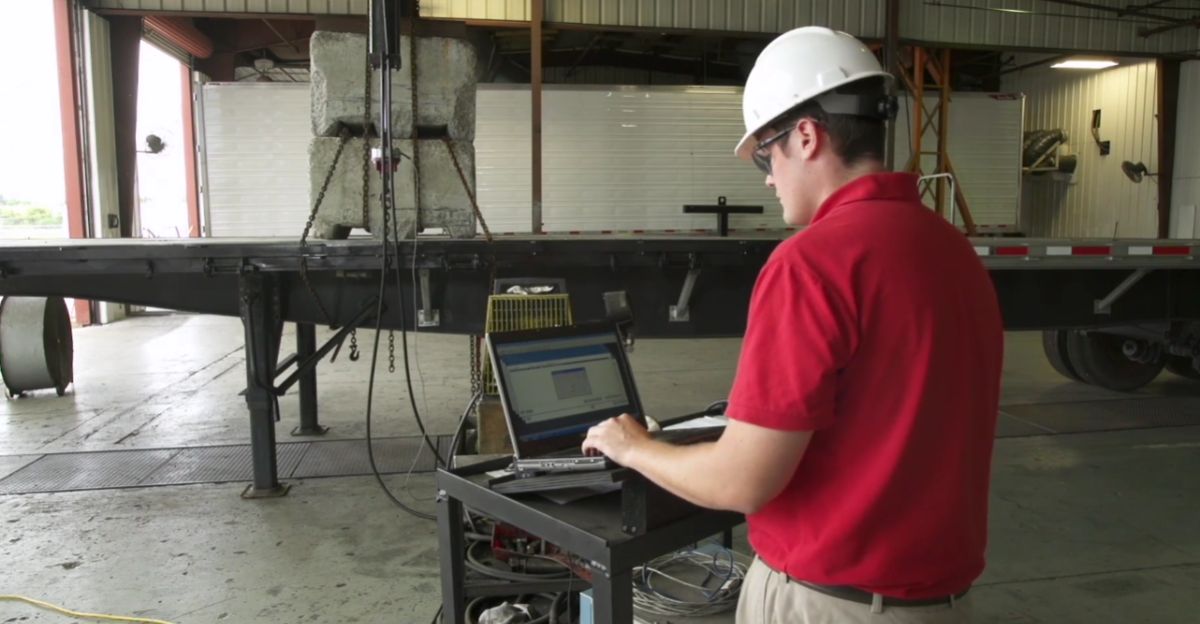
Motor vehicle body and trailer manufacturing ranks as Northumberland County’s 13th largest employment sector. Losing 164 jobs affects more than paychecks. Property tax funded schools face pressure. Local businesses lose customers. Community organizations see declining support. Northeastern Pennsylvania has endured decades of factory closures, pushing younger residents to leave. The Elysburg reversal reinforces fears that even new manufacturing investments may not offer lasting security.
A Four Year Boom To Bust Timeline
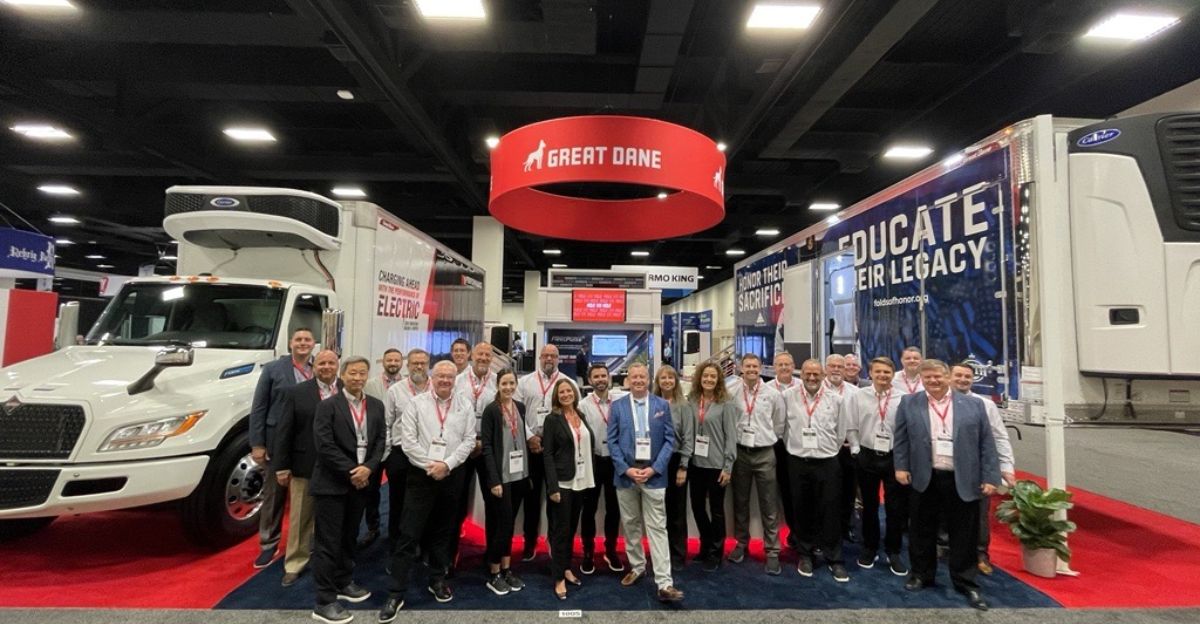
The sequence is stark. The plant opened in 2016. A $3.5 million expansion added 200 jobs in 2021. In May 2025, workers celebrated 25,000 trailers built. On December 8, 2025, up to 164 layoffs were announced. A complete boom to bust cycle unfolded in just 4 years. Such volatility discourages future investments and leaves communities questioning whether manufacturing growth can truly be sustained.
How Fragile Supply Chains Really Are

The layoffs show how interconnected supply chains have become. When trailer production slows, suppliers of steel, tires, and components lose orders. Logistics providers move less freight. Retailers face equipment shortages. Costs rise and efficiency falls. Even consumers feel the effects through pricing and availability. A decision affecting 164 workers in Pennsylvania echoes across the national economy, illustrating how local shocks can trigger widespread consequences.
What The Future Holds Now
A 13 quarter freight recession suggests structural change, not a short dip. Consumer preferences shifted toward services. Retail inventories became leaner. Tariff uncertainty persists. Carrier capacity remains elevated. Until these forces realign, the label “temporary” offers little comfort. Great Dane’s statement that “macroeconomic uncertainty remains high” captures the reality. For 164 families in Pennsylvania, the waiting begins now, with no clear signal of when stability returns.
Sources:
“Great Dane Announces Layoffs At Elysburg Plant.” Eagle 107, December 8, 2025.
“Great Dane to Lay Off Up to 164 Workers at Elysburg Plant as Freight Slowdown Continues.” Fox 56, December 7, 2025.
“Truck Tonnage Index (TRUCKD11).” Federal Reserve Economic Data (FRED), December 9, 2025.
“Great Freight Recession 2025 – Grim Unprecedented.” Tank Transport, August 5, 2025.
“ACT: Preliminary Net Trailer Orders Underwhelm.” The Trucker, December 16, 2025.
“Cass Transportation Index Report: November 2025.” Cass Information Systems, December 15, 2025.