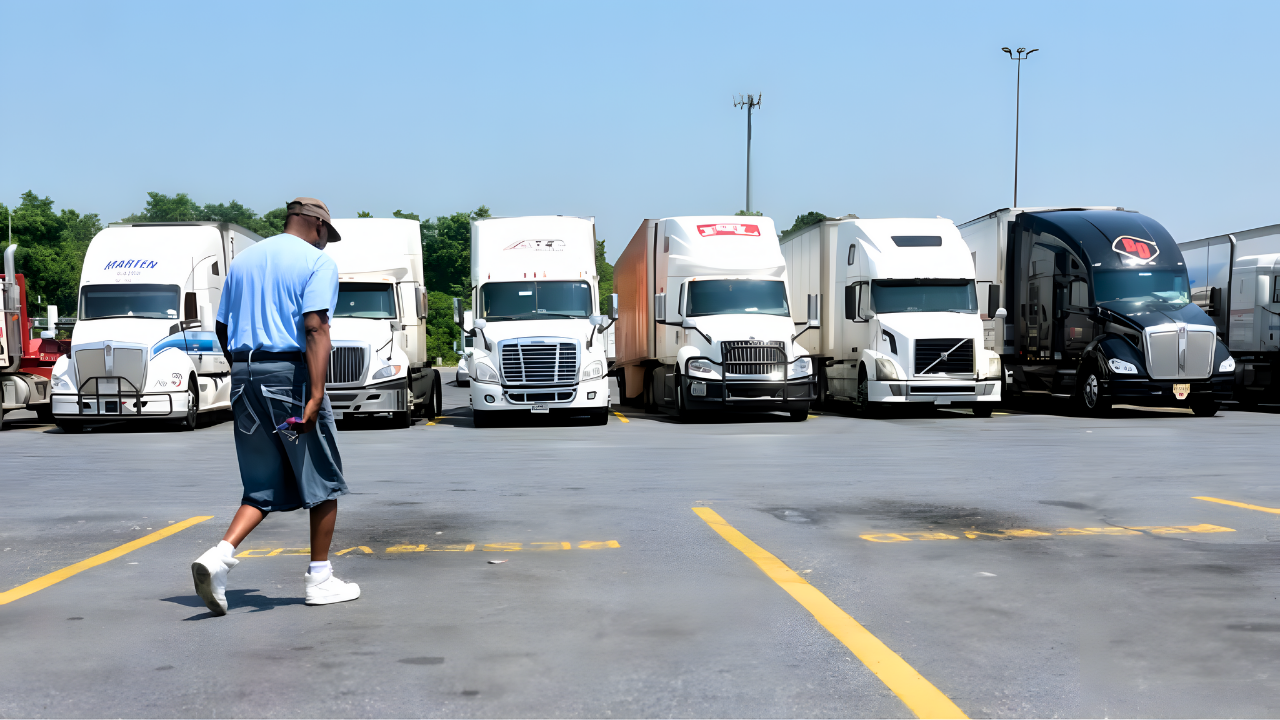
For three years, a quiet downturn in freight shipping has cost the U.S. trucking sector billions of dollars. This slump started in April 2022, when shipment volumes dropped sharply and rates fell. It ended the boom from the pandemic years, leaving many trucking companies in financial trouble with no quick recovery in view. The crisis has quietly reshaped businesses and communities across the country.
Few people outside the industry have noticed this long-lasting problem. It has lasted more than 33 months, longer than most recent economic recessions. Carriers, companies that haul goods, have faced bankruptcies and huge reductions in truck production, levels not seen in decades.
The Numbers Tell a Clear Story
Data shows shipment volumes falling year after year through 2023 and 2024. Real spending on freight has also dropped steadily. The Cass Freight Index predicts this decline will continue into late 2025. These hard numbers reveal a deep and ongoing crisis in the trucking world.
This recession has forced tough changes. Many trucking firms have gone bankrupt, and factories that build trucks and trailers have slashed output. The pain builds as excess trucks sit unused, driving rates even lower.
From Pandemic Boom to Bust
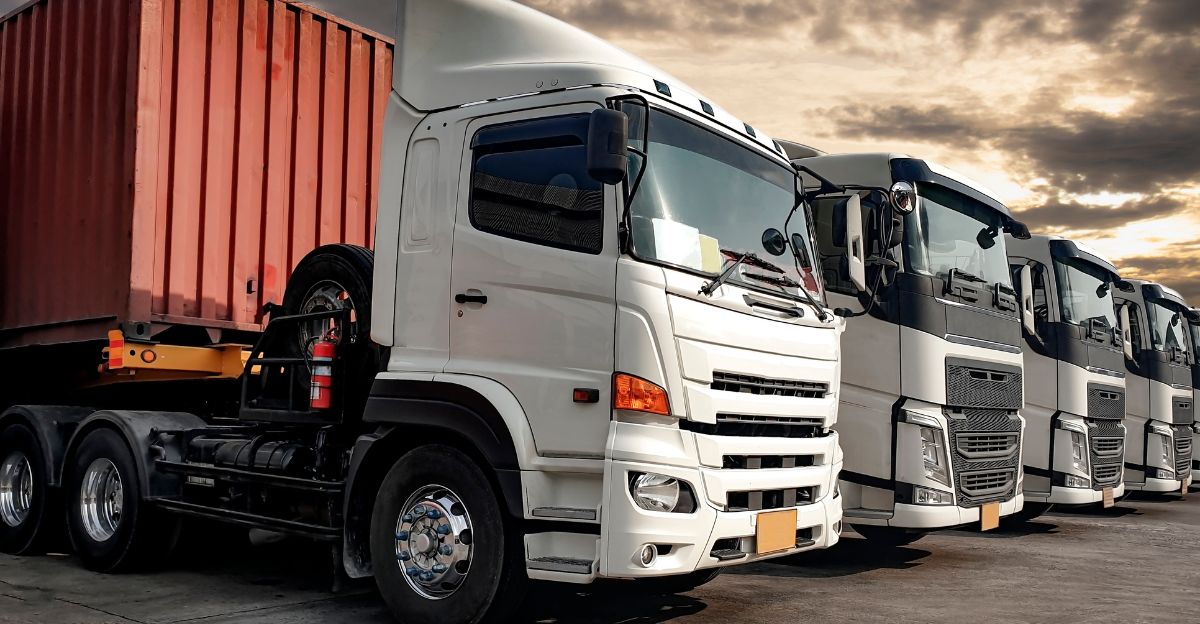
The trouble began after a huge surge in freight from 2020 to early 2022. E-commerce exploded, and supply chains rebuilt after pandemic disruptions. Shipping rates and profits hit record highs. Trucking companies and truck makers invested heavily, they bought more trucks, hired drivers, and expanded factories, expecting growth to last forever.
Then demand cooled as consumers spent less and inflation eased in 2022. Shipment volumes crashed just as the industry peaked in spending. This left too many trucks and drivers chasing too few loads. Rates collapsed under the weight of excess capacity, trapping companies with high costs and low income.
Layoffs Hit Workers and Towns Hard
Trucking companies, big and small, have lost money since 2022. Many have burned through savings, lost their operating licenses, or shut down completely. This has shrunk the industry’s overall capacity. Even strong survivors struggle with razor-thin profits. Independent drivers face the worst, battling low pay against rising fuel, insurance, and labor costs. The fallout spreads to trailer makers and parts suppliers that depend on trucking orders.
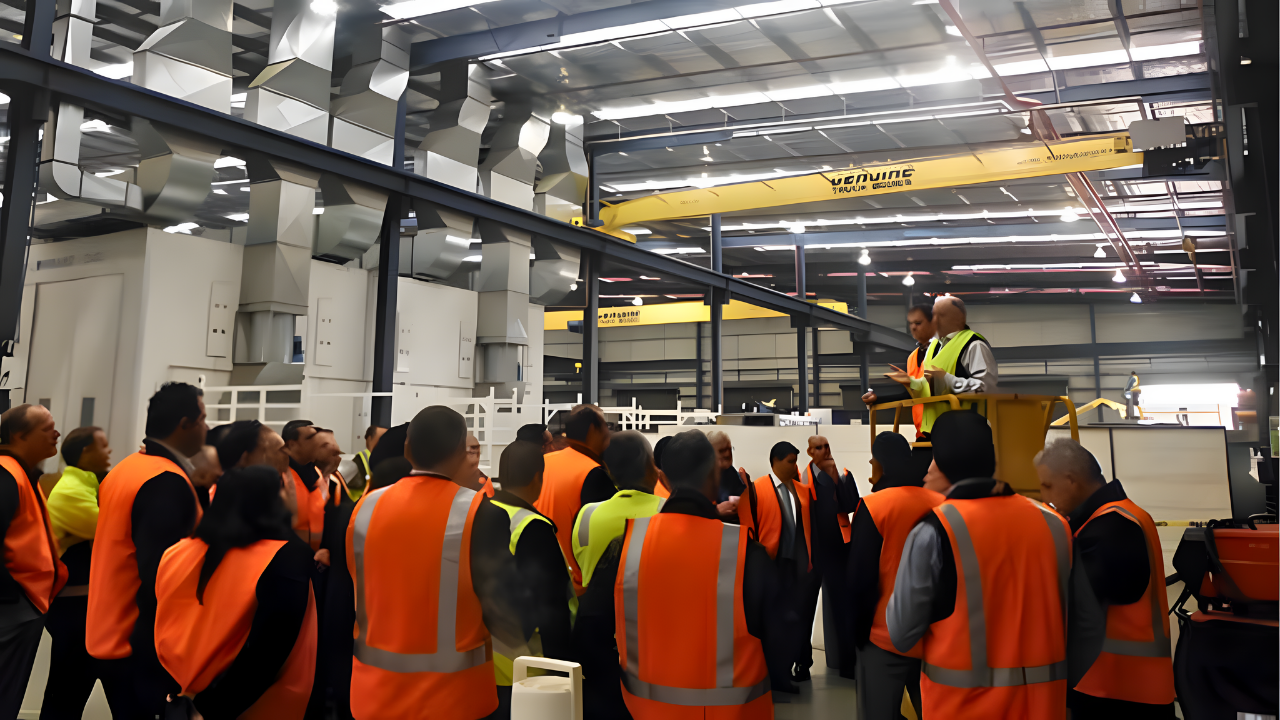
In December 2025, Great Dane, a top North American maker of semi-trailers, announced 164 layoffs at its plant in Elysburg, Pennsylvania. The cuts, starting early in 2026, come from weak freight demand and the long recession. Customers aren’t ordering enough trailers, so production lines go idle. Elysburg, a rural spot in Luzerne County, relies on this plant as a major employer. Those jobs brought steady wages, taxes, and local spending. Losing them could slow retail sales, drop home values, and strain town budgets in an area already hit by factory closures.
Workers face real hardship. They earned $50,000 to $75,000 a year on average, including overtime and benefits, that’s $8 million to $12 million in total payroll gone. In Luzerne County, where household incomes lag the national average, families, schools, and stores will feel the squeeze. Older workers over 50, common in these jobs, find it hardest to switch to new roles with similar pay.
Ripple Effects and a Cautious Path Forward
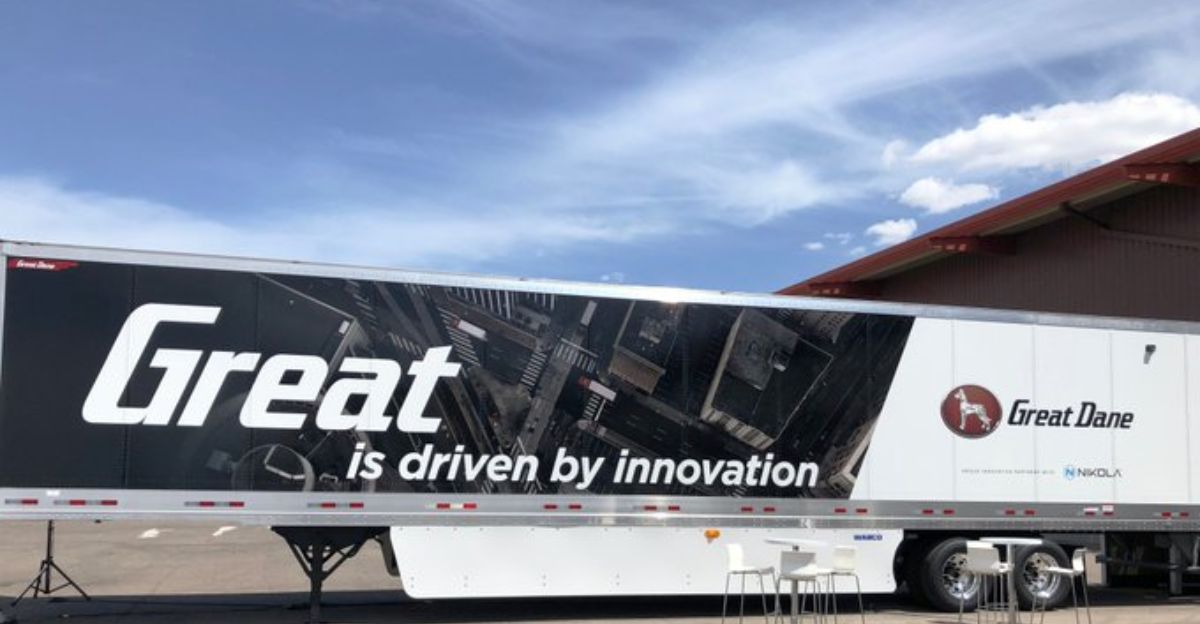
Great Dane’s cuts match moves by rivals like Wabash National, which have slowed production, closed plants, and cut staff. Experts see this as a sign that trailer makers expect weak demand through 2026. Suppliers of parts, warehouses, and ports are also trimming jobs as volumes stay low. Economists watch freight closely because it signals trouble ahead for manufacturing and goods movement.
Trucking operators complain that rates fall below what it costs to run. They choose between unprofitable trips or sitting idle with fixed expenses piling up. Industry groups push for fewer regulations to save struggling firms. Great Dane’s layoffs aim to match output to demand and protect profits, even if it means fewer jobs. This strategy bets on a recovery someday, but it risks losing market share or high rehiring costs if demand returns late.
Some hopeful signs appear. Spot rates have stabilized at low levels, contract rates are firmer than last year, and extra capacity is shrinking. This points to possible gains in 2026. But tariffs and trade issues could derail progress. In Pennsylvania, state and federal programs like Trade Adjustment Assistance offer retraining in manufacturing and logistics through community colleges. These help some workers shift jobs, but they rarely replace lost middle-class security. Many head to cities for work, challenging rural communities.
The big question remains: Is this just a temporary dip, or a lasting change that forces permanent cuts? Trucking firms and manufacturers must balance layoffs with hopes for a rebound. Places like Elysburg wait anxiously, wondering if their industrial heart will pause or fade for good.
Sources:
Cass Freight Index, Freight Market Data and Analysis
FreightWaves, “The Great Freight Recession Has Now Lasted Longer Than the COVID Bull Market”
FreightWaves, “From Factories to Fulfillment Centers: More Layoffs Hit U.S. Supply Chains”
Fox56 Pennsylvania, “Great Dane to Lay Off Up to 164 Workers at Elysburg Plant as Freight Slowdown Continues”
Bureau of Labor Statistics, Occupational Employment Statistics
U.S. Department of Labor, Trade Adjustment Assistance Program