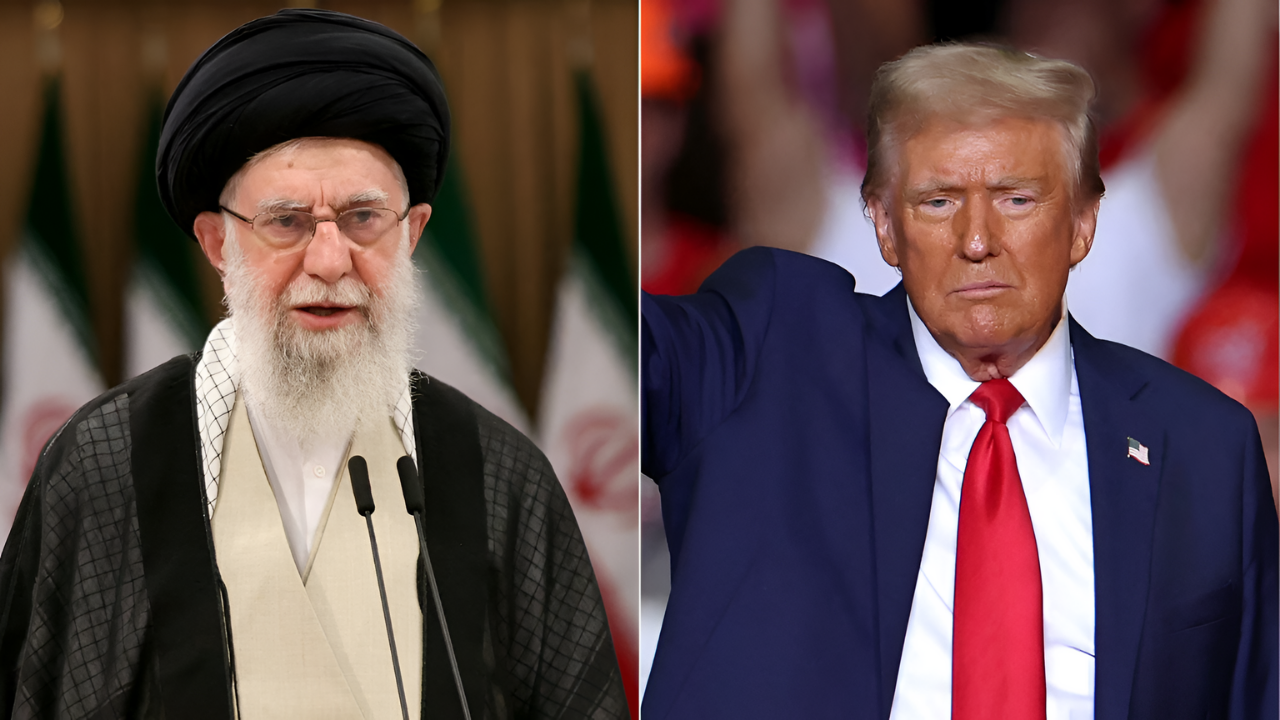
As markets closed on New Year’s Eve, President Trump stood alongside Israeli Prime Minister Benjamin Netanyahu at Mar-a-Lago, issuing a stark warning to Iran about its nuclear activities. He stated, “We know exactly where they’re going, what they’re doing, and I hope they’re not doing it—because we don’t want to waste fuel on a B-2,” referencing the stealth bombers that struck Iranian nuclear sites in June.
Iran’s regime now confronts mounting pressures: recent U.S. military action, a collapsing economy, and widespread protests echoing the 1979 revolution that toppled the Shah. President Masoud Pezeshkian declared Iran in a “full-fledged war” with the United States, Israel, and Europe, yet internal dissent threatens to undermine that resolve.
Iran Declares War

Tehran’s leadership vows resistance amid external threats, but a striking reversal grips the nation’s historic markets. Merchants and shopkeepers, key players in the 1979 uprising, began shuttering businesses on December 28, marching through Tehran’s Grand Bazaar with chants of “Death to the dictator” and “Khamenei will be toppled this year.”
Protests quickly expanded to cities including Isfahan, Mashhad, Shiraz, and Hamedan. Security forces deployed tear gas, batons, and live rounds to disperse crowds. This bazaar-led unrest, once instrumental in regime change, now targets the Islamic Republic itself, blending economic fury with direct calls for leadership overthrow.
The B-2 Warning Signals Resolve
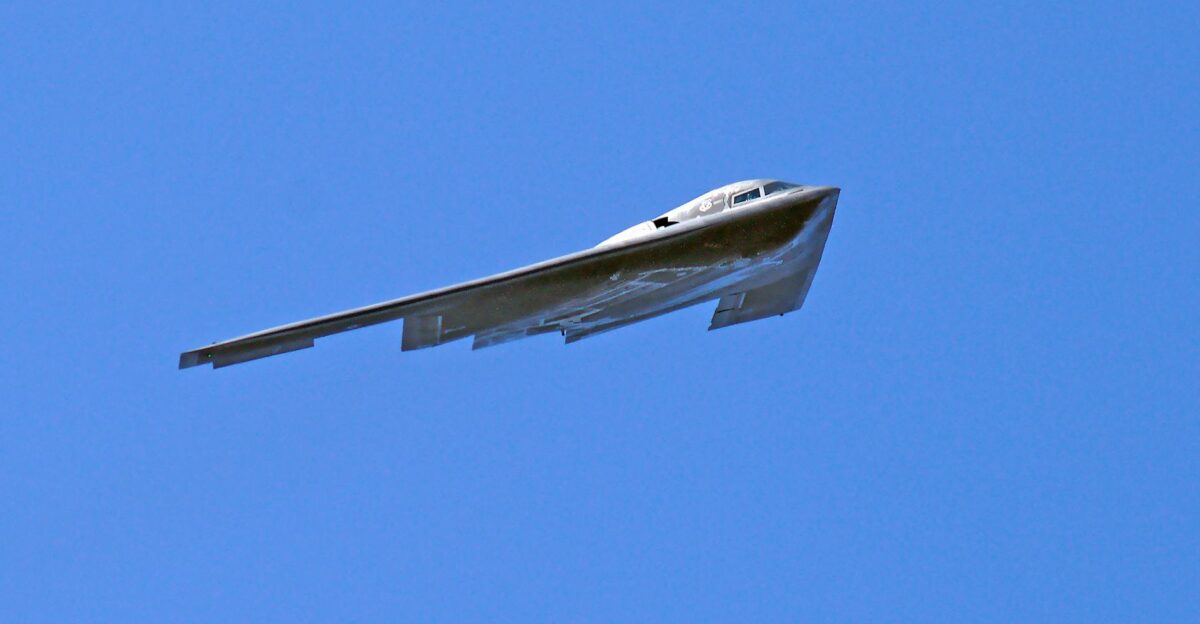
Trump’s mention of B-2 mission costs—around $4.8 million per round trip—underscores deliberate restraint laced with threat. The comment implies readiness despite expenses, aimed at deterring Iran from rebuilding struck facilities.
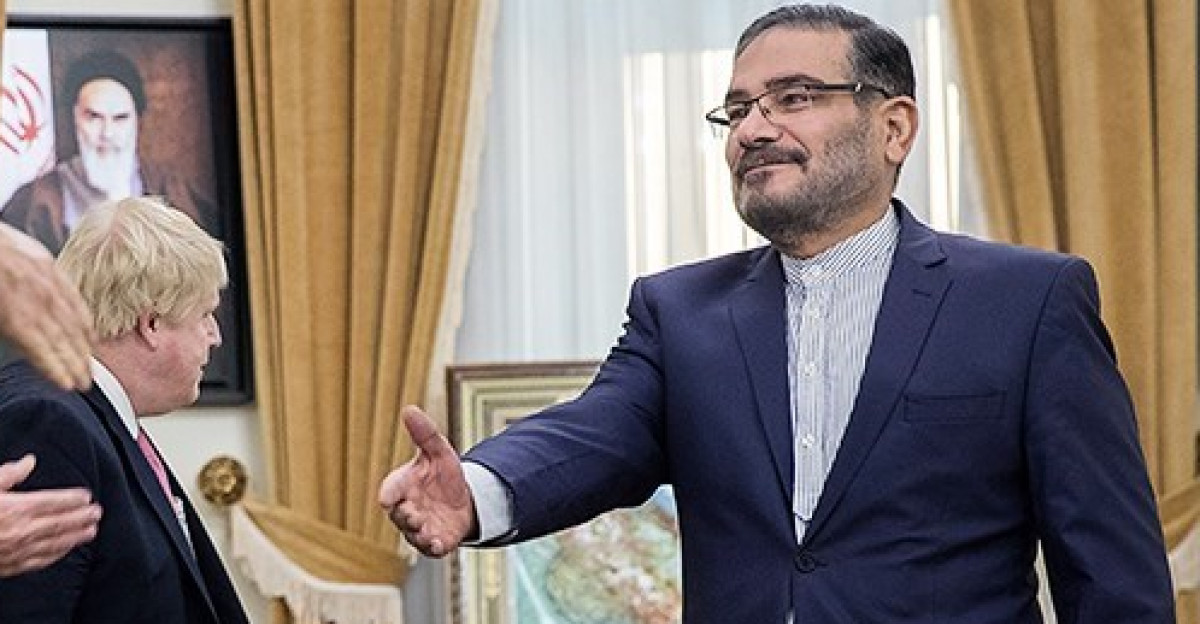
Iran’s security adviser Ali Shamkhani countered that the country has “predetermined responses” to any aggression, committing Tehran to retaliation protocols that limit flexibility. Israeli intelligence briefed Trump on Iran’s efforts to restore ballistic missile and nuclear enrichment sites, with Netanyahu urging strikes on missile production and air defenses if activity persists. Trump indicated he would act “immediately” if needed.
Currency Collapse Fuels Unrest
The rial plummeted to a record 1.45 million per U.S. dollar on December 28, down nearly 70 percent from three years prior when it traded at 430,000 to one. Official rates of 32,000 rials per dollar remain inaccessible to most citizens.
Inflation ravaged essentials: food prices rose 72 percent year-over-year, medical goods by 50 percent. Families struggle as budgets shrink, unemployment climbs with business closures, and young people face dim prospects under clerical oversight. Central Bank Governor Mohammad Reza Farzin resigned amid the chaos; his successor, Abdolnasser Hemmati, returns after a prior term from 2018 to 2021, prompting market skepticism and further rial depreciation.
Military and Sanctions Tighten the Noose
On June 22, B-2 bombers hit Fordow, Natanz, and Isfahan with bunker-busters, killing about 1,100 including commanders and scientists. Iran fired back with missiles that killed 28 in Israel. Pentagon analysis estimates a two-year setback to Iran’s nuclear program, confirmed by satellite imagery, though some covert sites evade detection.
In September, France, Germany, and Britain activated the UN’s “snapback” sanctions, reinstating pre-2015 measures after Iran breached nuclear deal terms. Combined with U.S. penalties, this isolates Iran further, freezing assets and blocking global transactions. Russia has stalled Security Council reversals, leaving no quick diplomatic exit.
Regime Faces Breaking Point
The Islamic Republic has endured wars, coups, and sanctions before, but this mix—strikes, economic ruin, UN isolation, and street revolts—tests its foundations. Pezeshkian’s calls for security forces to negotiate with protesters hint at recognition that force alone fails. Bazaar defiance recalls 1979’s turning point, amplifying risks.
Three paths emerge into 2025: Iran concedes on nuclear issues for relief; missteps spark renewed strikes and wider conflict; or internal fractures lead to leadership upheaval. Oil prices waver, Israel leans on U.S. backing, and global markets brace for turbulence. The coming months will clarify whether pressure yields capitulation, escalation, or collapse.
Sources:
Trump warns Iran against rebuilding nuclear program – Deutsche Welle
Iran president declares ‘full-fledged war’ with US, Israel, and Europe – JURIST
Iran’s currency collapse sparks second day of trader protests – Euronews / AP
Trump warns Iran on nuclear revival as he hosts Netanyahu – RTÉ
Protests erupt in Iran amidst currency collapse and high inflation – FRANCE 24