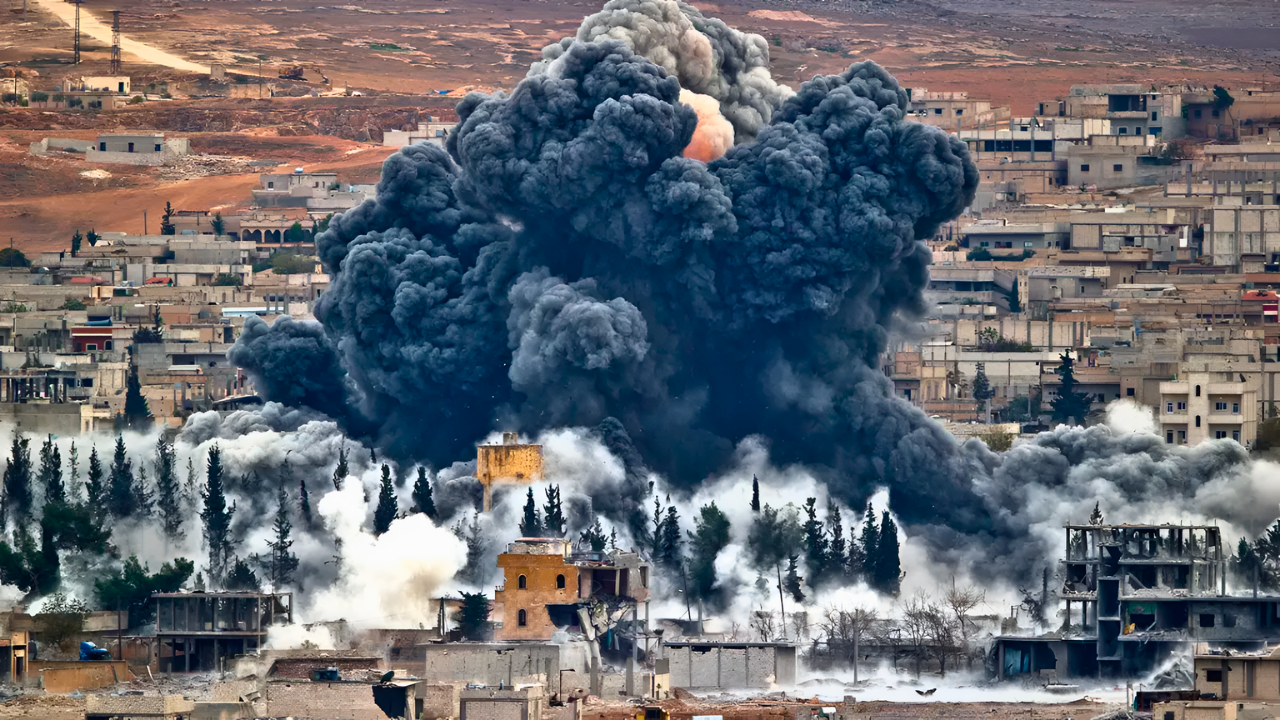
Six days after an ISIS-affiliated gunman ambushed U.S. and Syrian troops near Palmyra, killing 2 Iowa soldiers and a civilian interpreter, President Trump unleashed Operation Hawkeye Strike. On December 19, 2025, the U.S. military hit 70+ Islamic State positions across central Syria with 100+ precision-guided munitions. Defense Secretary Pete Hegseth called it “a declaration of vengeance.” Here is how it escalated.
The Quiet Saturday That Changed Everything
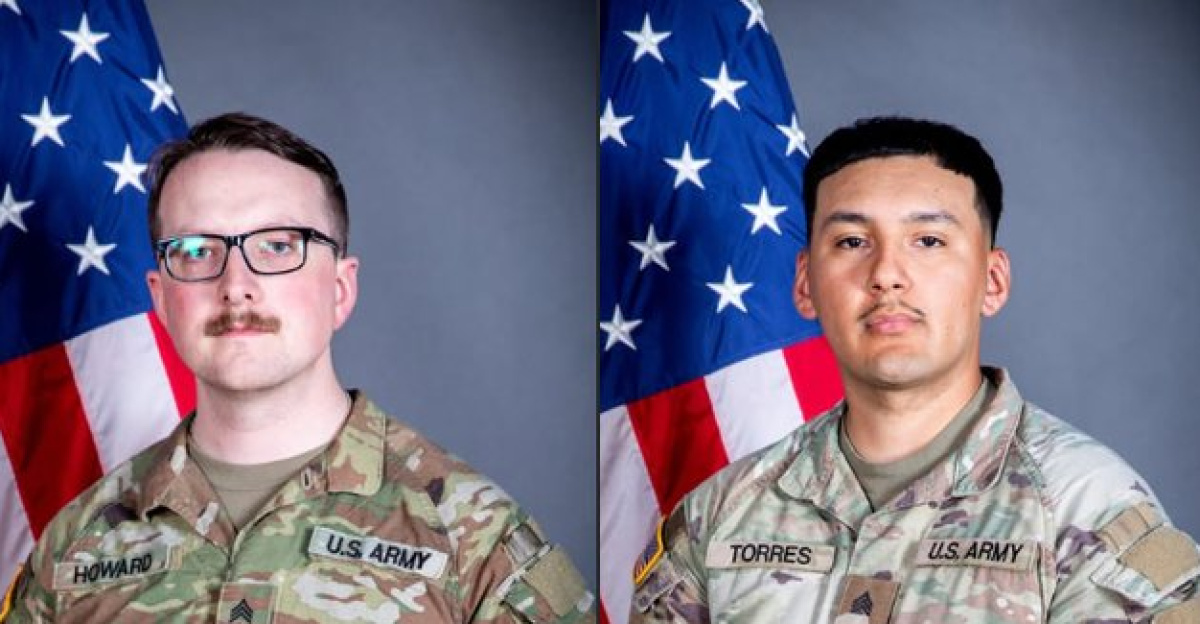
December 13, 2025 started as routine. 2 Iowa National Guard soldiers and 1 civilian interpreter held a “key leader engagement” at a fortified command facility near Palmyra, Syria. A lone gunman from Syria’s internal security forces opened fire at the gate. Sergeants William Nathaniel Howard, 29, and Edgar Brian Torres-Tovar, 25, died immediately. Civilian interpreter Ayad Mansoor Sakat, 54, was also killed. But details soon sharpened.
Meet The Fallen, Roots And Dreams
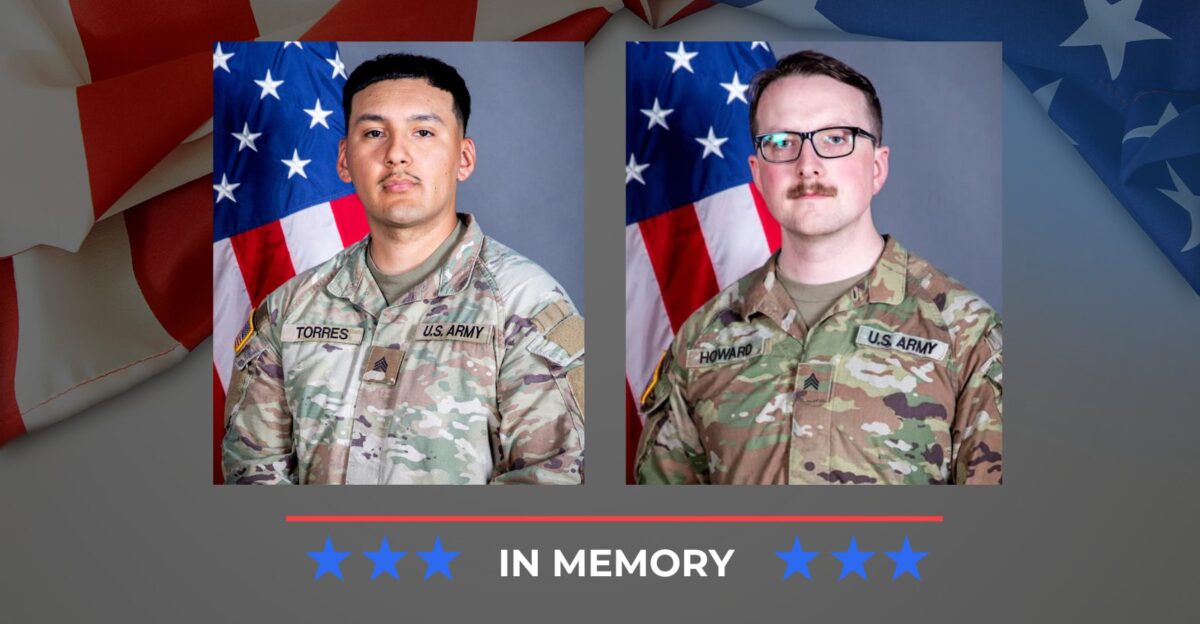
William Nathaniel Howard came from Marshalltown, Iowa. Edgar Brian Torres-Tovar called Des Moines home. Both served with the 1st Squadron, 113th Cavalry Regiment in the Iowa Army National Guard’s 2nd Brigade Combat Team, 34th Infantry Division. They deployed to Syria in late May 2025 under Operation Inherent Resolve. Interpreter Ayad Mansoor Sakat, born in Bakhdida, Iraq, had supported U.S. forces from 2003 to 2007. Yet the shooter’s identity raised new alarms.
The Attacker And A Security Breach
The gunman was a Syrian security officer suspected of ISIS affiliation. Syria’s Interior Ministry said the perpetrator had been flagged for “extremist views” just 4 days before the attack. Dismissal was scheduled for December 14, but the ambush came first. The attacker was killed by return fire from partner forces, yet the breach showed how ISIS sympathizers can infiltrate new security structures. How would Washington respond to that signal?
Trump’s Vow Of “Serious Retaliation”
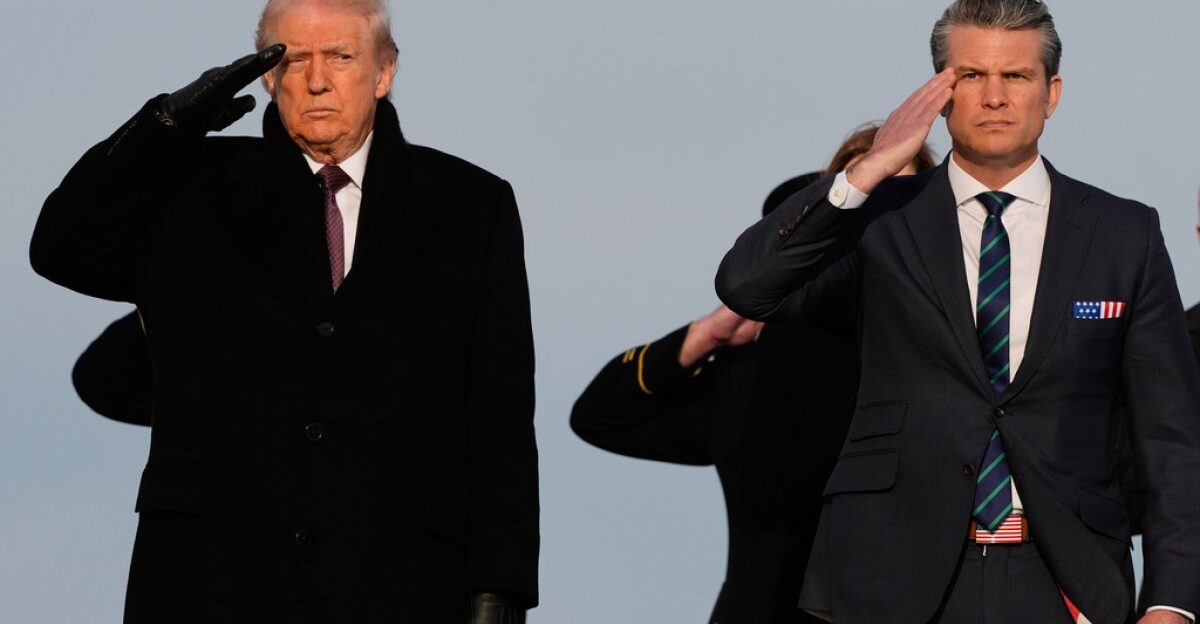
Trump moved quickly on Truth Social: “This was an ISIS attack against the U.S. and Syria, in a very dangerous part of Syria, that is not fully controlled by them.” He added, “The President of Syria, Ahmed al-Sharaa, is extremely angry and disturbed by this attack. There will be very serious retaliation.” By December 19, he intended to deliver, but targeting required speed and certainty.
Ten Operations In Six Days
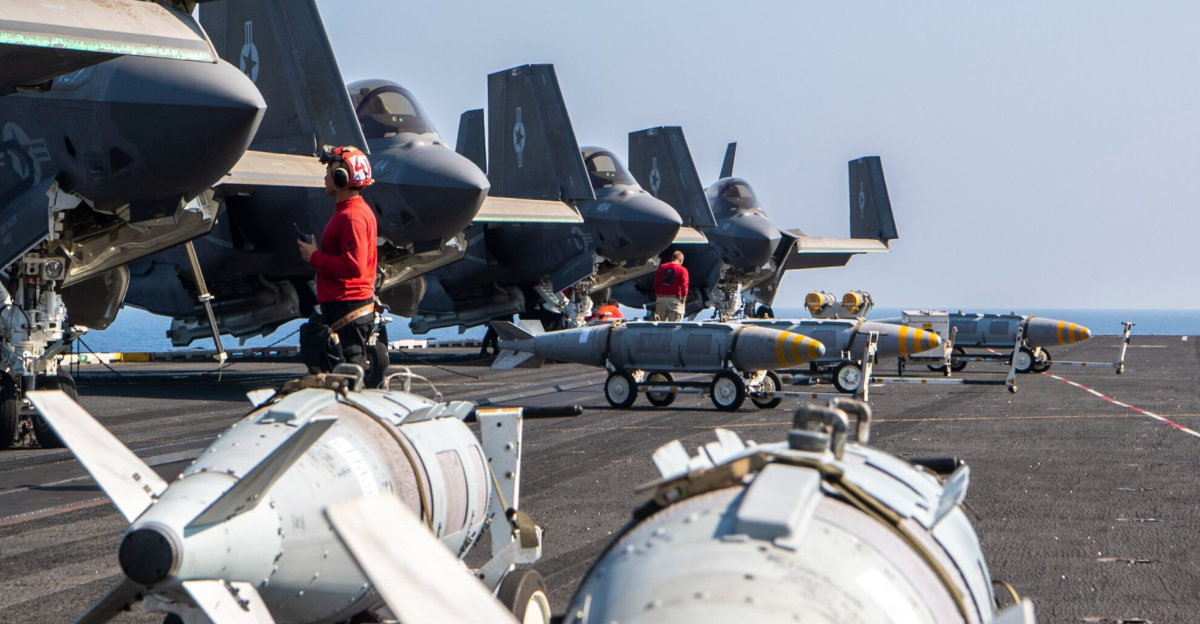
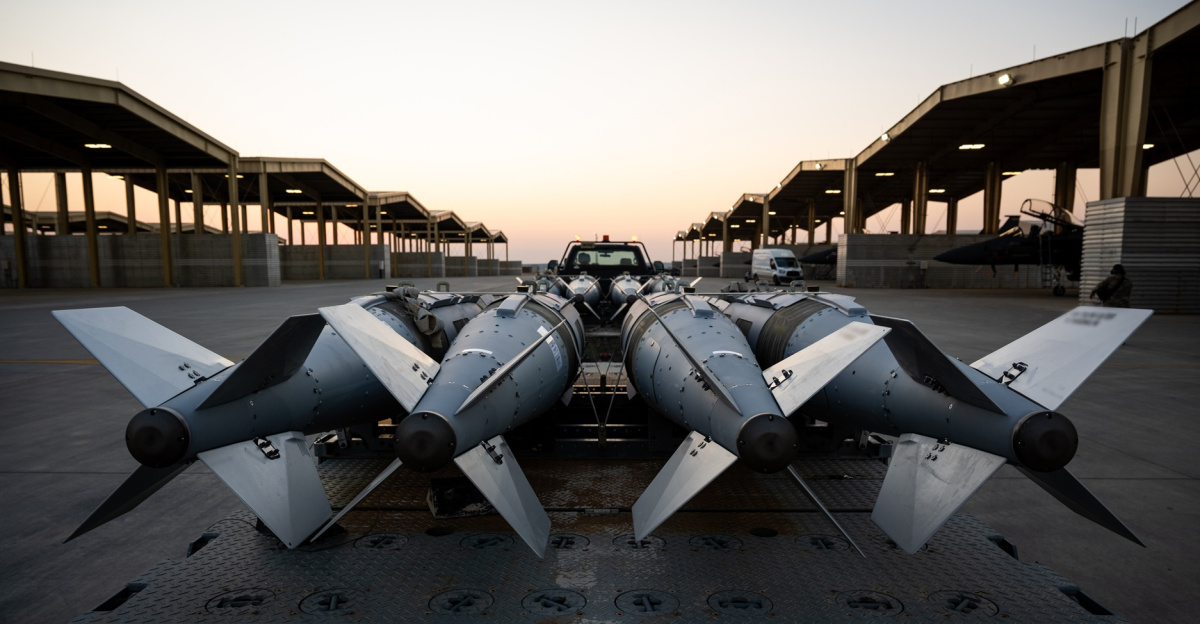
From December 13 to December 19, U.S. and partner forces conducted 10 rapid operations across Syria and Iraq, capturing or killing 23 ISIS operatives. Interrogations, seized documents, and recovered devices fed an urgent intelligence cycle. By December 18, Air Force personnel began loading GBU-31 Joint Direct Attack Munitions onto F-15E Strike Eagles, and Iowa Guard members signed the bombs. The strike window was tightening fast.
A Name Meant To Honor Iowa

At 4:00 PM Eastern Time on December 19, President Trump ordered Operation Hawkeye Strike, invoking Iowa’s “Hawkeye State” nickname. Over 70 targets across central and eastern Syria were hit nearly simultaneously. Command centers, weapons depots, training sites, drone operations hubs, and logistical nodes were struck across Homs, Raqqa, and Deir ez-Zor provinces, where ISIS regrouped after 2019. The scope demanded flawless coordination.
100+ Precision Weapons Hit Hard
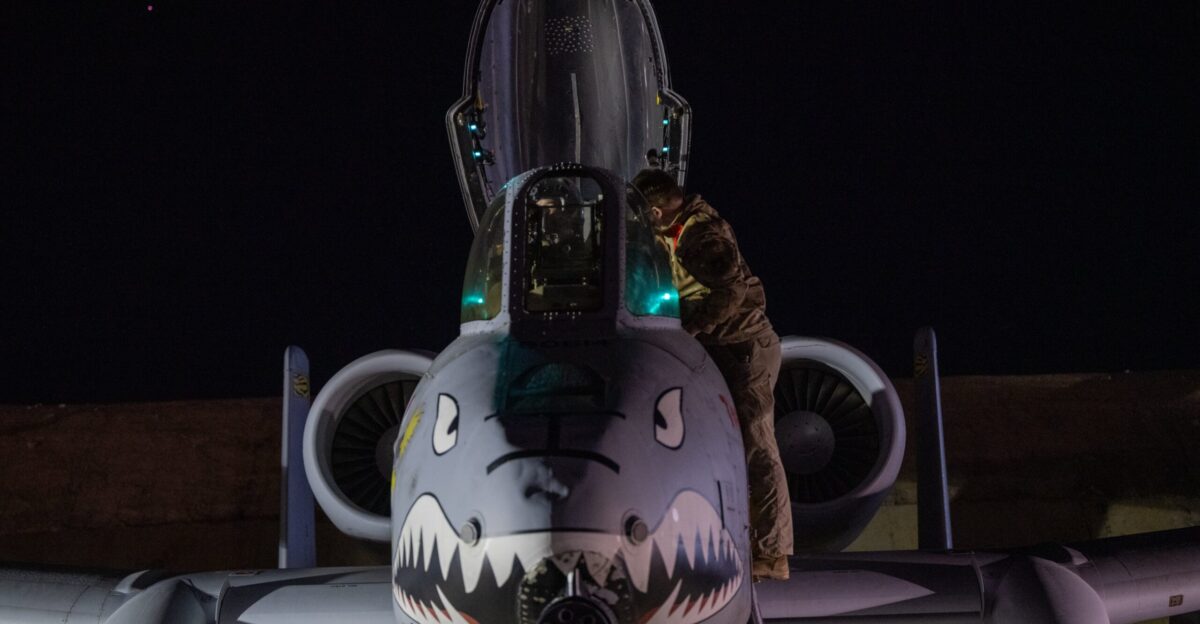
More than 100 precision-guided munitions struck ISIS targets. GBU-31 JDAMs, 2,000-pound bombs guided by GPS and inertial navigation, hit hardened structures. HIMARS struck depots and logistics hubs up to 92 km away. Each JDAM guidance kit costs about $20,000 to $30,000, putting the JDAM systems at roughly $2,000,000 to $3,000,000. The platform mix carried its own message.
Jordan Joins The Strikes
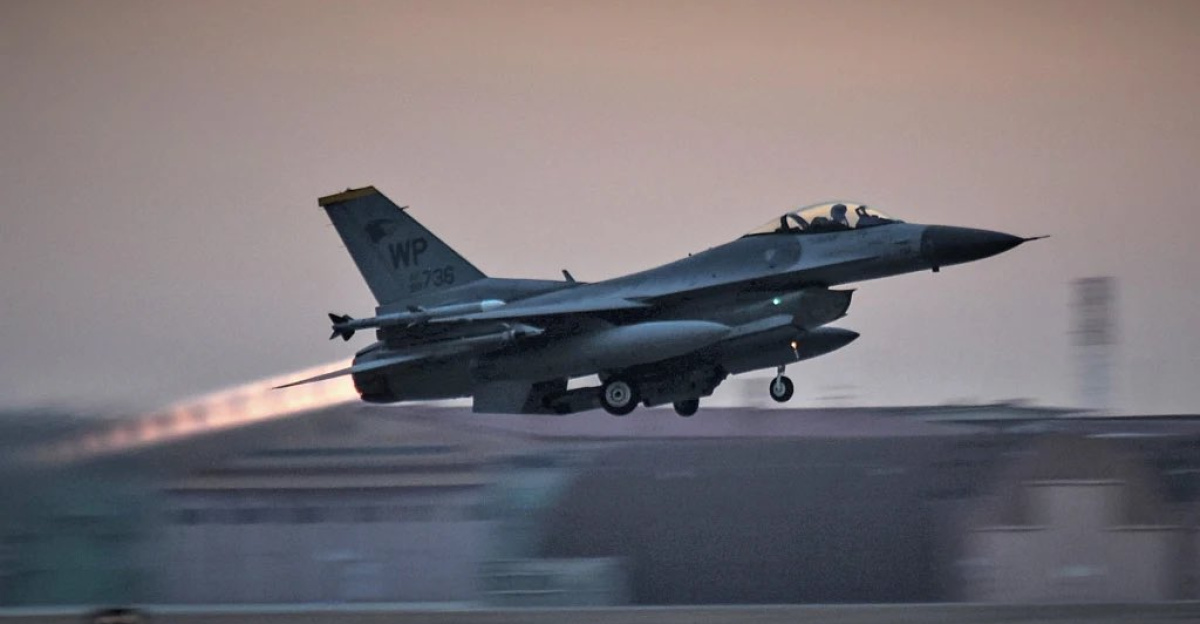
Jordan participated with Royal Jordanian Air Force F-16s conducting coordinated strikes against ISIS positions in southern Syria. Jordan’s Foreign Ministry spokesperson Ambassador Fouad al Majali said: “Syria and the United States [have] full solidarity of Jordan and [Jordan] condemned the attack,” on December 13, 2025. With refugees and border risks, Jordan’s role signaled regional urgency. Still, coalition support also complicated Syria’s politics.
Syria’s Government Walks A Tightrope
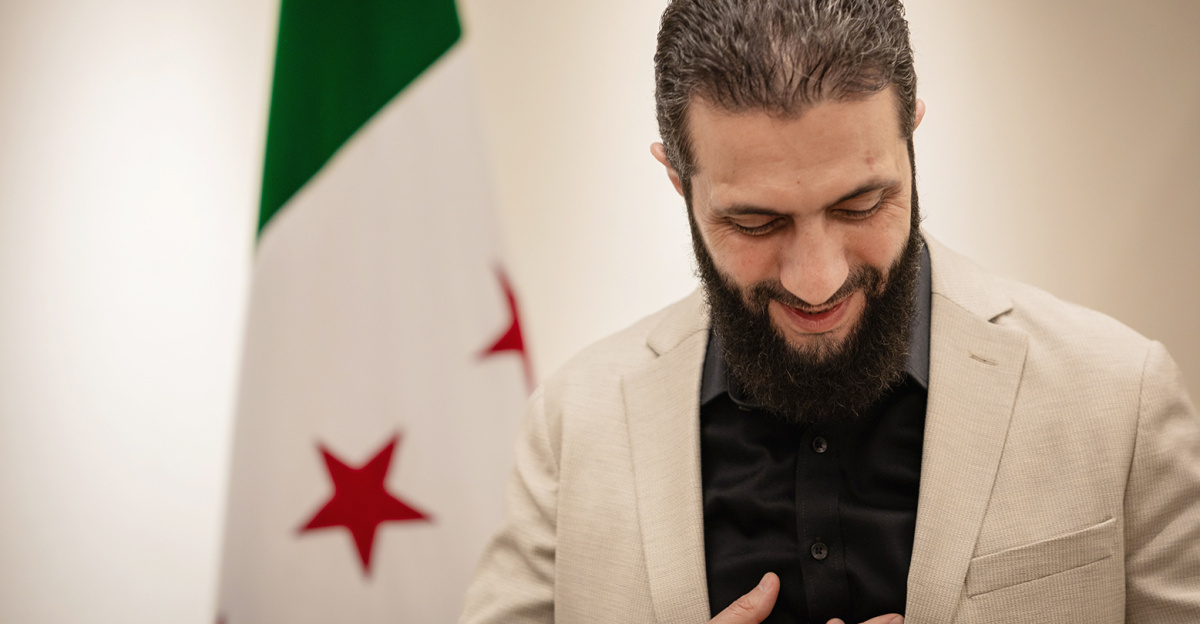
Syria’s new president, Ahmed al-Sharaa, had to welcome help against ISIS while managing the backlash of foreign strikes. His transitional government, about 1 year old after Assad’s fall in December 2024, faced hard-line currents and extremists inside security structures. Syria’s Foreign Ministry said: “Syria reiterates its steadfast commitment to fighting ISIS and ensuring that it has no safe havens on Syrian territory,” on December 19, 2025. Could the partnership survive a first crisis?
The Desert Map Behind The Bombs

Targets were spread across harsh terrain. Strikes hit Jabal al-Amour near Palmyra in Homs province, the Ma’adan desert in rural Raqqa, and the Al-Hammad desert in Deir ez-Zor stretching toward Iraq. These areas offer concealment, low population density, and movement corridors for ISIS. Coordinating timing across 300+ km required real-time intelligence updates and multiple aircraft arriving together. The target list also had a pattern.
What Those Sites Actually Were
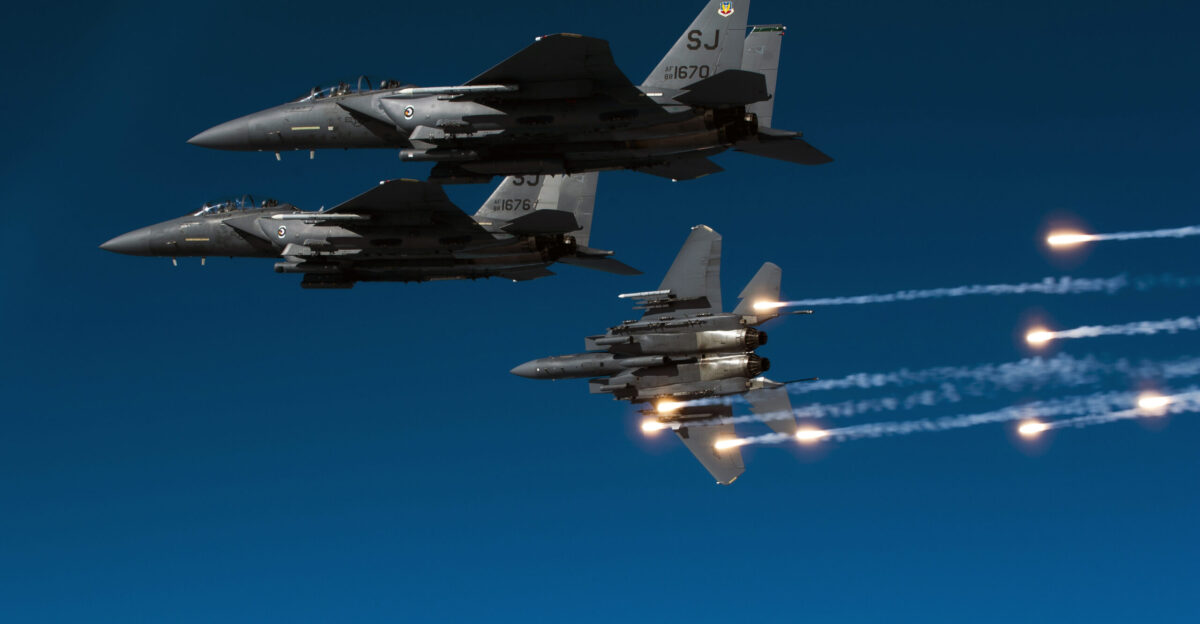
Planners focused on 4 target categories: command centers, weapons depots, training facilities, and drone operations centers. Command centers coordinated networks; depots stored munitions and explosives; camps prepared recruits; drone sites controlled unmanned systems used for surveillance and attack. The Syrian Observatory for Human Rights reported: “At least five Islamic State members were killed, including a cell leader involved in operating and coordinating unmanned aerial systems used by the group,” on December 19, 2025. That detail pointed to deeper intelligence.
Hegseth’s “Declaration Of Vengeance”
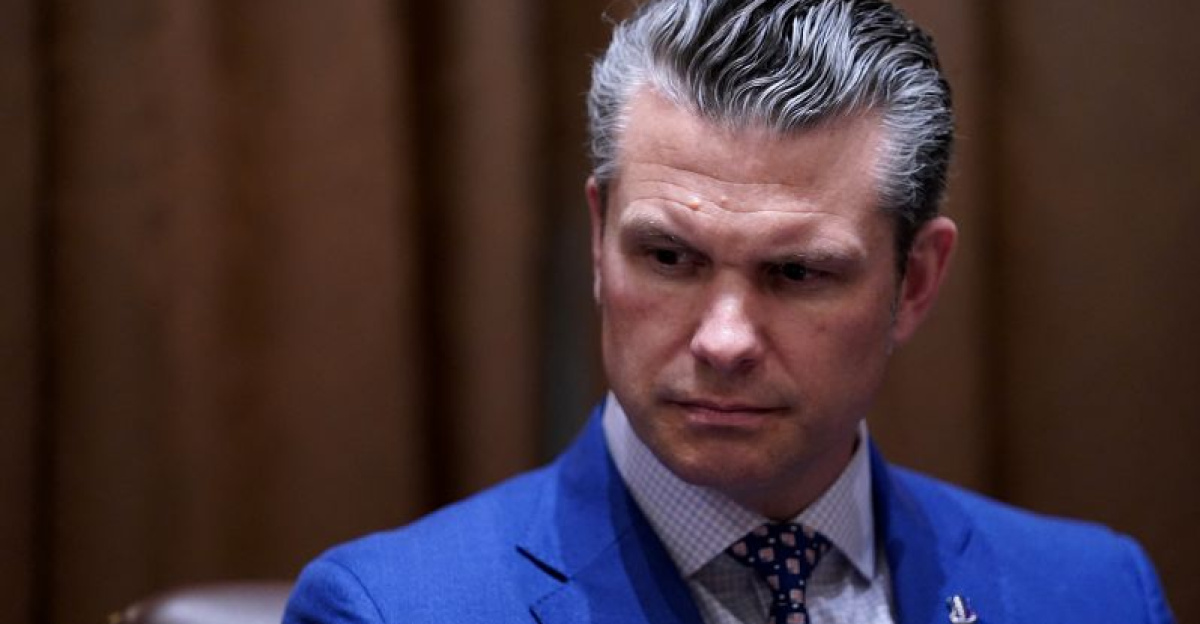
Pete Hegseth, Trump’s Secretary of War, framed the strike in emotional terms. “This is not the beginning of a war—it is a declaration of vengeance,” he said on December 19, 2025. He also warned: “Let it be known, if you target Americans—anywhere in the world—you will spend the rest of your brief, anxious life knowing the United States will hunt you, find you, and ruthlessly kill you,” he added. Yet the mission had strategic goals.
CENTCOM’s Homeland Security Argument
Admiral Brad Cooper, Commander of U.S. Central Command, put the emphasis on prevention: “This operation is critical to preventing ISIS from inspiring terrorist plots and attacks against the U.S. homeland,” on December 19, 2025. By 2025, ISIS was estimated at 1,500 to 3,000 fighters across Syria and Iraq, but with networks spanning 60+ countries. Reducing coordination capacity mattered as much as killing fighters. The group’s evolution explains why.
From “Caliphate” To Shadow Network
In 2014, ISIS ruled a caliphate spanning territory the size of Great Britain, controlling 12,000,000 people with 50,000+ fighters from 120+ nations. By December 2025, it had collapsed, yet ISIS adapted into a network of autonomous affiliates. Analysts said it now “operates primarily as a dynamic network of regional affiliates who function with greater autonomy than ever before.” ISIS carried out nearly 700 attacks in Syria in 2024, up from 200 in 2023. How would Trump frame results?
Trump Declares A Flawless Hit
After receiving damage assessments, Trump proclaimed victory. “We hit every site flawlessly and we are restoring peace through strength all over the world,” he said on December 20, 2025. He emphasized, “It was very successful. It was precision,” and added, “The United States is inflicting very serious retaliation, just as I promised, on the murderous terrorists responsible.” The messaging showcased resolve, but the operational tempo was already high.
The 6-Month Counterterror Push
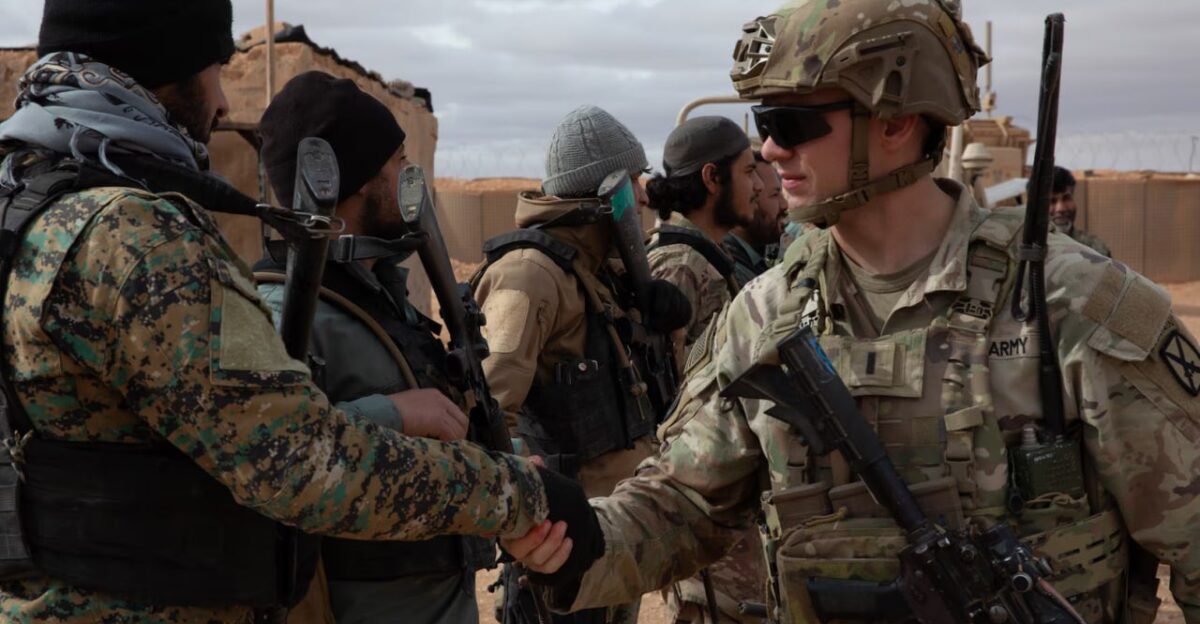
Operation Hawkeye Strike capped an intense campaign rather than standing alone. Between June and December 2025, U.S. and partner forces conducted more than 80 operations against ISIS targets in Syria, detaining 119 militants and killing 14, according to official statements. In November 2025 alone, U.S. and Syrian forces destroyed 15 ISIS weapons caches in southern Syria. Admiral Cooper said: “We will continue to relentlessly pursue terrorists,” on December 19, 2025. The human cost still anchored everything.
The Fallen Come Home To Iowa
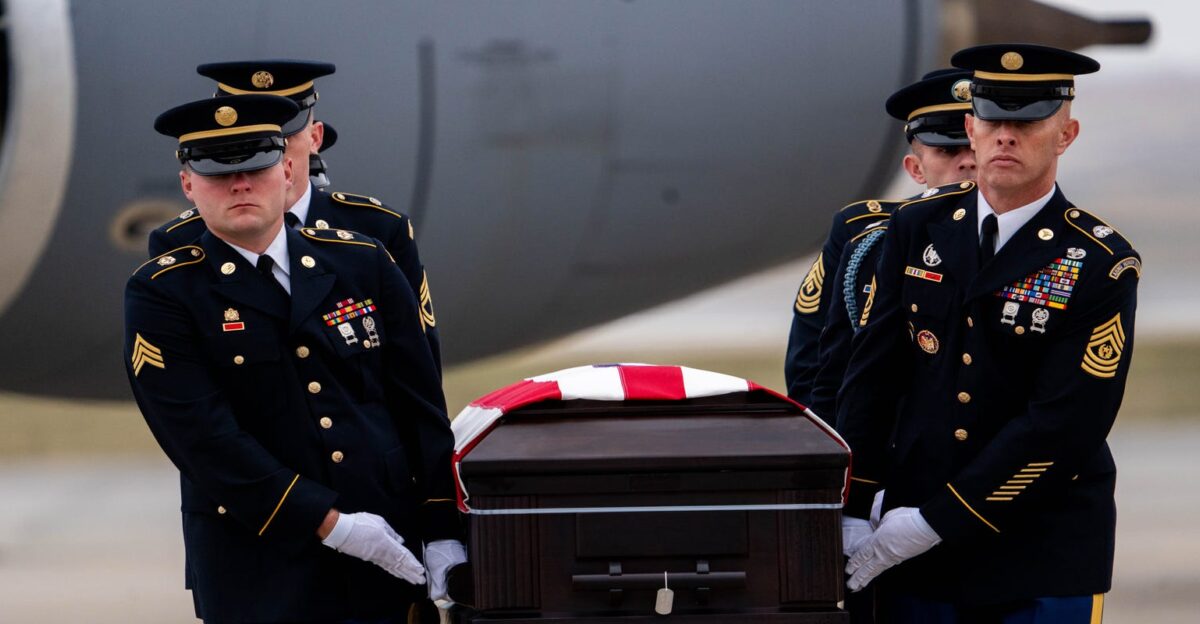
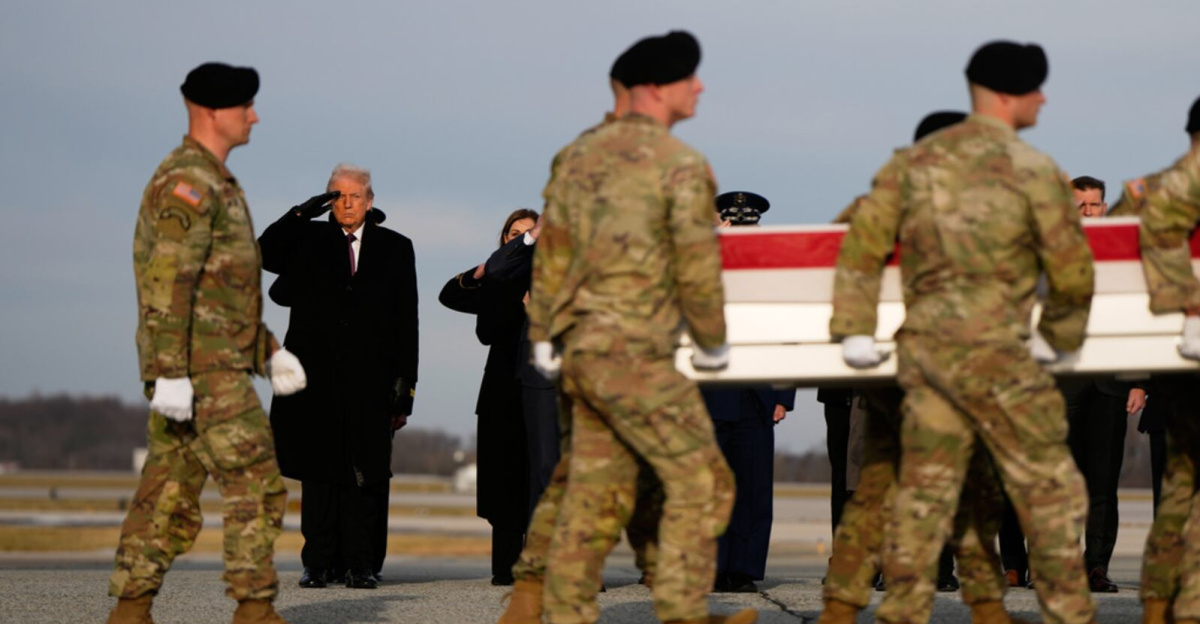
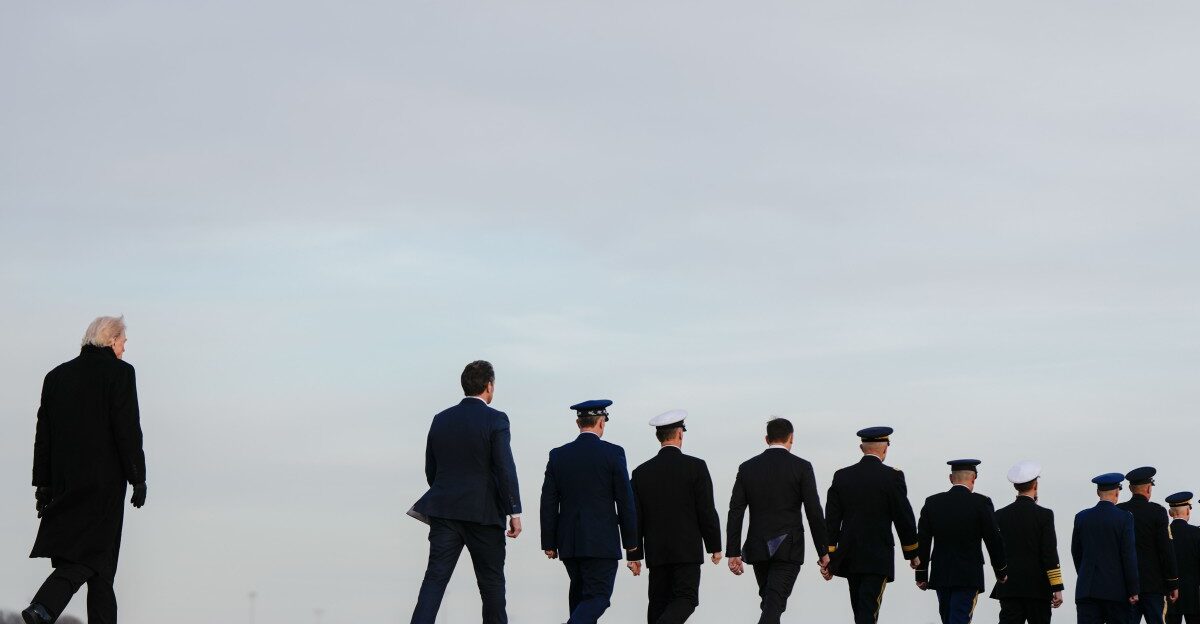
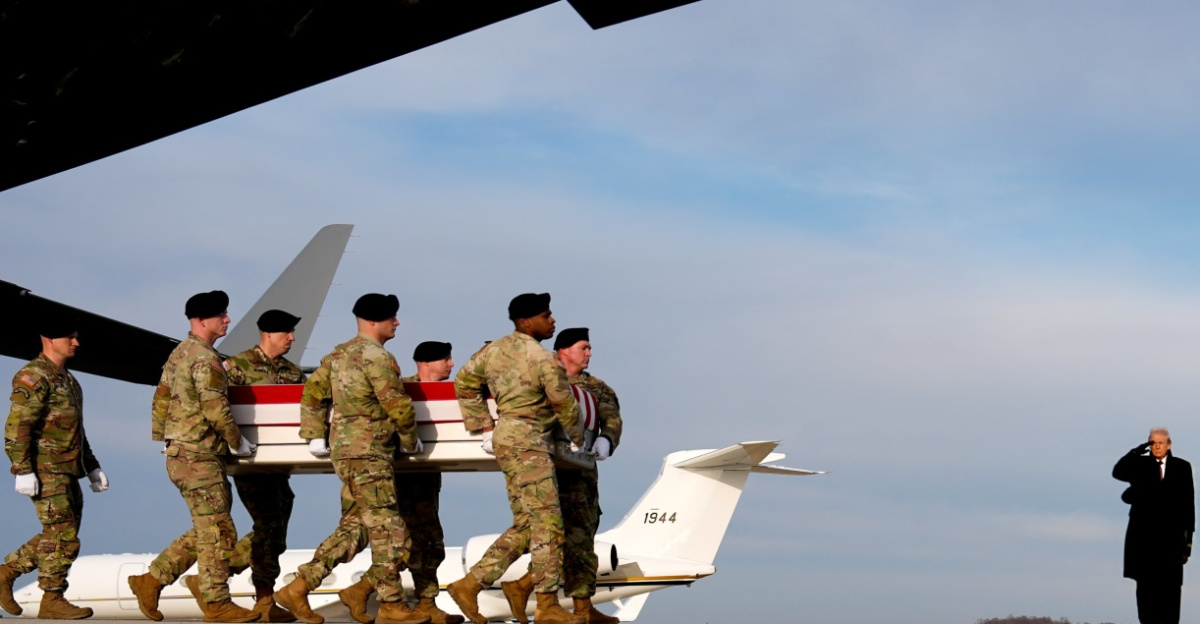
On December 24, 2025, Christmas Eve, the remains of Sergeants Howard and Torres-Tovar arrived at the Iowa Air National Guard base in Des Moines aboard a KC-135 Stratotanker from Dover Air Force Base. Governor Kim Reynolds, Senator Joni Ernst, and military leaders attended the dignified transfer. Fellow Guard members carried the flag-draped caskets as escort teams formed outside. The State Department later held a formal transfer at Dover with Trump present. How would Syria’s transition absorb this moment?
A New Partnership Under Pressure
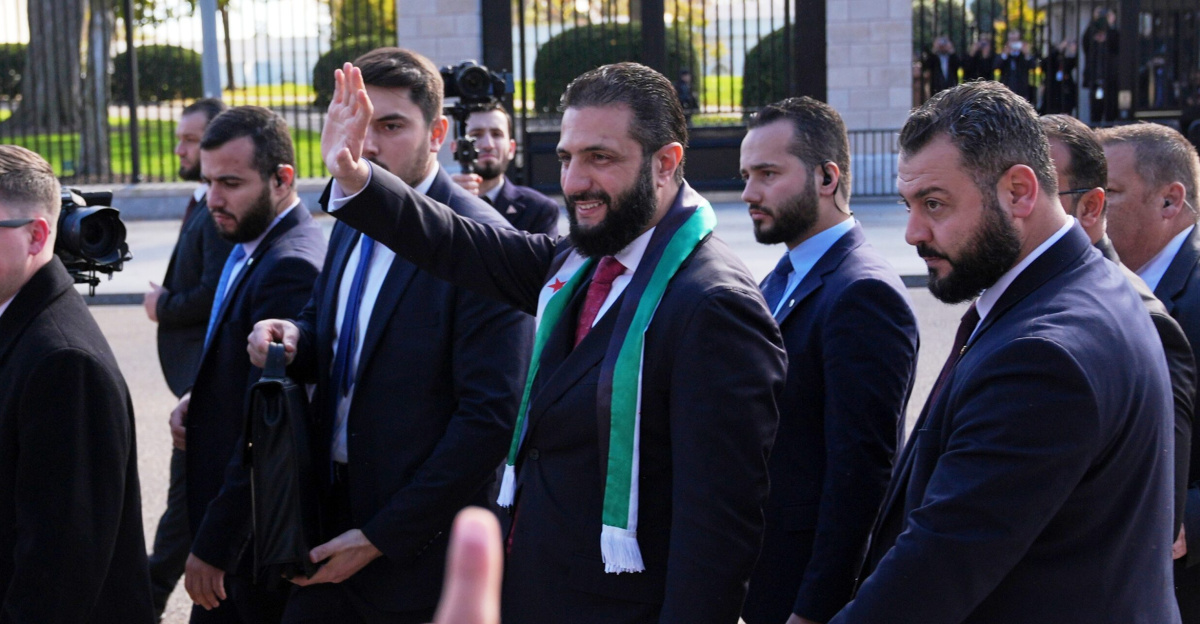
The attack and Operation Hawkeye Strike tested a nascent U.S.-Syria relationship. Ahmed al-Sharaa, who led Hay’at Tahrir al-Sham rebels that toppled Assad in December 2024, presented himself as a pragmatic reformer willing to cooperate against ISIS. After visiting the White House in November 2025 and pledging to join the coalition, infiltration by an ISIS sympathizer exposed fragility in his security services. U.S. retaliation reinforced commitment while Syria faced internal cleanup. Could deterrence really hold?
When Americans Die, America Responds
Operation Hawkeye Strike set parameters for U.S. response in Syria. Timing mattered: executed within 6 days of the ambush. Scale mattered: 70+ targets hit with 100+ munitions. Precision mattered: legitimate military objectives were prioritized while minimizing civilian casualties. Symbolism mattered too, from the Iowa-linked name to Guard members signing bombs. The message to adversaries was clear: attacks on Americans trigger overwhelming counterterror action. Yet ISIS had already planned for pressure.
ISIS Adapts, And The Fight Continues
Even after Hawkeye Strike, the counterterror struggle remained unfinished. An estimated 1,500 to 3,000 ISIS fighters stayed active across Syria and Iraq, relying on underground cells and dispersed networks. ISIS propaganda and recruitment continued globally, while ISIS-Khorasan showed reach from Russia to the U.S. Syrian facilities still held about 8,500 suspected ISIS militants and 38,400 family members, creating enduring security risks. Governance vacuums after Assad’s fall offered opportunities ISIS seeks to exploit. That reality will shape what comes next.
Sources
CENTCOM Launches Operation Hawkeye Strike Against ISIS in Syria. U.S. Central Command, December 19, 2025
Army Identifies Two Casualties. War.gov, December 13, 2025
Two Iowa Guard Soldiers Killed in Attack in Syria. Iowa National Guard Public Affairs, December 13, 2025
Reports on Operation Hawkeye Strike. Syrian Observatory for Human Rights, December 19-20, 2025
Joint Direct Attack Munition GBU-31/32/38 Fact Sheet. U.S. Air Force, accessed December 2025
KC-135 Stratotanker Fact Sheet. U.S. Air Force, accessed December 2025