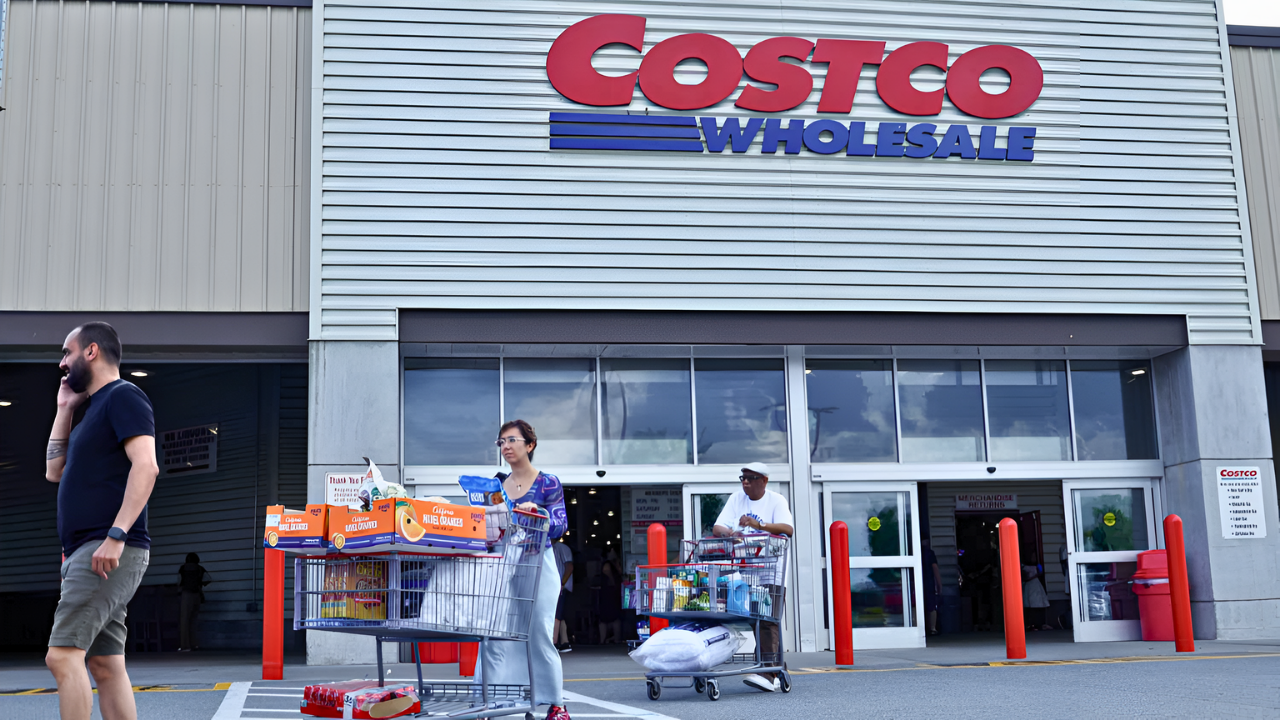
Costco’s challenge to tariffs imposed by the Trump administration has moved the warehouse giant from the aisles of bulk groceries into the middle of a high‑stakes clash over presidential power, trade policy, and consumer prices. The company’s lawsuit, filed on November 28, 2025, lands just as the U.S. Supreme Court weighs whether those tariffs, imposed under the International Emergency Economic Powers Act (IEEPA), are lawful. The outcome will help determine whether large importers such as Costco can recover billions in duties and whether shoppers will ultimately see relief at the checkout line.
Legal Showdown Over Emergency Tariff Powers
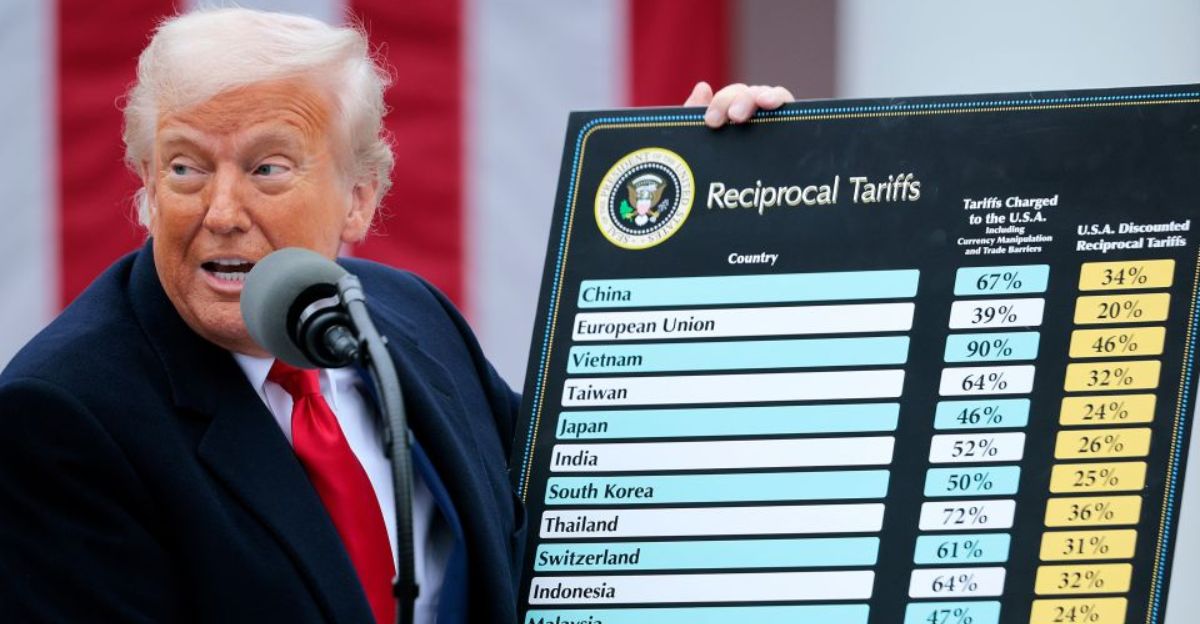
At the core of Costco’s complaint is the claim that Trump’s 2025 tariff program stretched emergency economic powers far beyond what Congress authorized. Acting under IEEPA and a series of “Liberation Day” executive orders announced on April 2, 2025, the administration put in place tariffs of 10 percent on nearly all imports, raised certain duties on Chinese goods to as high as 145 percent, and added country‑specific rates of 25 percent on products from Mexico and Canada. Collection began in early 2025, with baseline tariffs taking effect April 5, 2025, sweeping in a vast share of goods entering the United States.
Costco’s suit, filed in the U.S. Court of International Trade, asks judges to declare these tariffs unlawful under IEEPA, order a full refund of what the company has paid this year, and stop further collection while the Supreme Court deliberates. More than 70 other firms, including brands such as Revlon, EssilorLuxottica, and Kawasaki Motors, have filed parallel actions, signaling a coordinated push by major importers to claw back paid duties and secure protection before key customs deadlines close off their options.
Constitutional Limits and Prior Rulings
The legal dispute hinges on how far the president’s emergency economic powers extend when measured against Article I of the Constitution, which reserves to Congress the authority to “lay and collect taxes, duties, and imposts.” Costco and its allies argue that IEEPA permits targeted actions in true national emergencies but does not confer a blank check to impose broad, long‑running tariffs on nearly all trading partners. In their view, using emergency powers to reshape tariff policy usurps Congress’s core legislative role over taxation and trade.
That argument has already found support in lower courts. The Court of International Trade ruled on May 28, 2025, that Trump exceeded IEEPA authority, and the U.S. Court of Appeals for the Federal Circuit affirmed that decision on August 29, 2025, describing the tariff program as effectively “limitless” in scope, duration, and reach. Those rulings stressed that Congress, not the president, holds the power to design and impose tariff schedules. The Supreme Court heard oral arguments on November 5, 2025, with justices probing both the constitutional boundary between the branches and the practical fallout of striking down a nationwide tariff regime that has already generated substantial revenue.
Tariff Deadlines, Financial Exposure, and Costco’s Strategy
Costco’s filing is acutely time‑sensitive because of how U.S. Customs and Border Protection (CBP) finalizes import entries. Under standard procedures, entries are “liquidated” roughly 314 days after importation, fixing the final duty owed and making subsequent refunds difficult or impossible without prior judicial relief. For goods imported in early 2025, liquidation deadlines approach in mid-December 2025. Costco argues that if courts do not act before that window closes, potential refunds could be permanently foreclosed even if the Supreme Court later rules the tariffs unlawful.
CBP has already denied Costco’s request to extend liquidation deadlines, prompting the company to seek separate judicial protection to preserve its refund rights. The stakes are amplified by the broader financial picture: importers have paid around 90 billion dollars under the IEEPA tariff program through September, with Costco shouldering a significant share because roughly one‑third of its U.S. sales come from imported merchandise and about 8 percent from China alone. Company leaders say they have tried to shield shoppers by absorbing costs on everyday staples like bananas and pineapples, restructuring supply chains, expanding private‑label sourcing, consolidating suppliers, and selectively adjusting prices, but they acknowledge that prolonged tariffs could eventually push more of the burden onto members and margins.
Political Backlash and Consumer Reaction
While the lawsuit targets a legal and economic question, it has triggered an intensely political response. On X, formerly Twitter, thousands of self‑identified Trump supporters have posted messages announcing they canceled their Costco memberships, accusing the retailer of lining up against the president and his policies. Prominent figures in the “Make America Great Again” movement have amplified calls to boycott Costco and steer spending toward rivals, framing the lawsuit as hostile to American manufacturing and executive authority.
Critics also link the legal challenge to Costco’s earlier diversity, equity, and inclusion initiatives, weaving the lawsuit into a broader narrative that casts the company as out of step with conservative priorities. Supporters, by contrast, argue that contesting the tariffs is a bid to protect households from higher prices and to reinforce constitutional checks on emergency powers. Some members focus on everyday effects: the possibility of lower prices if the duties are struck down, shorter lines if boycotts reduce traffic, and a signal that large corporations can push back when government policies sharply raise operating costs. For now, it remains unclear whether cancellations will meaningfully dent a membership base of 79.6 million cardholders or merely reflect a vocal segment of politically motivated customers.
Broader Stakes for Prices, Jobs, and Future Trade Policy
Beyond Costco’s own balance sheet, the case carries wider implications for inflation, employment, and small and medium‑sized businesses that depend on big‑box retailers to move their goods. Executive members, who make up 47 percent of memberships but account for 73 percent of sales, are especially sensitive to price shifts. Analysts attribute a significant portion of headline personal consumption expenditures inflation over the 12 months ending August 2025 to the tariff shock, underscoring how trade policy can filter into everyday spending on groceries, household items, and electronics.
Costco employs about 300,000 workers worldwide, with average hourly wages exceeding $30, and works closely with thousands of suppliers, many of them smaller firms squeezed by significant tariffs on Chinese imports. A favorable ruling could free cash for wages, investment, and supplier support, while an unfavorable or narrow decision might force more aggressive cost‑cutting, restructuring, or price increases. The Supreme Court is expected to rule in late December 2025 or early January 2026, and its decision will not only determine whether importers can recoup billions already paid but also set the boundaries for how future presidents use emergency economic powers in trade disputes. For Costco, its members, and its suppliers, the coming months will reveal whether the lawsuit delivers financial relief and clarity—or cements a new era of expansive executive authority over tariffs.
Sources:
U.S. Court of International Trade & Federal Circuit Court of Appeals — Official judicial decisions and filings (28 May 2025, 29 August 2025, November 2025)
U.S. Supreme Court — Oral argument transcript, 5 November 2025
U.S. Customs and Border Protection — Tariff collection data and liquidation procedures
Costco Wholesale Corporation — SEC filings and earnings call transcripts, 2025
Federal Reserve & U.S. Treasury — Tariff revenue and inflation data
Major News Organizations — Verified reporting (Reuters, AP, BBC, CNBC, USA Today, Washington Post, Financial Times, Wall Street Journal)