
American cities are witnessing an unprecedented federal surge as President Trump announces the deployment of National Guard troops to combat urban crime. Memphis will become the latest target, following recent interventions in Washington, D.C., and Los Angeles.
Federal statistics highlight the urgency: Memphis’s violent crime rate is staggering – roughly 2,500 incidents per 100,000 people, the highest in the nation.
The White House frames this as an aggressive response to a “deeply troubled” city, signaling a major expansion of military-style law enforcement onto American streets.
Escalating Tensions
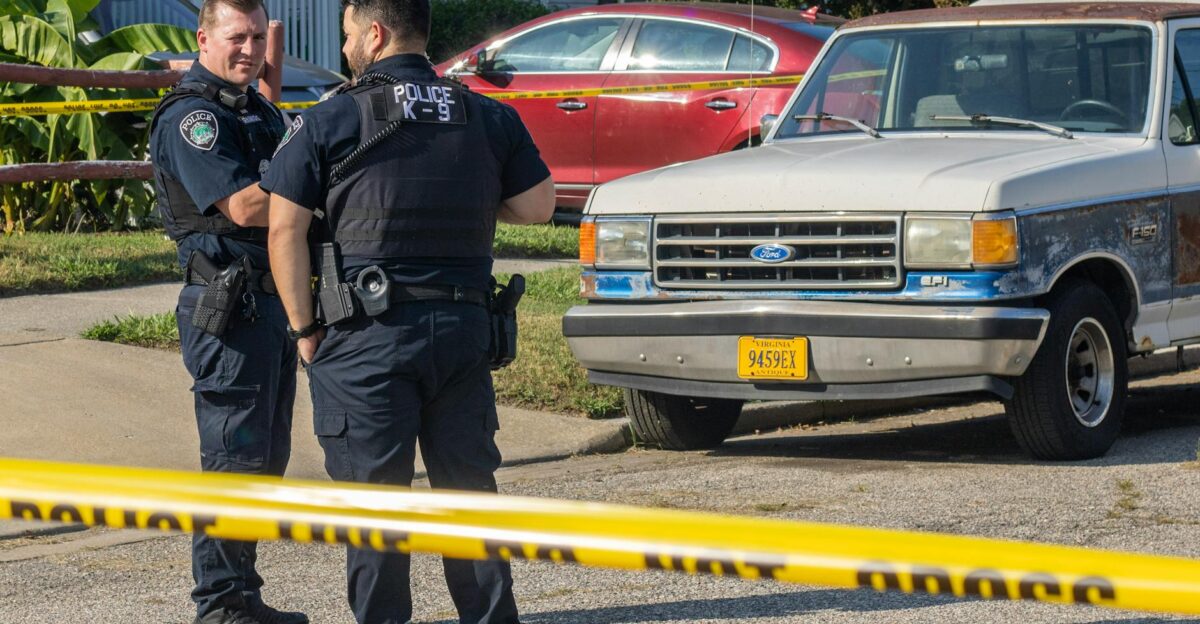
Tennessee’s Republican Gov. Bill Lee has formally authorized the deployment after coordinating for weeks with the Trump administration.
Local officials say the operation will be multi-agency: “The next phase will include Tennessee National Guard, FBI, Tennessee Highway Patrol, [and] Memphis Police,” an official briefing noted.
However, the plan is already sparking legal conflict elsewhere. In California, Gov. Gavin Newsom has challenged a similar National Guard deployment in court, highlighting the constitutional debate over federal forces in domestic policing.
Historical Context
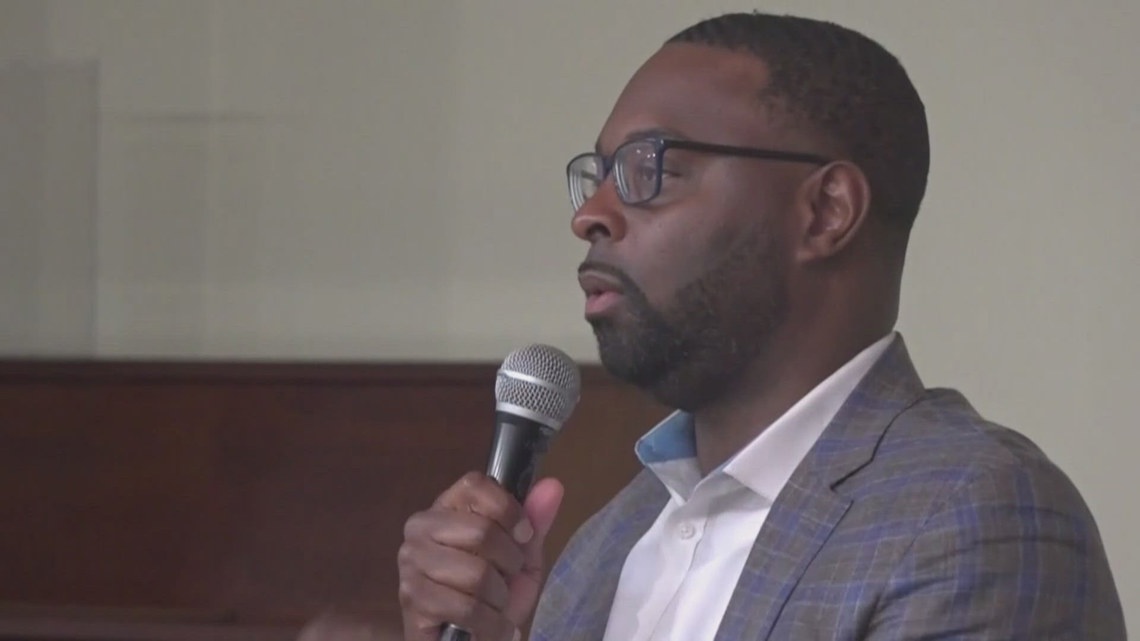
Memphis last saw soldiers on its streets in the 1960s. Mayor Paul Young reminded residents that the Guard’s previous deployment was in 1968 after Martin Luther King Jr.’s assassination – a loaded historical echo that officials are keen to avoid.
Decades of struggle have kept Memphis’ crime rates sky-high. In fact, federal data show Memphis’s overall crime rate is about 344% above the national average, a remnant of long-term social and economic challenges.
This grim history underpins why some in Washington see the military intervention as justified, even as many locals fear a repeat of the city’s troubled past.
Mounting Pressures

Local and federal crime statistics tell very different stories, creating intense pressure on city leaders. Memphis police report dramatic declines in 2025: overall crime is at a 25-year low, and murders have fallen to a six-year low.
Chief C.J. Davis credits “focused strategies and collaboration” with these historic reductions. Still, Washington’s metrics lag behind: Memphis remains atop national “most dangerous” lists based on FBI data.
That contrast – between local success stories and federal alarm bells – has fueled a sense of crisis in Congress and the White House, even as Memphis officials brag of progress on the ground.
The Announcement
On the morning of Sept. 12, President Trump took to Fox News with a surprise announcement: “Memphis is deeply troubled,” he declared, and he would send troops to “fix that, just like we did in Washington.” He even claimed, “The mayor is happy … and the governor is happy” about the deployment.
Yet his words sharply conflicted with reality. Memphis Mayor Paul Young later said he had no hard confirmation of troops until that TV segment.
He told CNN that Trump’s broadcast was “the first hard confirmation” he’d heard of the Guard’s arrival.
Regional Backlash
Memphis’s political leaders immediately pushed back. Mayor Young publicly declared he was “certainly not happy” about troops coming to his city, insisting he had not requested them.
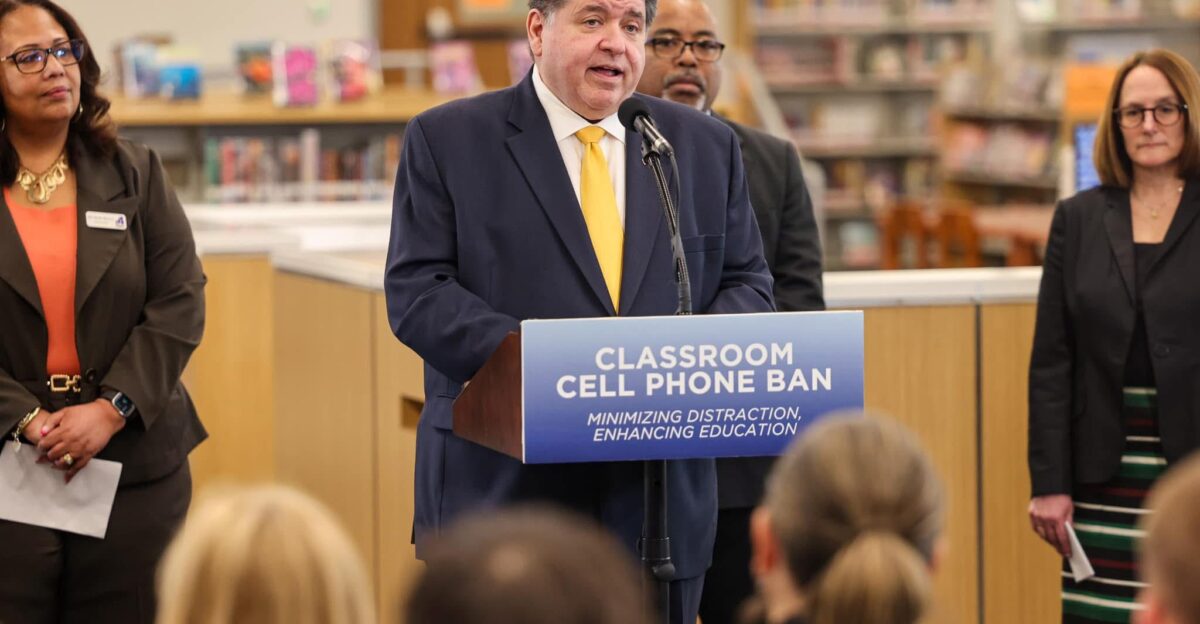
Young emphasized that he never asked for National Guard support and does not believe soldiers are the answer to local crime. This reaction echoed elsewhere: in Illinois, Democratic Gov. J.B. Pritzker flatly rejected Trump’s overture, warning, “You are neither wanted here, nor needed here” after Trump initially considered Chicago.
The contrast is stark – Pritzker’s voice of resistance and Mayor Young’s frustration highlight deep regional divides over whether militarizing police is a solution or a stunt.
Human Impact
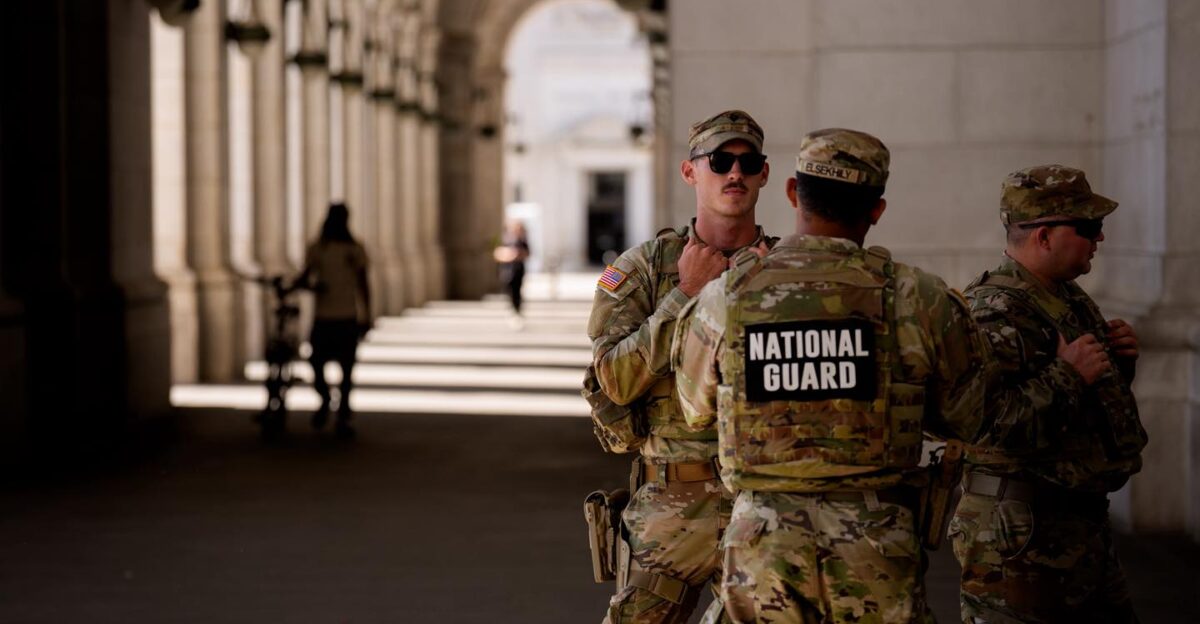
The prospect of armed soldiers patrolling Memphis stirs both hope and fear in neighborhoods. Locals offer mixed reactions. Some residents see any support as welcome: one lifelong Memphian said, “This city has always had a bad crime problem … I don’t see why anyone would have a problem with federal resources coming to Memphis to try to solve these problems.”
Another added, “It’s going to make the crime rate go down a whole lot,” expressing relief at the extra manpower. But officials caution about unintended effects.
Mayor Young noted the last Guard deployment “invoked those same images” of unrest from 1968, underscoring community fears. As one local lawmaker put it, “Memphis is not a war zone – it’s a city making progress,” suggesting citizens want crime tackled through community programs, not military force.
Competitor Analysis
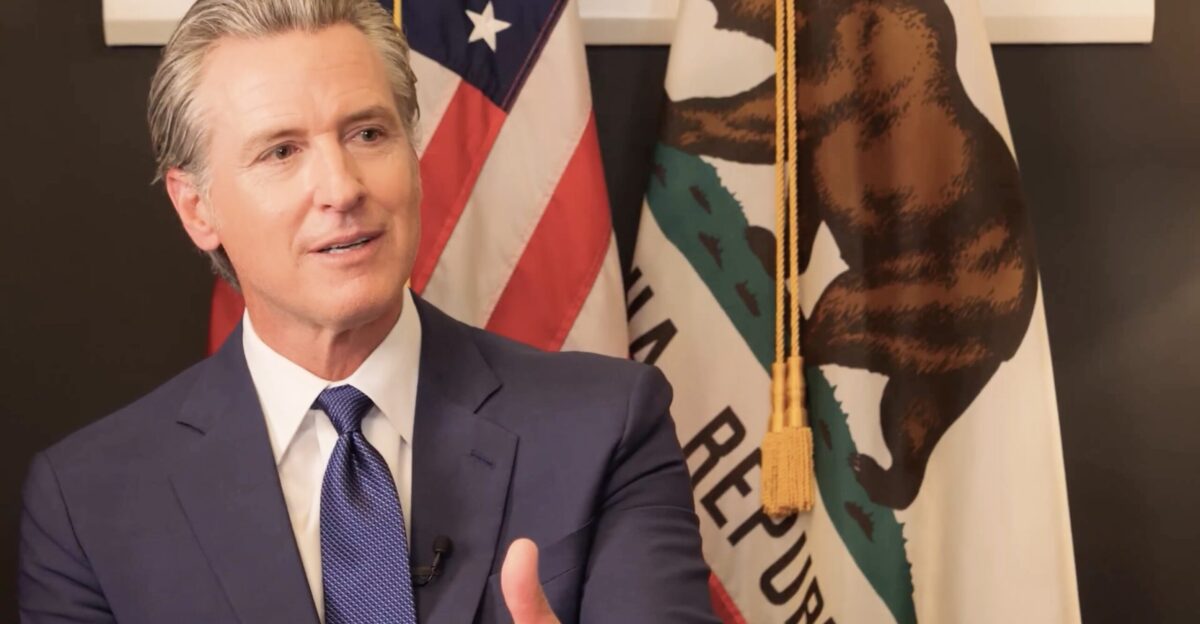
Trump’s shift away from cities like Chicago and Los Angeles has been telling. Chicago’s leaders and Illinois officials loudly opposed any federal troops, forcing the president to pivot. In contrast, Memphis offered a different scenario: Tennessee’s Republican governor cooperates, giving Trump the legal green light.
Nationally, sources note this pattern of targeting Democratic-run cities only in GOP states. For example, Trump’s team considered Memphis only after Gov. Lee indicated “unwavering support” for a guard deployment, whereas California’s Gov.
Newsom was suing to block similar plans. In short, Trump is choosing allies first – if a governor helps enable the operation, a city is in play.
Macro Trends

The Memphis deployment is part of a broader “crime crackdown” playbook. Trump has repeatedly threatened National Guard action in many Democratic-led cities – from New York and Baltimore to Oakland.
A recent poll found 81% of Americans view urban crime as a major problem, reflecting widespread anxiety. But the same survey shows only about one-third of citizens support the federal takeover of local police. In effect,
National sentiment is torn: the public broadly worries about crime, but most prefer local solutions over standing armies. Trump’s narrative taps into those worries, even as many experts caution that these deployments carry political risks and only lukewarm public backing.
Legal Fault Lines
Legal scholars and civil rights advocates are now warning that Memphis could become a constitutional test case. They note a federal judge has already ruled that Trump’s Los Angeles deployment violated the Posse Comitatus Act (which bars most military policing).
Syracuse Law Professor William Banks observed that the judge reinforced the “longstanding principle that the military shouldn’t be engaged in law enforcement”.
Fellow scholar Claire Finkelstein was even harsher, calling Trump’s guard deployments “a show of force to bring Democratic governors … under the control of the federal government”.
Internal Conflicts

The troop plan has drawn sharp partisan lines in Tennessee. Democratic leaders accuse Trump of targeting cities led by Black officials. Critics point out that Trump has threatened deployments in a string of majority-Black cities (like New Orleans) all governed by Democrats.
State Senator London Lamar of Memphis, whose district is majority-Black, said bluntly that “Memphis is not a war zone” – it’s “a city making progress”.
He and other Democrats call the intervention “performative” and racially tinged, noting that no Republican-led cities are on Trump’s radar even if their crime stats are high. In this telling, the operation is as much about political symbolism as public safety.
Leadership Dynamics

The Memphis situation underscores a tug-of-war between the state and city governments. Gov. Lee emphasizes he has been in “close contact” with the White House throughout, and is framing the Guard deployment as an extension of Tennessee’s existing FBI-led crime effort.
In a social media post, Lee said the mission will “accelerate the positive momentum of Operation Viper” – an FBI task force that “has already arrested hundreds of the most violent offenders”.
Lee insists he has “constant communication” with Trump and is working out the logistics. By contrast, Mayor Young says he had virtually no say: he learned of plans on TV and has had only one brief phone call with the governor to clarify details.
Recovery Strategy
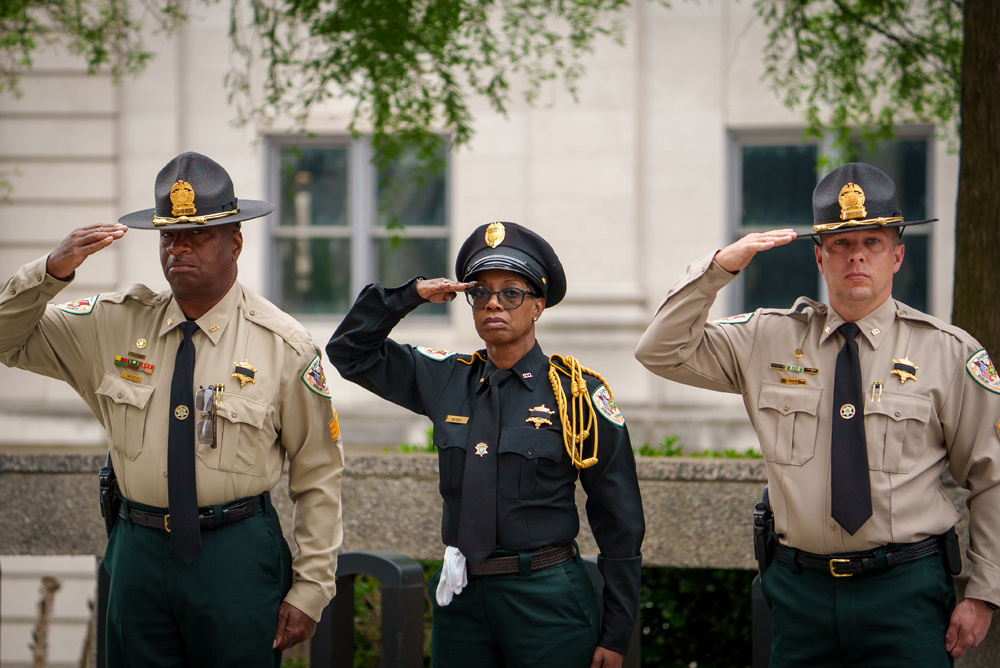
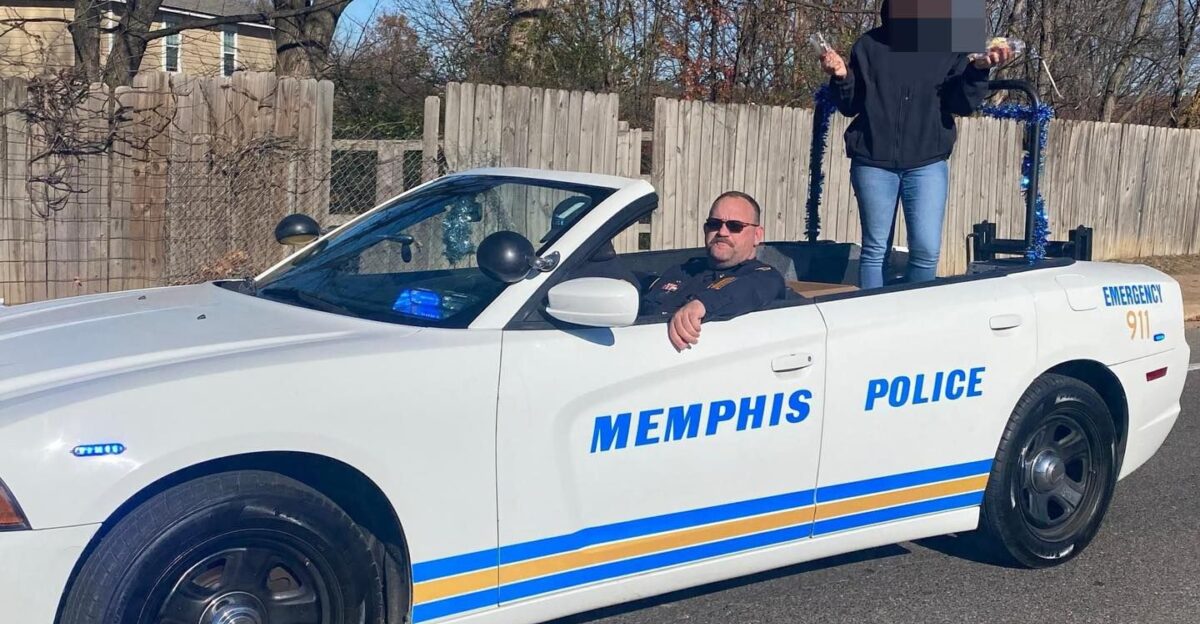
Memphis police argue they were on track to solve these crime issues themselves. Chief Davis and other officials emphasize the city’s own recovery plans: targeted patrols in high-crime areas, community outreach, and inter-agency task forces.
Davis proudly notes that in early 2025, the city saw drops in every major crime category, crediting partnerships with residents and nonprofits for those gains. In fact, local reports say murders are at a six-year low and robberies at record lows.
Still, federal lawmakers are skeptical. Even as cops tout these successes, Washington remains fixated on Memphis’s “toughest city” label. For now, police plan to keep focusing on investigations and neighborhood policing, while the Guard is slated only to support.
Expert Skepticism
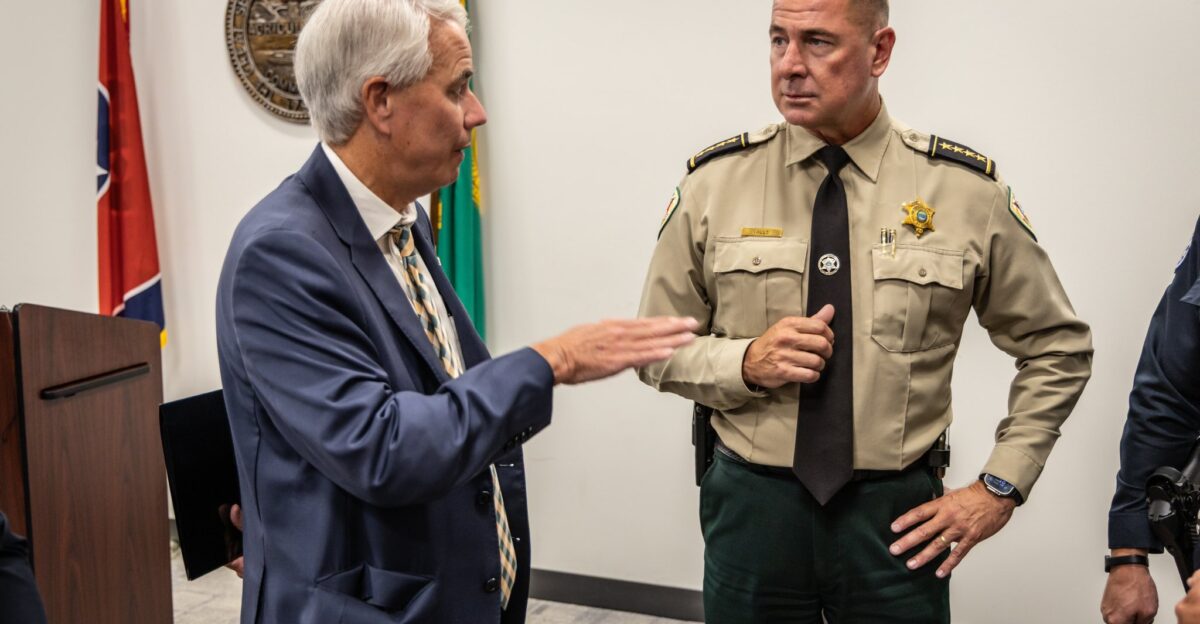
Top security analysts remain unconvinced that troops will help much. Former FBI and law enforcement veterans note that no American city has ever solved crime with soldiers.
John Roman of the University of Chicago’s public safety center bluntly says: “There is no U.S. city where there is really a crisis”, suggesting law enforcement resources already far exceed historical levels.
Shelby County DA Steve Mulroy pointed out that local agencies need trained police, not battle-ready military. He argued that experts like FBI agents, police officers, and social workers – not soldiers – should handle these problems. Mulroy warned that these high-profile deployments risk appearing “performative” and having “no lasting impact”.
Forward Questions
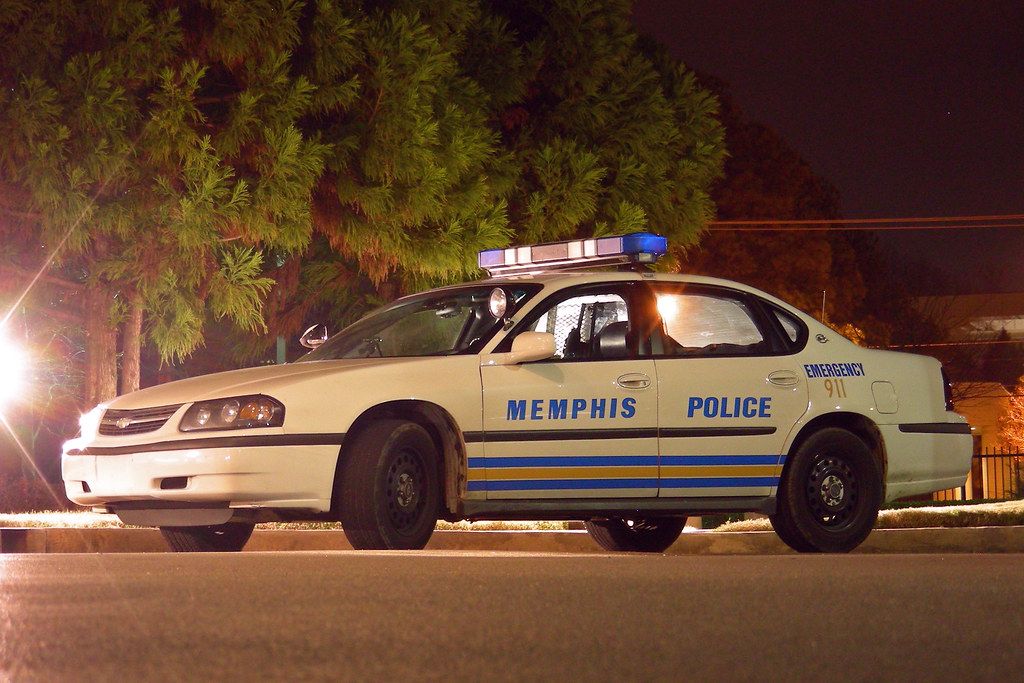
As troops prepare to arrive, fundamental questions loom. Will other governors follow Tennessee’s lead and allow federal troops in their cities – or will they block these deployments as California did? How will ordinary Memphians actually react to seeing armed soldiers in their neighborhoods after decades of focusing on community policing?
Legal experts wonder whether Trump’s approach signals a one-time emergency measure or a permanent shift toward centralized control of local affairs.
The answers to these questions could reshape how federal power and constitutional federalism are understood in America. For both supporters and critics, Memphis may become the case study in whether this marks a fleeting intervention or a new normal.
Political Implications
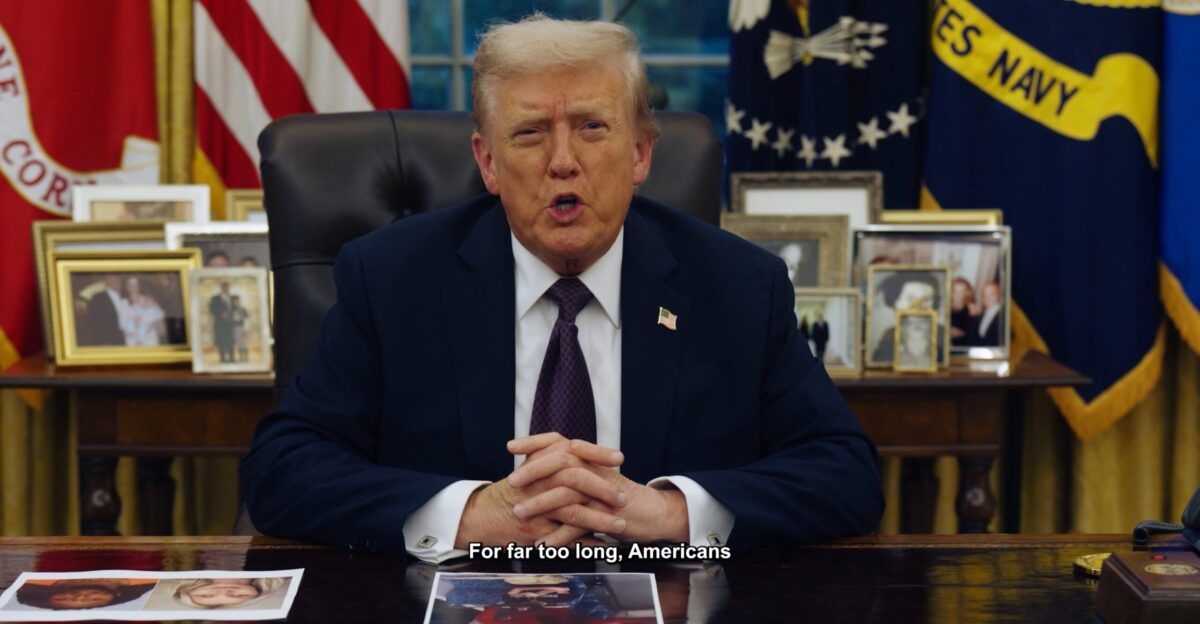
The selective nature of the deployment makes the politics plain. Trump has essentially carved a path that maximizes support: he is hitting cities with Democratic mayors only when their states’ Republican governors stand ready to cooperate.
This strategy deftly sidesteps the obstacles that sank his Chicago plans. By forging alliances with GOP state leaders (like Gov. Lee), Trump gains legal cover for doing things that courts might otherwise block.
As one commentator noted, this approach “circumvents constitutional constraints” by exploiting partisan splits. If it succeeds politically, we can expect Trump to extend this playbook – and his critics warn it could dramatically broaden federal involvement in cities nationwide where he finds willing state partners.
International Perspective
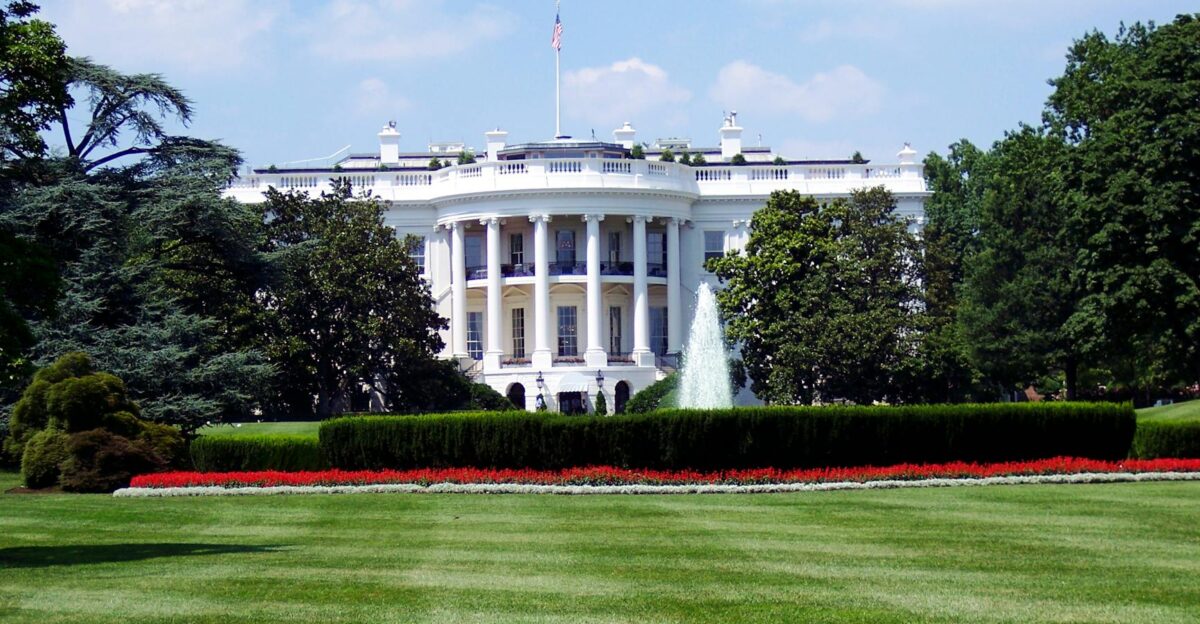
Even observers abroad are watching with alarm. White House figures pointed out that Memphis’s homicide rate is “27 times higher than Havana and 37 times higher than London”.
To international ears, those comparisons sound like the kind of hyperbole used by authoritarian regimes justifying crackdowns.
The idea of the U.S. military on city streets unnerves many familiar with failed states’ tactics. Some foreign commentators note that such militarization of civilian areas runs counter to democratic norms of local self-rule. As one analyst warned, seeing soldiers patrol American neighborhoods could sow doubts overseas about the balance of civil-military power in the U.S., an experiment that was once seen as a hallmark of democracy.
Legal Battleground

The Memphis plan is already destined for the courts. In late August, a federal judge in California ruled that sending troops to L.A. violated the Posse Comitatus Act and temporarily blocked the deployment.
The administration is appealing that decision while also authorizing new missions like Memphis. Because the legal foundation of these deployments is murky, attorneys expect Memphis to become the next test.
Courts will have to address whether Trump’s executive orders or the state-federal guard status allow this kind of intervention.
Cultural Shift
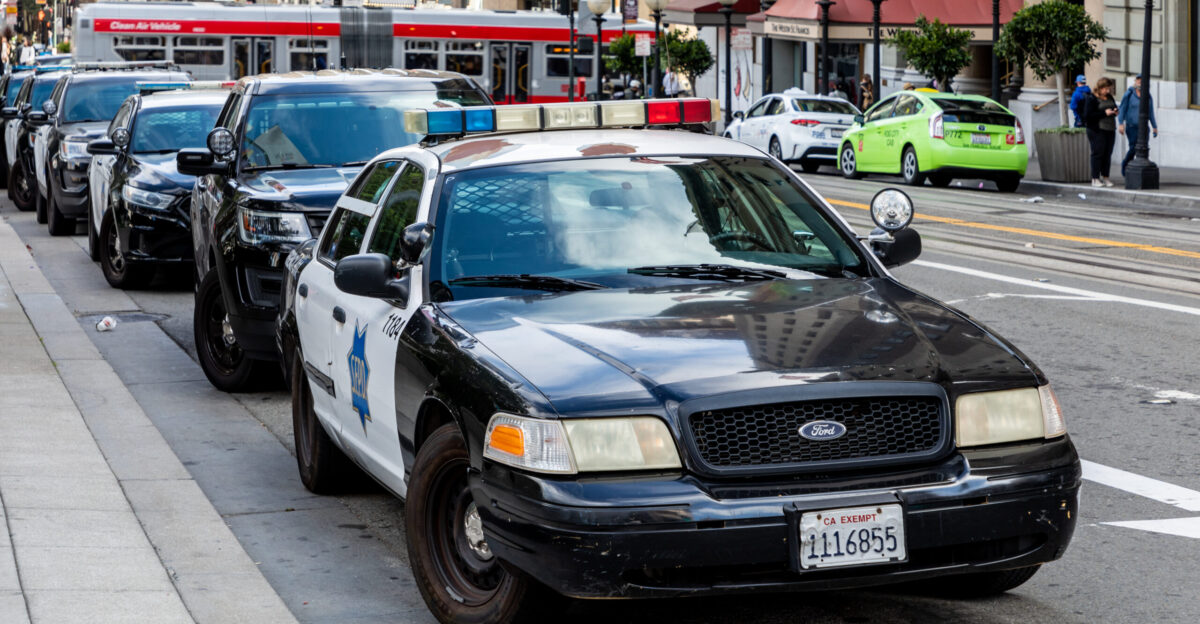
Many fear a profound cultural change is underway. Maryland Gov. Wes Moore warned that putting soldiers in civilian roles is “not sustainable, scalable, constitutional, or respectful”.
Even if crime numbers drop, there are social costs. Bringing military gear and weaponry into neighborhoods where community policing once prevailed can breed fear and mistrust.
Local leaders and activists say this marks a psychological as well as operational shift – civilians seeing uniformed military might begin to accept what was once unimaginable. In their view, such normalizing of troops at home challenges deeply held American values about civilian control of police and the boundary between the military and civil society.
Broader Reflection
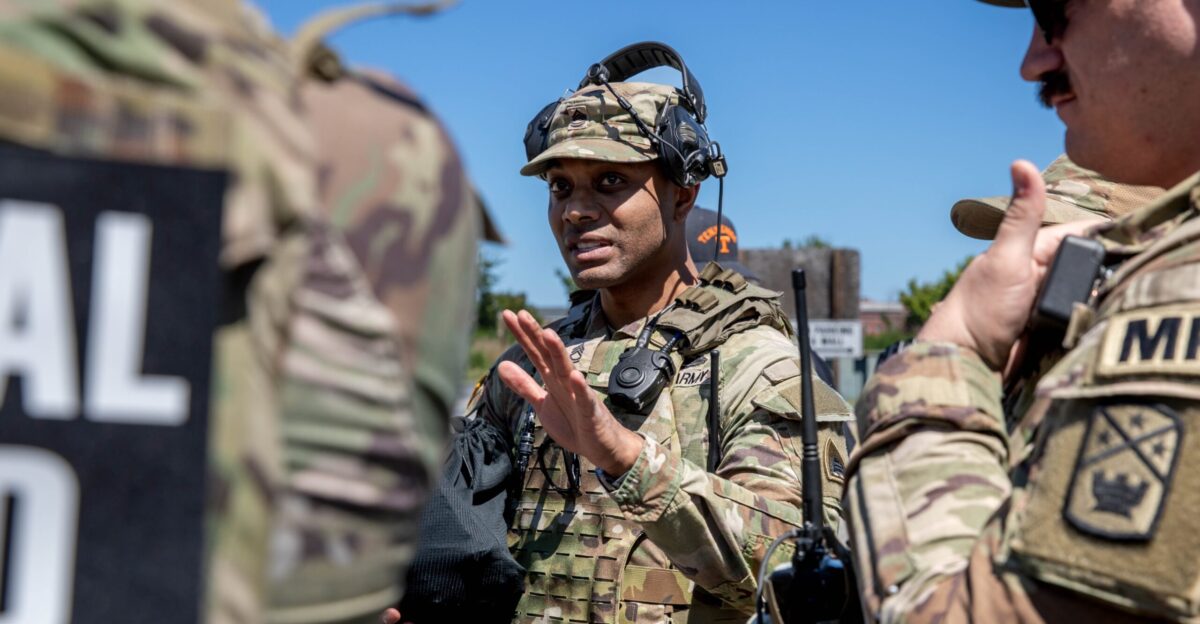
In the end, Memphis may be remembered as a turning point. The city’s ordeal is seen by critics as a signal of America’s drift toward federalized policing.
By exploiting partisan divisions, Trump has effectively normalized an expansion of presidential power over local law enforcement that few thought possible. Whether this proves a one-off “emergency” measure or the start of a lasting paradigm shift will define its legacy.
As one legal expert puts it, the big question is whether future historians will view these deployments as a crisis response or as the opening chapter in a permanent reordering of American federalism.