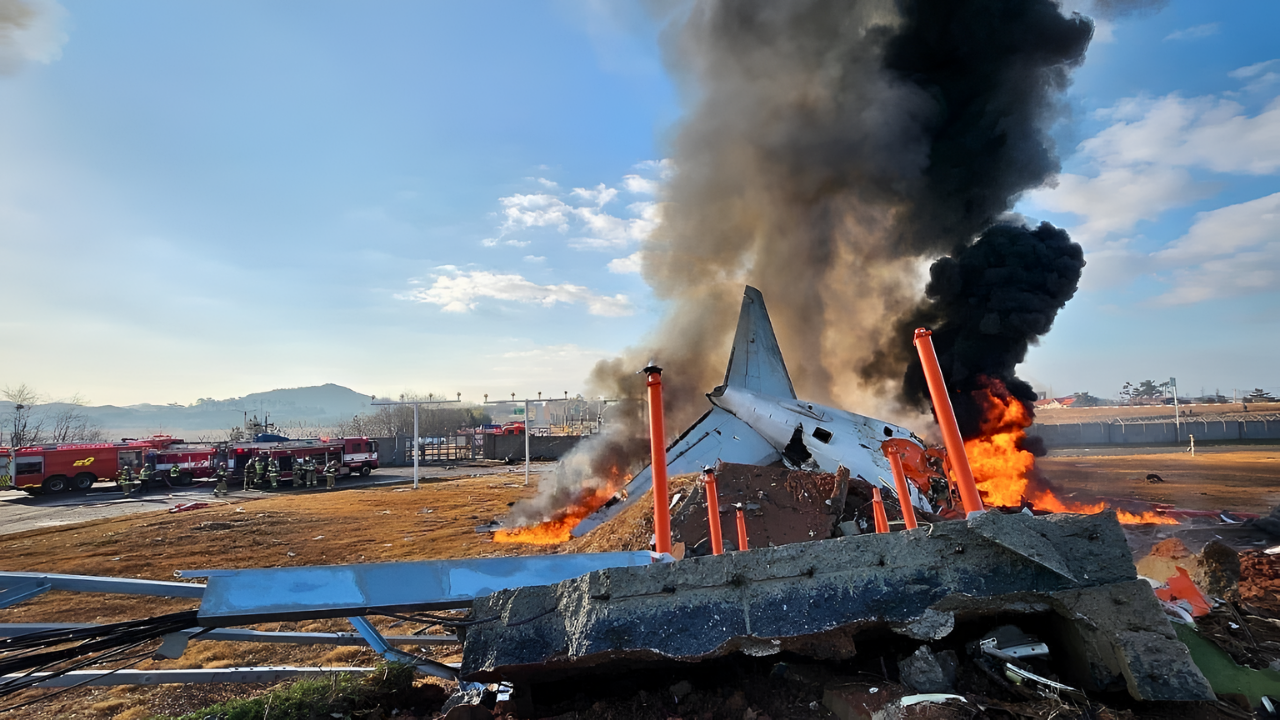
The Black Sea region has become an intensifying theater of conflict, especially noted in late November when three Russian-operated tankers were reportedly set ablaze or exploded near Turkey’s coast. Ukrainian authorities publicly claimed responsibility for these strikes, employing naval drones that effectively navigated past radar systems.
By mid-December, Turkish officials identified another emerging threat: an unidentified, erratic drone approaching Turkish airspace from the sea. This incident not only raises alarms about drone usage but also highlights the broader ramifications of Russia’s ongoing invasion of Ukraine, creating a precarious geopolitical landscape in the region.
Merchantmen Under Fire
On November 28, two tankers, under Western sanctions, the Kairos and Virat, reported devastating incidents in quick succession. The Kairos, heading to the Russian port of Novorossiysk, ignited flames 28 nautical miles off the coast of Turkey’s Kocaeli province. Shortly thereafter, the Virat encountered a blast in its engine room, also 35 nautical miles away.
Both vessels, sailing under Gambian flags to circumvent sanctions, were transporting Russian oil. Thankfully, Turkish rescue teams managed to evacuate all 45 crew members without casualties. Sparked by these coordinated offensives, the stakes in the Black Sea are rising, and the effectiveness of the shadow fleet is being increasingly challenged.
The Shadow Fleet Gambit
Russia’s shadow fleet comprises approximately 600 tankers that evade Western oil sanctions by transporting Russian crude oil through covert pathways, particularly to Asian markets. This intricate web of operations generates billions for Moscow. It has sparked a concerted response from Ukraine, which aims to dismantle this fleet by targeting the tankers directly in international and Turkish waters.
Despite the EU, U.S., and UK’s imposition of sanctions on numerous vessels, enforcement remains a challenge, granting Ukraine the operational space to escalate its tactics. Turkey has voiced concerns, indicating that actions from both sides contribute to an increasingly unstable environment in the region.
The Pressure Mounts
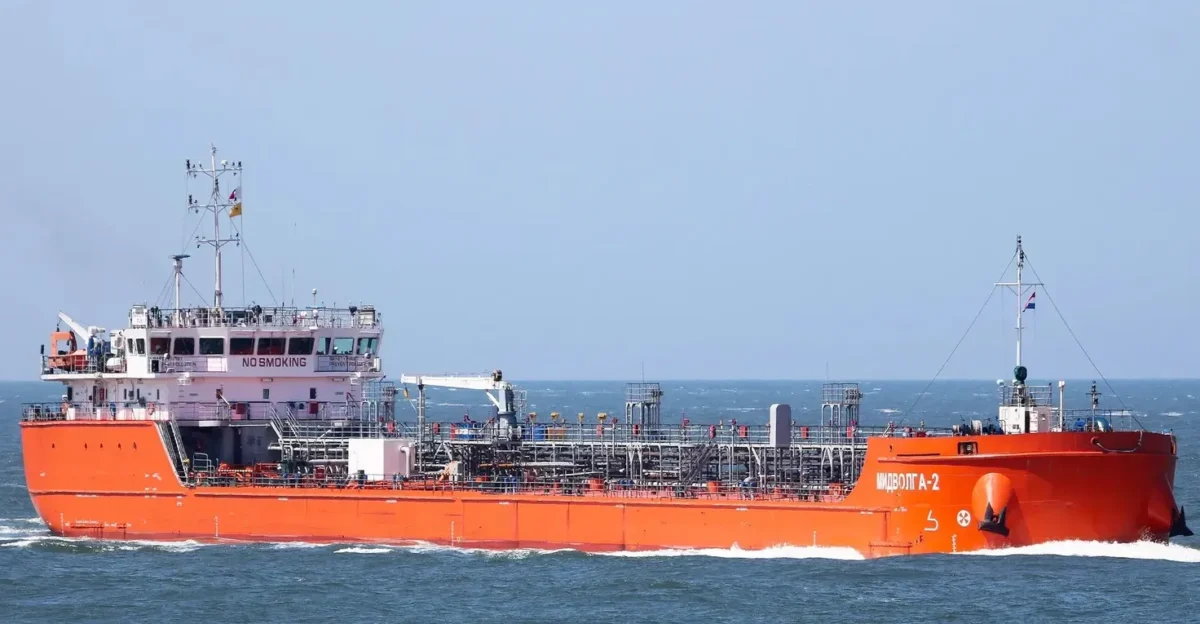
The intensity heightened on December 2, when the third Russian tanker, the Midvolga 2, reported a drone attack close to Turkish waters. Ukraine’s Security Service denied involvement and accused Russia of staging the attack. Turkish authorities, however, confirmed the incident, signaling a growing apprehension regarding maritime security.
Alarmed by the continuing assaults, President Recep Tayyip Erdoğan organized a meeting with ambassadors from both Ukraine and Russia to lodge formal complaints. He stated emphatically, “Targeting merchant ships and civilian vessels will not benefit anyone.” Despite these warnings, the threats escalated, extending well beyond the immediate conflict zone.
The Interception
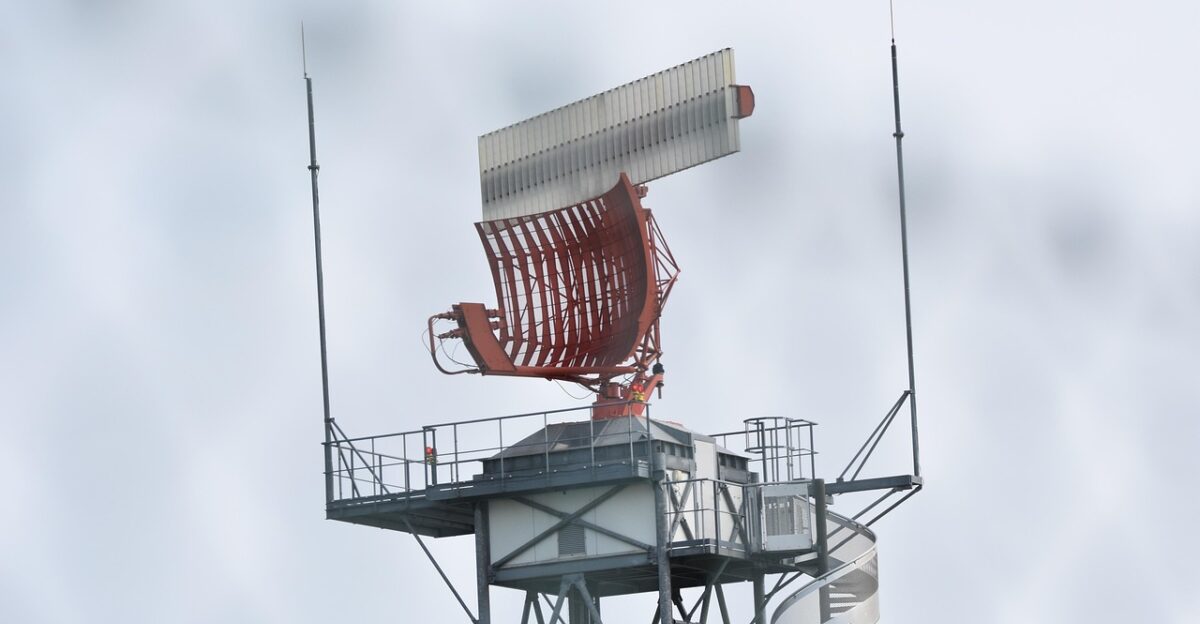
On December 15, at approximately 13:47 local time, Turkish radar personnel detected an unidentified object moving from the Black Sea towards the Kastamonu corridor. The object’s intermittent appearance suggested it was a small uncrewed aerial vehicle, likely operating at low altitudes.
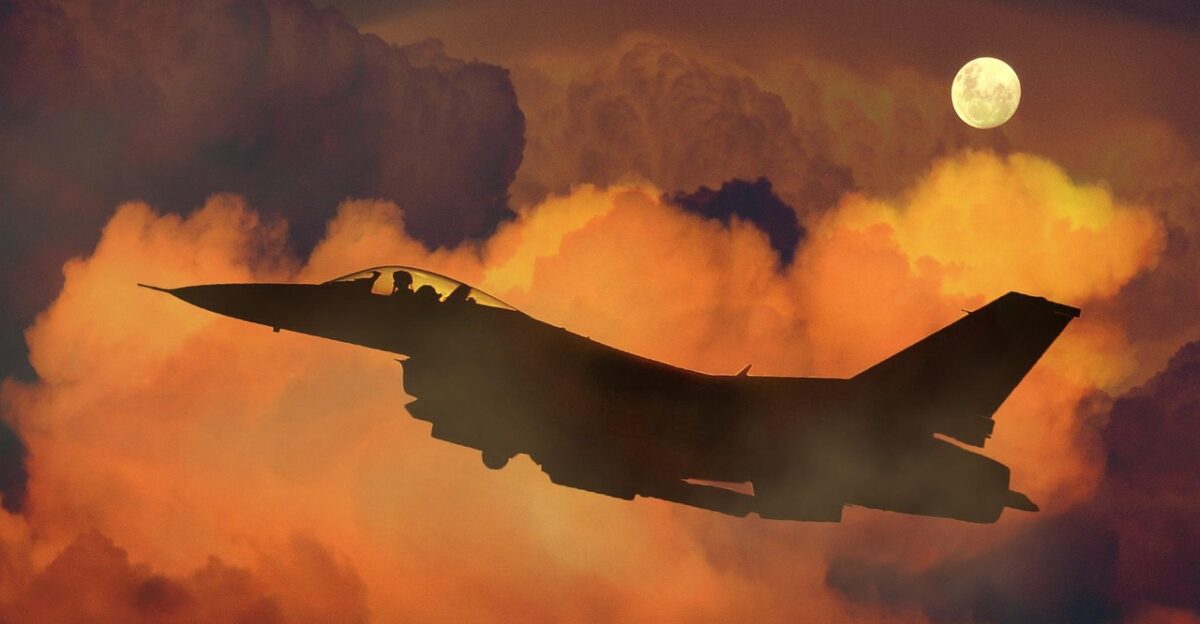
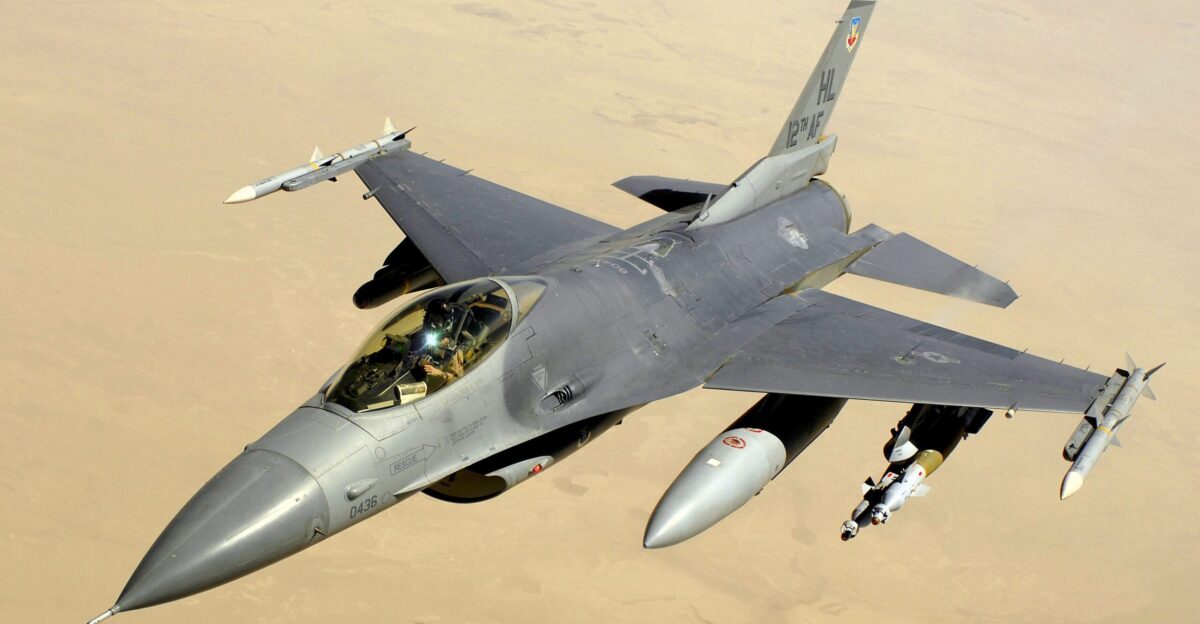
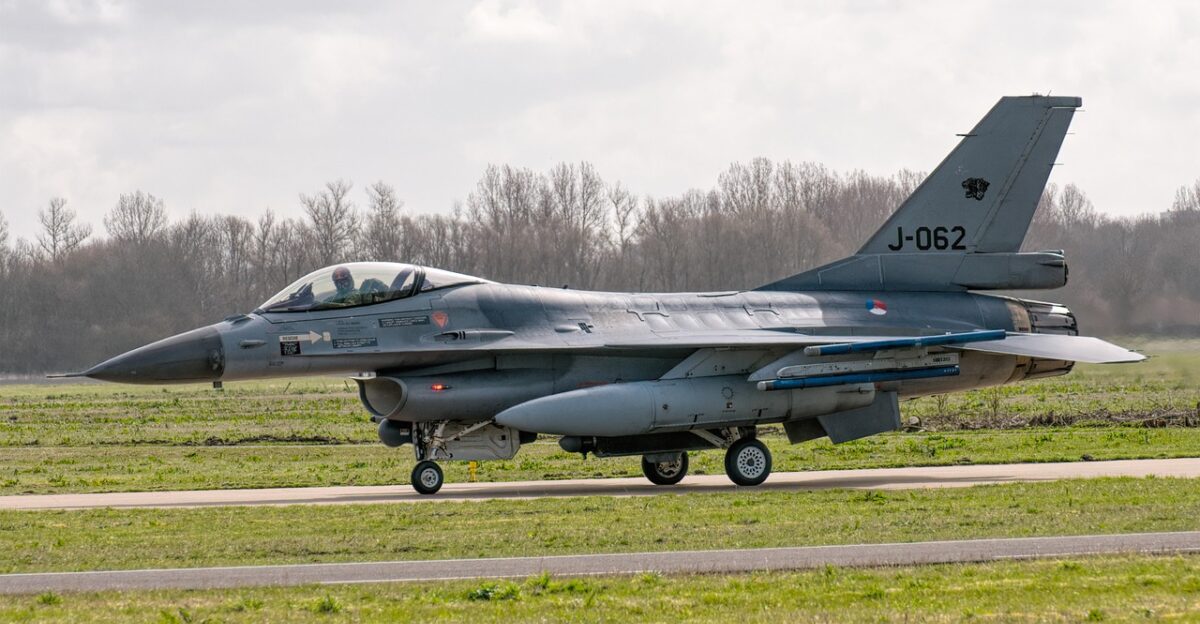
Following NATO’s Quick Reaction Alert protocol, the Turkish Ministry of National Defence deployed F-16 fighter jets on alert status. Once the drone demonstrated a complete loss of control, failing to execute evasive maneuvers and not responding to warnings, the military sanctioned live-fire interception. The F-16s successfully neutralized the drone at an altitude of 1500 meters near Çankırı, ensuring it fell outside populated areas.
Wreckage Scattered, Identity Unknown
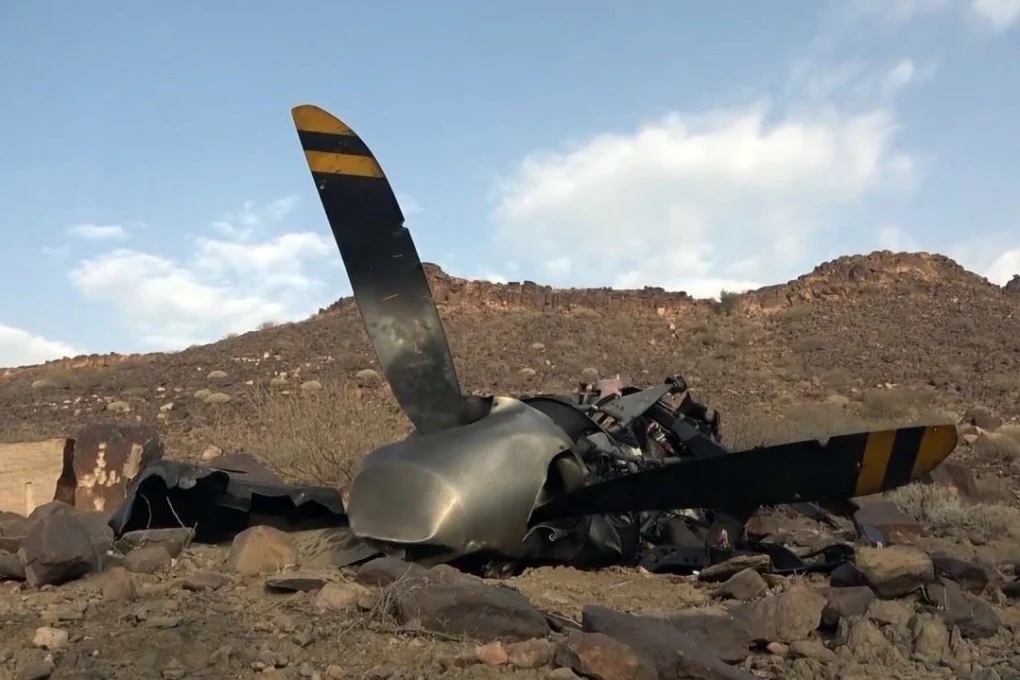
The intercepted UAV exploded upon being shot down, scattering its wreckage across a vast expanse. Recovery teams were unable to locate any singular piece large enough to determine its origin through airframe markings or serial numbers. Augmented analysis conducted on-site yielded inconclusive results, as the items lacked Ukrainian insignia, Russian army designations, or identifiers from third-party manufacturers.
Analysts speculate that the drone could either be standard-issue Russian equipment or a reconfigured model procured from Ukraine. The Turkish Defence Ministry remained cautious, withholding any conjecture from public statements, announcing, “We are waiting for verified findings,” leaving the drone’s identity shrouded in uncertainty.
NATO’s Vulnerable Ally
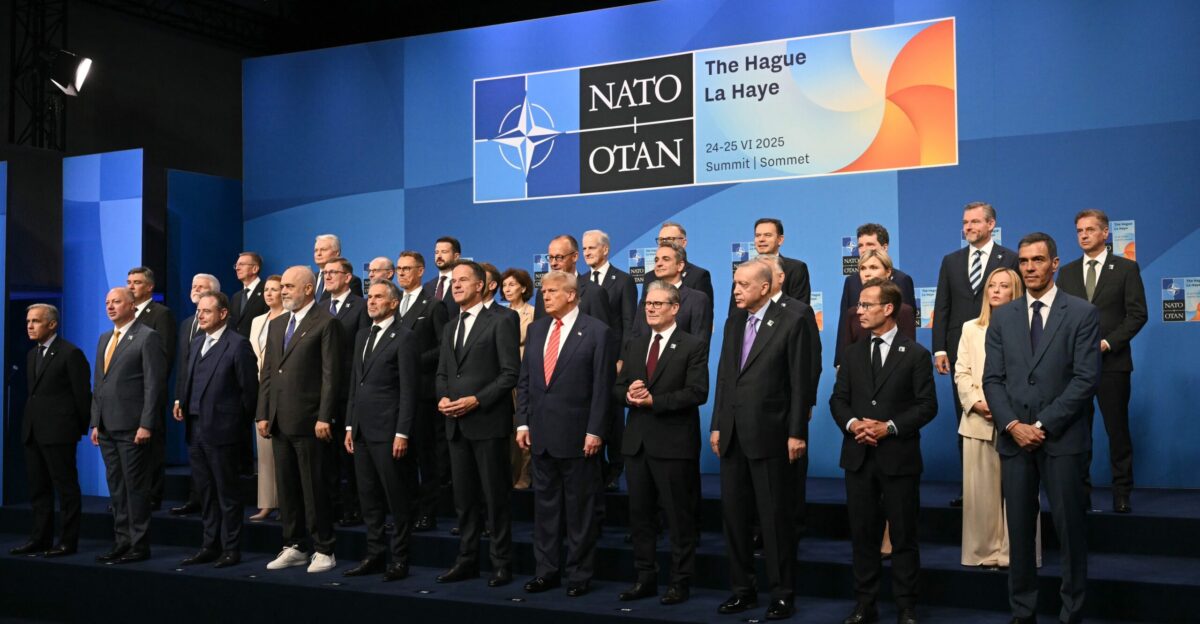
The interception and subsequent downing of the drone further complicate Turkey’s already tenuous position as a NATO member. While Ankara rapidly responded to the breach, defense analysts have raised concerns about the vulnerabilities exposed in Turkish airspace. Some have questioned the effectiveness of Turkey’s air defense systems amid increasing threats from the Black Sea region.
The Turkish government has countered these assertions, emphasizing that the successful interception demonstrated significant operational capability. As tensions escalate, the need for robust air defense measures becomes imperative to maintain national sovereignty and protect surrounding regions from potential incursions.
Erdoğan’s Diplomatic Gambit
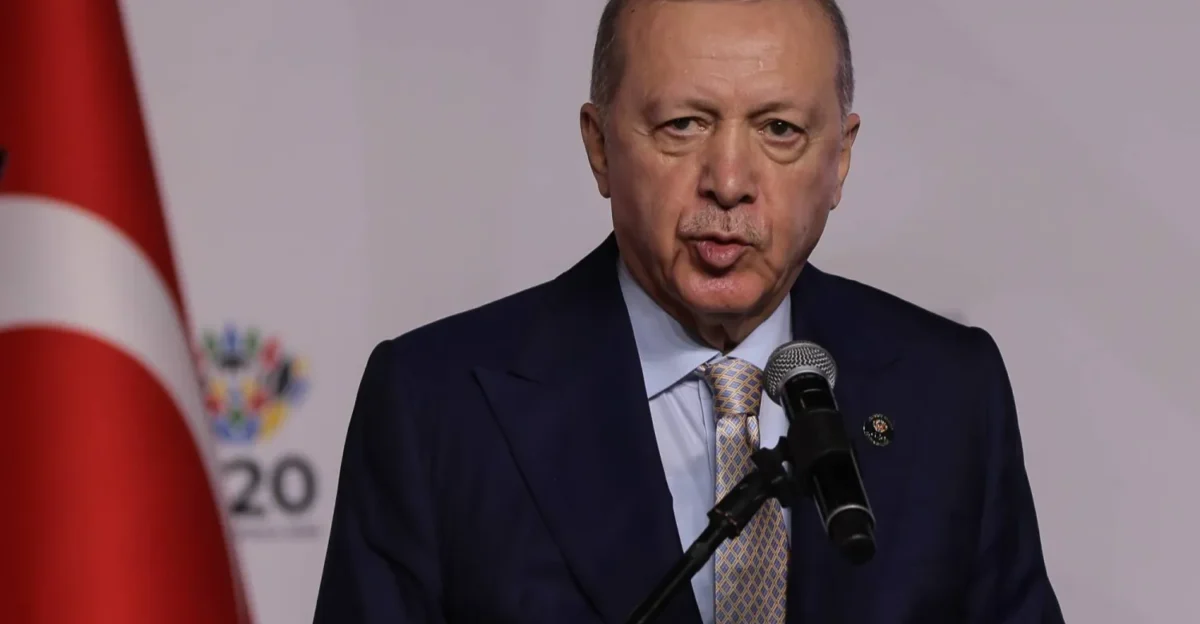
President Erdoğan’s response to the turmoil in the Black Sea signals a critical diplomatic maneuver in managing the escalating conflict between Russia and Ukraine. He emphasizes that the Black Sea should not transform into a “confrontation zone” amid rising tensions.
Turkey’s historical role as a custodian of the Montreux Convention highlights its strategic importance in regulating maritime traffic and ensuring security. Erdoğan’s diplomatic outreach aims to mediate between conflicting narratives while enhancing Turkey’s position as a pivotal player in both NATO and regional stability. This balancing act underscores the intricacies of Turkish foreign policy in a turbulent geopolitical landscape.
The Wider Spillover
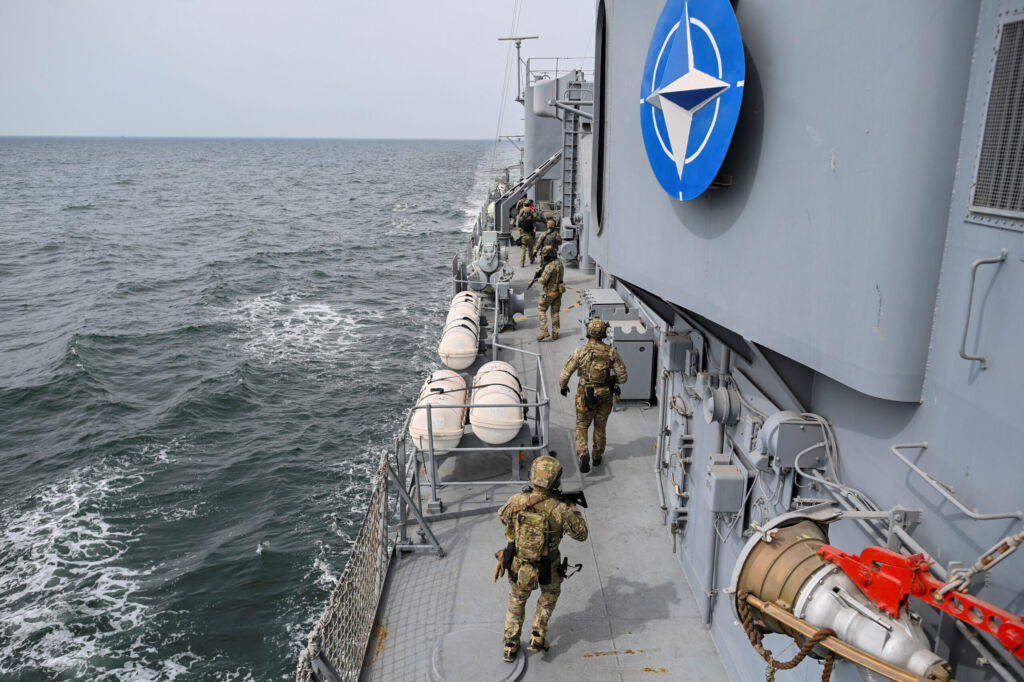
The repercussions of the ongoing conflict extend beyond direct military engagements as nations surrounding the Black Sea also experience heightened security concerns. Romanian authorities reported that they successfully neutralized a maritime drone in early December, illustrating the broadening implications of the war on regional safety.
Turkey has advised both Russia and Ukraine that provocations must cease to prevent further escalation, creating a ripple effect that could destabilize not only maritime routes but also airspace. As more incidents occur, the Black Sea has become an increasingly focal point for international security discussions and diplomatic interventions.
The December 18 Twist

On December 18, Turkish authorities discovered a crashed drone in Kocaeli, generating a new layer of intrigue amid the ongoing tensions. Initial assessments indicated that this specific drone was likely of Russian origin, stirring discussions regarding the drone warfare tactics employed by both sides. The finding sheds light on the complexities of the conflict, where advanced drone technologies are informing military strategies.
As investigations continue, the nature and implications of such drone deployments remain crucial to understanding the evolving dynamics of the regional power struggle. The investigation stands as a critical point of interest amidst the uncertain geopolitical landscape.
NATO’s Credibility Test
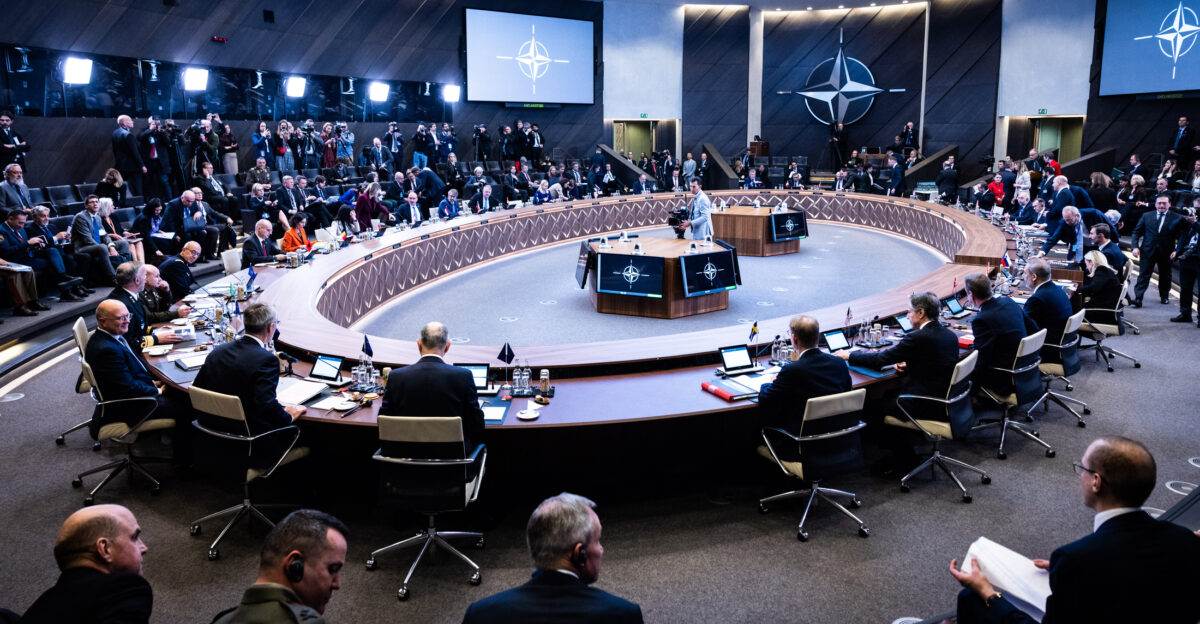
With rising tensions in the Black Sea and the downing of the unidentified drone, NATO’s credibility faces a vital examination. Member states, particularly Turkey, are under increasing pressure to demonstrate effective collective defense capabilities against unconventional threats. The alliance’s response to these emerging challenges could determine its future structural integrity and cohesion.
As nations debate the efficacy of military preparedness, there is a pressing need for NATO to comprehensively address airspace violations and maritime security. Balancing defense commitments with diplomatic engagement remains a fundamental test for NATO as it navigates this multifaceted geopolitical crisis.
Turkey’s Balancing Act Under Stress
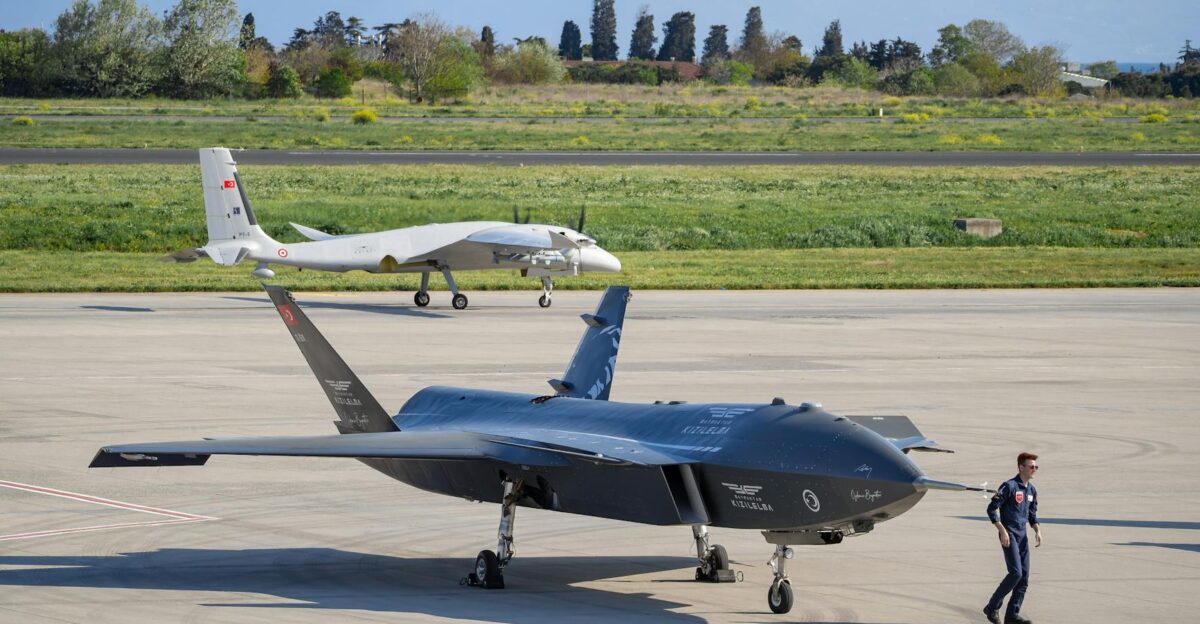
Turkey finds itself in a precarious balancing act as it seeks to navigate its complex relationships with both Russia and Ukraine amid rising tensions. Erdoğan’s administration is under increasing scrutiny for maintaining its strategic neutrality while also addressing the security needs of Turkey itself and its alliances.
This balancing act is further stressed as military incidents escalate, creating a dual challenge of responding to external threats while managing internal political dynamics. With such high stakes, Turkey’s foreign policy will play a crucial role in determining not just its national interests but also regional stability in an ever-shifting geopolitical landscape.
The F-35 Irony
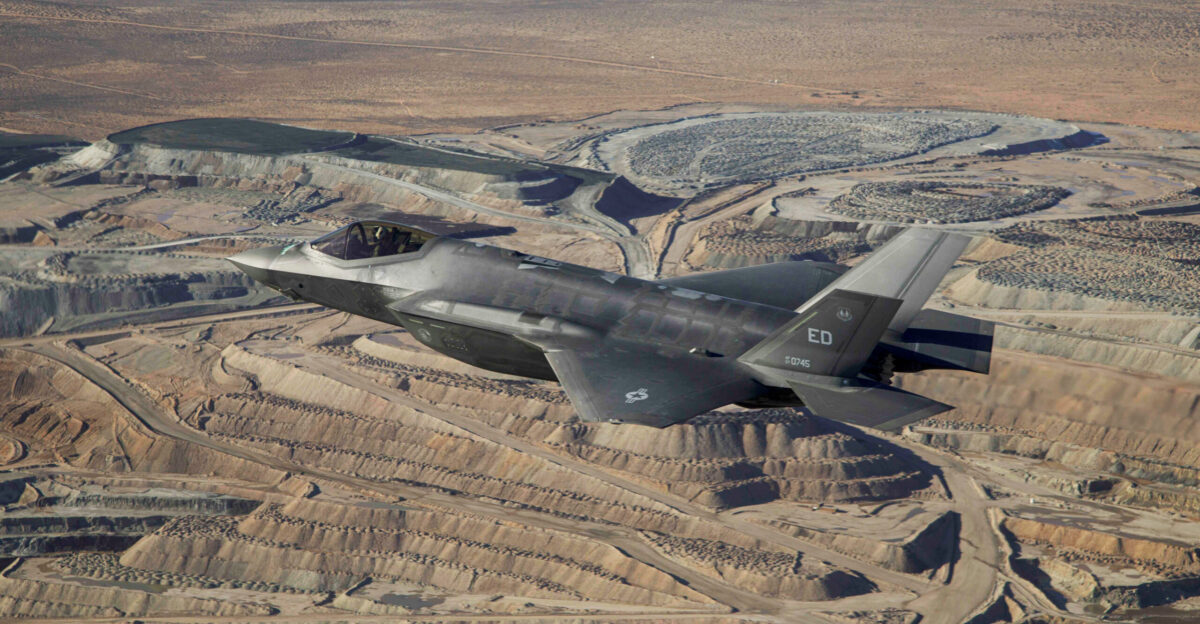
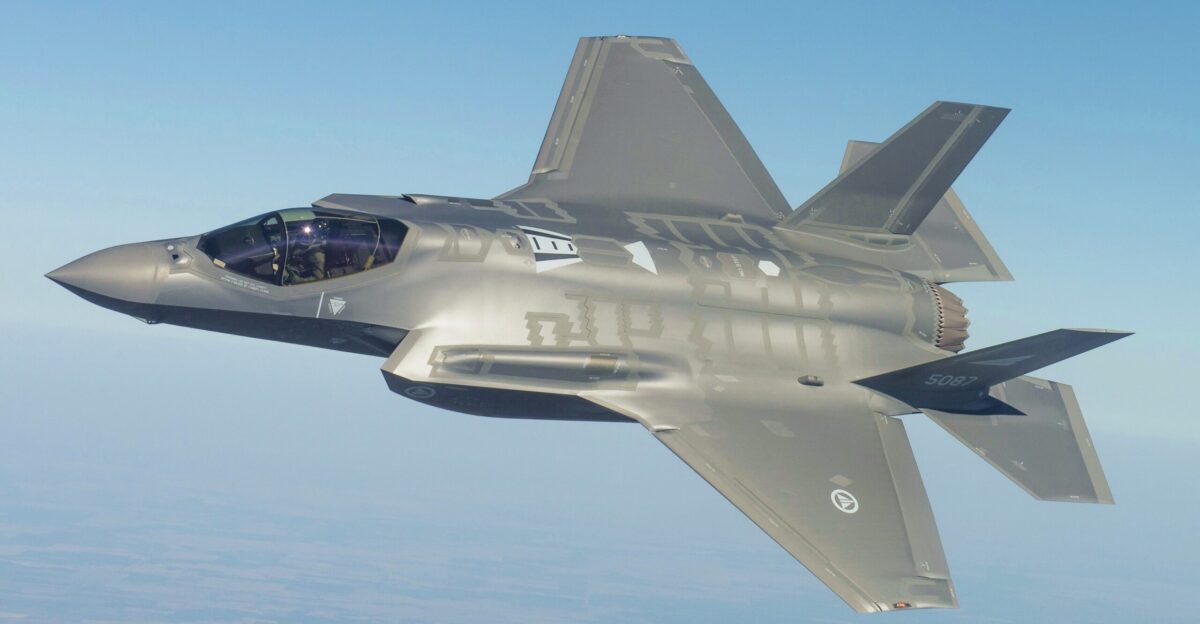
Amidst the turmoil, discussions surrounding Turkey’s potential re-entry into the F-35 program have resurfaced as an ironic subplot. Following years of tension between Turkey and the United States over Turkey’s acquisition of Russian S-400 missile systems, the new incidents underscore the urgency of upgrading Turkey’s military capabilities.
Erdoğan and U.S. officials have restarted talks about rejoining the F-35 program, igniting a debate over operational readiness and geopolitical alliances. This trajectory reminds observers that defense cooperation and the intricacies of military diplomacy are continually evolving, shaped by the demands of current conflicts and strategic partnerships.
Expert Skepticism on Slow Progress
As the conflict persists, experts express skepticism regarding the pace of significant progress in addressing strategic vulnerabilities in the Black Sea. Many argue that despite concerted efforts, responses have been reactive rather than proactive, undermining both deterrence and situational awareness.
Analysts have noted that both Ukraine and Turkey must enhance their operational capabilities to counter growing threats from the Russian military and associated proxies. The perception of slow progress raises questions about the overall strategy and execution of military and diplomatic initiatives in addressing the rapidly changing security landscape, urging for reevaluation and stronger coordination.
The Unsettled Question
In this climate of mounting tensions, a key question remains unsettled: How will the evolving dynamics in the Black Sea impact future relations among NATO allies, particularly with Turkey at a crossroads? With Erdoğan advocating for stability and restraint amid rising incidents, the path forward hinges on whether diplomatic solutions can be effectively orchestrated.
Each incident serves as a reminder of the fragile balance that exists and the pressing need for both military readiness and diplomatic engagement. The complexity of the situation requires constant vigilance and strategic foresight to avert a more profound crisis that could lead to broader regional instability.
Sources:
Associated Press, Ukraine’s Sea Baby drones hit Russian oil tankers in Black Sea
Euronews, Turkey warns Russia and Ukraine over downed drones in Black Sea
Hürriyet Daily News, Maritime security in Black Sea under serious threat: Erdoğan
Reuters, Ukraine disables ‘shadow fleet’ vessel with sea drones in Black Sea
The Moscow Times, Sanctioned Oil Tankers Hit by Blasts, Fire En Route to Russia
Turkish Ministry of National Defence, Official statement on F-16 drone interception