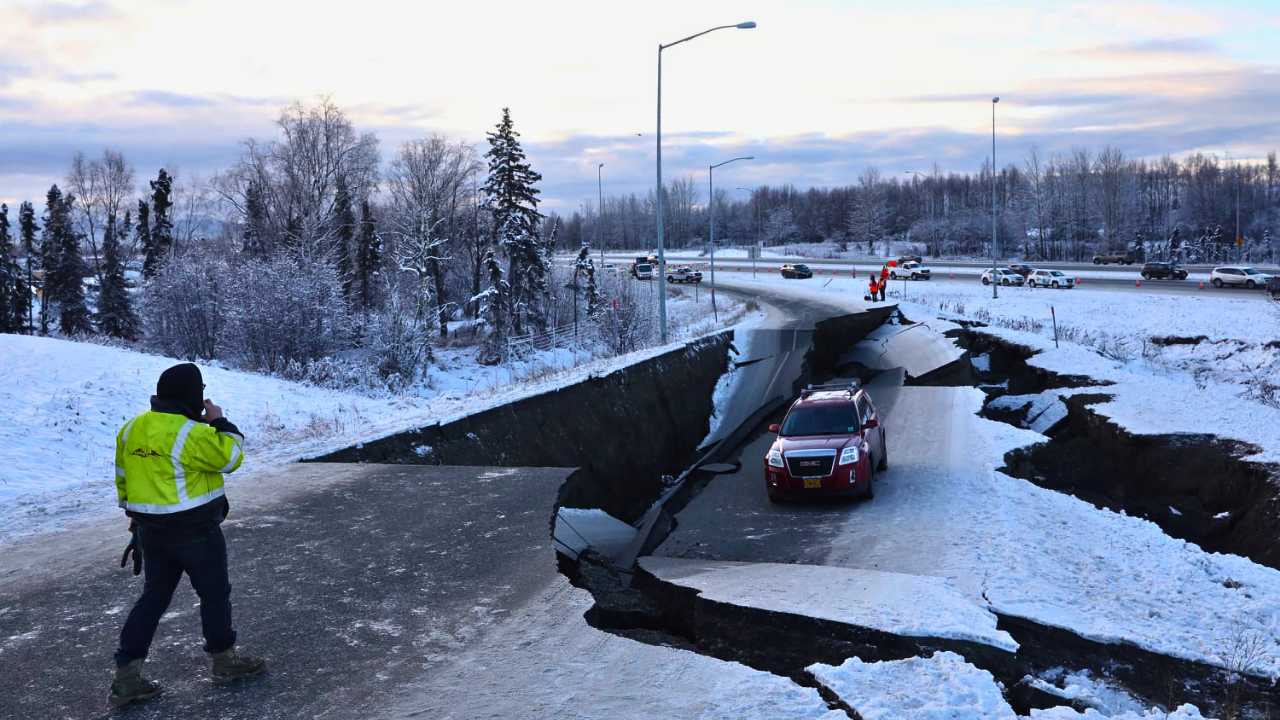
Right now, December 11, millions of Japanese residents are living under an active megaquake alert that won’t expire until December 16. Aftershocks keep coming—25 earthquakes in three days, the latest a magnitude 5.7 that rattled the coast yesterday.
This isn’t some distant threat officials are monitoring. Helicopters are flying damage assessments. Emergency shelters are full. Municipalities are checking communication systems daily. The waiting is the hardest part.
When the Rarest Warning Arrives
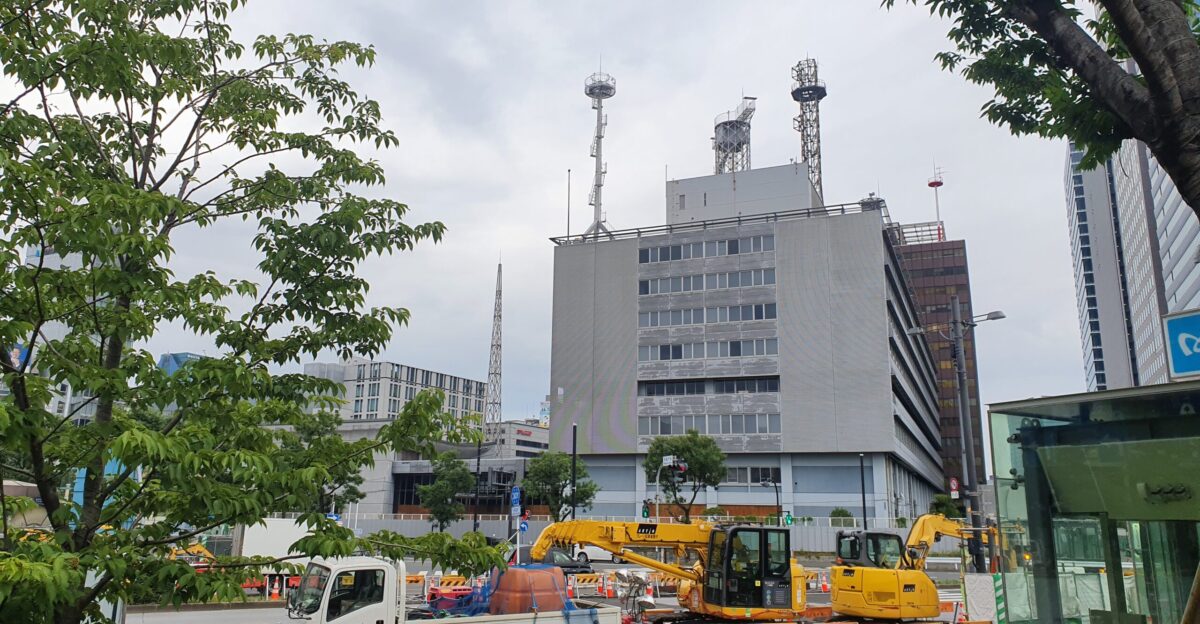
The Japan Meteorological Agency issued something extraordinarily rare: a megaquake advisory. Only the second time in three years. Not a routine alert, but an official warning that a magnitude 8.0 or higher earthquake has roughly a 1 percent chance of striking within a week.
That sounds small until you understand what seismic experts know—it’s 100 times the normal background risk. The agency’s message was stark: “Everyone should take precautions to protect their own lives.”
The Zone of Uncertainty
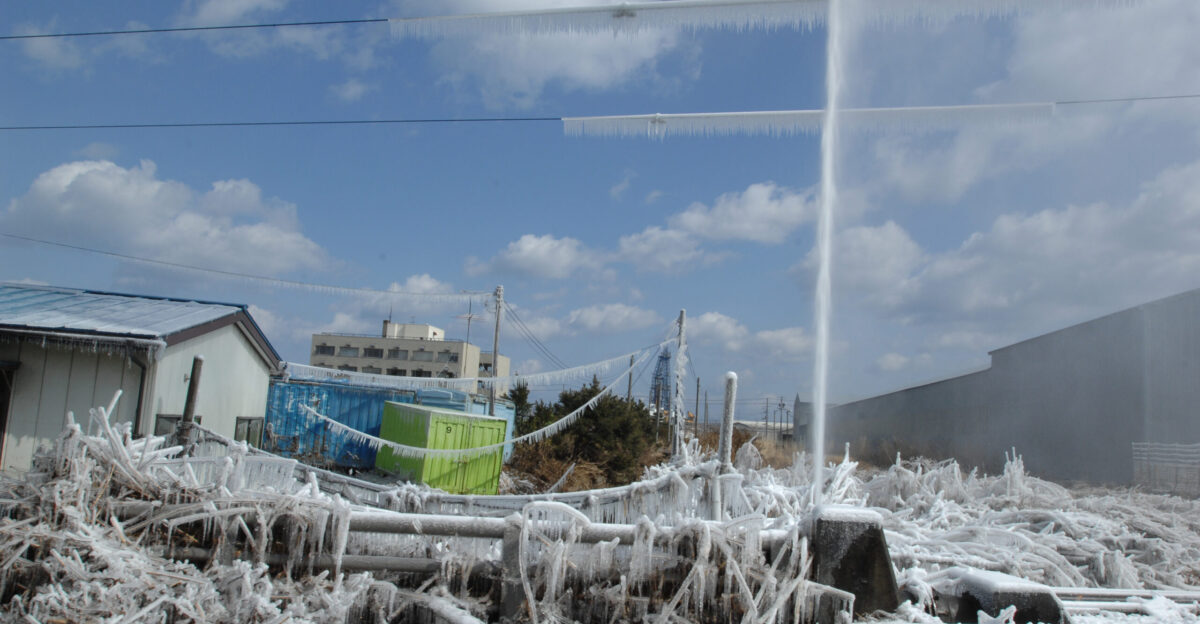
The warning covers 182 municipalities stretching 500 miles along Japan’s northeastern coast, from Hokkaido’s northernmost towns to Chiba prefecture, just east of Tokyo. In evacuation centers across the region, school staff described neighbors arriving in a state of shock. A convenience store owner told Japanese TV he had never experienced such intense shaking.
These aren’t abstract statistics. These are families packing emergency bags, communities pulling together, waiting for something they hope never comes.
The Magnitude 7.6 That Changed Everything
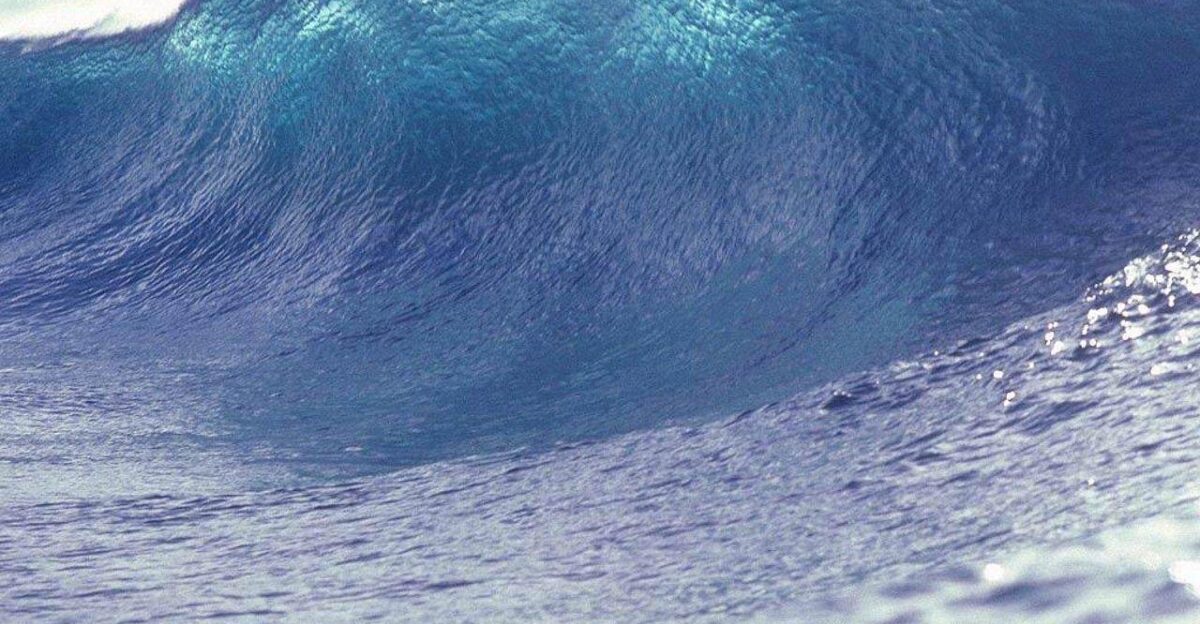
It all began on December 8 at 11:15 p.m. when a magnitude 7.6 earthquake struck 50 miles off the coast. An NHK reporter in Hokkaido described 30 seconds of violent horizontal shaking so intense that he was unable to stand. Tsunami waves reached 28 inches.
What alarmed seismologists wasn’t just the quake itself—it was the pattern it triggered. They recognized something ominous from earthquake history: the foreshock sequence.
The 2019 Lesson California Taught Scientists
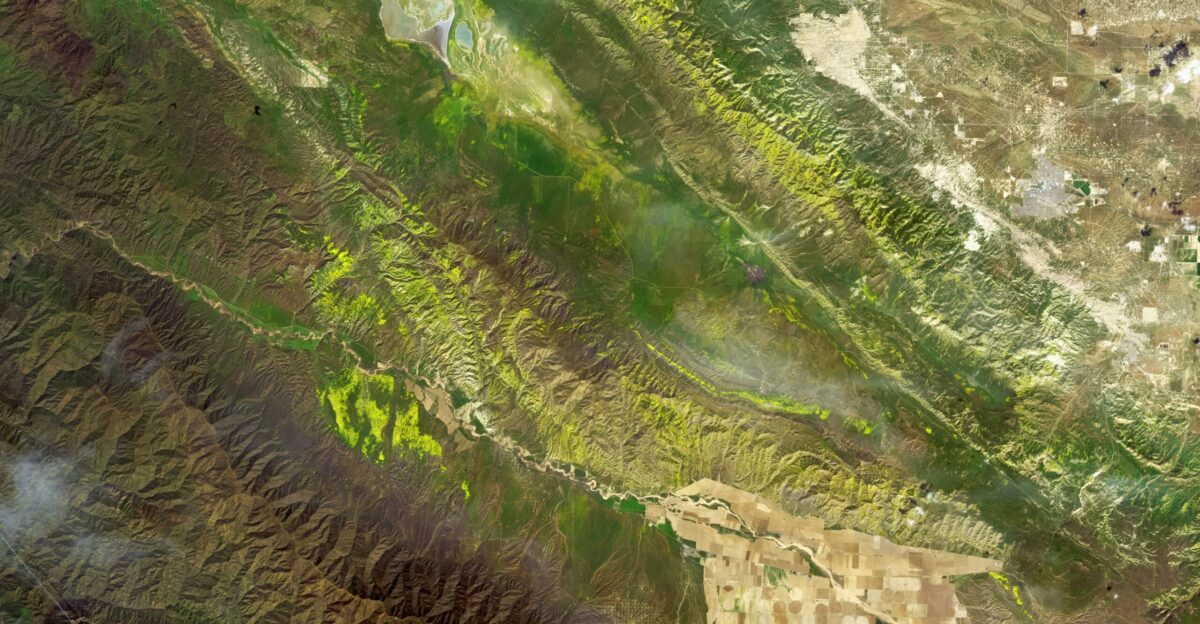
In 2019, California taught scientists a hard lesson. On July 4, a magnitude 6.4 earthquake struck near Ridgecrest. Residents thought it was over. Twenty-four hours later, a magnitude 7.1 earthquake—the strongest to hit Southern California in 20 years—ruptured the same fault zone.
That initial 6.4 was reclassified as a foreshock. Research shows that about 5 percent of the time, a large earthquake is followed by an even larger one within days. Japan knows this history.
The Numbers That Shift Risk
After December 8, Japan’s seismic odds spiked. Seismologists warned that the likelihood of another large quake in the region had clearly risen above normal background levels, enough to justify stronger public preparedness messaging.
Seismic experts weren’t predicting it would happen. They were saying the odds had shifted enough that millions needed to know and prepare. The difference matters.
A Winter Emergency Unfolds
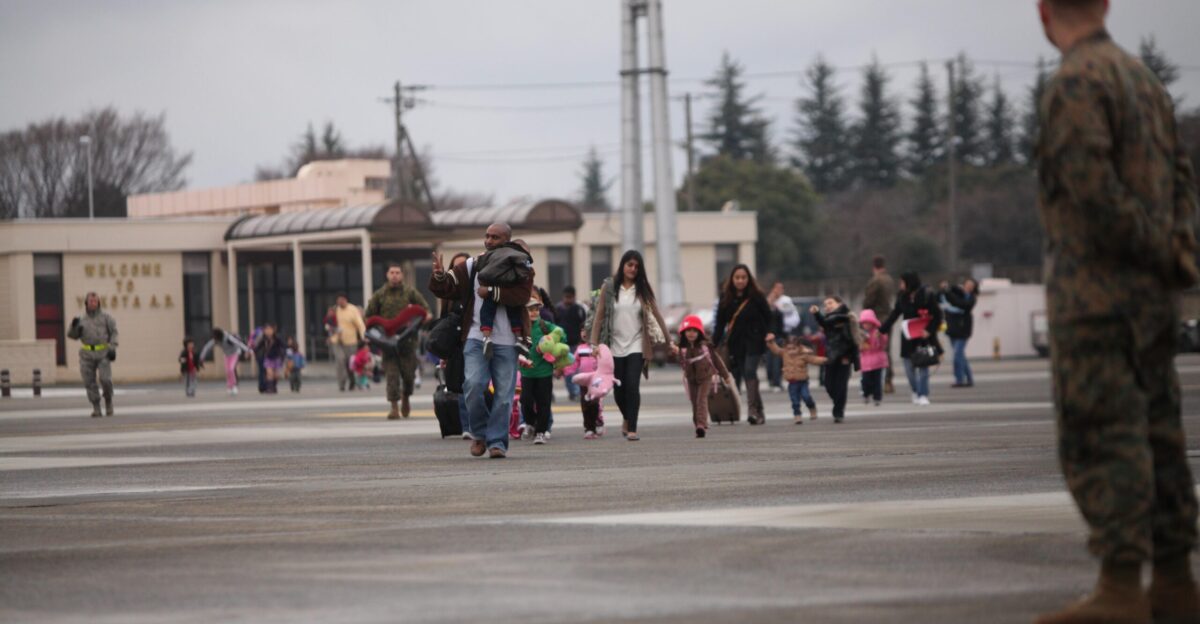
The December 8 quake injured at least several dozen people, according to early reports. About 90,000 residents evacuated. Approximately 480 were sheltered at a military air base. Around 200 train passengers were stranded overnight. However, the timing made everything worse—winter arrived with freezing temperatures and widespread power outages.
Families evacuating in cold darkness faced physical and psychological strain compounded by fear that something larger might follow.
Infrastructure Fractured, Safety Systems Compromised
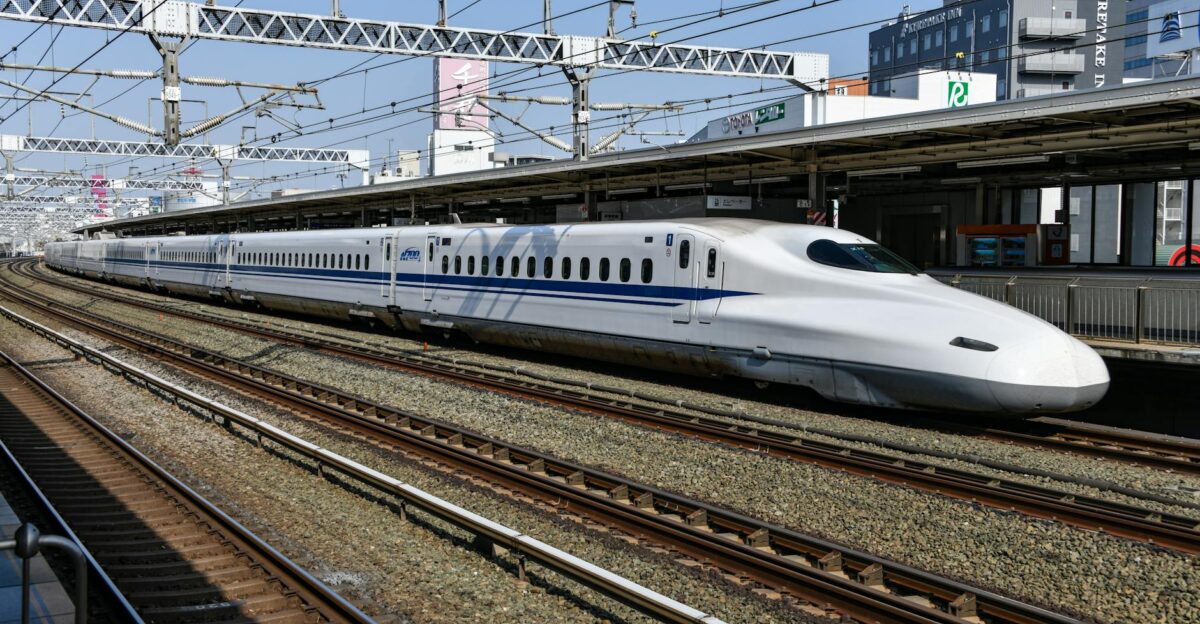
The quake also fractured the region’s safety infrastructure. Roads collapsed. The Shinkansen bullet train stopped. Power outages extended across populated areas. Communications systems were damaged. The standard systems people rely on for safety didn’t exist.
Prime Minister Sanae Takaichi’s message was blunt: be ready to evacuate immediately if shaking begins. The region’s resilience depended entirely on how quickly residents could respond.
Alaska’s Magnitude 7.0 Shakes Quietly
But the story didn’t begin on December 8. Two days earlier—December 6 at 11:41 a.m.—a magnitude 7.0 earthquake struck Alaska near Yakutat, roughly 230 miles from Juneau. The remote location prevented injuries and significant damage.
Then came something startling: 164 aftershocks within 24 hours, the largest at magnitude 5.8. Seismologists immediately recognized what they were seeing.
The Timing That Unsettles
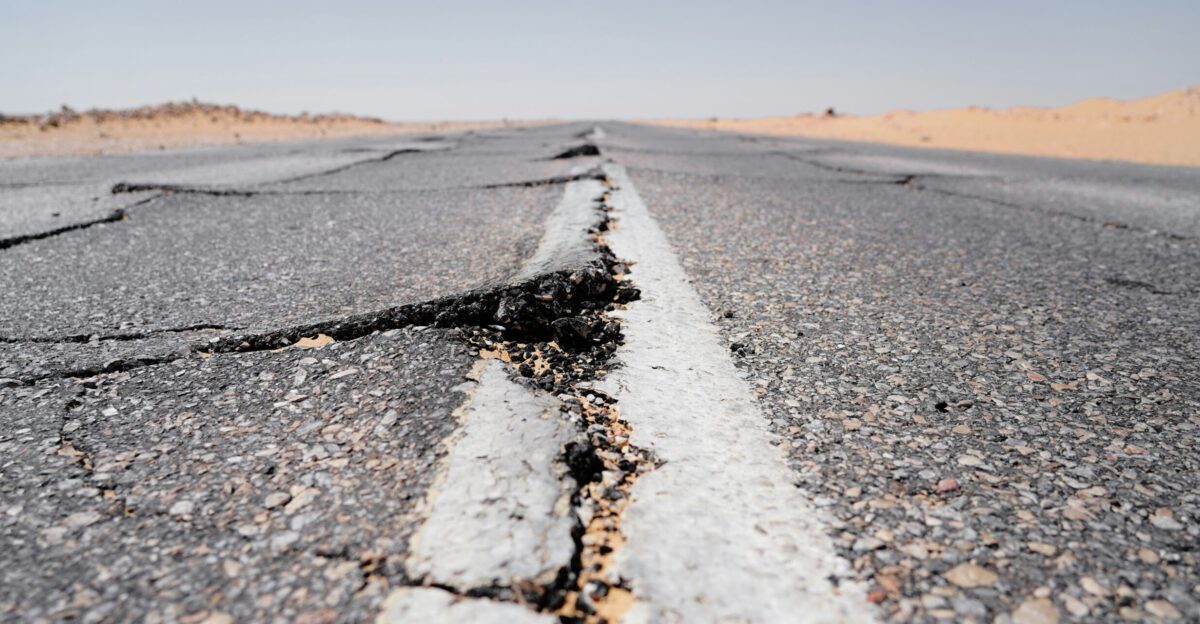
Two massive earthquakes. Forty-eight hours apart. Two vigorous aftershock sequences. Two regions on high alert. The timing felt too close, the pattern too similar. Scientists emphasize it’s almost certainly a coincidence—the USGS notes that about 15 to 16 major earthquakes (magnitude 7.0 or higher) occur annually worldwide since 1900.
So two within 48 hours, while dramatic, falls within normal statistical probability. Yet the public senses something bigger.
Where Earthquakes Are Born
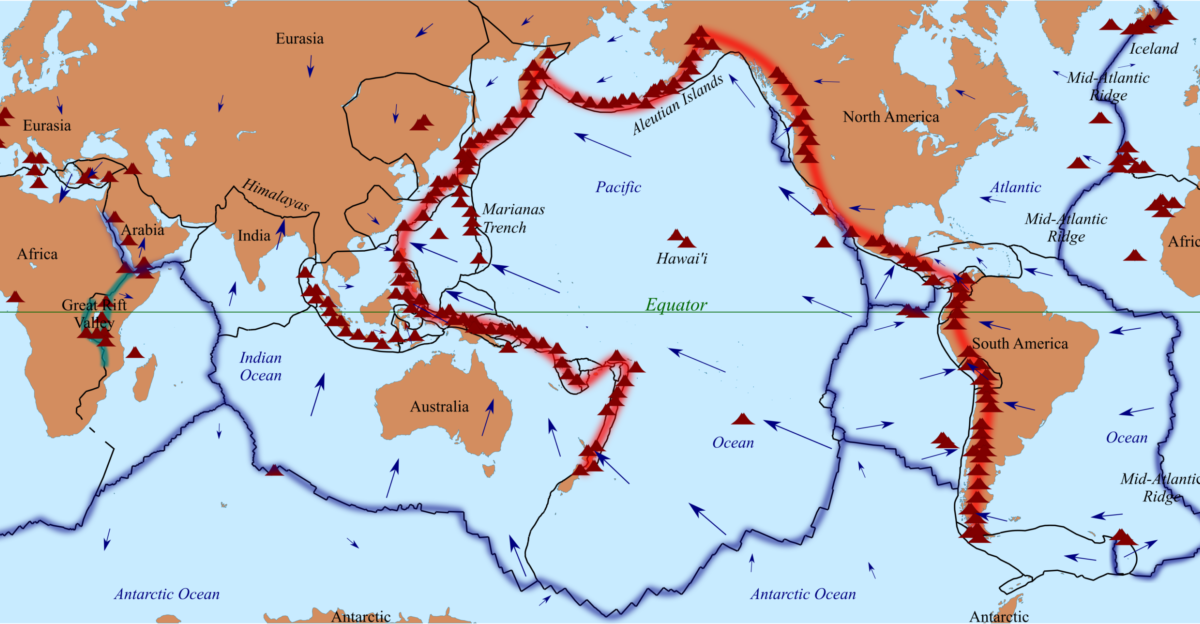
Both earthquakes occurred along the same geological boundary: the Pacific Ring of Fire. This horseshoe-shaped zone encircling the Pacific Ocean is where 90 percent of the world’s earthquakes happen, and 81 percent of the largest ones strike.
The Ring stretches from the South Pacific islands through Japan, down the Aleutian Islands, along both American coasts, and back again. It contains 452 volcanoes—75 percent of the world’s active volcanoes.
America’s Looming Threat
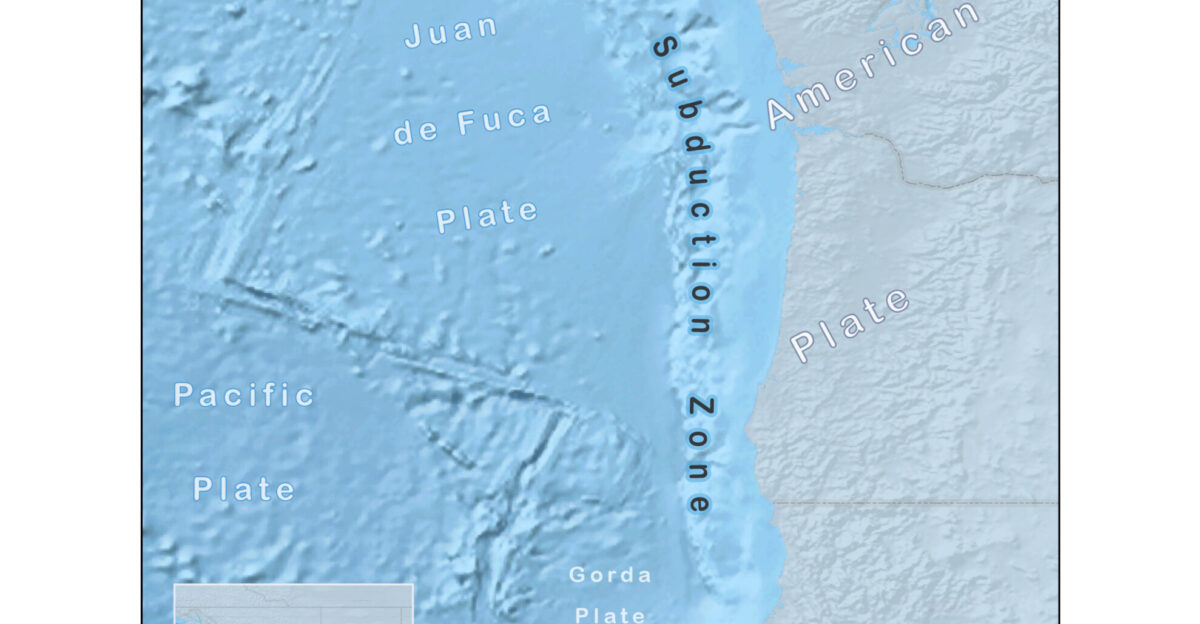
While Japan evacuates, seismologists across North America are monitoring another threat: the Cascadia Subduction Zone, which stretches 700 miles from Northern California through Oregon, Washington, and into Canada. Scientists calculate a 37% probability of a megathrust earthquake of magnitude 7.1 or greater occurring within the next 50 years.
The last major rupture occurred on January 26, 1700—over 325 years ago. Geological evidence indicates that these earthquakes typically recur every 400 to 600 years. Cascadia is approaching its window.
The Hidden Risk Most Americans Ignore
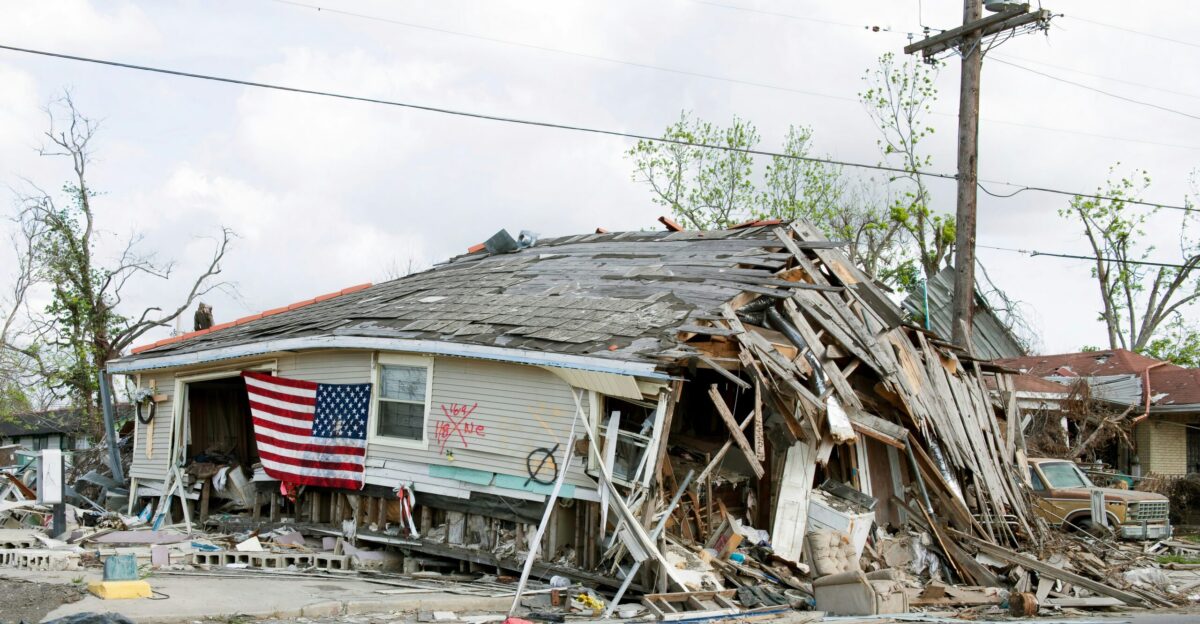
Large swaths of the United States are subject to some level of earthquake hazard, including many regions far from the West Coast. Dozens of states have recorded damaging earthquakes over the past two centuries, and researchers continue to identify additional faults that were previously unmapped.
Yet most Americans believe earthquakes are only a West Coast problem. The USGS maps reveal risk in surprising places: Washington, D.C., Philadelphia, New York, Salt Lake City, and Memphis. The danger is closer than most realize.
The Catastrophe That Waits
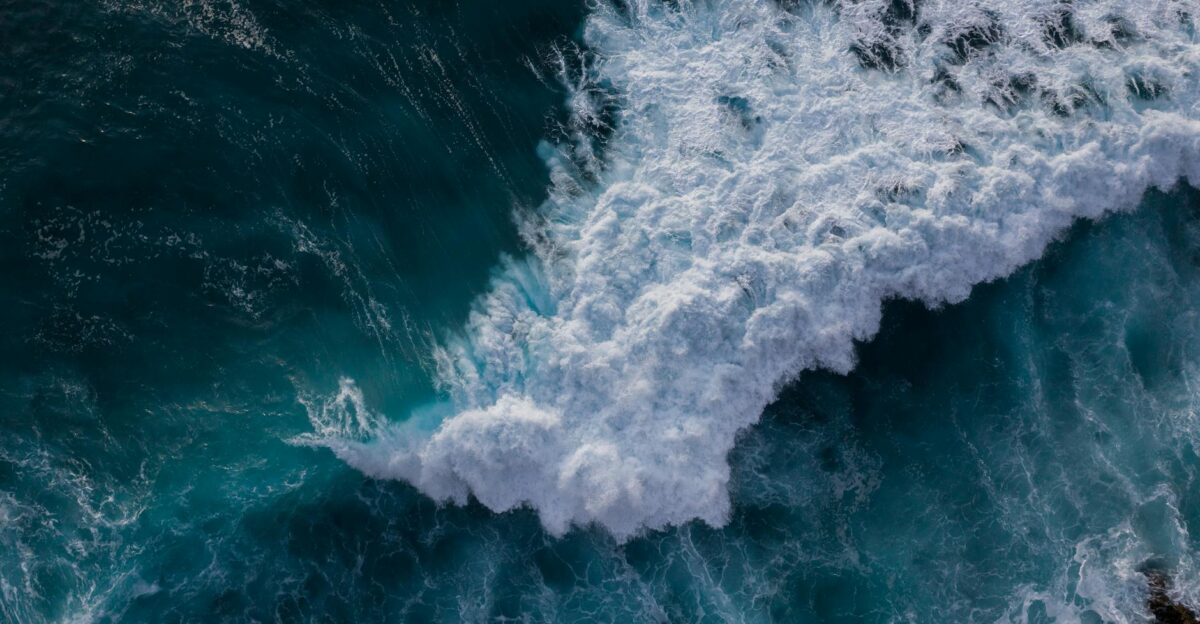
If Cascadia were to rupture, scientists paint a catastrophic picture. Tsunami waves could reach 80 to 100 feet along the Pacific coast. Coastal land could drop several feet in a major Cascadia rupture, as evidence from the 1700 event shows subsidence on the order of about one to two meters in some areas.
Intense shaking would radiate inland from California through Canada. If that happened today with millions living on coasts, the death toll and economic damage would be unprecedented. Recovery could take decades.
The Unpredictable Reality We Must Accept

The uncomfortable truth is that, despite decades of research and billions of dollars spent on monitoring, no one can reliably predict when major earthquakes will strike. Scientists map faults, assess their history, and calculate probabilities, but predicting the exact timing remains impossible.
The USGS states it plainly: “No one can predict earthquakes.” Yet the evidence is clear: Cascadia will rupture. Japan’s plates will shift. Alaska will shake again. The Ring of Fire never sleeps. The question isn’t if catastrophic earthquakes happen, but when and whether we’re ready.
Sources:
Japan issues mega-quake advisory after M7.5 tremor | NHK WORLD-JAPAN
Earthquake Advisory: Japan Government Agency Warns Residents of Increased Likelihood of Major Tremor in the North | Japan Meteorological Agency via Nippon.com
Japan warns of possible megaquake after powerful earthquake, raising fears of potential 98-foot tsunami | CBS News
Magnitude 7 earthquake strikes Yakutat, Alaska region, USGS says | Reuters