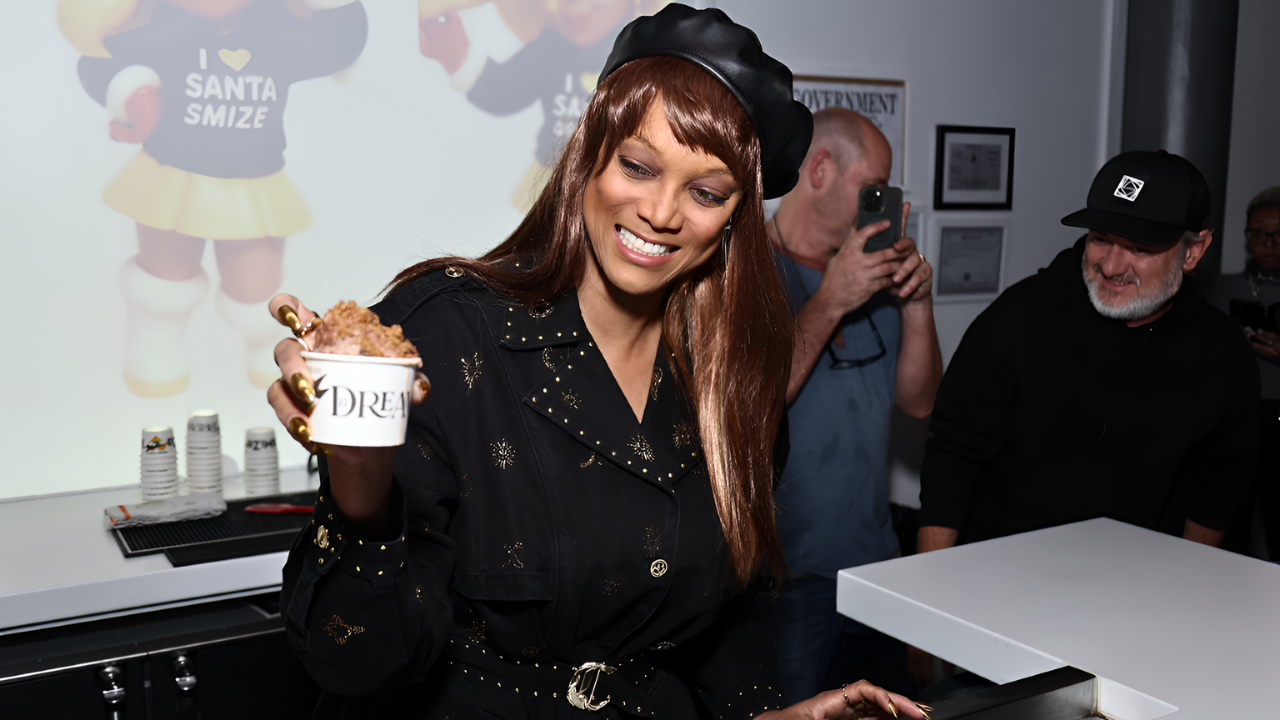
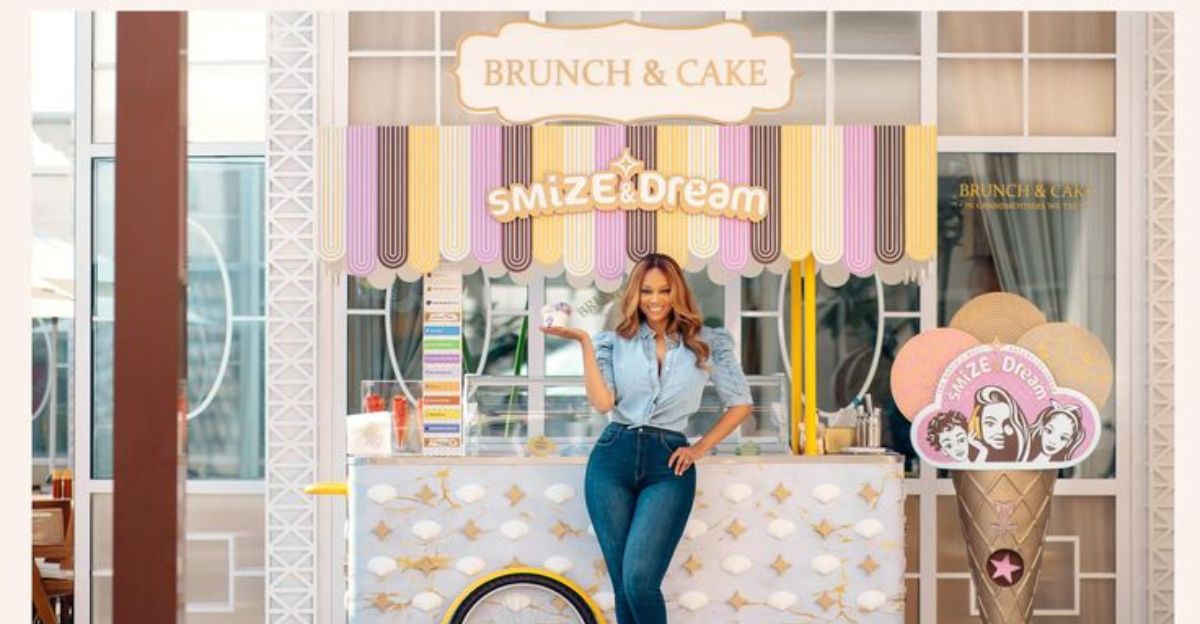
In March 2024, supermodel Tyra Banks pitched a transformative vision to Washington, D.C., landlord Christopher Powell: an Eastern Market storefront for Smize & Dream, her ice cream venture blending treats with youth education in science, sales, and hospitality. Powell, an experienced entrepreneur, committed to the partnership, signing a ten-year lease—only for Banks and her team to abandon the space two months later, sparking a $2.8 million federal lawsuit over broken promises and mounting losses.
Supermodel Meets Entrepreneur
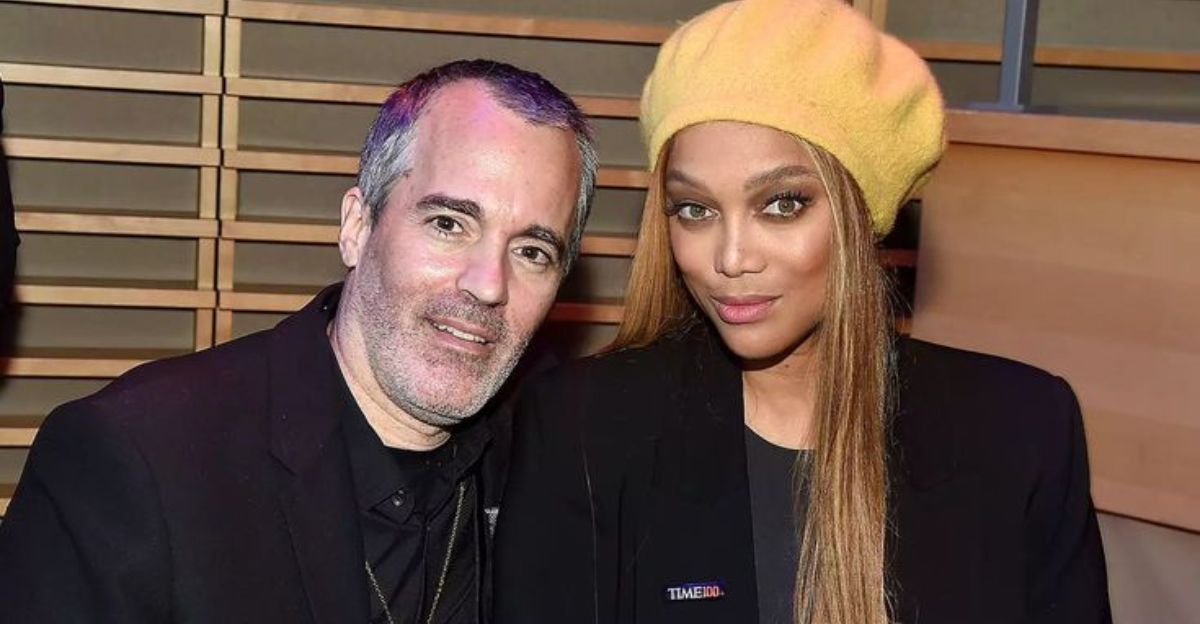
Banks arrived energized, framing the D.C. site as a flagship for a global nonprofit initiative. Powell saw genuine potential in her plan to empower local youth through hands-on business training. They agreed on terms verbally, and by April 2024, Louis Bélanger-Martin, CFO of School of Smize LLC, signed the lease for the building’s lower floors, which boasted exposed brick and abundant natural light. Banks personally approved the location. Powell moved forward with buildout designs, envisioning community impact.
The Lease Takes Shape

Renovations progressed through early summer. Banks and Martin held regular discussions on timelines and details, including a planned July job fair to hire young staff. Eastern Market residents anticipated a local launch that could spark broader replication worldwide. Powell invested time and resources, coordinating with architects and preparing for an opening that would serve both ice cream and educational programs.
Sudden Abandonment
In mid-June 2024, communication ceased without warning. Emails went unanswered, rent payments stopped, and the team vacated the premises. Powell was left with an empty building and a binding ten-year agreement. Three months later, in September, Banks’ legal team cited structural issues—claiming Powell had promised the full four-story property but provided only lower levels, plus $980,000 in needed repairs for mechanical, electrical, and plumbing systems.
Disputed Claims and Timeline Gaps
Powell’s lawsuit counters that no deficiencies were raised during pre-lease inspections or walkthroughs. Why, he asks, did the team sign without objection, then proceed with renovations? The suit alleges the issues were fabricated post-abandonment to justify the exit.
Business Expands Elsewhere
Sydney’s launch highlighted the venture’s potential. By September 2025, Banks introduced hot ice cream—a warm dairy dessert with toppings, tackling seasonal sales dips. Media outlets covered the innovation, and social buzz grew. She followed with Santa Smize, a holiday campaign featuring a jingle and Southern-accented promotions. Meanwhile, Banks launched a D.C. pop-up after leaving Powell’s building, opting for a short-term presence without long-term commitment.
Lawsuit Escalates

In October 2024, Powell sued in U.S. District Court for the District of Columbia, naming Banks, Martin, and School of Smize LLC. The complaint seeks $2,831,331 for lost lease value, interest, and costs, alleging breach of contract and bad-faith post-exit letters inventing property flaws. In November 2025, Banks’ attorney Steven Willner moved to dismiss, citing lack of jurisdiction and insufficient claims. Judge Amy Berman Jackson gave Powell until December 16, 2025, to respond—a pivotal hurdle before merits are addressed.
Human and Community Toll
Powell, a local investor who trusted Banks’ authenticity, now faces a resource mismatch in court. Eastern Market lost a promised hub for youth development, leaving 7th Street SE with a vacant space and unfulfilled hopes for neighborhood growth.
The case tests vision against accountability. Banks’ global success underscores Smize & Dream’s promise, but D.C.’s fallout raises questions about execution and reliability. Resolution could clarify obligations in high-profile partnerships, balancing innovation with commitments to local stakeholders.
Sources:
Tyra Banks Hit With Lawsuit Due To Lease Disagreement – Black Enterprise
Tyra Banks, “hot ice cream” and a D.C. lawsuit – Axios
Tyra Banks, ‘Hot Ice Cream’ and a nearly $3 million lawsuit over rent – The Washington Post