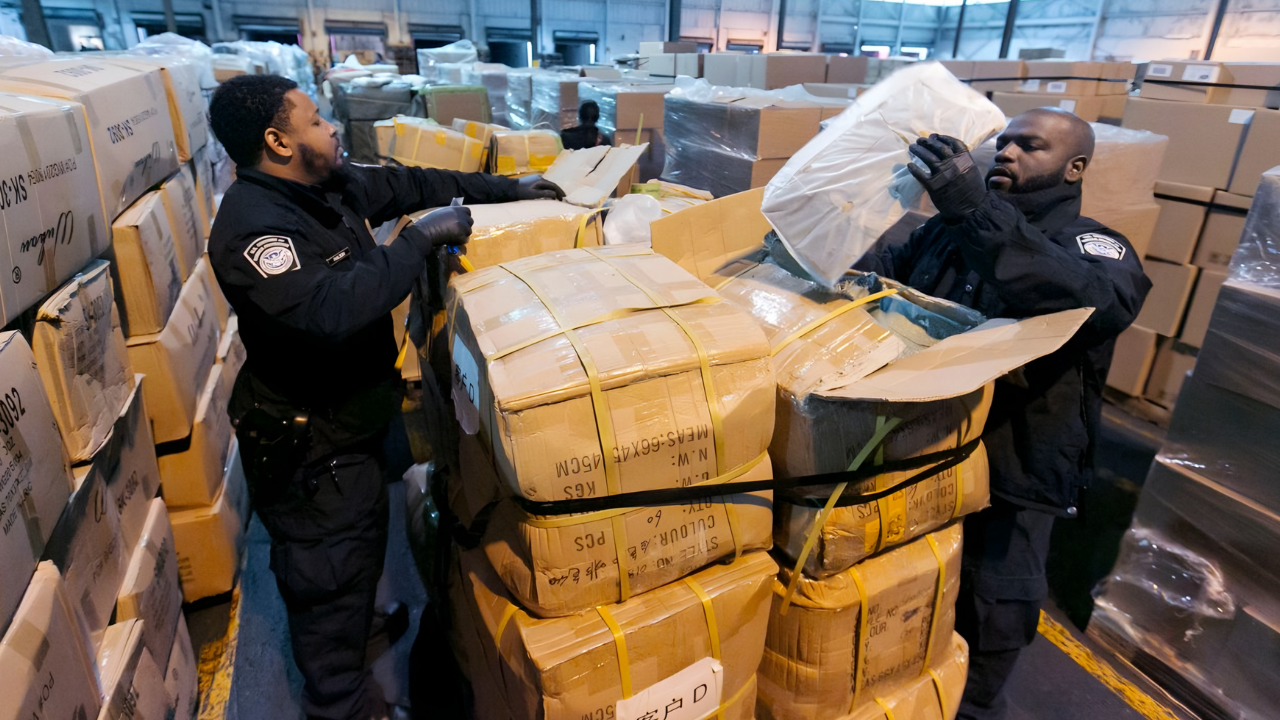
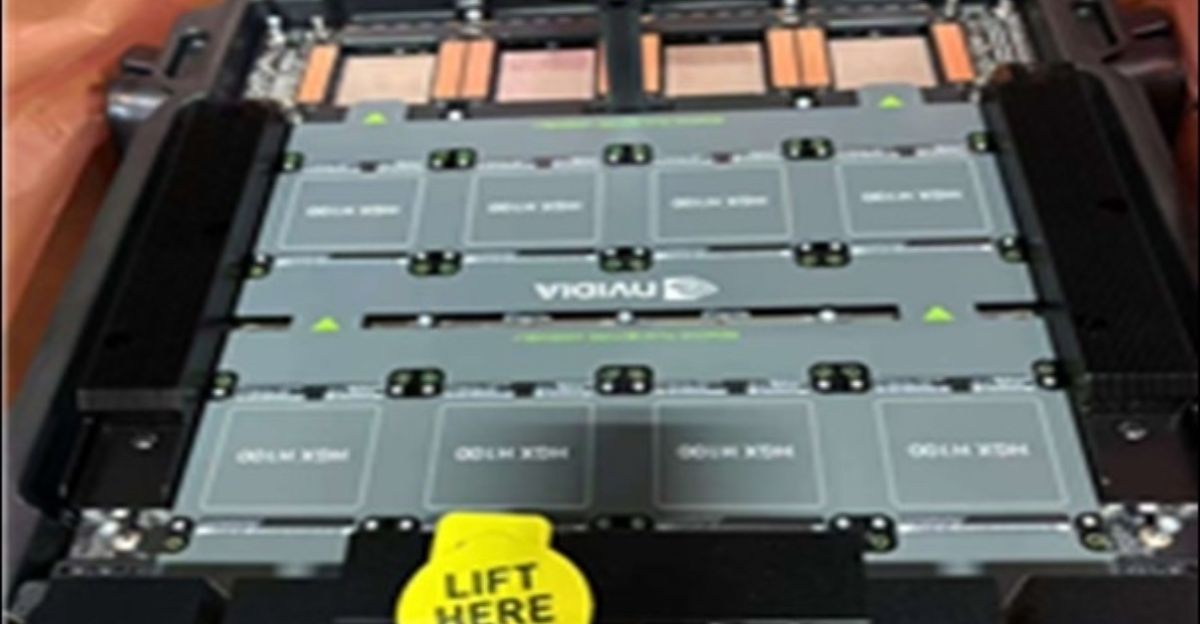
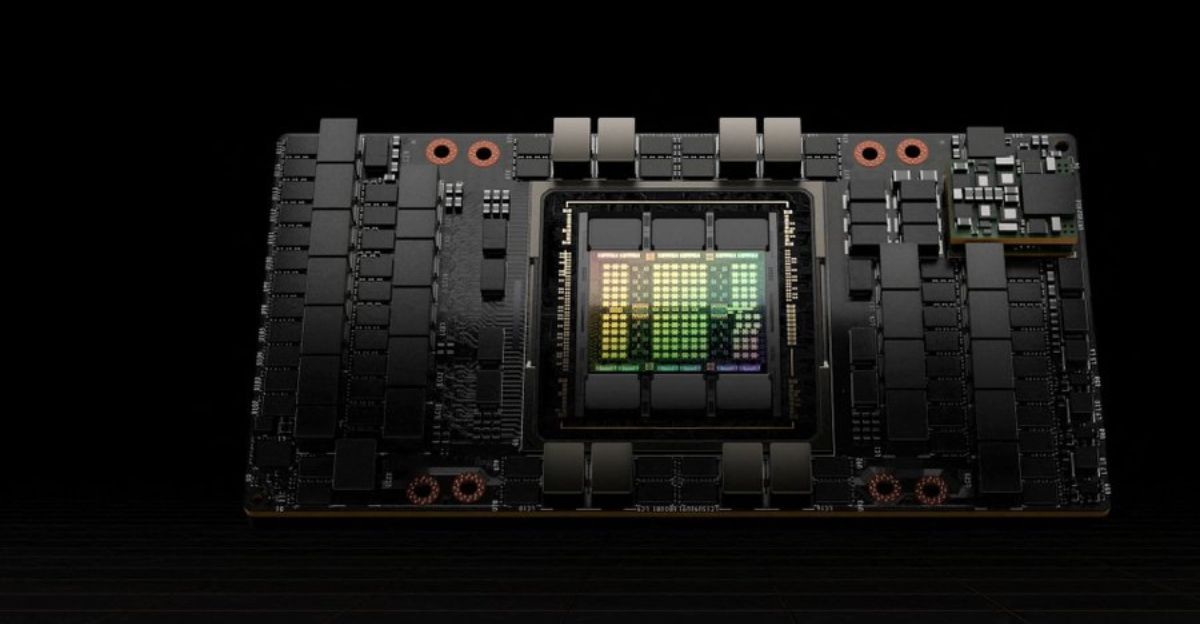
When federal agents finally pieced together the elaborate smuggling conspiracy in December 2025, they discovered something almost absurdly simple at its core: a fictional company name that never appeared in any legitimate business registry anywhere on Earth. “SANDKYAN” became the fake identity under which workers—operating under the direct supervision of Brooklyn-based tech entrepreneur Fanyue “Tom” Gong—physically peeled authentic Nvidia labels from thousands of advanced H100 and H200 graphics processing units and manually applied false branding to hide their origin.
The audacity of the scheme wasn’t in technological sophistication; it was in social engineering, document falsification, and exploiting systemic vulnerabilities in how U.S. customs and export-control inspectors verify goods crossing international borders.
Understanding the Three-Layer Deception Strategy
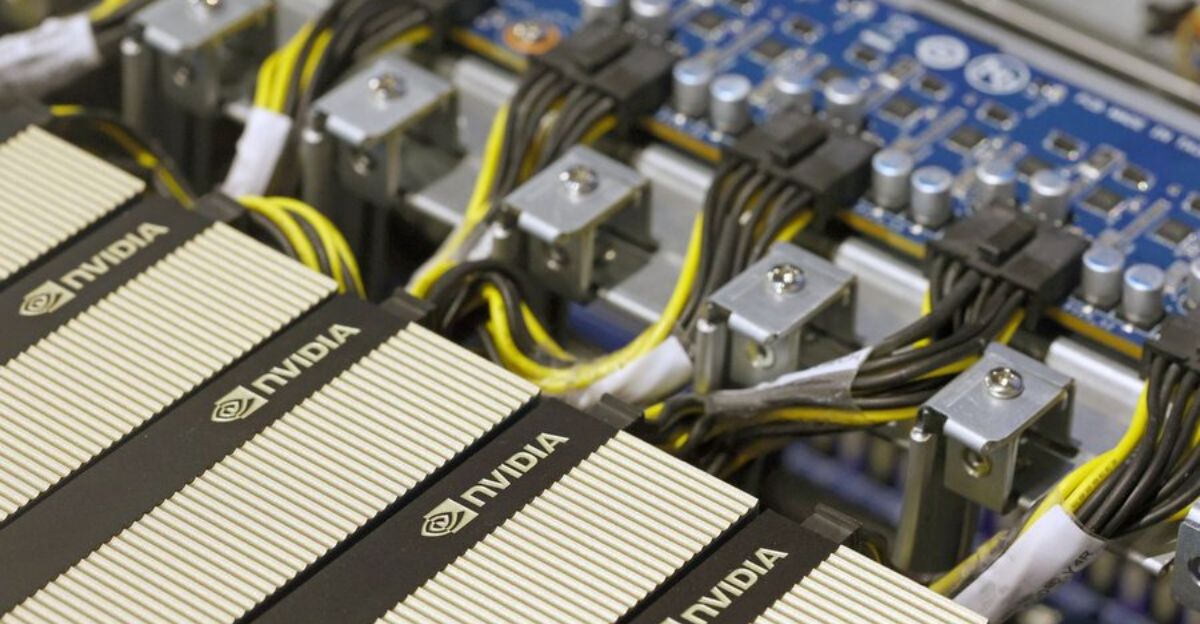
Prosecutors revealed that Operation Gatekeeper relied on three distinct layers of deception working in concert. First came the false purchase claim: straw buyers and shell companies claimed to be acquiring Nvidia GPUs for U.S. customers or countries like Taiwan and Malaysia that don’t require export licenses from America.
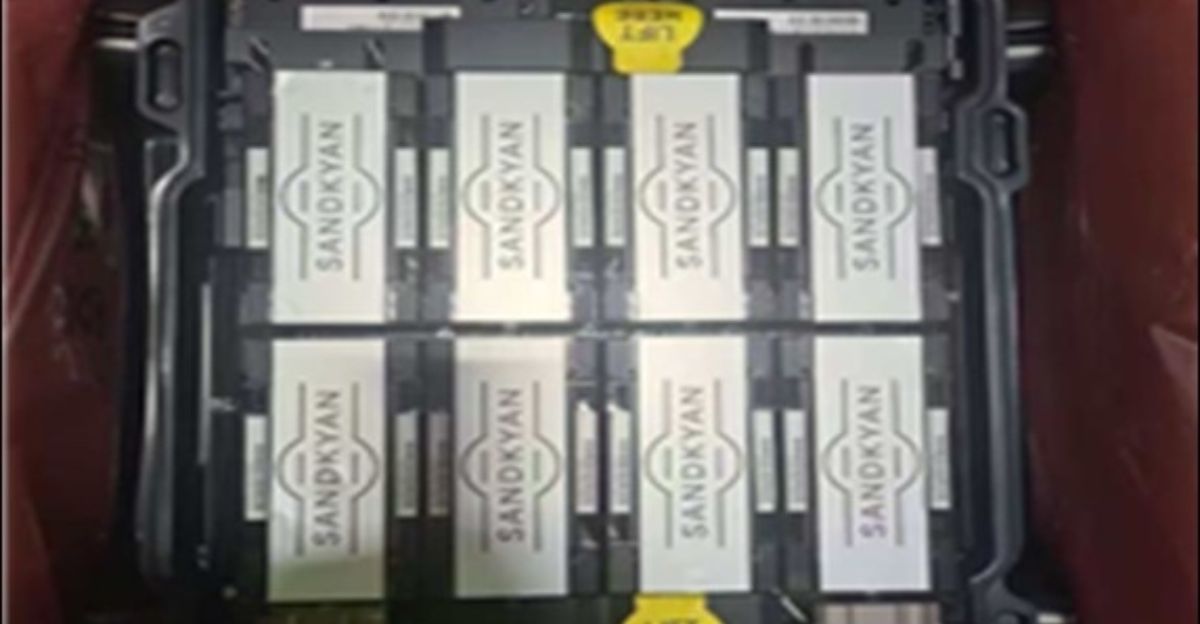
Second came the physical rebranding: once inventory arrived at American warehouses, workers removed authentic Nvidia labels entirely and replaced them with SANDKYAN branding alongside documentation describing the units as generic “computer parts.”
The Mechanics of Straw Purchasing and Shell Companies

Court documents reveal the mechanics of how straw buyers actually worked within the operation. These individuals—often with no demonstrated expertise in semiconductor distribution—would approach authorized Nvidia resellers with purchase orders claiming to represent fictitious or legitimate-sounding companies.
Once the order was placed and the GPUs were produced by Nvidia or withdrawn from authorized inventory, a second set of conspirators would take custody of the hardware.
How “SANDKYAN” Fooled Inspectors at Every Checkpoint
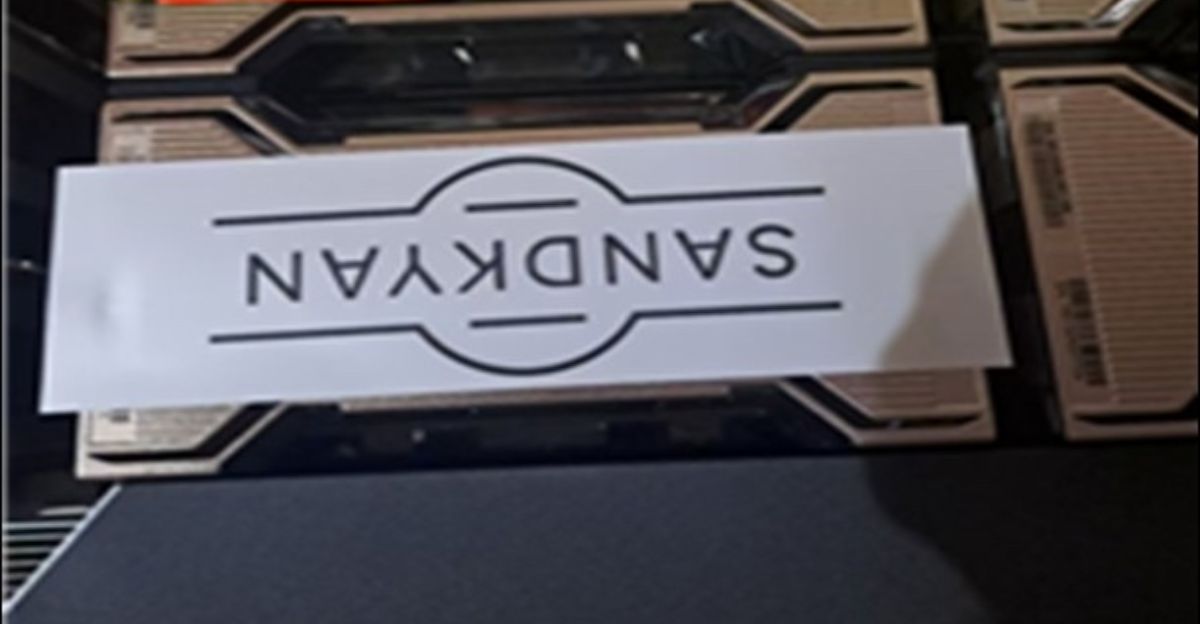
The brilliance of the SANDKYAN rebranding scheme lay in its simplicity, as export inspectors often rely on manufacturer labels to quickly identify controlled products. By removing Nvidia’s distinctive branding and replacing it with a fake company name that matched nothing in regulatory databases, the conspirators created plausible deniability for warehouse workers, customs inspectors, and logistics partners who might suspect irregularities.
The false company name appeared legitimate enough on documentation—not obviously fake, like “XYZ Corp” or “Test Company”—making it psychologically easier for inspectors to waive shipments through without a deeper investigation.
The Paper Trail: Falsified Bills of Lading and Shipping Documents

Once the SANDKYAN rebranding was complete, the next critical step involved falsifying the bills of lading—official shipping documents that describe contents, origin, destination, and shipper/receiver information. Prosecutors allege that conspirators reclassified the GPUs from “H100 Tensor Core Graphics Processing Units” or “H200 Tensor Core GPUs” into generic categories, such as “computer parts,” “electronic components,” or “computing hardware.”
These reclassifications served dual purposes: first, they obscured the sophisticated nature of the cargo from routine inspectors; second, they avoided triggering automated alerts in customs systems that flag high-value technology exports to restricted destinations.
Benlin Yuan’s Role: Corrupting the Inspection Process Itself

Federal prosecutors alleged that 58-year-old Canadian Benlin Yuan, CEO of a U.S. subsidiary of a large Beijing IT company, took the conspiracy to a more brazen level by attempting to corrupt the inspection process itself. According to charging documents, Yuan personally recruited and organized federal inspectors on behalf of the Hong Kong logistics company involved in the smuggling, then allegedly instructed them not to disclose that the GPUs’ true destination was China.
When U.S. authorities detained shipments suspected of violating export controls, Yuan allegedly helped craft false cover stories and misleading explanations to federal officials about the shipment’s true intended recipient.
The Hong Kong Logistics Hub: The Weak Link in Export Control
Investigators identified a Hong Kong-based logistics and freight forwarding firm as the critical operational hub where the rebranded SANDKYAN GPUs were exchanged and prepared for final export to mainland China. The Hong Kong company’s infrastructure—warehousing, documentation capabilities, customs clearance expertise, and connections to Chinese shipping partners—made it the ideal transshipment point for obscuring American origin and circumventing U.S. export controls.
Hong Kong’s position as a semi-autonomous zone with its own customs procedures created ambiguity about which jurisdiction’s export controls applied, and which nation’s authorities should intercept suspected smuggling.
Following the Money: $50 Million in Chinese Wire Transfers

The financial trail revealed the real scope of demand driving the smuggling operation. Prosecutors documented that Hao Global LLC and Alan Hao Hsu received more than $50 million in wire transfers originating from the People’s Republic of China between October 2024 and May 2025.
These funds, which moved through multiple intermediary banks in Southeast Asia, particularly Thailand, Malaysia, and Singapore, were used to acquire GPUs from authorized distributors before being diverted to China.
The Warehouse Workers: The Missing Layer of Investigation

Interestingly, federal charging documents provide limited detail about the warehouse workers who physically removed Nvidia labels and applied SANDKYAN branding. Court records indicate they “worked for” or “worked under the direction of” Fanyue Gong, suggesting they may have been employees of Gong’s New York technology company who were dispatched to U.S. warehouses for the relabeling work.
The fact that prosecutors didn’t charge multiple warehouse personnel individually suggests either that these workers had limited knowledge of the scheme’s full scope, that they cooperated with investigators in exchange for immunity, or that prosecutorial resources focused on the conspiracy’s masterminds rather than low-level operatives.
The Timeline: October 2024 to May 2025 as the Active Smuggling Window
According to unsealed court documents, the active smuggling phase occurred between October 2024 and May 2025—a seven-month window. This timeline is significant because it predates the Trump administration’s December 2025 announcement allowing H200 sales to China, suggesting the conspirators were operating under the assumption that all such sales would remain prohibited.
The fact that such voluminous smuggling could occur for seven months suggests either insufficient customs enforcement attention to GPU exports, or that the conspirators’ misdirection techniques proved remarkably effective at evading standard screening procedures.
Quantity and Scale: How Many Chips Actually Left U.S. Territory?
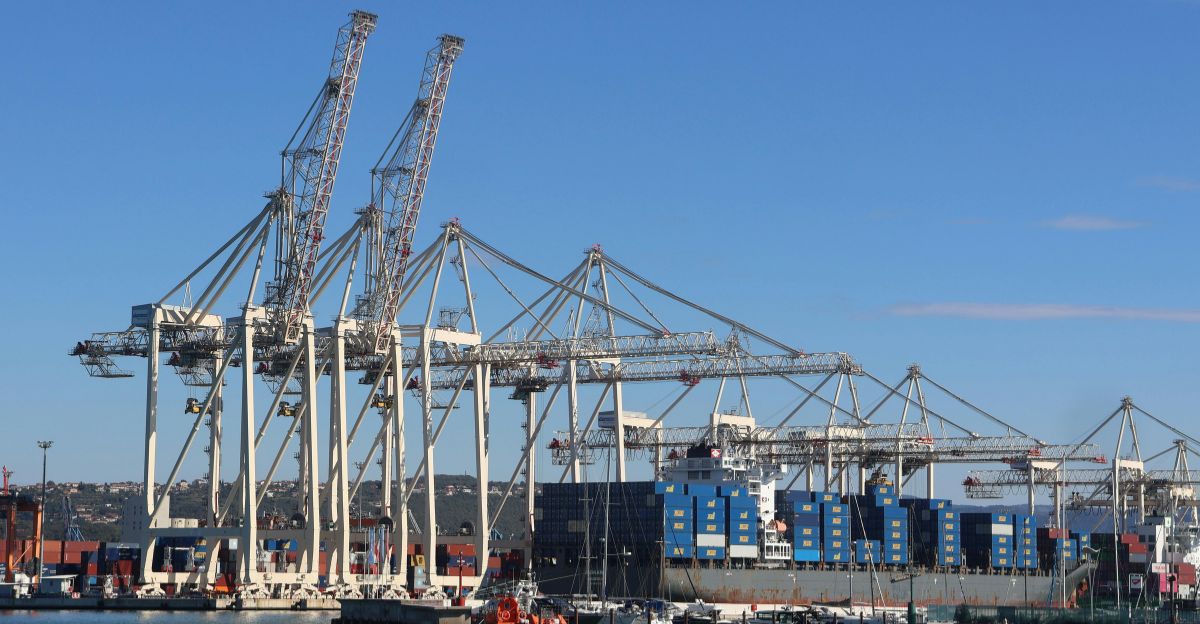
Court documents reference “at least $160 million” in exported or attempted Nvidia GPUs, but provide limited clarity on actual unit counts. Cyber Scoop’s investigation of unsealed court filings identified reference to “more than 7,000 NVIDIA H100 and H200 Tensor Core GPUs” exported between October 2024 and May 2025 through Hsu’s operation alone.
This unit count suggests an average chip value of approximately $23,000 per unit, which aligns with market pricing for H100s and H200s during that period.
The Sentencing Math: Why Hsu Faces Only 10 Years

Alan Hao Hsu pleaded guilty in October 2025 and faces a maximum sentence of 10 years in federal prison at his February 18, 2026, sentencing, plus potential fines and asset forfeitures. For context, conspiracy to export controlled goods typically carries maximum sentences of 20 years, yet Hsu faces only 10 years.
This discrepancy likely reflects either: (1) a plea agreement reducing charges in exchange for cooperation, (2) sentencing guidelines that cap penalties based on prior criminal history, or (3) federal judicial discretion in applying sentences to first-time offenders. Hsu’s guilty plea—entered in October before his indictment was even unsealed—suggests prosecutors negotiated aggressively to secure his cooperation against the other conspirators.
The Naturalized Citizen Consequence: Immigration Jeopardy

One detail buried in Hsu’s plea agreement carries profound personal consequences: prosecutors explicitly informed Hsu that his guilty plea to export-control violations “could result in consequences for his immigration status, including potential denaturalization and deportation.”
This language suggests Hsu is a naturalized U.S. citizen—likely originally from China or Taiwan—who now faces the possibility of losing citizenship entirely as a consequence of his smuggling conviction. Federal law permits the denaturalization of citizens convicted of crimes involving moral turpitude or fraud, and export-control violations arguably fall under both categories.
Gong and Yuan’s Tougher Legal Exposure: 20-Year Maximum Penalties
Fanyue Gong and Benlin Yuan face substantially harsher legal exposure than Hsu. Yuan is charged with conspiracy to violate the Export Control Reform Act, which carries a maximum 20-year prison sentence, double the potential punishment for Hsu. Gong is charged with conspiracy to smuggle goods from the United States, also carrying a maximum 10-year sentence. Both men remain in federal custody pending trial.
The fact that prosecutors charged Yuan with a more serious offense (Export Control Reform Act violation) rather than generic smuggling suggests prosecutors view his role as more central to the conspiracy—his alleged corruption of inspectors and falsification of documents to federal authorities elevates the seriousness beyond simple smuggling.
The Role of a China-Based AI Company in Coordinating Demand
Court documents reference “a China-based AI technology company” as a critical partner in the smuggling conspiracy, but prosecutors have provided virtually no identifying information about this entity. The fact that this company allegedly worked directly with Gong and Yuan to coordinate demand signals, shipping logistics, and delivery confirms that the smuggling wasn’t opportunistic—it was systematic and coordinated with end-customers in China who were specifically seeking Nvidia hardware.
The Chinese AI company’s role suggests this was a coordinated acquisition campaign by a specific Chinese commercial entity or research institution attempting to amass computing power despite U.S. export restrictions, rather than a generalized effort to supply the black market.
What Operation Gatekeeper Means for Future Enforcement
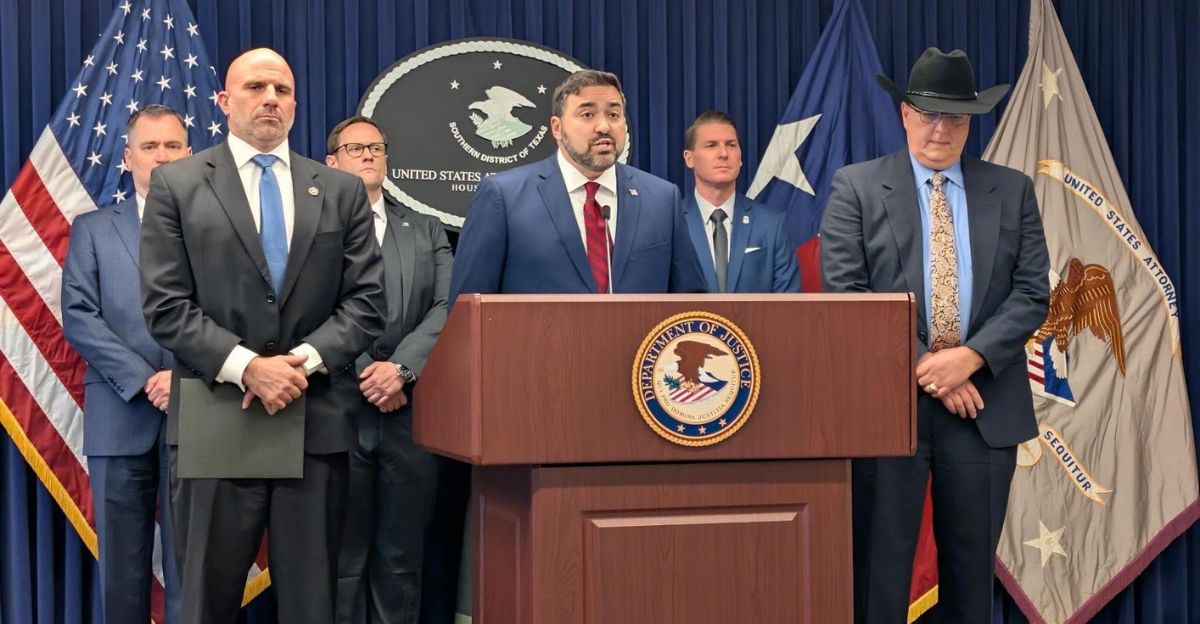
Federal officials have signaled that Operation Gatekeeper is “ongoing,” suggesting additional arrests and charges could follow as investigators continue tracking financial flows, communications records, and warehouse operations connected to the smuggling ring.
The multi-agency nature of the investigation, involving the FBI, the Commerce Department’s Bureau of Industry and Security, and Immigration and Customs Enforcement, suggests that prosecutors are building an increasingly comprehensive picture of the entire smuggling ecosystem.
The Broader Implications: A Glimpse into Systematic Chinese Acquisition Efforts
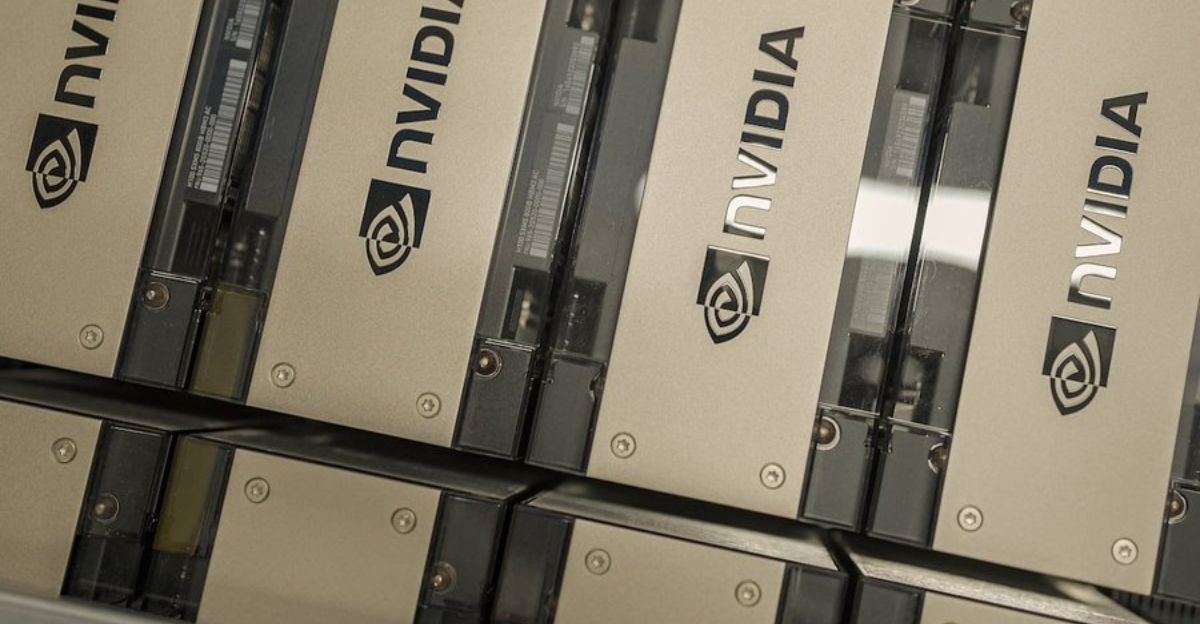
The existence of Operation Gatekeeper and its comprehensive scope suggests that systematic Chinese efforts to acquire forbidden Nvidia chips through smuggling represent far more than isolated criminal opportunism.
The involvement of multiple companies, a Hong Kong logistics hub, financial connections to the PRC, and coordination with a Chinese AI company paint a picture of organized, well-funded acquisition efforts. Whether this represents a state-sponsored program or coordination between Chinese commercial entities and government agencies remains unclear.
Sources:
U.S. Department of Justice, Southern District of Texas; U.S. Attorney’s Office press release (December 9, 2025)
Federal Bureau of Investigation, Counterintelligence Division; Operation Gatekeeper case filing
U.S. Department of Commerce, Bureau of Industry and Security (BIS) enforcement action
Reuters investigation on Chinese entities acquiring Nvidia chips (December 2025)
Financial Times black market GPU smuggling report (July 2025)