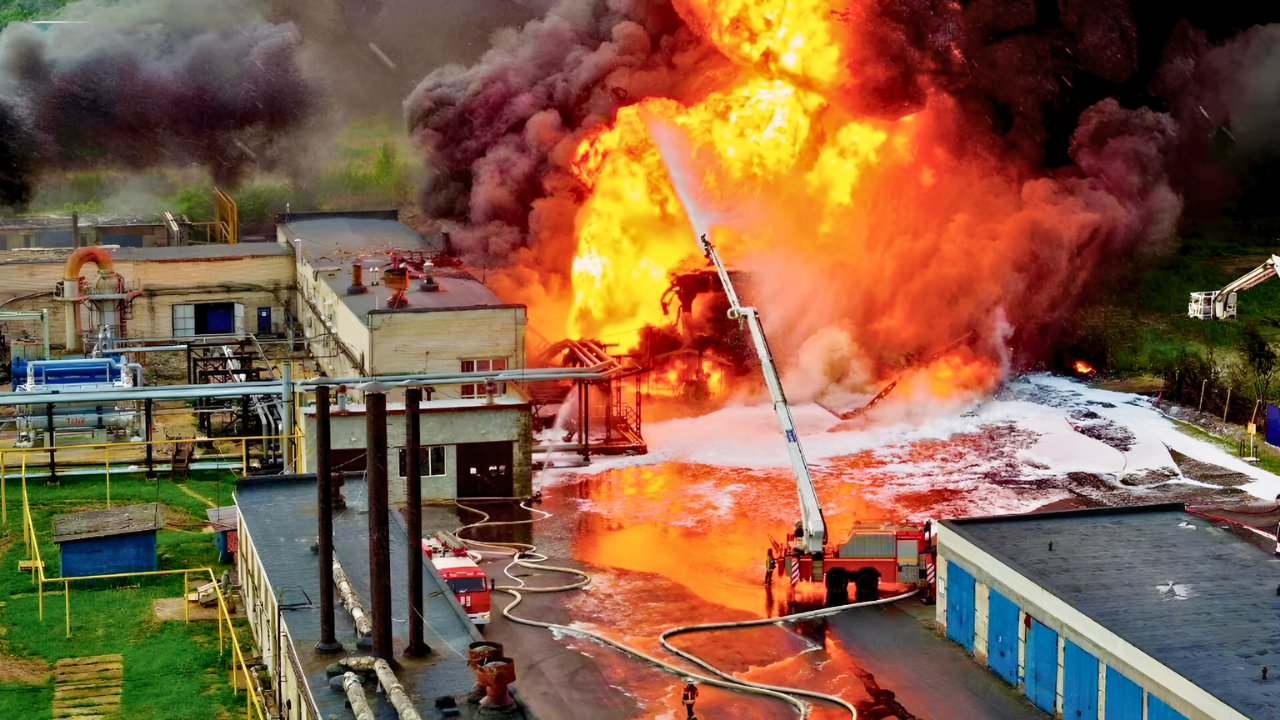
On December 13, 2025, Ukrainian forces launched a daring coordinated offensive, targeting Russian energy infrastructure across six regions. This operation, involving the simultaneous deployment of drones, was aimed at crippling Russia’s oil supply capabilities. Reports indicate that Ukraine effectively struck multiple high-value targets, including major oil refineries and military installations.
Despite Russia’s Defense Ministry claiming the interception of 141 incoming drones, significant explosions occurred at strategic facilities, highlighting the effectiveness of Ukraine’s tactical planning. This unprecedented assault marks a transformative moment in the ongoing conflict, as it demonstrates Ukraine’s growing ability to disrupt Russian operations from afar and reshape the war’s dynamics.
Intensifying Campaign Overview
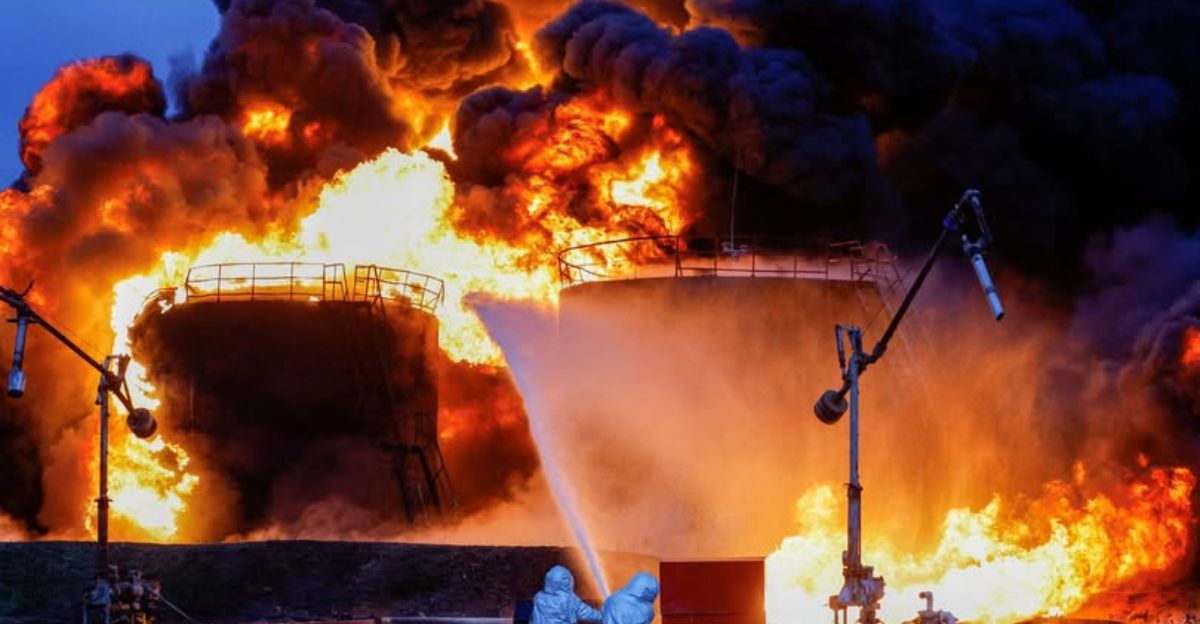
In the lead-up to this offensive, Ukraine’s attacks on Russian energy infrastructure had already escalated significantly. December saw strikes on critical refineries, with notable attacks on the Syzran oil refinery and the Yaroslavl Slavneft-Yanos refinery, one of Russia’s most extensive facilities.
Energy analysts indicate that this systematic targeting reflects a strategic intention to degrade Russia’s military logistics by impairing its fuel supply. Each successive strike illustrates advanced operational capabilities, including precision targeting and increased frequency. As Ukrainian forces refine their execution, Russia is left grappling with vulnerabilities previously overlooked, amplifying the urgency within its military command.
The Importance of Russian Fuel Infrastructure
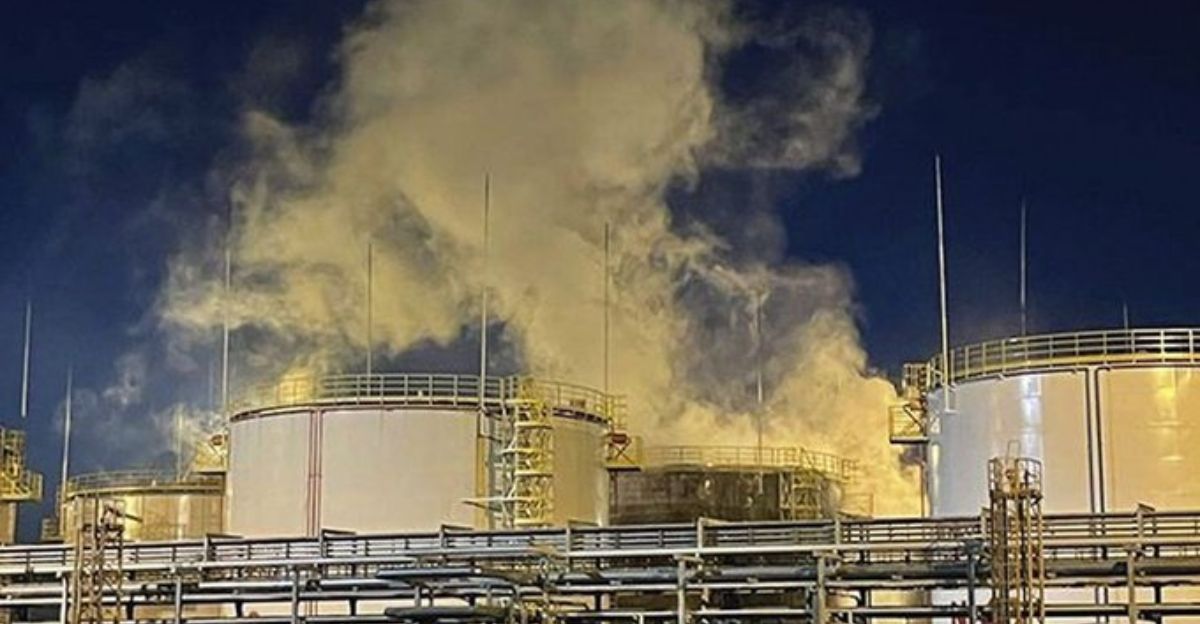
The backbone of Russia’s war economy lies in its extensive oil refining capacity, comprising around 32 facilities nationwide. Major refineries, such as Yaroslavl Slavneft-Yanos, are critical for supporting both civilian needs and military logistics. These plants are designed for high-volume processing, making them crucial in maintaining operational capability.
Russian strategists believed geographic distribution provided sufficient protection against Ukrainian strikes, but Ukraine’s drone technology has challenged this assumption. Tactical assaults have revealed vulnerabilities, showcasing how distance no longer guarantees security for Russian assets. As attacks continue, the pressure on these facilities is increasingly seen as detrimental to Russia’s war effort.
Cumulative Impact of Recent Strikes
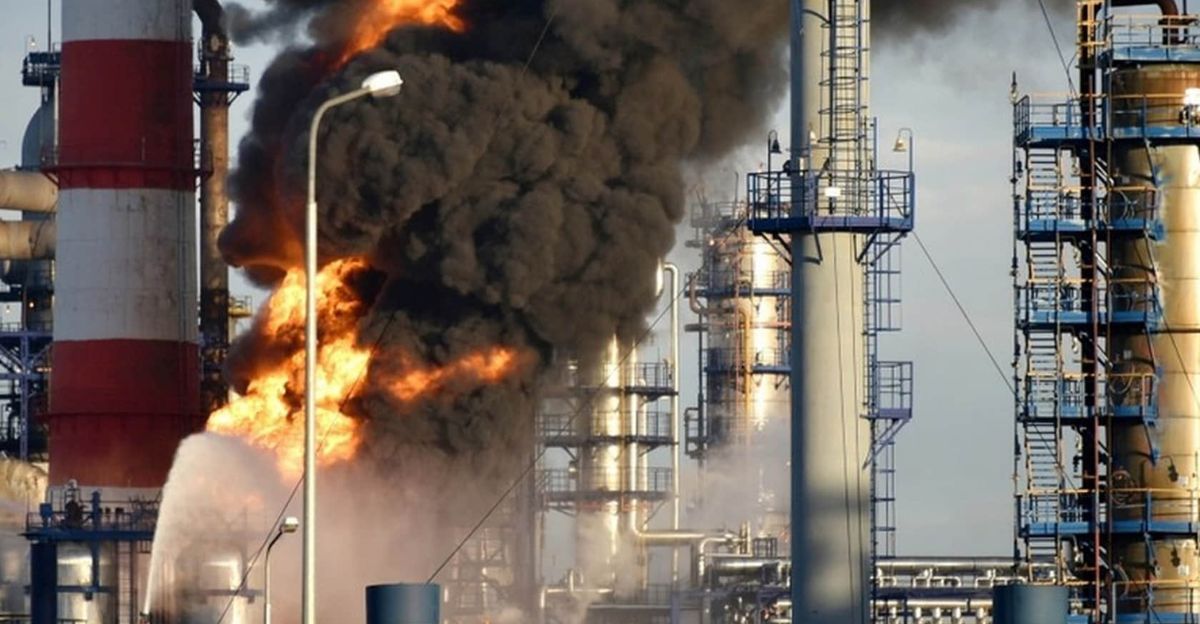
From December 5 to December 14, Ukraine conducted multiple strikes on significant Russian oil refineries. The cumulative effect of these assaults not only affects immediate production but also complicates long-term recovery, as sanctions hinder repair efforts. Russian officials have had to concede operational halts, marking a departure from previous denials regarding energy sector weaknesses.
Supply chain disruptions mean recovery efforts may stretch for weeks or months, adding to economic pressures. Notably, international energy markets are reacting: crude prices surged by 2–3% following recent attacks, indicating a broader impact on the energy landscape and fueling concerns over Russia’s operational sustainability.
The Coordinated Strike
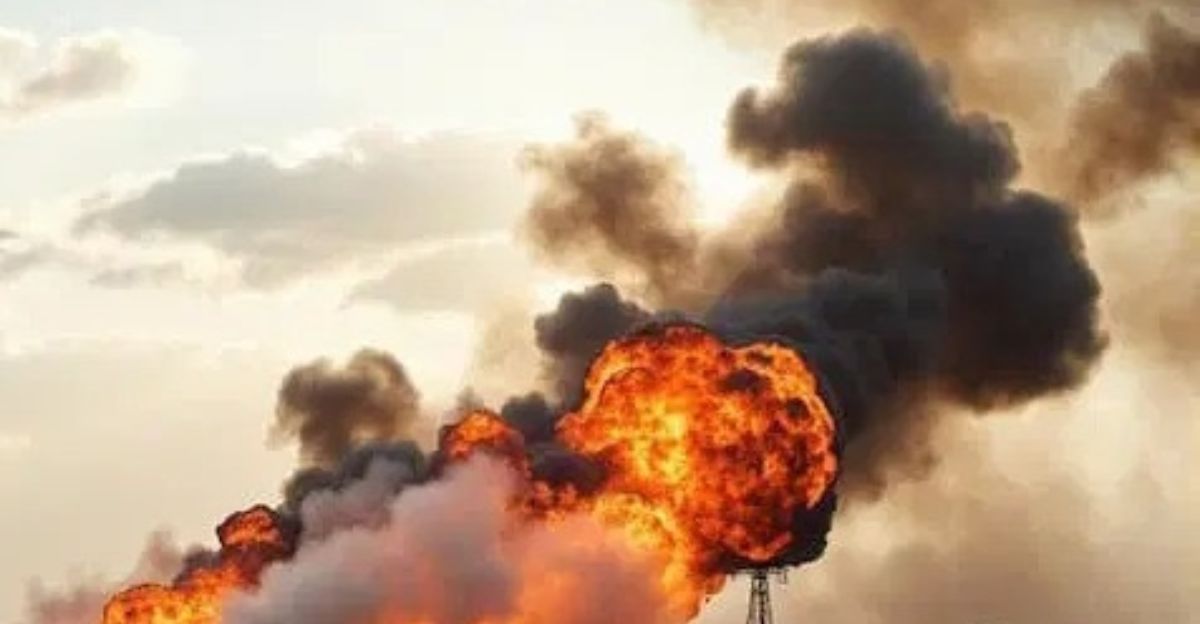
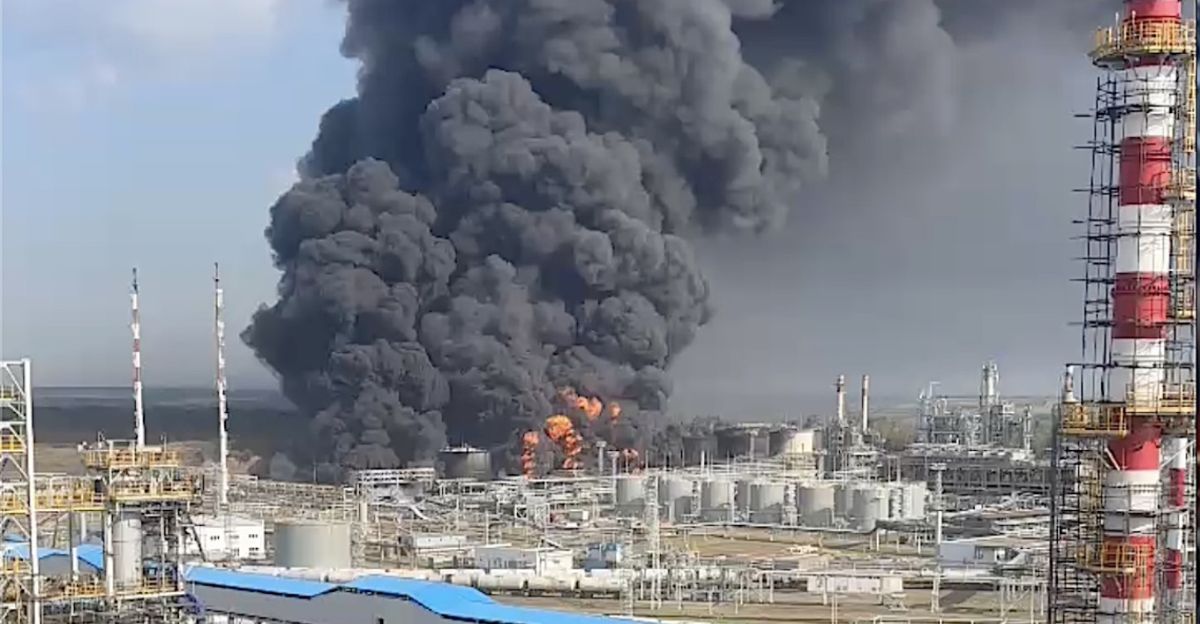
On December 13–14, Ukrainian Defense Forces executed a meticulously coordinated strike against energy facilities across several regions, including Krasnodar Krai and occupied Crimea. The Afipsky Oil Refinery experienced devastating explosions that compromised its operational integrity, while the Uryupinsk oil depot in Volgograd Oblast was engulfed in flames.
Strikes targeted military installations, such as command posts and electronic warfare stations, showcasing an acute understanding of Russian operational frameworks. With this level of precision, Ukraine’s General Staff underscored its strategic goal of “reducing Russia’s offensive potential,” emphasizing a firm commitment to altering the course of the conflict.
Ukrainians Respond to the Assault
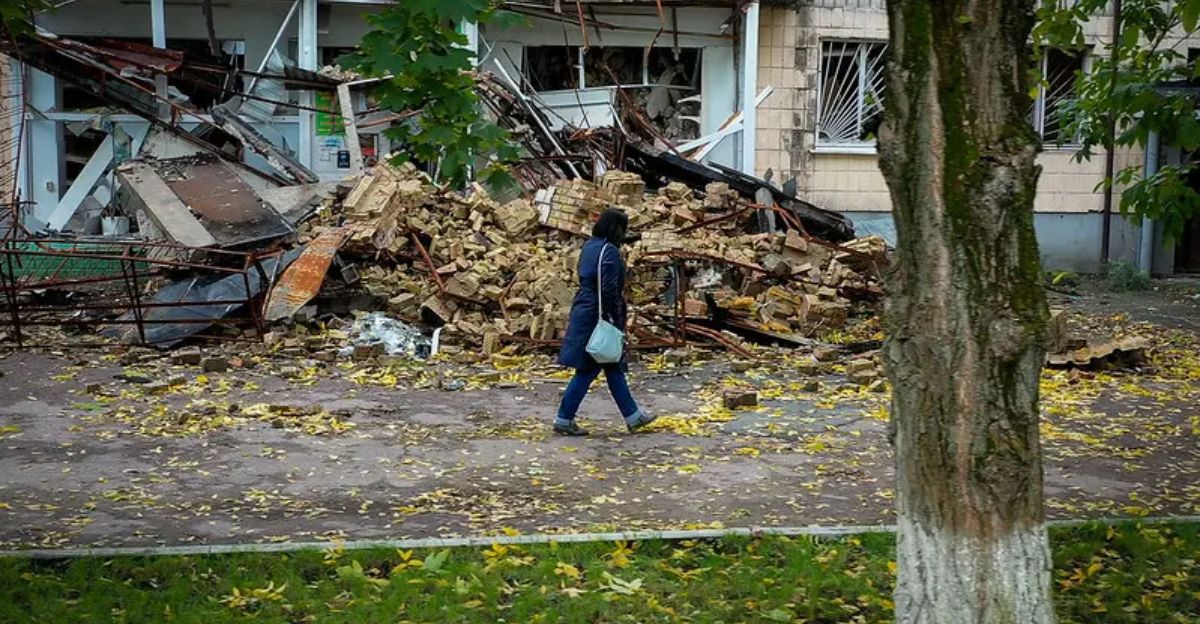
Amid escalating tension, voices from Ukraine’s civilian population reflect on the ongoing conflict. Public sentiment remains pivotal as Ukraine battles to reclaim its sovereignty. Many Ukrainians view attacks on enemy infrastructure as necessary measures for national security, believing such actions disrupt Russian momentum.
Local communities, often caught in the crossfire, endure the emotional and material costs while maintaining resilience. These sentiments highlight the intricate interplay between military action and societal determination, underscoring the profound human toll of this relentless conflict.
Repercussions on Russian Energy Supply
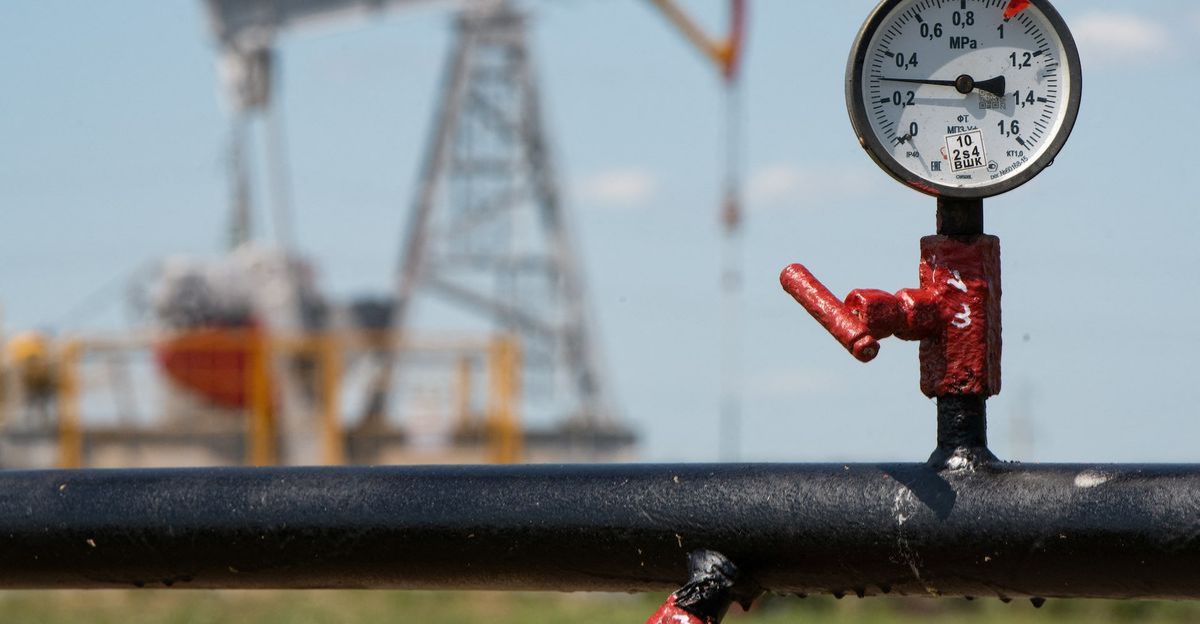
The implications of Ukraine’s recent strikes extend into the heart of Russia’s energy economy. The targeted facilities were crucial for supplying fuel to military operations, meaning their destruction could significantly hinder Russia’s campaign efforts. Analysts warn that sustained damage to these sites will lead to a decline in operational efficiency, which in turn will affect troop movements and logistics.
Russia’s energy sector faces increasing pressure to mitigate this threat as it navigates both operational challenges and internal political ramifications. The disruption of Russia’s oil refining capacity becomes a strategic liability, further complicating its military ambitions in the region.
Global Economic Reactions

As news of the attacks spread, global markets reacted swiftly. Following the strikes, crude oil prices rose, reflecting investor confidence in potential decreases in Russian oil output. This pricing trend suggests a growing recognition of the geopolitical implications for energy markets.
Supply disruptions in Russia have the potential to reverberate through global markets, affecting everything from fuel prices to energy security. The increasing economic pressure on Russia makes international observers wary of how this may influence future engagements and negotiations.
Russian Countermeasures
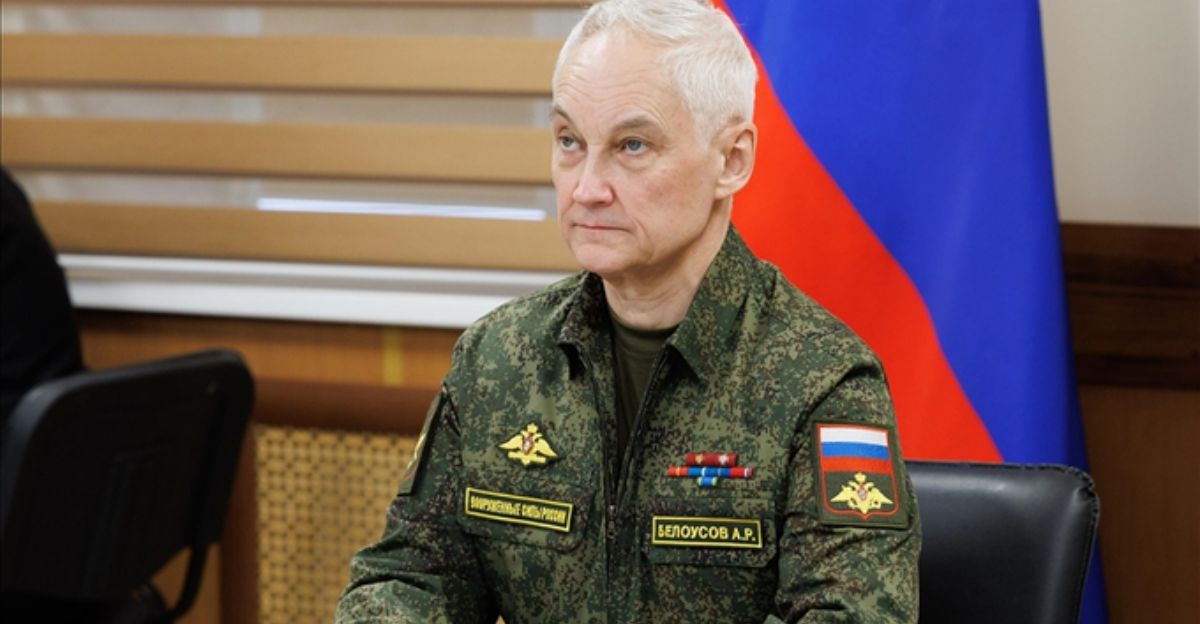
In response to these escalating attacks, Russia has ramped up its air defense protocols, claiming to have intercepted extensive drone swarms. On December 14, Russian officials reported the downing of 141 drones within a single night, signaling a reactive shift in their military strategy.
Russian Defense Ministry spokespersons have emphasized ongoing adaptations to meet these threats. However, analysts caution that while interception capabilities improve, the sheer volume of ongoing attacks may overwhelm their resources, further complicating their operational landscape as vulnerabilities persist.
The Strategic Shift
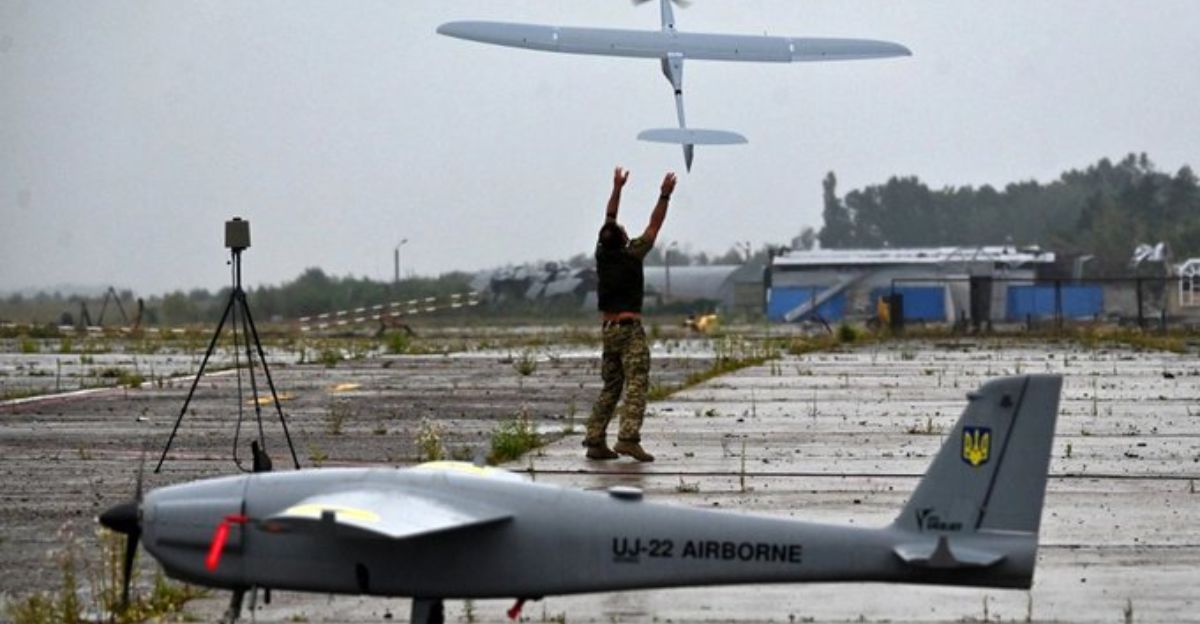
Ukraine has strategically pivoted its military efforts towards debilitating Russian energy infrastructure. By leveraging drone technology and improved operational synchronization, they have infused new challenges into the conflict landscape.
The cumulative damage inflicted on Russian oil facilities not only alters the flow of resources but underscores the evolving nature of warfare, one that increasingly relies on precision strikes and technological sophistication as essential tools in modern conflict. As both sides adapt, the balance of power teeters precariously, promising further escalations in this ever-evolving narrative.
The Future of the Conflict
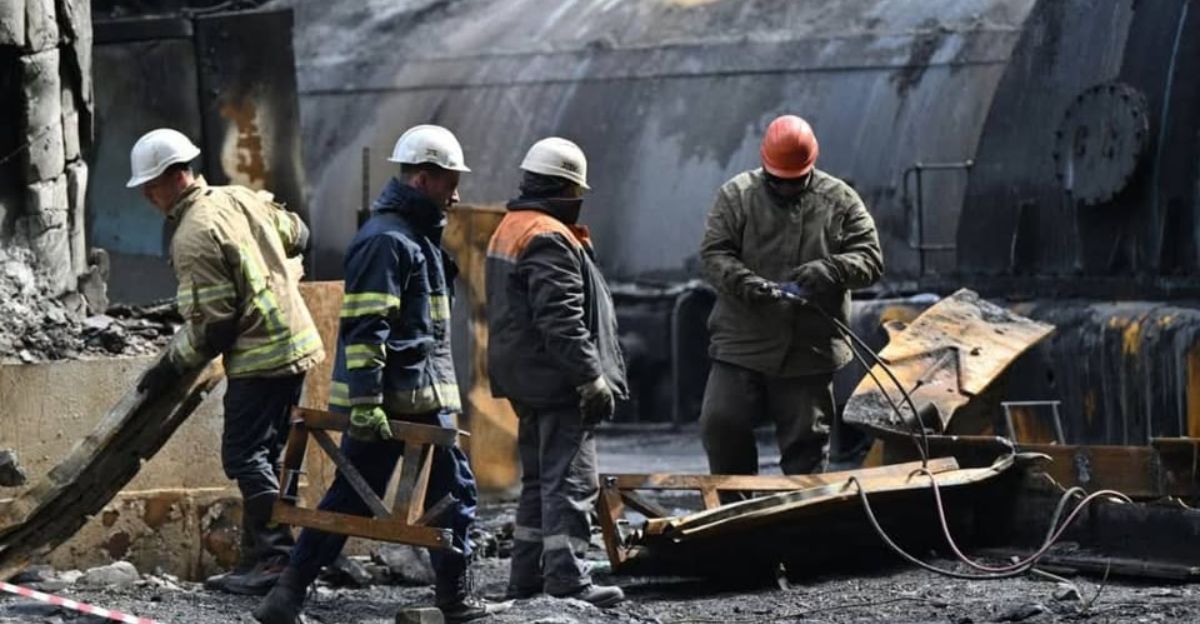
Looking ahead, the outcomes of Ukraine’s recent strikes and the responses from Russia create an unpredictable trajectory for the conflict. Each attack on energy infrastructure raises the stakes for both sides, pushing Russia to reassess its military strategies while emboldening Ukraine in its campaign.
Analysts suggest that continued pressure on Russian resources may lead to potential shifts in military tactics, possibly inviting more desperate measures from Moscow. Observers are increasingly intrigued by how these developments play into the larger geopolitical ramifications as allies and adversaries recalibrate their positions on the world stage.
Public Sentiment and Morale in Ukraine
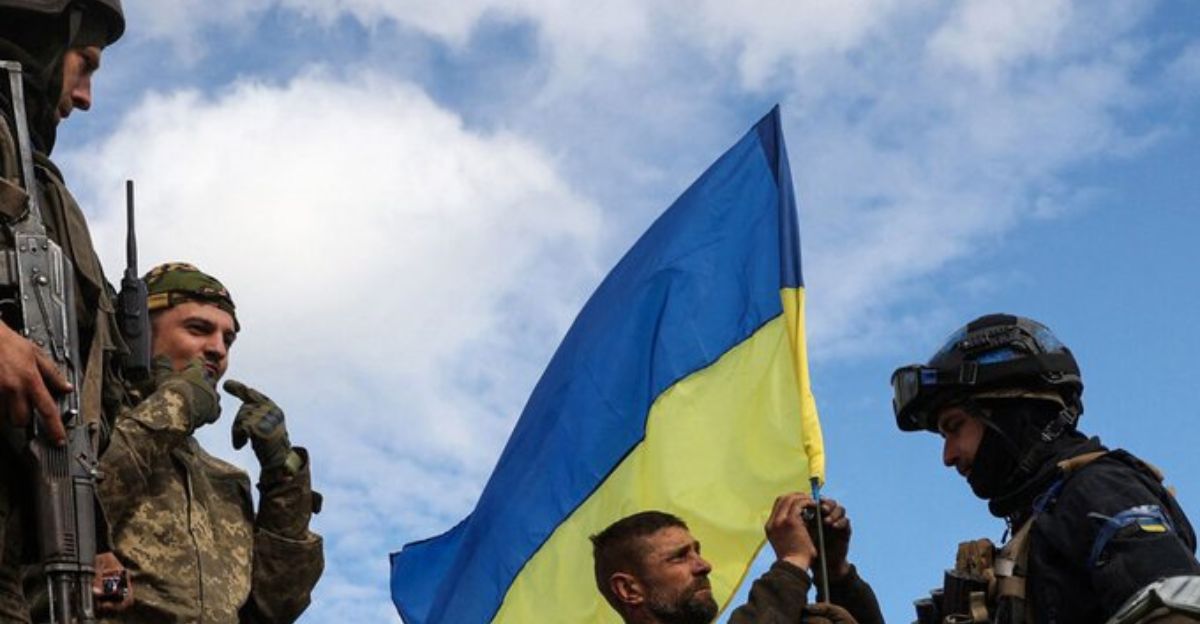
As Ukraine battles to reclaim its sovereignty, public sentiment remains pivotal. Widespread support for the government’s military actions against Russian targets reflects a belief that such measures are crucial for national security. This resolve boosts morale and fosters a collective responsibility to protect the homeland.
This underlying unity plays a critical role in strengthening Ukraine’s position both domestically and internationally. The emotional weight of these attacks underlines a shared commitment to sovereignty, galvanizing public support for ongoing military interventions.
Analyzing Strategic Objectives
Experts continue to analyze the strategic objectives behind Ukraine’s attacks on Russian energy assets. Depleting Russia’s ability to sustain military operations through targeted strikes aligns with Ukraine’s broader goal of diminishing the enemy’s offensive capabilities.
This approach effectively shifts battlefield dynamics. If Ukraine can sustain these operations, it not only hampers Russian military effectiveness but also positions Ukraine favorably for potential negotiations. The war’s outcome is increasingly tied to the effectiveness of Ukraine’s tactical strikes, underscoring the importance of maintaining success in disrupting Russian operations.
International Response and Support

The international community has keenly monitored Ukraine’s intensified military efforts against Russian energy infrastructure. Several allied nations have expressed support for Kyiv, recognizing the strategic necessity of undermining Russian operations. European leaders have reiterated their solidarity with Ukraine in its pursuit of sovereignty and territorial integrity.
Enhanced military aid and diplomatic support have stemmed from these recent developments, demonstrating a unified front against perceived aggression. The global response reflects a growing understanding that the fate of Ukraine’s conflict has a profound impact on geopolitical stability across Europe and beyond, underscoring the interconnected nature of these issues on the global landscape.
A New Chapter in Warfare
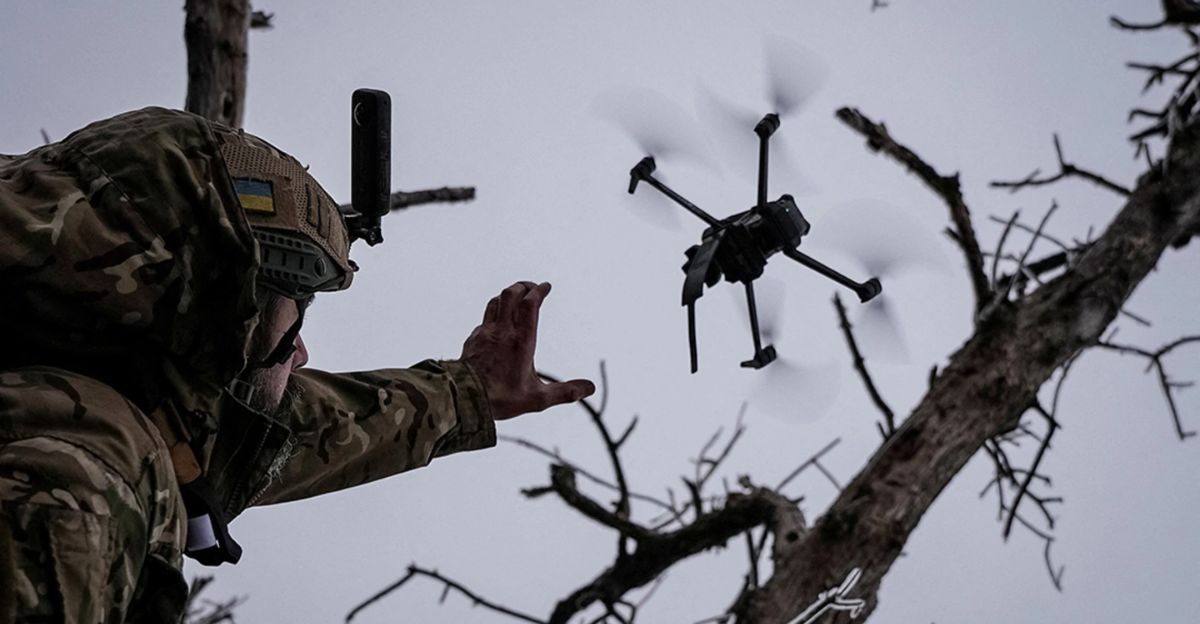
In summary, Ukraine’s coordinated assault on Russian energy facilities underscores a significant evolution in modern warfare strategy. By leveraging advanced drone technology and precise targeting, Ukraine has turned the tide, presenting a formidable challenge to Russian operational capabilities.
This shift not only alters the landscape of the conflict but also strengthens Ukraine’s resolve in the face of ongoing challenges. As the situation unfolds, the implications of these actions will reverberate not only through military strategy but also in global energy markets and international relations. The future remains uncertain, but the stakes have never been higher, with effects felt far beyond the region.
Sources
Kyiv Independent – Explosions reported as Ukraine strikes oil depot, refinery
Ukrinform – General Staff confirms strikes on Afipsky Oil Refinery, Uryupinsk oil depot
UNN – Defense Forces hit Afipsky oil refinery, oil depot in Uryupinsk
Institute for the Study of War – Russian Offensive Campaign Assessment, Dec. 14, 2025
Critical Threats Project – Russian Offensive Campaign Assessment, December 15, 2025
Oxford Institute for Energy Studies – Russian Oil Refining: in the Crosshairs
Reuters – Fire at Russia’s Afipsky oil refinery extinguished after drone attack
Reuters – Oil climbs more than 2% after Ukrainian attack damages Russian oil depot
Poligon Media – How Russia Exposed Oil Depots to Ukrainian Drones
Pravda.com.ua – Russia claims to have downed 141 Ukrainian UAVs
Sputnik News – Russian Air Defense Systems Destroy 141 Ukrainian Drones