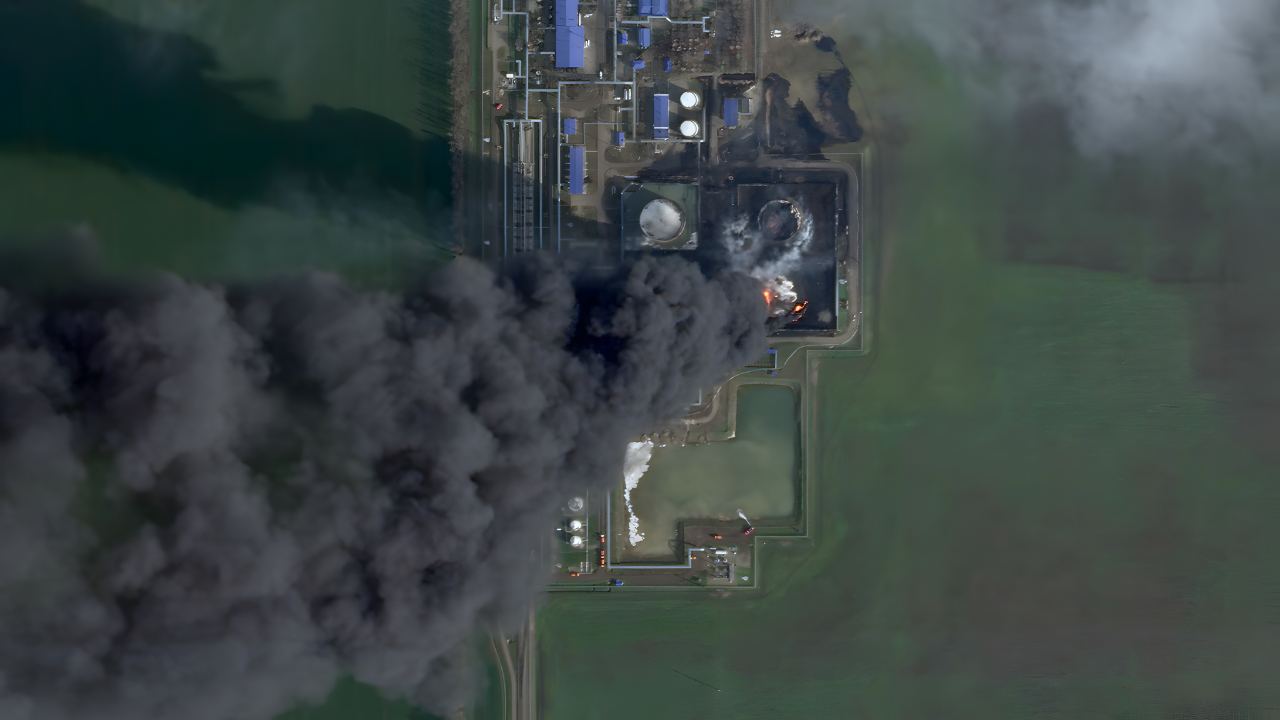
On December 6, 2025, Ukrainian drones struck the Ryazan refinery, igniting fires that damaged the facility’s production capacity.
Within the following week, similar strikes hit the Slavneft-YANOS refinery in Yaroslavl, the Saratov refinery, and the Afipsky refinery in Krasnodar Krai, each strike penetrating deep within Russian territory.
Ukrainian drones penetrated deep into enemy territory, reaching vital Russian fuel infrastructure. What impact will this drone campaign have on Russia’s energy supplies and military logistics?
Drone Campaign Escalates

In an intensive 8-day campaign from December 6-14, Ukraine targeted Russian refineries in southern and central regions, marking a significant escalation in drone strikes against energy infrastructure. Key energy hubs including Ryazan, Yaroslavl, Saratov, and Krasnodar Krai were hit.
With strikes reaching deep behind enemy lines, the targets represent crucial nodes in Russia’s fuel production network, affecting both military logistics and civilian energy supplies. The strikes demonstrated Ukraine’s growing capability to strike distant targets within Russian territory.
Key Refineries Hit
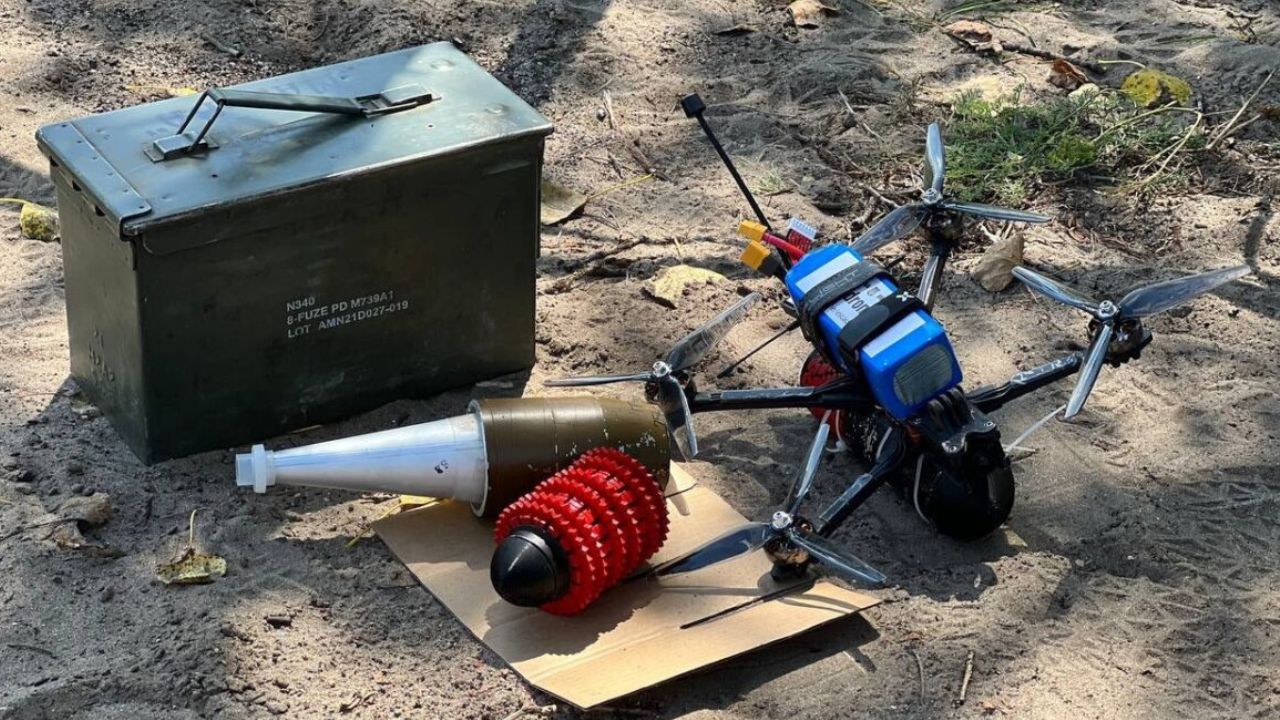
Ukraine’s drones struck four major Russian oil refineries: Ryazan (December 6), Slavneft-YANOS in Yaroslavl (December 12), Saratov (December 13), and Afipsky (December 13-14). These facilities process millions of tons of crude annually and are essential for Russian military operations and broader energy security.
The attacks generated fires and explosions, damaging infrastructure critical for both military fuel supplies and civilian energy needs. Multiple facilities halted or suspended production following the strikes.
Fuel Strikes Disrupt Operations
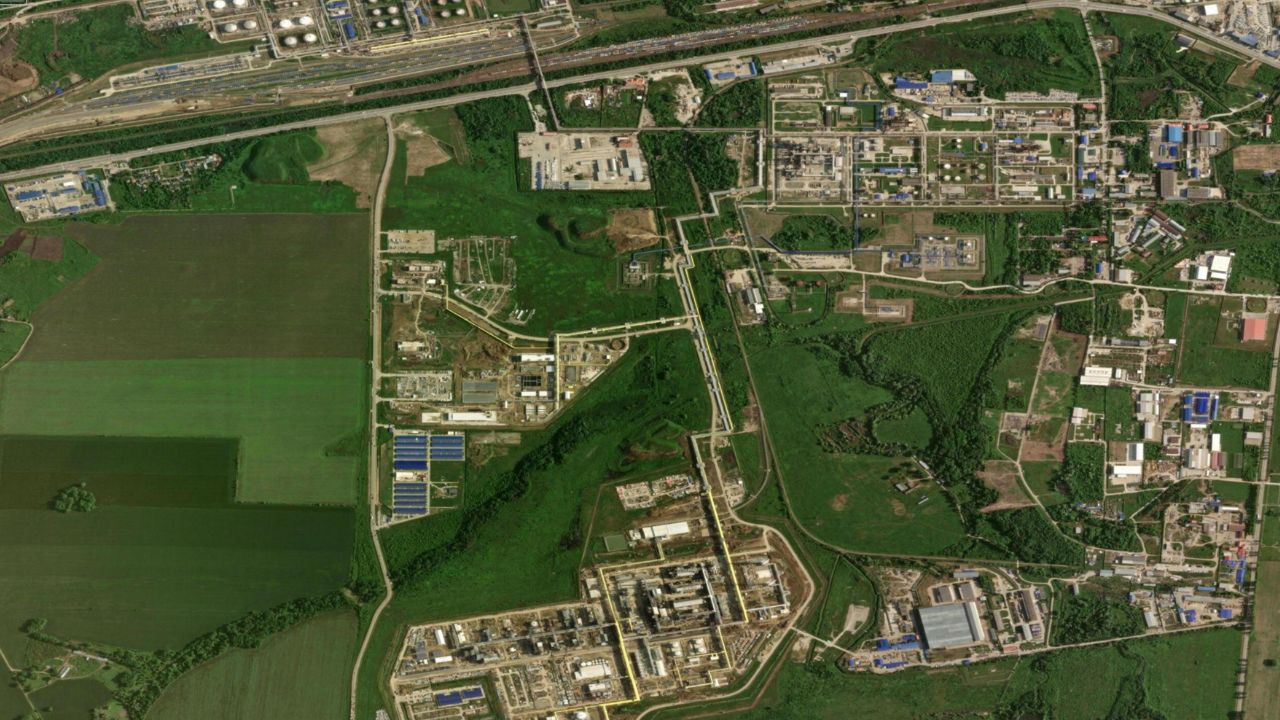
Fuel strikes threaten Russian operations, particularly in southern regions. The Afipsky refinery in Krasnodar Krai processes approximately 6.25 million tons of crude annually and supplies fuel to Russian forces operating in the south.
Damage to refinery infrastructure and power lines caused production suspensions, disrupting logistics operations. The scale of simultaneous strikes on multiple facilities created significant operational challenges for Russian fuel supply coordination.
Fires and Explosions at Key Facilities
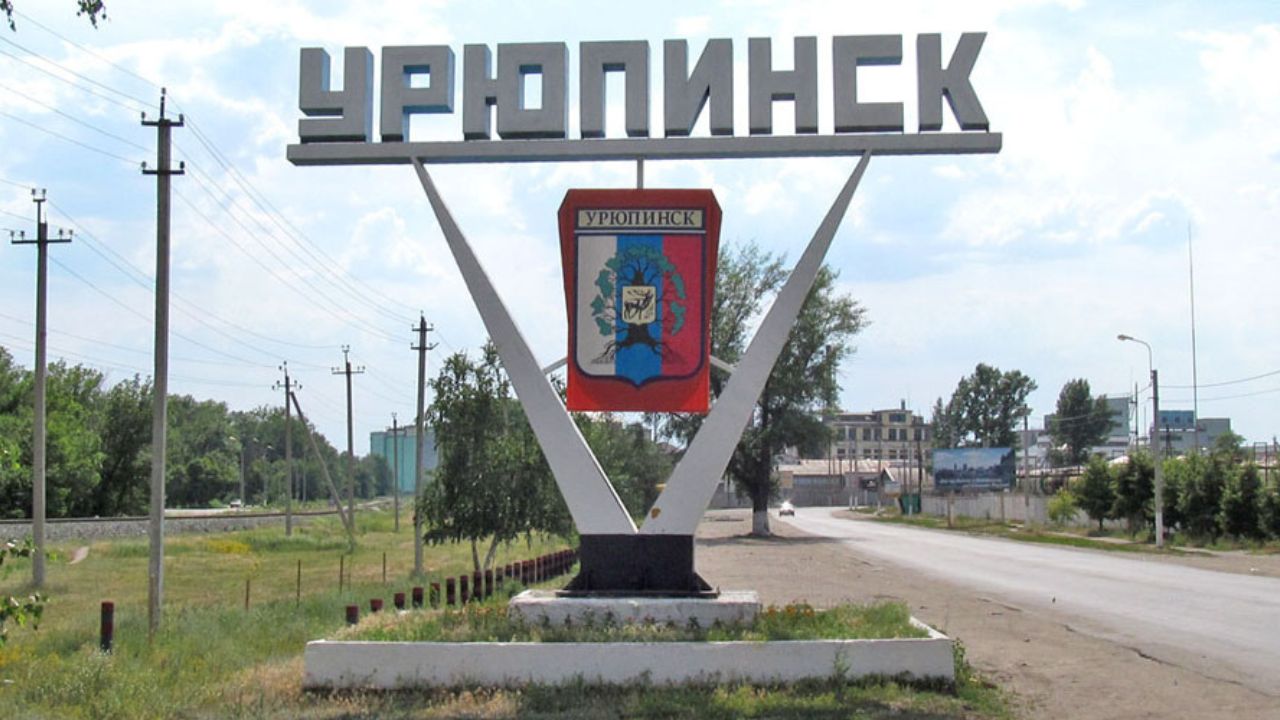
Massive fires erupted at the Afipsky refinery and Uryupinsk depot following Ukrainian drone strikes. Local reports and visual evidence confirmed widespread damage and fire damage visible from considerable distances.
The explosions damaged infrastructure critical to fuel storage and production capacity. Key facilities reported halted or suspended operations following the attacks.
Air Defenses and Military Targets Struck
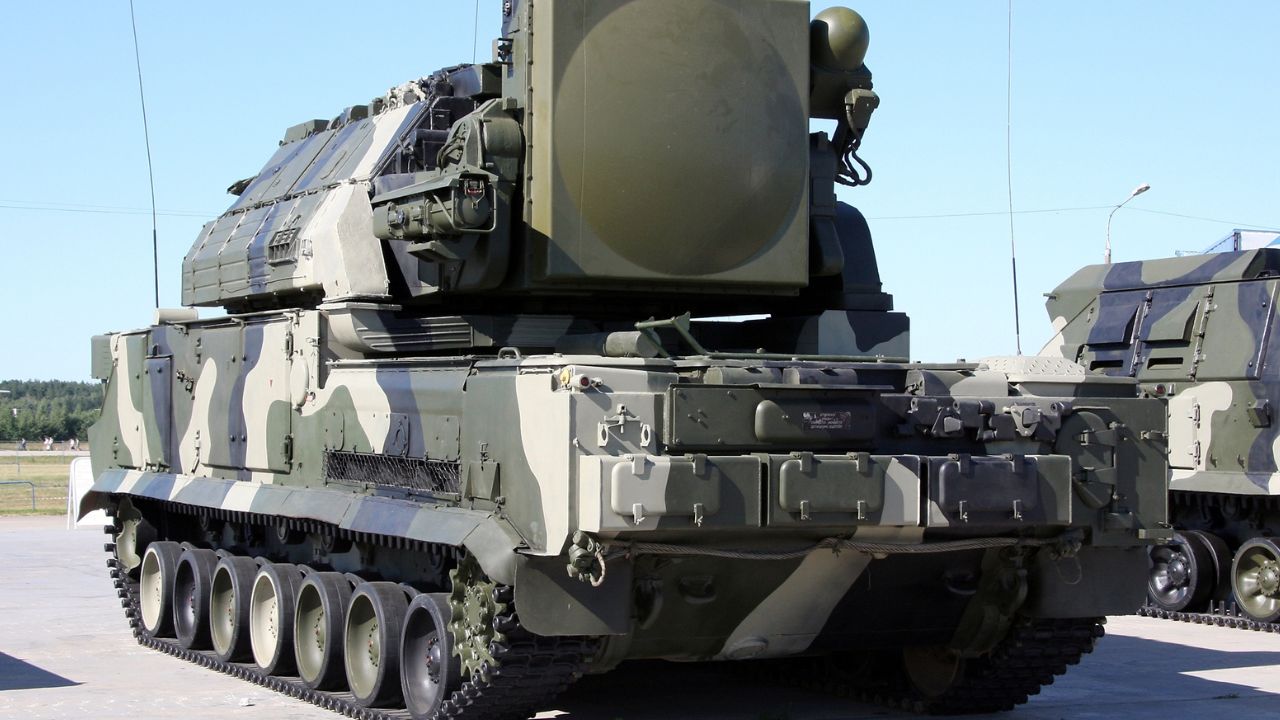
Ukraine’s strategic strikes extended beyond refineries to include Russian air defense systems. Ukrainian forces targeted Tor-M2 surface-to-air missile systems and 96L6E radar stations, key components of Russia’s air defense network.
The strikes also damaged command posts of Russian military units, including facilities associated with the 76th Air Assault Division in eastern Ukraine. These combined strikes targeted both energy infrastructure and military capabilities supporting Russian operations.
Supply Chain Disruptions
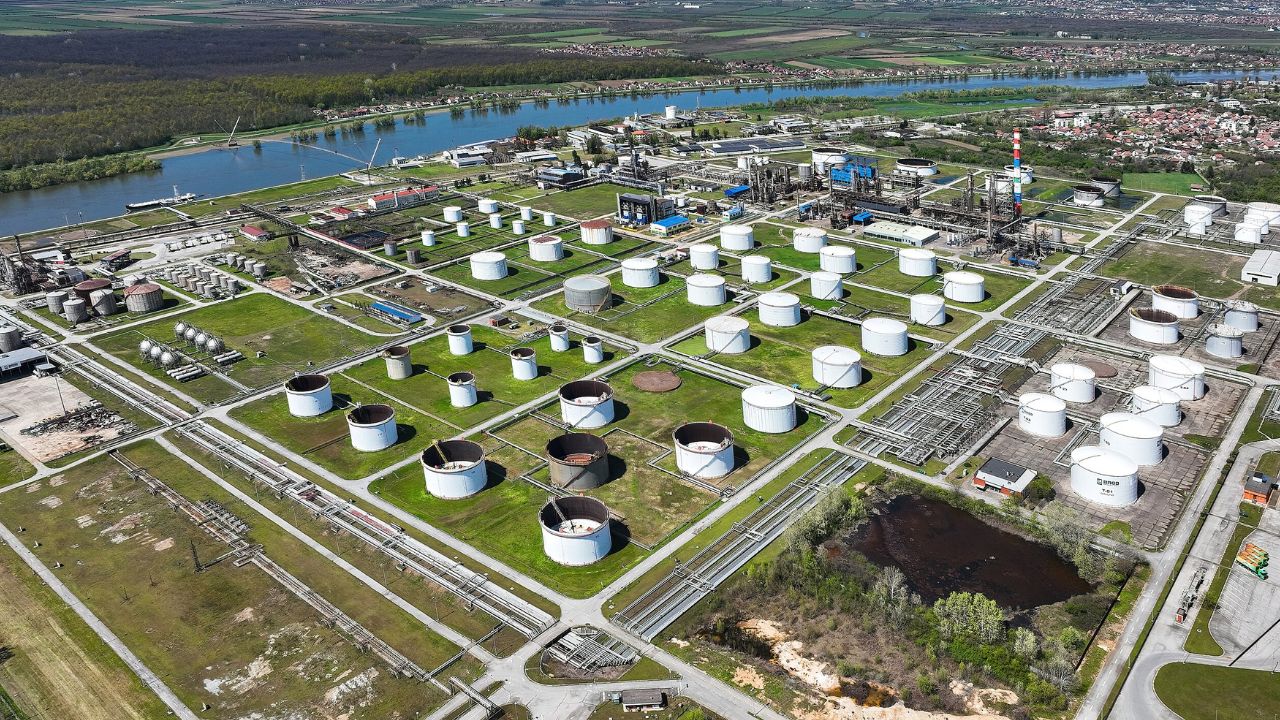
The destruction and damage to Russian refineries has created disruptions in Russia’s oil supply chain. With key facilities halted or damaged, Russian military operations faced fuel supply constraints.
According to reporting on Russia’s 2025 fuel crisis, refinery damage was significant, though Russia’s annual oil processing declined modestly as the country employed alternative capacity and import strategies to offset production losses.
Impact on Russian Operations

As Ukraine continues strikes on Russian fuel supplies, Moscow faces ongoing logistical challenges. The loss of production capacity at multiple refineries within one week represents a significant disruption to Russia’s refining capacity.
Military analysts have noted that these strikes create fuel supply pressures on Russian operations, though Russia has demonstrated ability to employ spare refining capacity and other mitigation strategies to partially offset production losses.
Russian Response and Air Defense Challenges
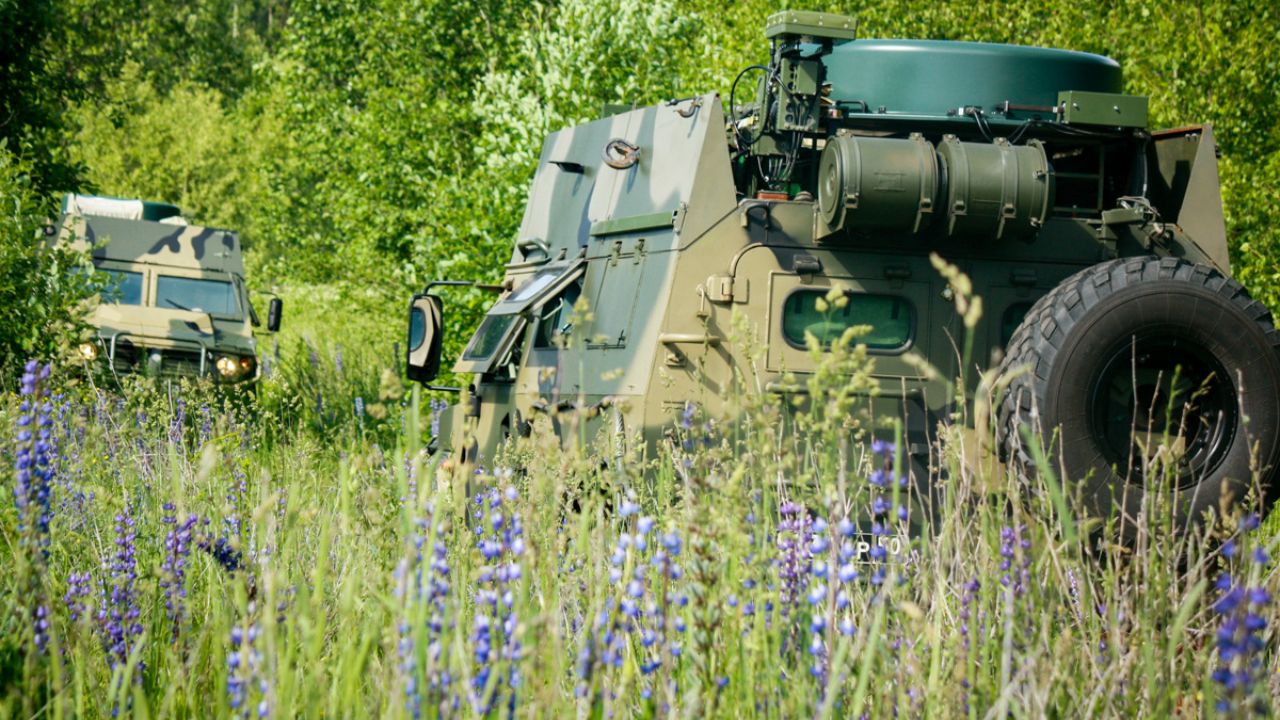
Despite air defense efforts, Russia’s defenses were challenged by the volume and range of Ukrainian drone strikes. The Russian 76th Air Assault Division command structure sustained damage in the campaign.
As strikes continued, Russian leadership responded by reallocating air defenses to protect critical energy sites. Regional governors declared emergencies and fuel rerouting initiatives began.
Recovery Efforts Underway

Recovery operations began at damaged refineries, though production at key facilities remained halted or suspended. Repairs at facilities like Ryazan and Yaroslavl proceeded with delays, leading Moscow to depend on backup depot capacity and imports.
Ukraine has pledged to continue drone strikes to further degrade Russian military capabilities and energy infrastructure.
Market and Strategic Analysis

Experts have assessed that refinery strikes create meaningful disruptions to Russian energy production, with southern fuel facilities expected to face extended offline periods during repairs.
Oil markets have monitored the disruptions, with Russian claims of minimal damage contrasting with visual evidence of fire damage and production halts. The strategic value of the strikes lies in their targeting of energy infrastructure critical to Russian military logistics.
Global Energy Market Considerations
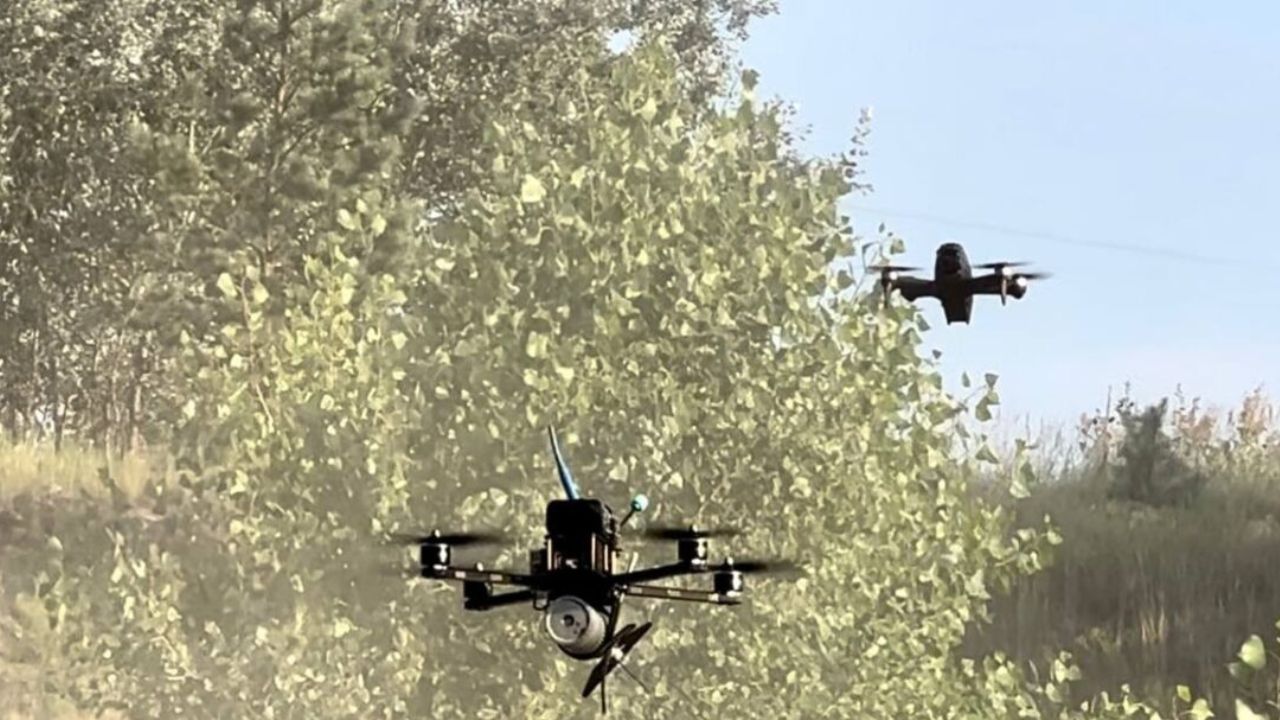
The disruptions to Russian refining capacity have potential ripple effects on global energy markets. Russian oil production disruptions create uncertainty in energy supply dynamics.
With Russian production capacity offline or damaged, the broader economic implications for global energy markets are being monitored by analysts and traders.
Long-Range Drone Warfare Evolution
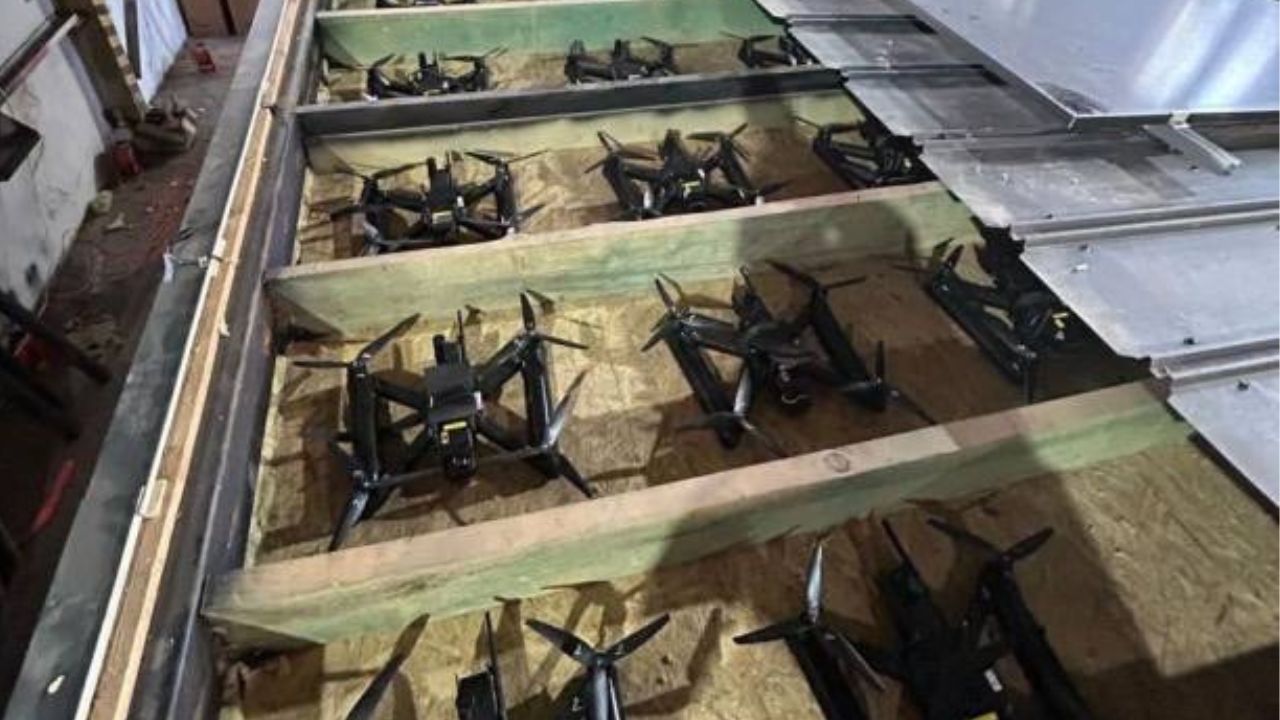
Ukraine’s success with long-range drones demonstrates evolving capabilities in modern warfare. With the ability to strike targets over 1,000 kilometers within Russian territory, Ukrainian drones have expanded the operational reach of Ukrainian military strikes.
This approach to targeting critical infrastructure reflects emerging patterns in modern military operations focusing on long-range precision strikes against logistics and energy targets.
Russian Strategic Adjustments

Facing sustained drone strikes, Russia has adjusted its defense strategy, with resources redirected to protect critical energy and military infrastructure.
Moscow’s response reflects the challenge of defending vast territory and critical infrastructure against determined long-range drone campaigns.
Future of Modern Warfare
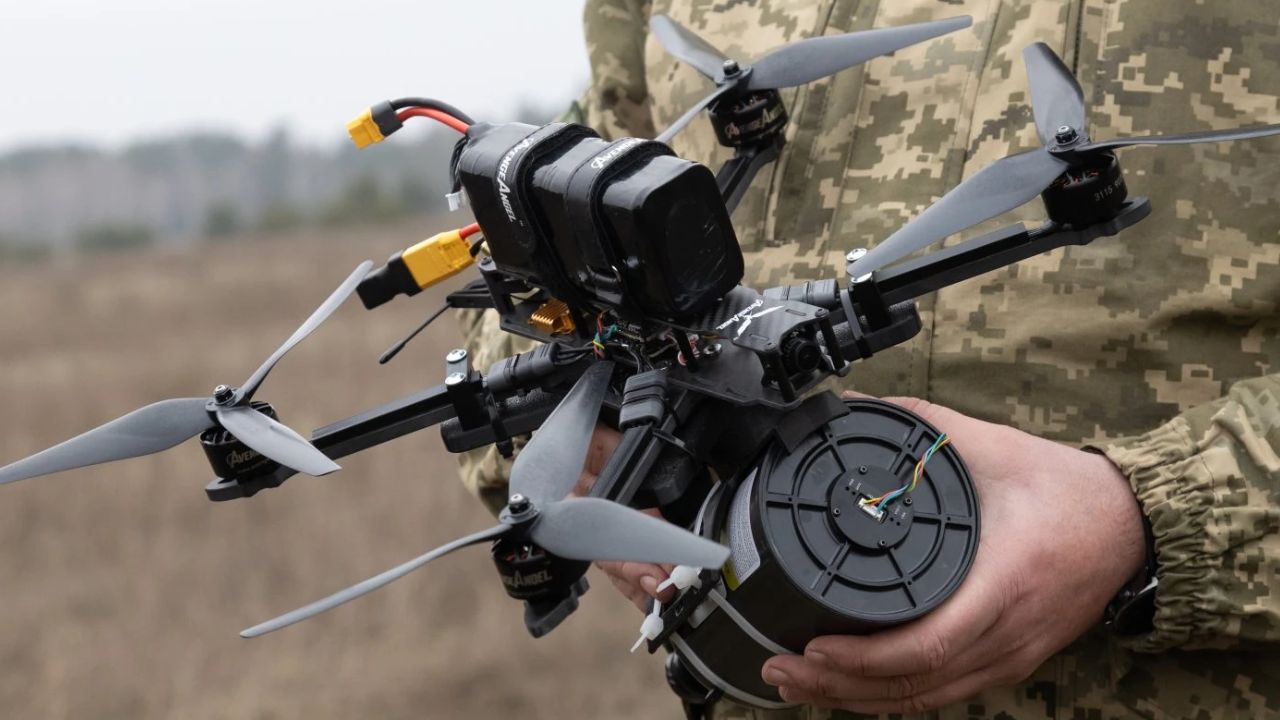
Ukraine’s drone campaign demonstrates the growing role of unmanned systems in modern conflict. The ability to strike distant, heavily defended infrastructure has created new tactical and strategic possibilities.
The patterns emerging from Ukraine’s campaign suggest that unmanned systems targeting critical infrastructure will likely play an increasing role in future military operations.
Sources:
“Ukraine says it hit Yaroslavl oil refinery, sources say output suspended.” Reuters, 12 Dec 2025.
“Ukraine Hits Afipsky 6.25M-Ton Refinery, Volgograd Depot Overnight, Says General Staff.” United24Media, 13 Dec 2025.
“Russia Uses Spare Refinery Capacity To Offset Ukrainian Drone Strikes.” ARISE TV, 13 Nov 2025.
“Russian Offensive Campaign Assessment, December 14.” Institute for the Study of War, 13 Dec 2025.