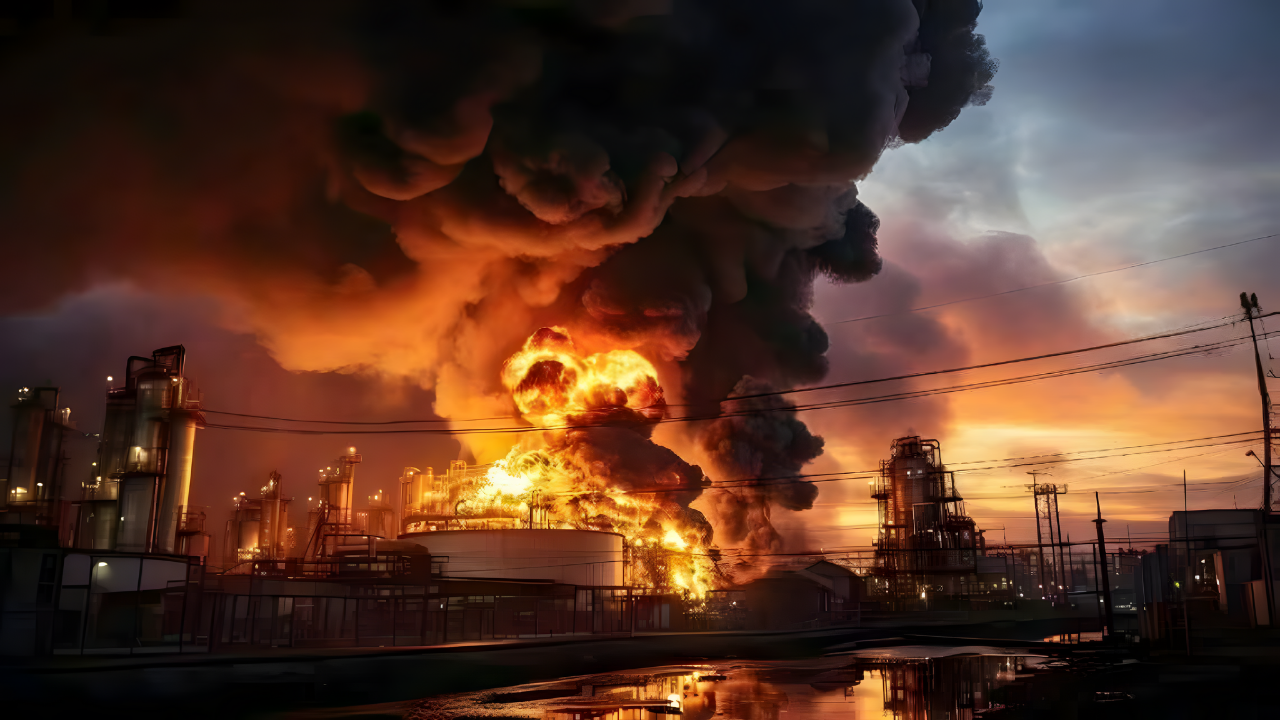
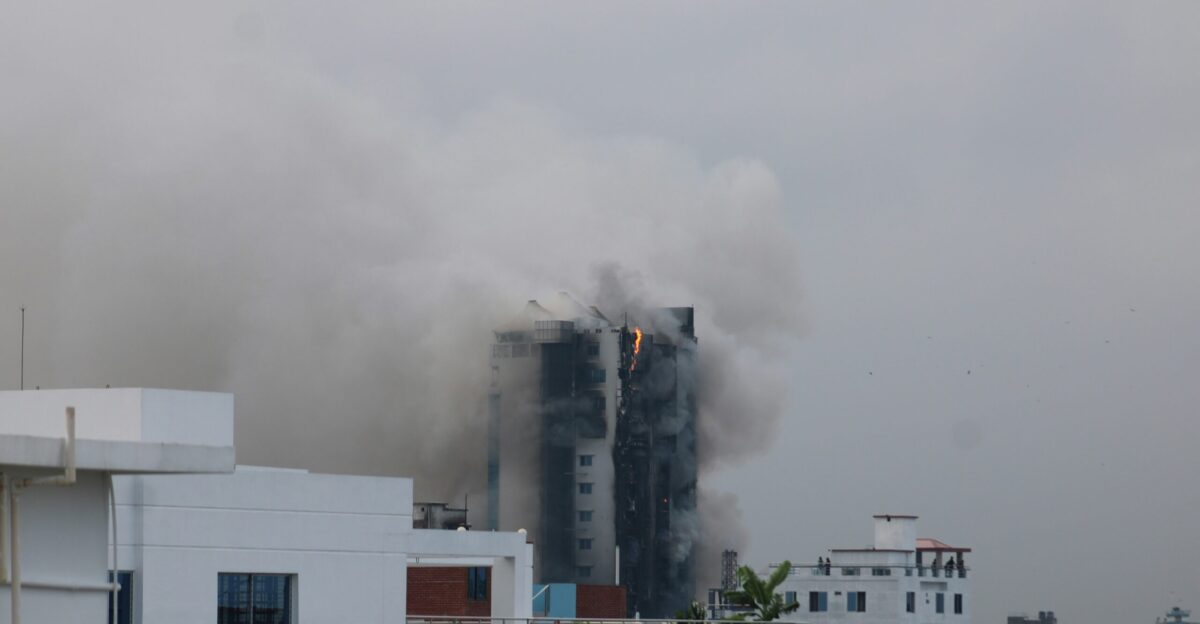
Residents of Yaroslavl in central Russia woke before dawn to a series of blasts and shaking windows as Ukrainian drones struck the Slavneft-YANOS oil refinery, more than 435 miles from the Ukrainian border. The overnight attack on December 12 ignited a large fire at one of Russia’s five biggest refineries, a facility that processes about 15 million tons of crude oil annually. Witnesses reported at least seven explosions as flames spread through the complex, with independent Russian outlets sharing footage of the blaze burning into the morning.
Strategic Target in Russia’s Fuel Network
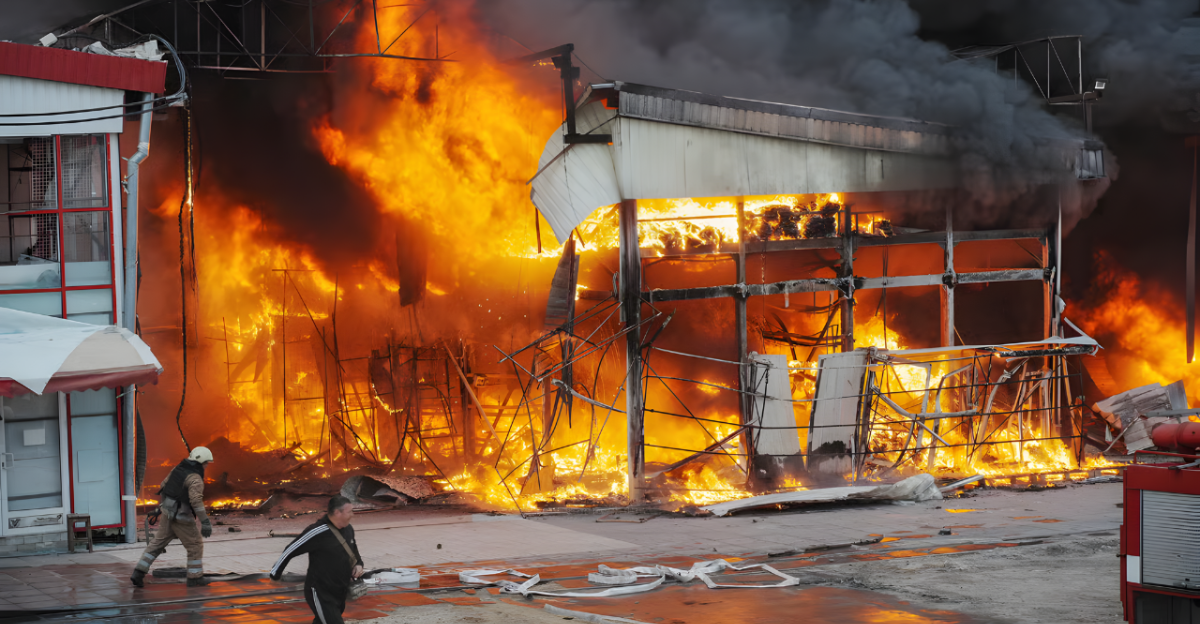
The Slavneft-YANOS plant is a key node in Russia’s energy and military logistics system. It produces gasoline, diesel, and jet fuel that help power Russian forces inside the country. The refinery processes roughly 300,000 barrels per day, accounting for approximately three to five percent of Russia’s total refining capacity. Damage to a facility of this scale disrupts both domestic fuel consumption and the wider energy system that underpins Russia’s war effort. Ukraine’s General Staff confirmed the strike, stating the refinery is “one of the largest refineries of the occupiers” supplying Russian military operations.
Multiple Explosions and Parallel Strikes
Residents in Yaroslavl reported a succession of detonations beginning around 3 a.m. local time, only hours after regional governor Mikhail Yevrayev publicly warned of possible drone activity. Video and photographs posted on Russian Telegram channels showed fire spreading through parts of the refinery as daylight broke.
The Yaroslavl strike unfolded alongside a broader drone operation across Russia. That same night, Russian authorities said air defenses shot down 90 to 95 drones over several regions in total, with eight intercepted near Moscow. In Tver, a city roughly 170 kilometers northwest of Moscow, a drone hit a residential apartment block, injuring seven people, including a child. Officials said 22 residents were evacuated to temporary shelters.
A Nationwide Drone Campaign
According to Ukrainian and Russian reports, drones struck targets on December 12 across at least six Russian regions: Yaroslavl, Tver, Smolensk, Moscow, Tambov, Tula, and Oryol. Ukraine’s General Staff confirmed it had hit the Slavneft-YANOS refinery, describing it as one of the largest plants supporting Russian forces. The attack highlighted Ukraine’s expanding long-range drone capabilities—aircraft that traveled more than 435 miles into Russian territory and bypassed layers of air defense.
Energy Infrastructure in the Crosshairs
The Yaroslavl strike fits into a broader Ukrainian campaign against Russia’s oil refining sector. Since January 2025, Ukraine has hit at least 21 of Russia’s 38 major refineries. By October, these attacks had temporarily disrupted between 18 and 20 percent of national refining capacity. Russia has attempted to offset losses by ramping up output at undamaged plants, but such measures involve workarounds and logistical strain. A separate attack on the Syzran refinery on December 5 forced that facility to shut down. Repeated strikes on the same facilities deepen the disruption and tie up resources in repair and protection efforts.
Western sanctions have complicated Russia’s repair capacity, limiting access to spare parts from major equipment suppliers. Industry analysts warn that critical repair times are extending, with advanced equipment failures becoming increasingly difficult to manage.
Ukrainian leaders say the focus on energy is deliberate. Oil and gas revenues remain Moscow’s primary source of funding for the war, covering weapons production, salaries, and transport. Ukraine’s long-range strikes on energy infrastructure have been estimated to cost Russia approximately $74 billion in oil revenue losses. Strikes on refineries function as direct economic pressure, undercutting the financial base of Russia’s military operations.
Inside Russia, refining disruptions have affected consumers. Retail fuel prices increased by around ten percent during 2025 as refinery attacks accumulated, and shortages appeared in several cities, affecting both civilian life and military logistics.
Escalating Infrastructure War and Future Risks
The exchange of strikes on energy and utilities has evolved into a wider contest over critical infrastructure. Ukrainian officials say they intend to continue targeting refineries to prevent repairs and prolong disruption to Russia’s energy system. In response, Russian forces have sustained attacks on Ukraine’s power grid, periodically leaving parts of Kyiv and other cities without electricity during winter.
The intensifying strikes and deep-penetration drone operations have raised broader security concerns in Europe. On December 11, NATO Secretary General Mark Rutte issued a stark warning to European allies at the Munich Security Conference in Berlin, saying they must significantly strengthen their defenses and citing Russia’s military threat timeline. He stated that Russia had “reintroduced warfare to Europe.”
As the conflict approaches its fourth year, the Yaroslavl refinery attack illustrates how each side is targeting infrastructure to weaken the other’s ability to sustain the war. Ukraine’s long-range drone campaign aims to make continued fighting economically costly for Moscow, while Russia’s strikes on Ukraine’s grid pressure society and industry. The outcome of this infrastructure struggle will shape military operations and the political and economic landscape across Europe in the years ahead.
Sources
BBC News – “We must prepare for war with Russia, says Nato chief in stark new warning”
Kyiv Independent – “Yaroslavl oil refinery in Russia damaged in overnight drone attack reportedly on fire”
Kyiv Independent – “Drone reportedly hits apartment building in Russia’s Tver, officials say 7 injured”
Anadolu Agency – “Russia says Ukraine’s drone attack hit residential building in city of Tver”
Pravda – “Ukraine’s General Staff confirms Ukrainian drones hit oil refinery in Yaroslavl”
Reuters/Yahoo News – “One of Russia’s largest oil refineries ablaze amid reported Ukrainian drone strike on Yaroslavl”