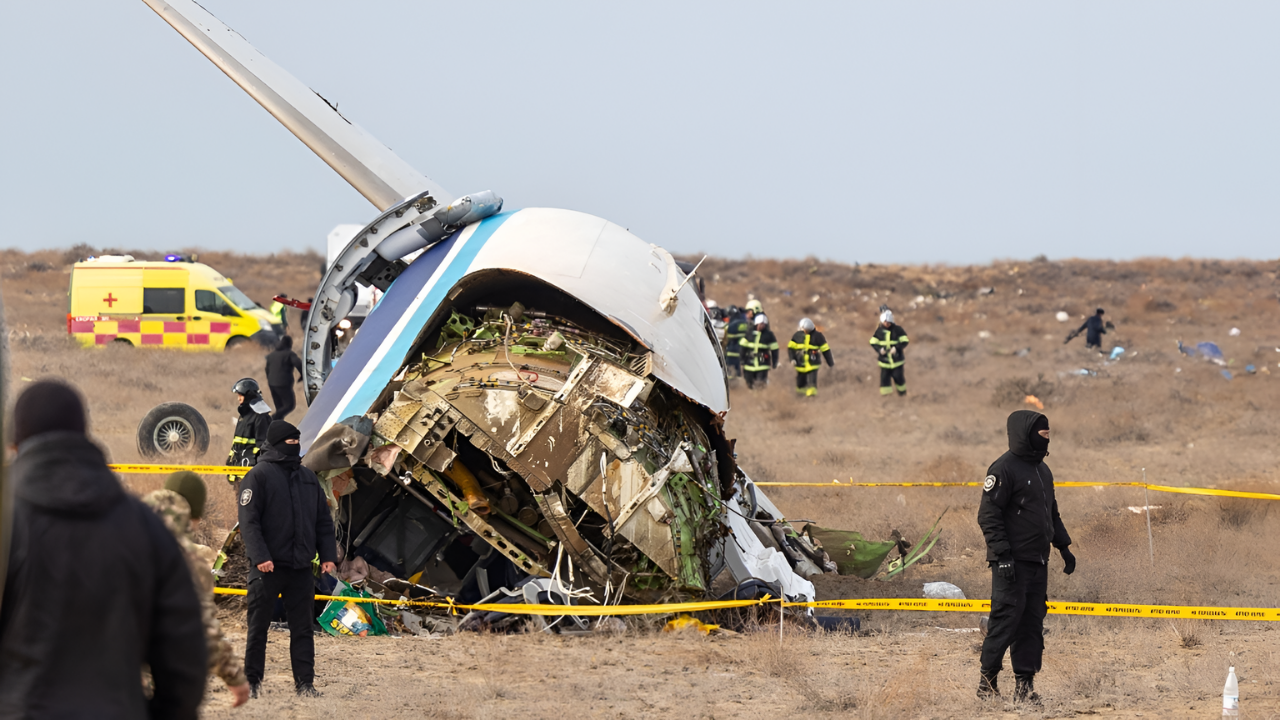
Moscow’s skies fell silent on the evening of December 27, not to weather or mechanical failure, but to war. As Ukrainian drone swarms approached the Russian capital, the Kovyor emergency protocol was activated across four major airports. By midnight, the chaos had unfolded: 290 flights delayed at two terminals alone, 80 planes diverted mid-route, 300 journeys interrupted.
Inside packed terminals, families clutched boarding passes to cancelled flights. For thousands of travelers stranded during the holiday season, Moscow’s airports had become a prison of uncertainty.
Where the Drones Struck
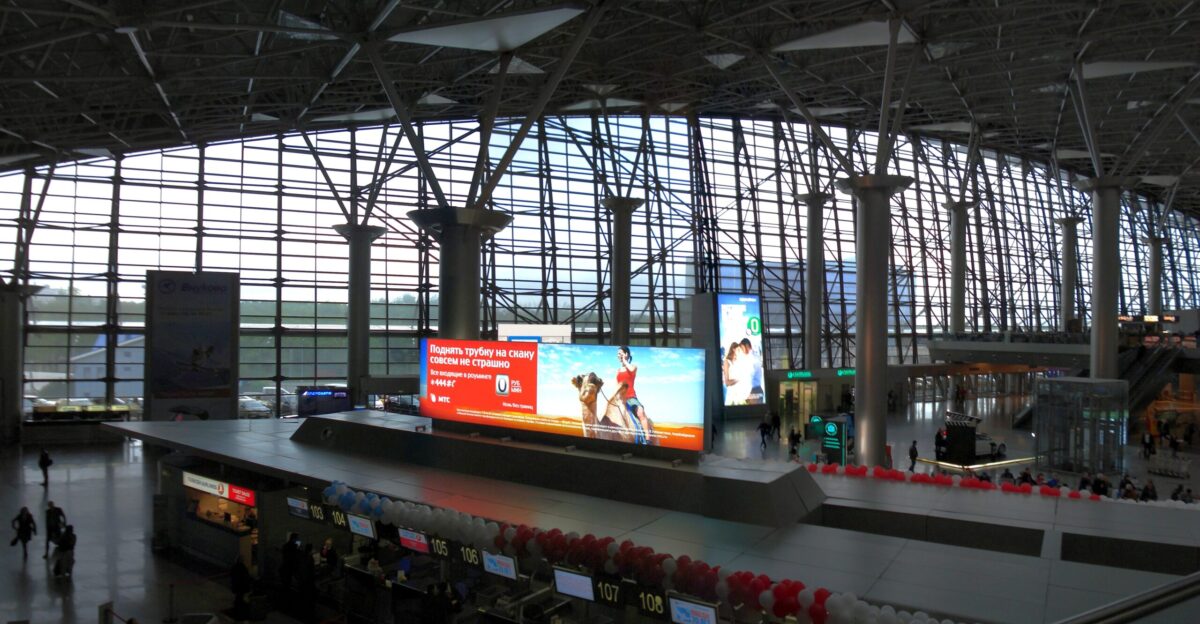
The attack targeted Moscow’s lifeline: Vnukovo and Sheremetyevo airports, the two busiest terminals, which handle millions of passengers yearly. The Kovyor plan—a military safety protocol triggered only when unidentified aerial objects breach airspace—was activated at 4 p.m. at Vnukovo, followed an hour later at Sheremetyevo.
According to The Moscow Times, restrictions remained in place until midnight, forcing air traffic controllers into a holding pattern that affected Russia’s entire aviation system. Four major carriers—Aeroflot, Pobeda, Rossiya, and Nordwind—issued emergency schedule adjustments, leaving passengers scrambling for information.
The Human Cost Multiplies

Each delayed flight carried not just passengers, but stories: missed connections, abandoned vacations, separated families. The Moscow Times reported that some passengers were unable to depart from Sheremetyevo for as long as six hours.
Frustration compounded the next morning when Aeroflot confirmed that the aircraft that had been diverted the previous evening had still not returned to Moscow, forcing yet another round of rescheduling and fresh disappointment for those hoping to resume their journeys. For travelers during the holiday season, the disruption was deeply personal.
The Diversion Domino Effect

When an airport closes, chaos radiates outward. The 80-plus planes diverted to alternate airfields didn’t simply land elsewhere and resume operations. They created bottlenecks at secondary airports, strained handling crews, and extended delays across the network. No airline expects to redirect dozens of aircraft mid-flight suddenly; the operational scramble—fuel logistics, ground services, crew repositioning—creates a cascade of complications that echoes for days.
By the morning of December 28, the aviation system was still untangling the mess, with Aeroflot warning of further disruptions as those diverted aircraft awaited clearance to return.
A Second Strike in Darkness
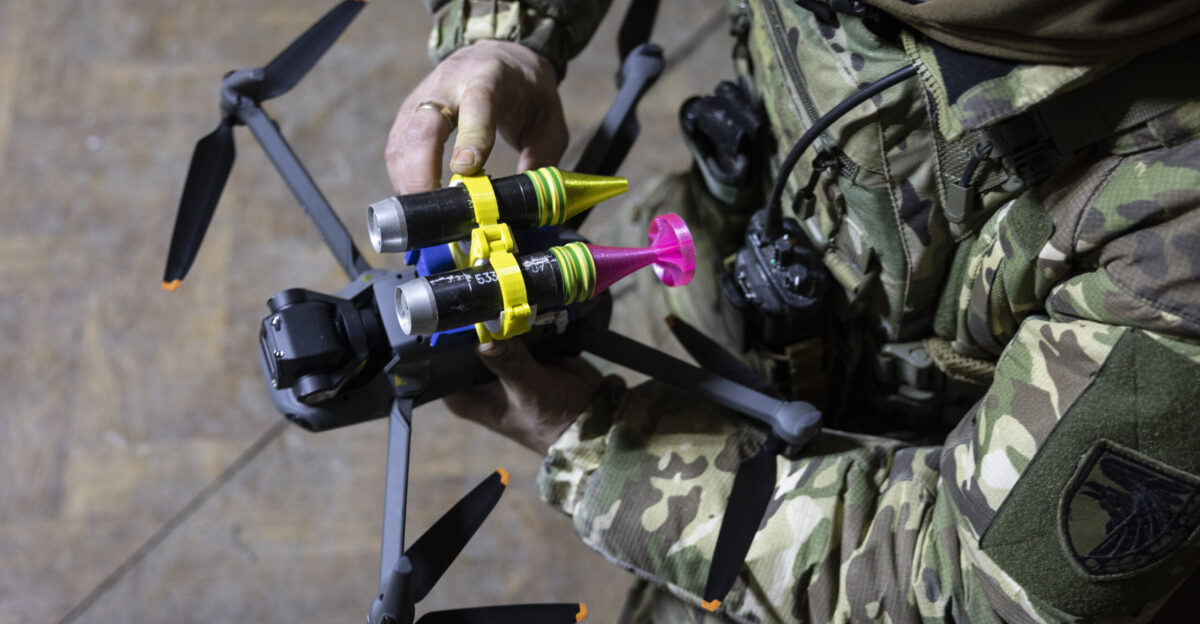
While Moscow’s airports struggled to recover, Ukrainian forces launched a second operation 760 kilometers away. On the night of December 27-28, strike drones hit the Syzran oil refinery in Russia’s Samara Oblast. The General Staff of the Armed Forces of Ukraine confirmed that attack UAVs struck the refinery territory, igniting fires across the complex.
This was not coincidence—it was strategy: while Moscow’s aviation network was in chaos, Ukrainian forces targeted critical Russian infrastructure simultaneously, demonstrating the breadth of their operational reach.
The Strategic Prize
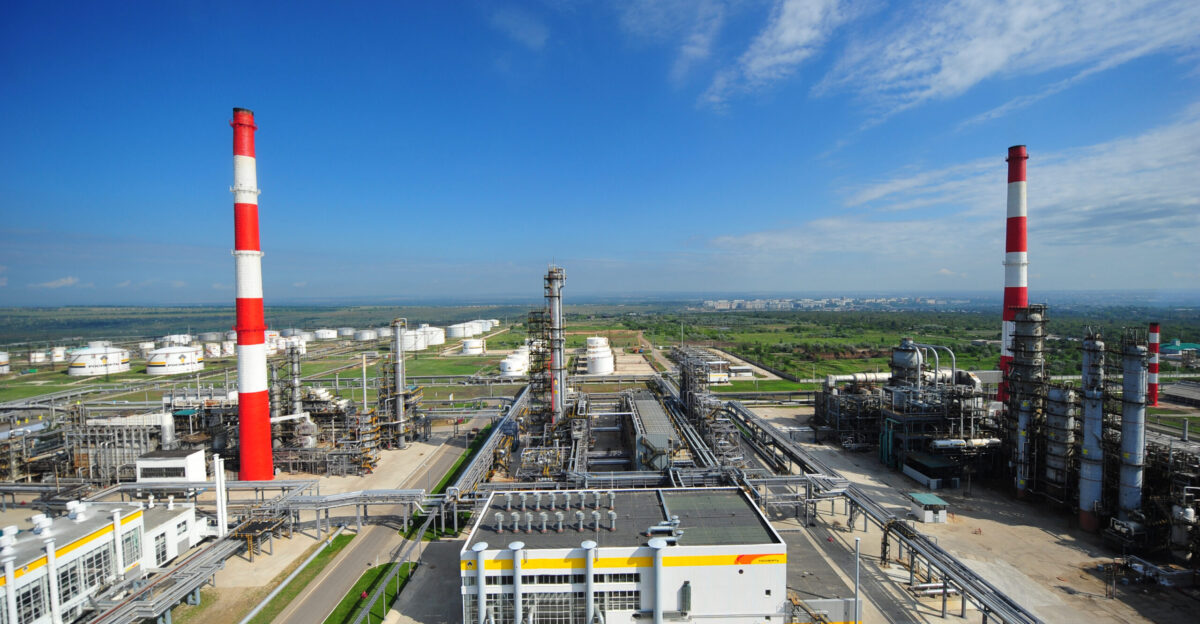
The Syzran refinery is no ordinary facility. According to Ukraine’s General Staff, the plant processes between 7 to 8.9 million tonnes of crude oil annually, directly supporting Russian military operations and the broader war effort. A strike of this magnitude doesn’t just disrupt a single installation; it disrupts the fuel supply chains that sustain tanks, vehicles, and logistics across multiple theaters of war.
The refinery’s sudden vulnerability—attacked while Moscow was still reeling—underscored a strategic reality: Ukraine is no longer fighting on its own territory alone.
Why Drone Swarms Work
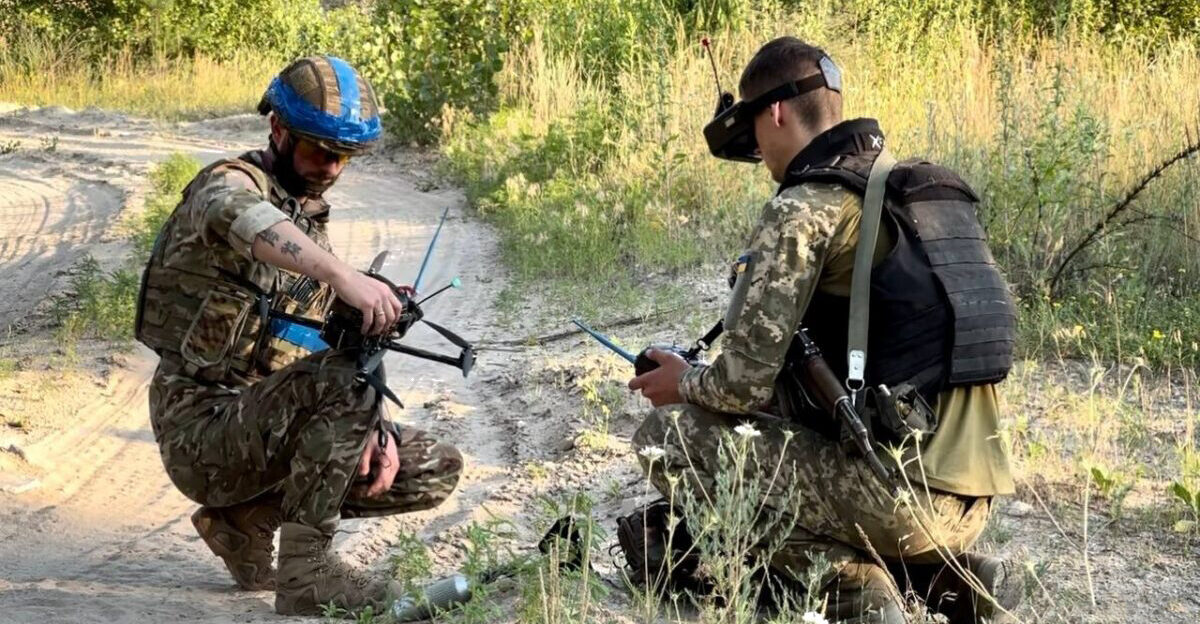
The success of this coordinated strike reveals why drone warfare has become the signature tactic of this conflict. Unmanned aircraft operate below the radar of traditional air defense systems, moving slowly enough to evade detection but persistently enough to overwhelm defenses. Moscow Mayor Sergey Sobyanin claimed that Russian air defenses shot down 26 drones approaching the capital—yet 80 planes still diverted and 290 flights still delayed.
The numbers tell the story: even if some drones were intercepted, enough got through to trigger emergency protocols, proving that Moscow’s supposedly fortress-like air defenses have limits.
The Kovyor Protocol: When War Comes to Civilians
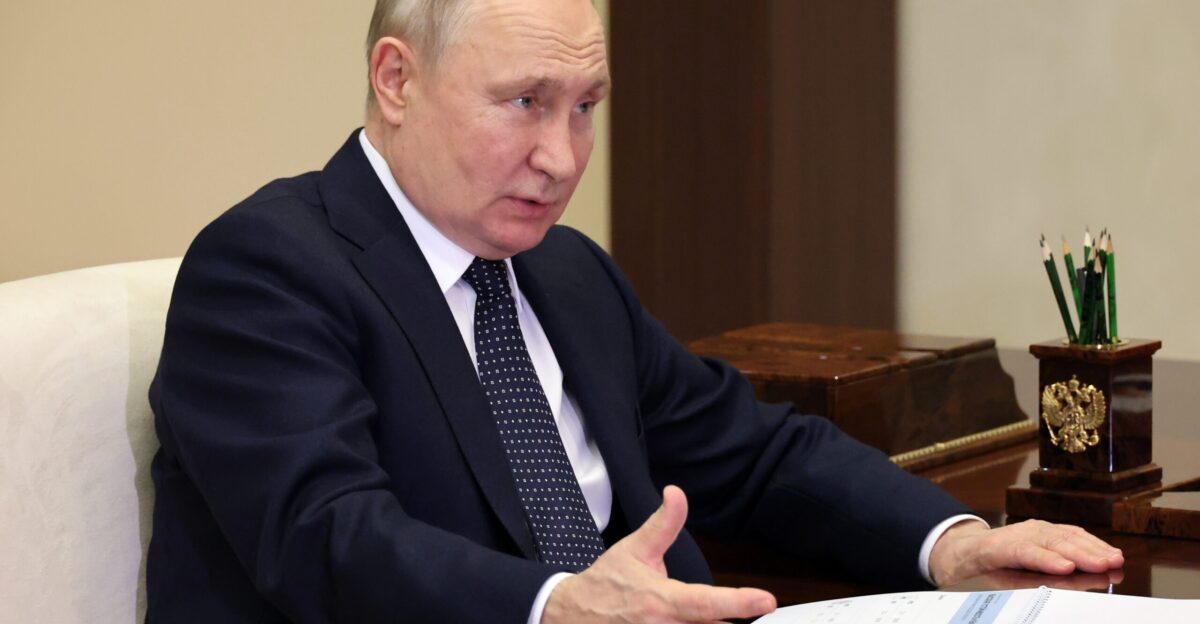
The activation of the Kovyor plan across four Moscow airports signals something beyond routine military activity. This protocol exists for one purpose: to clear skies and ground traffic when missiles or drones pose an imminent threat. Its activation is rare in peacetime and increasingly common now.
Waiting areas filled with bewildered travelers, children asking their parents why the plane isn’t leaving, and elderly passengers struggling with hours-long delays—these are the visible costs when a military emergency protocol clashes with civilian infrastructure. The Kovyor plan is Russia’s way of saying: war has arrived at our doorstep.
A Pattern of Escalation
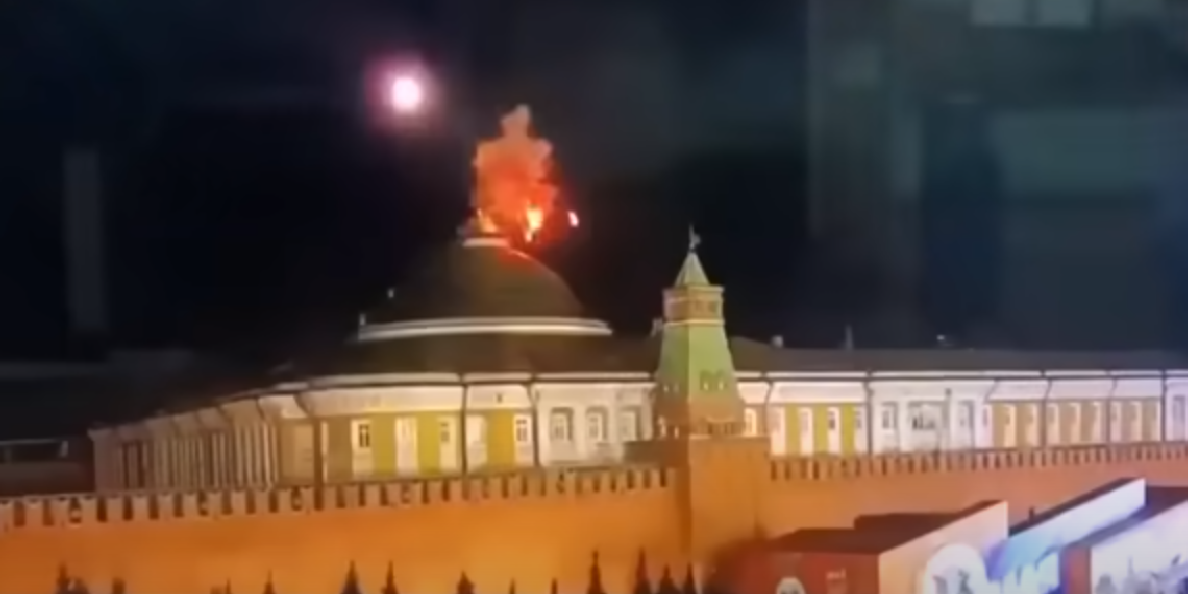
This strike wasn’t an isolated incident but part of an expanding pattern. Ukrainian drones have been reaching Moscow with increasing regularity, traveling distances once thought impossible. The 760-kilometer journey from Ukraine to Russia’s capital, which has been achieved repeatedly over recent months, represents a fundamental shift in the war’s geography.
Each successful strike—whether on airports, refineries, or military installations—proves that no Russian target is beyond reach. Moscow is no longer merely threatened; it is repeatedly struck, and its civilians feel the consequences daily.
The Airport Arithmetic
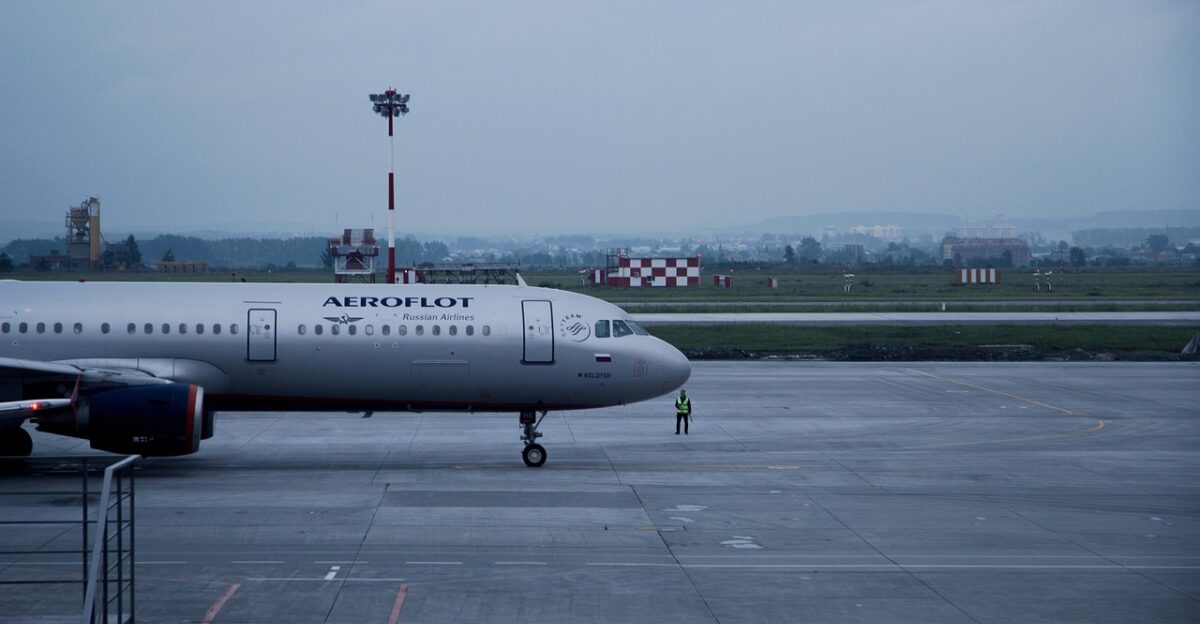
To grasp the scale: Moscow’s four main airports handle roughly 100 million passengers annually. The December 27 disruption affected 300-plus flights in a single night. While significant, this was not the largest disruption—May 2025 saw even greater chaos.
The concentrated, acute impact shatters the assumption that civilian life in Moscow continues undisturbed. When 300 flights halt overnight, that’s a shock to the system—a reminder that war intrudes even into the routines of those who live far from the frontline.
The Economic Fallout

Aviation delays carry steep financial consequences. Industry estimates place the cost at $10,000 to $20,000 per delayed or cancelled flight across crew repositioning, fuel inefficiencies, hotel costs, and compensation. For 300 disrupted flights, losses accumulate swiftly—potentially $3 million to $6 million in direct costs to airlines, plus unmeasured costs to businesses, travelers, and the broader economy.
These are real losses, absorbed by companies already strained by conflict, sanctions, and operational uncertainty. The war’s economic reach extends into ledgers far removed from any battlefield.
A Question Without Clear Answers
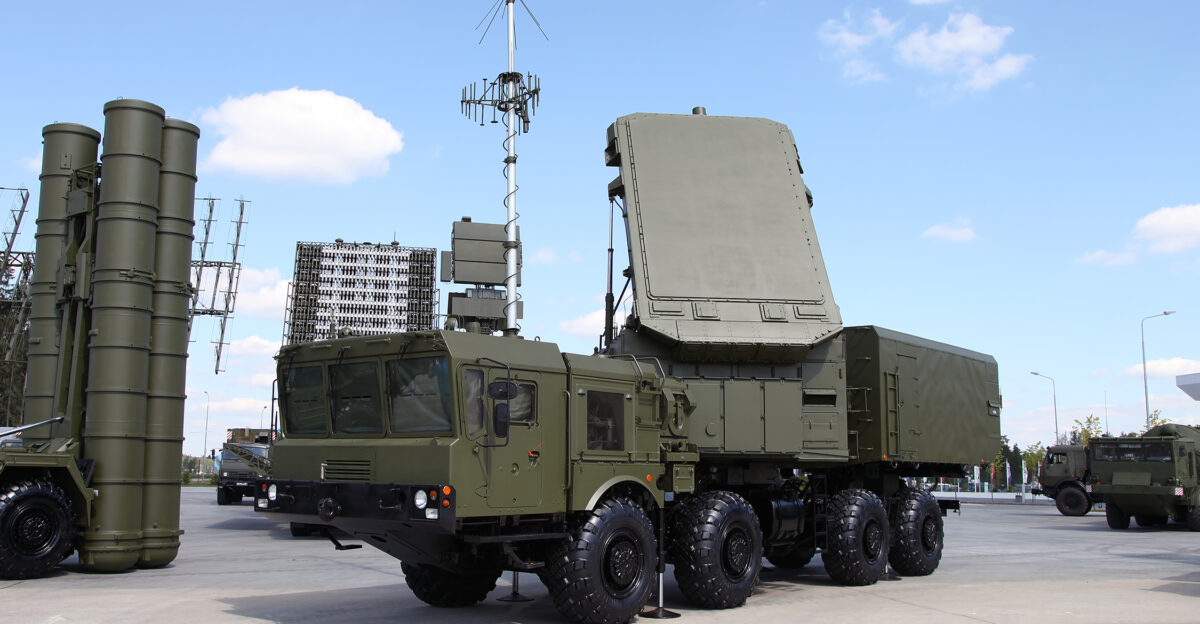
The attack raises uncomfortable questions for Russian military planners. How did coordinated Ukrainian drone strikes breach Moscow’s airspace despite the presence of S-400 air defense systems, some of Russia’s most advanced? Why did 80 planes need to be diverted if air defenses were effective? Why was the Kovyor emergency protocol triggered at all if threats were being neutralized before reaching civilian airports?
Russia’s official narrative—that its air defenses are functioning—collides with the observable reality: airports are closed, flights are delayed, and passengers are stranded. The gap between claims and outcomes is impossible to ignore.
The Refinery’s Broader Implications
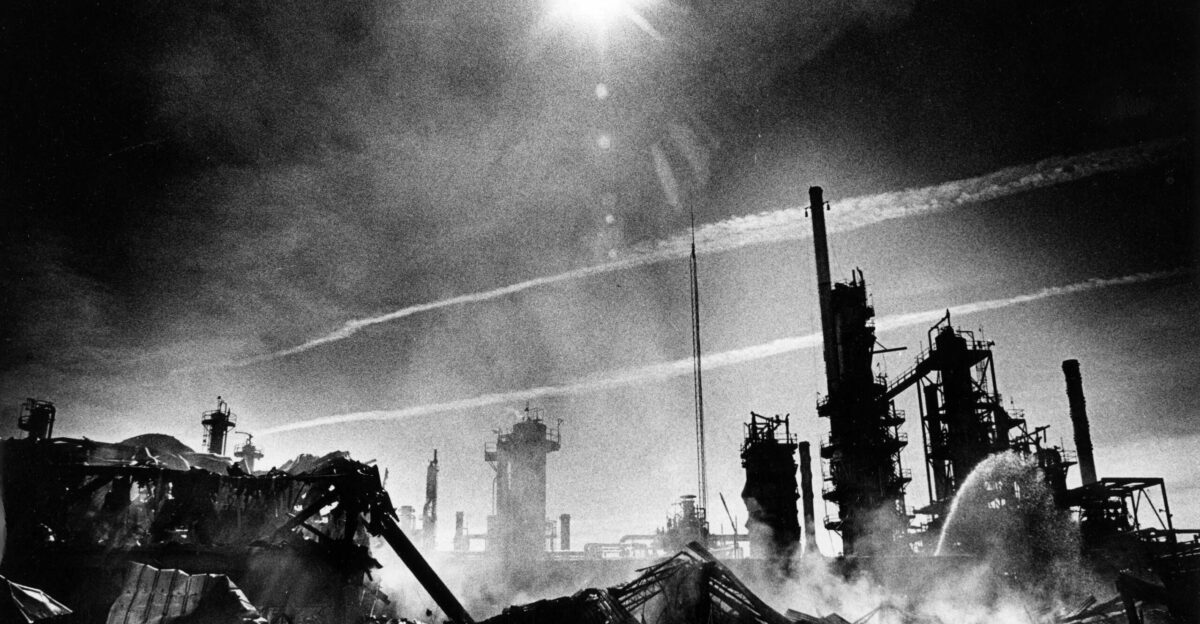
The Syzran refinery attack carries implications beyond immediate fuel supply disruptions. Refinery strikes across Russia have become increasingly successful over recent months, targeting not just a single facility but the entire oil-refining infrastructure supporting the war effort. Each successful strike reduces Russia’s capacity to process crude into usable fuel, forcing reliance on whatever existing reserves exist and complicating logistics across all theaters.
Ukraine’s dual-strike strategy—simultaneous civilian and military infrastructure hits—demonstrates sophisticated operational planning and a deep understanding of Russian vulnerabilities.
What Comes Next for Moscow’s Skies
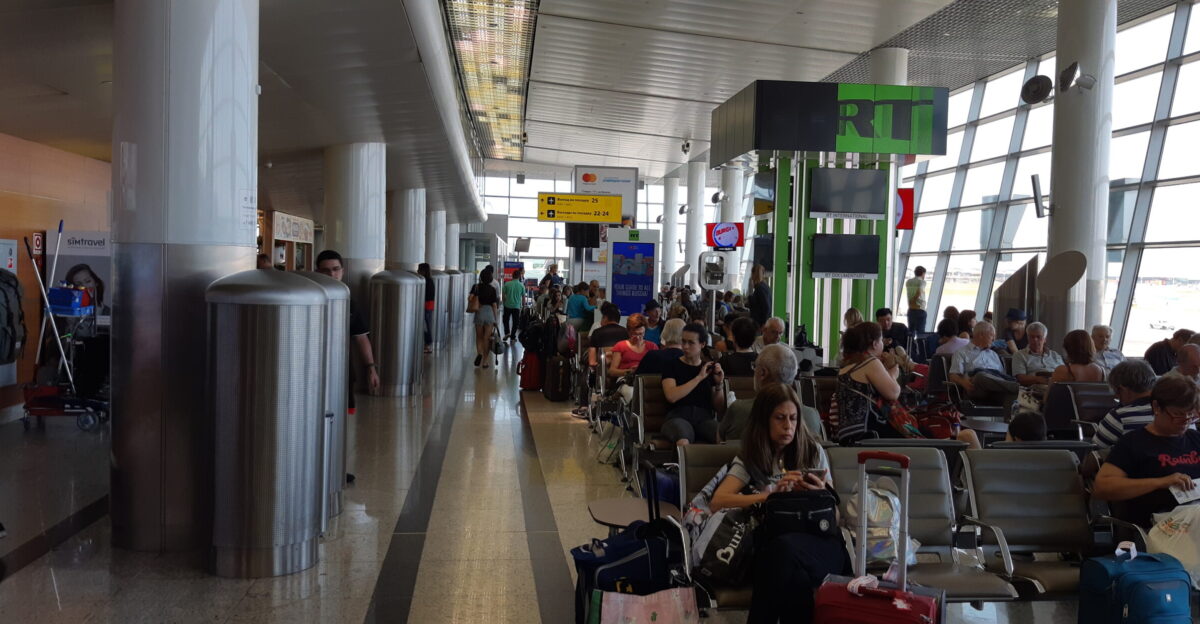
As dawn broke on December 28, Moscow’s airports remained in recovery mode. Aeroflot’s statement that diverted aircraft had not yet returned meant more cancellations were coming, more disappointed passengers, more disruption. The calendar offered no comfort: the holiday season meant terminals crowded with travelers already stressed by circumstances beyond their control.
The Kovyor protocol could be activated again at any moment. For Moscow’s residents and the millions who depend on its airports, the reassurance of normal operations had become conditional, dependent on conditions beyond anyone’s control. The war, once distant, now shapes daily life in ways both visible and quietly pervasive.
Sources:
Over 270 flights were delayed in Vnukovo and Sheremetyevo due to restrictions – Izvestia
Ukrainian drones struck Russia’s Syzran Oil Refinery – Kyiv Independent
Over 300 flights cancelled or delayed in Moscow due to drone attack – Ukrainska Pravda
Ukraine Says It Strikes Rosneft’s Syzran Oil Refinery in Samara – Energy News Beat
More Than 300 Flights Canceled And Delayed In Moscow Due To Drone Attack – Charter97
Defense Forces strike Syzran oil refinery in Russia and several targets in Luhansk region – Ukrinform