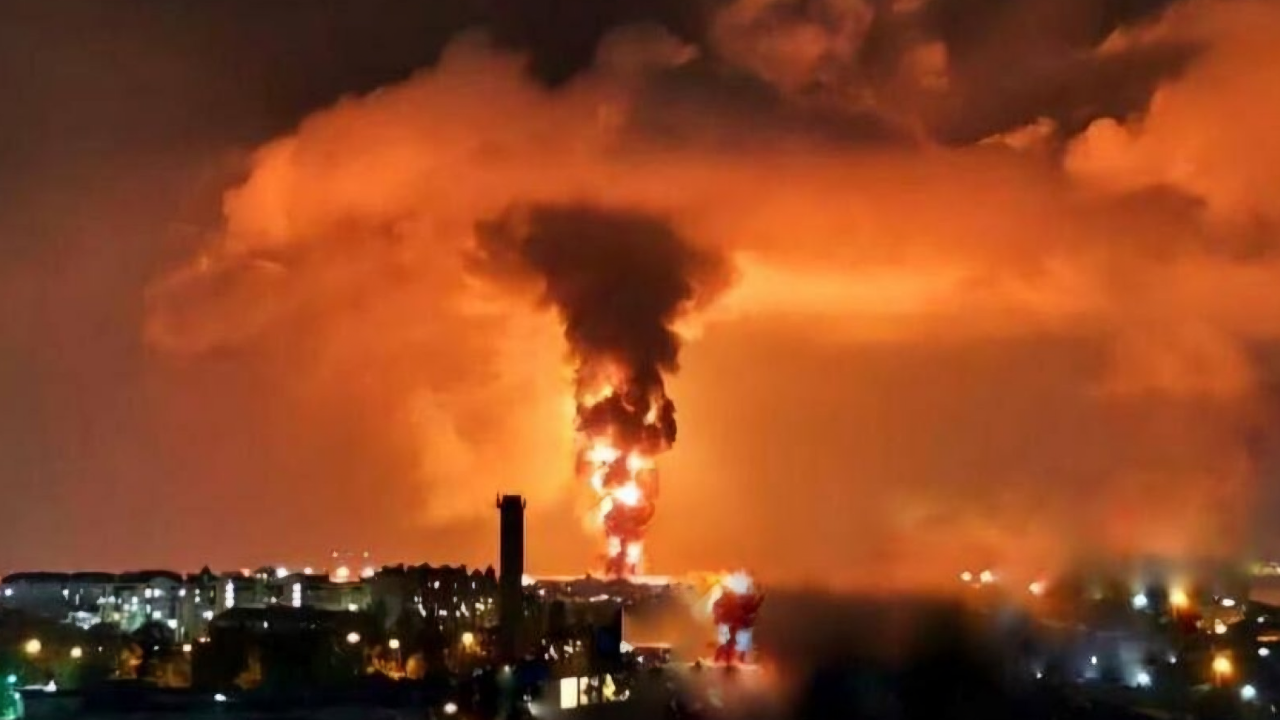
On Christmas Day, Ukraine struck a key Russian refinery in Rostov Oblast, disrupting a vital fuel supply for troops on the southern front. This major plant fuels military operations with diesel and aviation gas, per Ukrainian sources. The hit, over 200 km from front lines, shows Ukraine’s expanding reach in the fourth year of conflict.
Energy sites have become prime battlegrounds, straining Moscow’s logistics. Fires raged as Russia assessed damage, how will this holiday blow affect frontline supplies?
Storm Shadow Missiles Take Flight
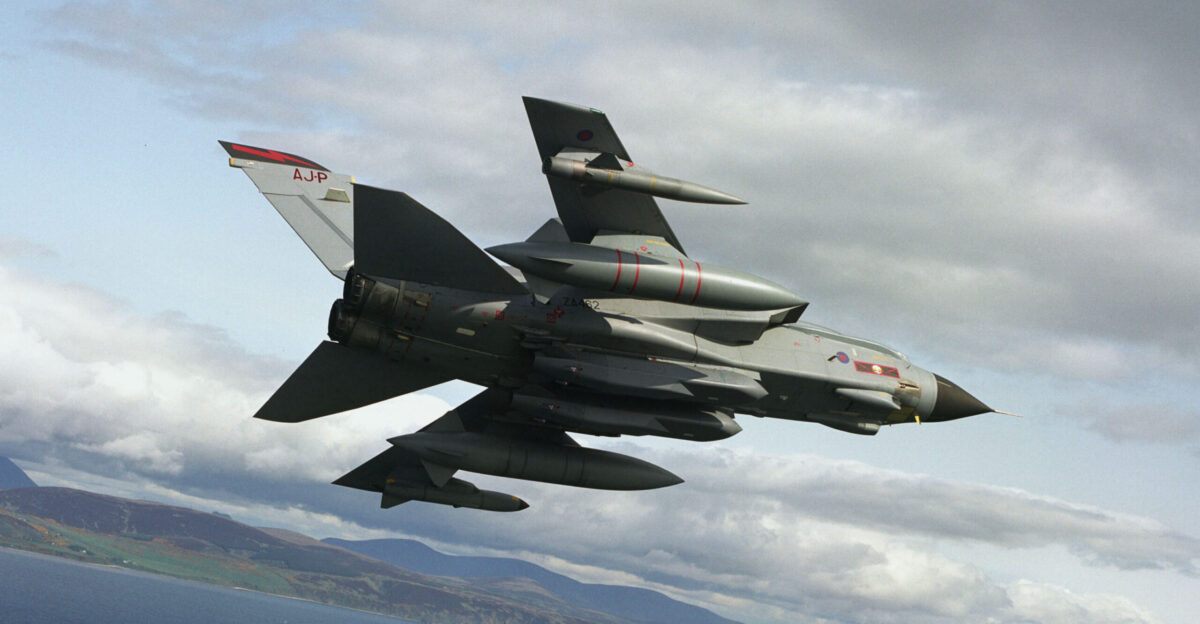
Ukraine’s Air Force fired UK-supplied Storm Shadow missiles in the Christmas attack, with a 250 km range for hitting distant targets. Provided since 2023, these weapons let Kyiv strike deep into Russia. “Storm Shadow missiles enhance Ukraine’s ability to target high-value sites behind enemy lines,” BBC News reported on May 11, 2023.
The raid underscores reliance on Western arms against Russia’s invasion. No longer limited to borders, these strikes target war-sustaining infrastructure. What drew the firepower? The refinery’s role in fueling troops.
Russia’s Oil Plants in the Crosshairs
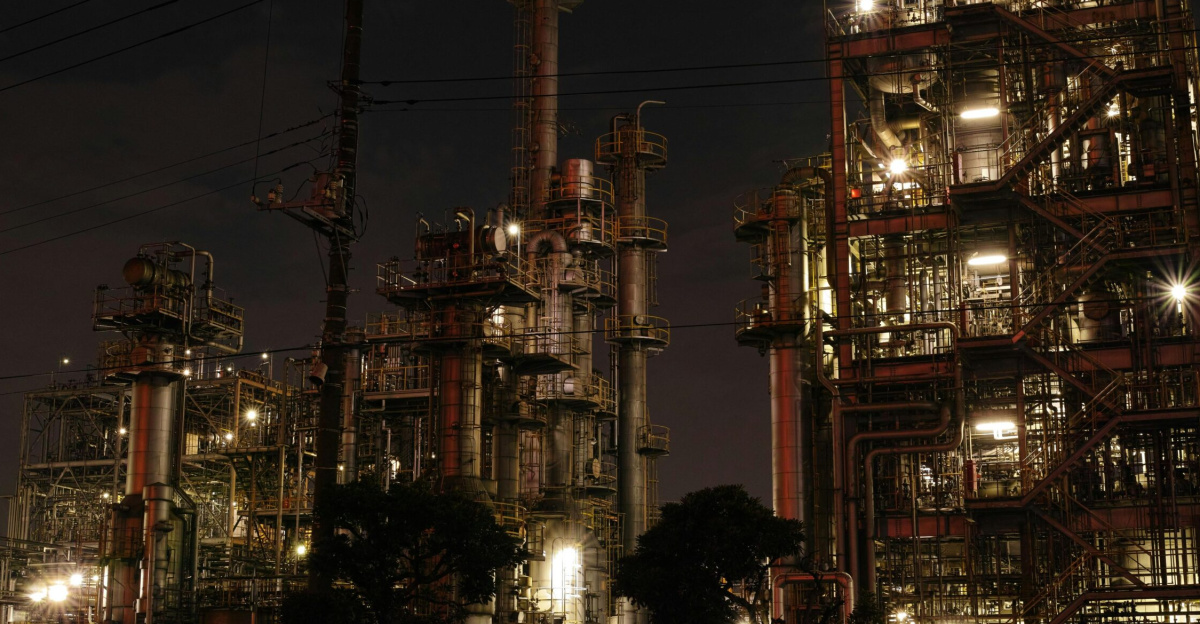
Since Russia’s 2022 invasion, Ukrainian drones and missiles have repeatedly targeted southern refineries like those in Rostov Oblast. These sites supply fuel for military vehicles and aircraft, making them key targets. Novoshakhtinsk, 10 km from Ukraine and over 200 km from fighting, is highly exposed.
Ukraine pushes deeper, challenging defenses. Past attacks caused fires and halts, pinching supplies. Residents hear blasts, while strategists track vulnerabilities. Energy drives endurance in this war.
Fuel Supplies Under Heavy Fire
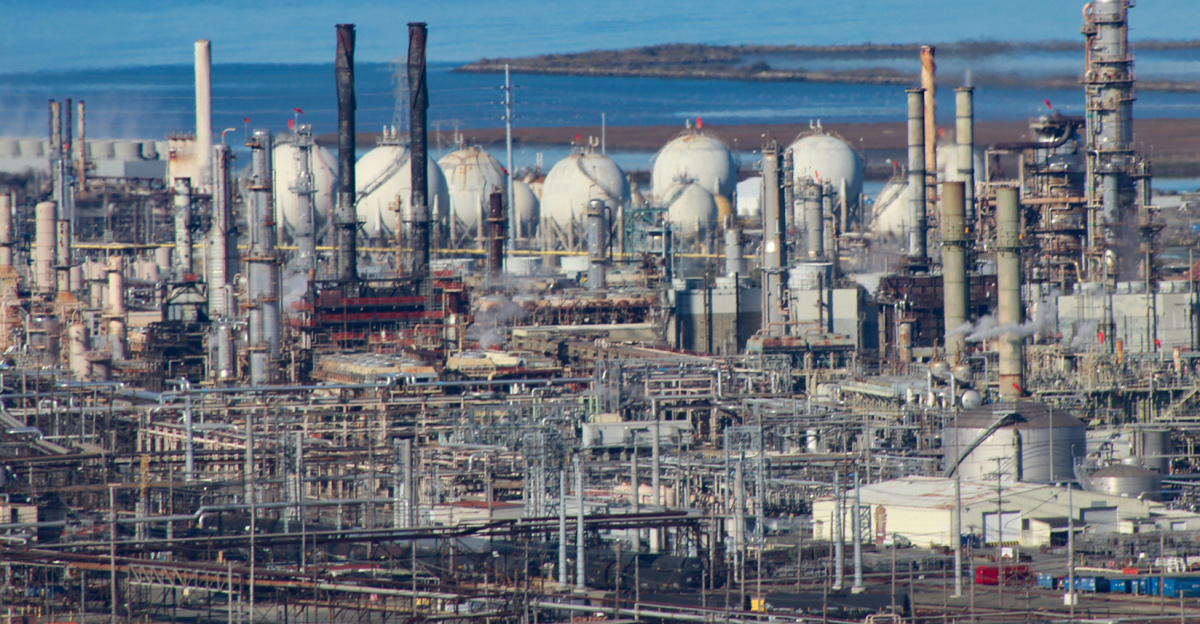
Russian forces near Ukraine rely on regional refineries for diesel and aviation fuel to sustain ops. Strikes have hit these hubs repeatedly, sparking fires and pauses. Supply chains strain under attacks, which site mattered most?
Novoshakhtinsk emerged critical. Troops face delays as convoys slow and jets wait. For Russia, it’s logistical pain; for Ukraine, a way to weaken without direct fights. Winter disruptions could shift battle dynamics.
Novoshakhtinsk Refinery Hammered
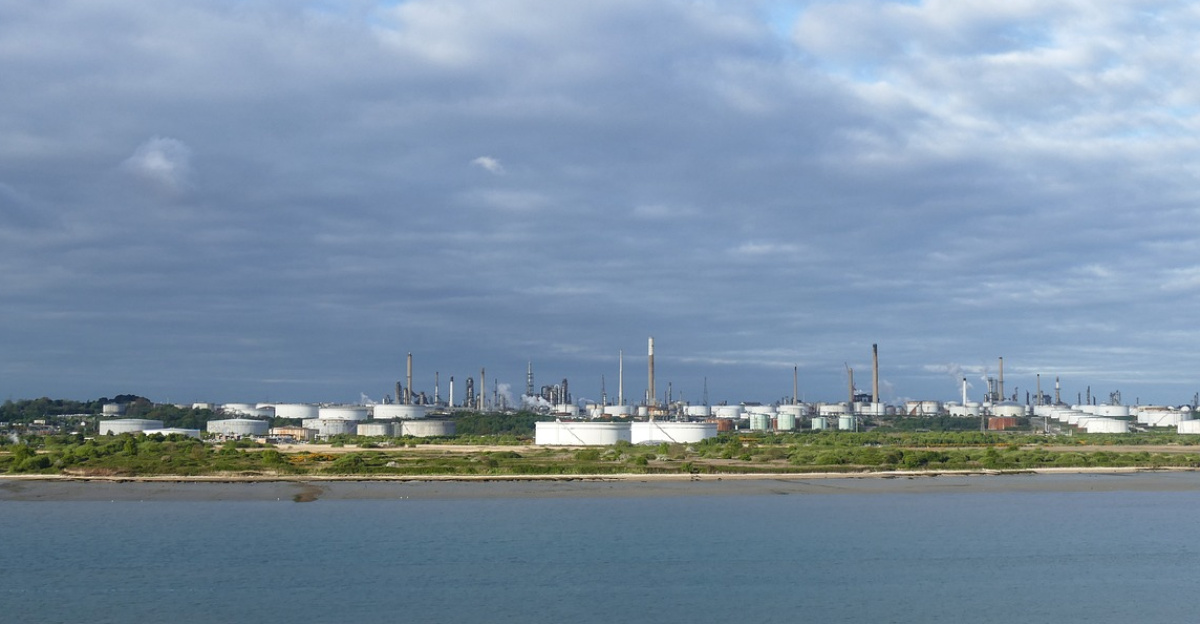
On Dec. 25, 2025, Ukraine’s Air Force targeted the Novoshakhtinsk refinery in Rostov Oblast with Storm Shadow missiles. Just 10 km from Ukraine and over 200 km from front lines, this major supplier fuels Russian troops. Explosions caused a large fire.
It disrupts diesel and jet fuel flows. Damage assessments continue as Russia responds. A stark blow close to home.
Massive Fire Swallows the Plant
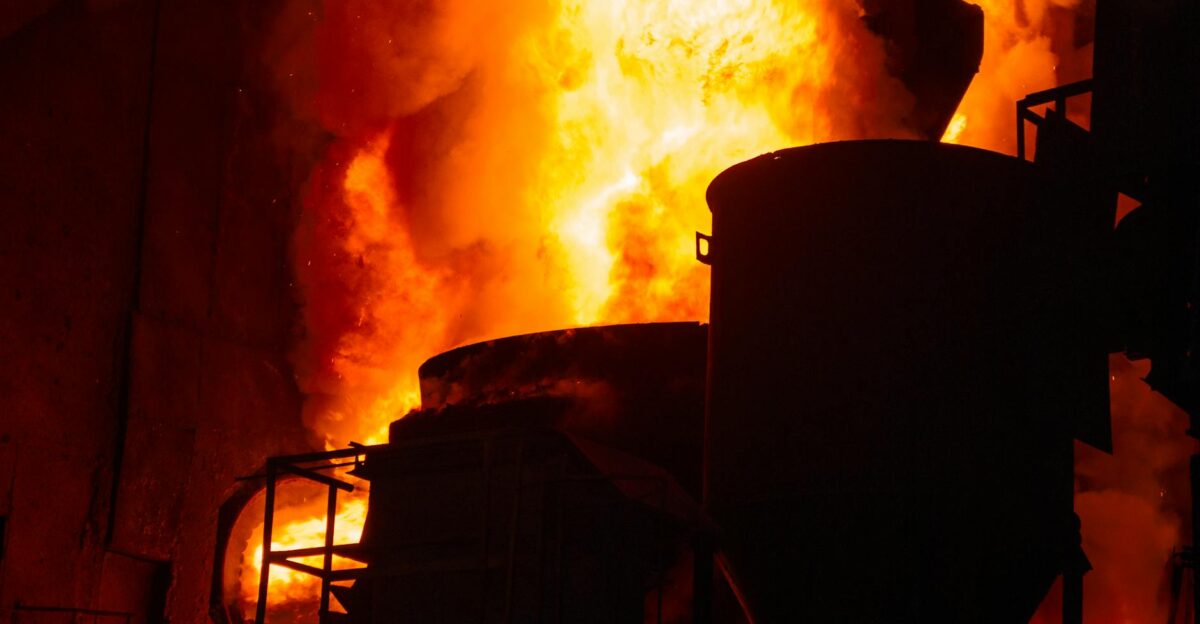
The missile strike sparked explosions and a major fire at Novoshakhtinsk, with damage checks ongoing. Rostov officials confirmed the blasts at the industrial site, per The Kyiv Independent on Dec. 25, 2025. Firefighters battled thick smoke for hours.
How quickly will operations resume? The inferno threatens regional fuel for military use. Ukrainian strikes erode Russia’s edge. Alerts sounded as smoke spread, hitting civilian areas too. Recovery efforts test resilience.
Firefighter Hurt in the Fight

One firefighter was injured fighting the Novoshakhtinsk blaze and hospitalized, local authorities reported. No other casualties were noted immediately. Residents heard explosions and saw heavy smoke, prompting air raid alerts.
What’s the impact on communities? Toxic air and economic ripples affect families. Strikes bring real human risks near the border. Crews persist amid chaos.
Southern Fuel Network Rocked

The Novoshakhtinsk hit disrupts fuel across southern Russia, key for military logistics. Diesel and aviation supplies to troops face delays. An August 2025 drone strike caused similar fires there. Energy security wavers, shortages could slow ops. Ukraine’s targeting chokes these lines. Regions adapt with detours, but pressure builds.
Ukraine’s Deep Hits on the Rise
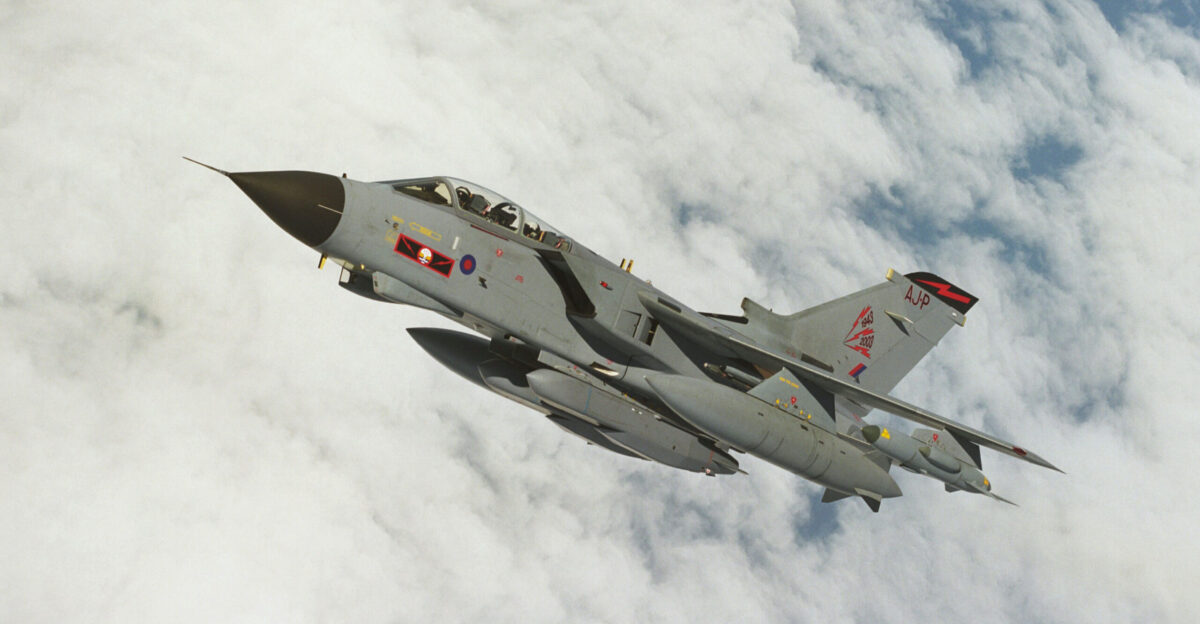
Ukraine struck Novoshakhtinsk at least six times since March 2024, with Storm Shadows used before, like in an October 2025 Bryansk attack. Refineries fund and fuel Russia’s war, drawing fire. The pattern escalates, hitting logistics hard. Western aid extends reach. Repairs lag as damage mounts, what’s next?
A Repeated Bullseye
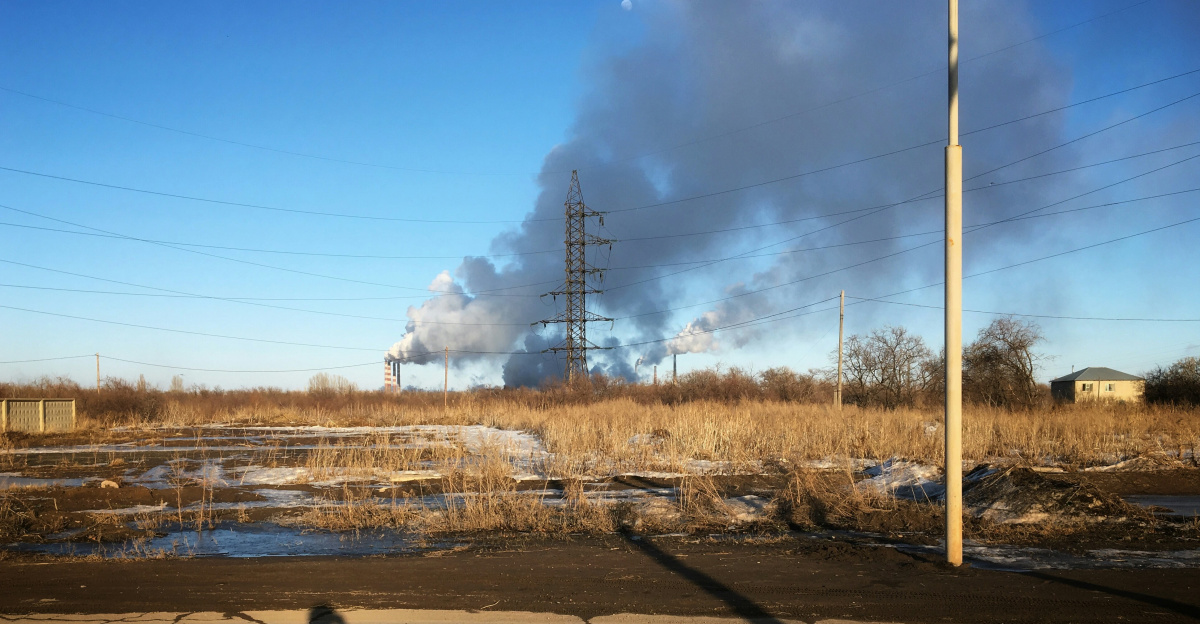
This Christmas Day strike marks the second major blow to Novoshakhtinsk in 2025 alone, hot on the heels of an August drone attack that ignited a fierce fire and forced temporary shutdowns. Satellite imagery reveals scars from both hits piling up damage that hampers long-term output.
Each strike forces fuel diversions, delays convoys, and strains reserves. Ukraine’s relentless focus pays dividends, exposing how one persistent target can unravel broader logistics. For Russia, repairs race against the next hit, how much punishment can the plant endure before it crumbles for good?
Russia’s Defenses Fall Short
Rostov Governor Yury Slyusar confirmed explosions rocked the Novoshakhtinsk refinery but dodged specifics on damage or response, a telling sign of operational frustration. Crucially, Russian air defenses failed to spot or stop the incoming Storm Shadow missiles, allowing the deep strike to land unopposed over 200 km inside territory.
Internal anger brews among military stakeholders as logistics take hits. For the Kremlin, it’s a red flag: Patchwork shields can’t counter Western precision.
Leaders Under the Spotlight

Rostov Oblast leaders, including Governor Yury Slyusar, face mounting scrutiny for failing to shield the Novoshakhtinsk refinery despite its role as a military fuel lifeline. No resignations yet, but the Christmas strike lays bare glaring defense gaps, with air systems missing Storm Shadows yet again.
Military logistics chiefs grapple with diversions and delays, while Kremlin watchdogs demand answers. Local officials dodge blame in briefings, but public trust erodes as smoke chokes border towns.
Cleanup and Repairs Underway

Emergency crews finally contained the raging Novoshakhtinsk blaze after hours of battle, shifting to full damage evaluations and initial repairs. Russia prioritizes swift restoration as past strikes, like August’s drone hit, saw partial output resume in days despite fires. “
Extra air systems and concrete barriers are likely next, per patterns from prior incidents. How fast can they rebound this time?
Vulnerabilities Persist in Russia’s Network
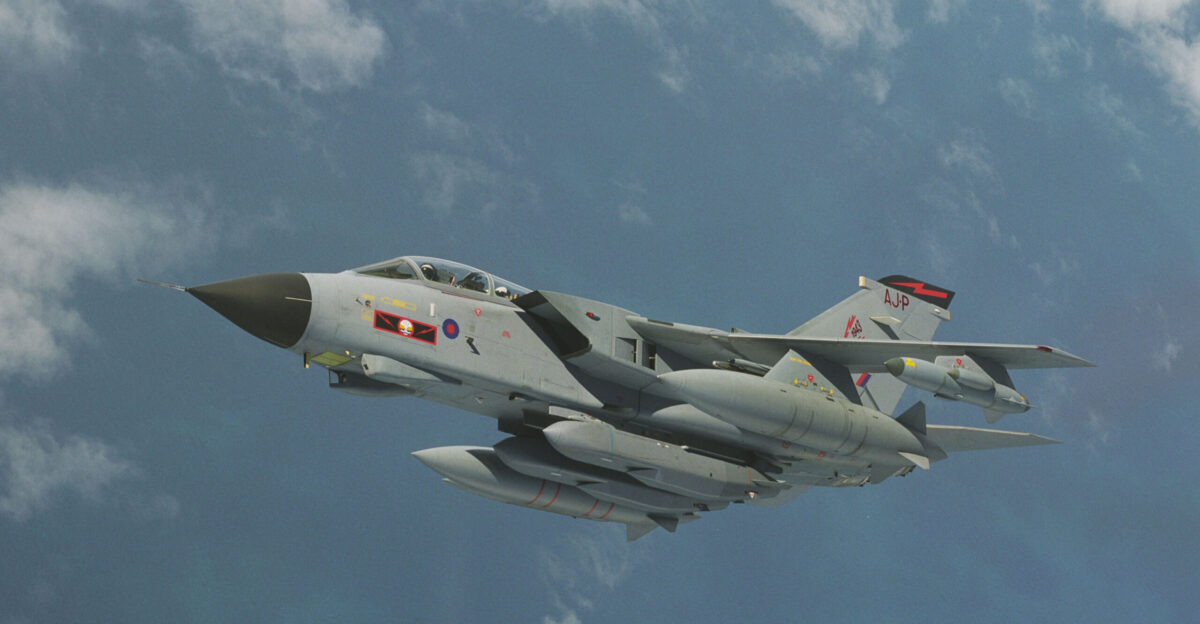
Ukraine’s precision Storm Shadow strikes expose deep flaws in Russia’s ability to protect far-flung refineries, especially those fueling southern fronts just 10-200 km from borders.
Southern networks face cascading risks, diverted diesel starves tanks, grounded jets lose air cover. Western munitions outpace Moscow’s patchwork shields, turning energy hubs into soft targets.
More Big Strikes Coming?
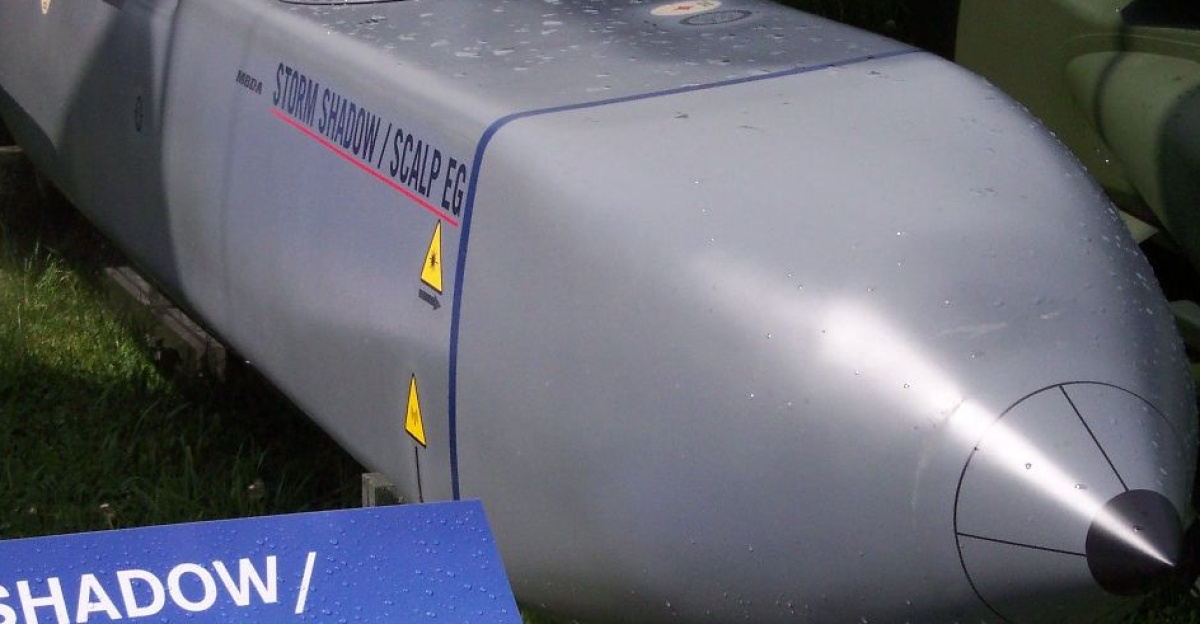
With Western munitions like Storm Shadow sharpening Ukraine’s deep-strike precision, the Novoshakhtinsk hit signals more refineries could fall next. Now in year four, patterns accelerate as 2025 strikes triple prior years per Ukrainian tallies.
Sources:
The Kyiv Independent, “Ukraine strikes major Russian oil refinery on Christmas Day”, 25 Dec 2025
The Kyiv Independent, “Storm Shadow missiles used in deep strike on Rostov refinery”, 25 Dec 2025
Kyiv Post, “Ukraine’s pattern of energy infrastructure strikes intensifies”, 25 Dec 2025
BBC News, “UK supplies Storm Shadow missiles to Ukraine”, 11 May 2023
The Kyiv Independent, “Novoshakhtinsk refinery hit multiple times in 2025”, 25 Dec 2025