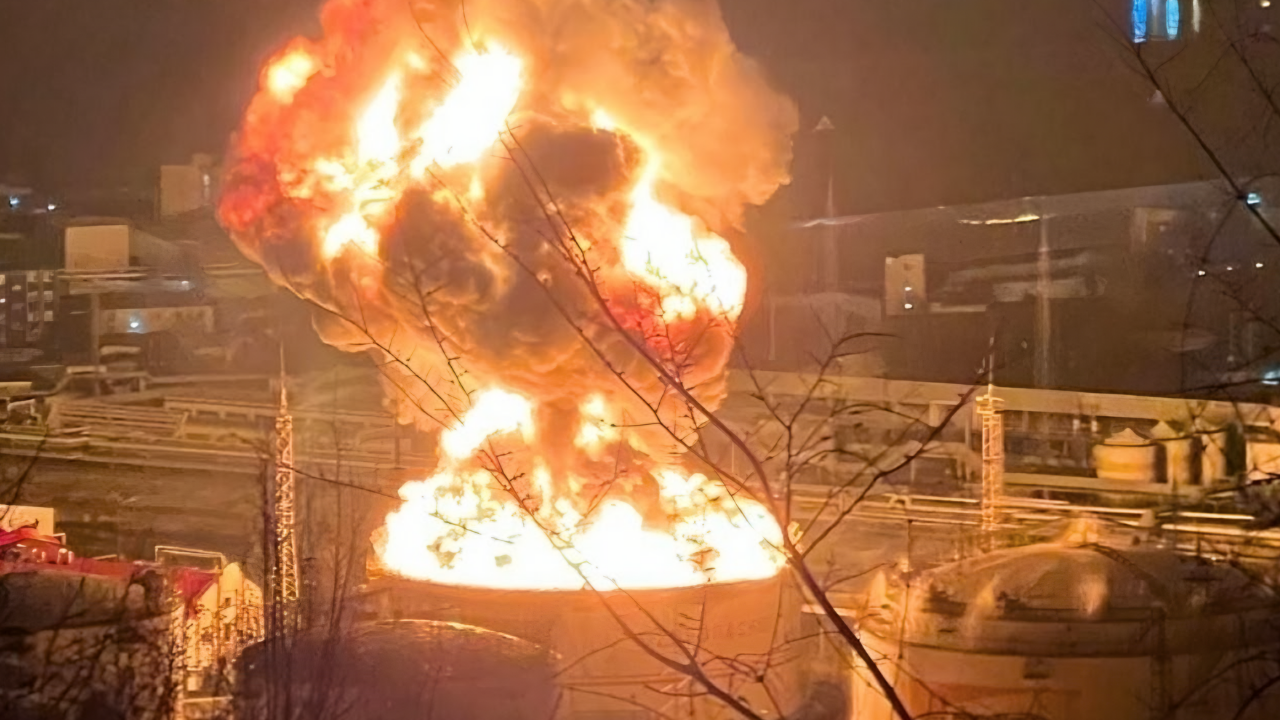
The energy war has entered a volatile new phase. On the night of December 17, 2025, Ukrainian forces executed a complex, multi-pronged attack on Russian infrastructure, marking the seventh major refinery or depot strike in just 17 days.
Military analysts suggest this sustained operational tempo is designed to cripple fuel logistics deep behind the front lines. According to the General Staff of the Armed Forces of Ukraine, these deep strikes are systematically dismantling the “war machine” sustaining Russian troops.
Slavyansk Refinery Hit For Second Time In Weeks
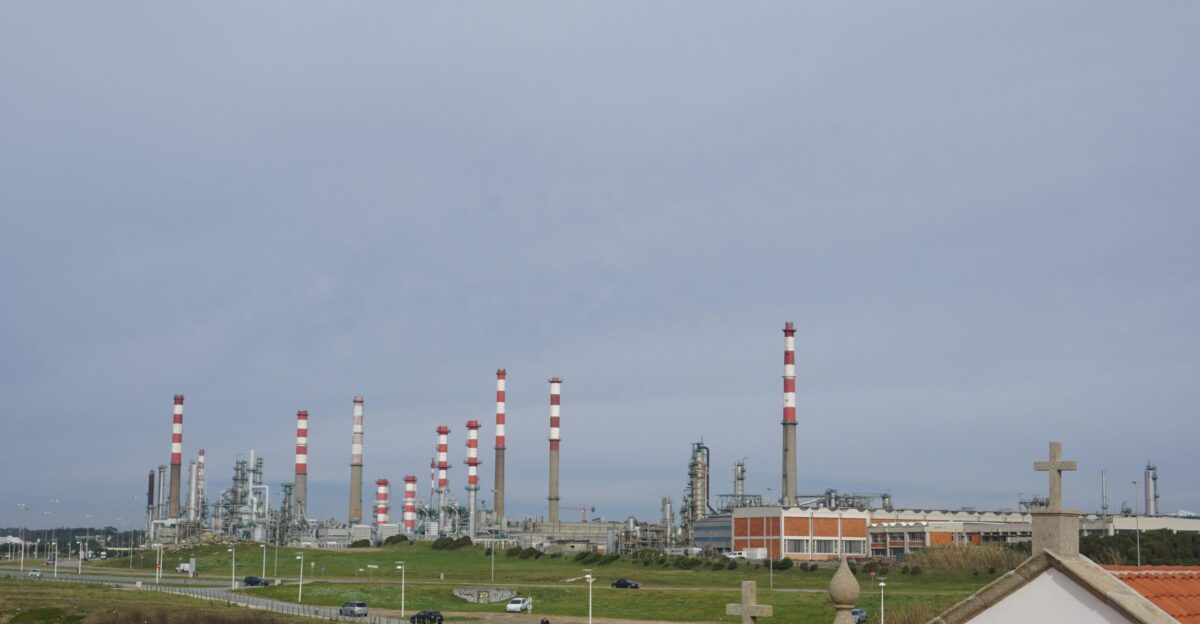
The massive Slavyansk oil refinery in the Krasnodar region, capable of processing 5.2 million tons of crude oil annually, was a primary target. This facility is critical to the region’s energy infrastructure and was struck previously on November 30.
Local reports indicate that Ukrainian strike UAVs successfully bypassed air defenses to deliver a second blow in under three weeks.
$600 Million in Annual Output Placed at Risk
The economic implications of the Slavyansk strike are severe. With an annual processing capacity of 5.2 million tons, the facility represents approximately $400 million to $600 million in annual output based on 2025 crude pricing.
While the full extent of the damage is still being assessed, experts estimate that even a partial shutdown could disrupt fuel supplies of 50,000 to 100,000 tons per month.
River Vessel ‘Kapitan Gibert’ Struck

Simultaneously with the refinery attack, drones descended on the Nikolayevskaya oil depot in the Rostov region. The raid reportedly damaged fuel tanks and the river vessel “Kapitan Gibert,” which was docked at the facility. This strike widens the theater of operations from static land targets to maritime logistics, threatening the river transport networks that move heavy supplies.
The damage to the vessel suggests a new level of precision in Ukrainian targeting, aiming to sever transport nodes alongside production hubs.
101st Brigade Loses Critical Artillery Depot In Luhansk
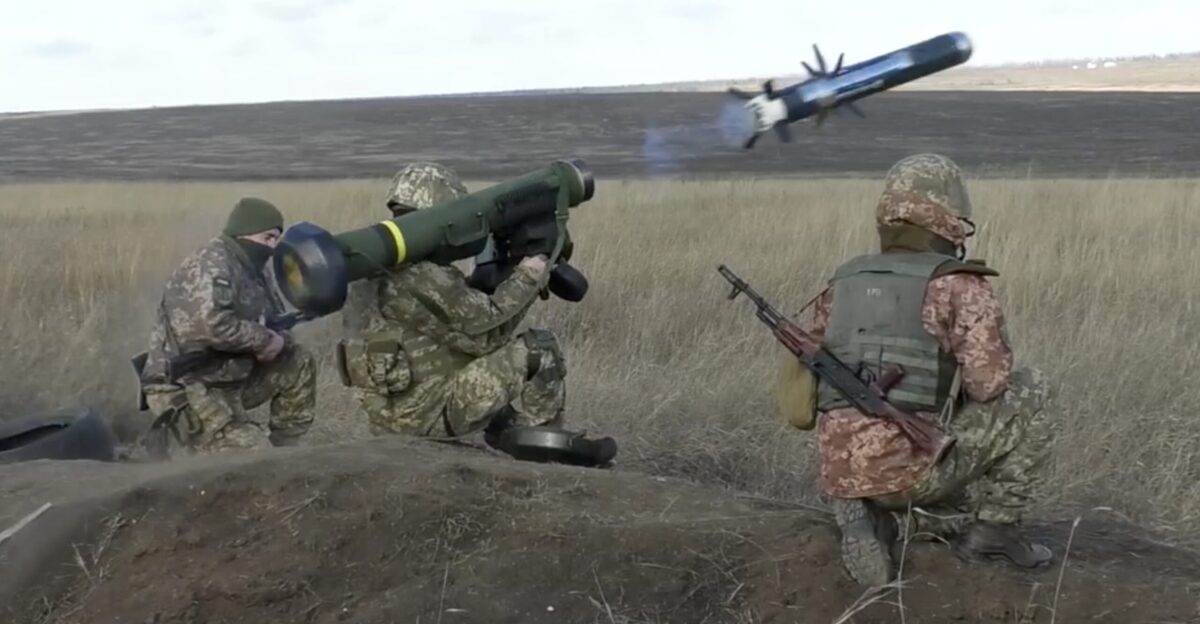
The offensive extended into occupied Ukrainian territory, where the 101st Russian logistics brigade suffered a significant blow. Ukrainian forces successfully targeted a field artillery depot in the Luhansk region, triggering secondary explosions confirmed by local witnesses.
This depot reportedly supported brigade-level logistics for thousands of troops. By simultaneously targeting ammunition storage and fuel production, Ukrainian planners appear to be executing a “starve and freeze” strategy aimed at degrading Russian combat effectiveness as winter deepens.
Drones Hunt Rigs In The Caspian Sea
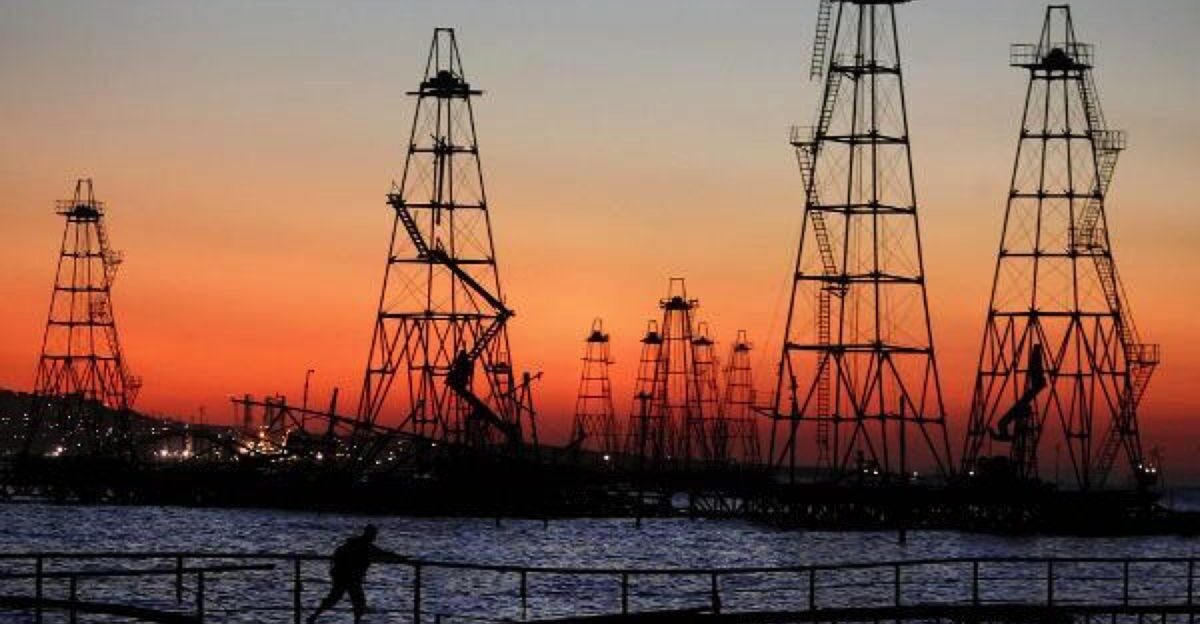
Just three days prior, on December 14, 2025, Ukraine demonstrated a shocking expansion of its strike range. Drones hit the R. Graifer drilling rig in the Caspian Sea, a target located over 1,000 kilometers from Ukrainian-controlled territory.
This strike marks the first confirmed Ukrainian attack on Russia’s offshore Caspian energy infrastructure.
All 14 Wells Shut Down At Caspian Drilling Platform

The impact of the Caspian Sea strike was immediate and total. Following the drone attack, operations at the R. Graifer stationary platform were halted, with all 14 gas wells shut down. According to industry estimates, typical offshore wells in this sector produce between 1,000 and 1,500 barrels per day.
Taking the entire platform offline removes roughly 14,000 to 20,000 barrels of daily production from the Russian energy grid, creating an expensive headache for state energy operators.
Daily Production Losses Estimated at $15 Million

The financial toll of the Caspian strike is mounting rapidly. Energy analysts estimate that shutting down the R. Graifer rig costs the Russian economy between $10 million and $15 million in lost daily production.
This figure assumes standard gas and condensate pricing for the region. While repair timelines remain unclear, the inability to restart these wells quickly compounds the economic strain, proving that Ukraine can inflict disproportionate financial damage with relatively inexpensive deep-strike weapons.
A Pattern of Destruction

The December 17 strikes are part of a broader, accelerating campaign. Between November 28 and December 17, Ukrainian drones have hit targets in Syzran, Alchevsk, Ryazan, Voronezh, Tambov, and Saratov. This geographic dispersion forces Russian air defense commanders to make impossible choices about which cities to protect.
By stretching defenses thin across thousands of square kilometers, Ukraine ensures that key industrial nodes like the Slavyansk refinery remain vulnerable to repeat attacks despite their strategic importance.
General Staff Confirms Use Of Deep Strike Weapons
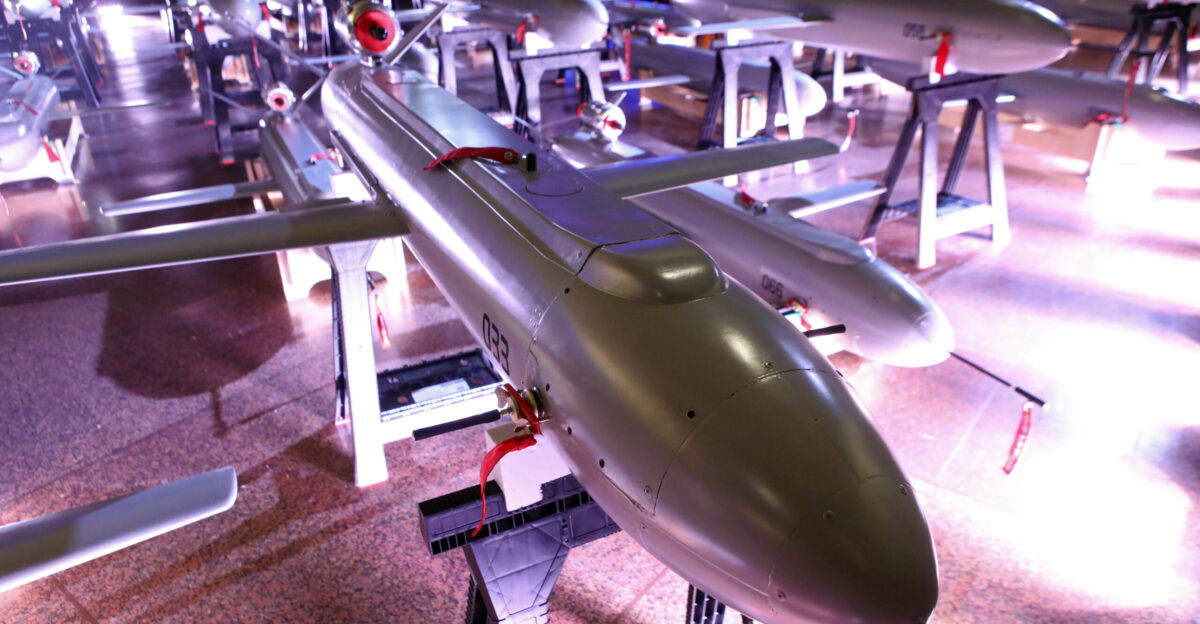
Kyiv is no longer obscuring its role in these deep-territory operations. In a statement released shortly after the attacks, the General Staff of the Armed Forces of Ukraine confirmed, “On the night of December 17, 2025, units of the Defense Forces used Deep Strike weapons to strike the infrastructure of the Slavyansk oil refinery.”
This rare public confirmation underscores the military’s confidence in their domestically produced strike UAVs and their intent to continue targeting the energy sector.
Refinery Capacity Dwindles
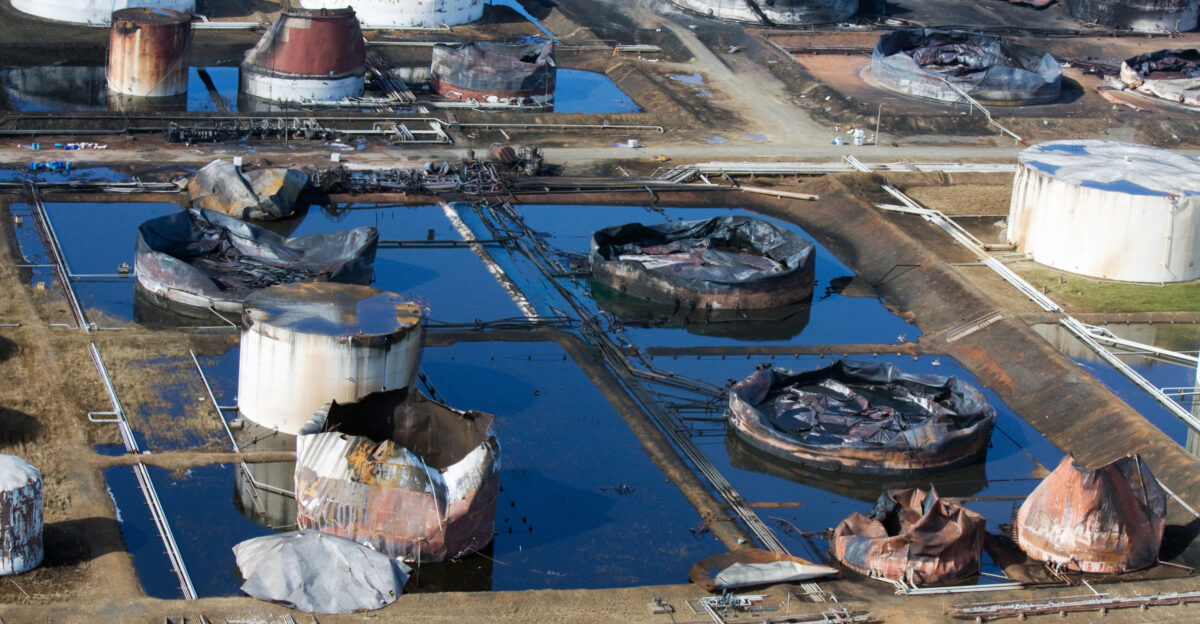
The cumulative effect of hitting seven major facilities in 17 days is beginning to show in aggregate supply metrics.
With the Slavyansk plant processing 5.2 million tons per year, and other targets, such as the Ryazan and Syzran refineries, suffering damage earlier in the month, a significant percentage of Russia’s refining capacity in the southern and central districts is currently offline or operating at reduced rates.
Russian Air Defenses Overwhelmed By Swarm Tactics
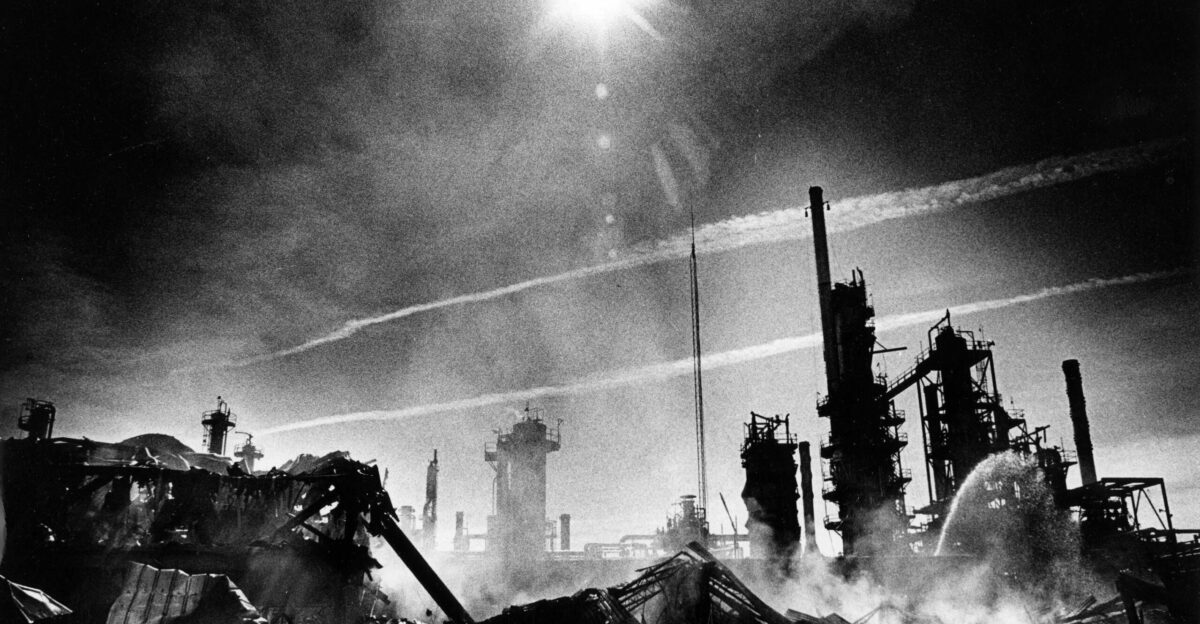
The ability of Ukrainian drones to strike the Slavyansk refinery twice in 17 days raises serious questions about the effectiveness of Russian air defense systems in the Krasnodar region. Despite the known threat, the facility was left exposed to a second, damaging barrage.
Military observers note that the use of swarm tactics and low-altitude flight paths allows Ukrainian UAVs to bypass radar nets designed to intercept conventional aircraft, leaving stationary industrial targets largely defenseless against precision strikes.
Civilian And Military Logistics Converge In The Crosshairs

The damage to the river vessel “Kapitan Gibert” signals a blurring of lines between military and dual-use civilian infrastructure. By targeting transport vessels alongside depots, Ukraine is effectively blockading the internal waterways used to ferry supplies.
This complicates Russian logistics, forcing reliance on rail and road networks that are already overstretched.
Strategic Shift To Offshore Energy Warfare
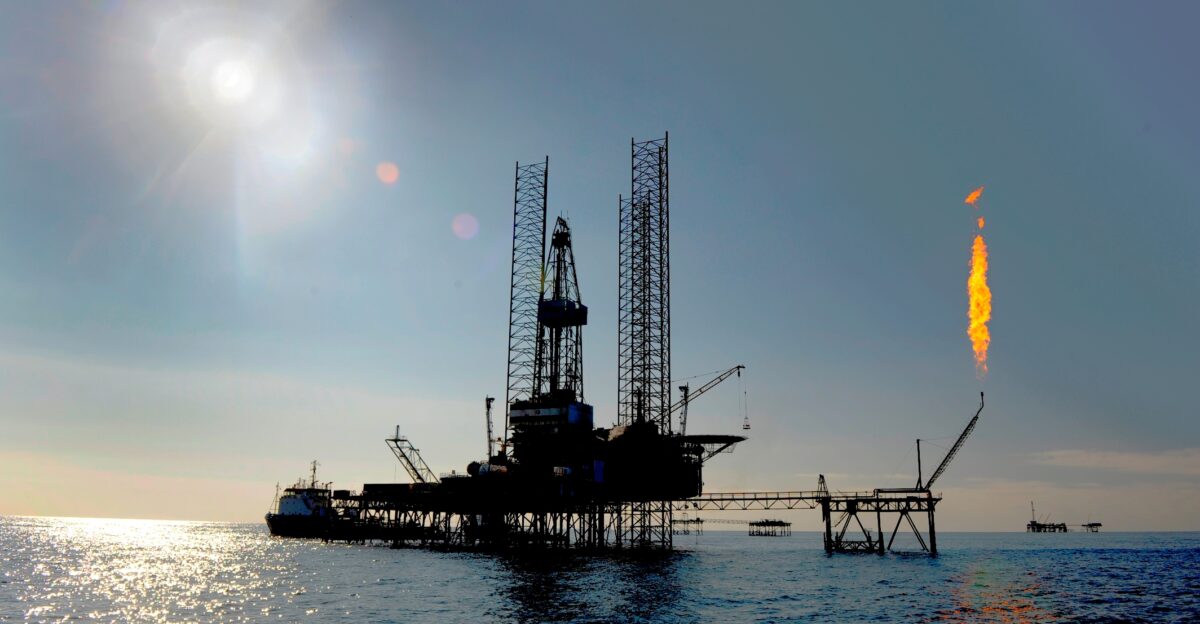
The attack on the Caspian rig represents a paradigm shift in the conflict. For nearly four years, the war was primarily confined to land; now, Russia’s maritime energy wealth is under threat. Securing offshore platforms requires naval assets and specialized air defense systems that are currently deployed elsewhere.
This new vulnerability may force the Russian command to redeploy critical defensive assets away from the Ukrainian front to protect distant economic interests in the Caspian basin.
Winter Campaign Targets The Fuel That Drives The War

As temperatures drop, the demand for fuel—both for heating and for military vehicles—spikes. Ukraine’s timing is deliberate. By knocking out refining capacity and ammunition depots, such as the one in Luhansk, they are leveraging the winter season to maximize the impact of every strike.
With the 101st Brigade’s logistics disrupted and millions of tons of refining capacity offline, the Russian military faces a colder, more challenging winter as their supply lines burn in the rear.
Sources:
General Staff of the Armed Forces of Ukraine, December 17, 2025 statement on Deep Strike weapons strike against Slavyansk oil refinery
Ukrainian Defense Forces operational briefing, December 14, 2025 on R. Graifer Caspian Sea drilling rig strike
Krasnodar regional energy infrastructure reports, December 2025 on Slavyansk refinery processing capacity (5.2 million tons annually)
Rostov regional incident reports, December 17, 2025 on Nikolayevskaya oil depot and “Kapitan Gibert” vessel damage
Luhansk occupied territory military logistics assessments, December 17, 2025 on 101st Russian logistics brigade artillery depot strike
Energy sector industry analysis, 2025 Caspian Sea offshore well production metrics (14,000–20,000 barrels/day typical output)