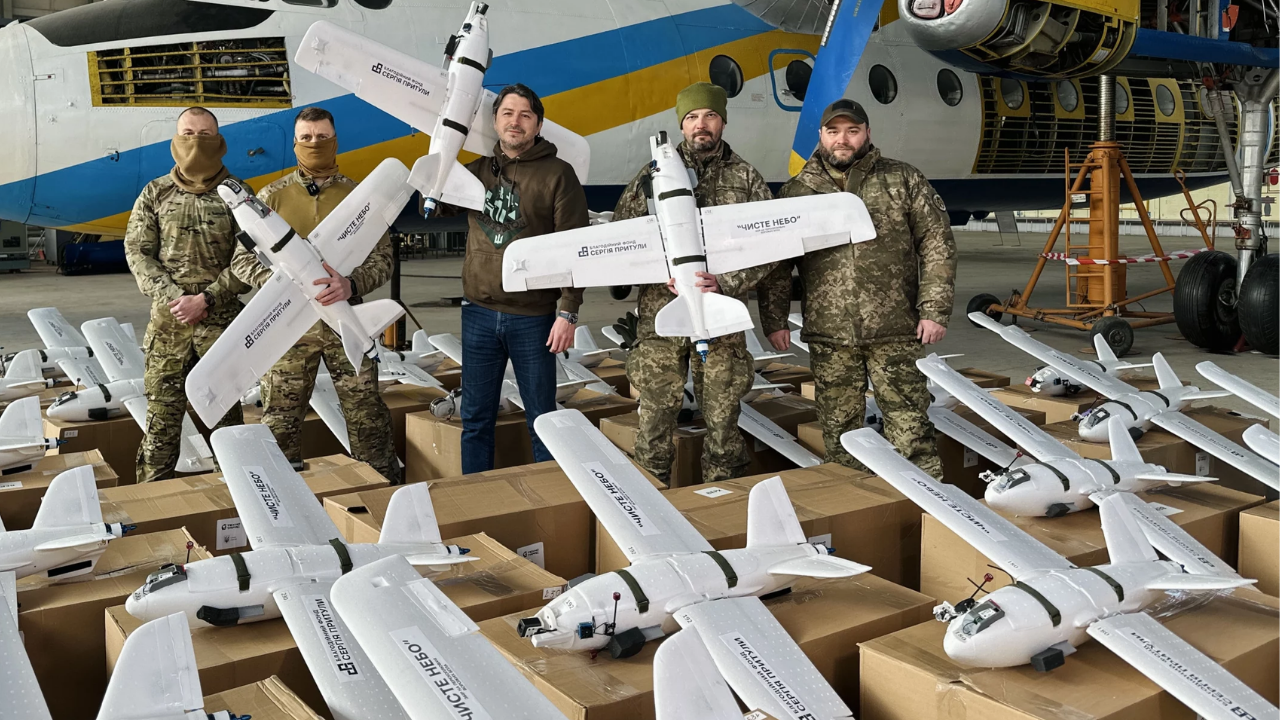
Every destroyed target is something that did not hit Ukrainian homes, families, or power plants. Unit commander “Loi” frames nightly battles against Russian suicide drones this way. For three years, Russia leveraged cheap Iranian Shahed drones against expensive Ukrainian missiles. In 2025, that calculation collapsed.
Ukraine unveiled a $1,000 interceptor destroying drones worth $10,000 to $300,000 each. The Sting, shaped like a flying thermos, became the symbol of desperate innovation. Developed by Wild Hornets and complemented by General Cherry’s Bullet, these mass-produced drones represent an unprecedented shift in modern warfare.
From Prototype to Mass Production

What started as prototypes in late 2024 became mass production by early 2025—a feat typically requiring years. Ukrainian engineers in workshops using salvaged 3D printers built weapons that defense analysts now call the cornerstone of modern counter-drone warfare. The economic damage inflicted on Russia has been staggering.
As of December 2025, interceptor teams destroyed over 1,500 Russian drones, preventing an estimated 1,520 civilian casualties.
Inside the Sting Interceptor
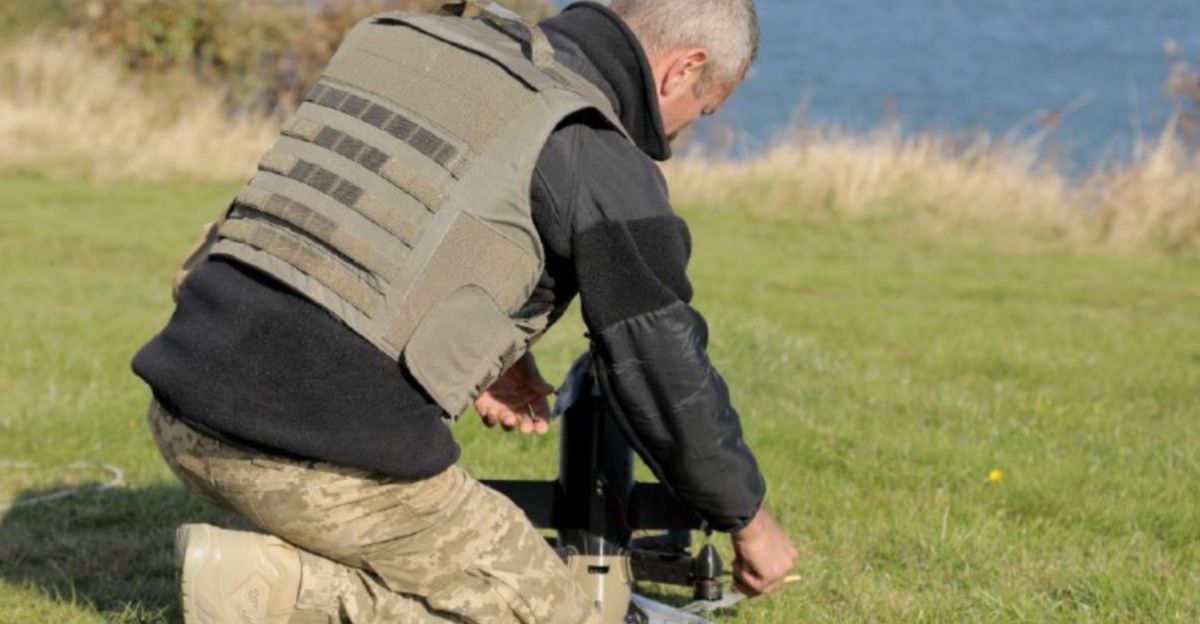
The Sting’s distinctive design reflects form following function. A 3D-printed bullet-shaped frame houses four rotors, capable of reaching speeds of up to 213 miles per hour. Operators describe it as resembling a thermos flask—a narrow cylindrical body optimized for speed and altitude. It operates at altitudes to 10,000 feet, engaging targets exceeding 25 kilometers using thermal imaging cameras customized for interception missions.
Assembly takes two minutes. Deployment takes fifteen. An operator wearing VR goggles manually guides the drone toward its target. The pilot locks onto incoming Shaheds and steers collision. The warhead detonates on impact, shredding both aircraft mid-air.
The Sting’s November Victory
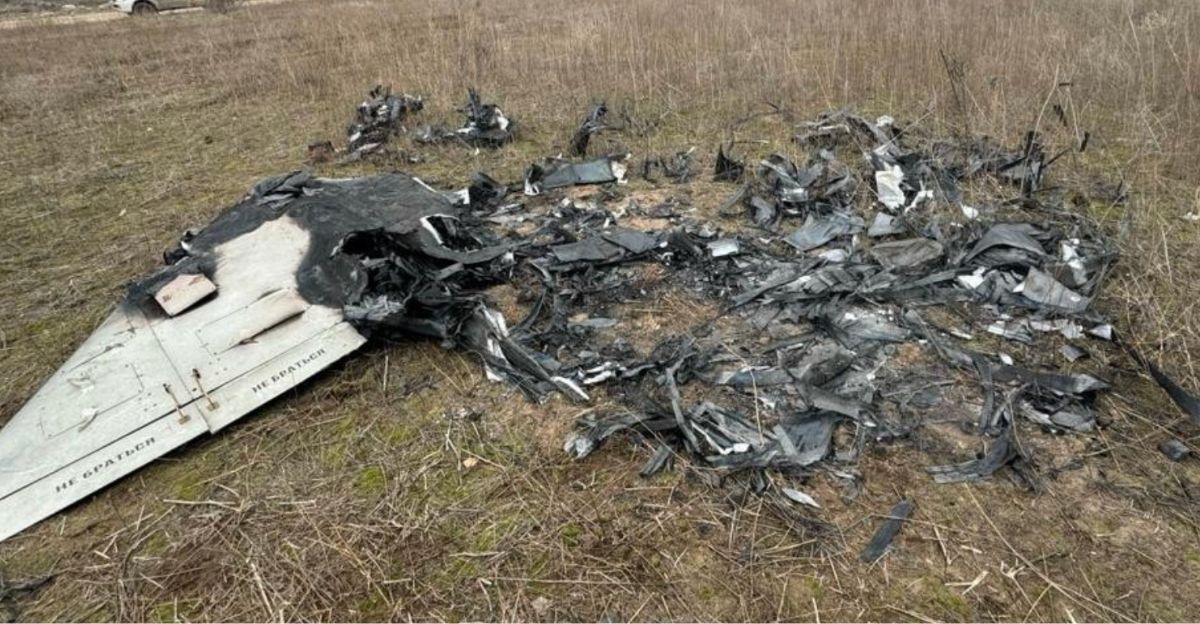
The Sting’s effectiveness became undeniable in November 2025 when Ukrainian forces achieved a 94 percent success rate during Russia’s mass-drone offensive. For the first time in December 2025, a Sting interceptor downed Russia’s jet-powered Geran-3 variant—a major breakthrough. These faster, higher-flying drones had previously evaded some traditional air defenses.
Operators reportedly destroyed dozens of drones in a single night. The engagement range of 25 kilometers enabled teams to intercept threats before they reached populated areas.
General Cherry’s Bullet Answer
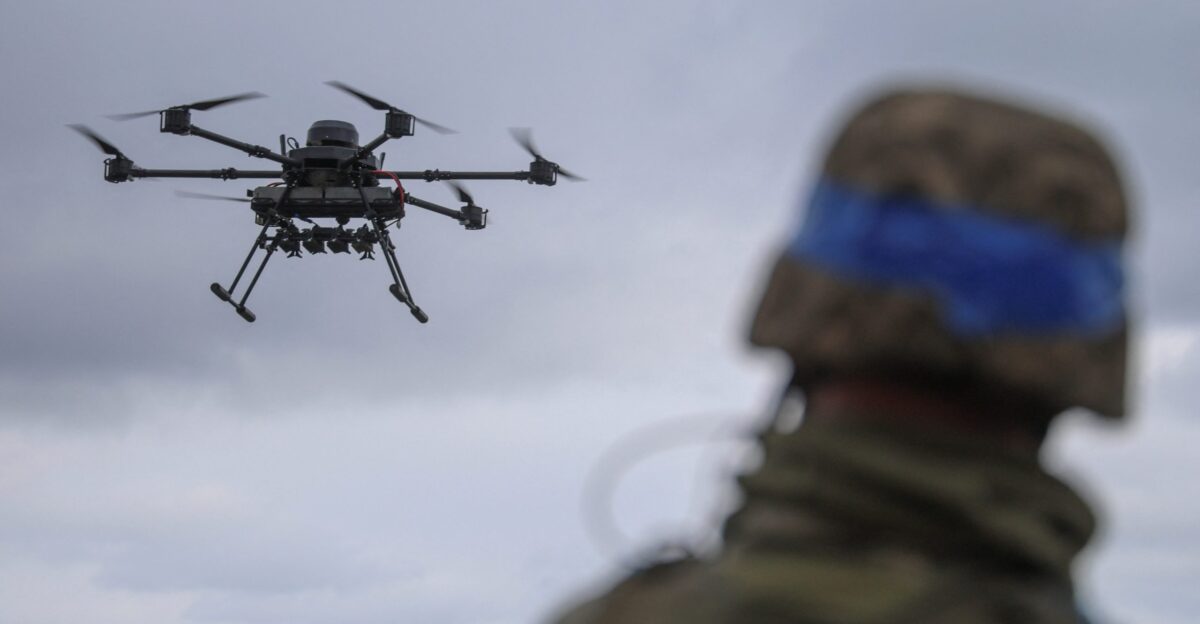
General Cherry, another startup born out of 2025’s desperation, developed the Bullet interceptor as a complementary system. The company quickly moved to mass production, announcing in October 2025 that thousands of units were being built monthly. Capacity scales to tens of thousands if battlefield demand spiked.
The Bullet is neither faster nor more sophisticated than the Sting—it doesn’t need to be. Both systems operate on the same principle: cheap platforms flown by trained operators intercept expensive Russian drones faster than Moscow replaces them.
The Economics of Asymmetric Warfare
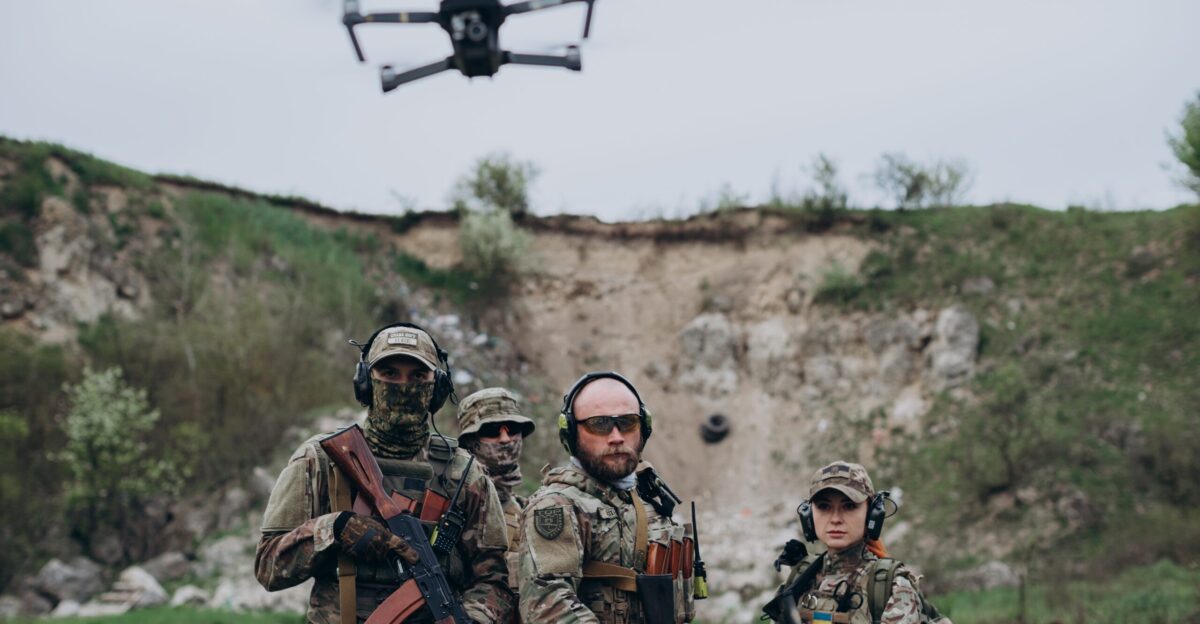
Andrii Lavrenovych, General Cherry’s strategic council member, stated the drones they destroy cost anywhere from $10,000 to $300,000. “We are inflicting serious economic damage,” he said in December 2025. A $1,000 drone destroying a $100,000 Shahed yields a 100:1 kill ratio.
Against most expensive Russian variants, that ratio reaches 300:1. Each successful intercept translates to roughly $99,000 to $299,000 in net economic damage inflicted on Russia.
Why Russia Cannot Stop Launching Shaheds
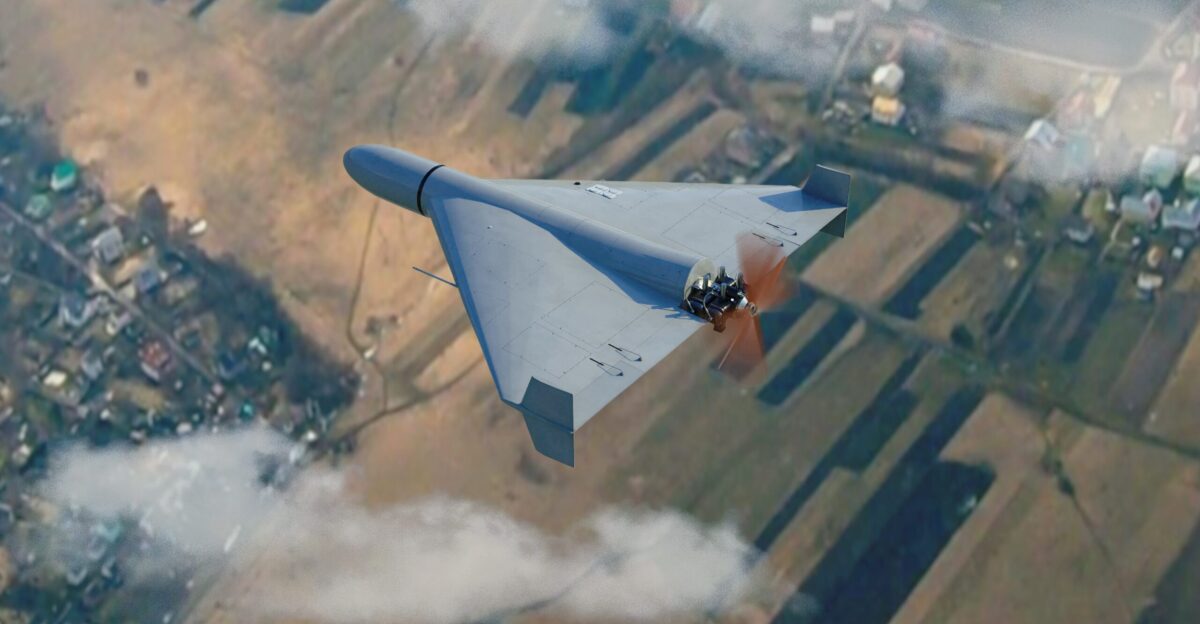
Russia’s reliance on Shahed drones stems from desperation and economics. Shaheds cost less and are manufactured more quickly. From September 2024 through March 2025, Russia escalated launches from 200 per week to over 1,000 weekly—a nine-fold increase driven by attrition logic.
A $20,000 Shahed damaging a power transformer or killing civilians through blackouts represents strategic success for Moscow.
Russian Drone Evolution and Desperation
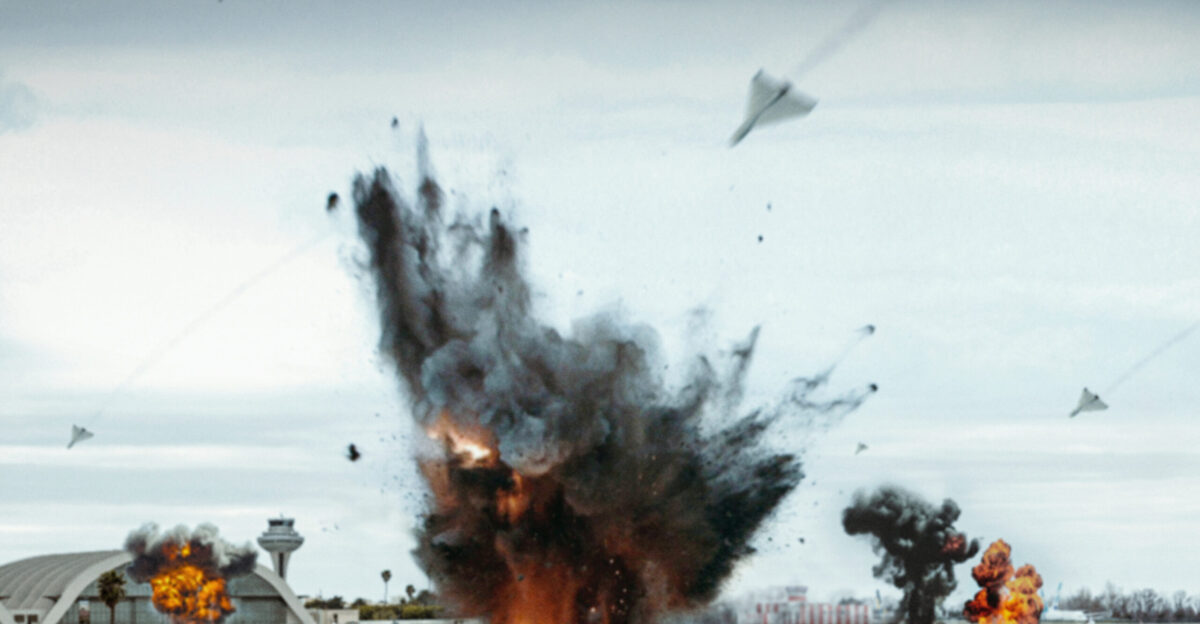
The original Shahed-136 flies slower and at a lower altitude. Later variants added jammers degrading Ukrainian electronics-warfare response. The Geran-3, introduced late 2025, uses turbojet engines reaching 550–600 kilometers per hour—nearly twice the older speeds.
Russia even attempted arming some Shaheds with Soviet-era R-60 air-to-air missiles, transforming drones into hunters. Ukrainian footage shows these armed variants failing spectacularly, with missiles igniting uselessly mid-air as Sting interceptors bore in for collision.
Nightly Crucibles Over Cities
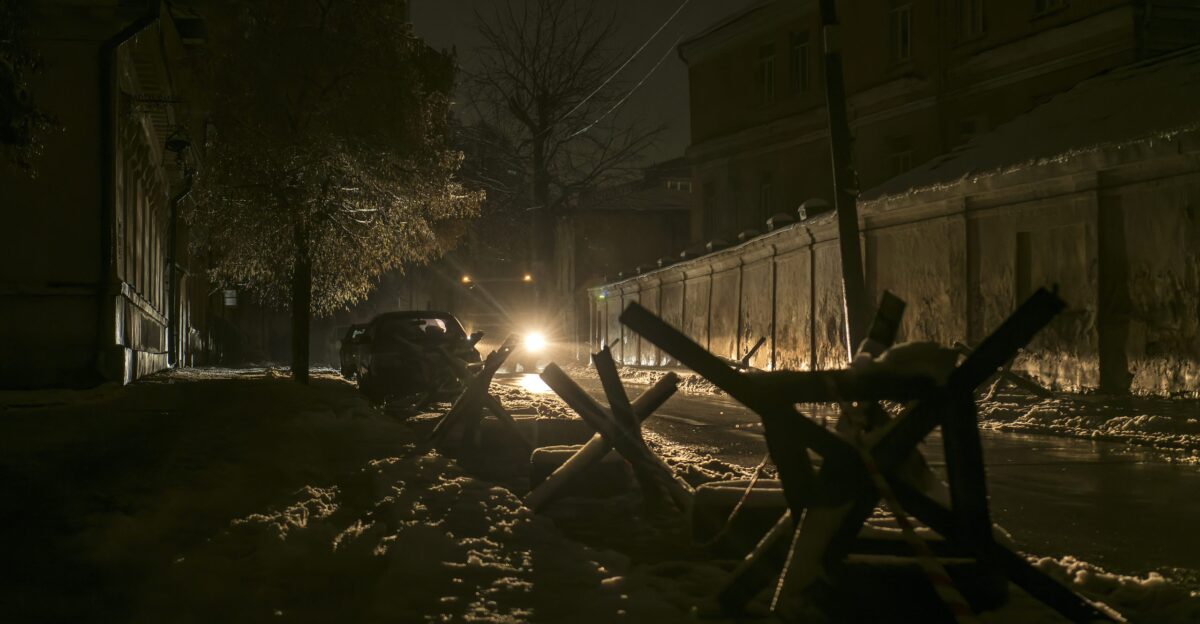
Every night across Ukraine, sirens wail as Russian launches are detected. Air-defense radars light up. Interceptor teams scramble to stations, pulling on VR goggles. From Donbas to Lviv and Odessa, aerial battle intensifies after dark. The stakes are critical.
Destroyed power plants mean darkness in December, dangerous cold in homes, lost water pressure for sanitation. Each successful interception, as Loi stated, is “something that did not hit our homes, our families, our power plants.”
The Autonomous Horizon Approaches

The Fourth Law, a Ukrainian development team, is engineering autonomous targeting and terminal-guidance modules specifically for interceptor drones. Early tests show that autonomous detection and tracking are performing effectively. According to Fourth Law statements, “The technology can significantly increase interceptor effectiveness.
It extends the distance targets can be identified and maintained in track, calculating optimal interception trajectory while continuously adapting to course changes.” Andrii Lavrenovych articulated the next frontier: “Drones must become fully autonomous robots with artificial intelligence—as scary as that may sound—to help our soldiers survive.”
NATO’s European Drone Wall Strategy
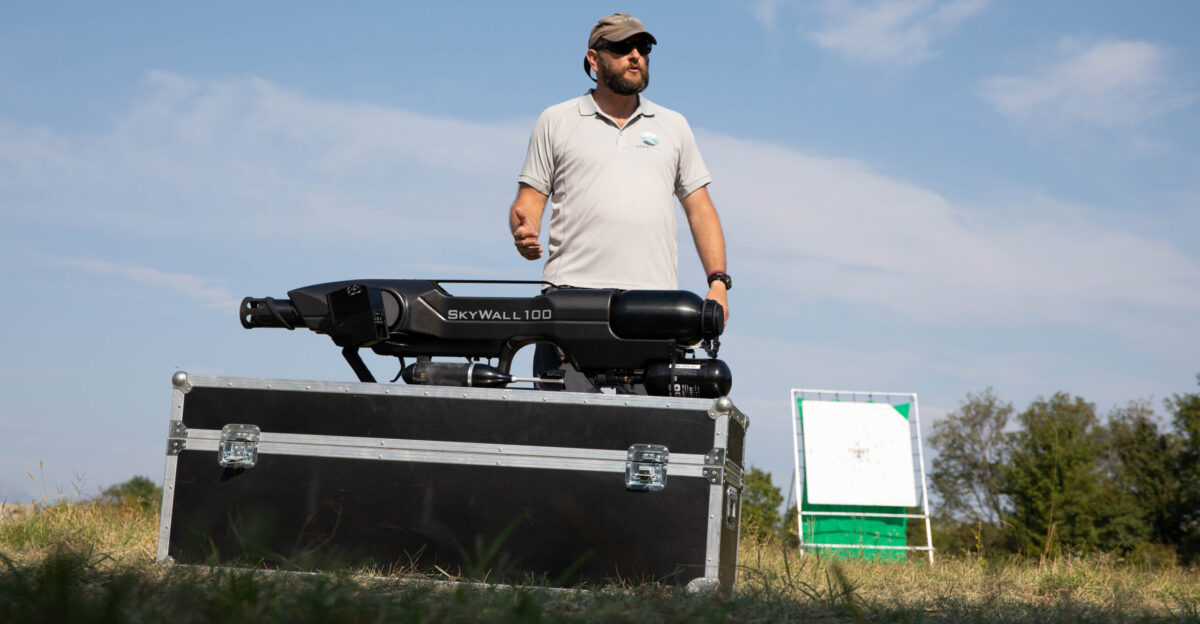
Ukraine’s interceptor success has ripple effects beyond Kyiv. NATO defense planners recognize that future continental air defense must be multilayered and distributed. The result is the European “drone wall”—layering multiple air-defense systems across eastern NATO borders, the territory most vulnerable to Russian attack.
The rollout timeline spans two years, placing deployment through 2027. Ukrainian interceptor drones, proven in combat, form one layer. Ground-based systems, air-defense guns, and net systems create additional barriers. No single drone variant can reliably penetrate the entire system.
U.S. and European Coproduction in 2026

Both Wild Hornets and General Cherry have signaled intentions to establish coproduction arrangements with U.S. and European partners starting in 2026. This represents a fundamental shift: instead of Europe depending on Ukrainian-made systems, capabilities would be replicated and manufactured across multiple countries, creating supply resilience and economies of scale.
If U.S., Poland, Germany, and NATO members manufacture Ukrainian designs under license, production could scale from thousands monthly to tens of thousands.
The Operator Shortage Crisis
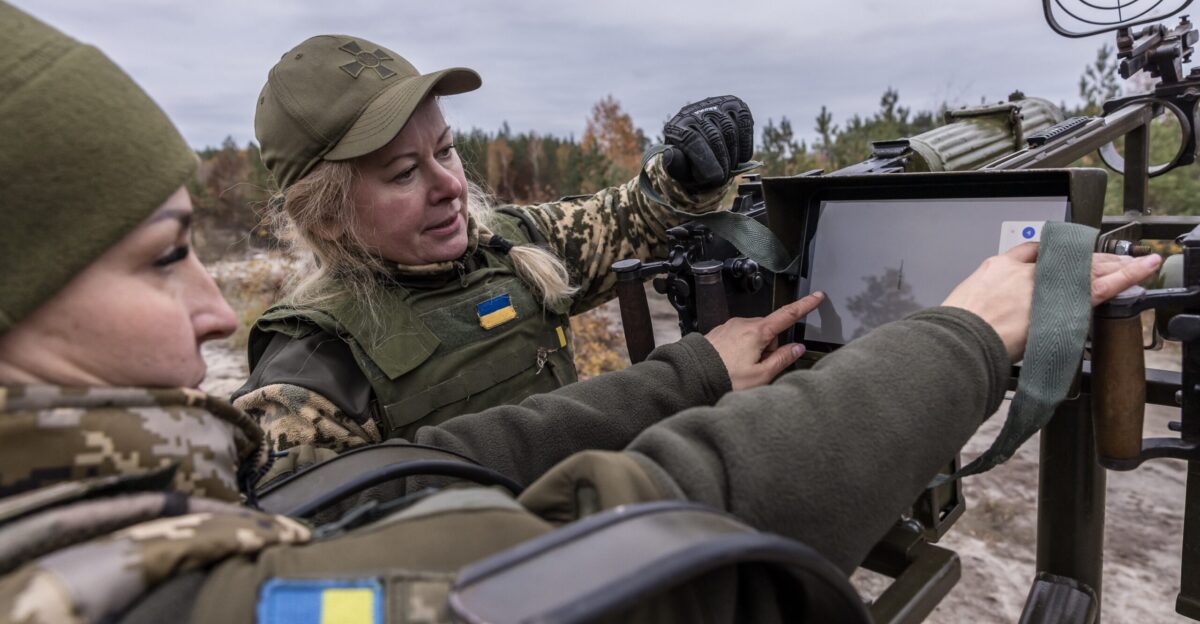
Behind every successful interception stands a person. Operators work in constant danger, kilometers from Russian positions. Frontline drone teams report rotating shifts, some pulling eighteen-hour days during intense periods.
The psychological toll of nightly combat operations creates cumulative stress. Training has become a bottleneck. While systems can be assembled in two minutes and trained in three days, truly proficient operators require weeks to develop intuitive responses, distinguishing successful interceptions from near misses.
The 2026 Arms Race Acceleration

Defense planners anticipate that both Russia and Ukraine will significantly increase drone production in 2026. Russia, facing manufacturing constraints from Western sanctions, will nonetheless attempt to manufacture Shaheds at a record pace.
Ukraine and Western partners will similarly ramp up interceptor production. This isn’t sustainable in the long term for Russia. A nation cannot indefinitely accept 300:1 kill ratios against offensive systems.
The Future of Air Defense
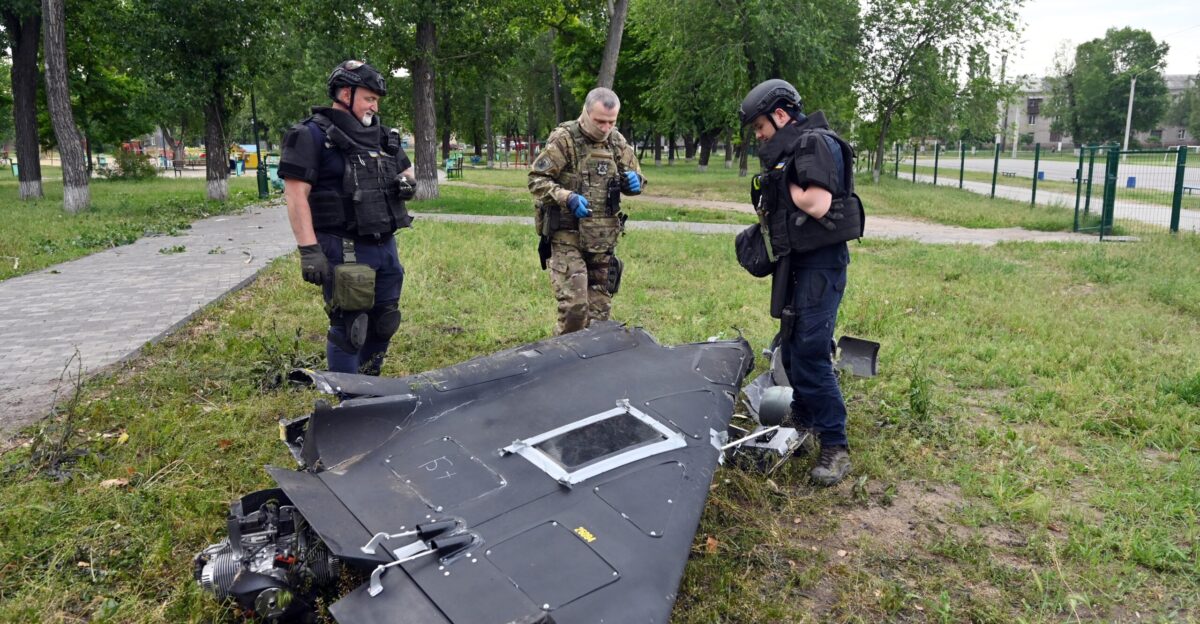
Traditional air defenses were built assuming threats came from manned aircraft or high-altitude missiles. Cheap drones proliferating globally break that model. Ukraine’s solution—cheap interceptors providing asymmetric defense—has become the template NATO and Europe will follow.
The economic math is compelling. A $1,000 interceptor reliably destroying $100,000 threats is the deal of the century in military spending. For the first time since the Cold War, expensive doesn’t necessarily mean superior.
Sources:
Center for European Policy Analysis (Washington) – Federico Borsari defense analysis briefing, December 2025
Wild Hornets official production statements and operational data, 2025
General Cherry strategic council statements – Andrii Lavrenovych interviews, December 2025
The Fourth Law autonomous drone development team technical briefing, 2025
Ukrainian military air defense command operational reports, November-December 2025
ABC News/Reuters Ukraine interceptor drone coverage, December 2025